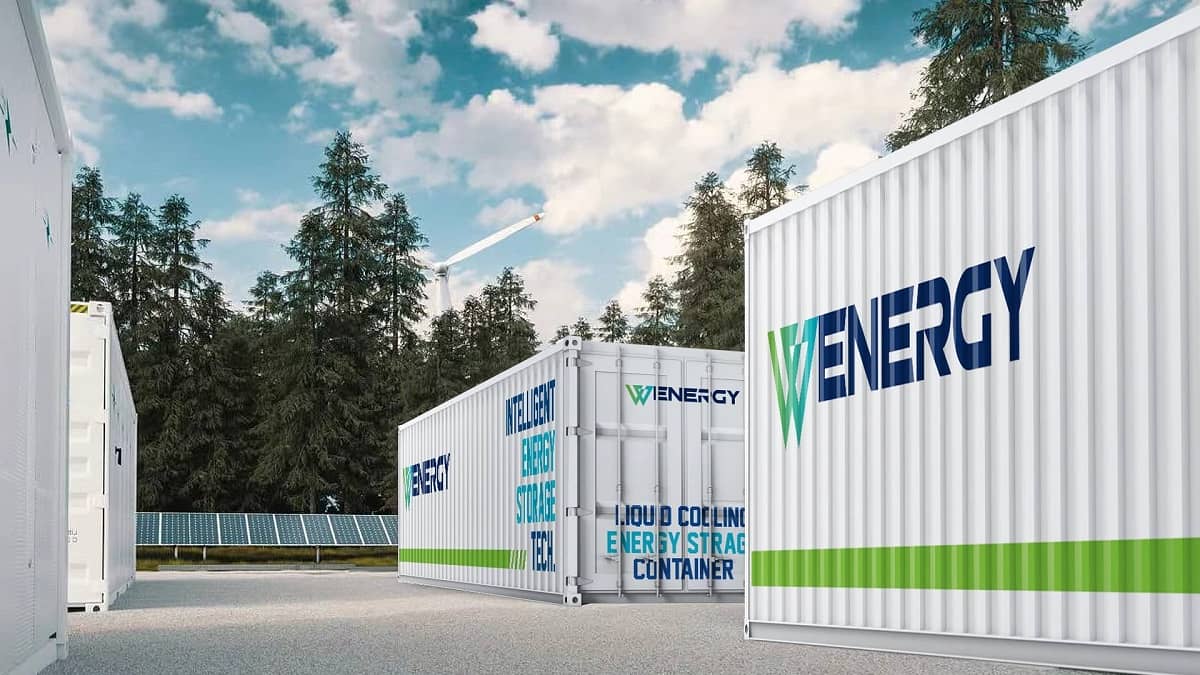
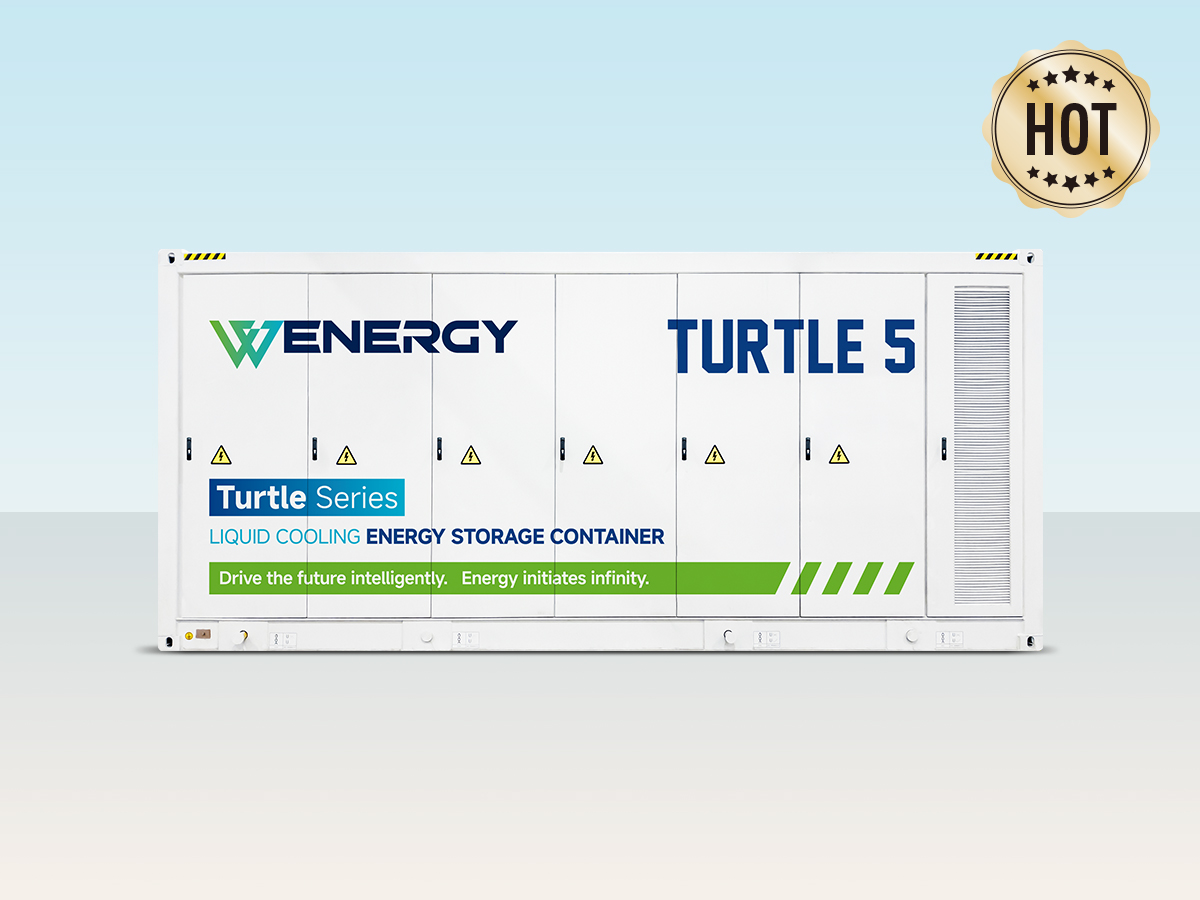
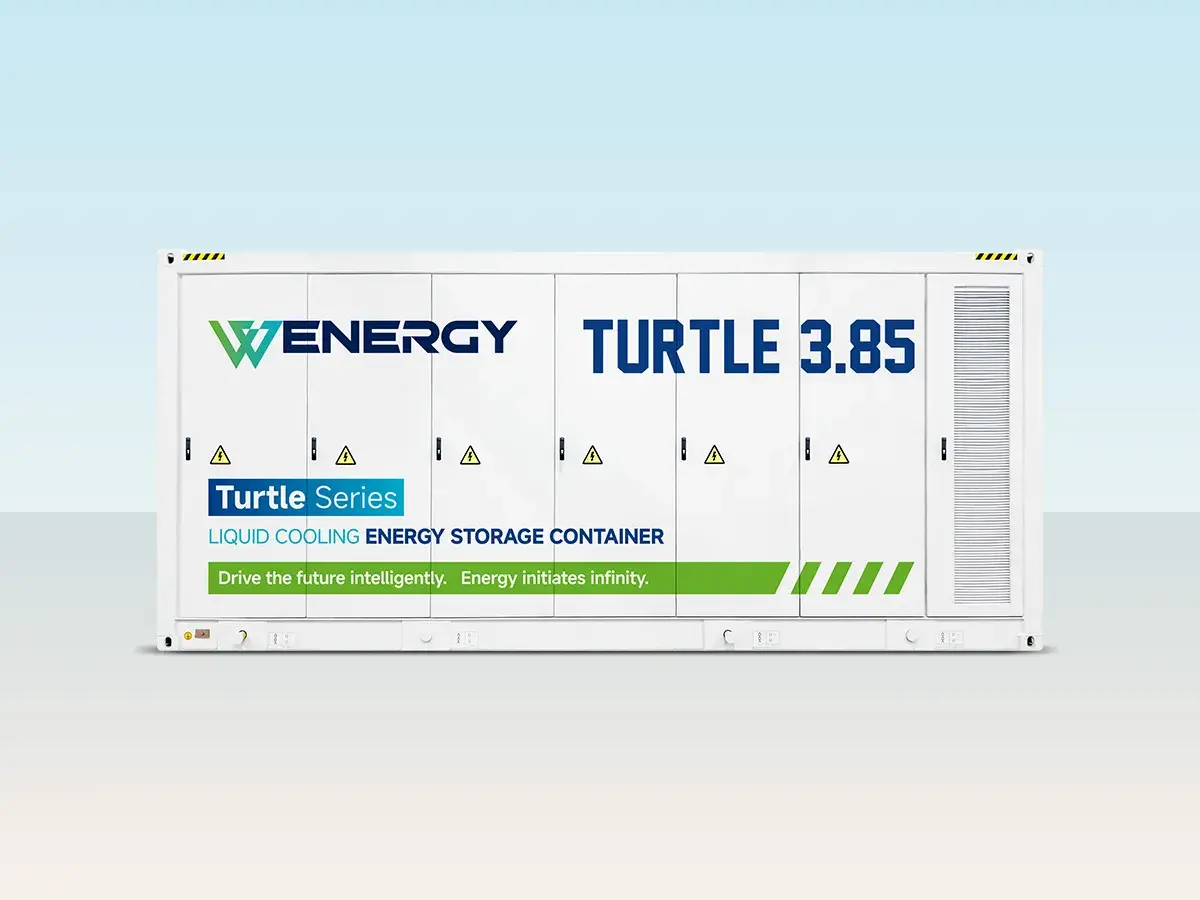

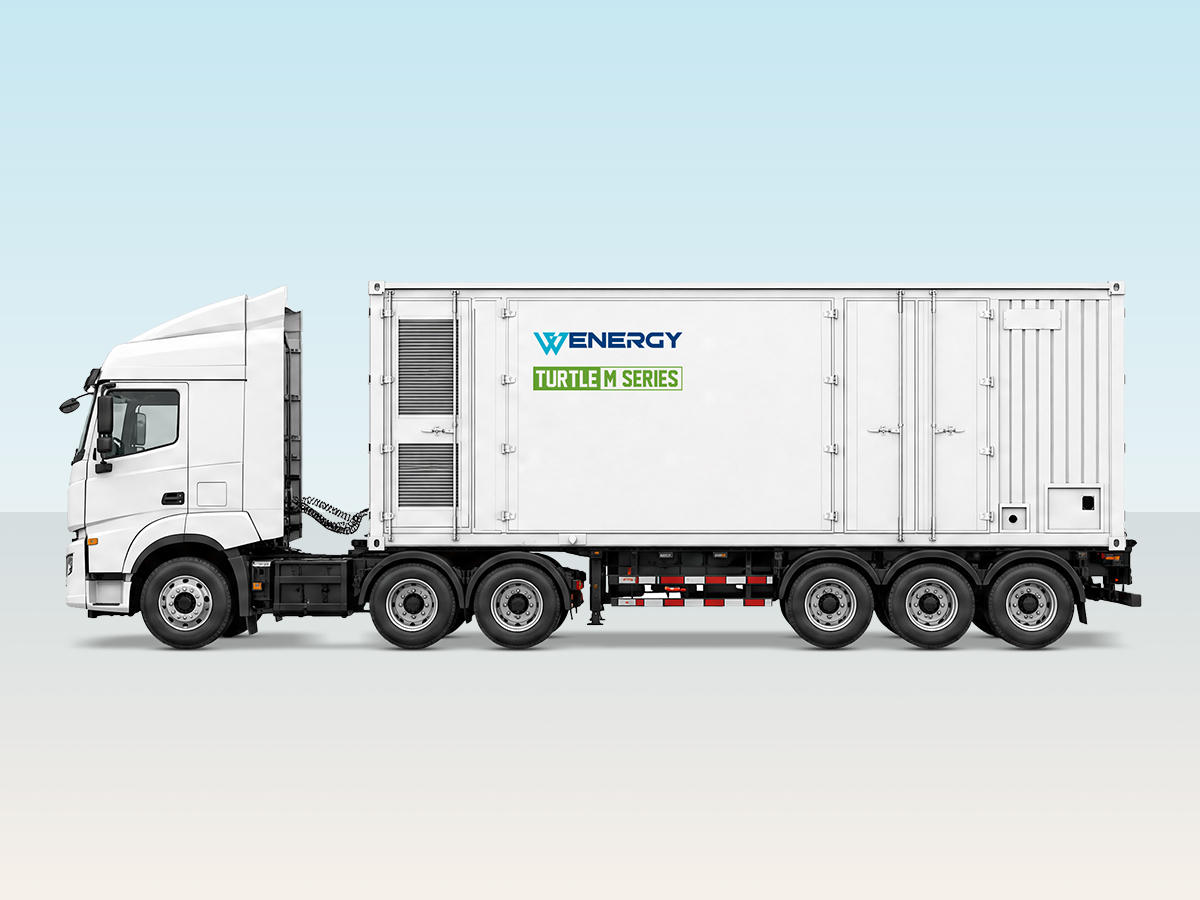
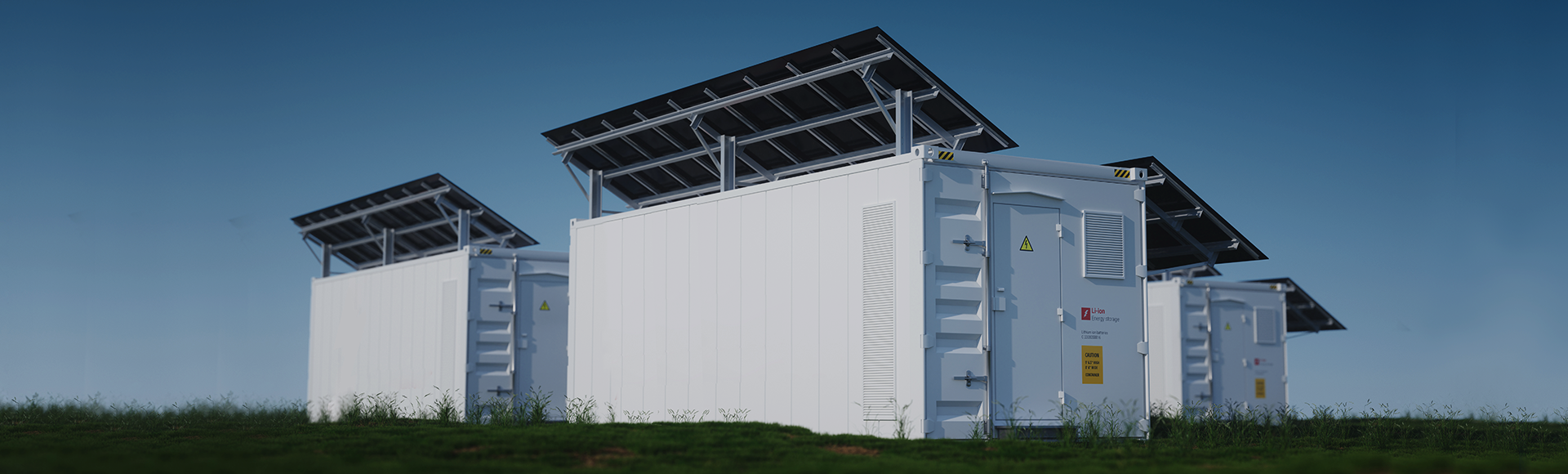
Project developers evaluating utility-scale storage face a fundamental decision regarding thermal management architecture that impacts both immediate performance and long-term asset value. At Wenergy, we have engineered our 5MWh energy storage system around liquid cooling technology after extensive analysis of the operational demands placed on grid-scale batteries. The comparison between air-cooled and liquid-cooled approaches reveals significant differences in temperature uniformity, energy density, and cycle life that directly affect project economics. Understanding these distinctions helps project teams select the appropriate technology for their specific application requirements. The 5MWh Turtle Series Container ESS represents our latest advancement in this field, combining high-capacity cells with intelligent thermal control within a compact twenty-foot footprint.
Thermal Management Fundamentals Impact Performance
Air cooling represents the conventional approach to battery thermal management, relying on forced convection to move heat away from cell surfaces. This method proves adequate for lower-density installations with modest charge and discharge rates. However, as energy density increases to meet utility-scale requirements, air’s limited heat capacity becomes a constraint. Our 5MWh energy storage system utilizes liquid cooling technology that circulates coolant through thermally conductive plates in direct contact with each 314Ah cell. The superior specific heat of liquid enables efficient heat extraction even during sustained high-rate operation, maintaining cell temperatures within a narrow optimal band. This temperature uniformity proves essential for preventing accelerated degradation that occurs when cells experience thermal gradients. For utility applications requiring consistent power delivery across multiple daily cycles, liquid cooling provides the thermal stability that air circulation cannot achieve at equivalent densities.
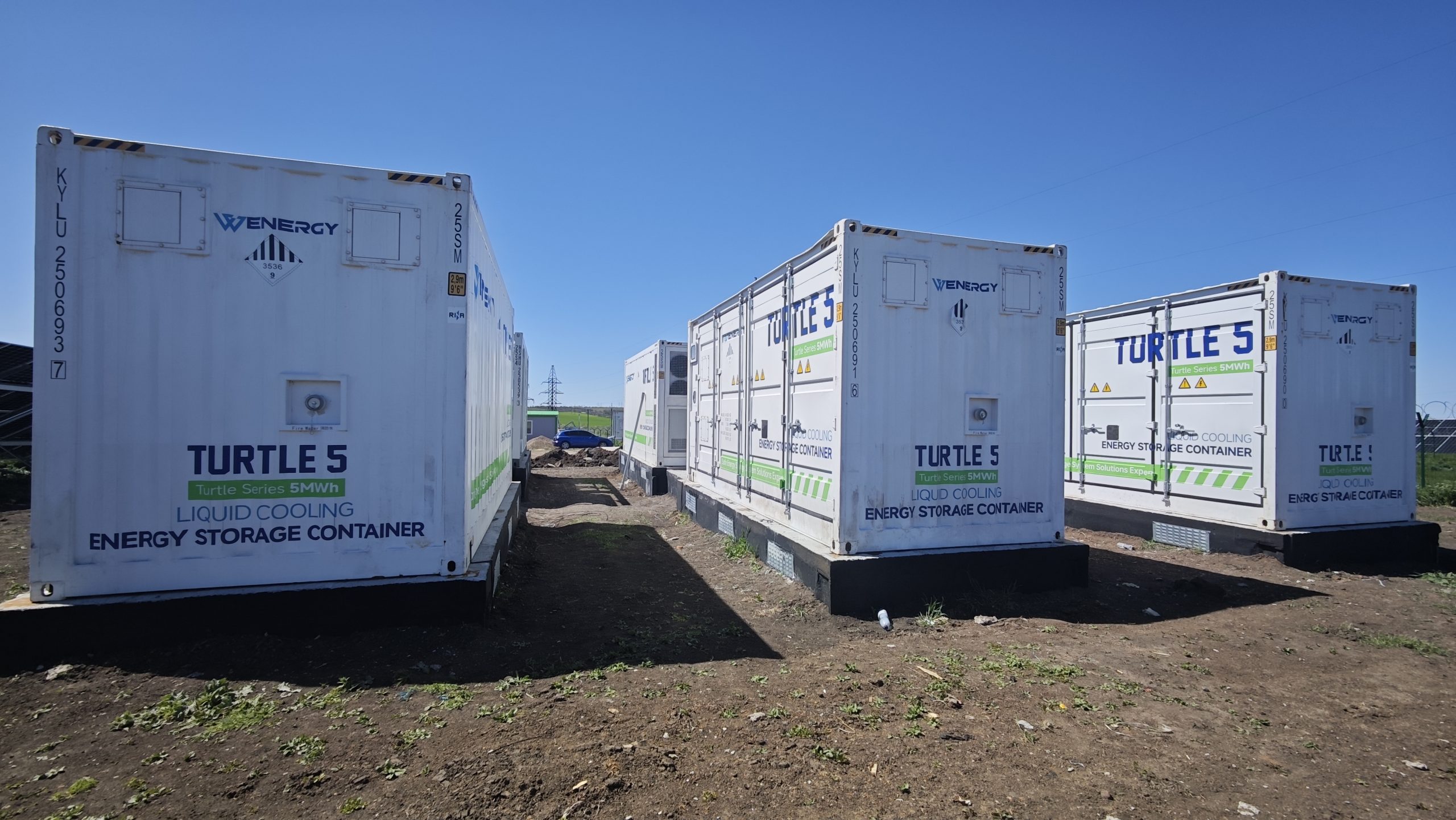
Density and Footprint Considerations
The physical space occupied by energy storage directly influences project costs including real estate, foundations, and interconnection infrastructure. Air-cooled 5MWh installations typically require significant spacing between racks to ensure adequate airflow, reducing effective energy density. Wenergy’s liquid-cooled 5MWh energy storage system achieves full rated capacity within a standard twenty-foot container through compact cell packaging enabled by efficient thermal management. The IP55-rated enclosure protects internal components from environmental contamination while the closed-loop cooling system operates independently of ambient air quality. This density advantage proves particularly valuable for sites with limited available area or projects where minimizing footprint reduces civil works expenses. The high quality 5mwh energy storage system design further incorporates corrosion resistance appropriate for coastal and industrial environments, expanding suitable installation locations without requiring additional protective structures.
Longevity and Total Cost of Ownership
Battery replacement represents the single largest long-term cost in storage projects, making cycle life a primary economic consideration. Temperature directly accelerates the chemical degradation mechanisms that reduce capacity over time. Liquid cooling maintains cells at optimal temperatures regardless of ambient conditions, preserving capacity through thousands of cycles. Our 314Ah cells combined with intelligent thermal management deliver the cycle life necessary for daily utility applications spanning fifteen or more years. The high quality 5MWh energy storage system from Wenergy incorporates multi-layer fire protection and real-time monitoring that further protect asset value through enhanced safety and predictive maintenance capabilities. For renewable energy integration, industrial backup, and remote power applications, this longevity translates into superior returns compared to systems requiring earlier replacement. The modular architecture allows capacity expansion as project demands grow, protecting initial investments while enabling future scaling.
Global Deployment and Application Versatility
The thermal management choice also affects system suitability across diverse climatic conditions. Air-cooled systems struggle in high ambient temperatures where the temperature differential driving heat transfer diminishes. Liquid cooling maintains effectiveness regardless of outdoor conditions, making our 5MWh energy storage system viable for projects from arctic to tropical environments. Wenergy has deployed storage solutions across six continents and more than sixty countries, accumulating experience with the full range of grid, microgrid, and off-grid applications. Our focus on NCM and NCA cathode materials ensures high energy density while maintaining safety through robust thermal management and containment systems. For utility-scale grid stability, industrial backup, and renewable integration projects, the combination of liquid cooling and global compliance standards delivers reliable operation under real-world conditions.
The comparison between air and liquid cooling for 5MWh installations clearly favors liquid technology for utility applications demanding density, longevity, and reliability. Wenergy delivers a high quality 5MWh energy storage system featuring liquid-cooled 314Ah cells, intelligent thermal management, and comprehensive safety systems within a compact twenty-foot container. For project developers seeking storage partners capable of supporting diverse applications across global markets, our 5MWh energy storage system provides the performance and durability that grid-scale infrastructure requires.
Post time: May-15-2026