
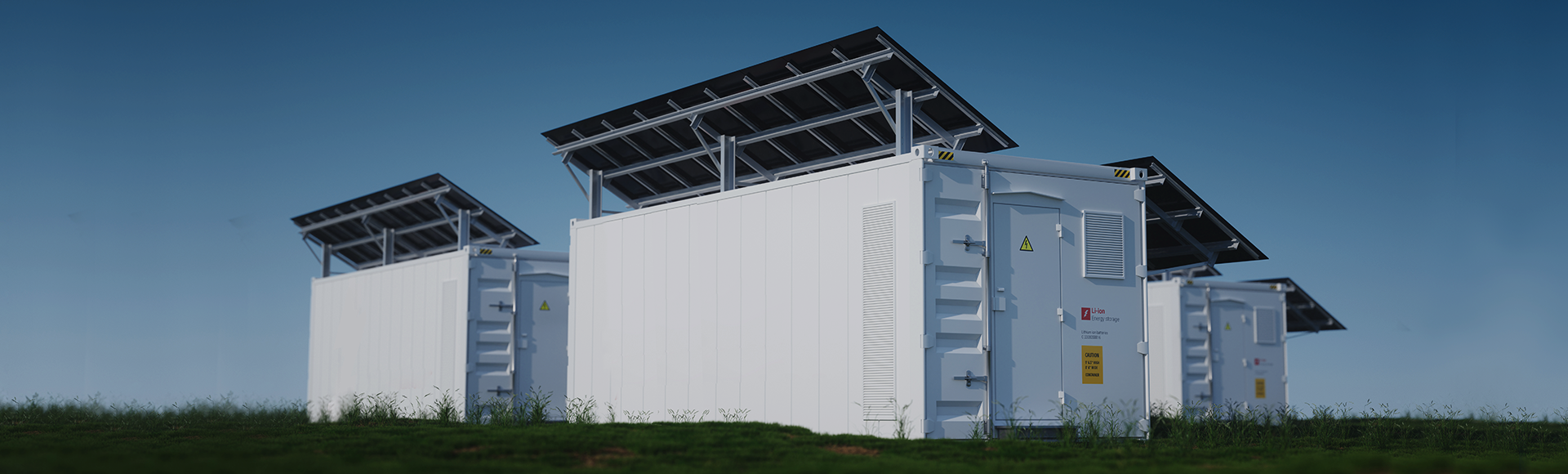
Rising electricity demand, renewable integration, and increasing grid complexity are pushing operators to seek more flexible and resilient infrastructure solutions. Within this context, commercial and industrial energy storage has become a key enabler of grid reliability. By deploying advanced commercial energy storage systems, businesses and utilities can actively support grid stability while optimizing energy usage across multiple operational environments.
Rather than serving only as backup power, modern storage assets now play an active role in grid services, helping stabilize voltage and frequency while improving overall system performance.
Frequency Regulation for Real-Time Grid Balance
One of the most critical applications of commercial energy storage systems is frequency regulation. Power grids must maintain a stable frequency to ensure safe and efficient operation. However, fluctuations caused by variable renewable energy generation and sudden load changes can disrupt this balance.
Commercial and industrial energy storage responds within milliseconds, absorbing or injecting power as needed to stabilize frequency levels. This rapid response capability significantly outperforms traditional generation assets, making storage a valuable tool for grid operators. As a result, commercial energy storage systems are increasingly deployed to provide ancillary services that maintain real-time grid equilibrium.
Voltage Support and Power Quality Enhancement
Voltage instability is another challenge faced by modern power networks, particularly in areas with high renewable penetration or long transmission distances. Commercial and industrial energy storage systems help address this issue by providing localized voltage support.
Through fast charge and discharge cycles, commercial energy storage systems smooth out voltage fluctuations and improve overall power quality. This reduces equipment stress, minimizes energy losses, and enhances the reliability of electricity delivery to end users. In industrial settings, where sensitive equipment depends on stable power, the role of commercial and industrial energy storage becomes even more essential.
Application in Transmission Networks and Microgrids
At the transmission level, commercial energy storage systems are increasingly used to improve grid stability and reduce transmission losses. By strategically placing storage assets near load centers, operators can defer infrastructure upgrades and optimize power flow across congested networks.
In microgrid applications, commercial and industrial energy storage plays a central role in enabling local energy autonomy. These systems balance supply and demand within isolated or semi-isolated networks, ensuring uninterrupted power supply even during grid disturbances. As microgrids expand in commercial and industrial zones, the demand for commercial energy storage systems continues to grow.
Advancing Reliability with Wenergy’s Storage Solutions
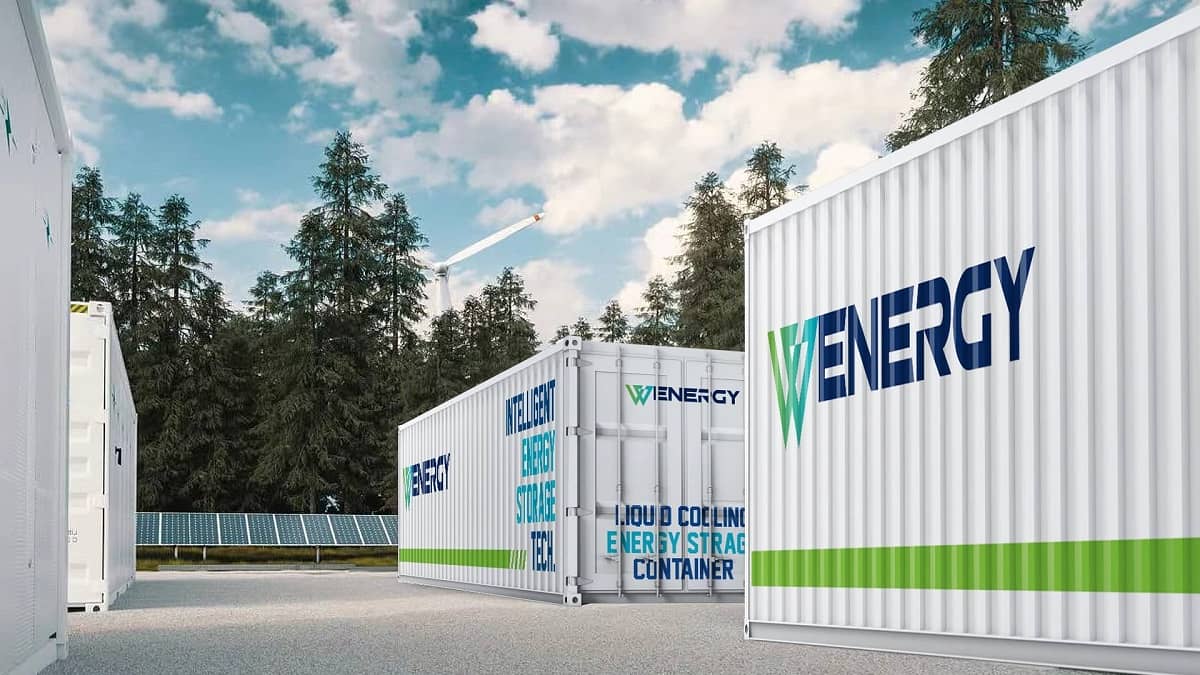
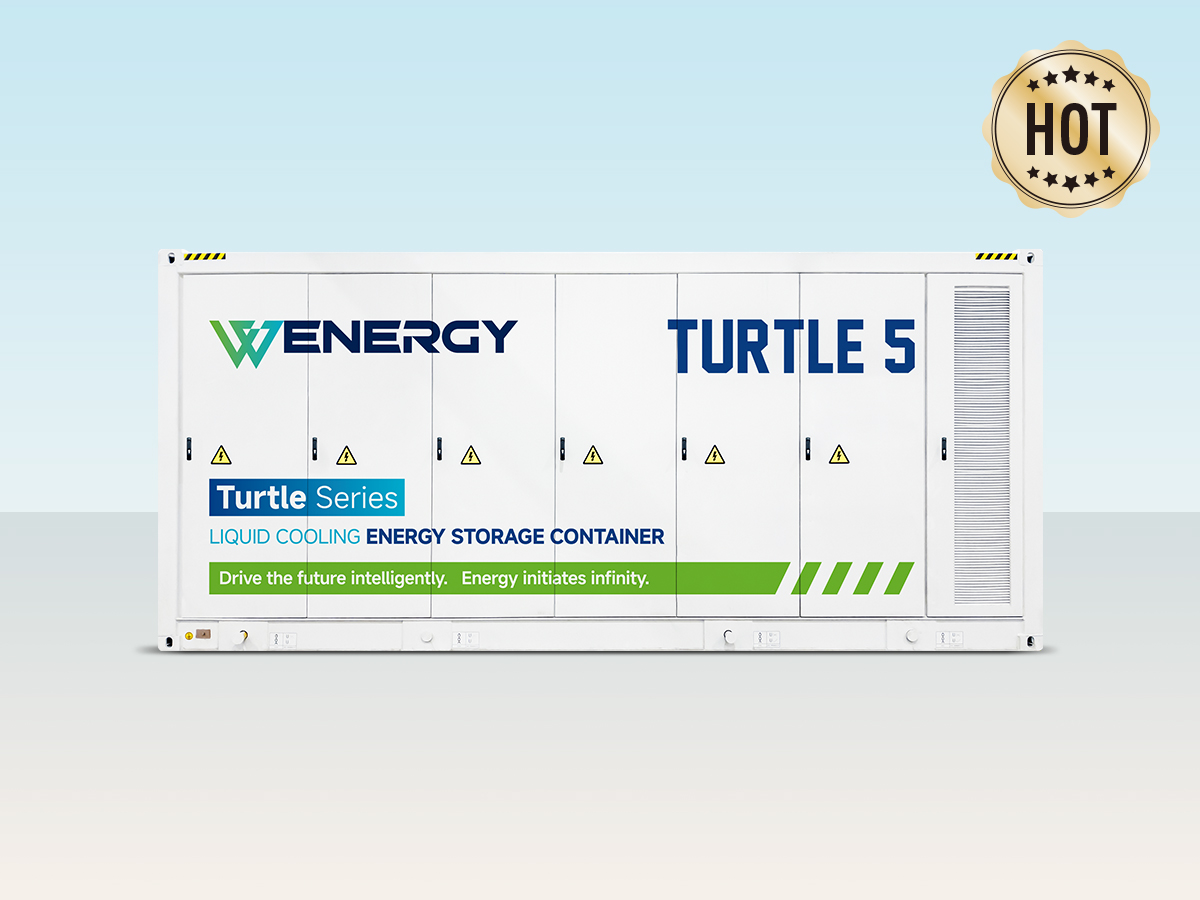
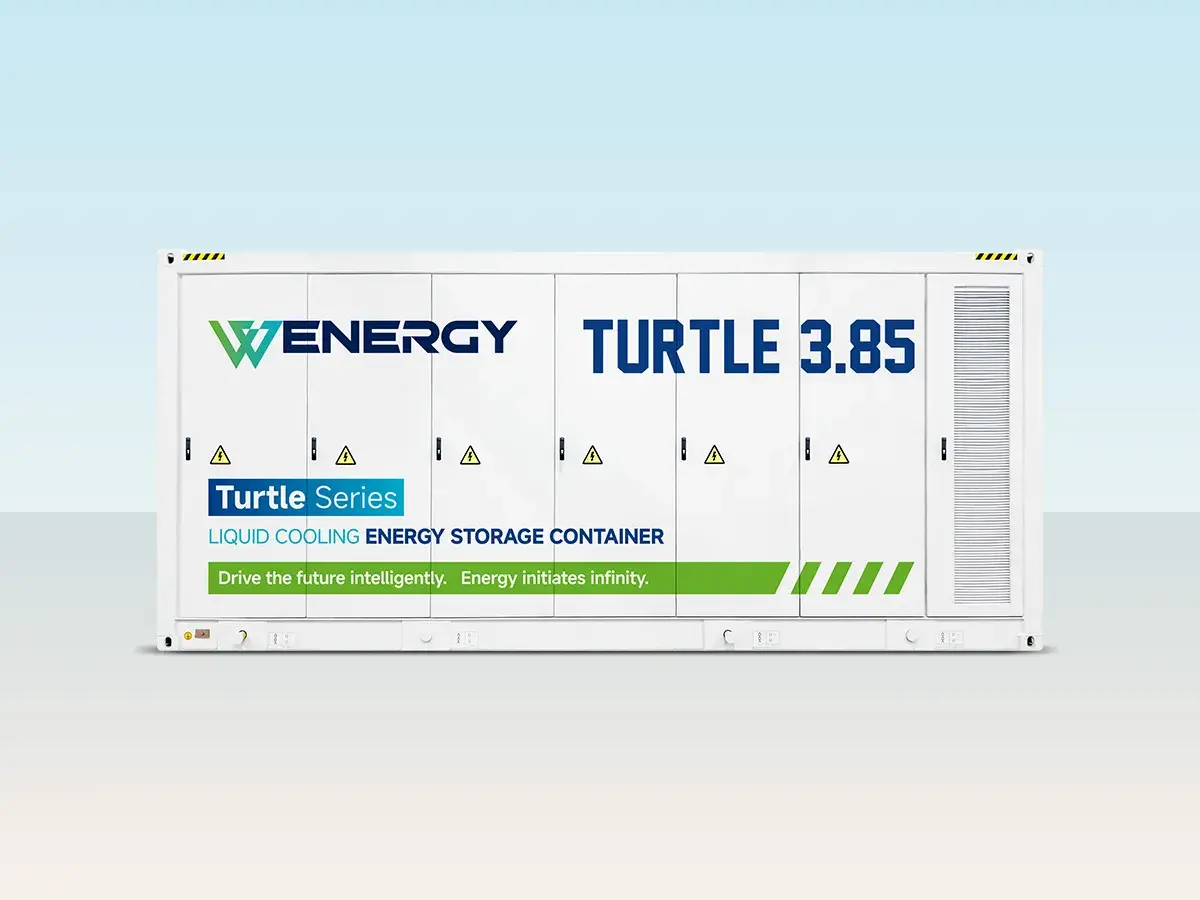
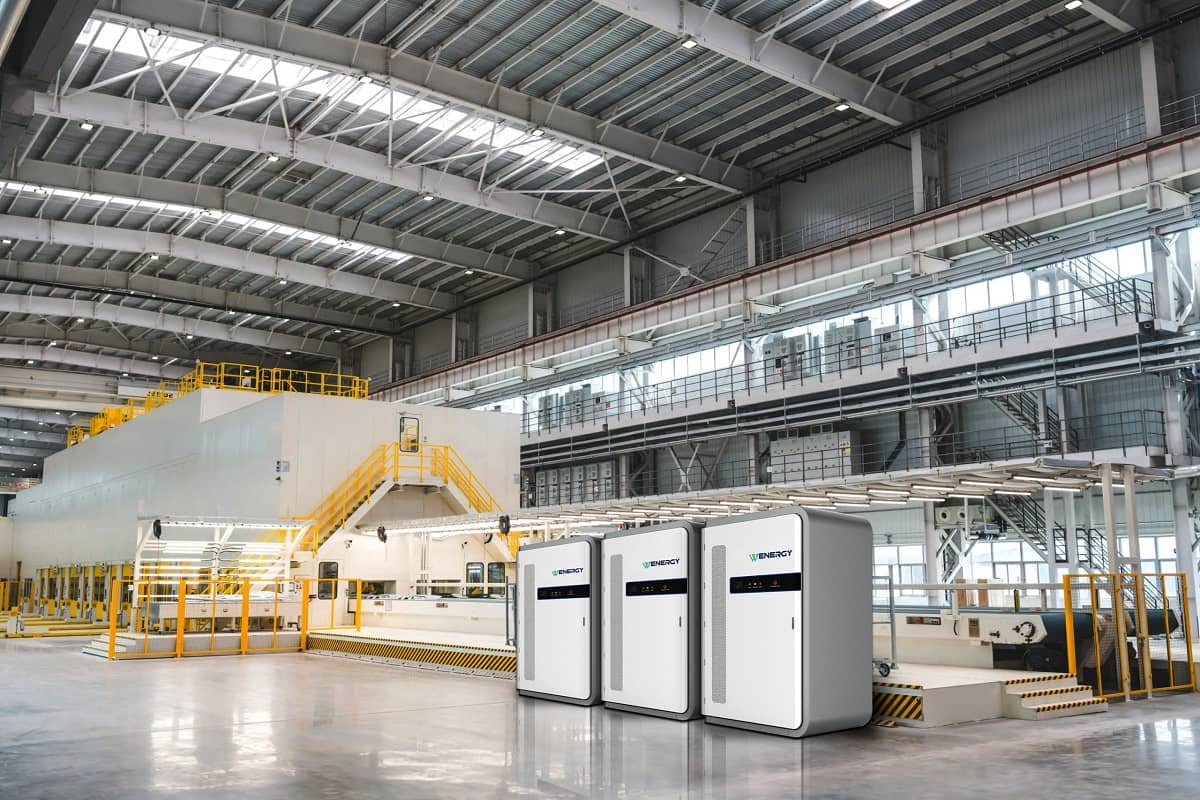
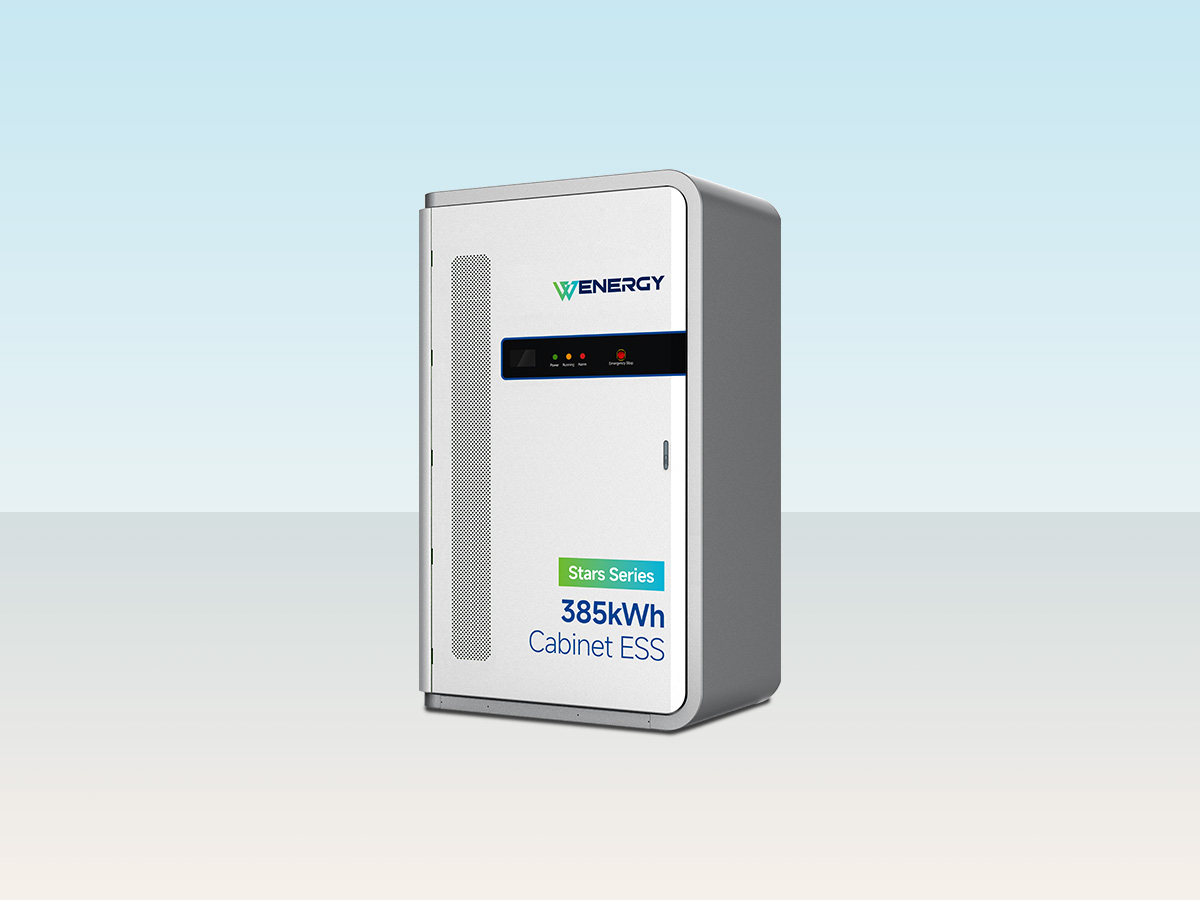
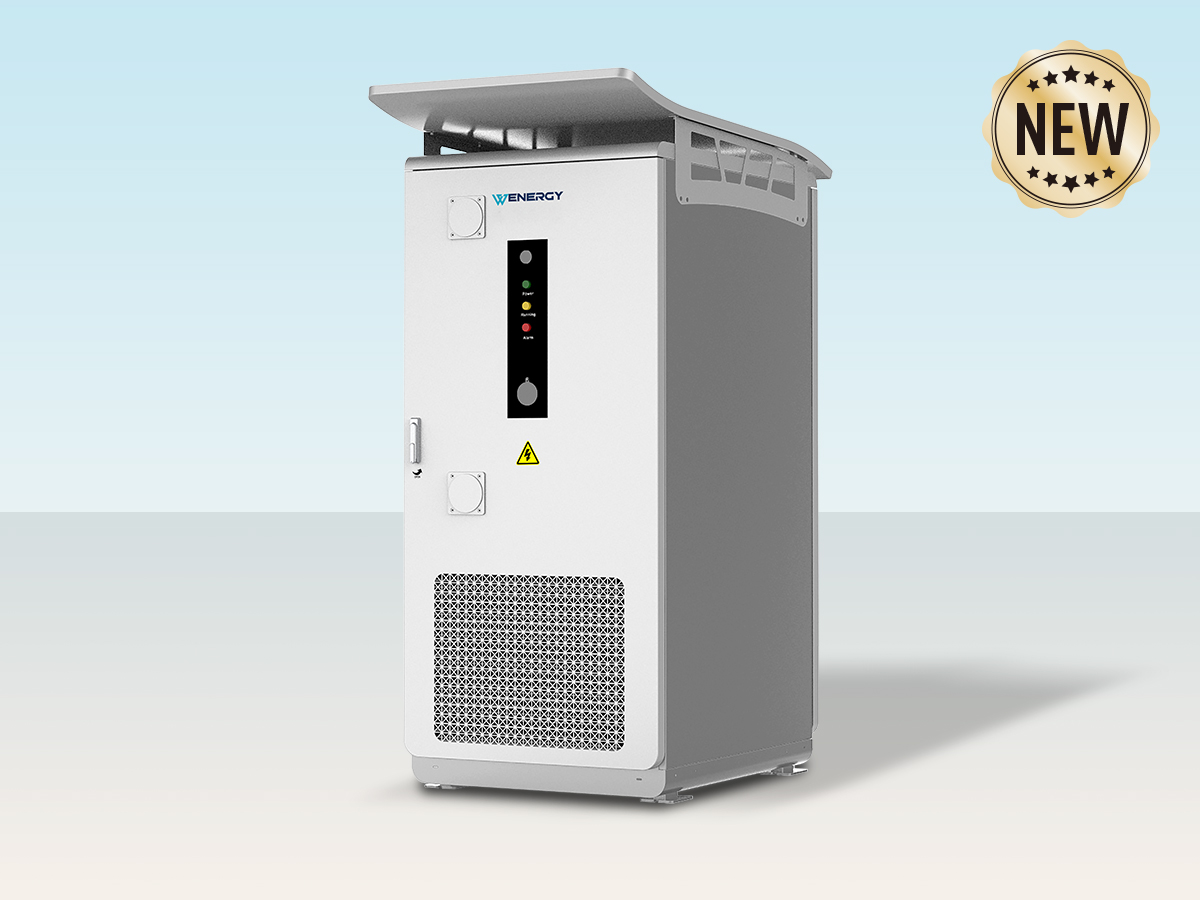
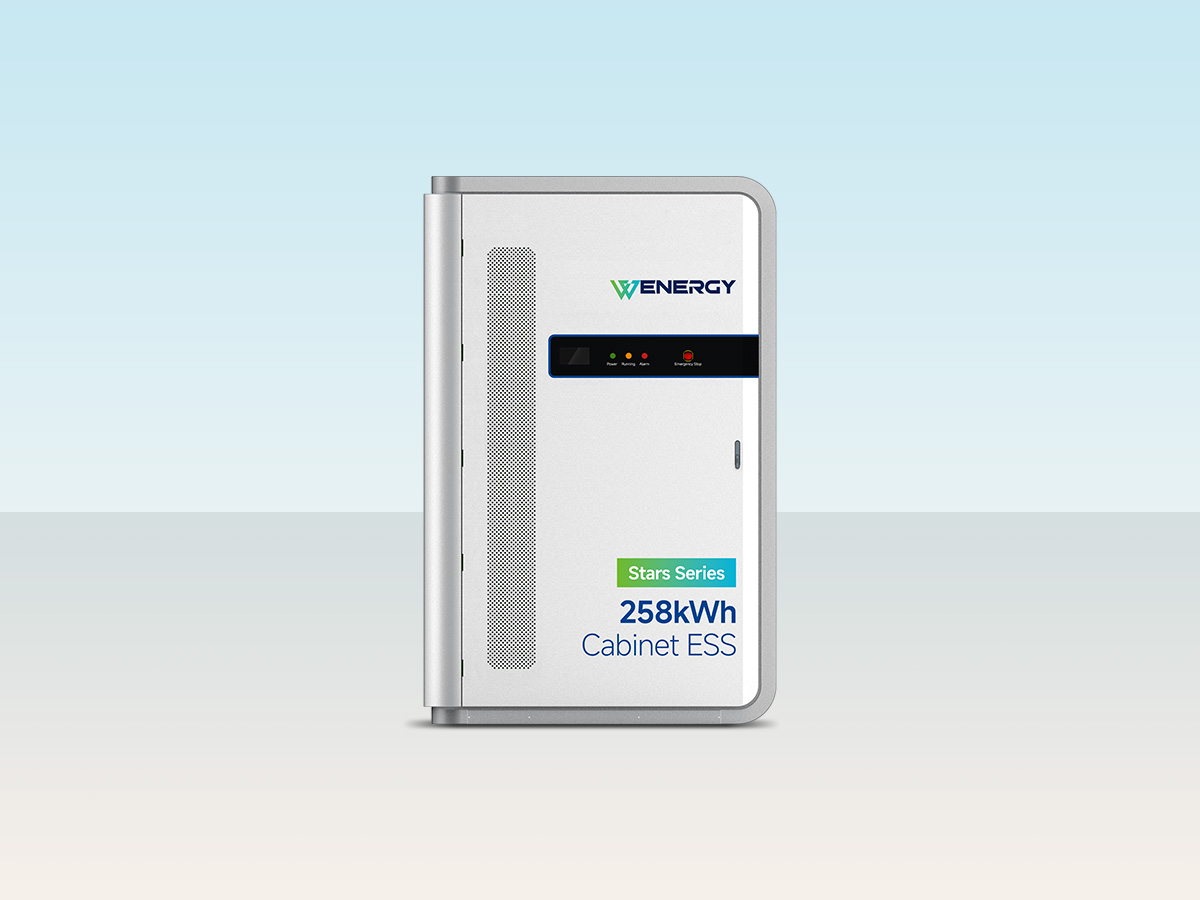
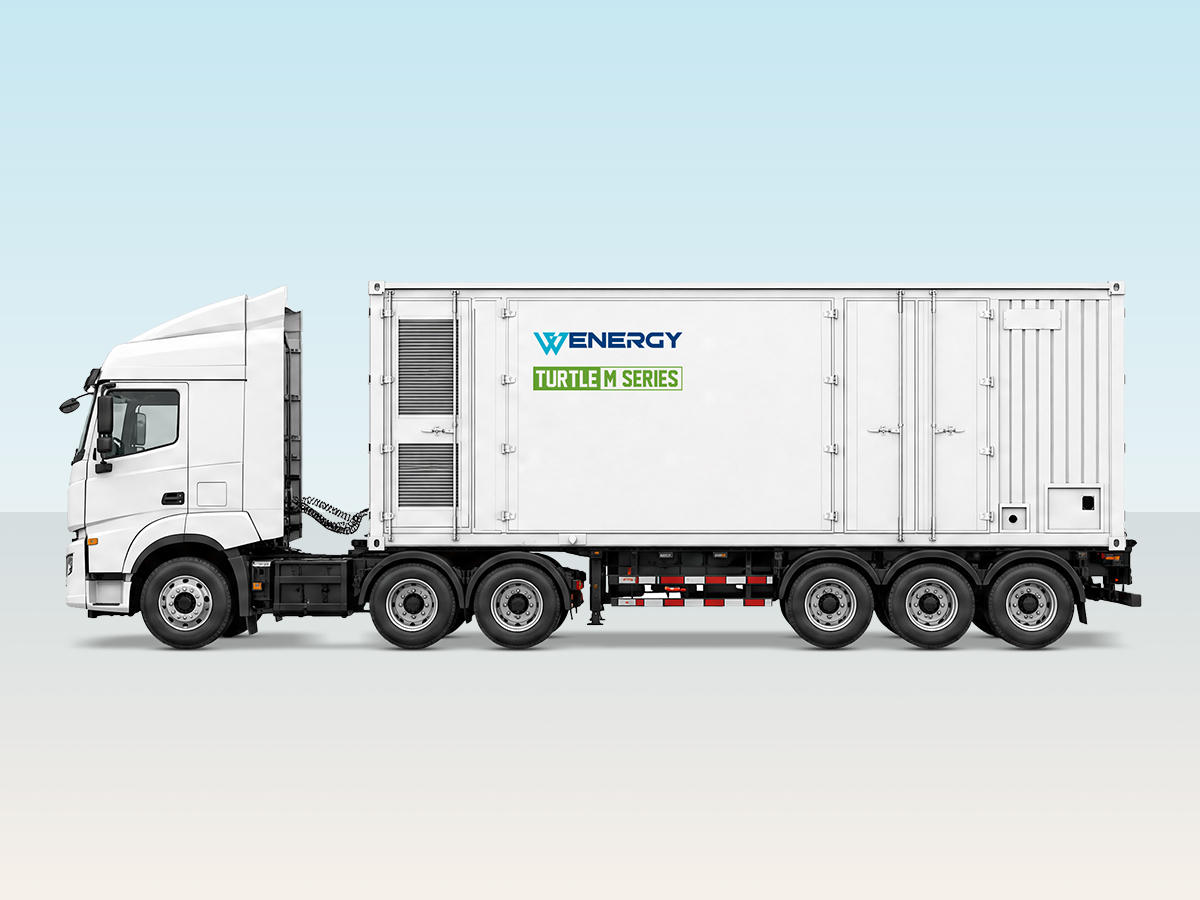
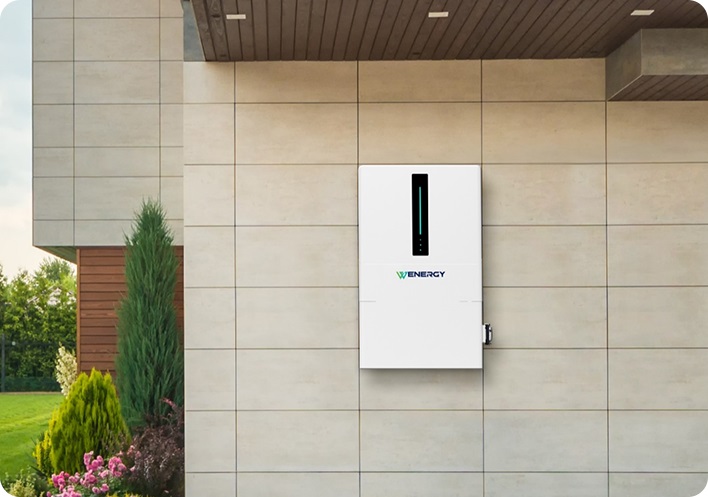
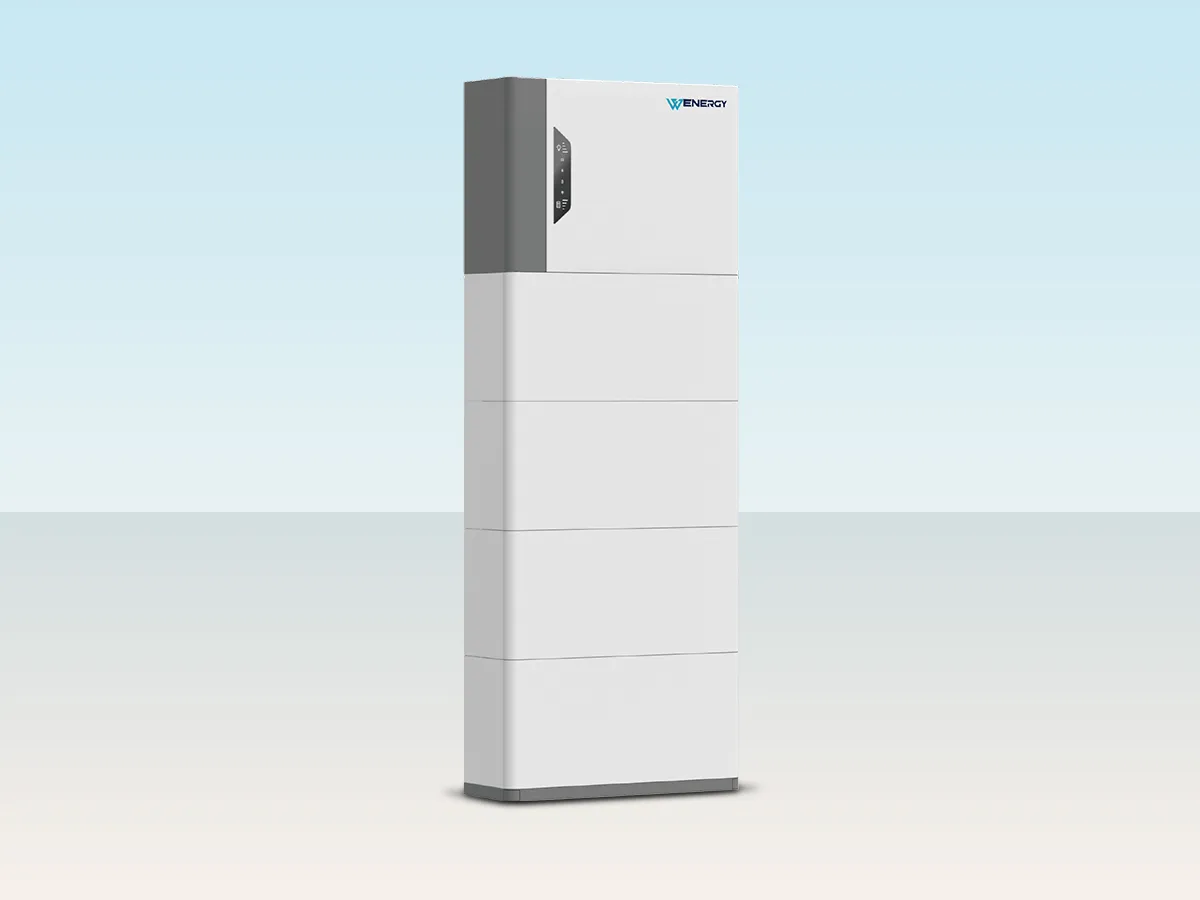
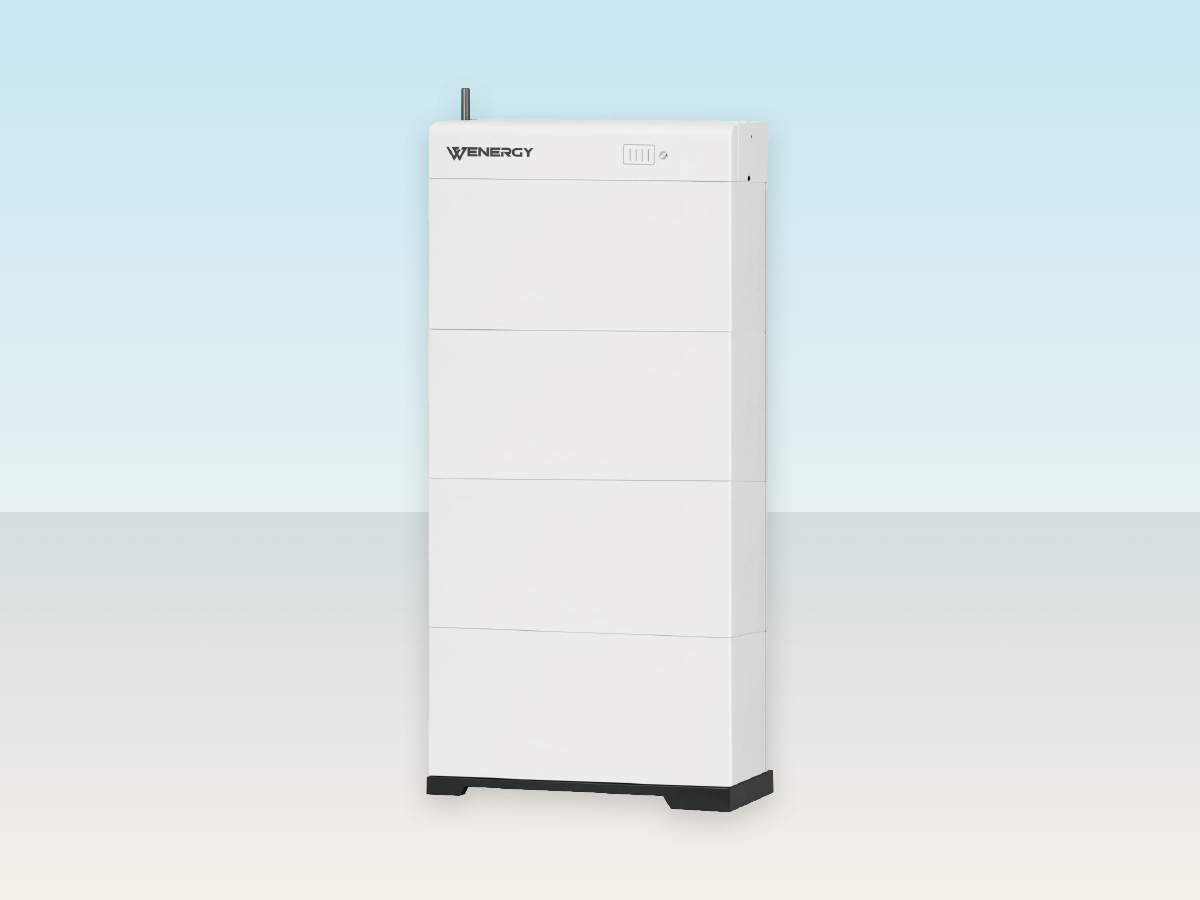
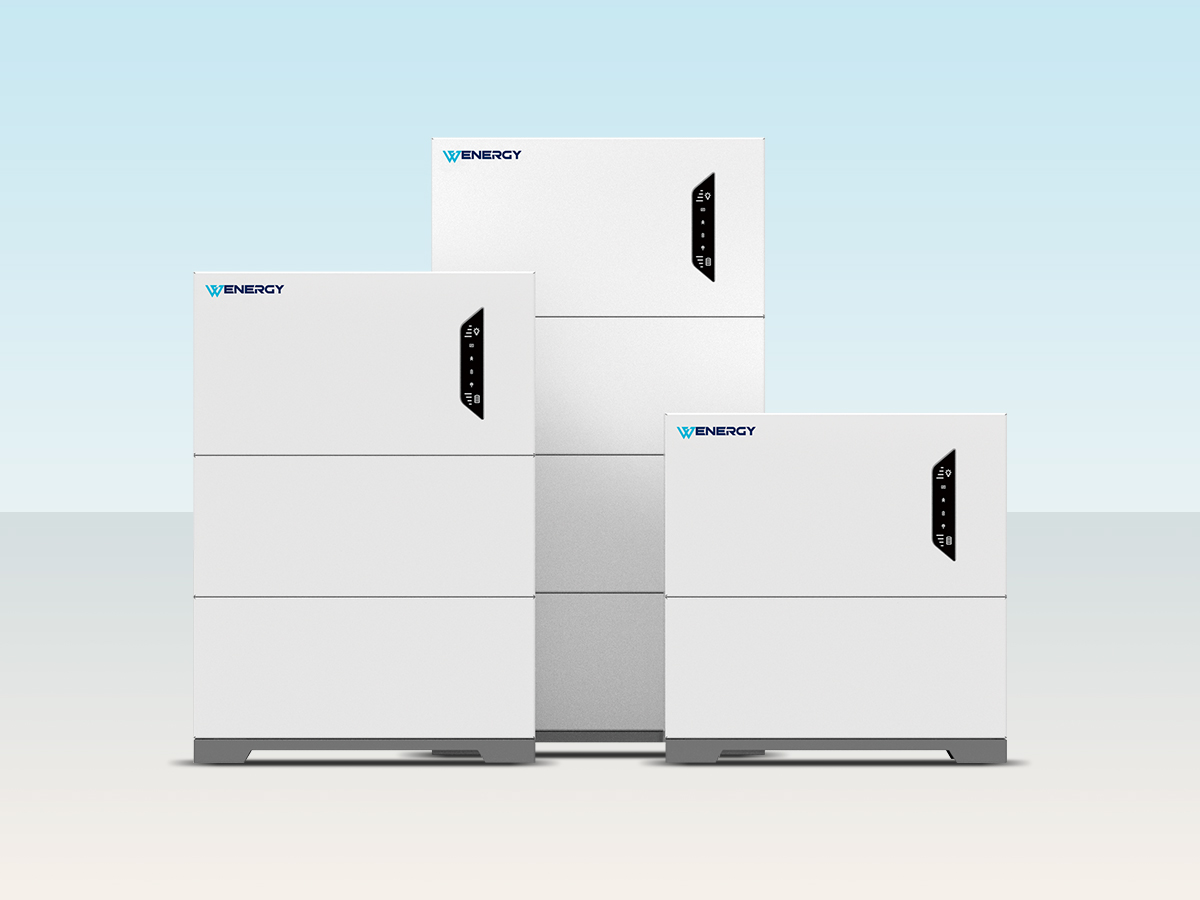
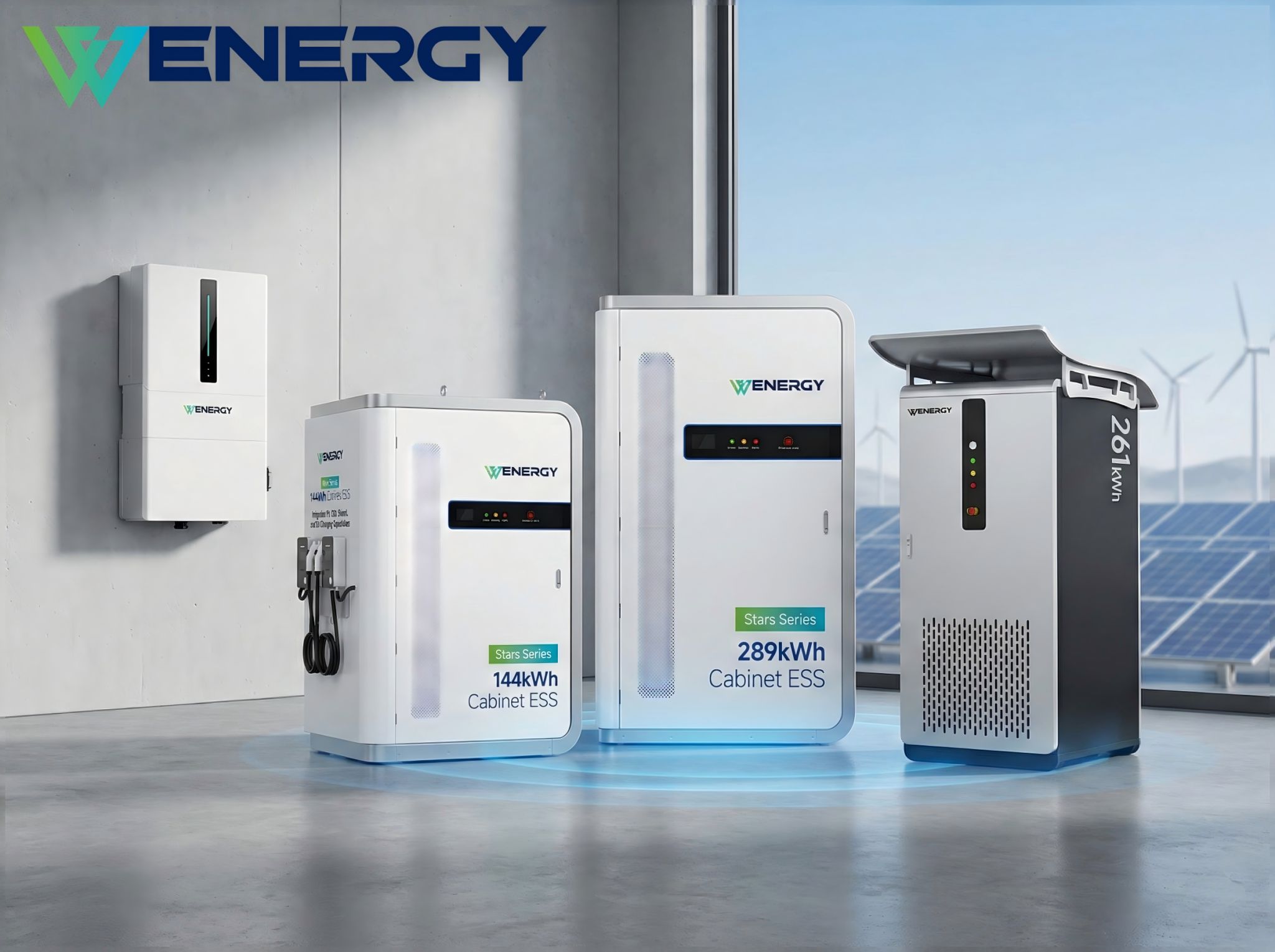
As the need for grid stability intensifies, we at Wenergy provide advanced commercial energy storage systems designed to support modern power infrastructure. Backed by 15 years of battery R&D expertise and full supply chain capabilities from cells to systems, we deliver integrated commercial and industrial energy storage solutions for diverse applications.
Our systems are engineered to provide reliable grid support services, including frequency regulation and voltage support, ensuring optimal performance in both transmission networks and microgrid environments. Certified under IEC and CE standards and compliant with EU grid codes such as EN, VDE, and G99, our solutions are proven in real-world deployments.
Through fast delivery and localized support in Europe, we help partners deploy commercial energy storage systems efficiently and confidently.
Post time: Jun-12-2026