
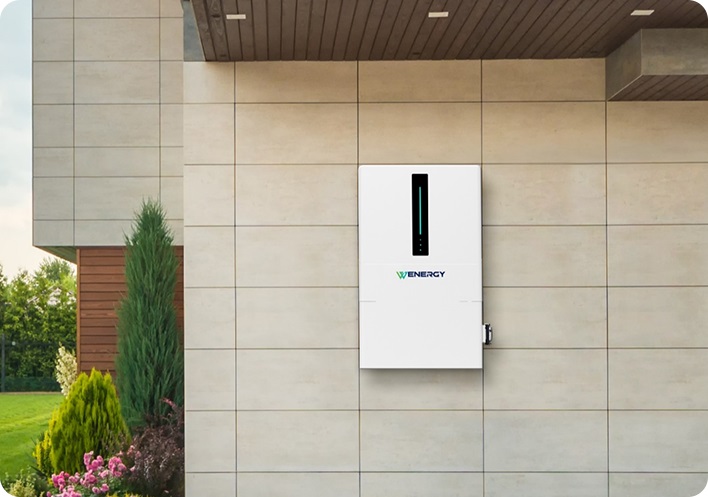
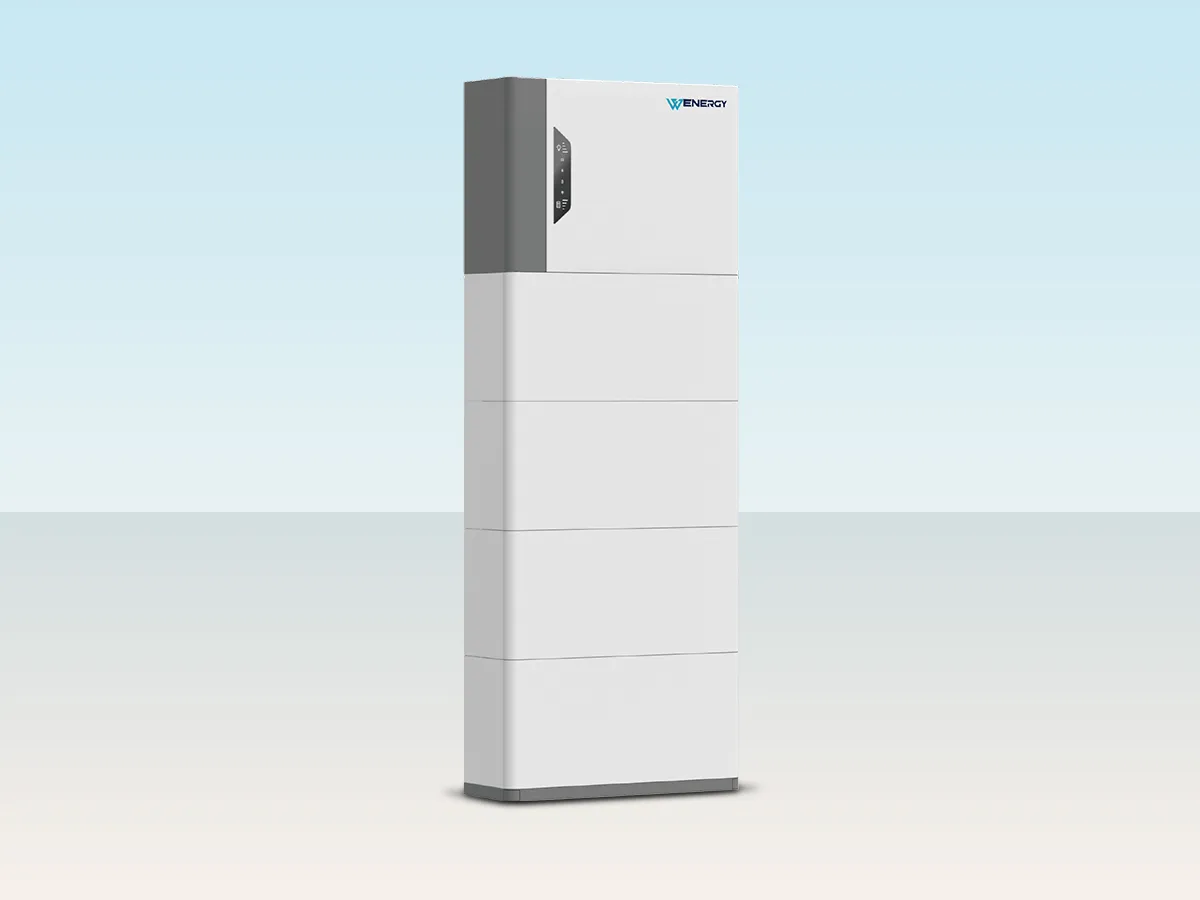
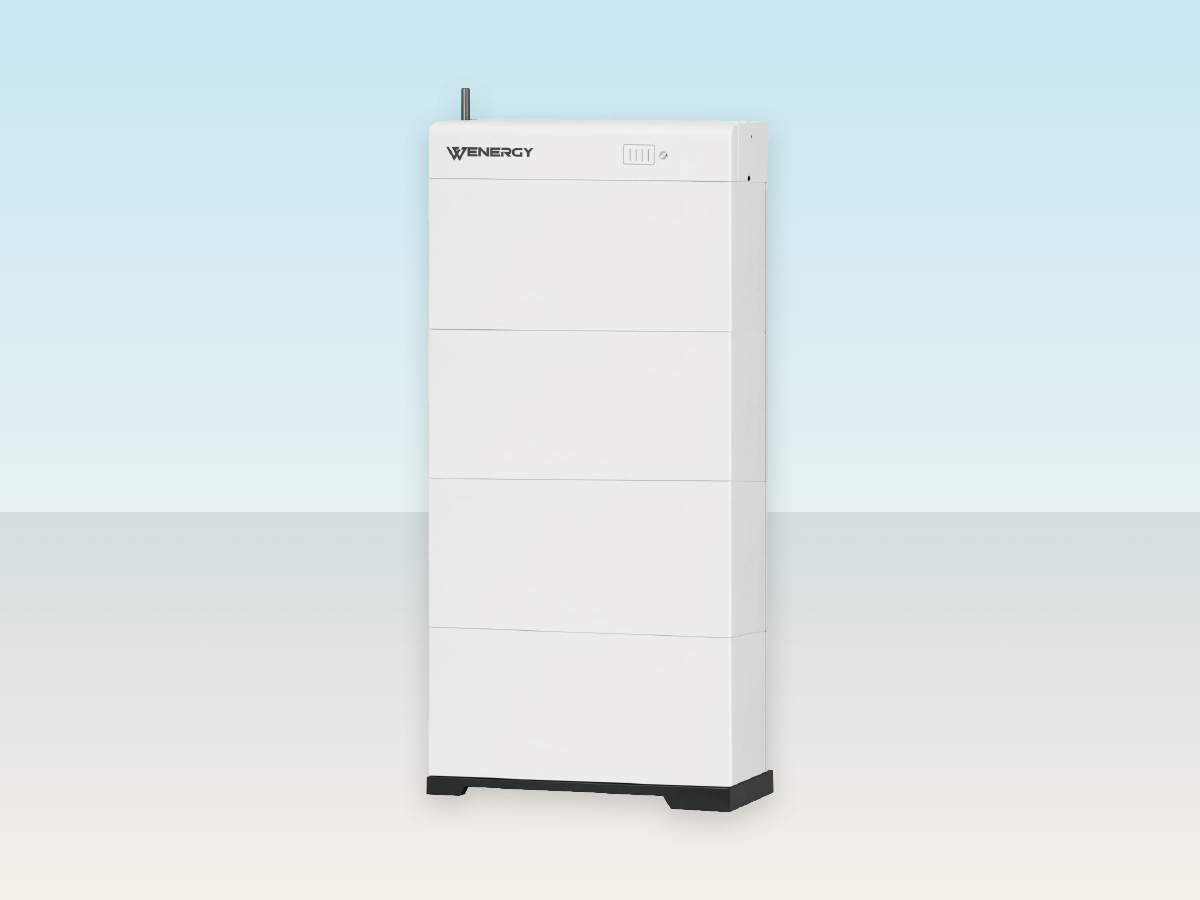
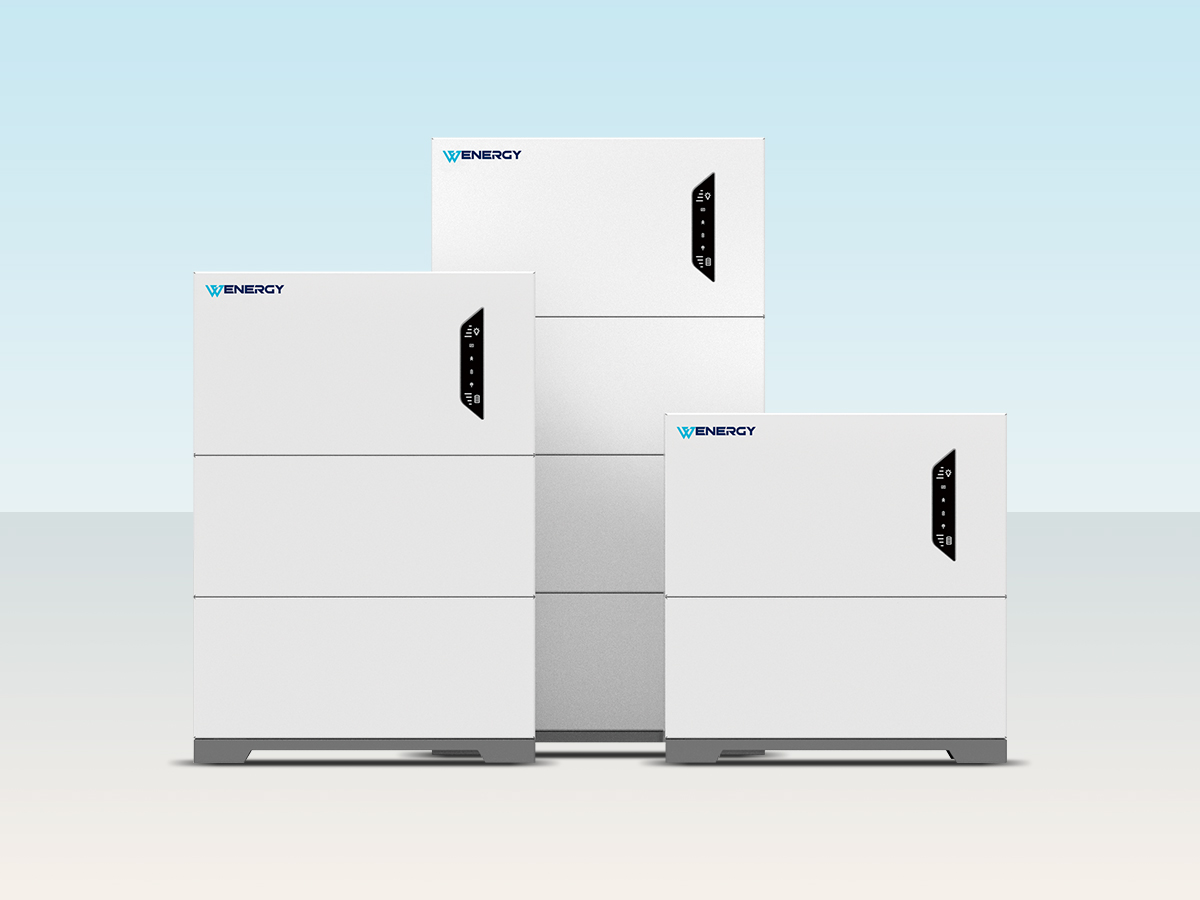
Residential energy management continues evolving as homeowners seek greater control over electricity costs and supply reliability. The technology powering modern households has advanced substantially, with residential energy storage systems becoming smarter, more compact, and increasingly integrated with renewable generation. At Wenergy, we monitor these developments closely to ensure our solutions remain at the forefront of innovation. This article examines emerging trends shaping how homes will generate, store, and consume electricity in the coming years.
Deeper Integration with Intelligent Home Energy Management
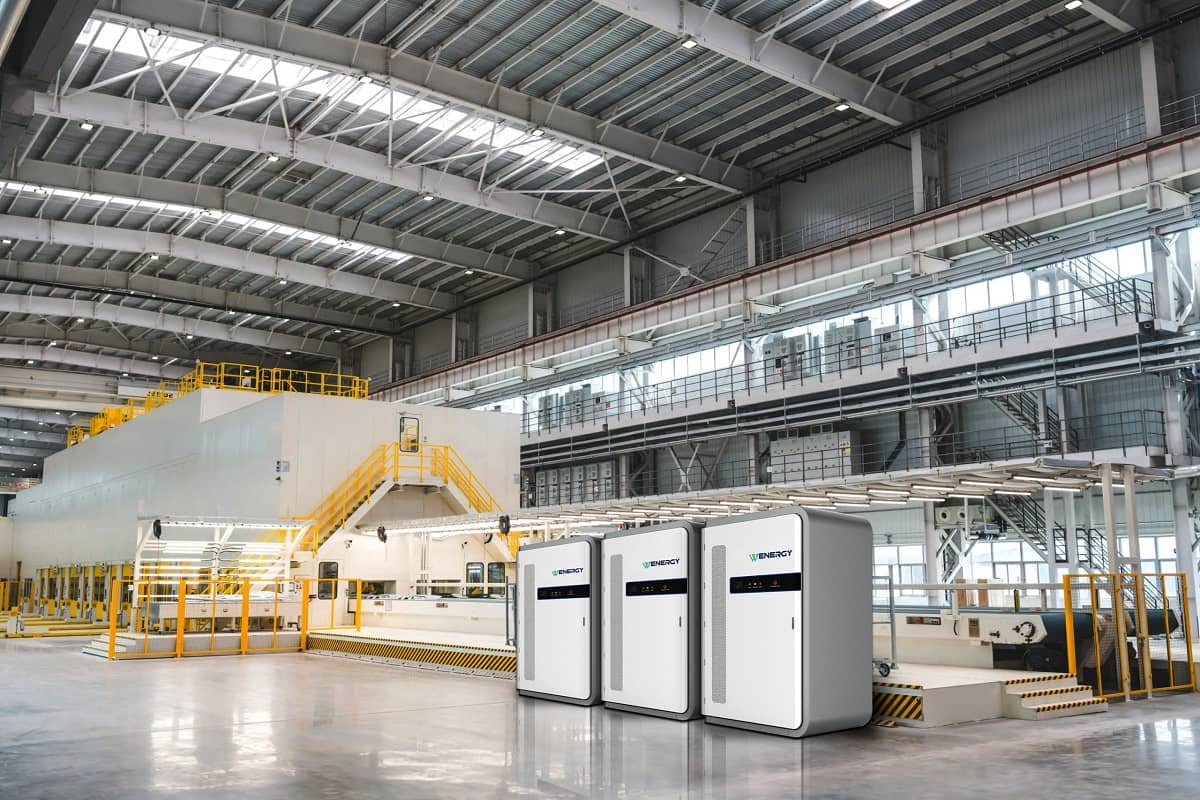
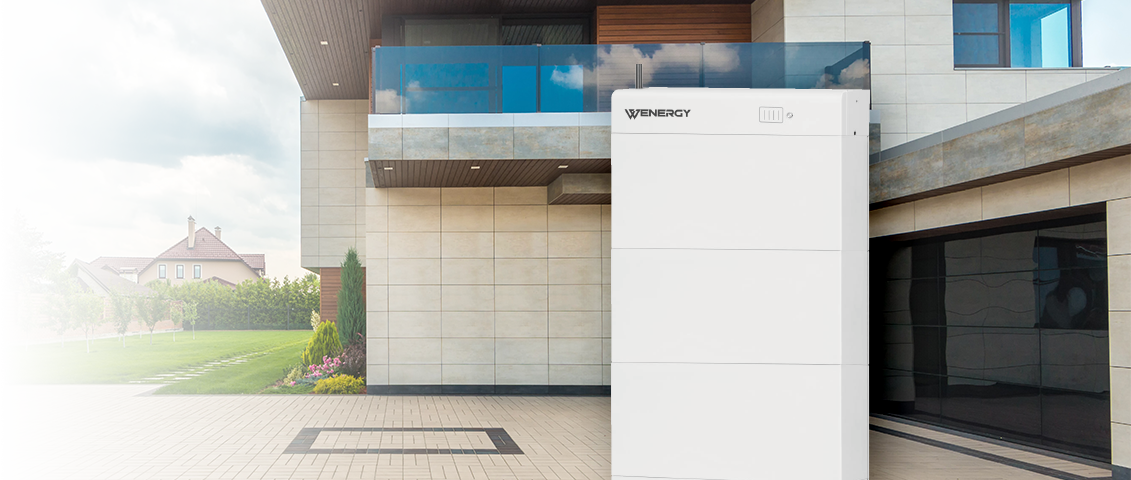
Standalone storage units are giving way to fully orchestrated home energy ecosystems. Future residential energy storage systems will communicate seamlessly with solar inverters, electric vehicle chargers, smart appliances, and utility signals to optimize energy flows automatically. Our battery energy storage system for home applications already enables households to store excess daytime solar generation for evening consumption, maximizing self-consumption rates beyond what standalone solar can achieve. The next evolution involves predictive algorithms that learn occupancy patterns, weather forecasts, and time-of-use rates to dispatch stored energy at precisely the right moments. Homeowners will interact with these systems through intuitive interfaces that simplify complex decisions, transforming energy management from a technical exercise into a seamless lifestyle enhancement. Manufacturers developing residential energy storage systems must prioritize interoperability with the growing ecosystem of smart home devices.
Grid Services Becoming a Standard Feature
Historically, home storage served primarily as backup power during outages. That narrow role is expanding as utilities recognize the value of distributed energy resources for grid stability. Advanced battery energy storage system for home installations will routinely participate in virtual power plants, aggregating thousands of residential units to provide frequency regulation and demand response services. This trend transforms storage from a cost center into a revenue-generating asset for homeowners. Our solutions support this evolution through intelligent energy management platforms that balance homeowner preferences with grid operator requirements. The residential energy storage systems of tomorrow will automatically shift between maximizing self-consumption, participating in utility programs, and maintaining backup reserves based on real-time conditions. Regulatory frameworks in progressive markets already compensate homeowners for this flexibility, accelerating adoption by improving payback periods.
Enhanced Sustainability Through Second-Life Applications
Environmental considerations increasingly influence purchasing decisions for environmentally conscious homeowners. The sustainability story for residential energy storage extends beyond operational emissions reductions to encompass full lifecycle impacts. Forward-thinking battery energy storage system for home manufacturers design for eventual repurposing, enabling retired automotive batteries to serve stationary applications before final recycling. Our commitment to scalable architecture ensures residential energy storage systems can accommodate evolving cell chemistries and replacement modules without discarding functional components. Homeowners investing today can expect their systems to remain relevant through future technology upgrades rather than requiring complete replacement. This approach reduces long-term environmental footprint while protecting household investments against obsolescence.
The residential energy storage landscape is transforming rapidly, driven by intelligent software, grid integration opportunities, and sustainability imperatives. Homeowners evaluating options today should consider not just current capabilities but future adaptability of their chosen systems. At Wenergy, our battery energy storage system for home offerings combine advanced lithium technology with flexible architecture designed for tomorrow’s energy environment. By embracing these emerging trends, we help households achieve genuine energy independence while contributing to a more resilient and sustainable grid infrastructure for entire communities.
Post time: May-08-2026