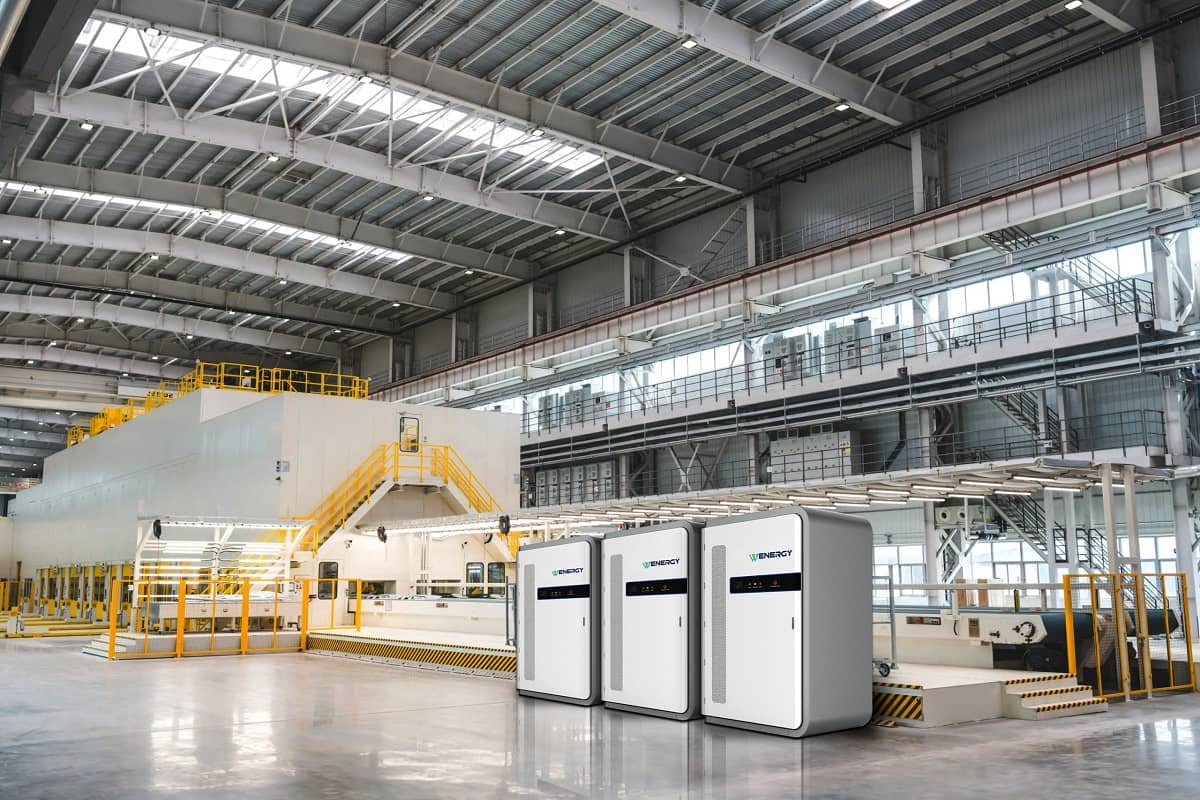
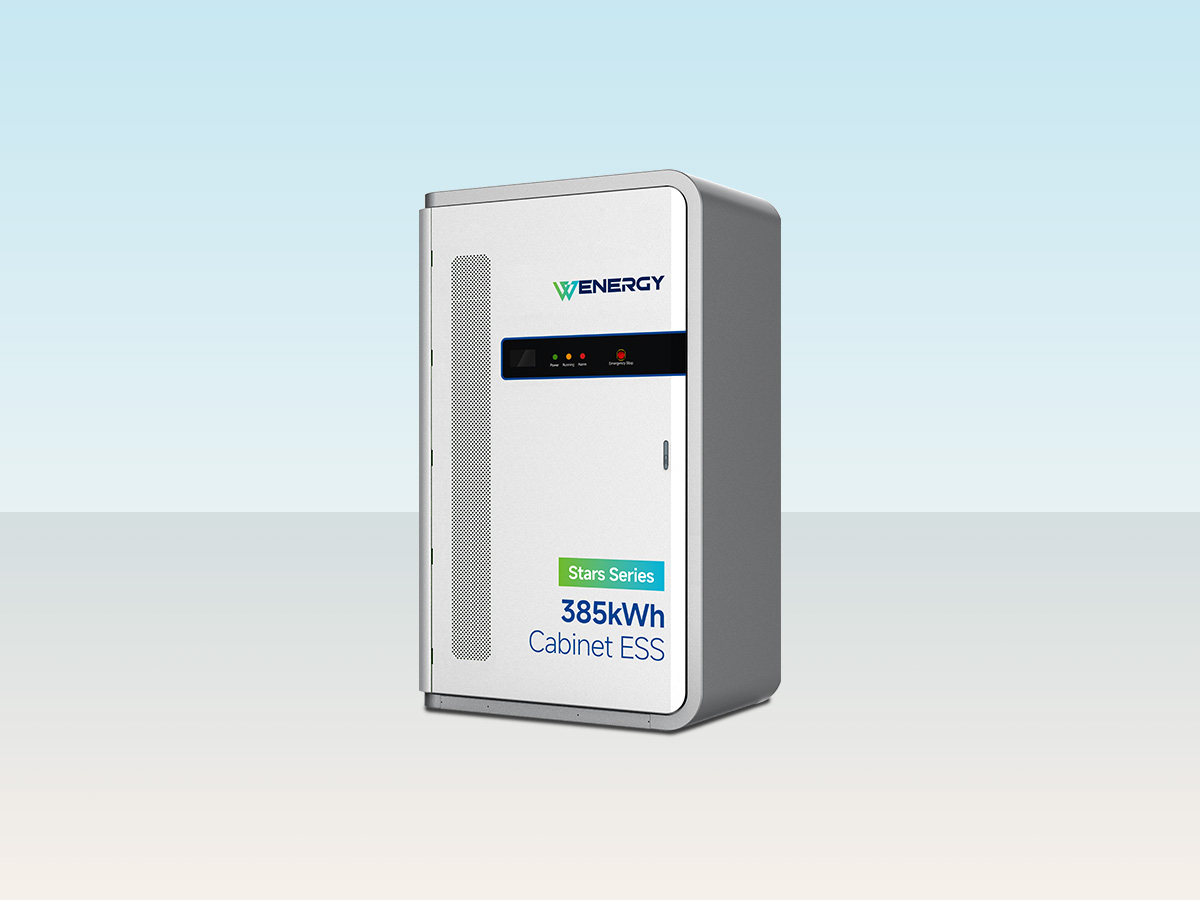

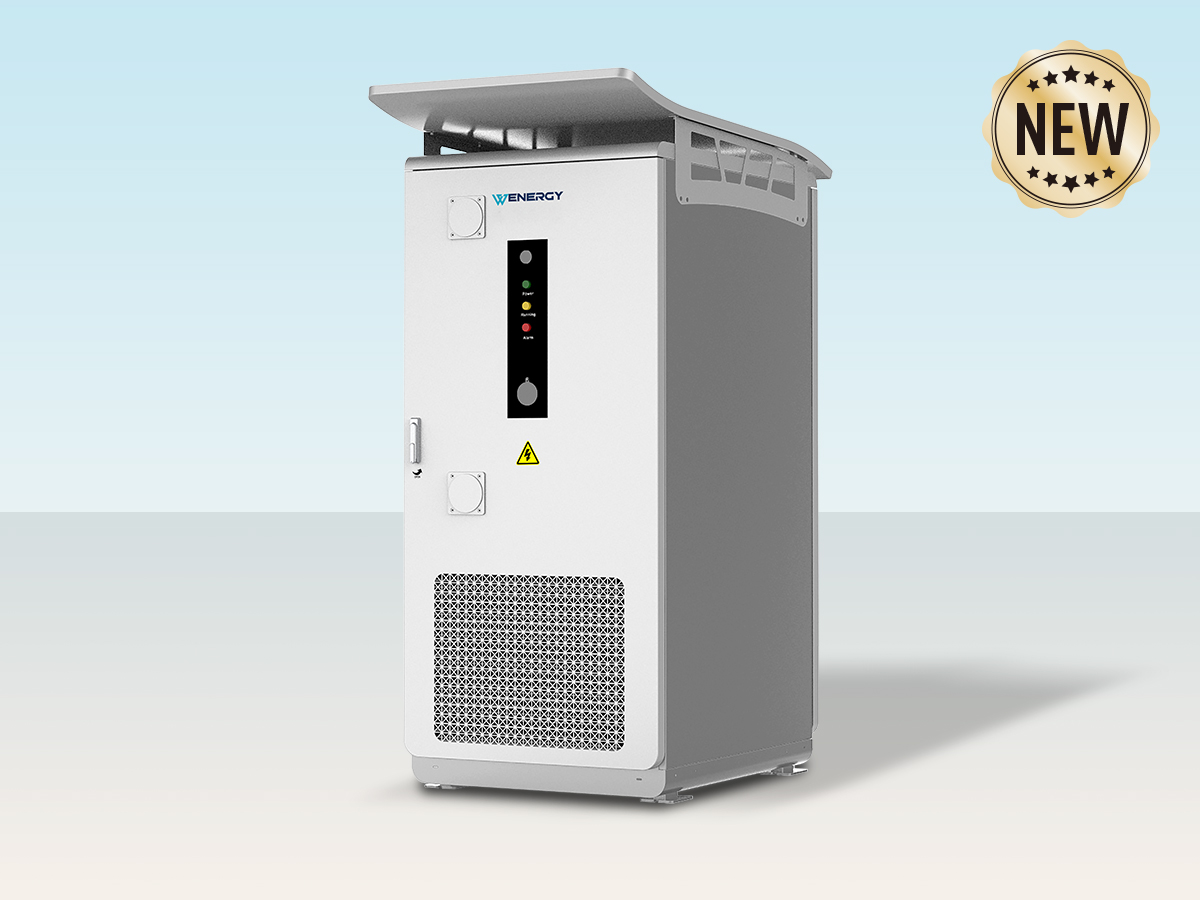
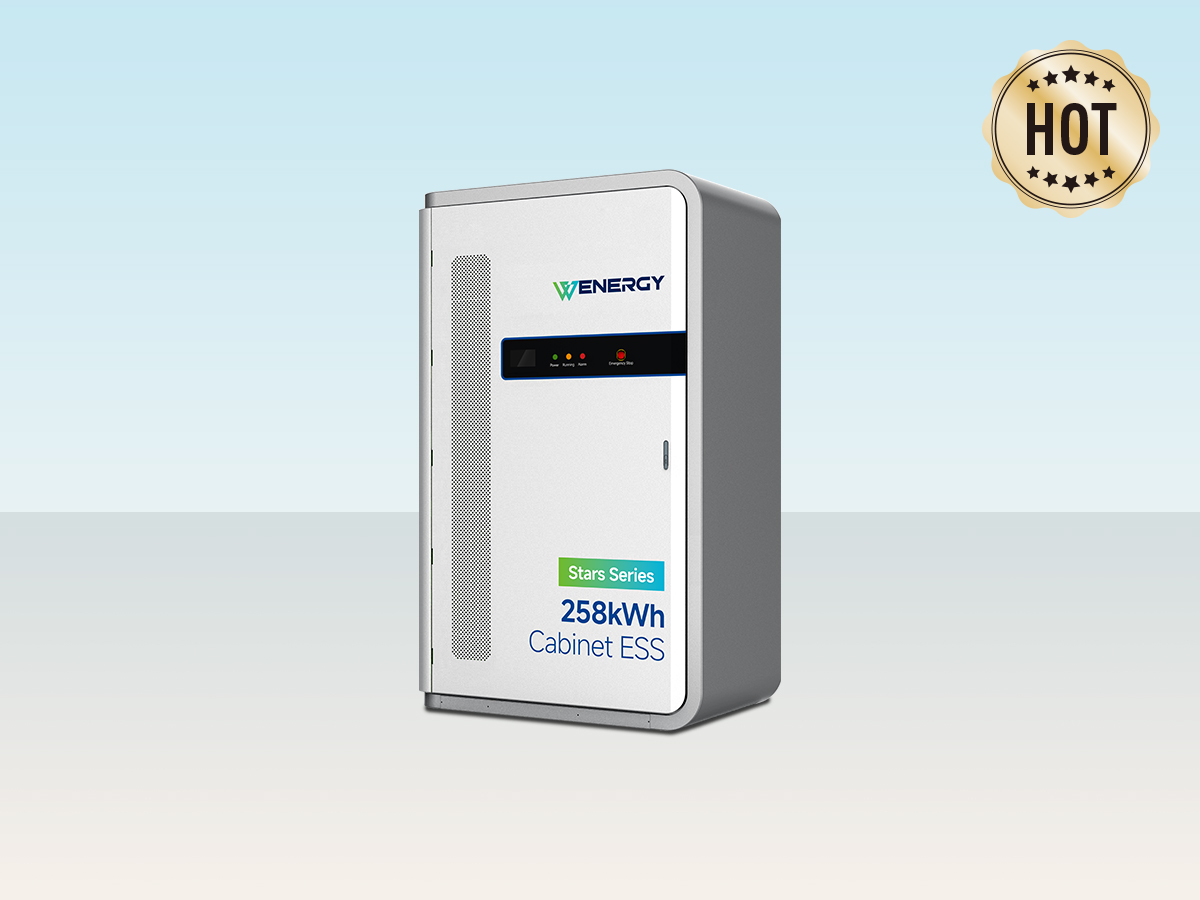
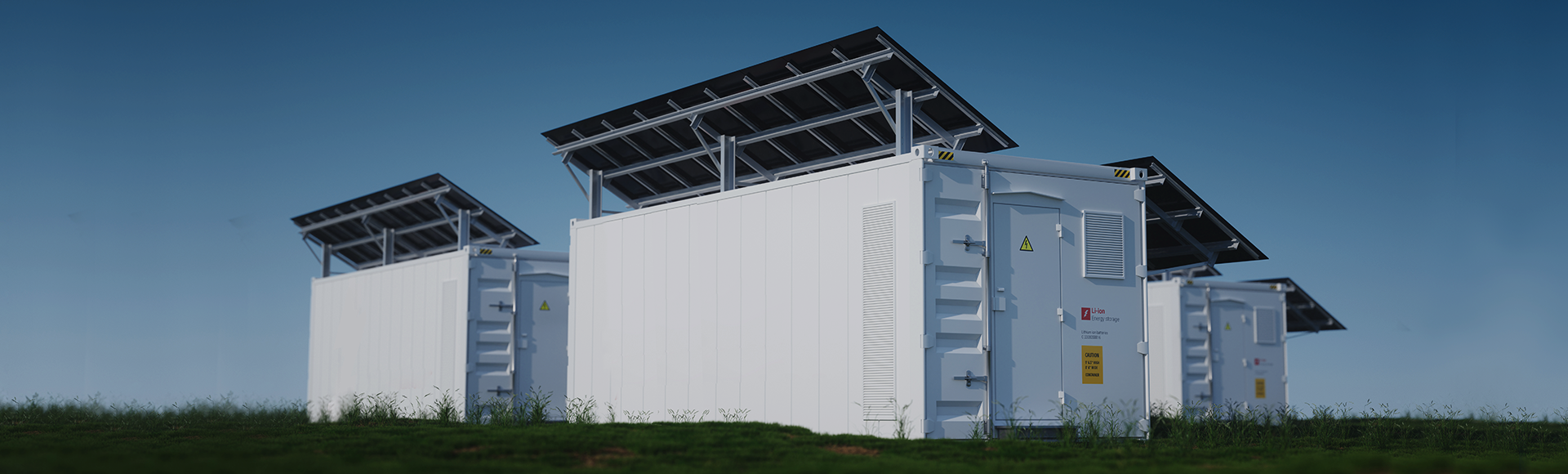
As energy systems become more complex, choosing the right energy storage solution provider is no longer a purely technical decision. We often see utilities, industrial operators, and project developers asking similar questions: how can long-term safety be assessed, what standards really matter, and how should system reliability be evaluated across different operating scenarios? From our perspective, understanding how energy storage system companies design, manufacture, and support their solutions is the first step toward making a sound decision that aligns with real-world energy needs.
Technical Criteria That Define a Reliable Provider
When evaluating providers, we believe technical fundamentals should come before scale or marketing claims. Battery cell selection, system architecture, and thermal management strategies all directly influence lifecycle performance. A well-designed energy storage solution balances energy density with operational stability, ensuring that compact systems do not compromise safety or serviceability. At the system level, integration between battery modules, power conversion, and control software determines how effectively storage assets respond to grid or load-side requirements.
We also pay close attention to how suppliers approach testing and certification. Compliance with recognized international standards provides a consistent benchmark for quality and safety, especially for projects spanning multiple markets. From our experience, energy storage system companies that invest in verification processes and standardized manufacturing tend to deliver more predictable system behavior across diverse applications.
Manufacturing Capability and Service Continuity
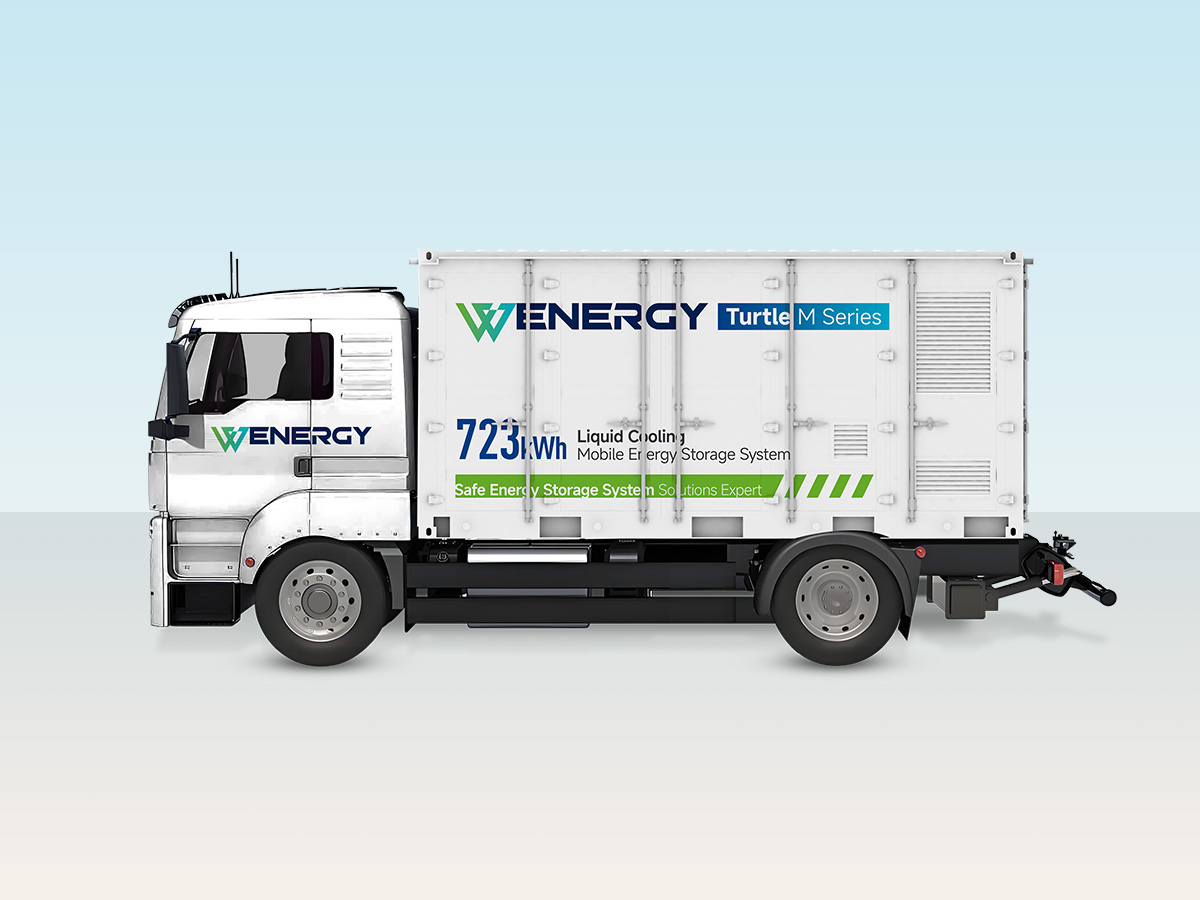
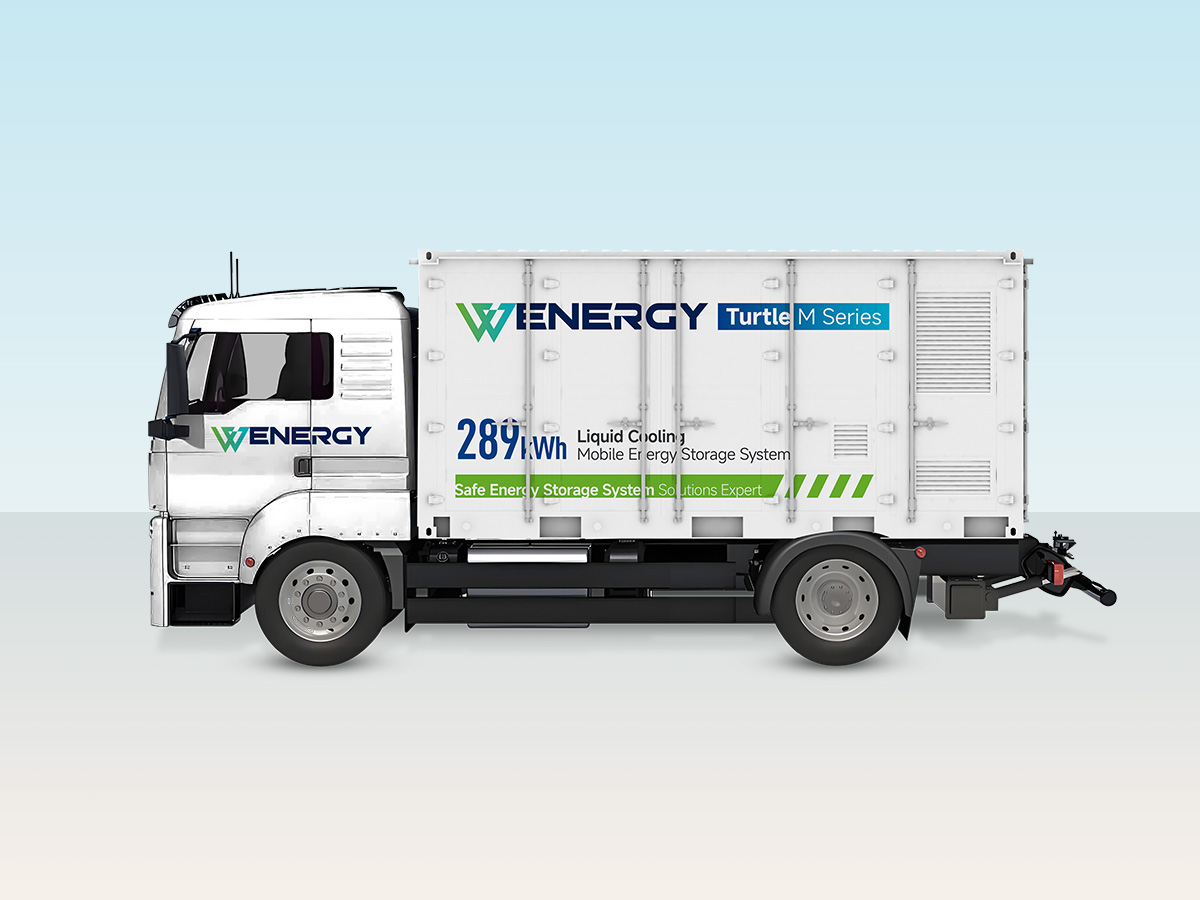
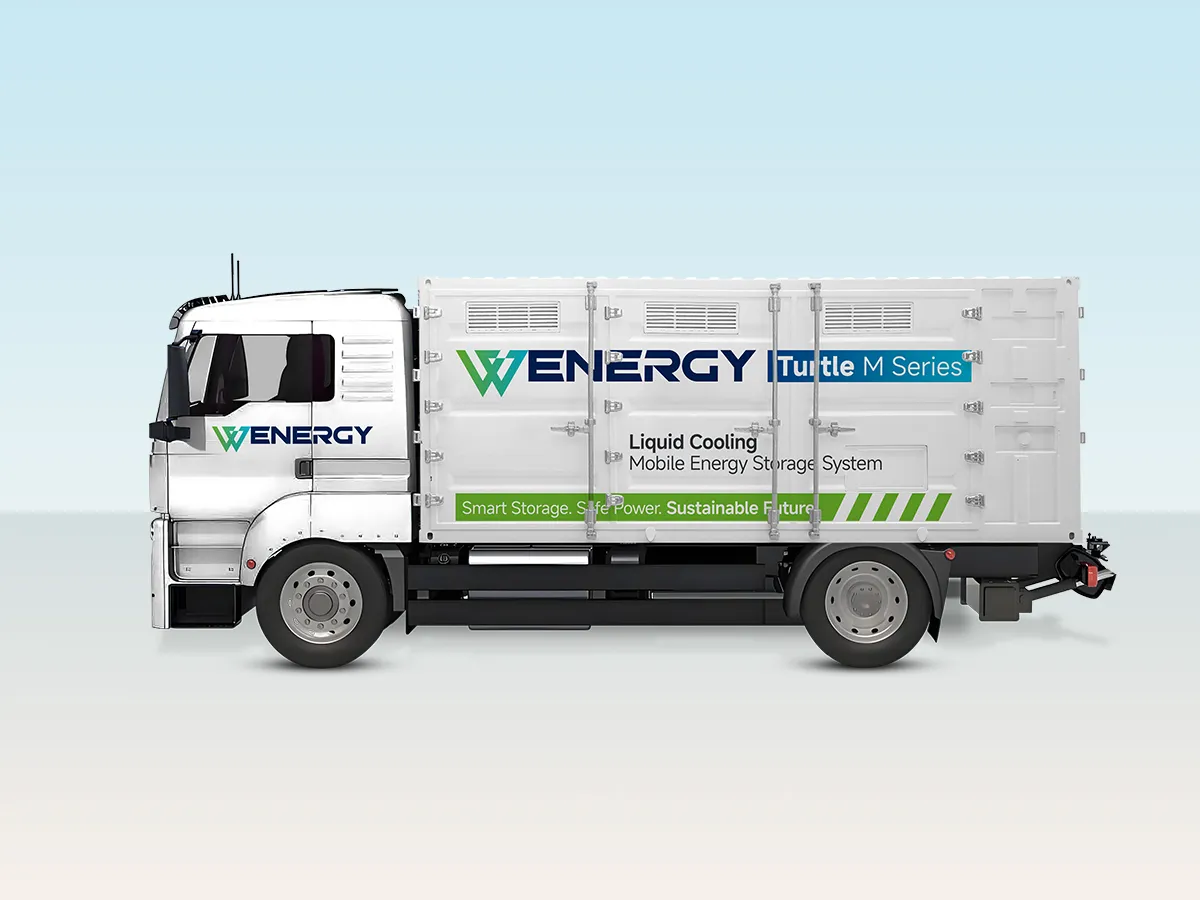
Beyond design, manufacturing depth plays a critical role in long-term system reliability. At Wenergy, we focus on full-chain production, from cell integration to containerized system assembly, allowing tighter control over quality and delivery schedules. This approach also helps ensure that system components are matched and tested as a unified platform rather than as isolated parts.
Service continuity is another factor we consider essential. Grid-scale and industrial storage assets are expected to operate for years under varying conditions, making lifecycle support as important as initial deployment. An effective energy storage solution provider offers structured commissioning, monitoring, and maintenance frameworks that adapt to different regulatory and operational environments. This is especially relevant for customers in energy, power generation, and industrial manufacturing sectors where downtime carries measurable consequences.
Evaluating Grid-Scale Applications in Real Scenarios
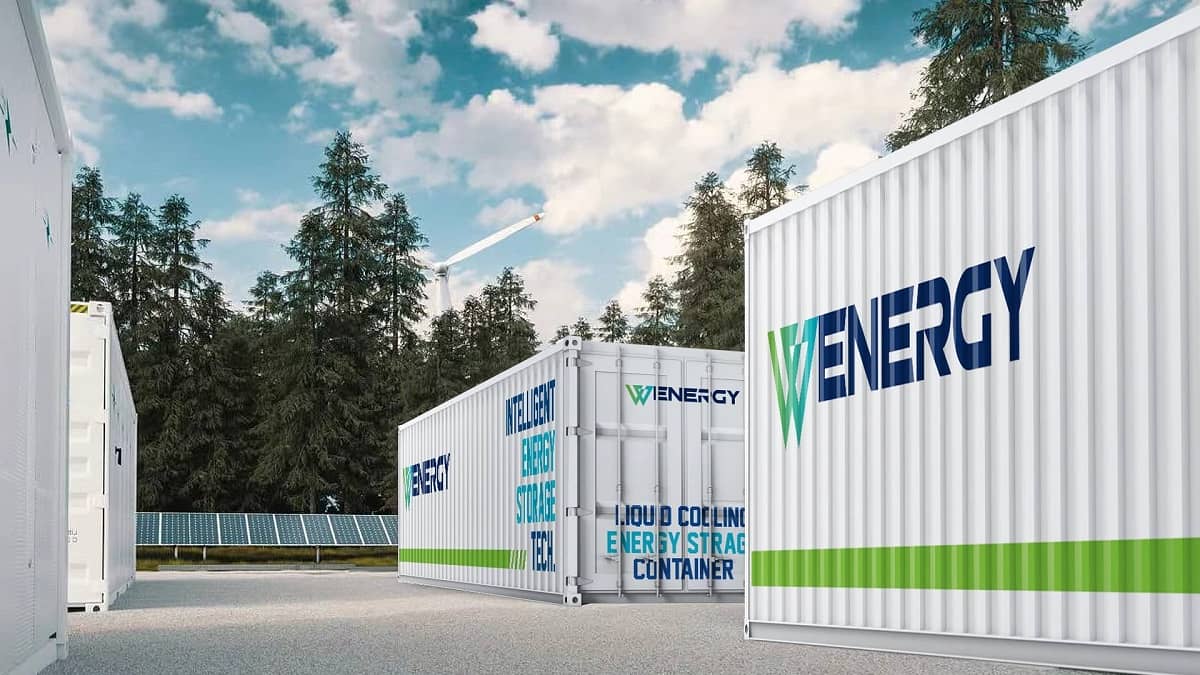
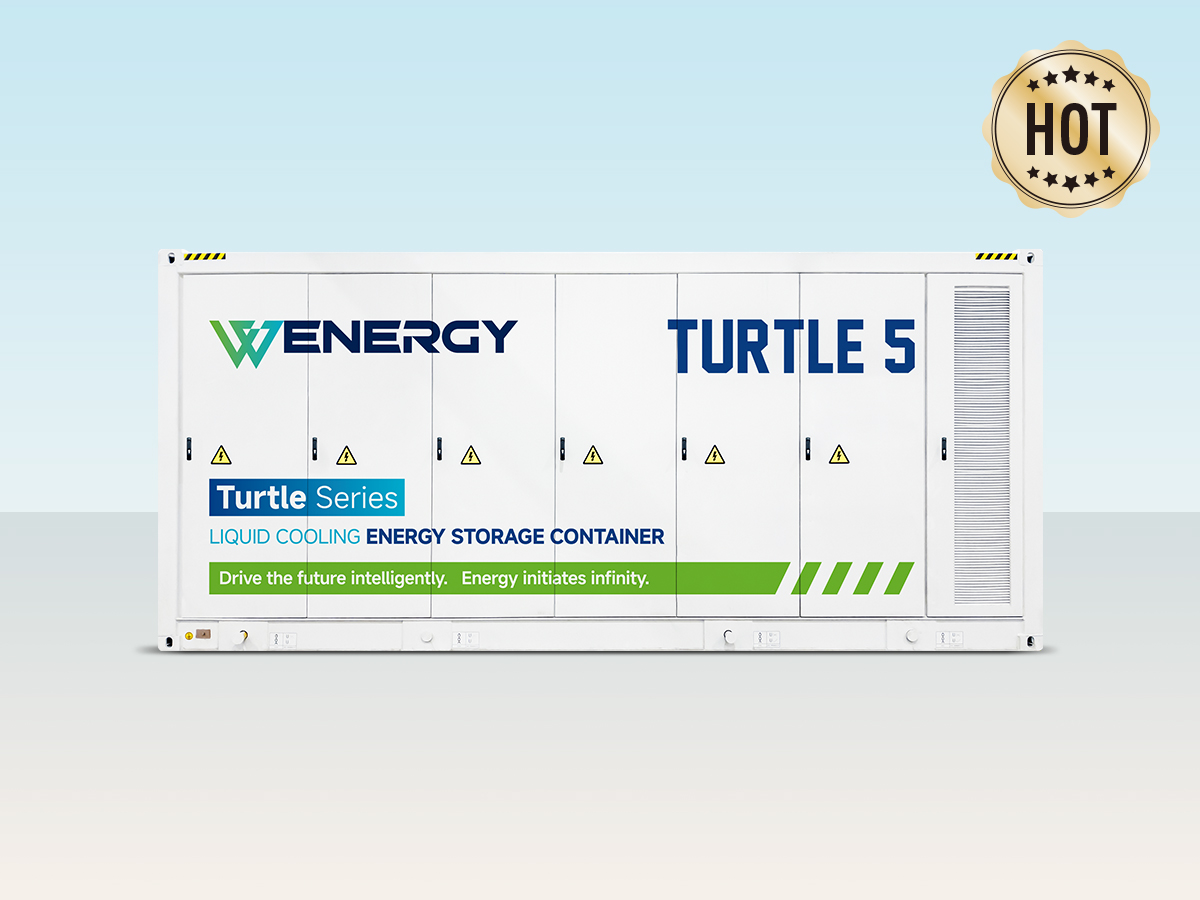
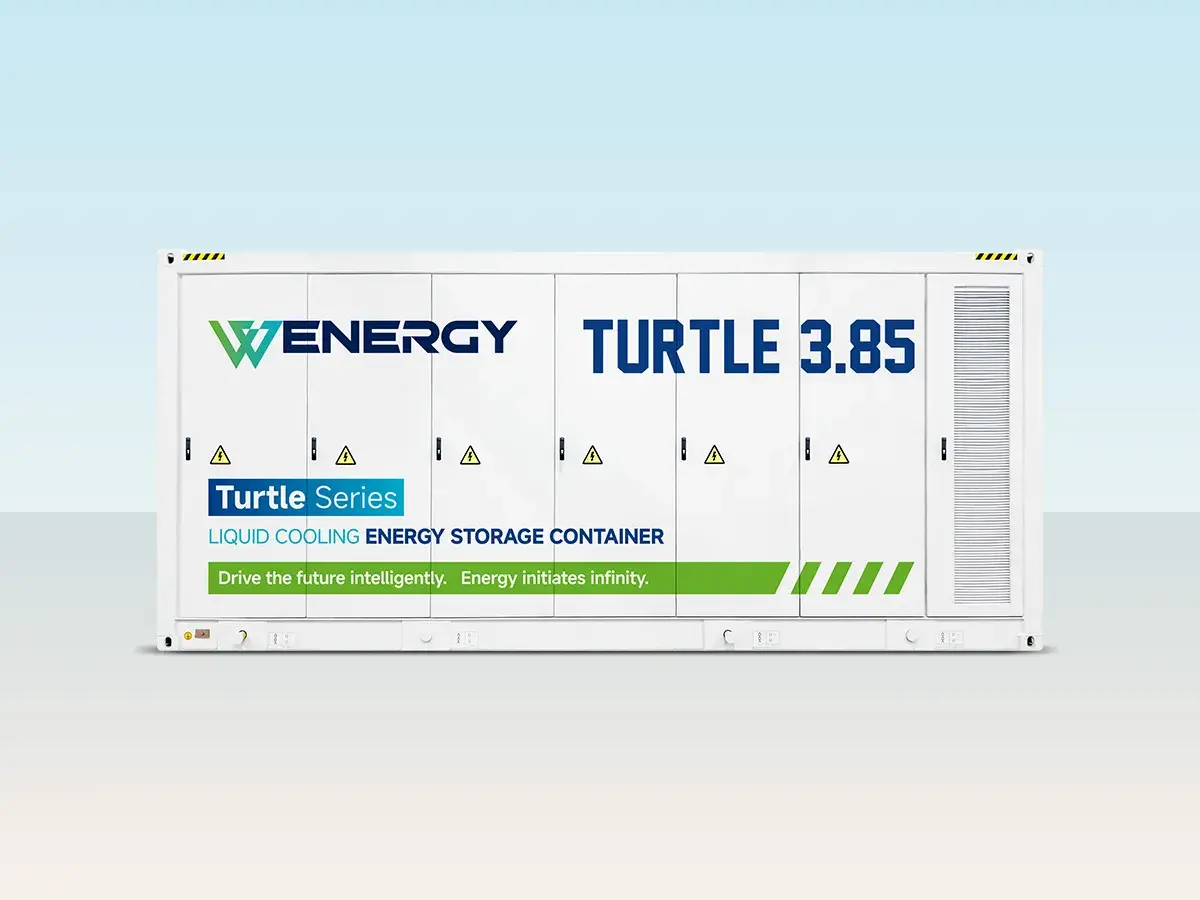
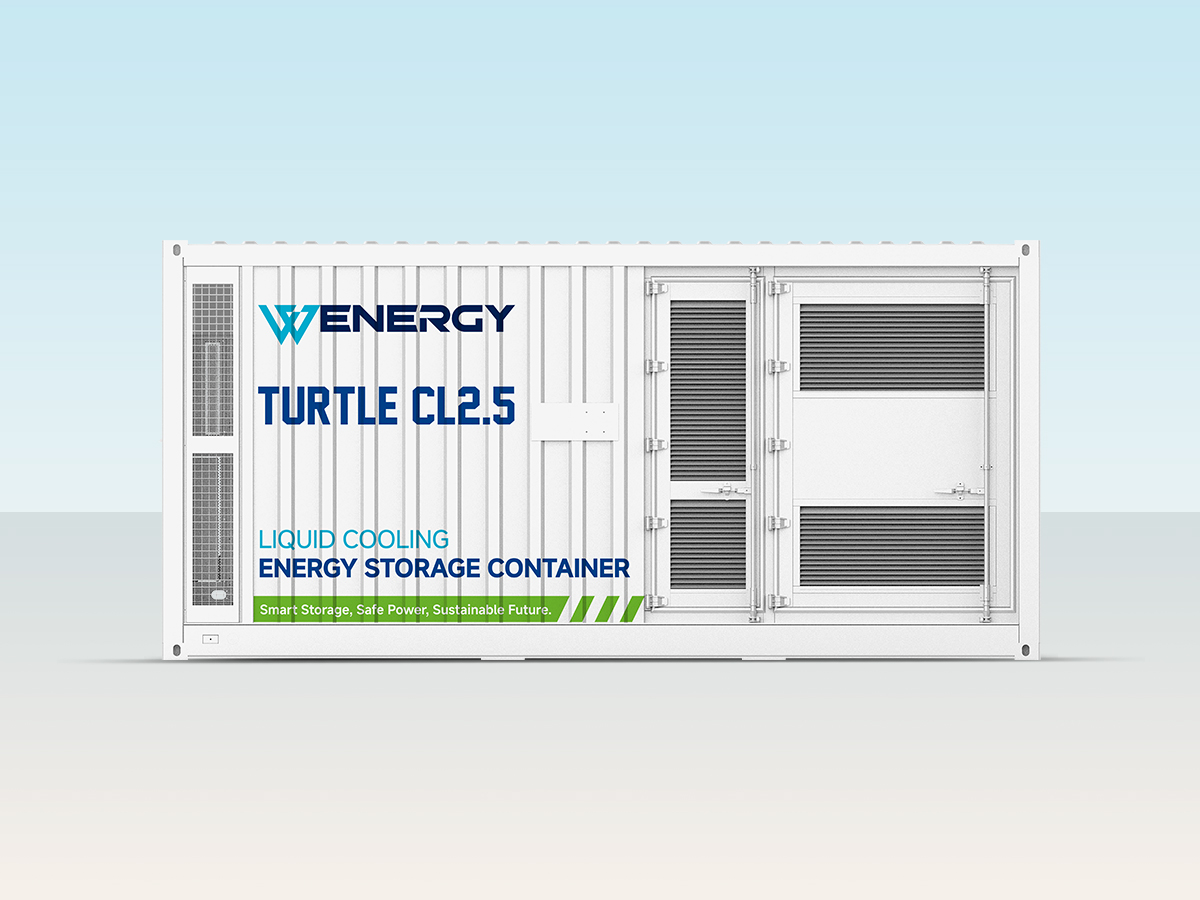
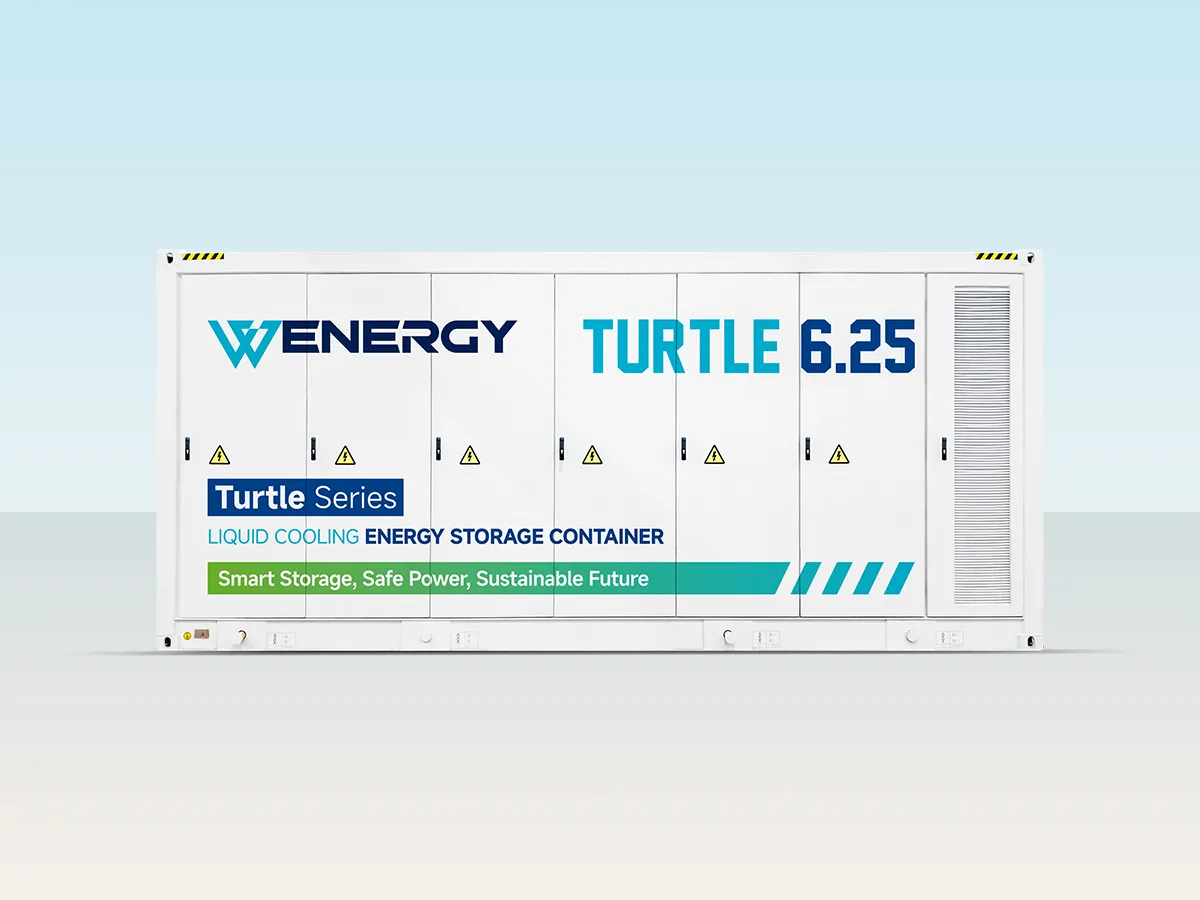
Application context ultimately shapes how providers should be evaluated. For example, grid-scale renewable integration, industrial and commercial ESS, and emergency power scenarios each impose distinct operational demands. Our Turtle Series 6.25MWh Grid-Scale Energy Storage Container was developed to address these varied use cases through a compact 20-foot configuration while supporting high energy density requirements.
By utilizing long-life battery cells with a density of 430Wh/L, the system is designed to support stable performance without excessive spatial or infrastructure demands. In practical terms, this enables flexible deployment for utility-scale renewable projects, remote or off-grid power systems, and backup energy storage where consistency and safety are priorities. When assessing energy storage system companies, we find that adaptability across such scenarios often reflects the maturity of both engineering and service capabilities.
Conclusion: Aligning Evaluation with Long-Term Energy Goals
Evaluating battery storage providers requires more than comparing specifications. From technical architecture and manufacturing control to certification and lifecycle support, each factor contributes to how an energy storage solution performs over time. We believe that informed evaluation helps stakeholders select partners capable of supporting evolving energy systems, particularly in power, industrial, and mechanical manufacturing environments. By examining how energy storage system companies translate design principles into real-world performance, decision-makers can align storage investments with long-term operational and sustainability goals.
Post time: Mar-09-2026