
Utility-scale battery storage has become increasingly critical in modern energy infrastructure. At Wenergy, we often get asked how large-scale storage systems interact with national grids. These systems provide stability, flexibility, and reliability that traditional power generation methods cannot achieve alone. By integrating high-capacity storage, grid operators can better manage fluctuations in demand and supply, especially with growing renewable energy contributions. Understanding the science behind these systems helps stakeholders appreciate their role in energy transition and national grid resilience.
Enhancing Grid Stability
One of the primary benefits of utility-scale battery storage is its ability to maintain grid stability. We have observed that our systems can quickly respond to sudden changes in electricity demand or supply. During peak usage hours, stored energy can be dispatched instantly to prevent voltage drops or blackouts. Conversely, when there is excess generation from renewable sources like solar or wind, these systems absorb surplus power, reducing stress on the grid. As an utility-scale energy storage company, we ensure that our solutions are integrated with smart control systems, enabling grid operators to monitor and balance loads in real time without compromising efficiency.
Supporting Renewable Energy Integration
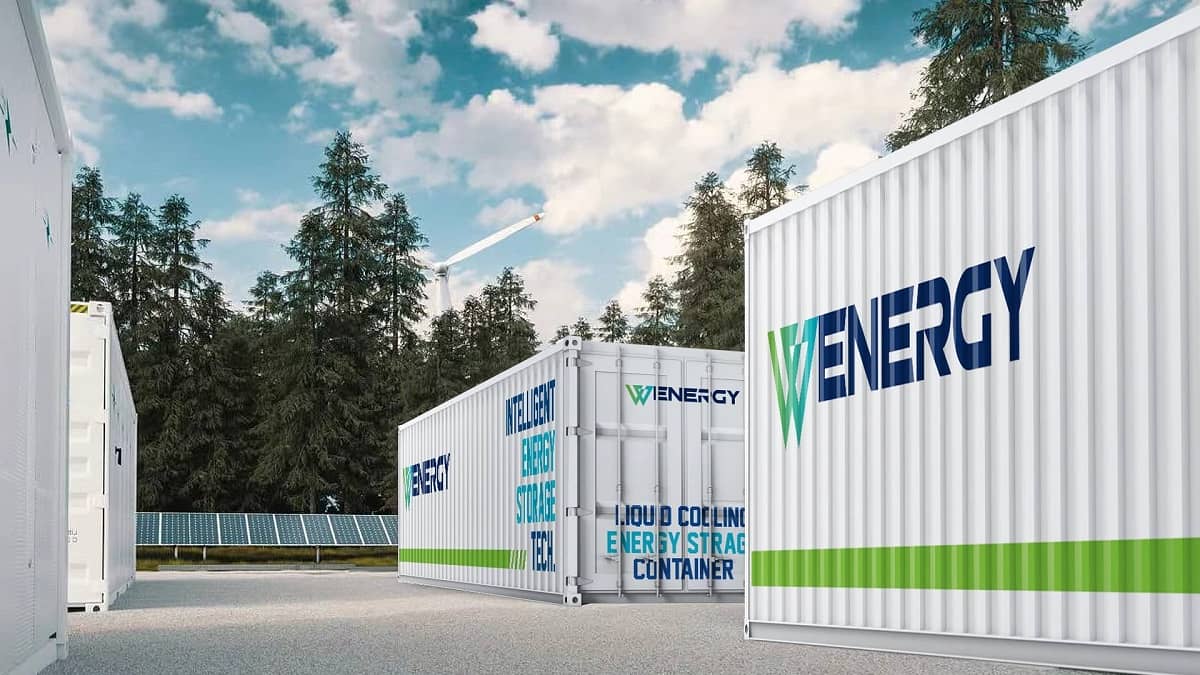
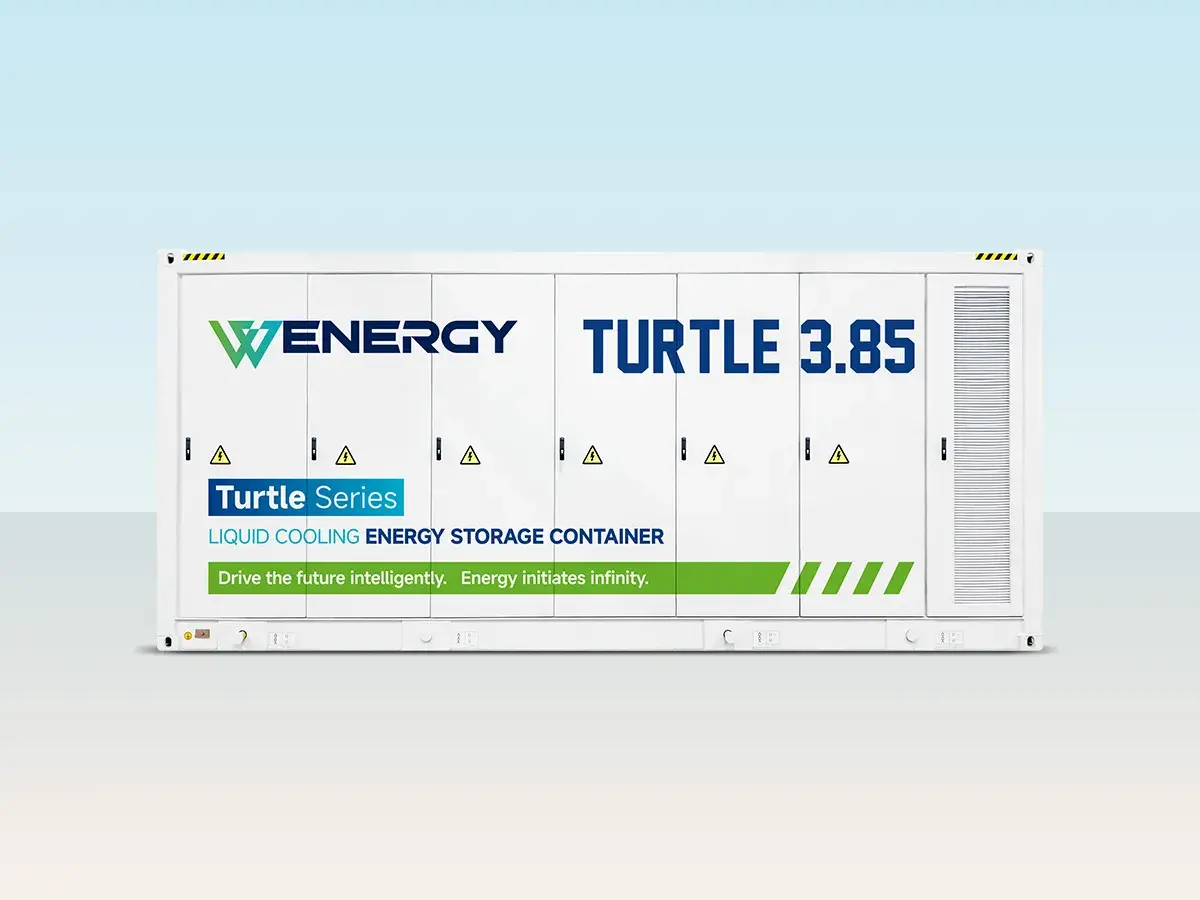
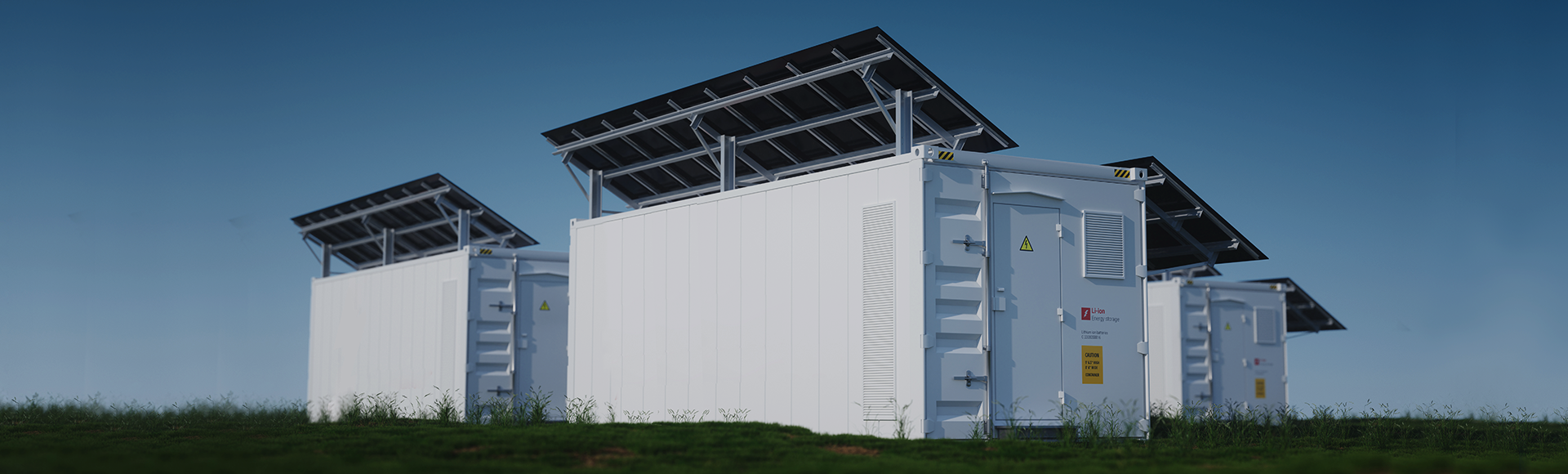
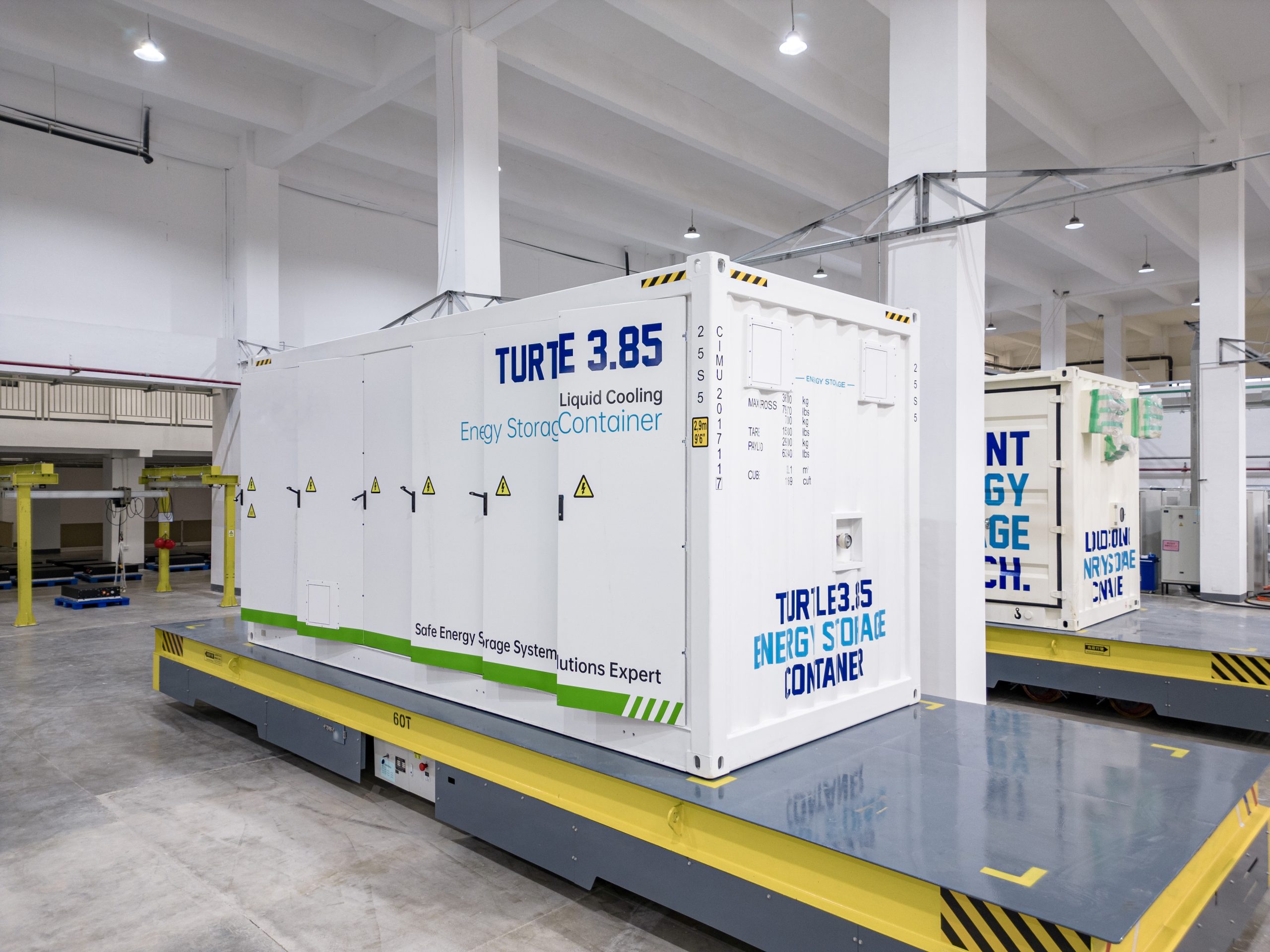
Renewable energy is inherently intermittent, which can challenge grid reliability. Our 3.85MWh Liquid-Cooling Lithium Ion Battery Storage Container demonstrates how storage systems can bridge this gap. With high energy density and flexible capacity, one 20ft container stores up to 3.85MWh, allowing scalable deployment according to project needs. The container’s multi-layer fire protection, smart liquid cooling, and advanced BMS ensure that the system operates safely and reliably under extreme temperatures. By using these solutions, utilities can incorporate higher levels of renewables without risking instability, making the grid more adaptable to a low-carbon future.
Improving Operational Efficiency
From an operational standpoint, large-scale storage systems reduce reliance on spinning reserves, which are traditionally needed to meet sudden demand spikes. At Wenergy, we have designed systems that integrate seamlessly with global PCS standards, providing dual power redundancy and UPS for uninterrupted operation. This means fewer inefficiencies, reduced fuel consumption from conventional generators, and a more predictable power supply. Additionally, our solutions are proven in challenging environments, from high-altitude installations to sites with extreme weather, ensuring that grid performance remains consistent and reliable.
Conclusion: Driving Grid Reliability and Flexibility
In conclusion, utility-scale battery storage significantly enhances national grid reliability, efficiency, and adaptability. As a committed utility-scale energy storage company, we focus on delivering systems that combine advanced safety, scalable capacity, and intelligent management. By leveraging Wenergy technology, grid operators can integrate renewables more effectively, manage demand fluctuations, and future-proof infrastructure against evolving energy needs. These systems are not just tools for energy storage—they are strategic solutions for a stable, flexible, and sustainable power network.
Post time: Mar-09-2026