
Homeowners investing in solar increasingly recognize that storage technology choices directly impact long-term savings and safety. Legacy battery chemistries, while familiar, often introduce performance limitations and maintenance burdens that diminish the value of a home solar investment. At Wenergy, we engineer residential energy storage systems utilizing advanced lithium iron phosphate chemistry to address these exact shortcomings. By understanding how modern home solar battery storage system designs differ from older alternatives, families can make informed decisions that deliver reliability, efficiency, and genuine energy independence for decades.
Why Older Battery Technologies Fall Short
Traditional lead-acid and early lithium-ion chemistries have powered off-grid applications for years, but their limitations become apparent in daily residential use. Lead-acid batteries require regular maintenance, occupy significant space, and suffer from reduced cycle life when regularly discharged below fifty percent capacity. Older nickel-based chemistries, meanwhile, present thermal stability concerns that demand elaborate cooling and monitoring. These legacy options simply cannot deliver the consistent performance modern households expect from their residential energy storage systems. Furthermore, their declining efficiency over time erodes the financial case for solar self-consumption, leaving homeowners with diminishing returns as the system ages. Recognizing these drawbacks, forward-thinking manufacturers have shifted focus to safer, more durable chemistries.
The Safety and Longevity Advantages of LiFePO4
Lithium iron phosphate, or LiFePO4, represents a fundamental advancement in battery safety and cycle life. Unlike older cobalt-based lithium chemistries, LiFePO4 cathodes resist thermal runaway, making them inherently stable even under extreme conditions. This chemistry forms the foundation of Wenergy residential energy storage systems, ensuring that families enjoy backup power without compromising home safety. Additionally, LiFePO4 cells typically endure thousands of cycles with minimal degradation, maintaining the 95% energy retention that maximizes savings over the system’s lifetime. For any home solar battery storage system intended to operate daily for ten years or more, this longevity translates directly into lower levelized cost of storage and fewer replacement headaches.
Practical Benefits for Modern Households
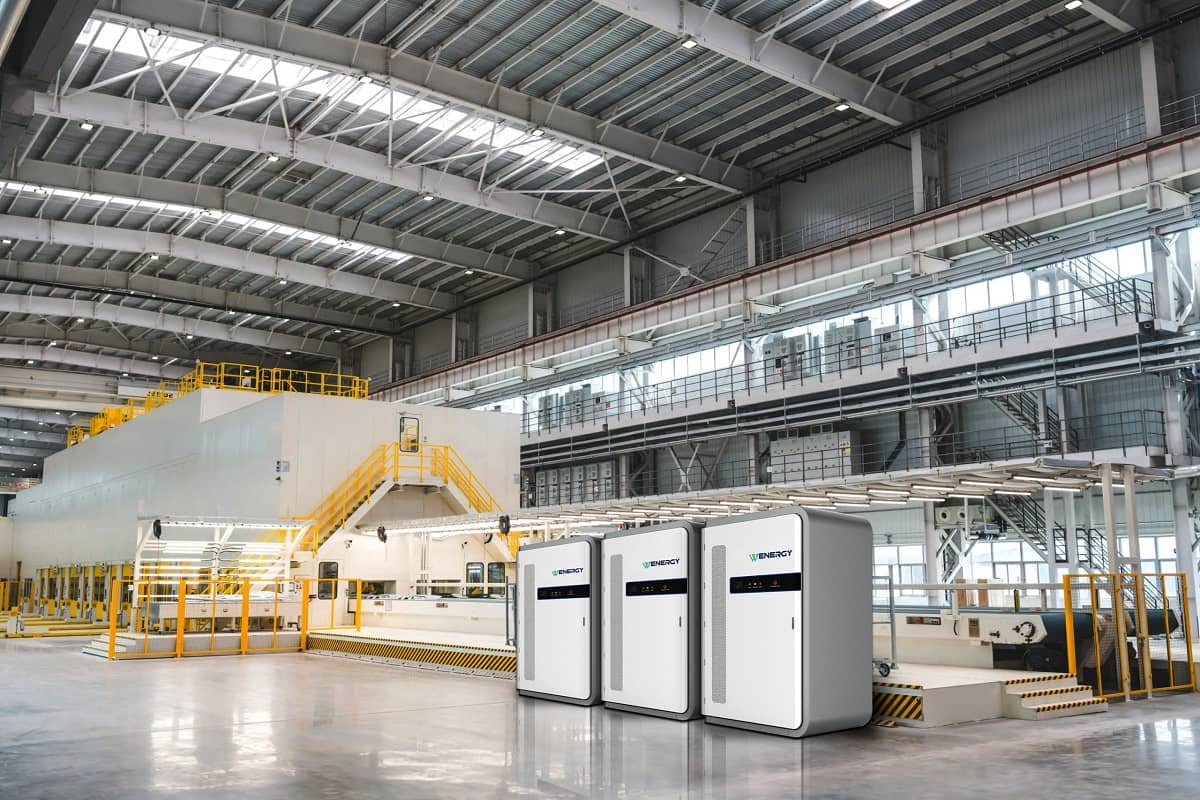
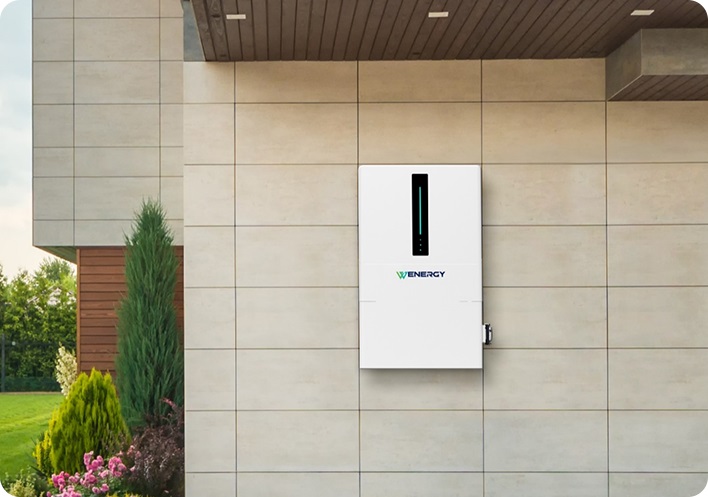
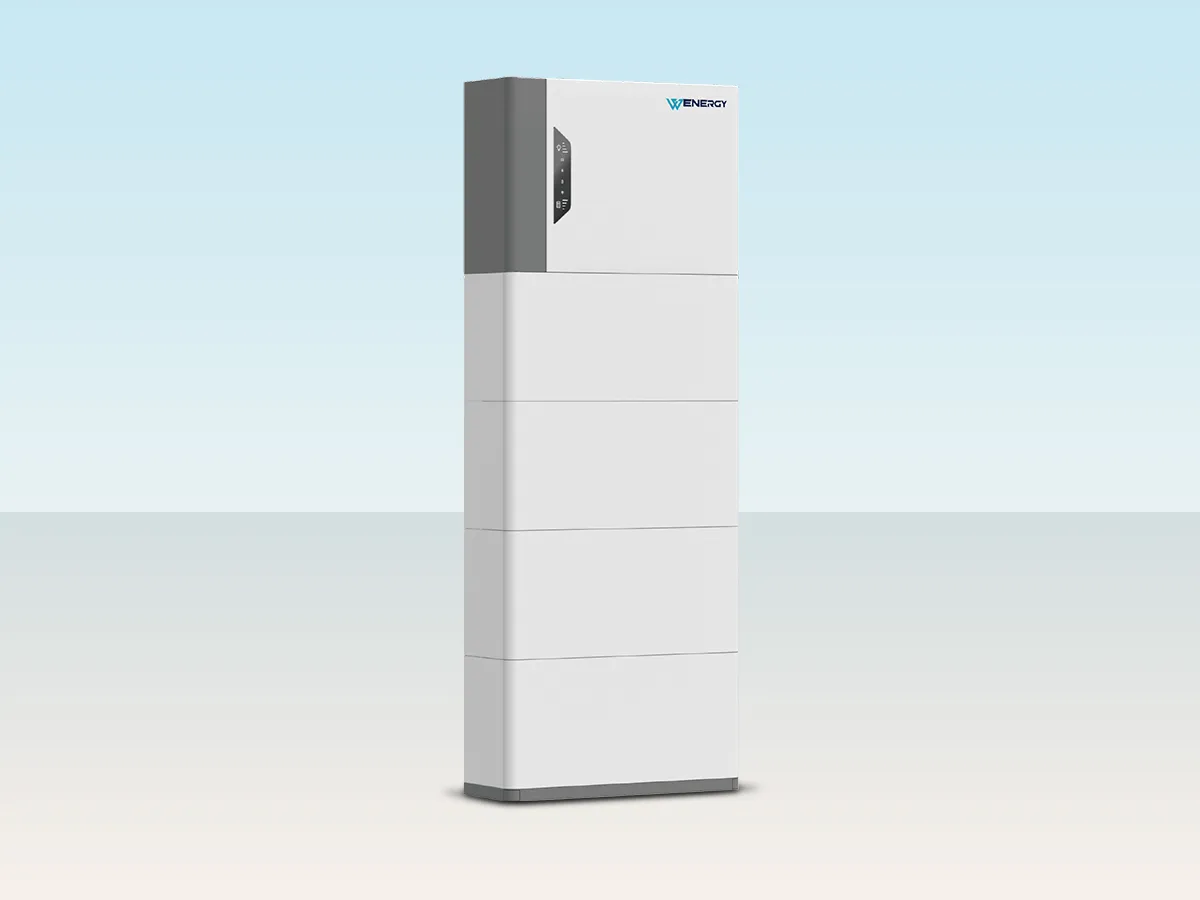
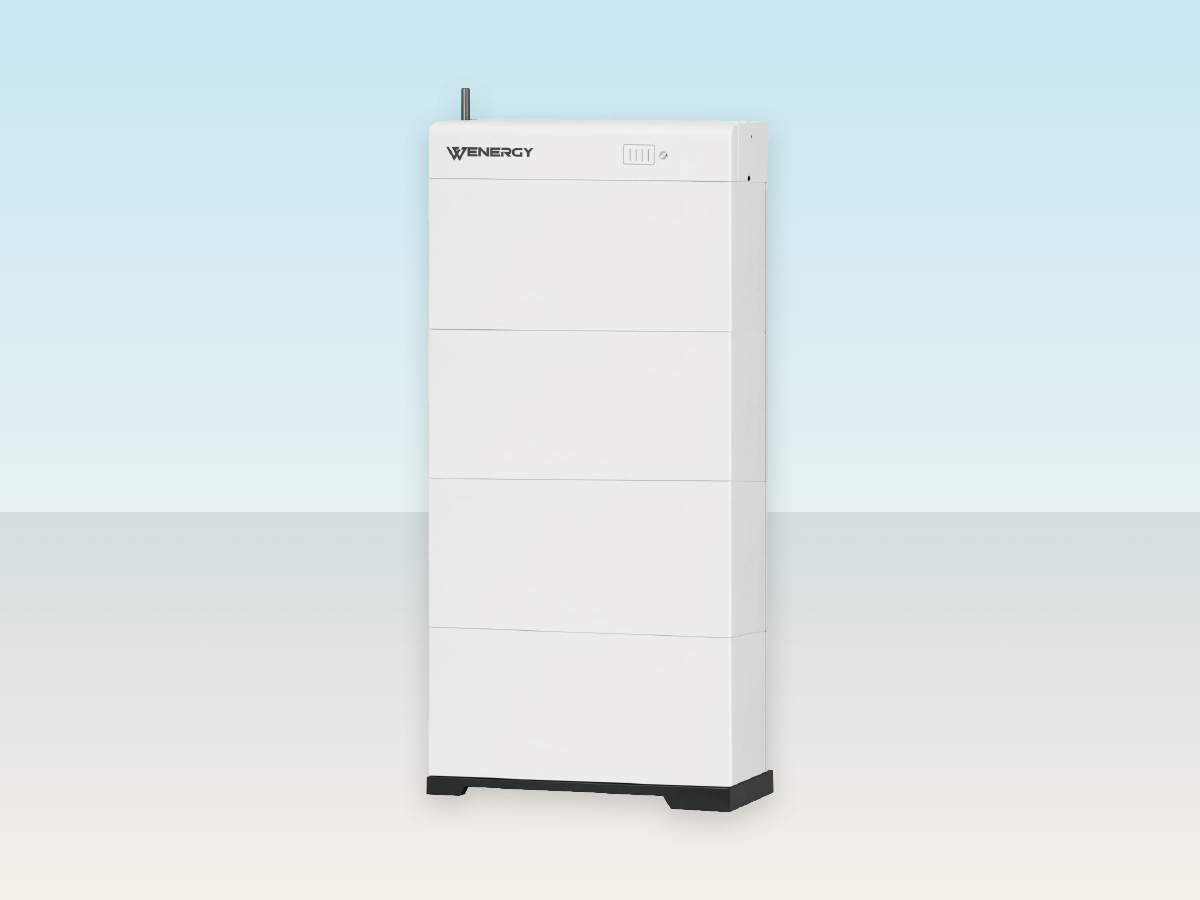
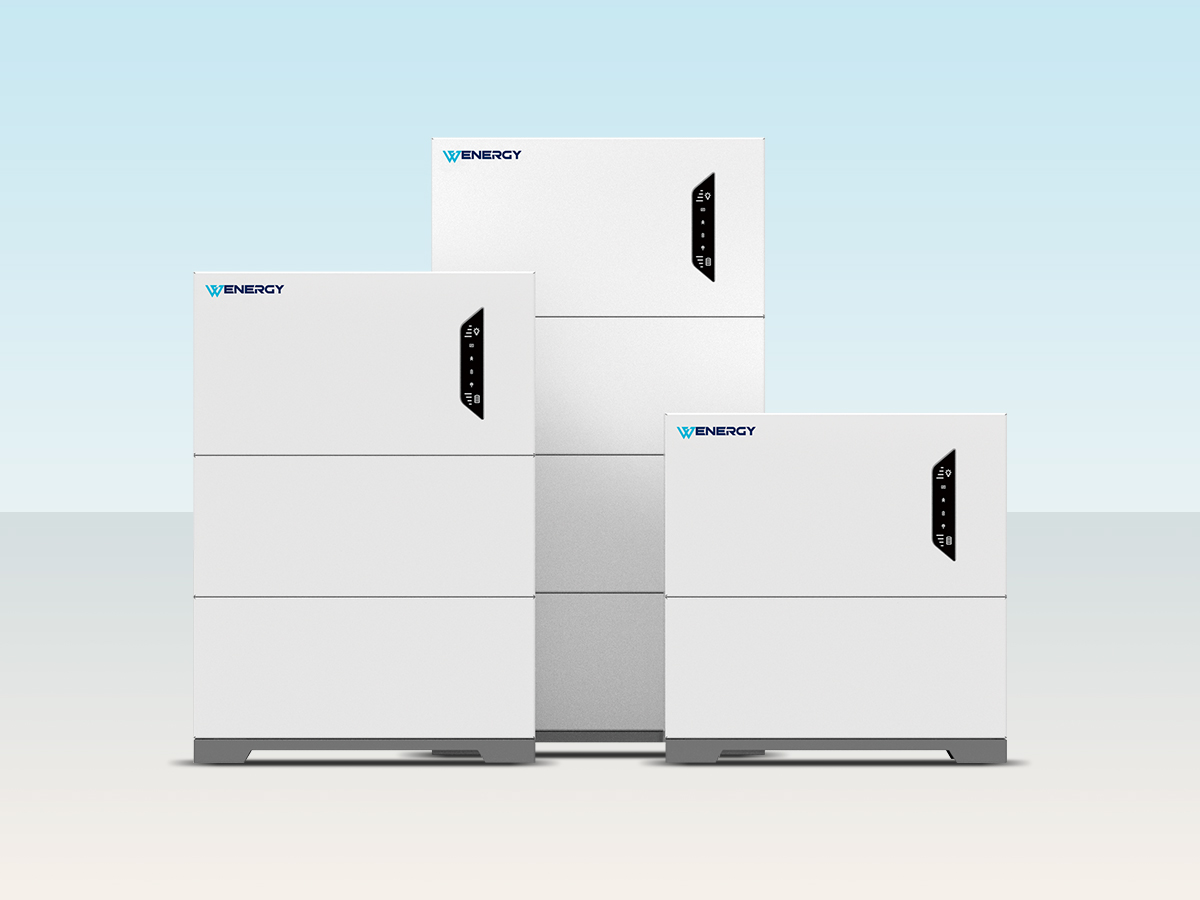
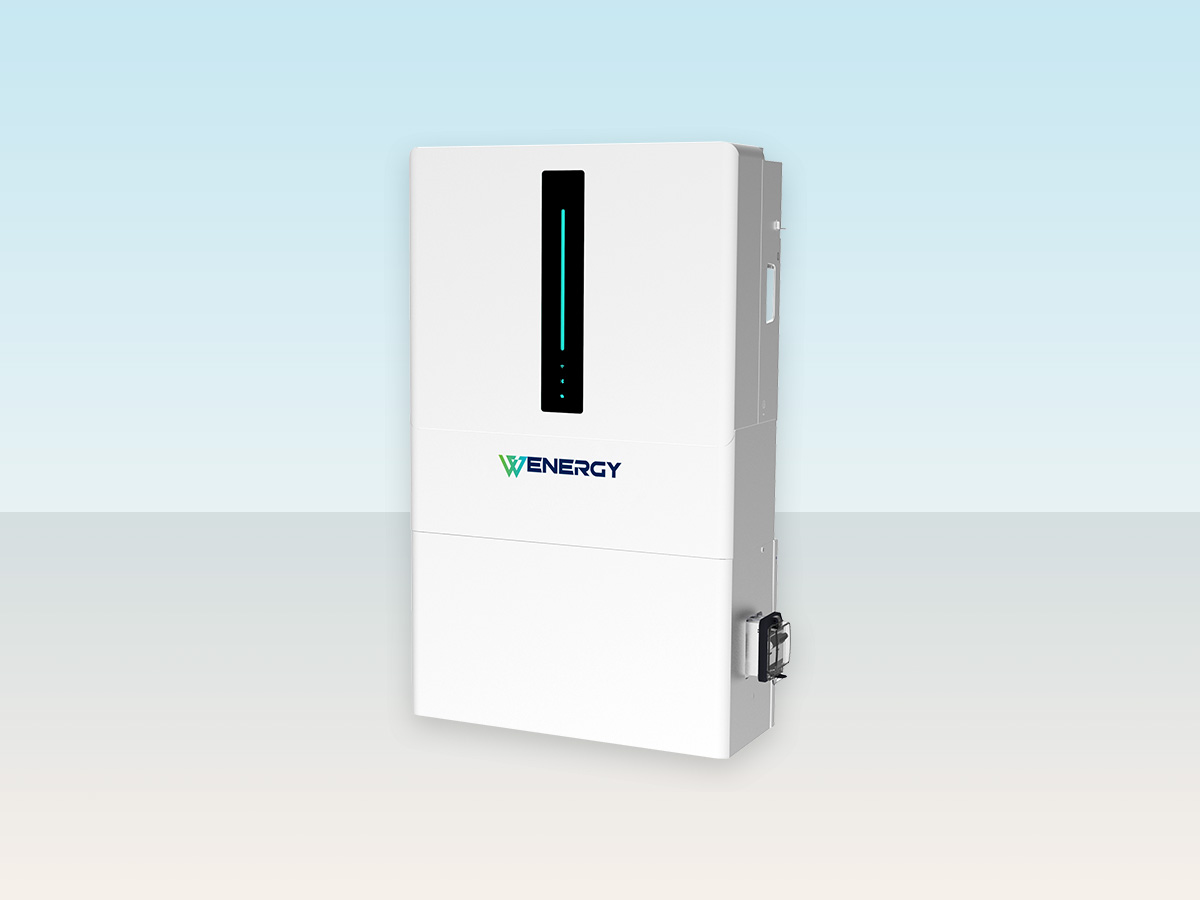
Beyond chemistry comparisons, real-world usability distinguishes superior storage solutions. Older technologies often require dedicated equipment rooms and ventilation, limiting installation flexibility. Wenergy designs its residential energy storage systems as all-in-one units with compact footprints and simple setup procedures. Our systems expand from 5kWh to 30kWh, accommodating growing family needs without replacing core components. The IP65 weather-resistant enclosure ensures our home solar battery storage system withstands garage temperature fluctuations or outdoor installation challenges. This storm-proof construction, combined with seamless backup transition during outages, delivers the peace of mind that older chemistries simply cannot guarantee. Homeowners gain a system that protects both their energy supply and their property investment.
The transition from older battery technologies to LiFePO4 represents more than a specification upgrade; it embodies a commitment to safety, efficiency, and long-term value. At Wenergy, our residential energy storage systems harness this advanced chemistry to provide families with reliable power that integrates effortlessly with solar generation. By choosing a modern home solar battery storage system engineered for expandability and durability, homeowners secure energy independence without the compromises of outdated technology. We invite solar professionals and homeowners to explore how Wenergy solutions elevate the residential energy experience through smarter chemistry and thoughtful design.
Post time: May-08-2026