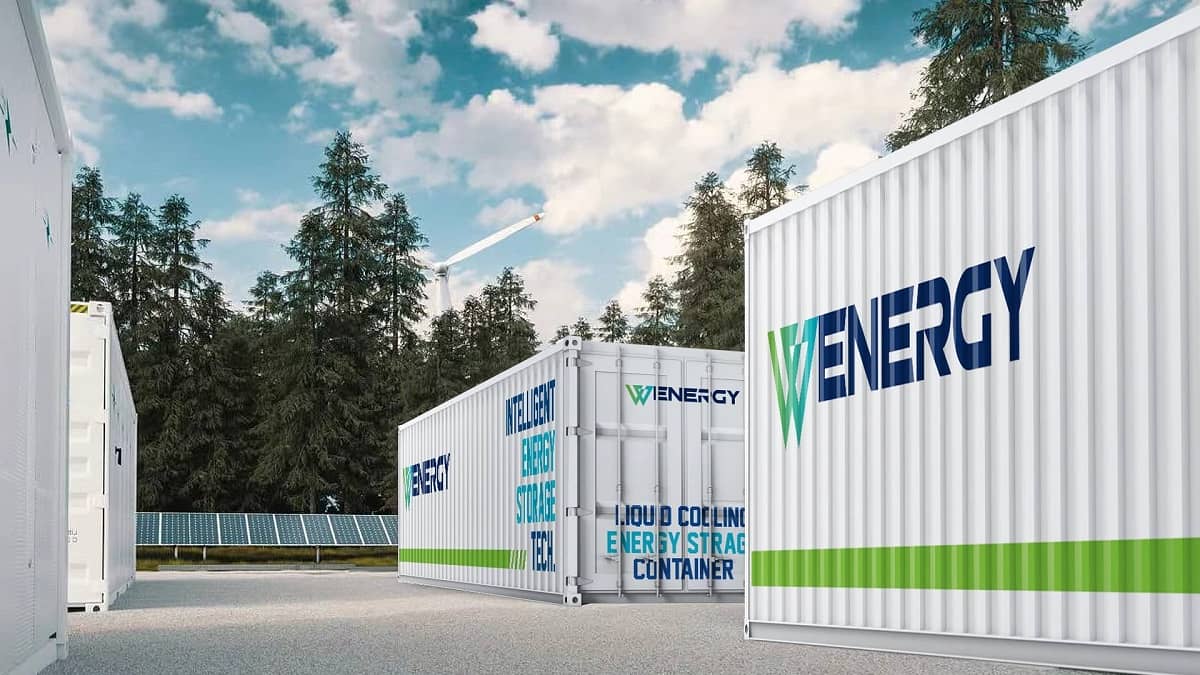
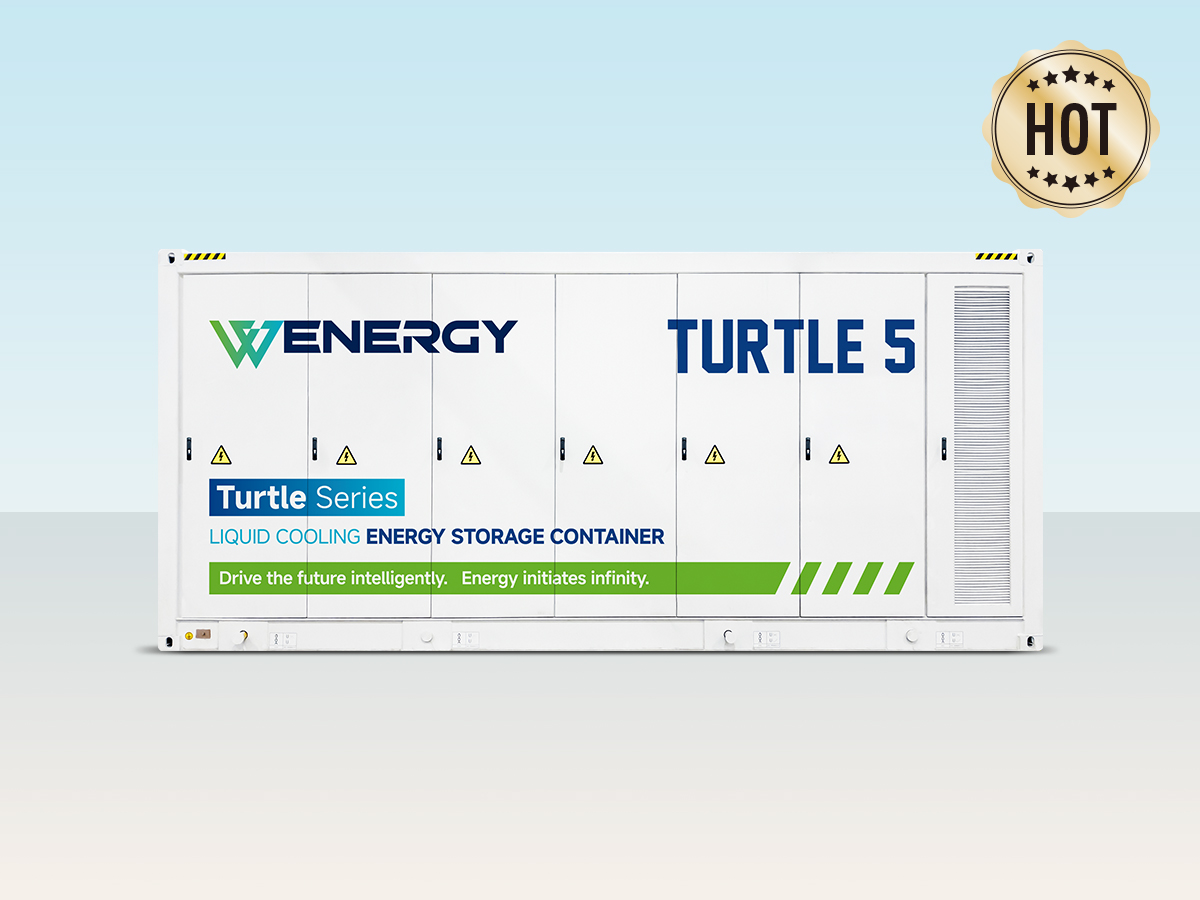
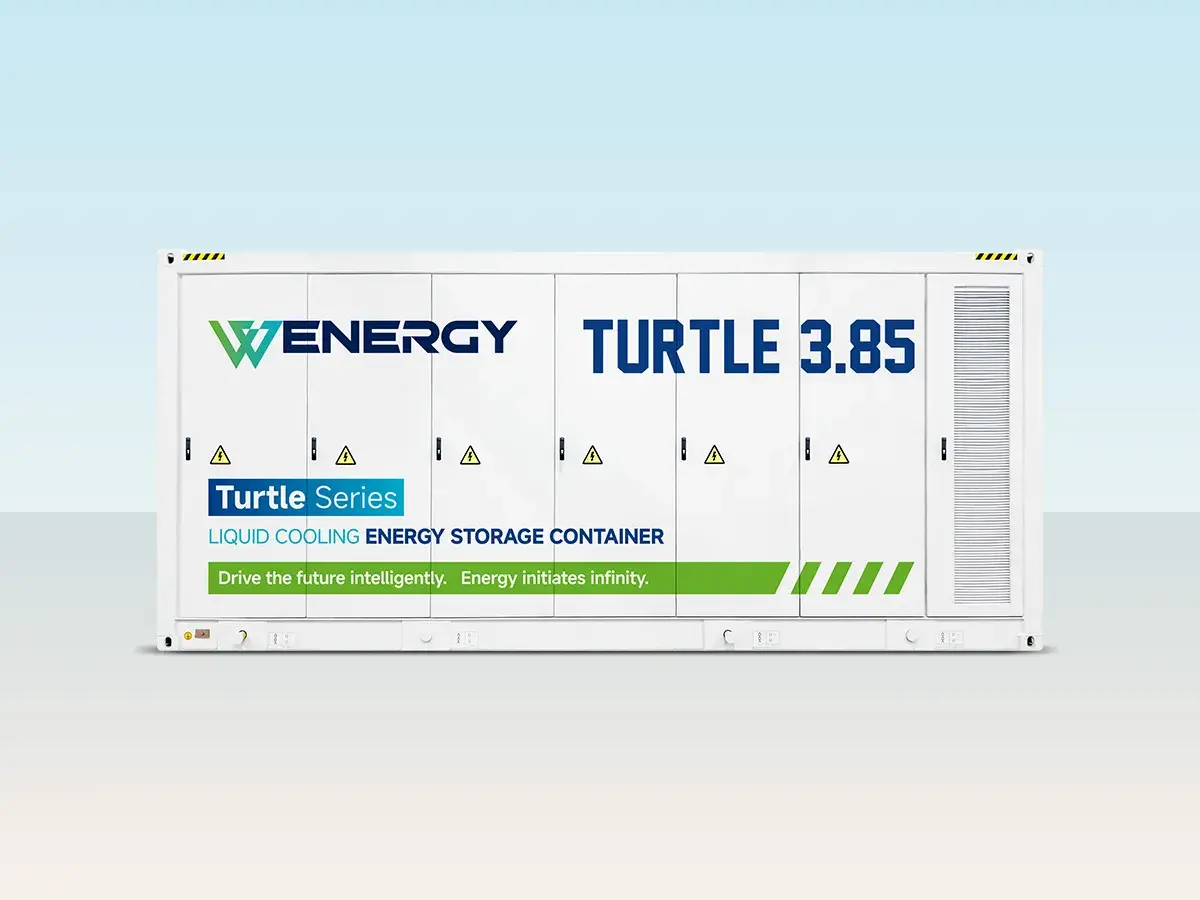
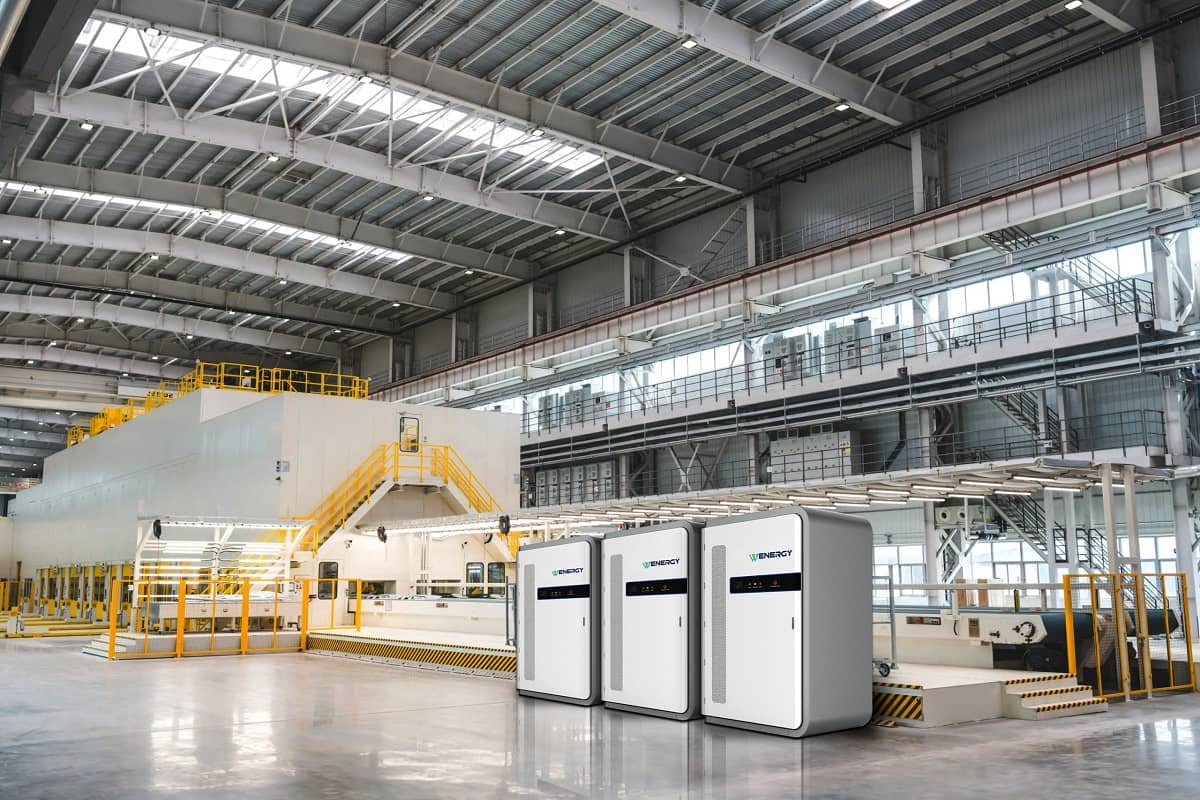

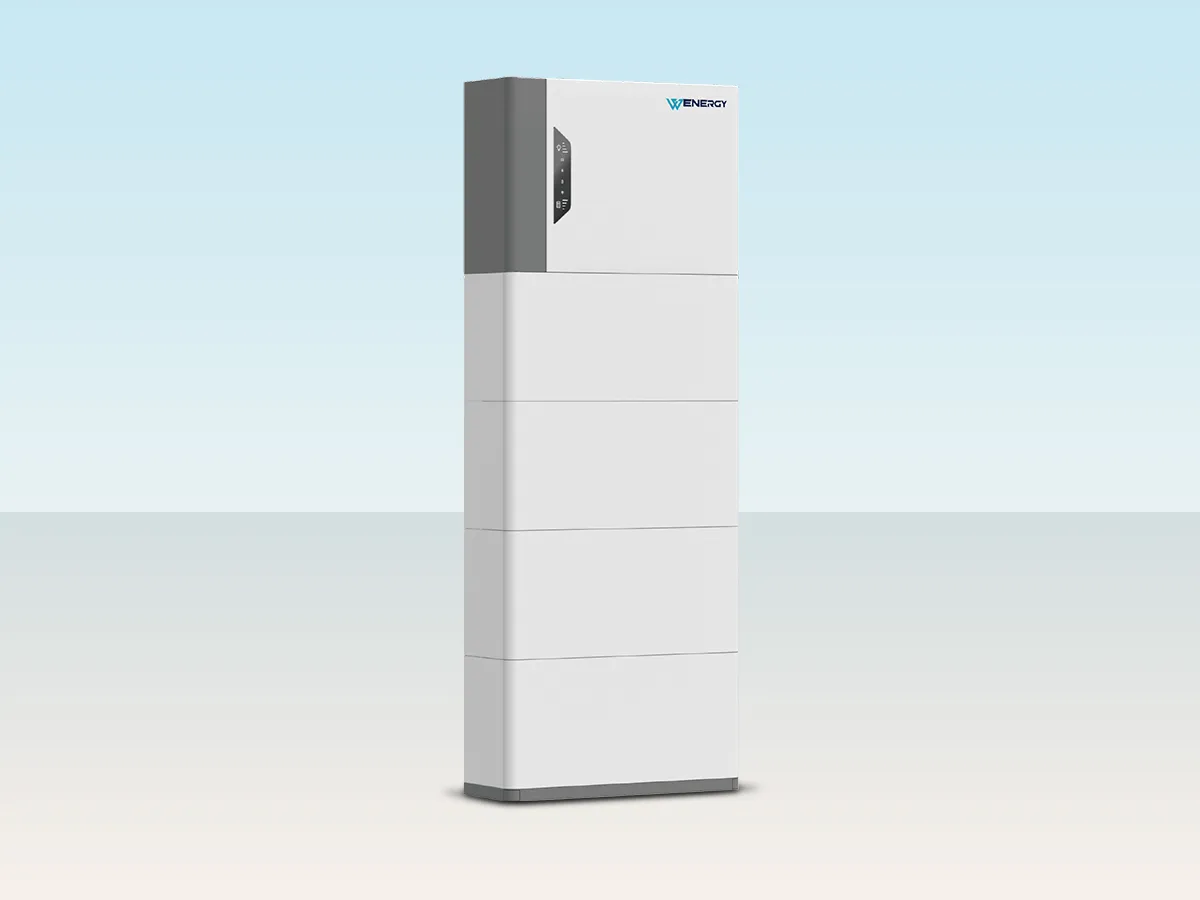
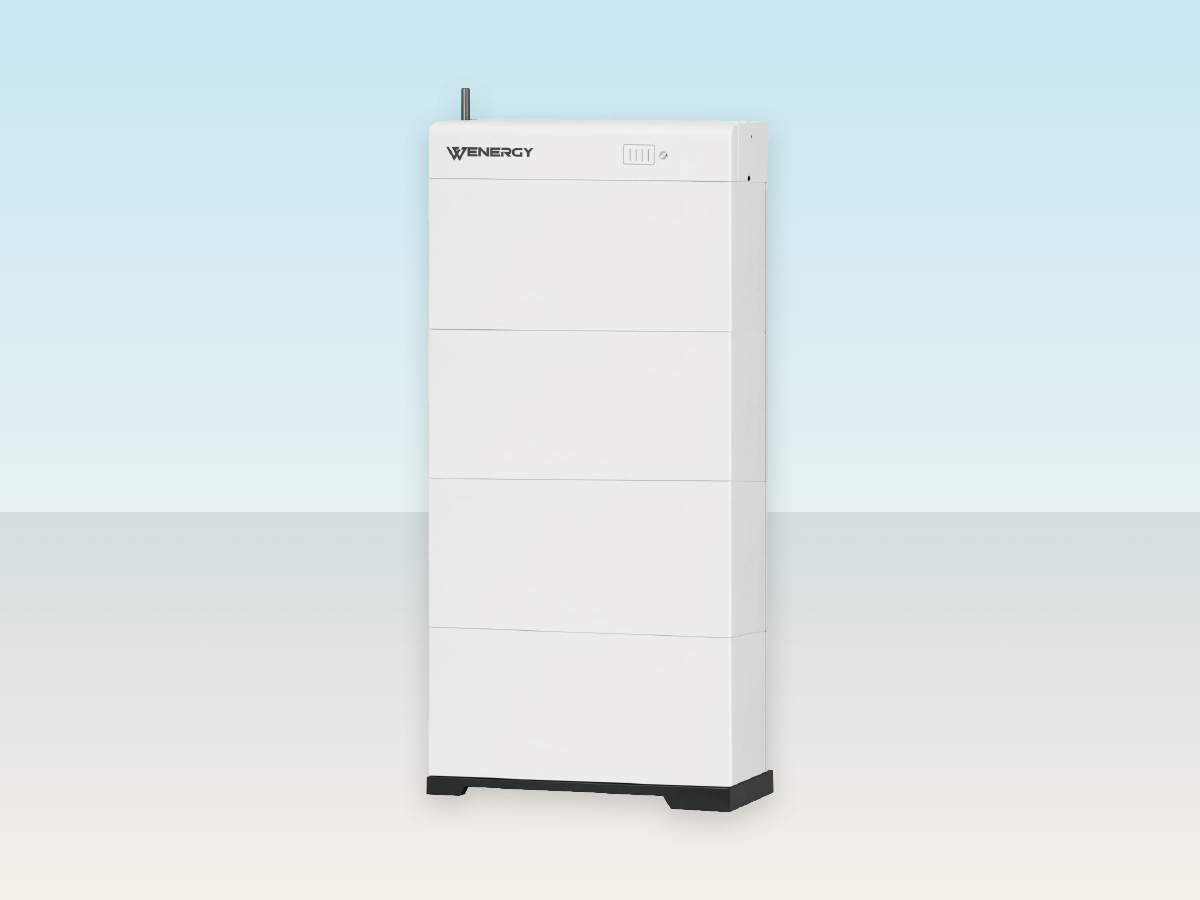
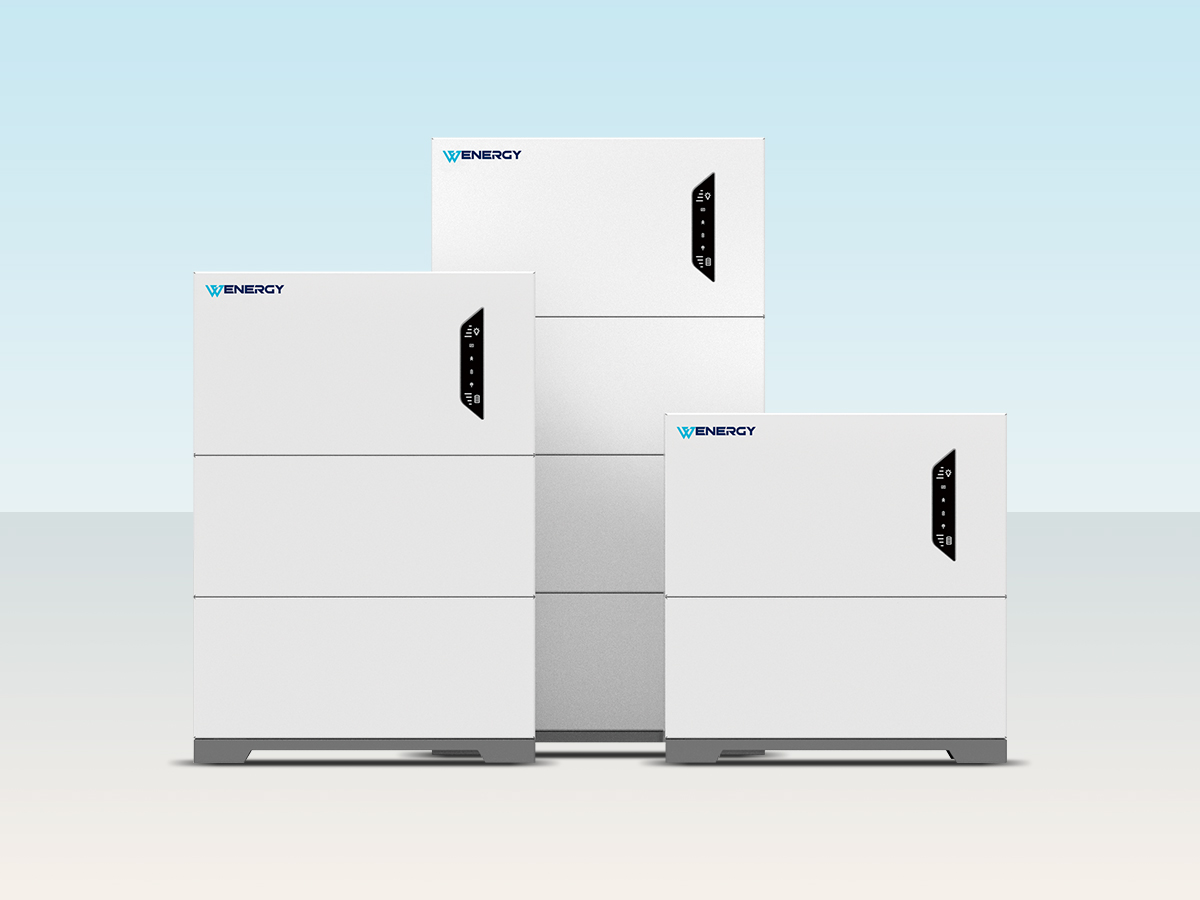
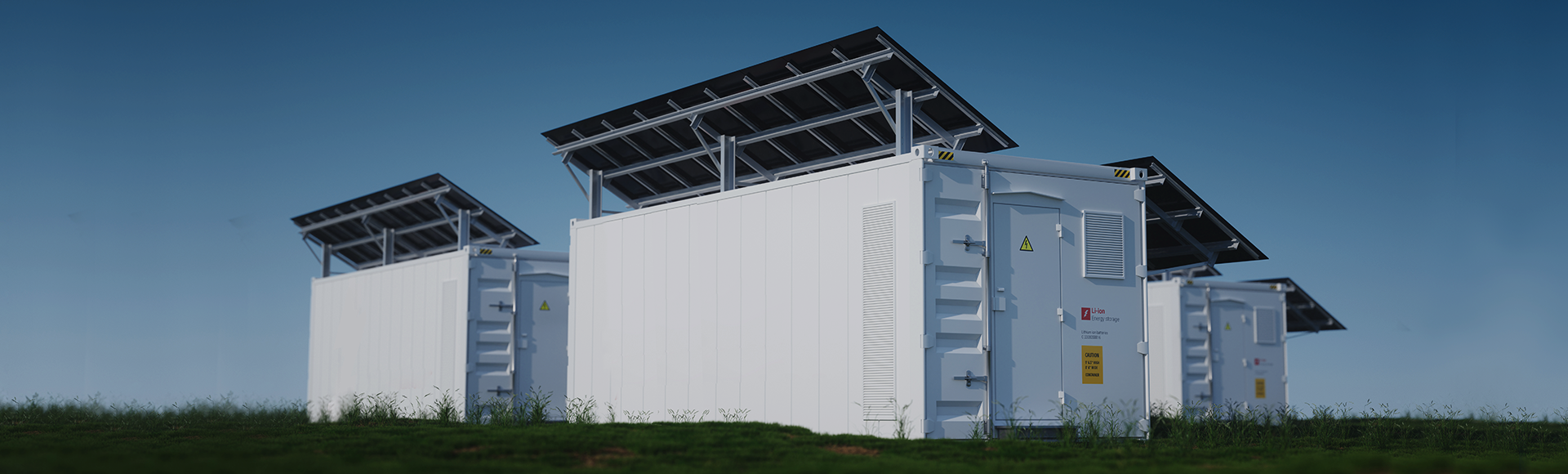
At Wenergy, we recognize that safety stands as the paramount concern for any organization evaluating an energy storage solution. The industry has witnessed tremendous growth, yet the conversation often returns to one critical question: how do we prevent and suppress fires in these systems? Different storage technologies convert surplus energy through various physical and chemical processes, and each method carries unique risks. Electrochemical systems like lithium-ion batteries, mechanical setups such as pumped hydro, electromagnetic units including supercapacitors, thermal storage with molten salt, and hydrogen-based electrolysis systems all behave differently under fault conditions. Understanding the science behind fire suppression for each type is essential, and this knowledge guides how reputable battery energy storage solution providers design their safety protocols.
Electrochemical and Hydrogen Systems Demand Advanced Detection
When we examine electrochemical storage, particularly lithium-ion batteries, the risk of thermal runaway requires a multilayered fire suppression approach. These battery energy storage solution providers must integrate systems that detect off-gassing before combustion begins. Hydrogen storage, which relies on electrolysis and fuel cells, presents an entirely different challenge due to its wide flammability range. At Wenergy, our approach to an energy storage solution involving these technologies emphasizes early gas detection and inert gas suppression systems. The science here involves starving a potential fire of oxygen or interrupting the chemical chain reaction before flames can establish. For both electrochemical cells and hydrogen fuel systems, the suppression strategy must be tailored to the specific chemistry involved rather than applying a generic solution.
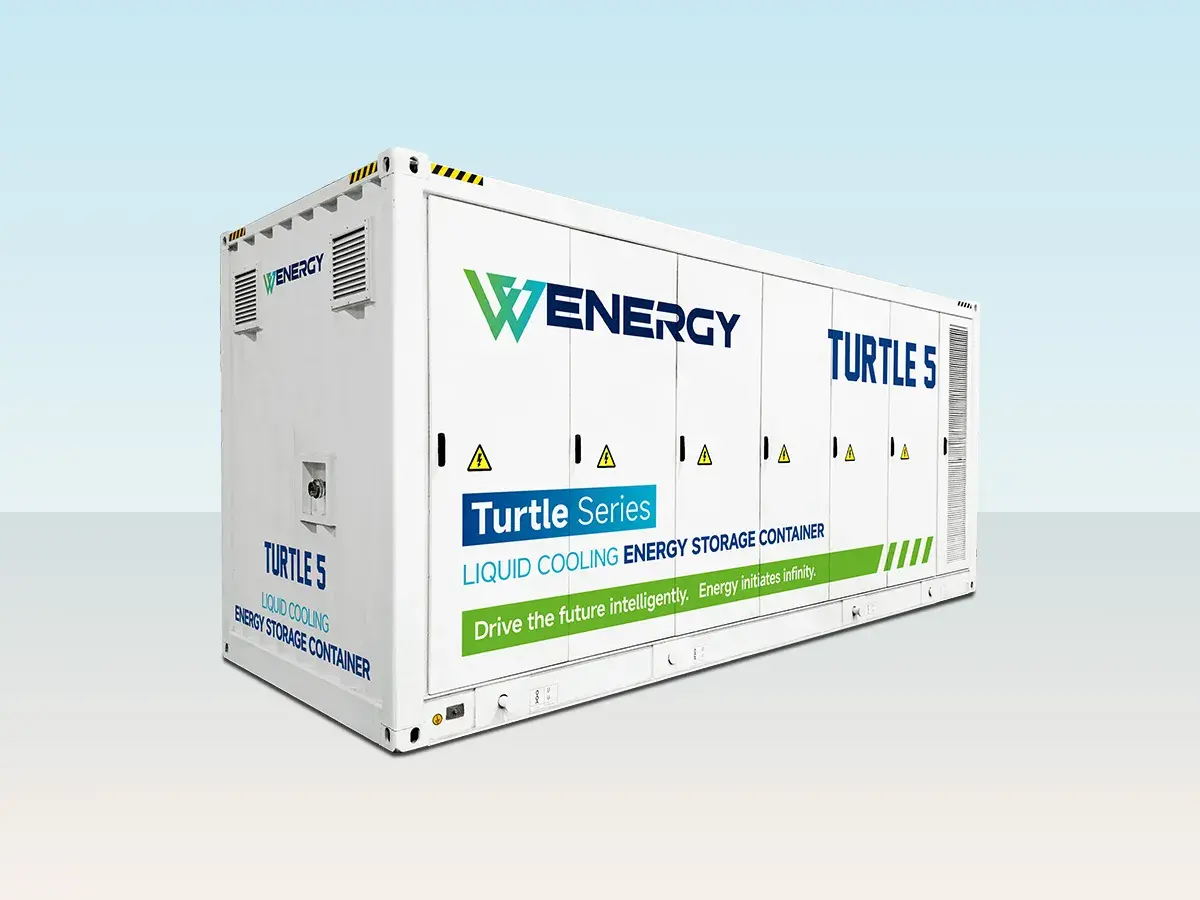
Mechanical and Electromagnetic Storage Present Unique Challenges
Mechanical energy storage solutions such as pumped hydro and compressed air systems involve moving parts and high-pressure environments. While these do not typically burn in the conventional sense, the risks involve hydraulic fluid fires or mechanical failure generating sparks. An energy storage solution of this type requires fire suppression focused on class B flammable liquid fires and prevention of ignition sources. Electromagnetic storage, including supercapacitors and superconducting magnetic storage, stores energy in electric or magnetic fields. These systems can fail catastrophically through dielectric breakdown, leading to arcing and fires. Battery energy storage solution providers who also work with electromagnetic technologies understand that suppression here means rapid de-energizing and non-conductive extinguishing agents to protect personnel and equipment.
Thermal Storage Requires High-Temperature Fire Strategies
Thermal energy storage, utilizing molten salt or phase-change materials, operates at extremely high temperatures. An energy storage solution based on thermal principles does not typically involve combustion of the storage medium itself, but the surrounding infrastructure and insulation materials remain vulnerable. At Wenergy, we advise that fire suppression for thermal systems must consider the intense heat and the potential for steam explosions if water-based suppressants contact molten materials. The science of suppression here shifts toward containment and cooling of adjacent materials rather than attacking the storage medium directly. Reputable battery energy storage solution providers acknowledge that thermal systems require fire strategies designed around high-temperature industrial processes rather than standard electrical fires.
The science of fire suppression varies dramatically across different energy storage solution types, from electrochemical to mechanical, electromagnetic, thermal, and hydrogen systems. At Wenergy, we emphasize that no single suppression method works for all technologies. We encourage organizations to work with experienced battery energy storage solution providers who understand these scientific distinctions. By matching the suppression strategy to the specific storage technology, facilities can achieve both operational efficiency and uncompromising safety.
Post time: Apr-09-2026