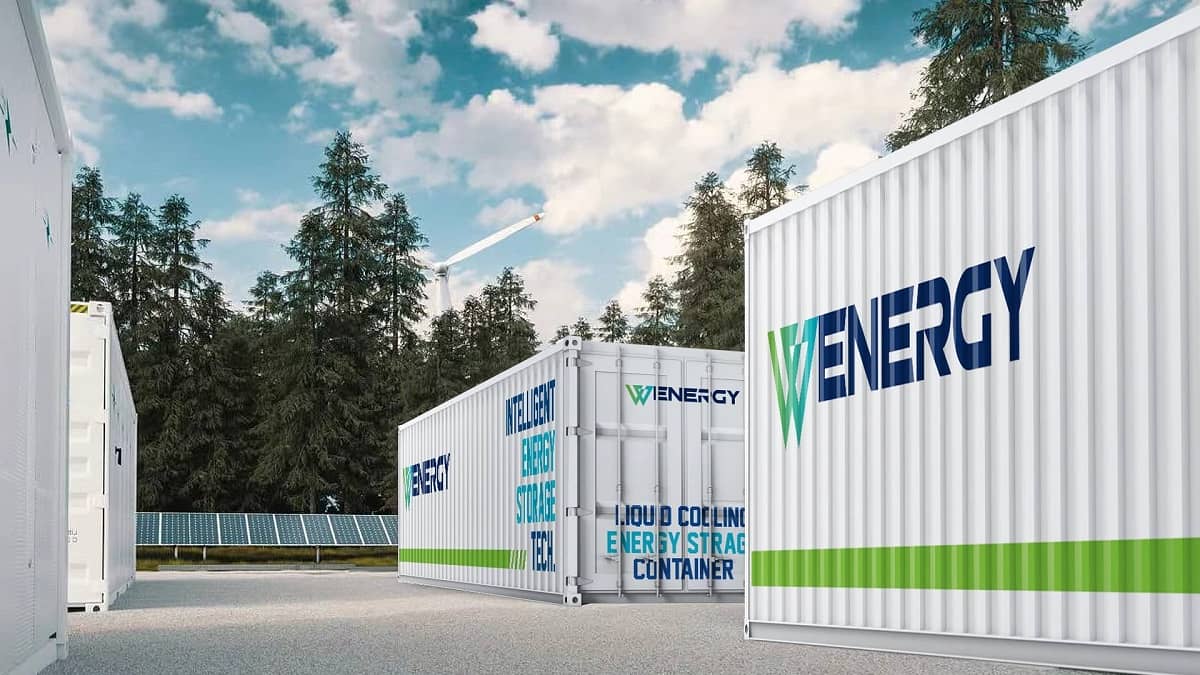
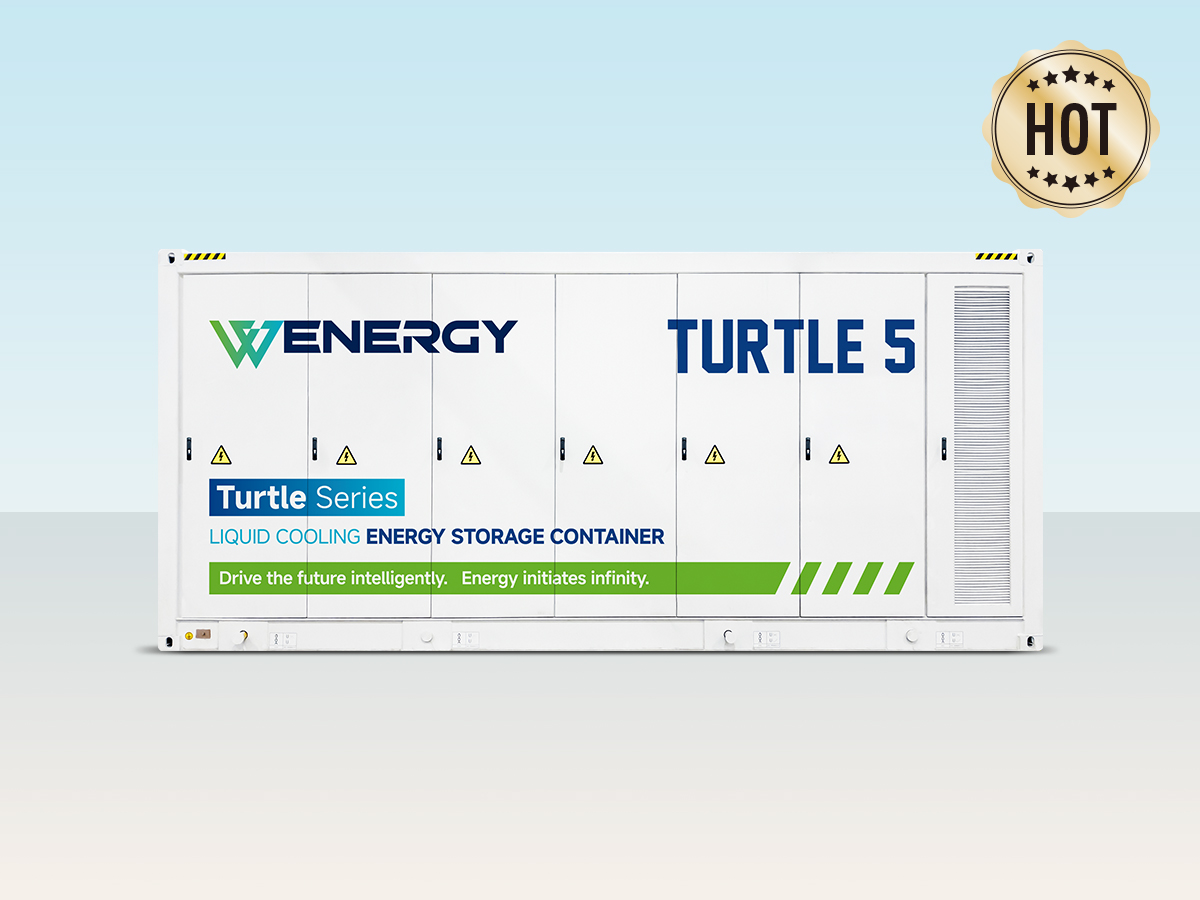
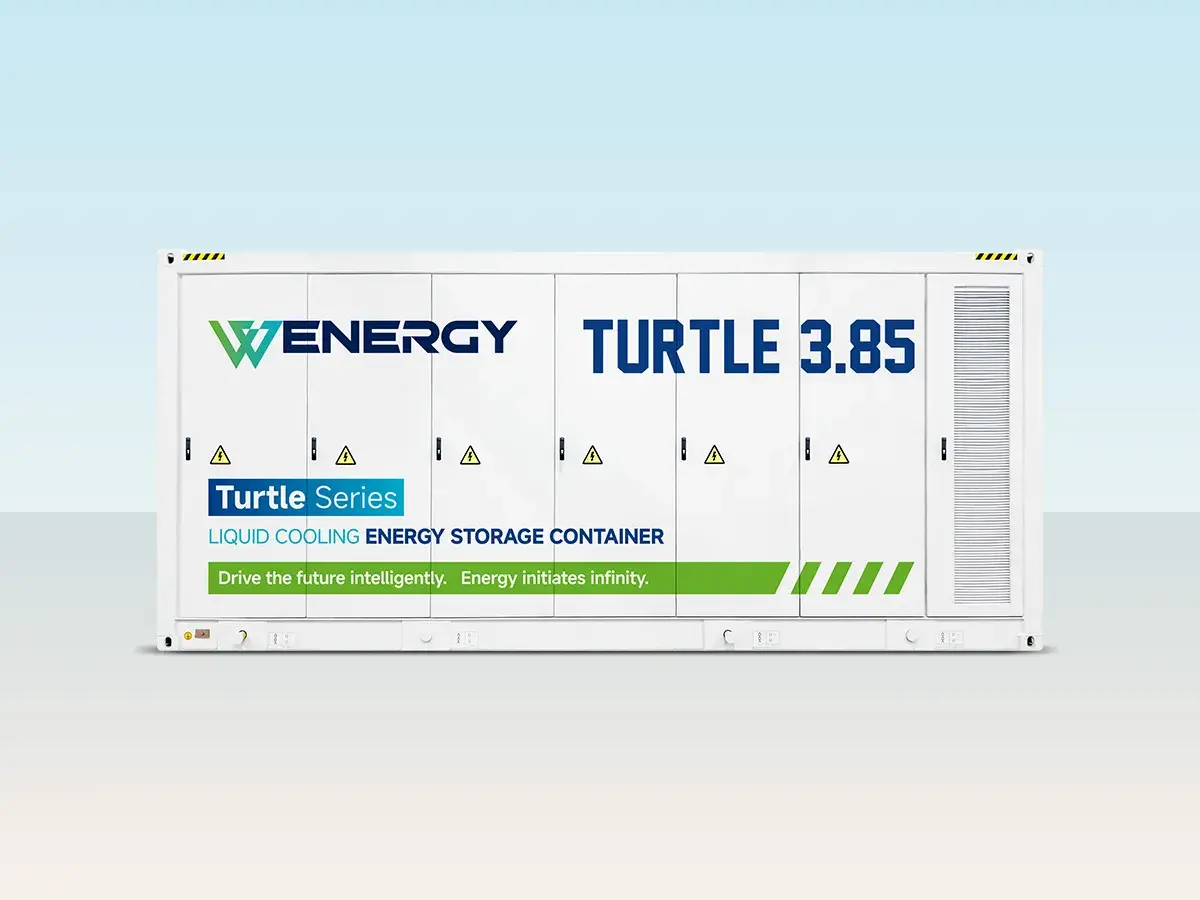
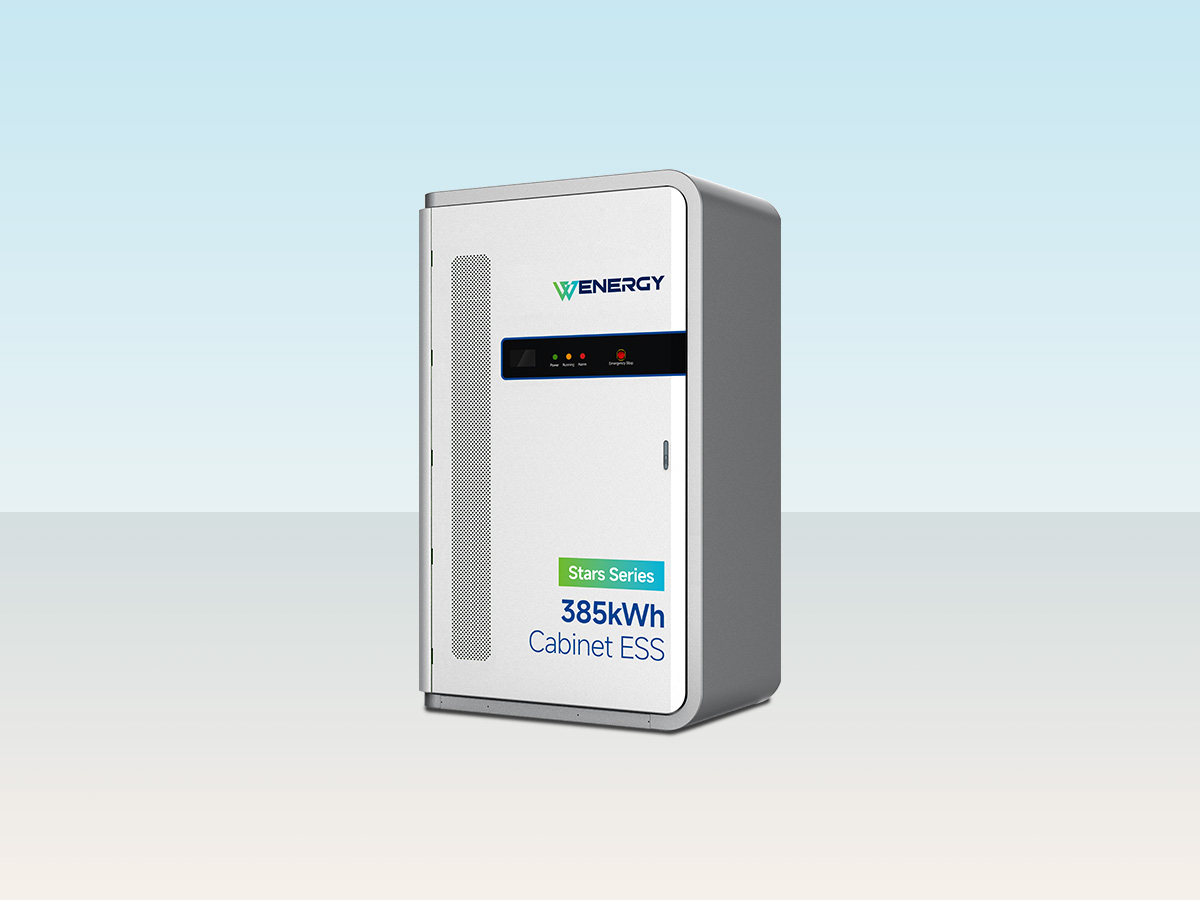

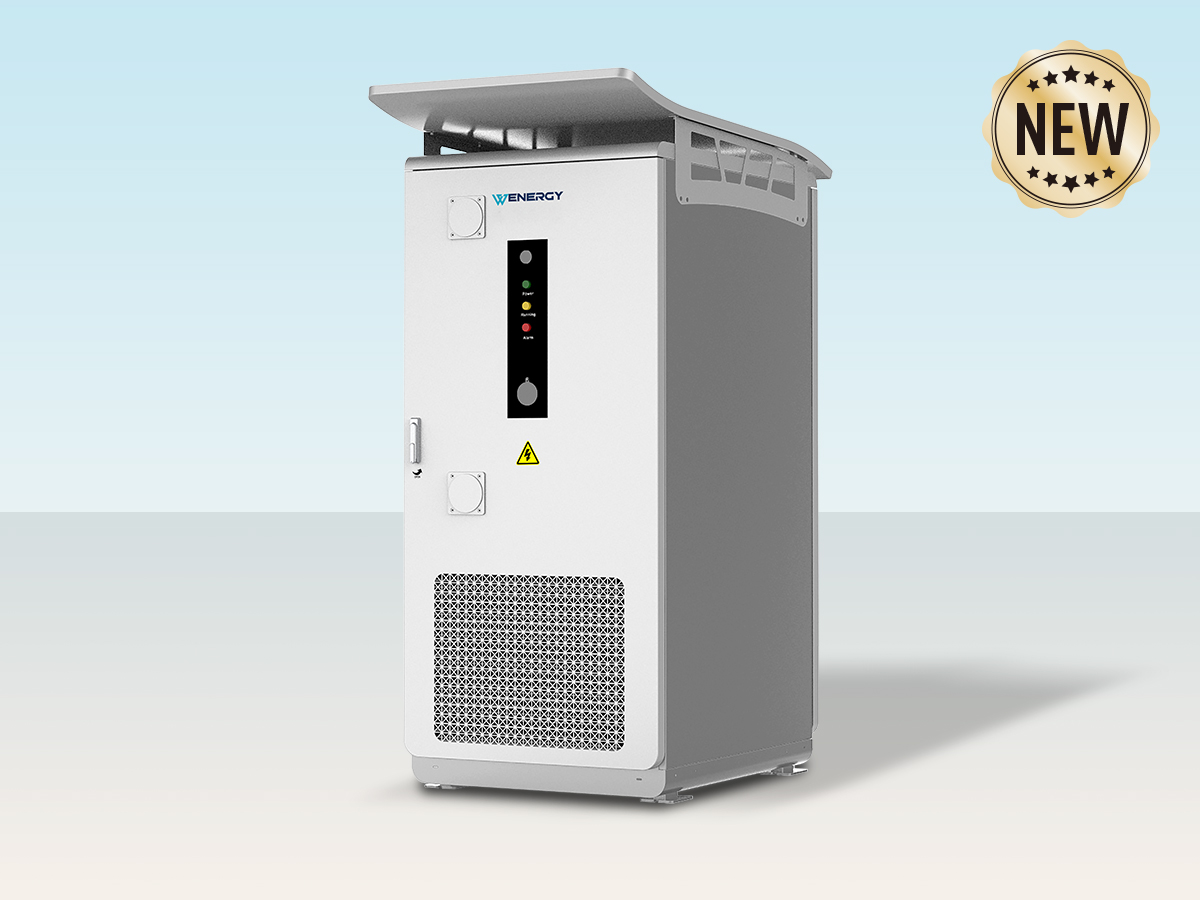
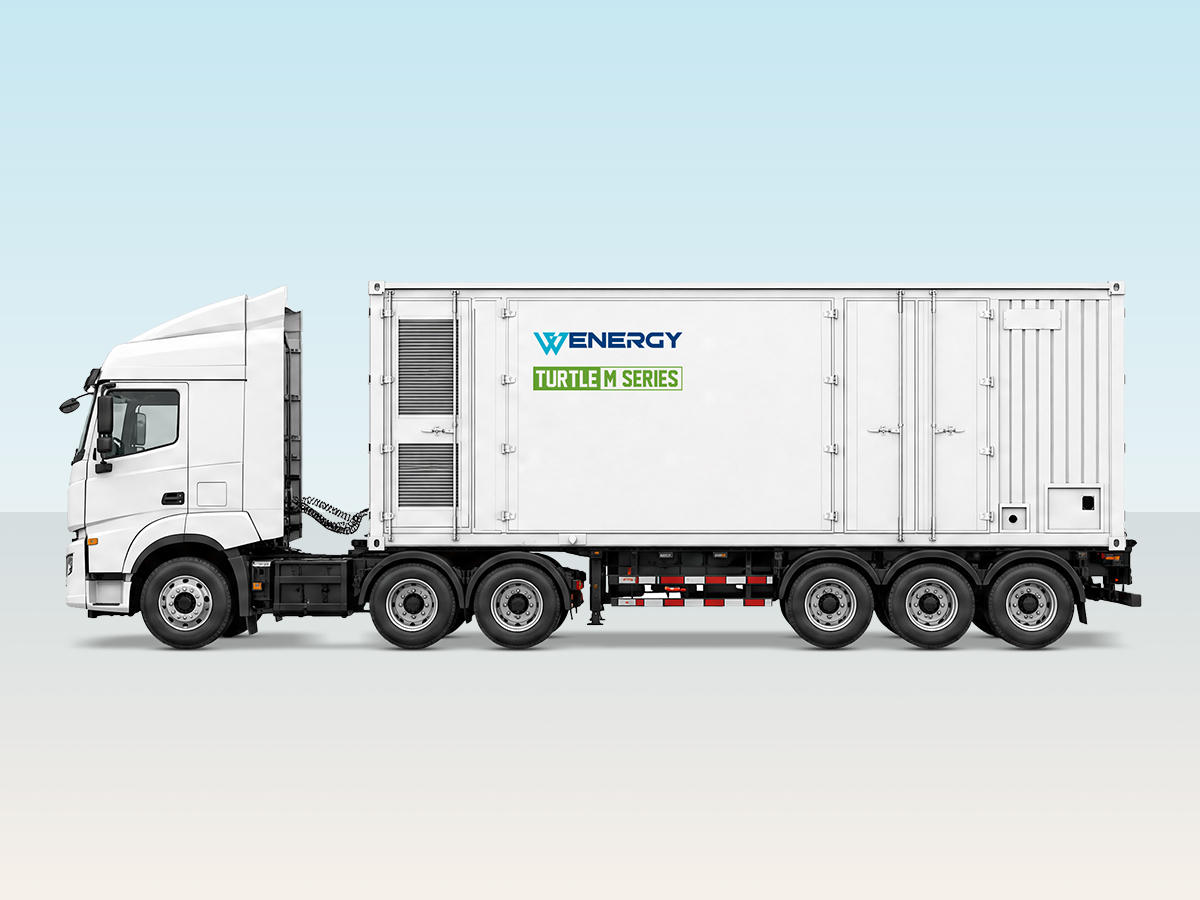
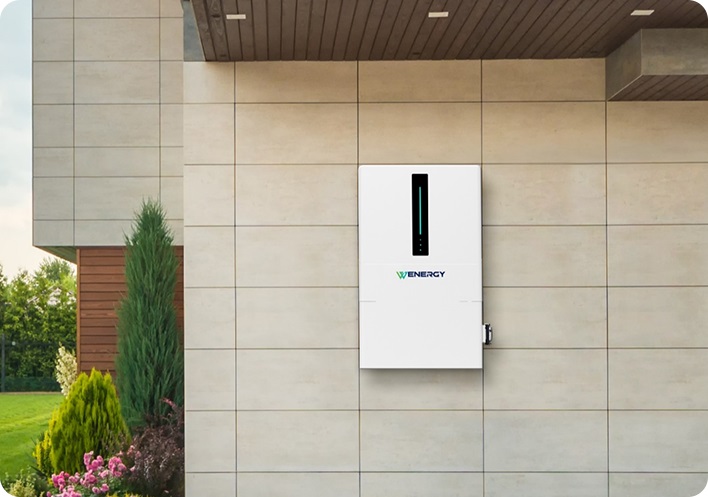
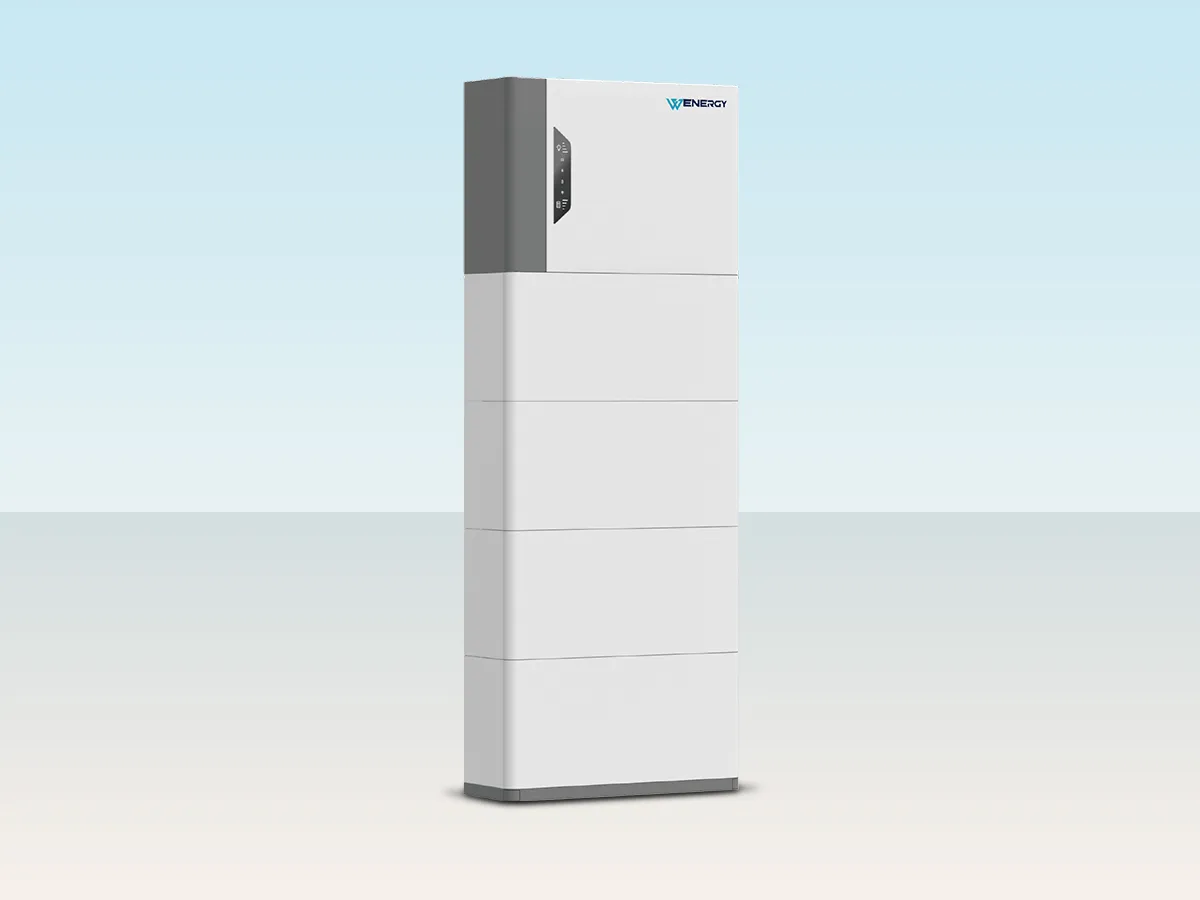
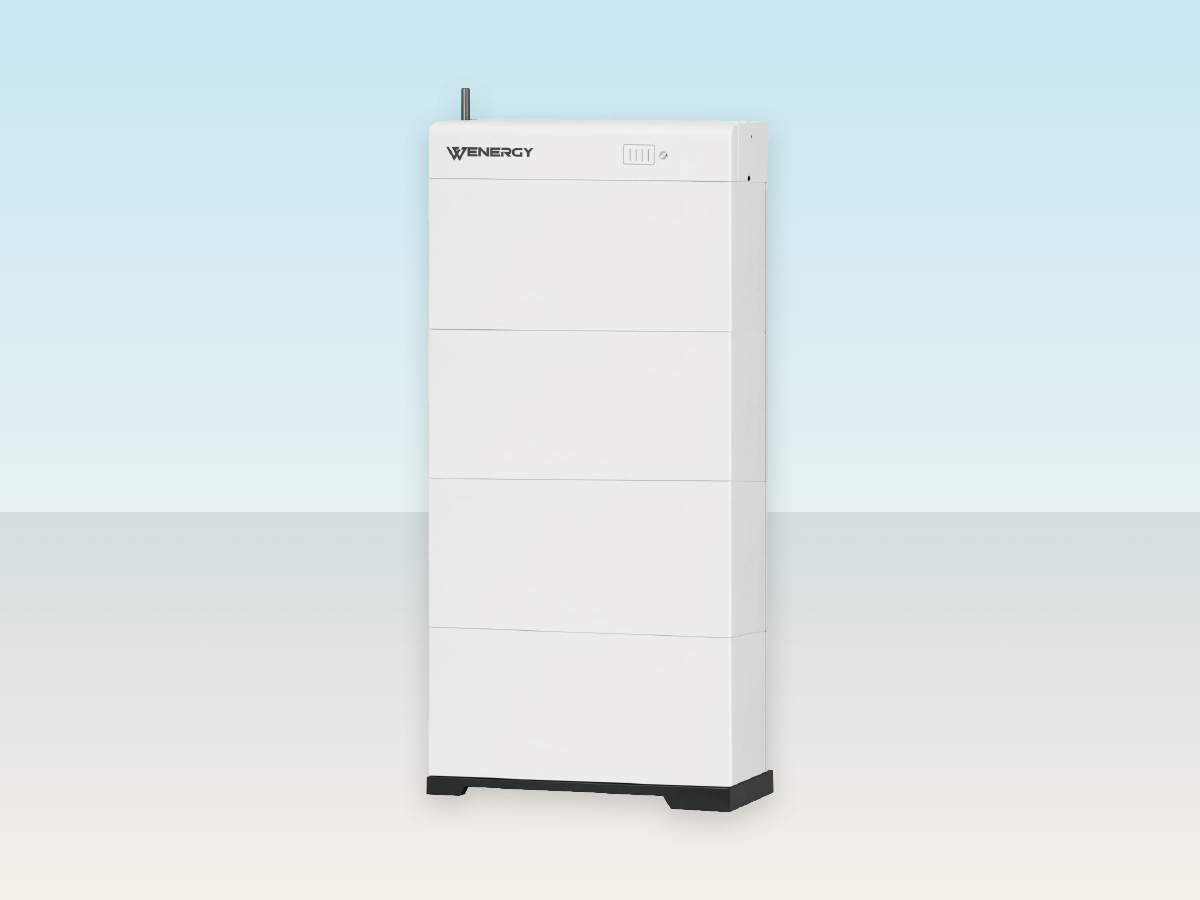
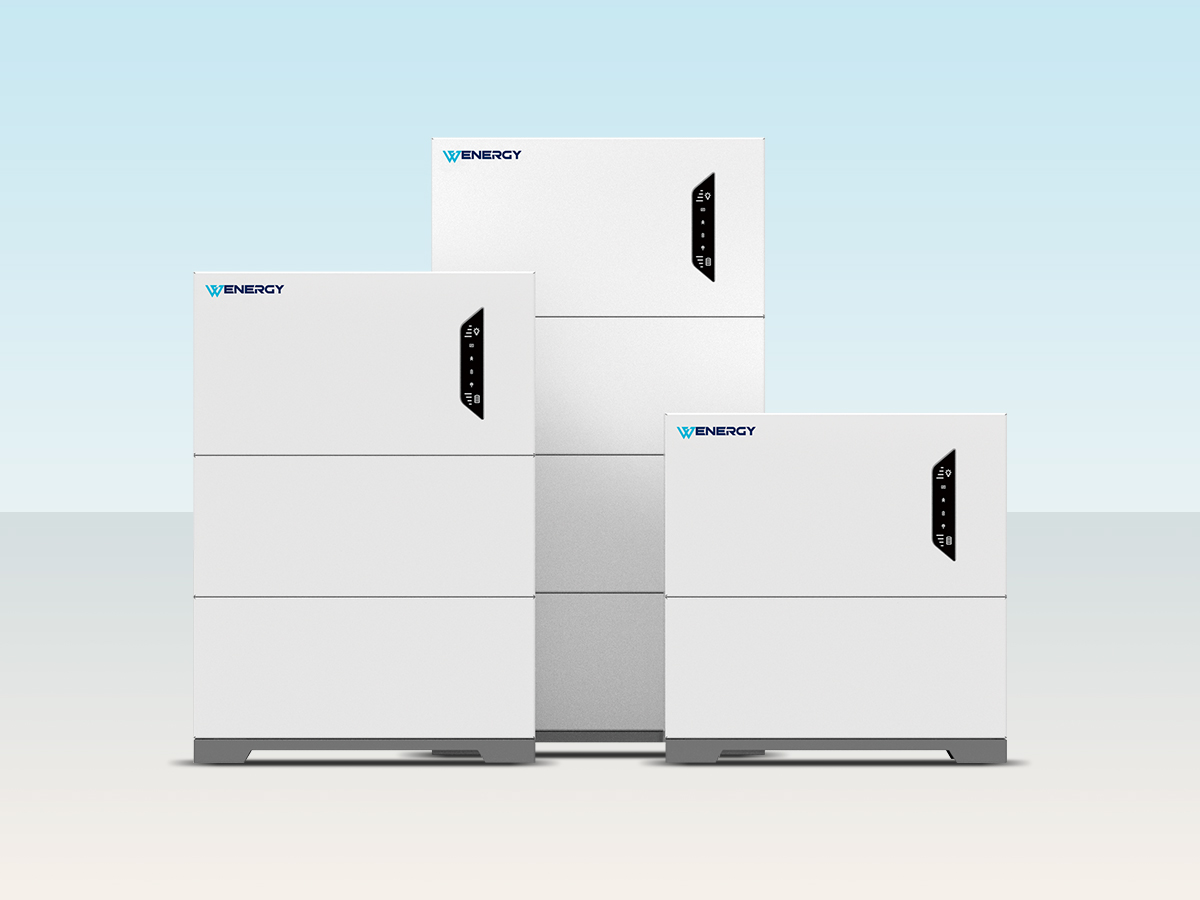
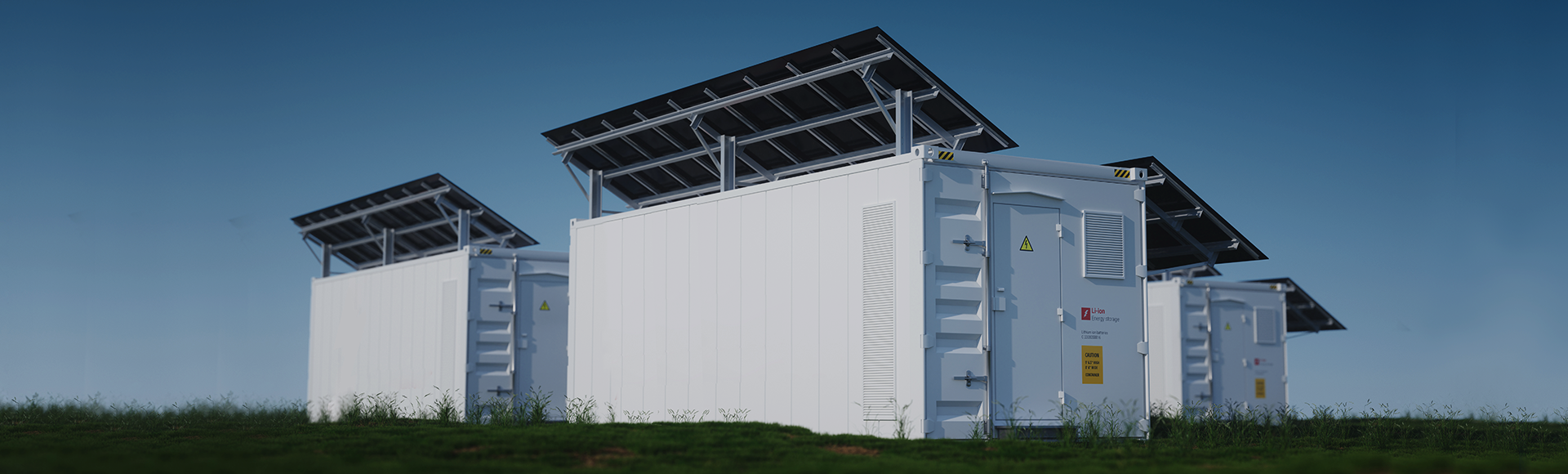
The global shift toward renewable integration has placed modular power solutions at the center of modern infrastructure planning. Among these, the battery energy storage system has emerged as the preferred technology for projects requiring scalability and rapid deployment. Suppliers increasingly focus on BESS technology because it addresses the fundamental challenge of energy intermittency while offering unmatched flexibility across diverse operational environments. At Wenergy, we have observed that the containerized format specifically solves the logistical hurdles that historically delayed large-scale storage adoption.
Driving Commercial Value Through Peak Shaving and Load Shifting
One primary reason suppliers emphasize BESS technology is its immediate impact on operational expenses. By shifting energy consumption from peak rate periods to off-peak windows, businesses can substantially reduce monthly electricity bills without altering their daily routines. An energy storage container configured for this application acts as a buffer between the grid and the facility, charging when power is cheap and discharging when rates spike. This capability transforms energy from a fixed cost into a manageable variable, enabling smarter budgeting. Wenergy integrates this functionality into every unit, ensuring that clients capture maximum savings from utility rate structures.
Enabling Grid Stability at Utility Scale
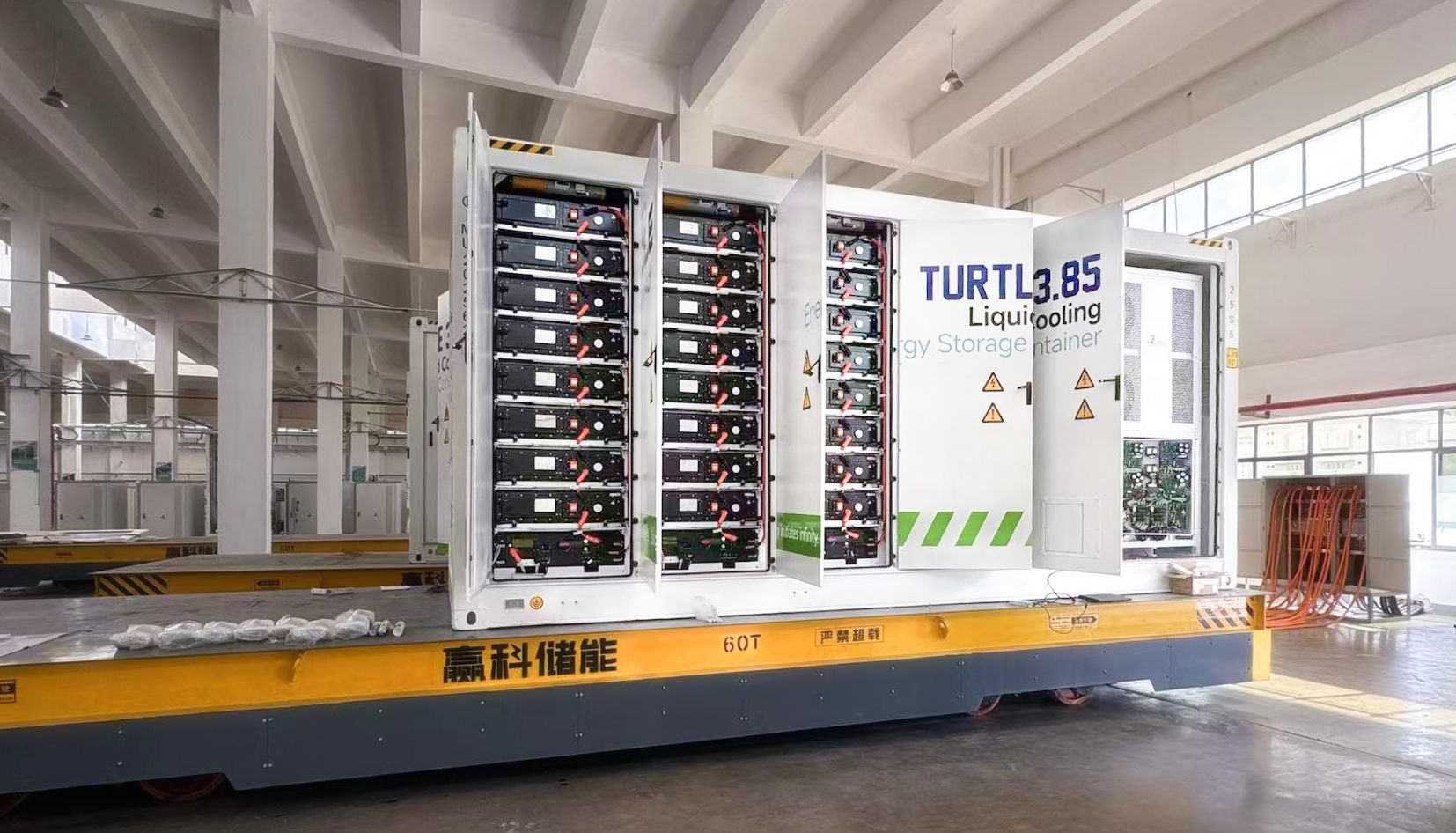
Beyond individual facilities, containerized systems play a vital role in balancing regional power networks. Utilities and independent power producers deploy these units for frequency regulation and renewable smoothing, absorbing excess solar or wind generation and releasing it during shortfalls. The standardized form factor of an energy storage container allows rapid deployment at substations or renewable farms, scaling capacity as grid demands evolve. For energy storage container exporters, this standardization simplifies international shipping and compliance, as units arrive pre-tested and ready for interconnection. Wenergy designs these systems to meet diverse grid codes, ensuring seamless integration whether deployed in Europe, North America, or emerging markets.
Supporting Critical Infrastructure and Remote Operations
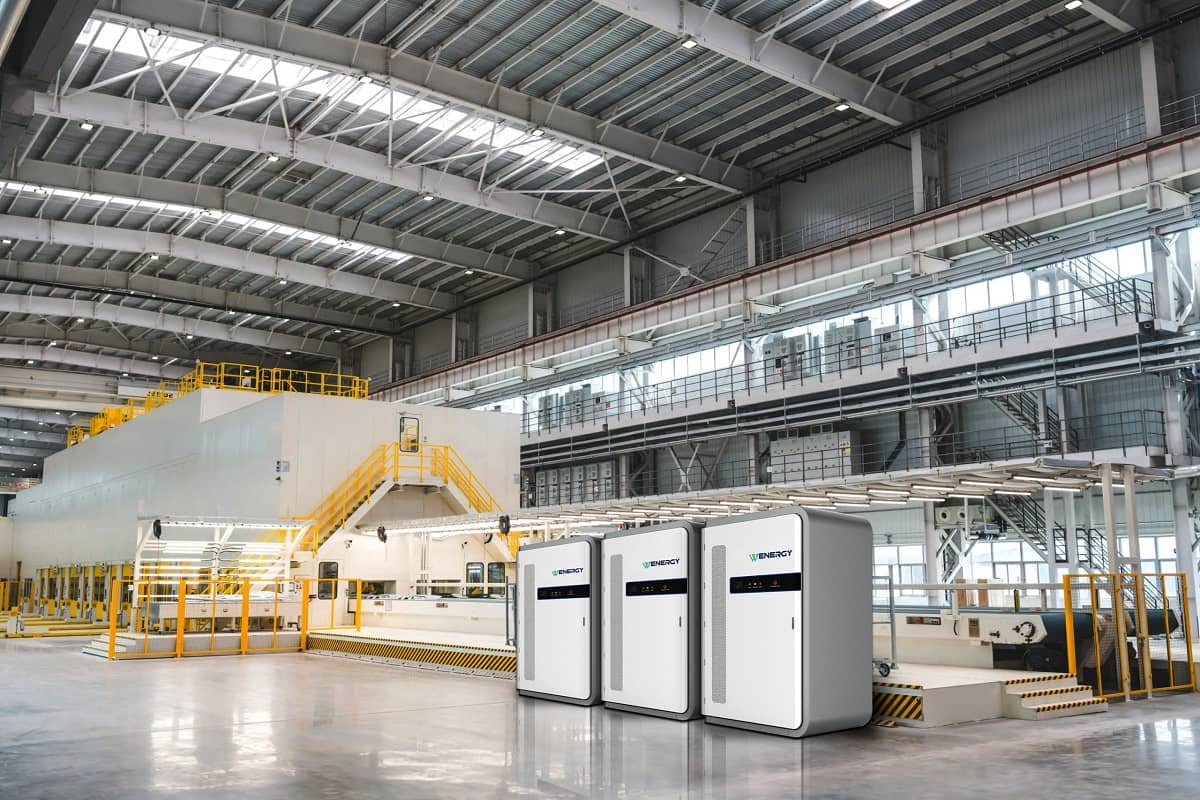
Industrial users and remote sites present unique challenges that containerized BESS addresses effectively. Factories and data centers require instantaneous backup power to prevent production losses or data corruption during grid disturbances. Simultaneously, off-grid locations such as mining operations and island communities need reliable primary power without frequent diesel resupply. A single energy storage container can fulfill both roles, providing standby resilience for commercial facilities while serving as the backbone for microgrids in isolated areas. Wenergy manufactures units specifically engineered for these harsh environments, operating reliably from arctic cold to desert heat using advanced thermal management.
In conclusion, suppliers prioritize BESS within containerized formats because it delivers measurable economic benefits while solving grid stability and remote access challenges. As an energy storage container exporter, Wenergy remains committed to providing certified, scalable solutions that empower businesses worldwide to take control of their energy future.
Post time: Apr-13-2026