
E bula Gemini ka metsotsoana e 3...
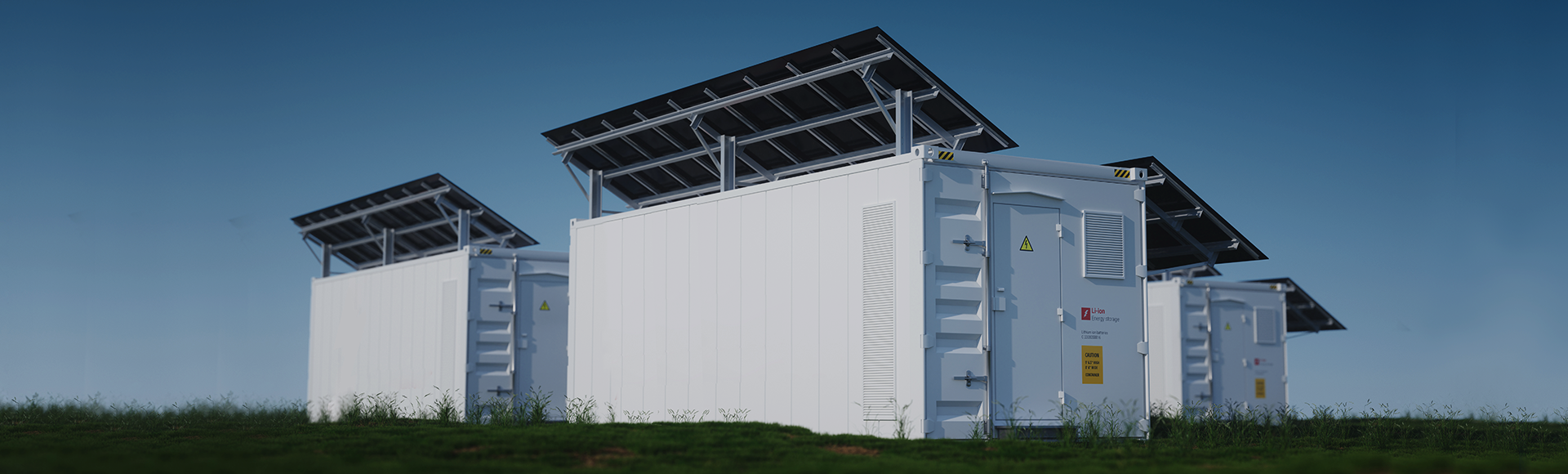
Ha theknoloji e pholileng ka metsi e ntse e eketseha 'marakeng oa polokelo ea matla a khoebo le a indasteri, maikutlo a fosahetseng a' maloa a mela har'a baetsi ba merero, batsamaisi ba lits'ebeletso le bahokahanyi ba sistimi. Some believe a mokhoa oa ho boloka matla a pholileng a metsi is inherently prone to leaks and high maintenance. Others assume the technology is overkill for smaller projects or that installation requires specialized plumbing expertise. Ho se utloisisane hona hangata ho etsa hore baetsi ba liqeto ba se ke ba hlola ba e-ba le mekhoa e pholileng ea moea, ba lahleheloa ke ts'ebetso le melemo ea nako e telele ea tsamaiso e tsoetseng pele ea mocheso. Separating fact from fiction is essential for selecting the right solution for your application.
Ho se utloisise 1: Pholiso ea Mokelikeli e Bolela Kotsi ea Kamehla ea ho Lutla
Tšabo e tsitsitseng ka ho fetisisa mabapi le mokhoa leha e le ofe oa polokelo ea matla a pholileng a metsi ke hore qetellong e tla lutla, e baka tšenyo e khōlō ho li-module tsa betri le lisebelisoa tse potolohileng. Taba ena e na le motheo oa li-prototypes tsa pele, empa lisebelisoa tsa sejoale-joale tsa polokelo ea matla a betri a pholileng ka metsi li felisitse haholo kotsi ena ka lisebelisoa tse tiisitsoeng, tse lekiloeng ke feme. Reputable systems use deionized water or dielectric coolants that minimize corrosion and conductivity damage even if a minor leak occurs. Furthermore, each loop undergoes pressure testing and leak detection before leaving the factory. In real-world deployments, pipe joints are welded or fitted with double O-rings designed for 15-plus year service lives. Ka lehlakoreng le leng, litsamaiso tse pholileng moeeng li tobane le mathata a tsona a ho tšepahala—ho hloleha ha li-fan, li-filters tse koaletsoeng ke lerōle, le ho pholisa ho sa leka-lekaneng ho potlakisang ho senyeha ha lisele. Kotsi ea ho lutla ha motho ea entsoeng hantle sisteme ea polokelo ea matla ea betri e pholileng ka metsi e tlase ka lipalo ho feta sekhahla sa ho hloleha ha fene ea mefuta e meng e pholileng ka moea.
Ho se utloisisane 2: Pholiso ea Mokelikeli Ke Feela Bakeng sa Merero e Meholo ea Tšebeliso
Another common misconception holds that a liquid-cooling energy storage system is only justified for utility-scale installations above 10 MWh. In reality, liquid cooling scales efficiently down to cabinet-sized commercial applications. The key benefit—temperature uniformity—matters even more in compact enclosures where battery cells are densely packed. Without liquid cooling, densely packed cells create hot spots that force the system to derate or shut down on warm days. Sistimi ea polokelo ea matla ea betri e pholileng ka metsi e boloka sele e 'ngoe le e' ngoe e le mochesong o batlang o tšoana, e lumellang ts'ebetso e tsoelang pele ea matla a felletseng esita le maemong a tikoloho a 40°C. Bakeng sa ho kuta tlhōrō ea khoebo, ho kopanya mochine oa motlakase, kapa matla a bohlokoa a ho boloka, ho tšepahala hona ho fetolela ka ho toba ts'ebetsong e lebelloang le ho lefa ka potlako. Litsenyehelo tse ntseng li eketseha tsa ho eketsa pholileng ea metsi khabineteng ea 261kWh li tlase ha li bapisoa le chelete e bolokoang bophelo bohle ho tsoa ho theolelo e fokotsehileng le ts'ebeliso e phahameng ea lisebelisoa.
Ho se utloisisane 3: Ho Kenya le Tlhokomelo ho Mathata
Bahanyetsi ba bang ba nahana hore sesebelisoa sa polokelo ea matla a pholileng a metsi se hloka ho ts'oaroa ha pholileng sebakeng sa marang-rang, ho fetoha ha mokelikeli khafetsa, le litsebi tse khethehileng tsa HVAC. Ena ke monahano o siiloeng ke nako. Modern systems arrive pre-filled, sealed, and ready to run. The cooling loop is designed as a closed system with no user-serviceable fluid interfaces. The only external requirement is standard electrical power for the pump and radiator fans—no different from air-cooled systems. Tlhokomelo e kenyelletsa ho hloekisa ka ntle ho radiator ka linako tse ling ho tlosa lerōle le lithōle, mosebetsi o ts'oanang le ho hloekisa sekontiri sa moea. Internal coolant typically lasts the full battery warranty period without replacement. Ha ho bapisoa mosebetsi oohle oa nako ea bophelo, sesebelisoa sa polokelo ea matla a betri e pholileng ka metsi hangata se hloka ho etela libaka tse fokolang ho feta tse lekanang le moea o pholileng hobane ha ho na lihloela tse ka fetohang kapa lifensetere tse ka nkeloang sebaka.
Ho Lokisa Lintlha ka Mokelikeli o Pholisang
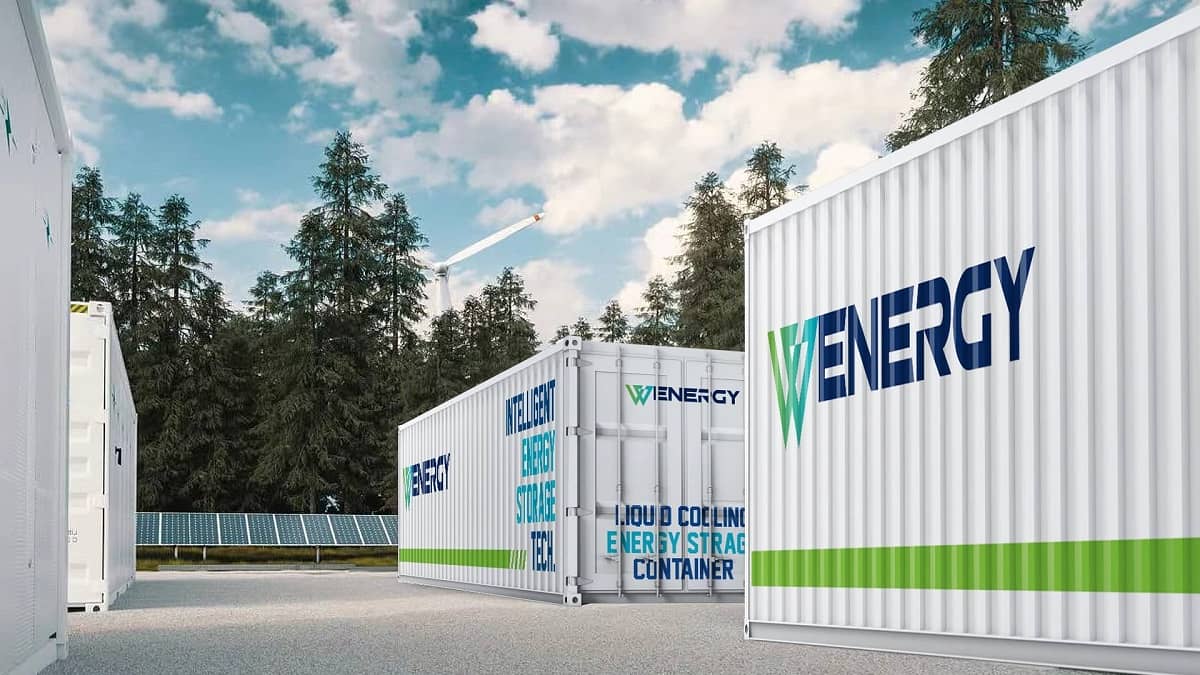
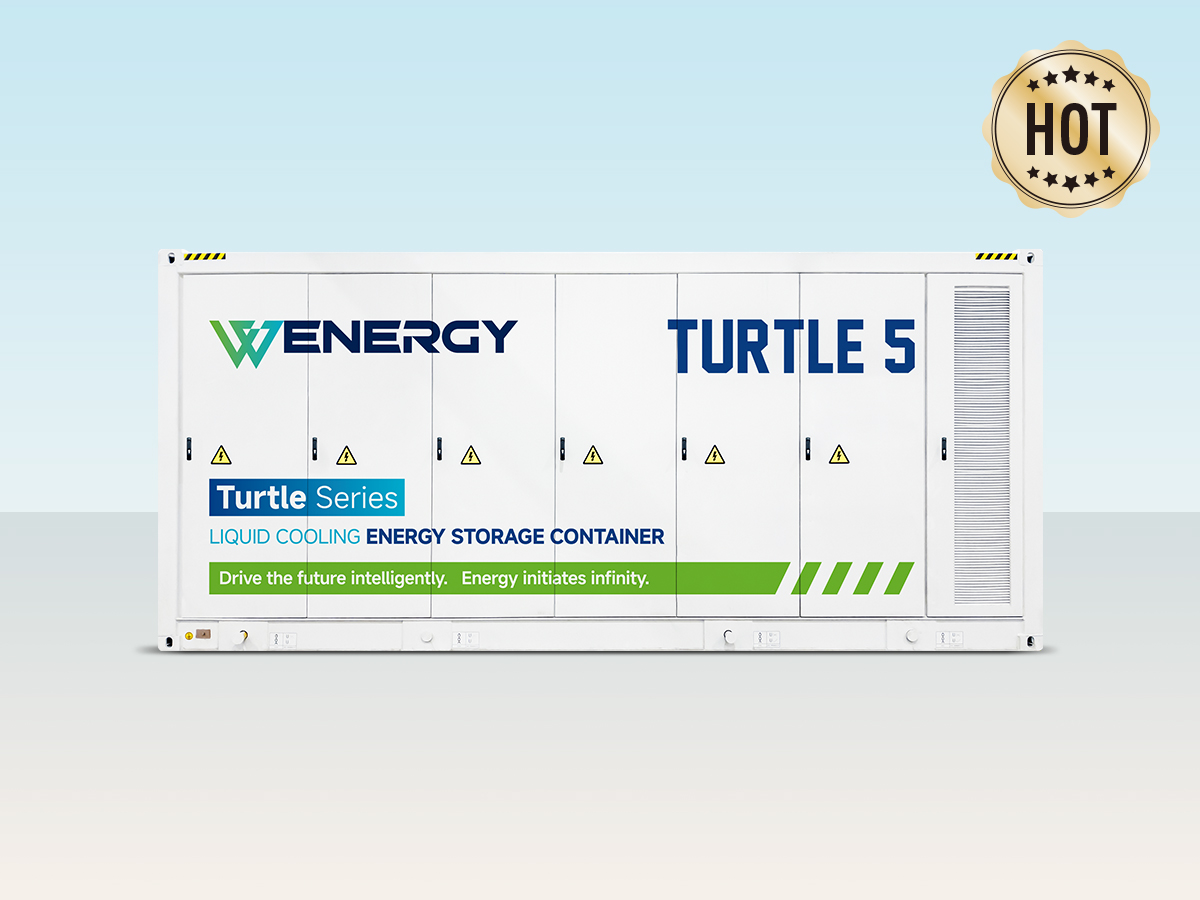
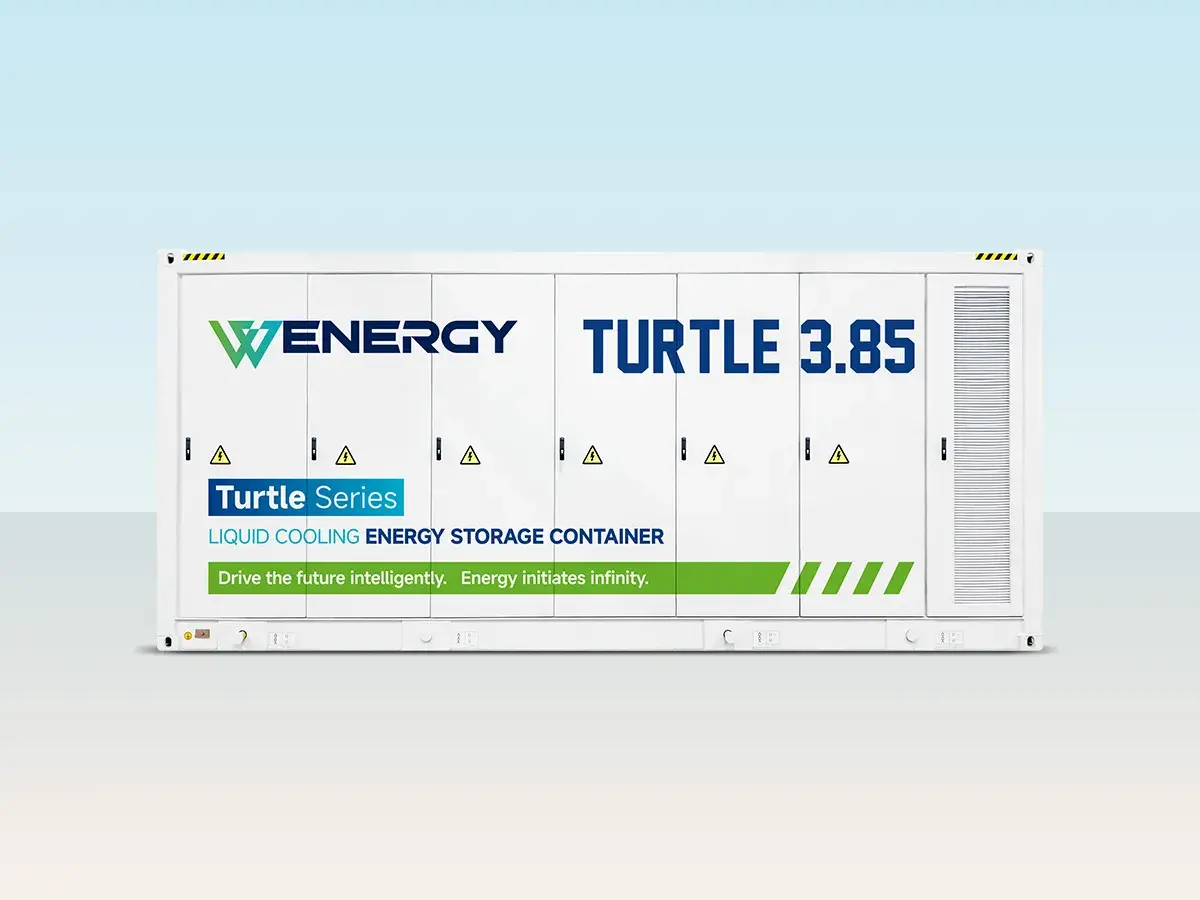
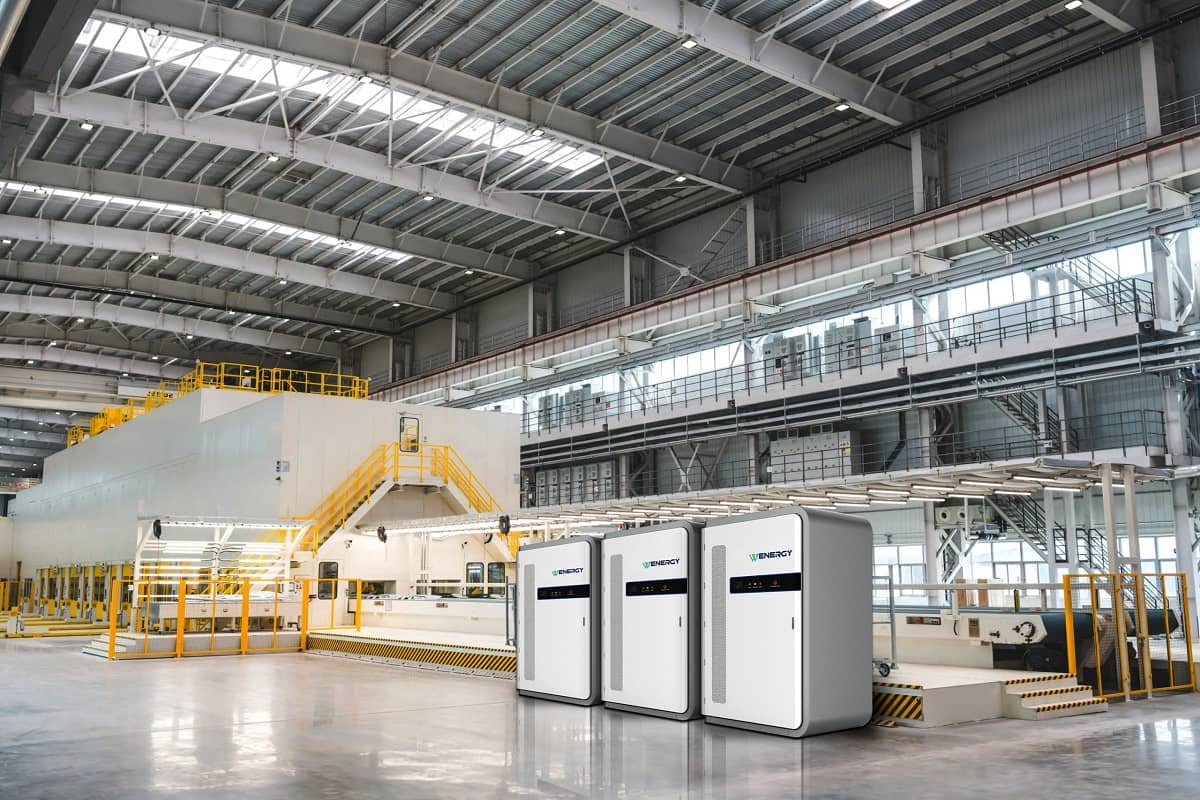
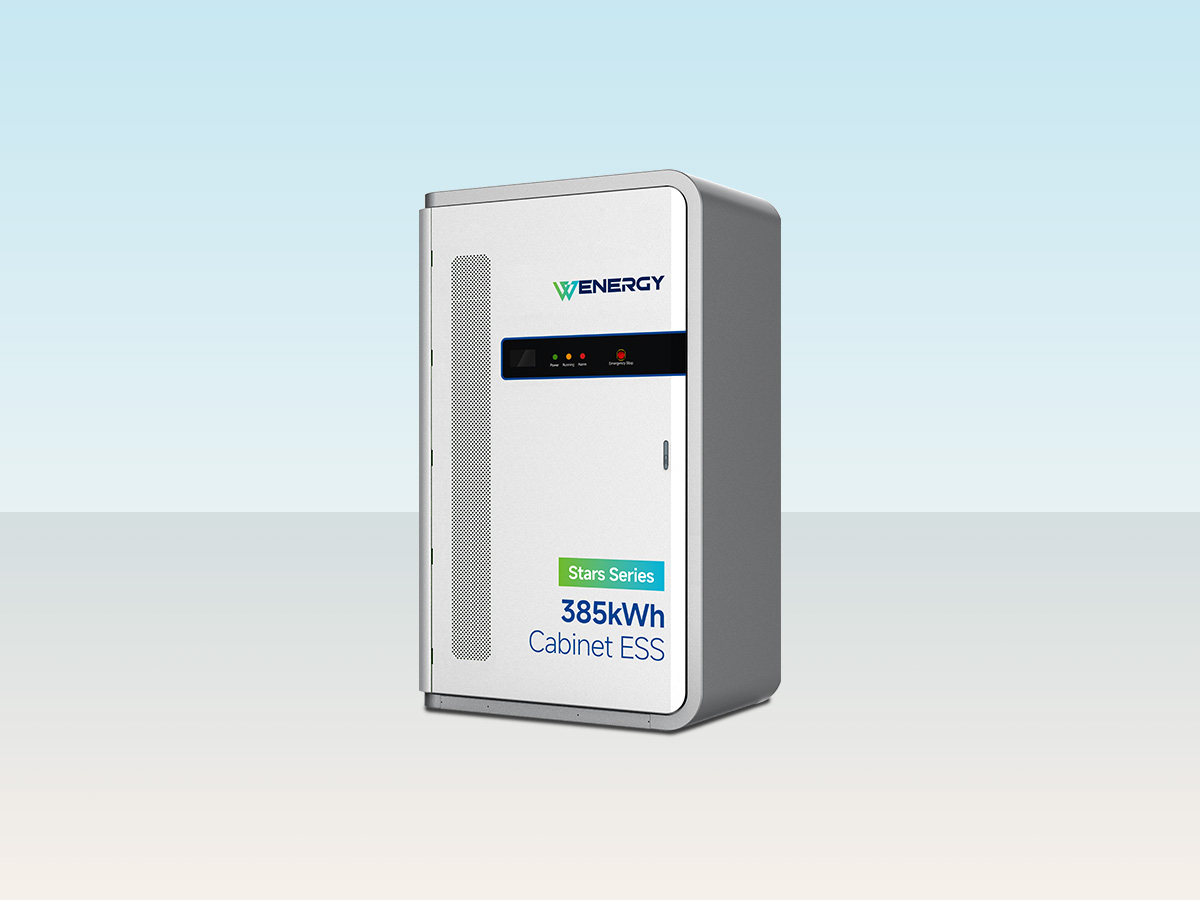
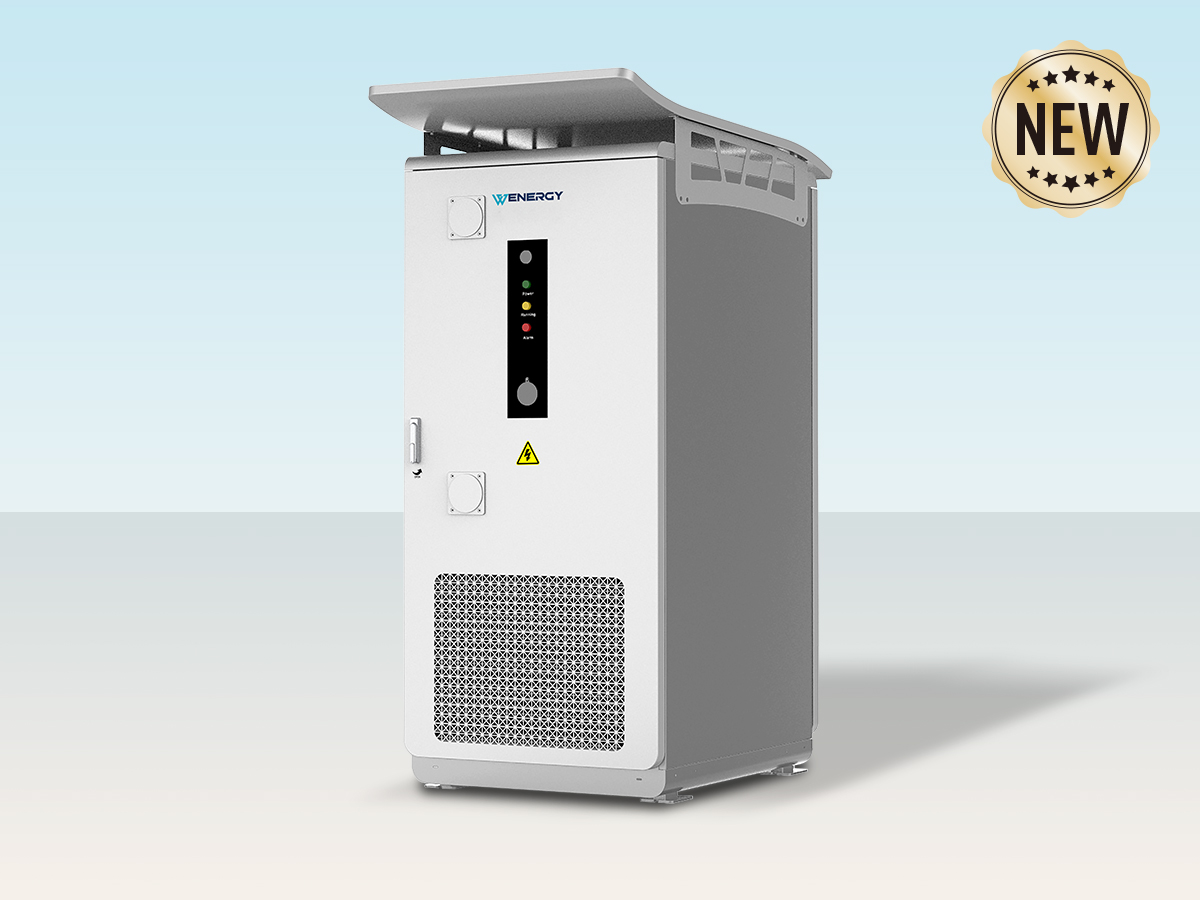
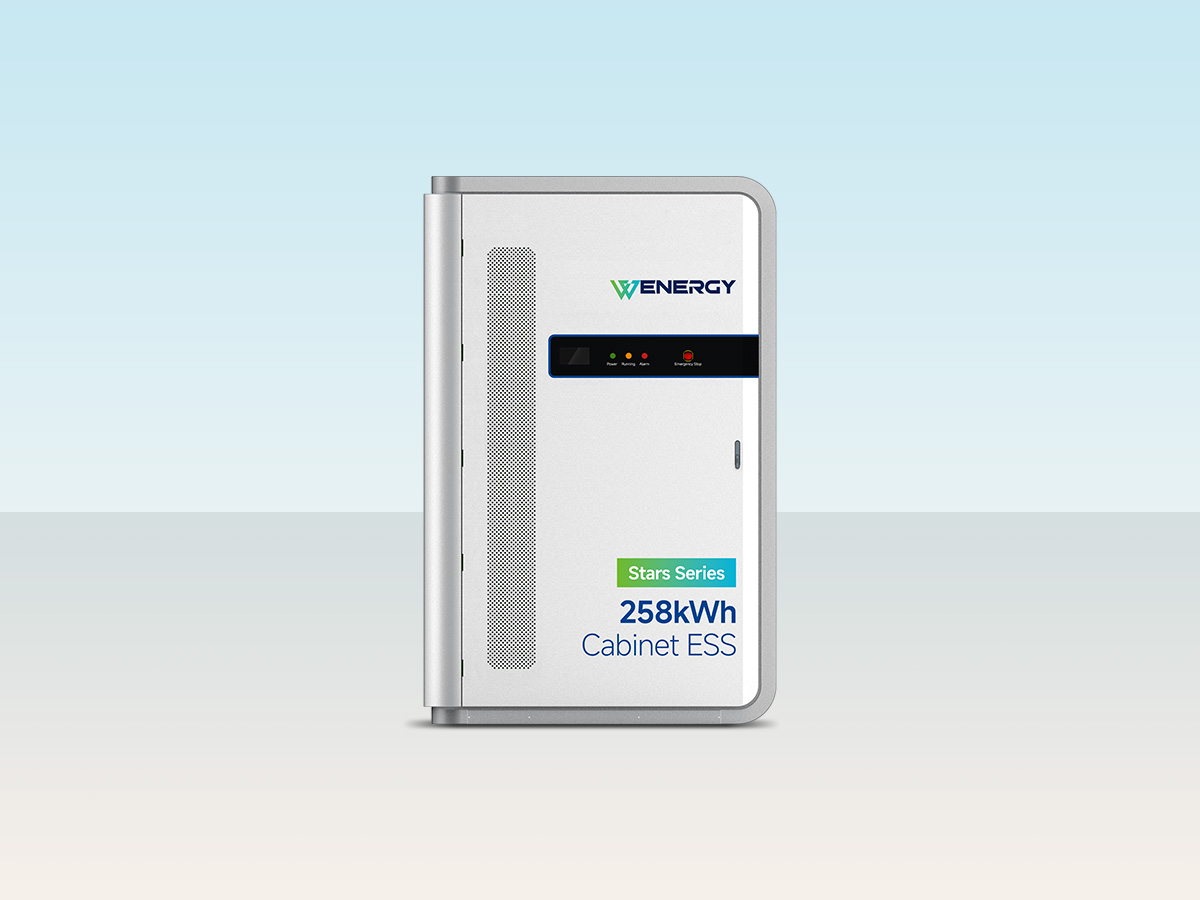
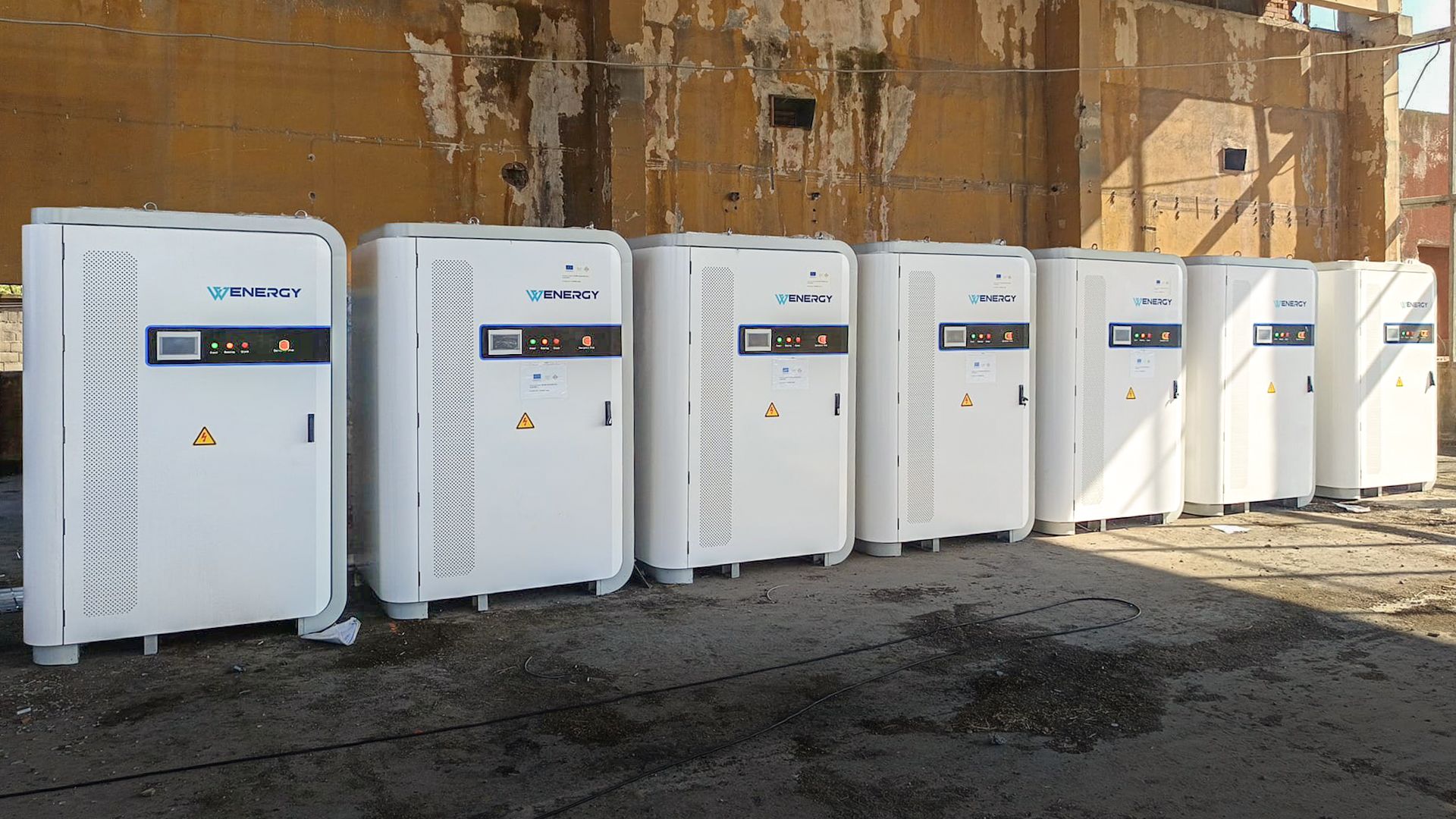
Liquid cooling for energy storage has matured beyond early concerns about leaks, complexity, and scale. When engineered properly, it delivers superior reliability, longer battery life, and lower maintenance than traditional air cooling. Ho WERORGY, Khabinete ea rona ea High ROI 261kWh Liquid Cooling C&I ESS ke khabinete e tsoetseng pele ea kantle ea polokelo ea matla e etselitsoeng lits'ebetso tsa khoebo le tsa indasteri. E na le sistimi e pholileng ea mokelikeli e sebetsang hantle haholo, e netefatsa tekano e phahameng ea mocheso, bophelo bo bolelele ba betri, le ts'ebetso e tsitsitseng tlasa maemo a fapaneng a tikoloho. Ho sa tsotellehe hore na u hloka ho kuta tlhōrō ea khoebo, ho kopanya motlakase oa motlakase, matla a bohlokoa a ho boloka lits'ebeletso tsa data le lipetlele, kapa ho leka-lekanya mojaro oa mekhahlelo e meraro, tsamaiso ea polokelo ea matla ea betri e pholileng ea Wenergy e fana ka ts'ebetso le khotso ea kelello eo pholileng ea moea e ke keng ea tšoana le eona. Do not let outdated misunderstandings cost you—choose the technology proven for the future.
Nako ea poso: Jun-12-2026