
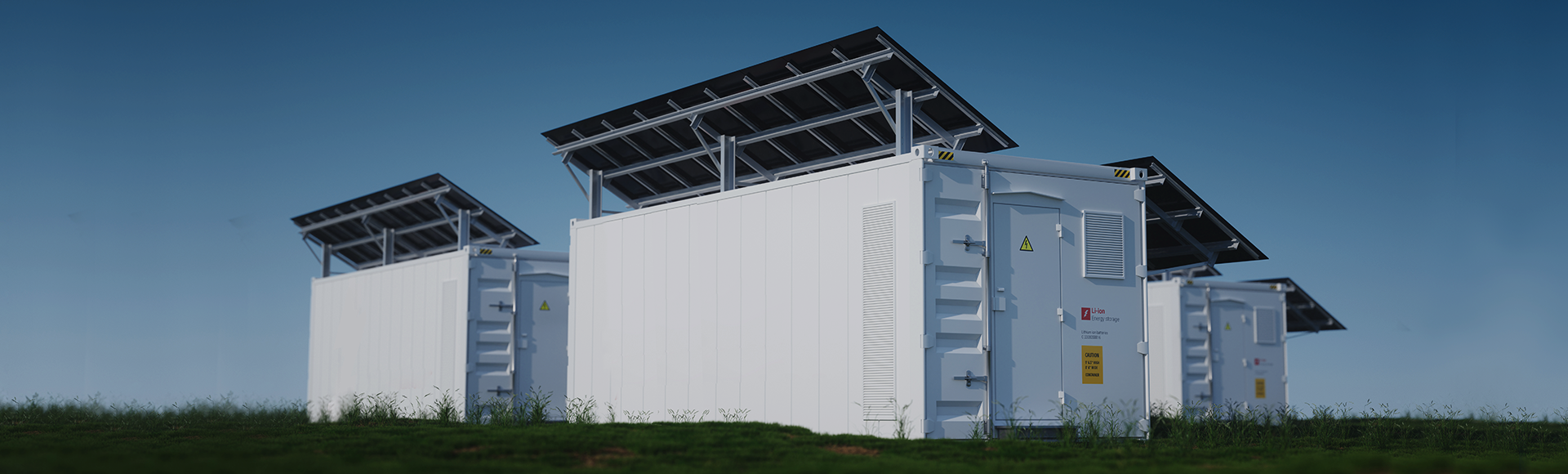
As liquid-cooled technology gains traction in the commercial and industrial energy storage market, several misconceptions have taken root among project developers, facility managers, and system integrators. Some believe a liquid-cooling energy storage system is inherently prone to leaks and high maintenance. Others assume the technology is overkill for smaller projects or that installation requires specialized plumbing expertise. These misunderstandings often lead decision-makers to default to air-cooled systems, missing out on the performance and longevity benefits of advanced thermal management. Separating fact from fiction is essential for selecting the right solution for your application.
Misunderstanding 1: Liquid Cooling Means Constant Risk of Leaks
The most persistent fear about any liquid-cooling energy storage system is that it will eventually leak, causing catastrophic damage to battery modules and surrounding equipment. This concern has some basis in early prototypes, but modern liquid-cooled battery energy storage systems have largely eliminated this risk through sealed, factory-tested circulation loops. Reputable systems use deionized water or dielectric coolants that minimize corrosion and conductivity damage even if a minor leak occurs. Furthermore, each loop undergoes pressure testing and leak detection before leaving the factory. In real-world deployments, pipe joints are welded or fitted with double O-rings designed for 15-plus year service lives. By contrast, air-cooled systems face their own reliability issues—fan failures, dust-clogged filters, and uneven cooling that accelerates cell degradation. The leak risk of a properly engineered liquid-cooled battery energy storage system is statistically lower than the fan failure rate of air-cooled alternatives.
Misunderstanding 2: Liquid Cooling Is Only for Large Utility Projects
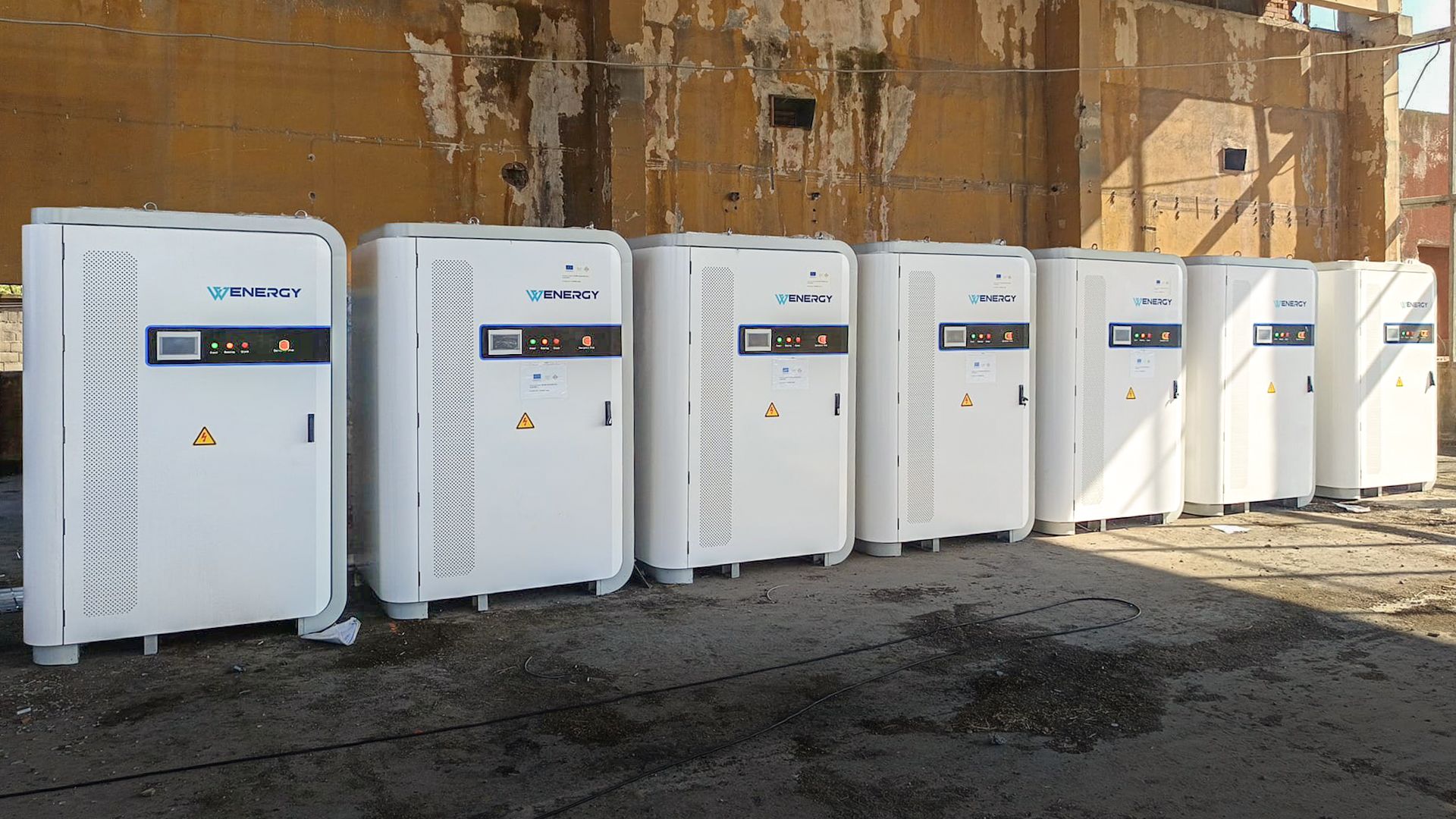
Another common misconception holds that a liquid-cooling energy storage system is only justified for utility-scale installations above 10 MWh. In reality, liquid cooling scales efficiently down to cabinet-sized commercial applications. The key benefit—temperature uniformity—matters even more in compact enclosures where battery cells are densely packed. Without liquid cooling, densely packed cells create hot spots that force the system to derate or shut down on warm days. A liquid-cooled battery energy storage system maintains every cell at nearly the same temperature, allowing continuous full-power operation even in 40°C ambient conditions. For commercial peak shaving, virtual power plant integration, or critical backup power, this reliability translates directly into predictable performance and faster payback. The incremental cost of adding liquid cooling to a 261kWh cabinet is modest compared to the lifetime savings from reduced degradation and higher usable throughput.
Misunderstanding 3: Installation and Maintenance Are Complex
Some speculators assume a liquid-cooling energy storage system requires on-site coolant handling, regular fluid changes, and specialized HVAC technicians. This is outdated thinking. Modern systems arrive pre-filled, sealed, and ready to run. The cooling loop is designed as a closed system with no user-serviceable fluid interfaces. The only external requirement is standard electrical power for the pump and radiator fans—no different from air-cooled systems. Maintenance consists of occasional radiator exterior cleaning to remove dust and debris, a task similar to cleaning an air conditioner condenser. Internal coolant typically lasts the full battery warranty period without replacement. When comparing total lifecycle labor, a liquid-cooled battery energy storage system often requires fewer site visits than air-cooled equivalents because there are no filters to change or fans to replace.
Getting the Facts Straight on Liquid Cooling
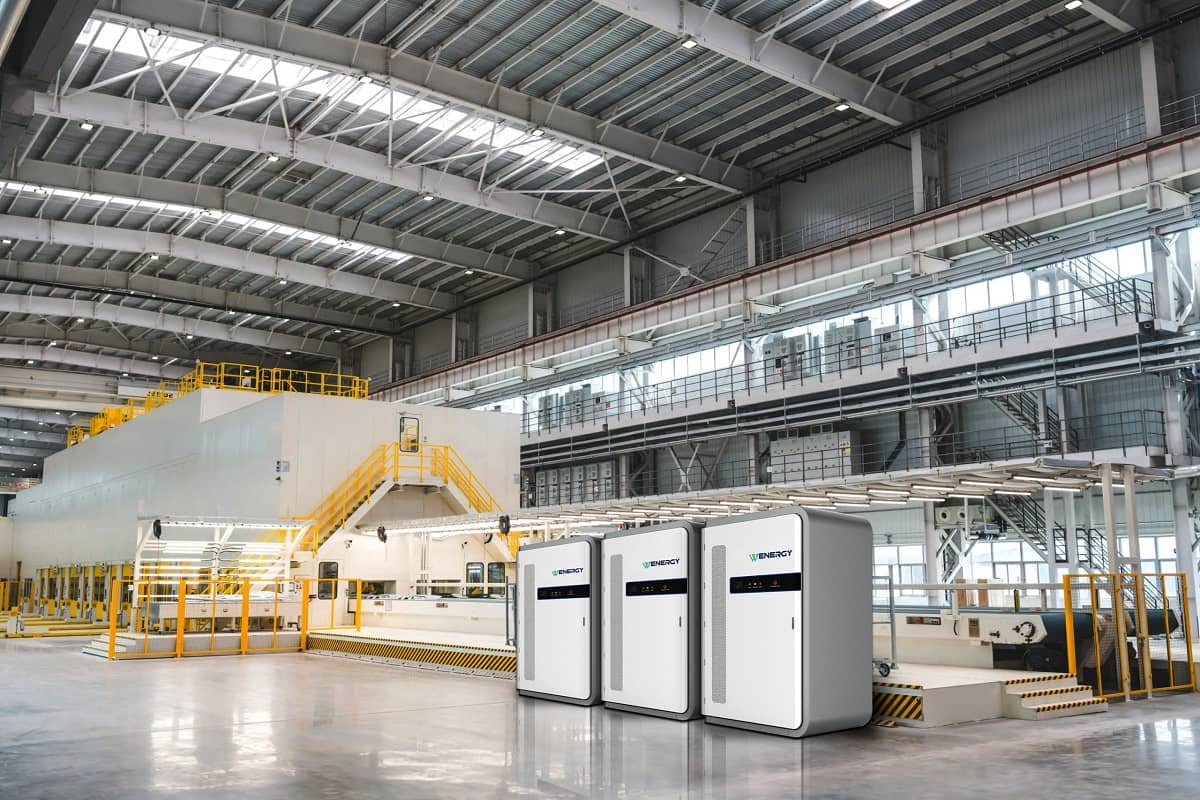
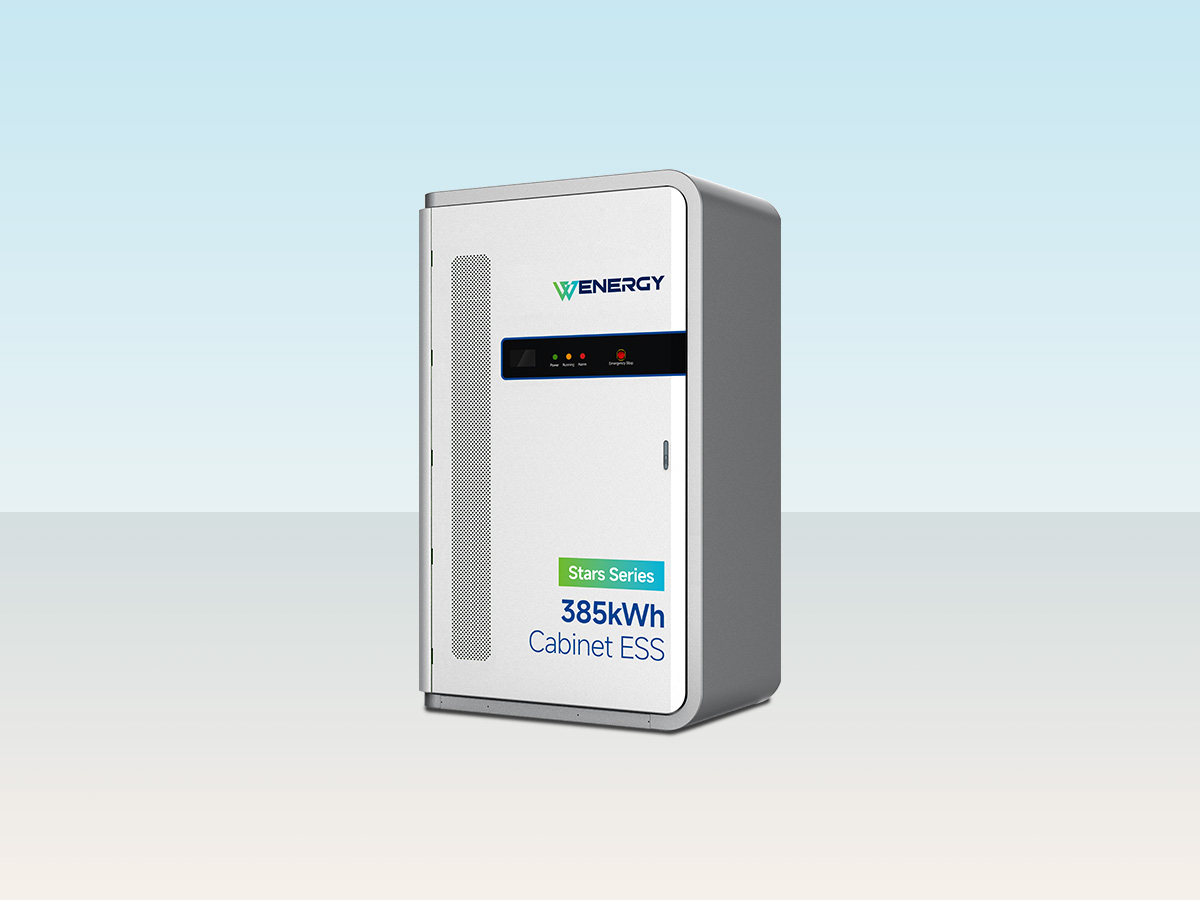
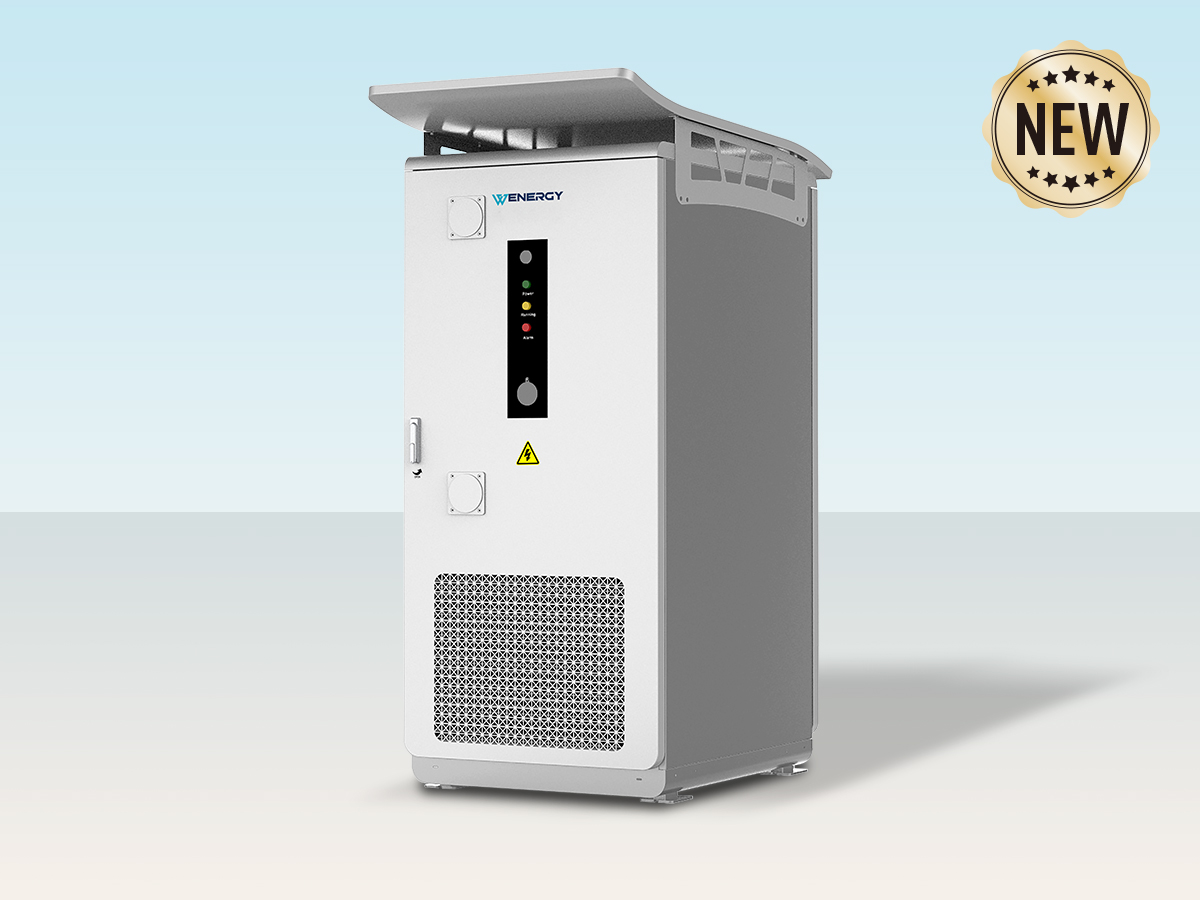
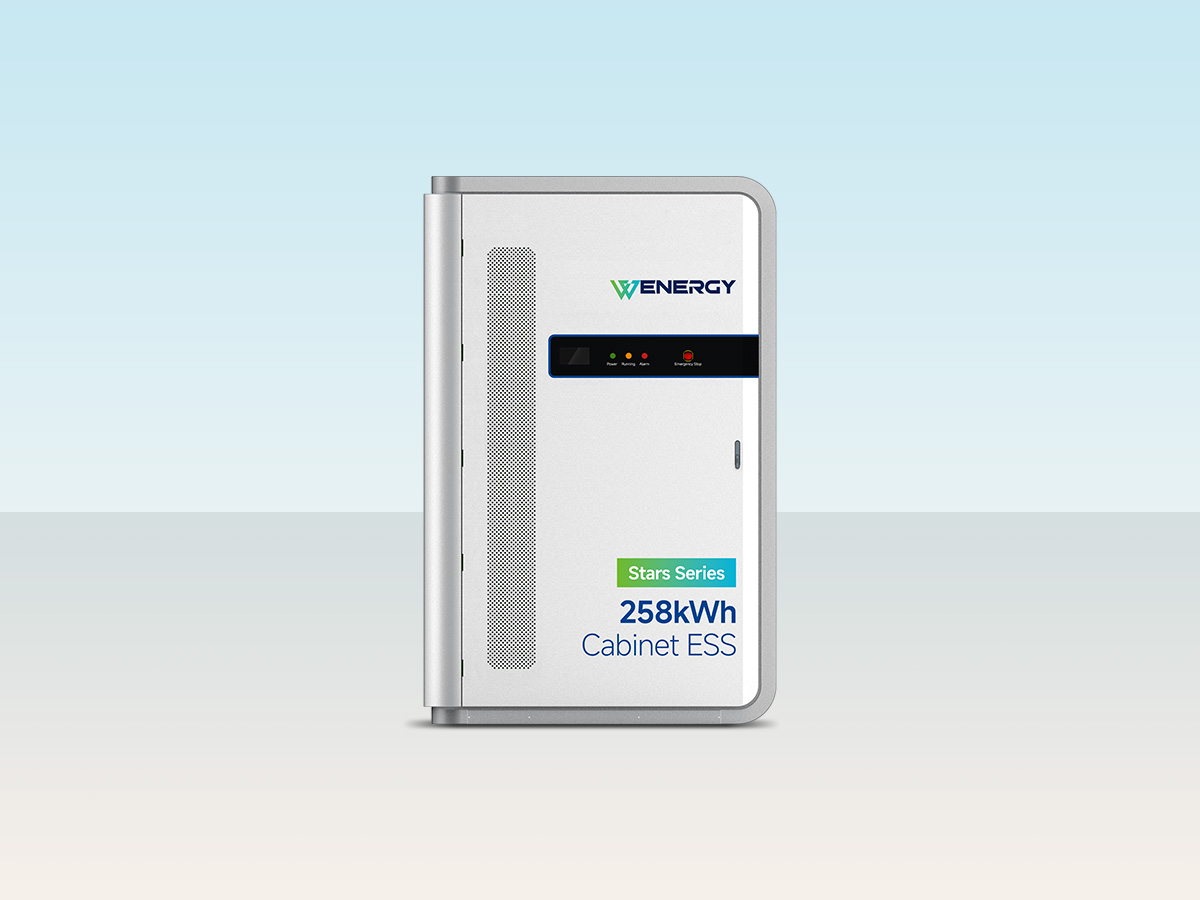
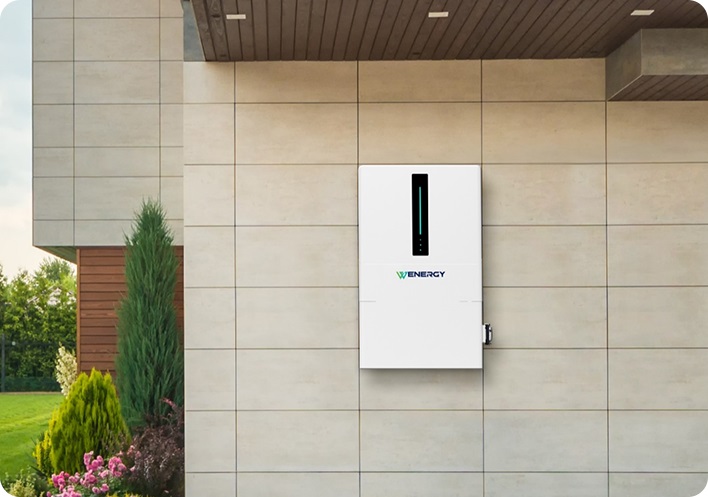
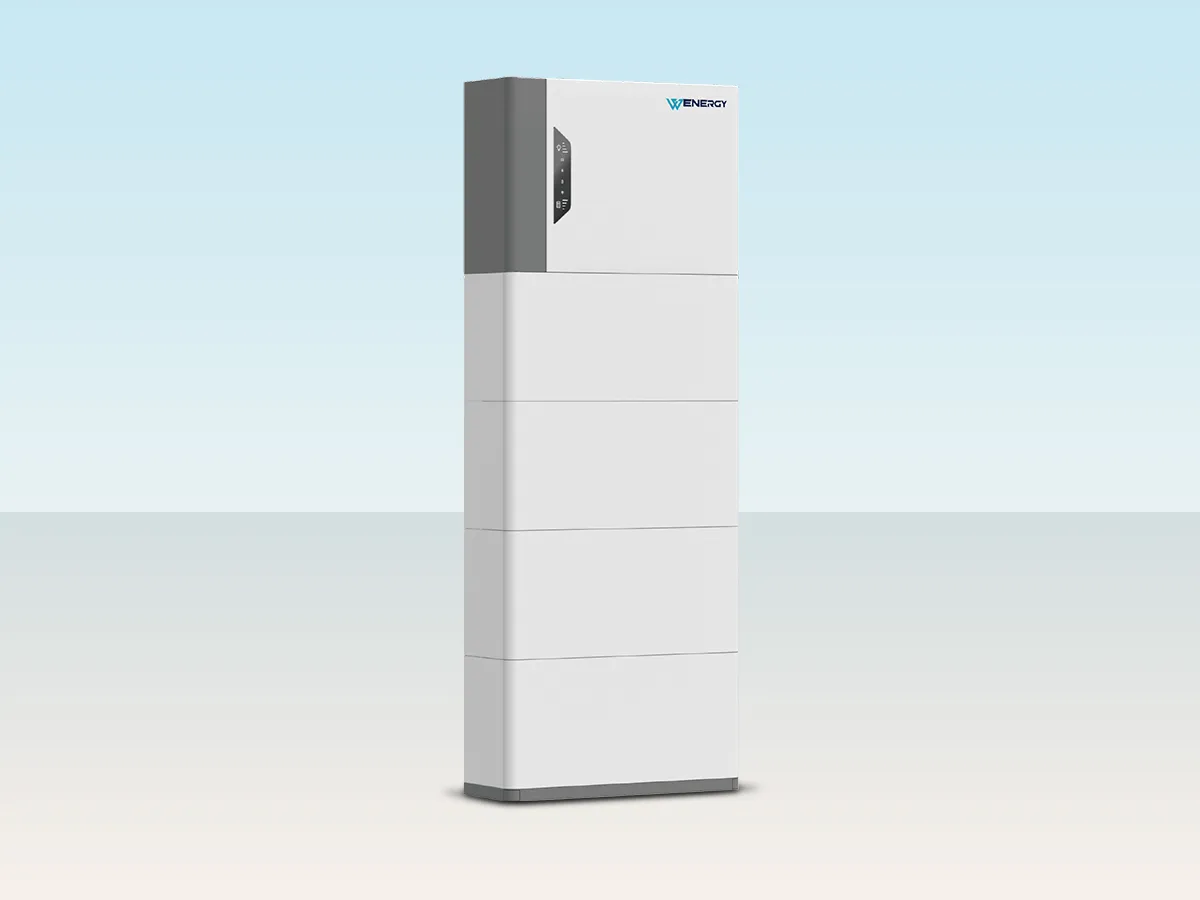
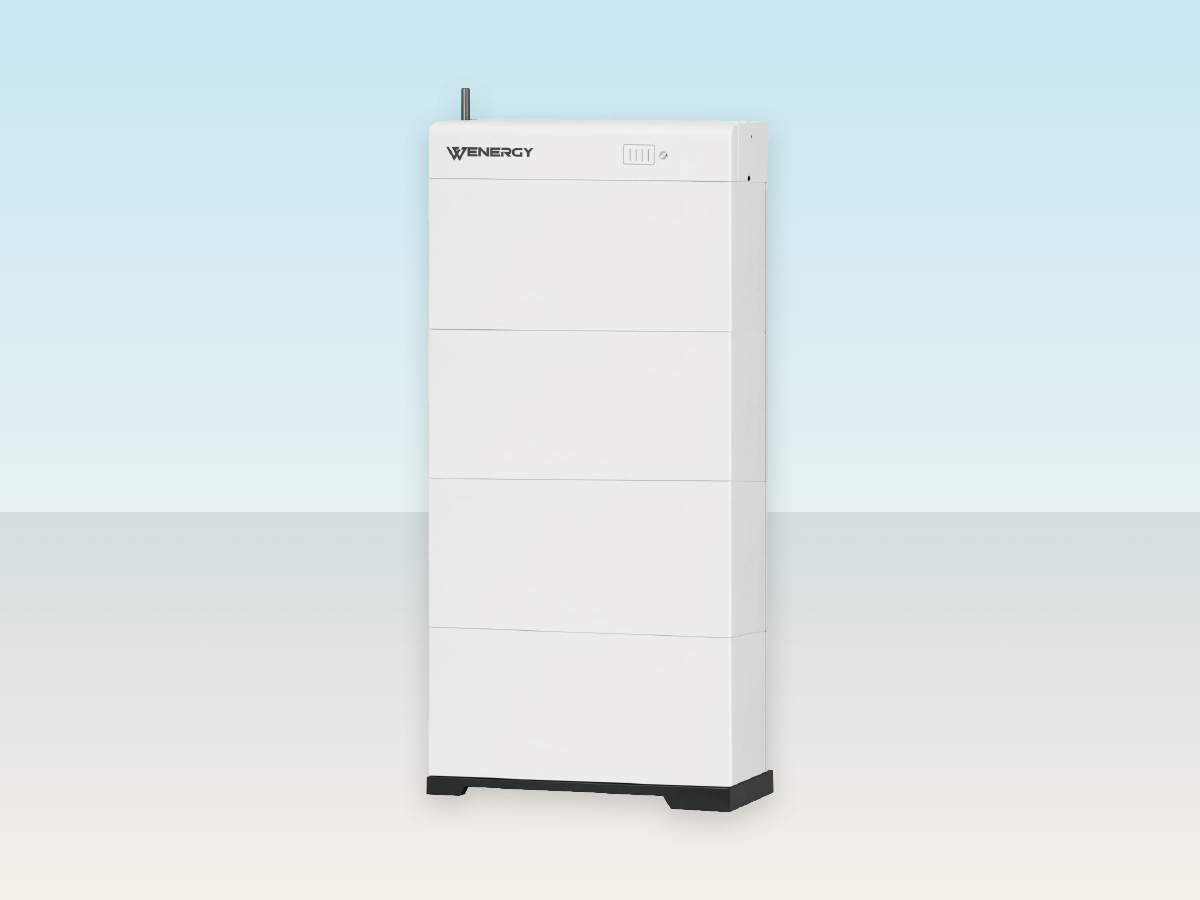
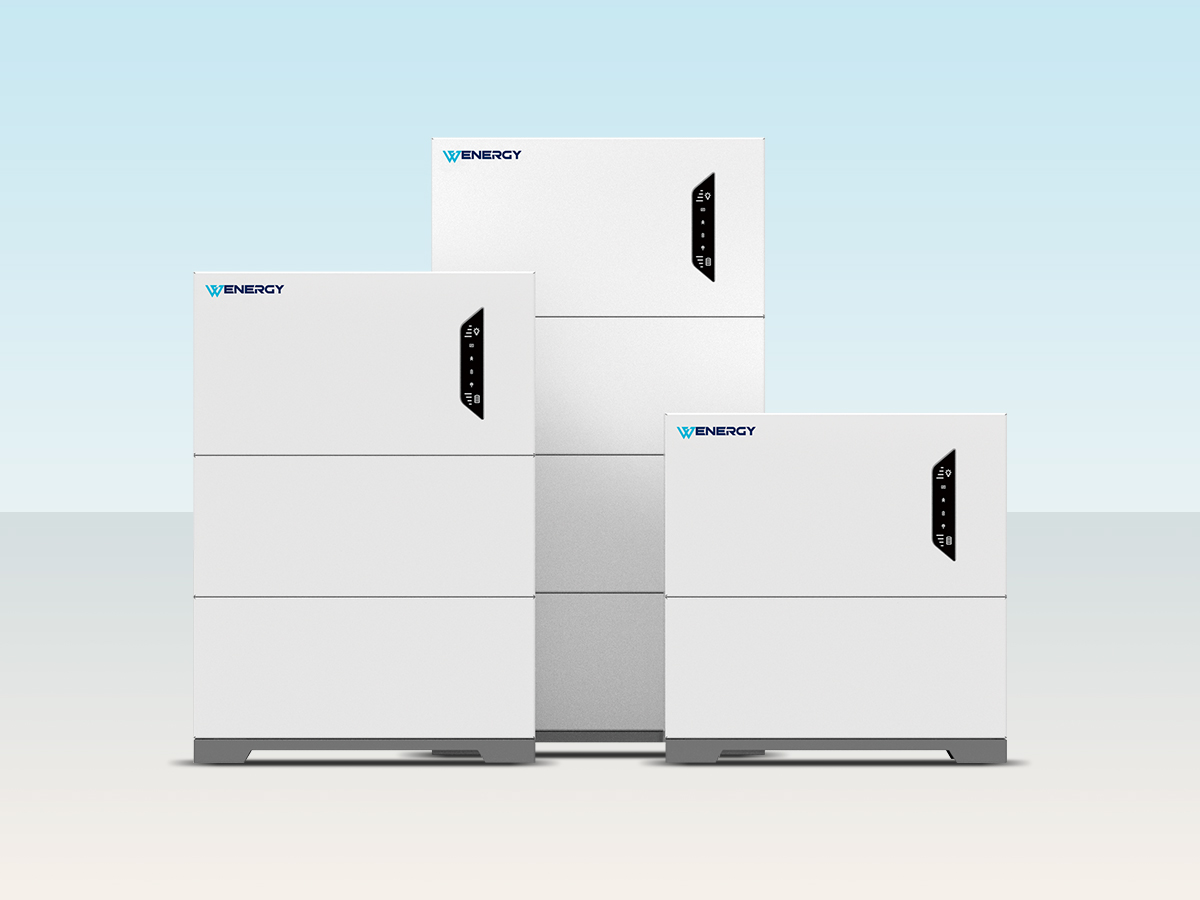
Liquid cooling for energy storage has matured beyond early concerns about leaks, complexity, and scale. When engineered properly, it delivers superior reliability, longer battery life, and lower maintenance than traditional air cooling. At طاقة, our High ROI 261kWh Liquid Cooling C&I ESS Cabinet is an advanced outdoor energy storage cabinet designed for commercial and industrial applications. Featuring a high-efficiency liquid cooling system, it ensures superior thermal balance, longer battery life, and stable performance under various environmental conditions. Whether you need commercial peak shaving, virtual power plant integration, critical backup power for data centers and hospitals, or three-phase load balancing, Wenergy’s liquid-cooled battery energy storage system delivers the performance and peace of mind that air cooling cannot match. Do not let outdated misunderstandings cost you—choose the technology proven for the future.
Post time: Jun-12-2026