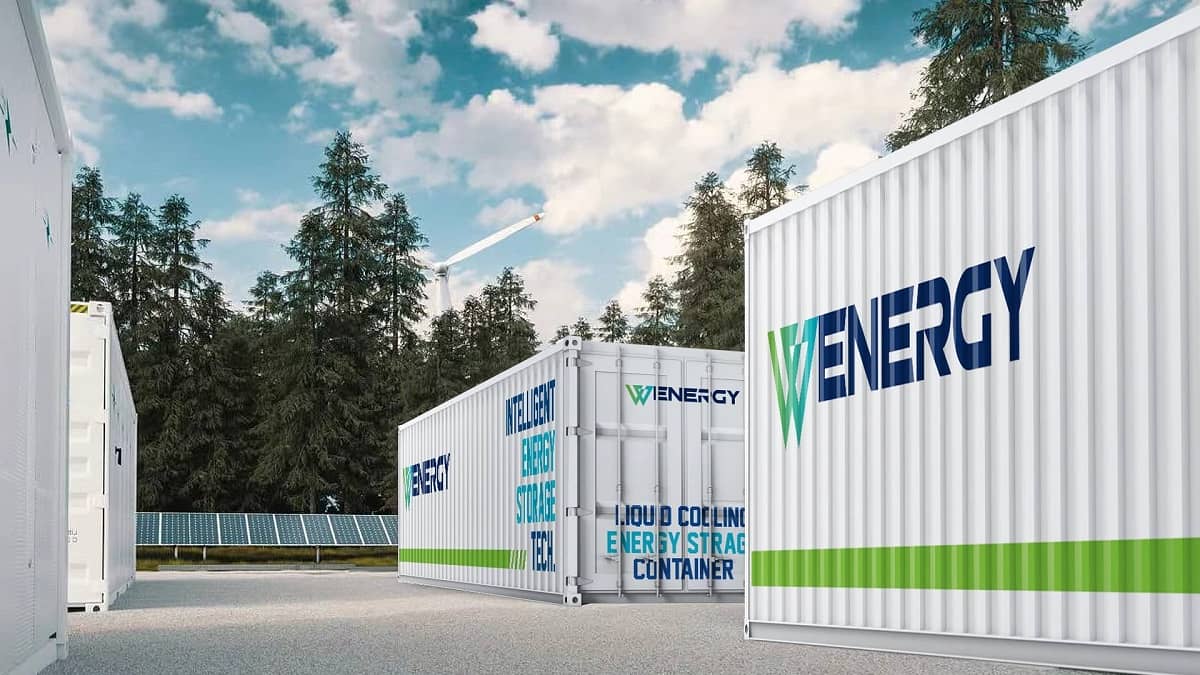
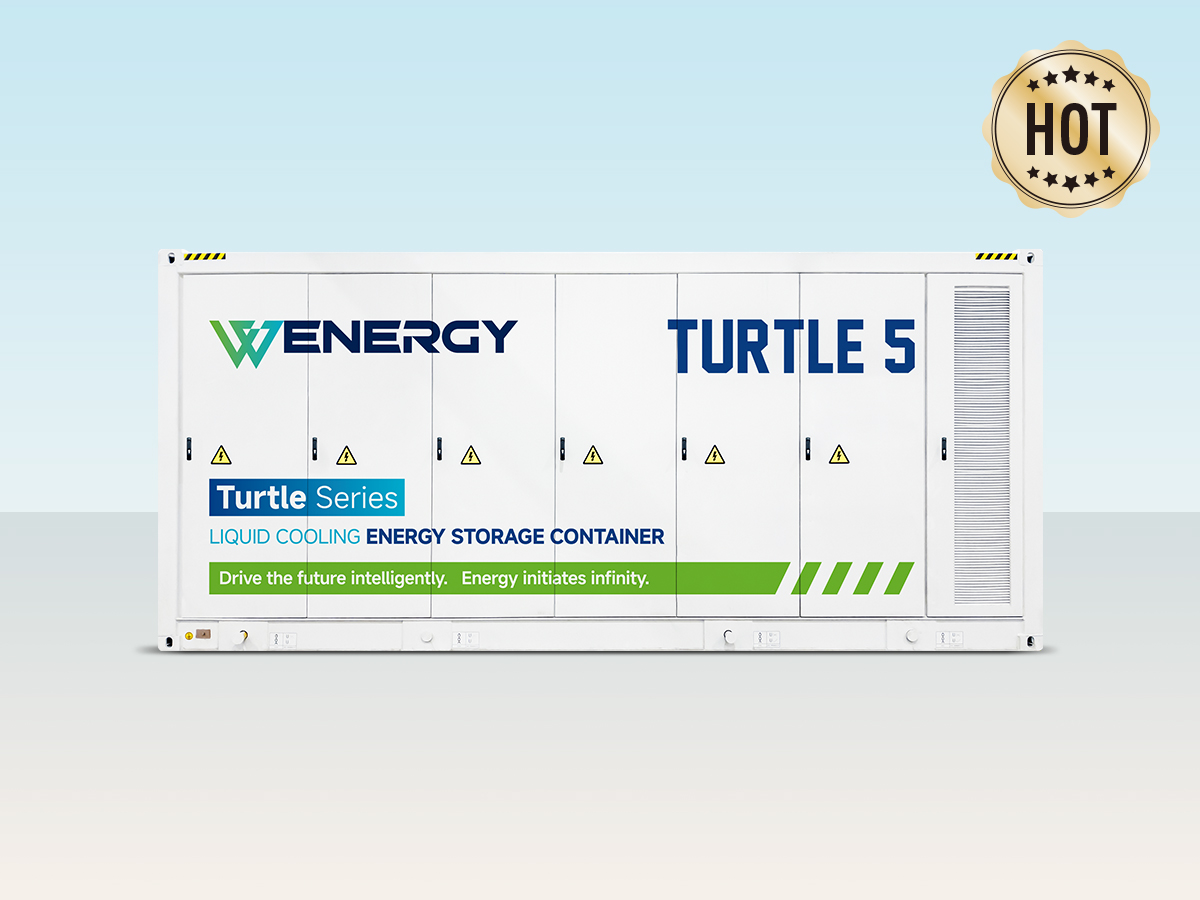
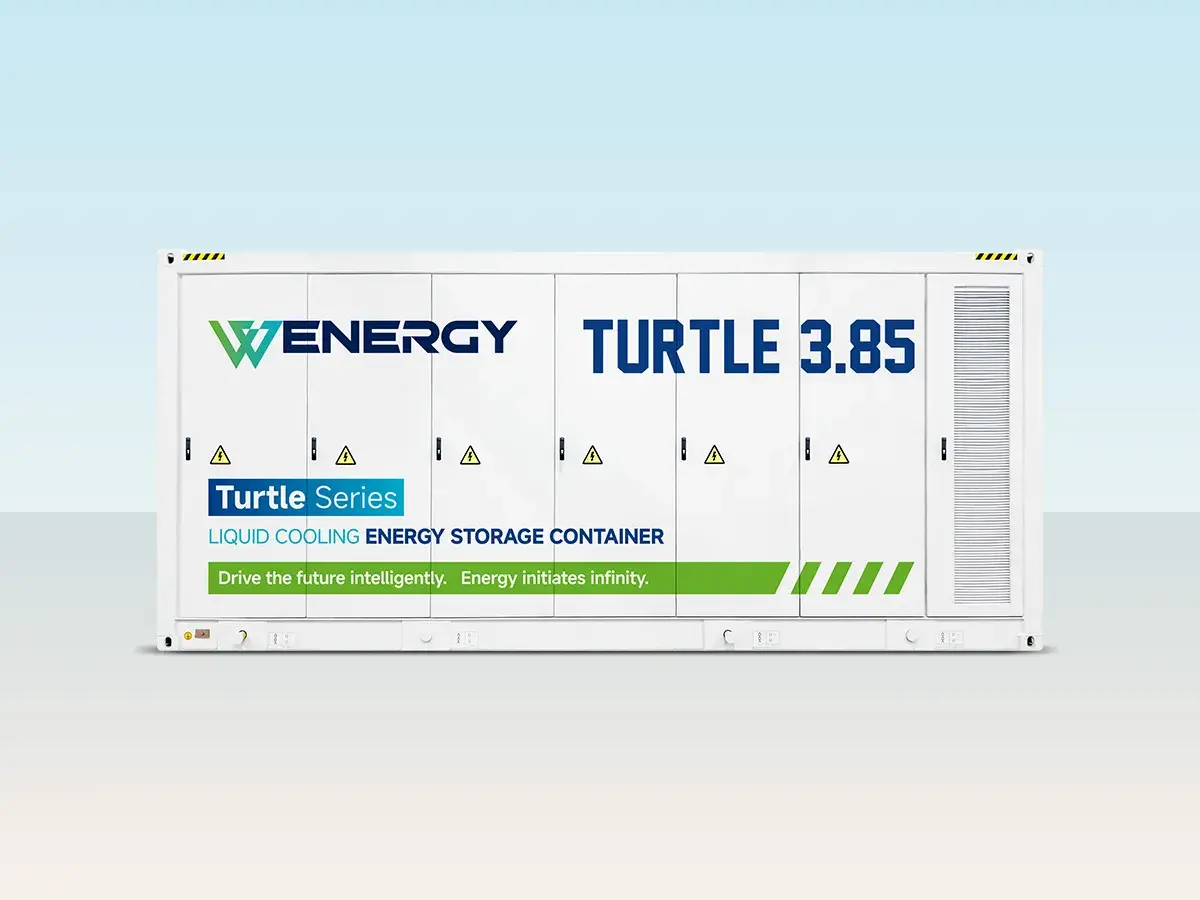

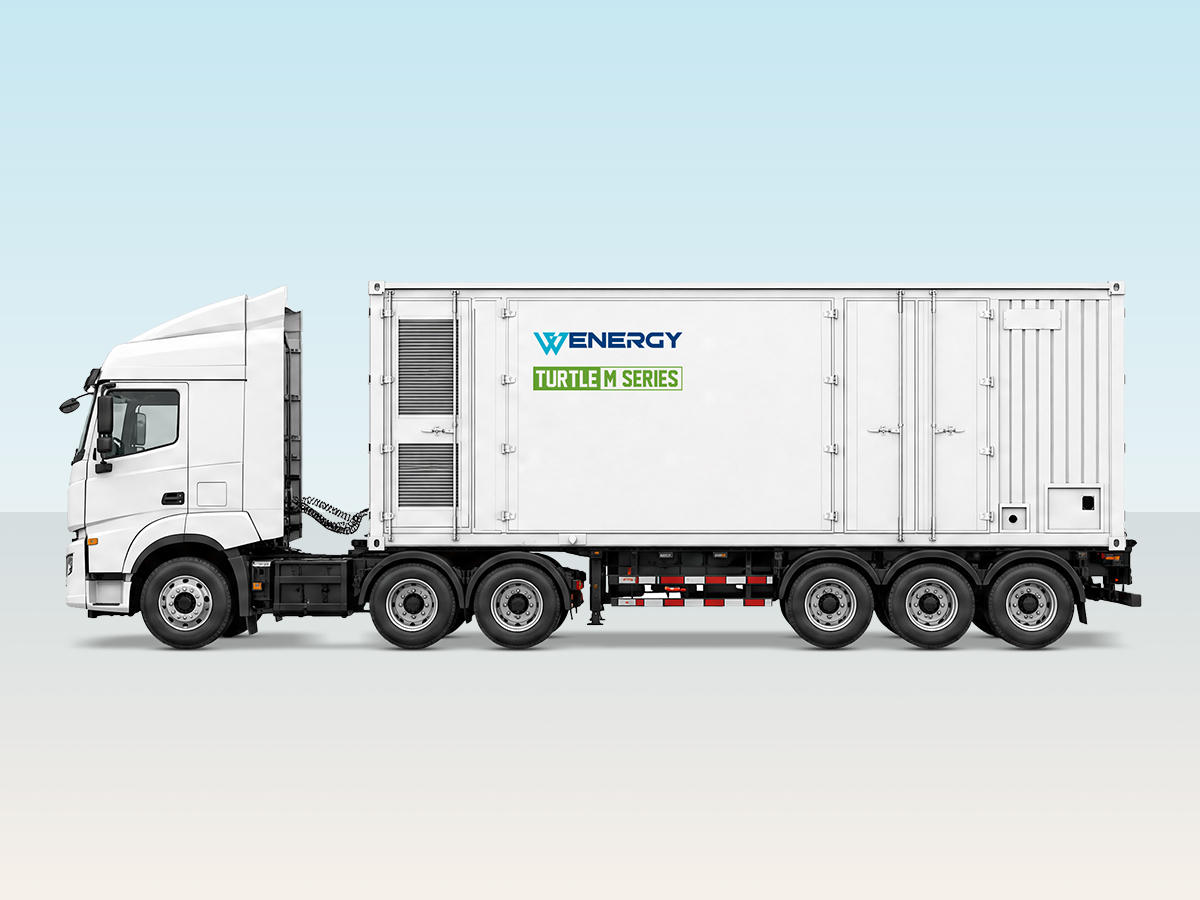
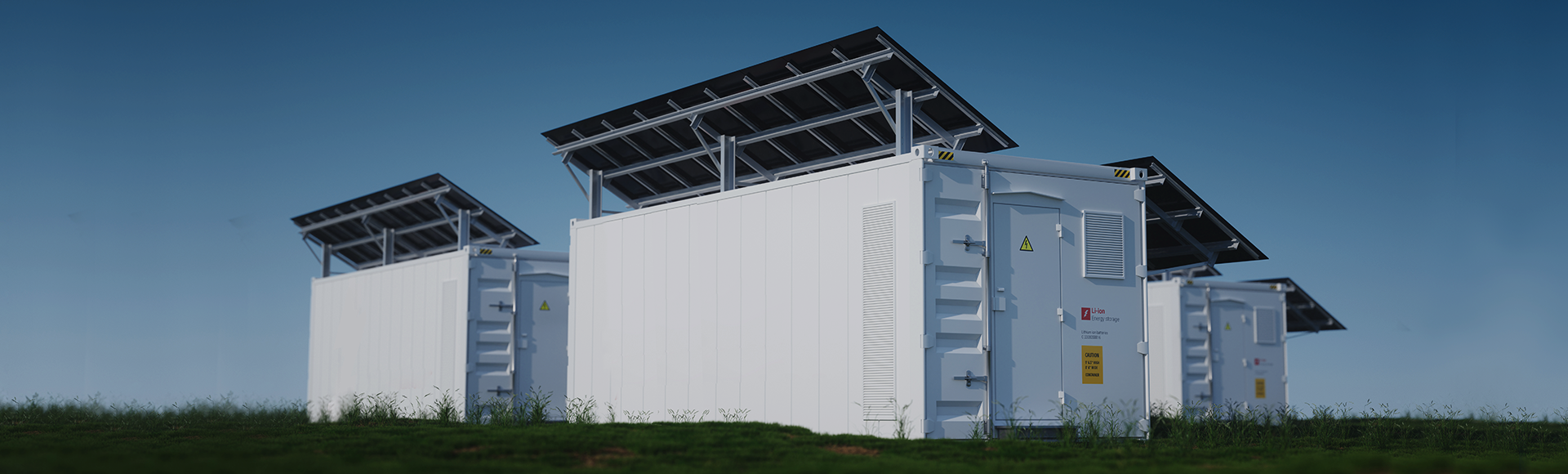
The comparison between 5MWh and 10MWh containerized storage configurations has become increasingly important as energy projects scale across utility and industrial sectors. The 5MWh energy storage system, particularly in standardized 20ft container designs such as the Turtle Series, offers a modular and flexible approach to grid support and backup power applications. In contrast, 10MWh systems are often deployed in larger-scale installations where higher energy density is required. Understanding how a 5MWh energy storage system factory designs, assembles, and standardizes these units provides valuable insight into scalability, deployment efficiency, and long-term operational performance.
Deployment Flexibility and Space Requirements
One of the most notable differences between a 5MWh energy storage system and a 10MWh configuration lies in deployment flexibility. The 5MWh energy storage system factory typically produces standardized container units that can be easily transported, installed, and scaled in modular clusters. This allows project developers to expand capacity incrementally rather than committing to a single large system upfront.
In contrast, 10MWh systems often require more complex site planning due to their higher energy density and integrated architecture. A 5MWh energy storage system offers greater adaptability for constrained sites, making it suitable for distributed installations or phased project development. The production consistency of a 5MWh energy storage system factory also ensures easier maintenance and system replication across multiple sites.
Cost Structure and Project Scaling Efficiency
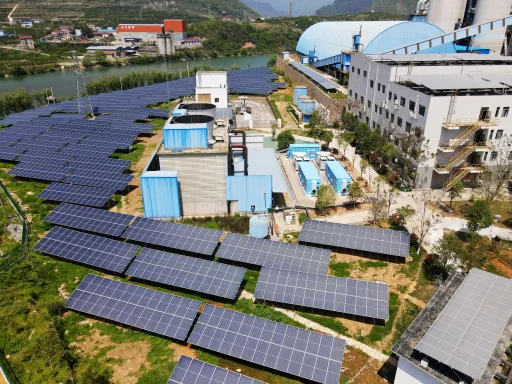
From a cost perspective, the 5MWh energy storage system provides a more flexible investment pathway. Developers can deploy units based on phased budget allocation, reducing upfront capital expenditure. A 5MWh energy storage system factory supports this model by enabling standardized mass production, which helps stabilize manufacturing costs and streamline supply chains.
When comparing scaling strategies, 10MWh systems may offer reduced per-unit integration costs in very large projects. However, the modular nature of the 5MWh energy storage system allows for incremental expansion without redesigning the entire system architecture. This makes the 5MWh energy storage system factory model particularly attractive for projects with evolving capacity requirements or uncertain future demand growth.
Application Scenarios and Performance Strategy
In practical applications, the 5MWh energy storage system is widely used for renewable integration, peak shaving, and industrial backup power. Its modularity allows operators to deploy multiple units to match load profiles precisely. A 5MWh energy storage system factory ensures consistent performance across units, which is essential for parallel system operation.
Meanwhile, 10MWh systems are often selected for centralized large-scale installations where maximum energy density is prioritized. However, the distributed deployment advantage of the 5MWh energy storage system makes it particularly effective in microgrids, industrial parks, and renewable hybrid plants.
Selecting the Right Capacity for Project Requirements and Partner Support
Choosing between 5MWh and 10MWh configurations ultimately depends on project scale, site constraints, and deployment strategy. The 5MWh energy storage system remains a widely adopted solution due to its flexibility, standardized production, and scalable architecture. A reliable 5MWh energy storage system factory plays a crucial role in ensuring system consistency and global deployment readiness.
As طاقة, we deliver advanced 5MWh energy storage system solutions designed for utility-scale grid stability, renewable integration, and industrial applications. Backed by 15 years of battery R&D expertise and full supply chain capabilities, we operate as a trusted 5MWh energy storage system factory, providing containerized ESS solutions that are IEC and CE certified and compliant with EU grid standards. Through proven global deployments and fast delivery with local European support, we continue to help partners scale energy storage projects with confidence and efficiency.
Post time: Jun-12-2026