
As more homeowners look for reliable ways to manage electricity costs and improve energy resilience, questions around home battery storage continue to grow. One of the most common topics we hear is whether a home battery storage system must be paired with solar panels to function properly. This discussion often comes up when people first explore residential energy storage systems, especially in areas facing grid instability, peak pricing, or frequent outages. From our perspective as a company deeply involved in energy storage development and delivery, understanding how these systems work without assumptions is essential before making decisions.
Can a Home Battery Work Without Solar Panels?
A home battery storage system does not strictly require solar panels to operate. Batteries can be charged directly from the grid and then discharge electricity when needed, such as during peak tariff periods or unexpected outages. In this setup, households use stored energy to reduce reliance on the grid at critical moments. This approach is often chosen by users who want backup power or better control over electricity usage without immediately installing photovoltaic systems. In many cases, residential energy storage systems are deployed first, with solar integration planned later, depending on budget, roof conditions, or local regulations.
Why Solar and Battery Storage Are Often Combined
Although solar panels are not mandatory, combining batteries with solar energy brings additional benefits. Solar generation allows households to store excess daytime electricity and use it at night, improving self-consumption and reducing wasted power. This is why many users aiming for the best home energy storage system evaluate compatibility with different inverter types and grid conditions. In our experience, flexibility matters. A system that supports both single-phase and three-phase configurations enables smoother integration when solar is added later. For homeowners focused on long-term efficiency, residential energy storage systems designed with seamless solar support can adapt as energy needs evolve.
How We Design Residential Storage for Real Homes
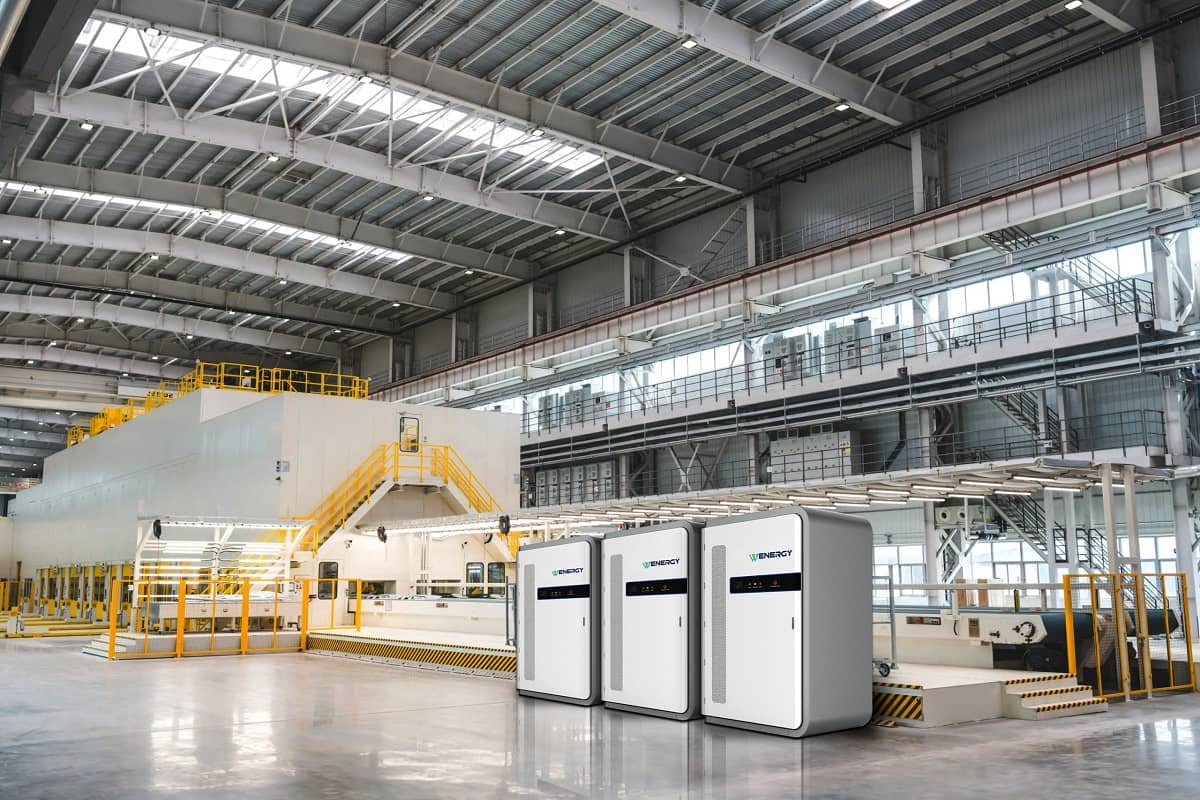
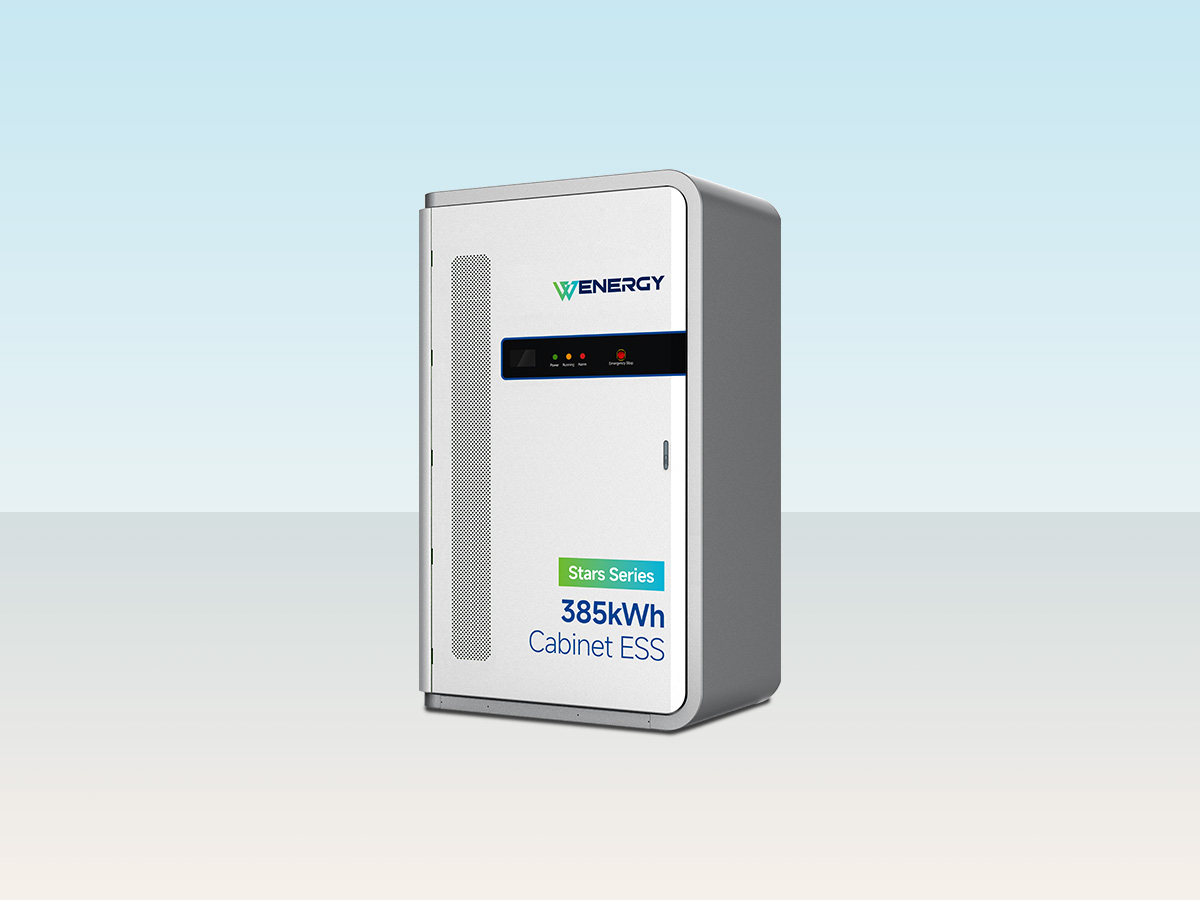
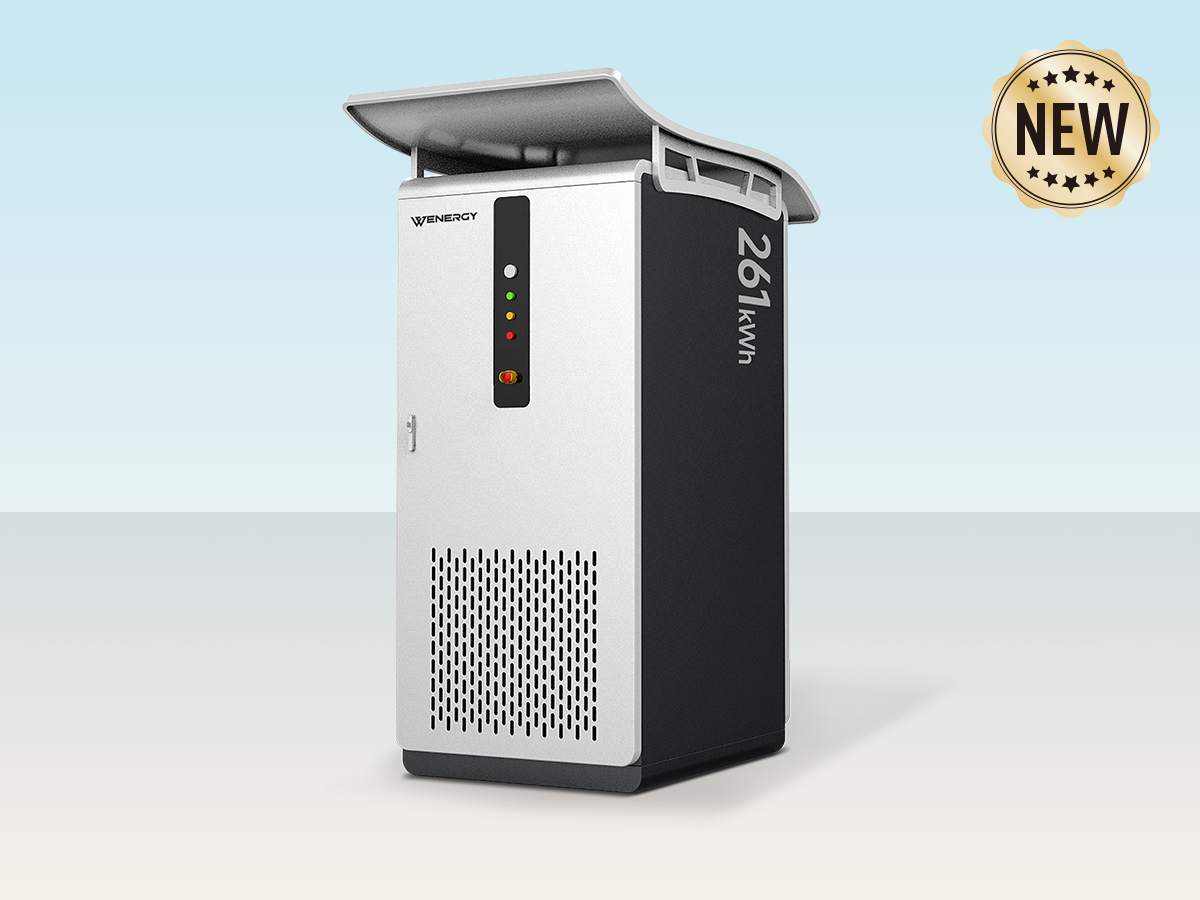
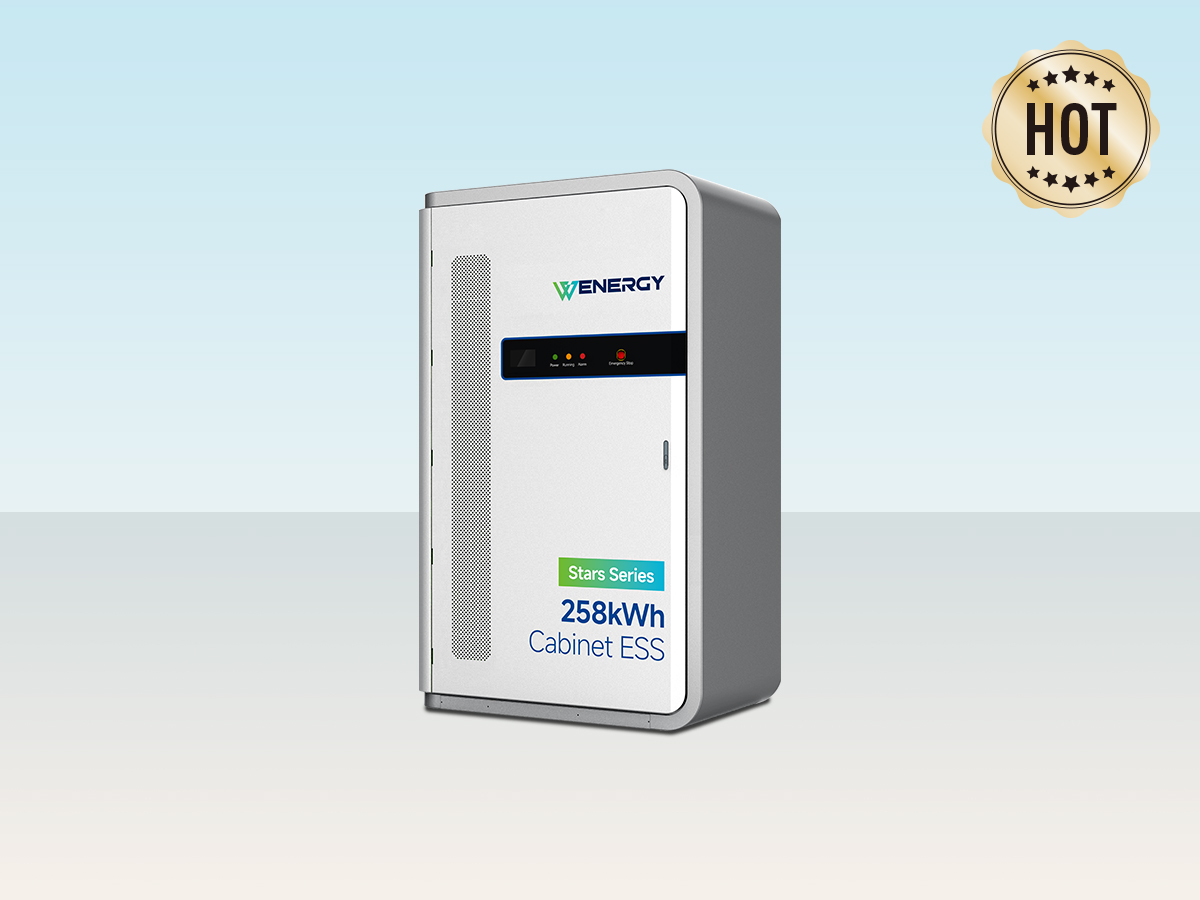
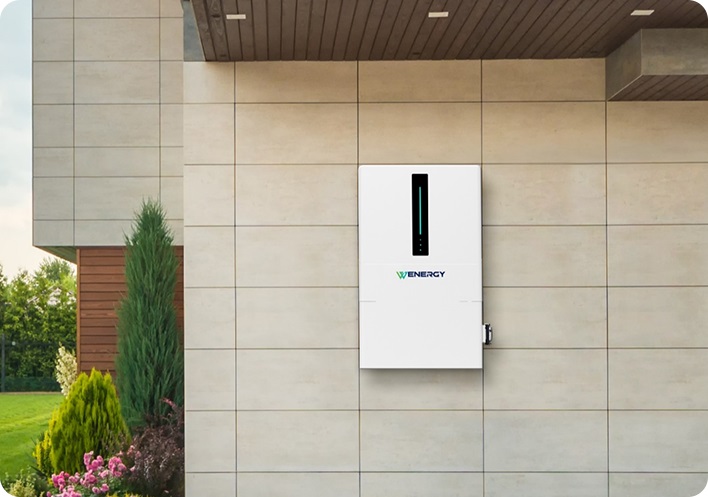
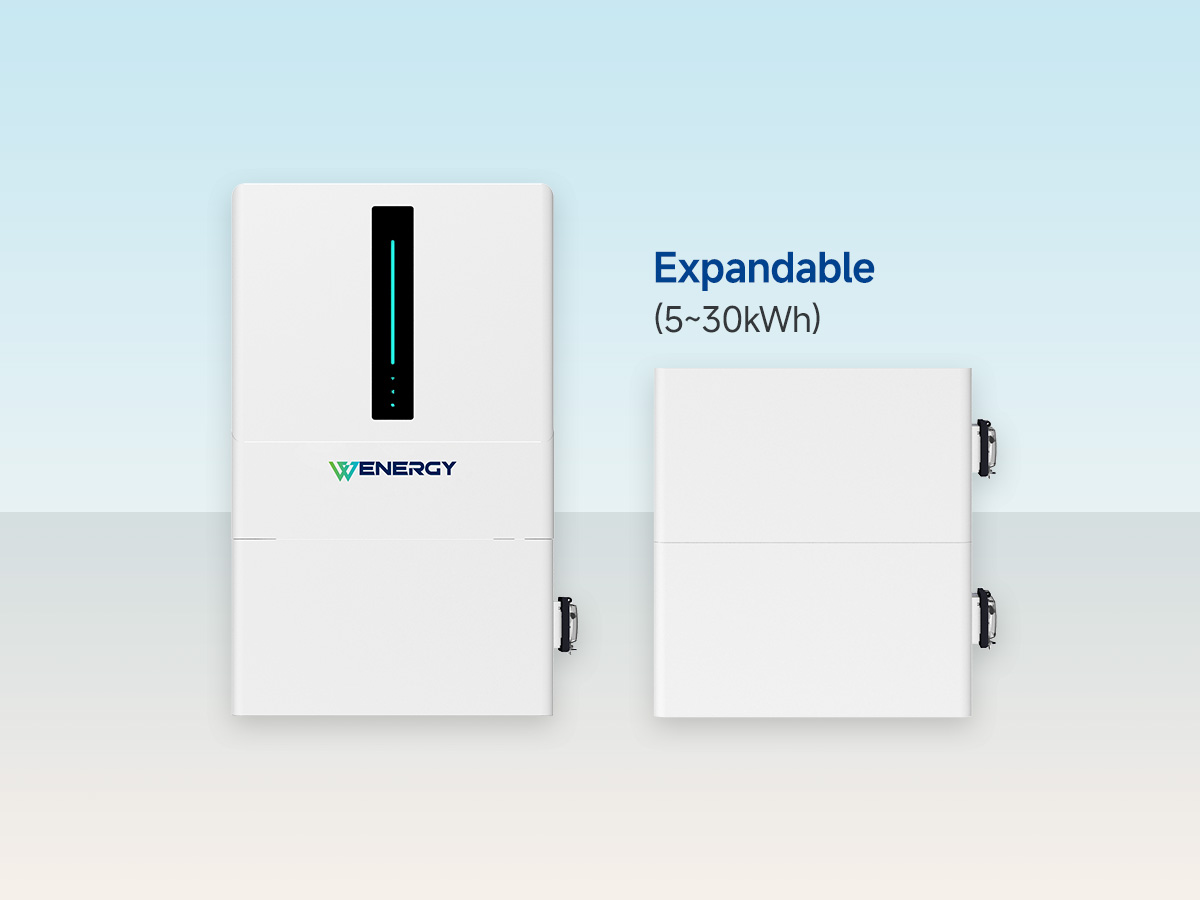
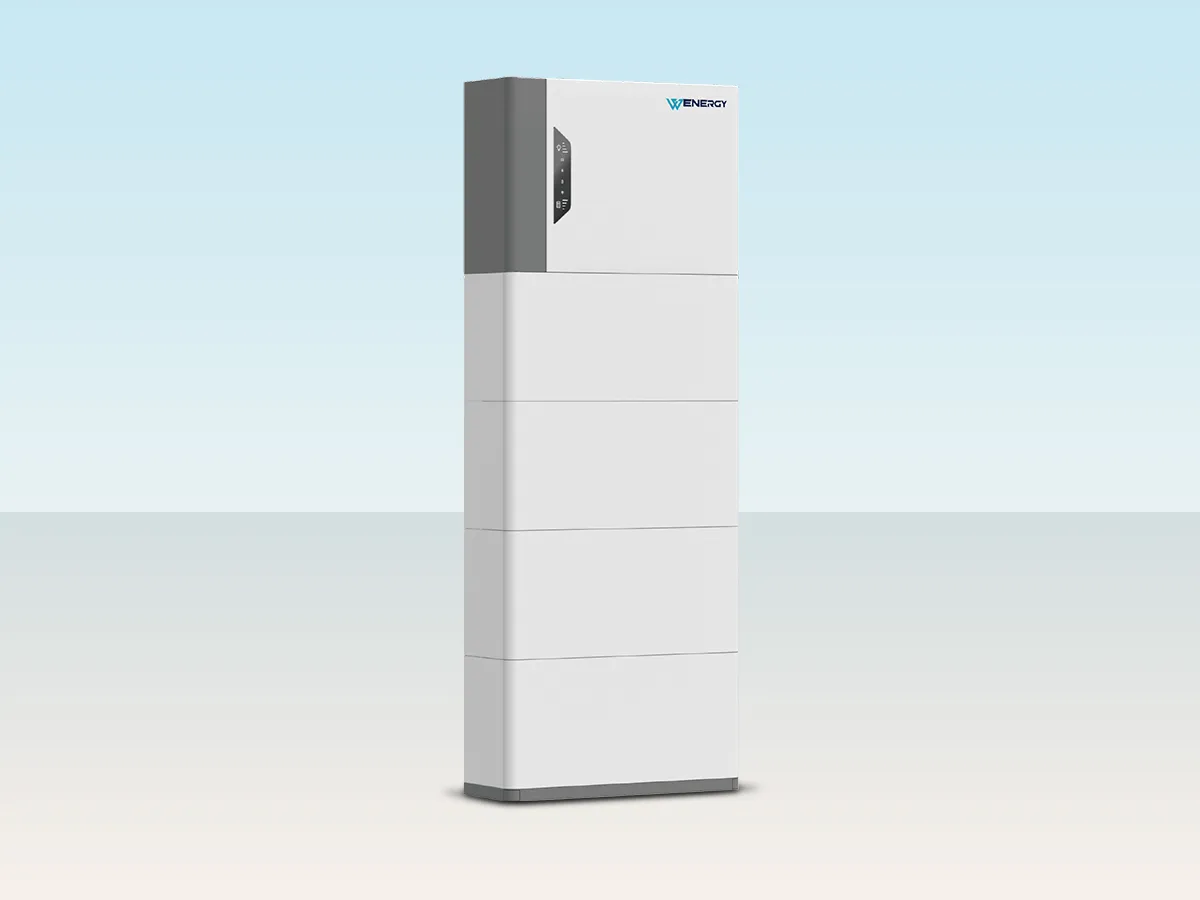
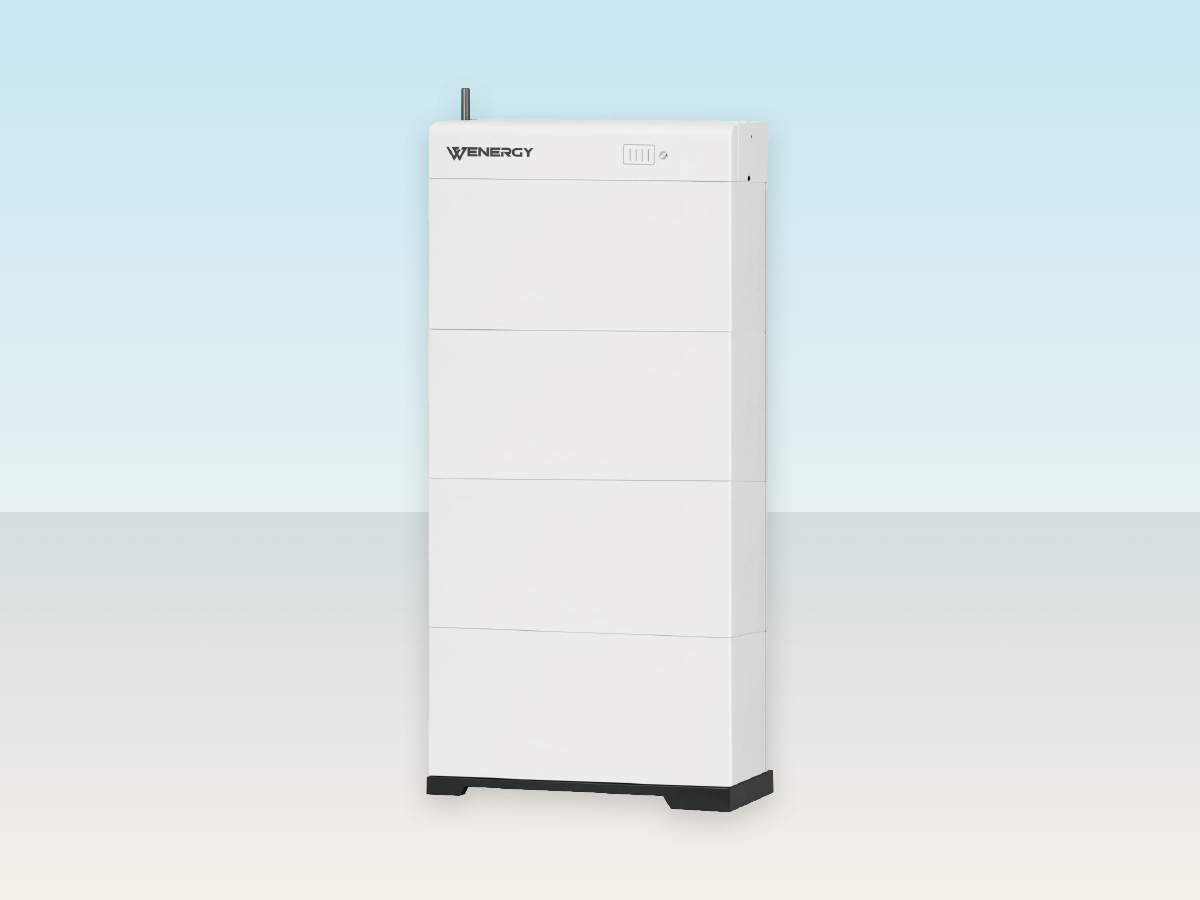
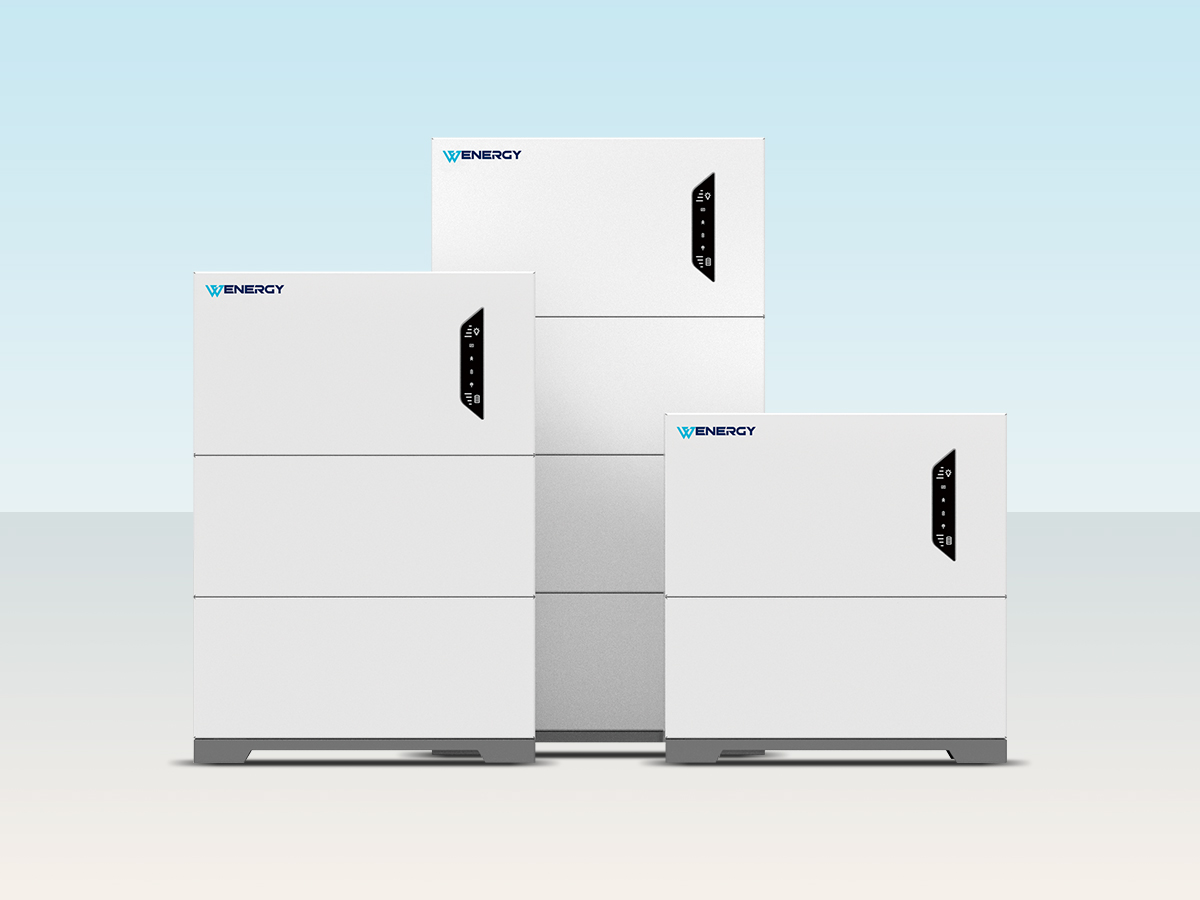
When developing our residential solutions, we focus on practical home environments rather than ideal conditions. Our Great Wall Series Residential ESS, with a capacity range of 5–30kWh, is built to scale alongside changing household demand. Wall-mounted installation helps save space in apartments, garages, or compact urban homes. Safety and durability are equally important. Using LiFePO₄ cells and an intelligent battery management system, we prioritize stable operation across different climates. Features like smart monitoring and high usable energy are designed to support homeowners seeking a balanced path toward the best home energy storage system, whether they rely on the grid, solar, or both.
Conclusion: Choosing the Right Path for Your Energy Setup
Deciding whether a home battery needs solar panels depends on usage goals, local energy costs, and future plans. Batteries alone, like our Wenergy systems, can provide backup power and load shifting, while solar pairing adds efficiency and energy independence over time. For many users, starting with Wenergy residential energy storage systems that allow gradual upgrades is a practical strategy. From our standpoint, a well-designed solution should remain flexible, safe, and service-oriented, supporting different scenarios without forcing immediate commitments. This adaptability is what ultimately defines a reliable and sustainable طاقة best home energy storage system for modern households.
Post time: Mar-11-2026