
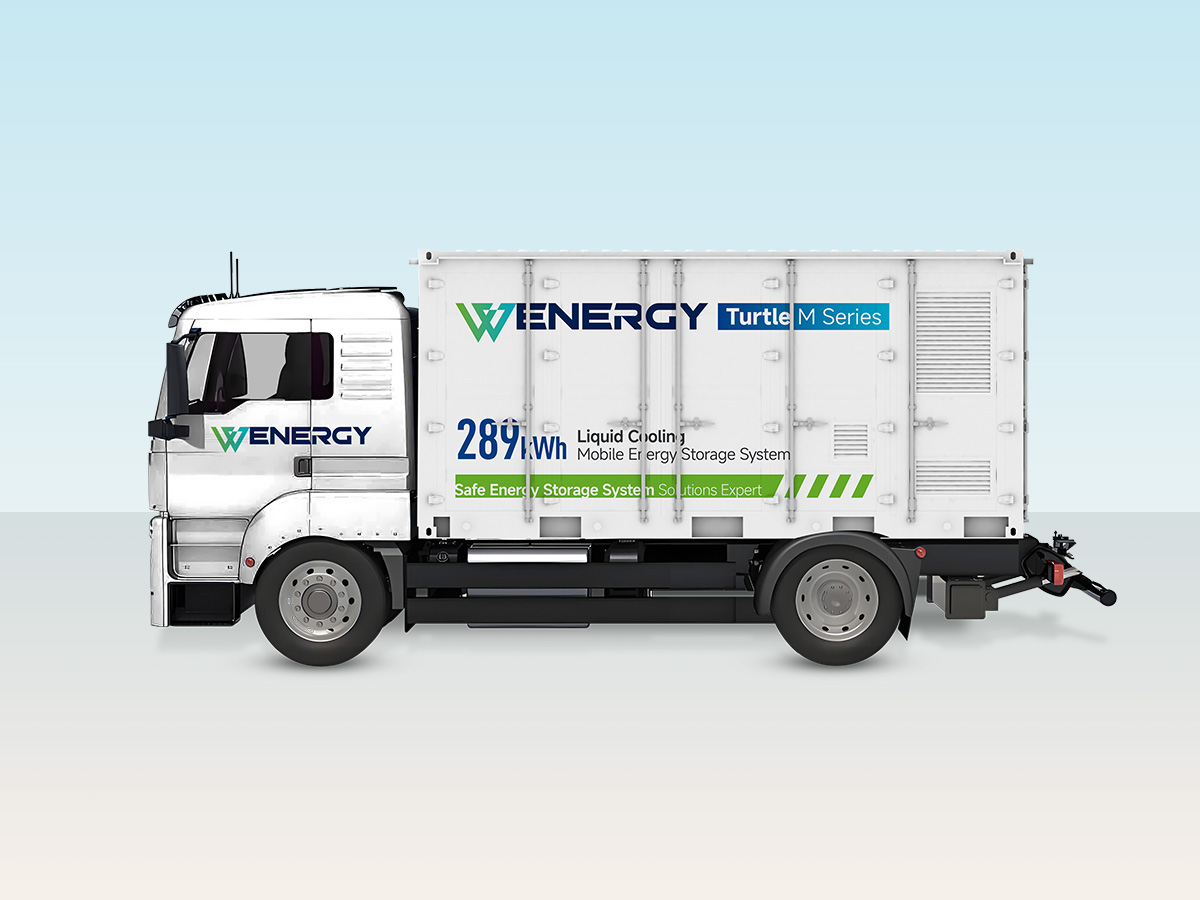
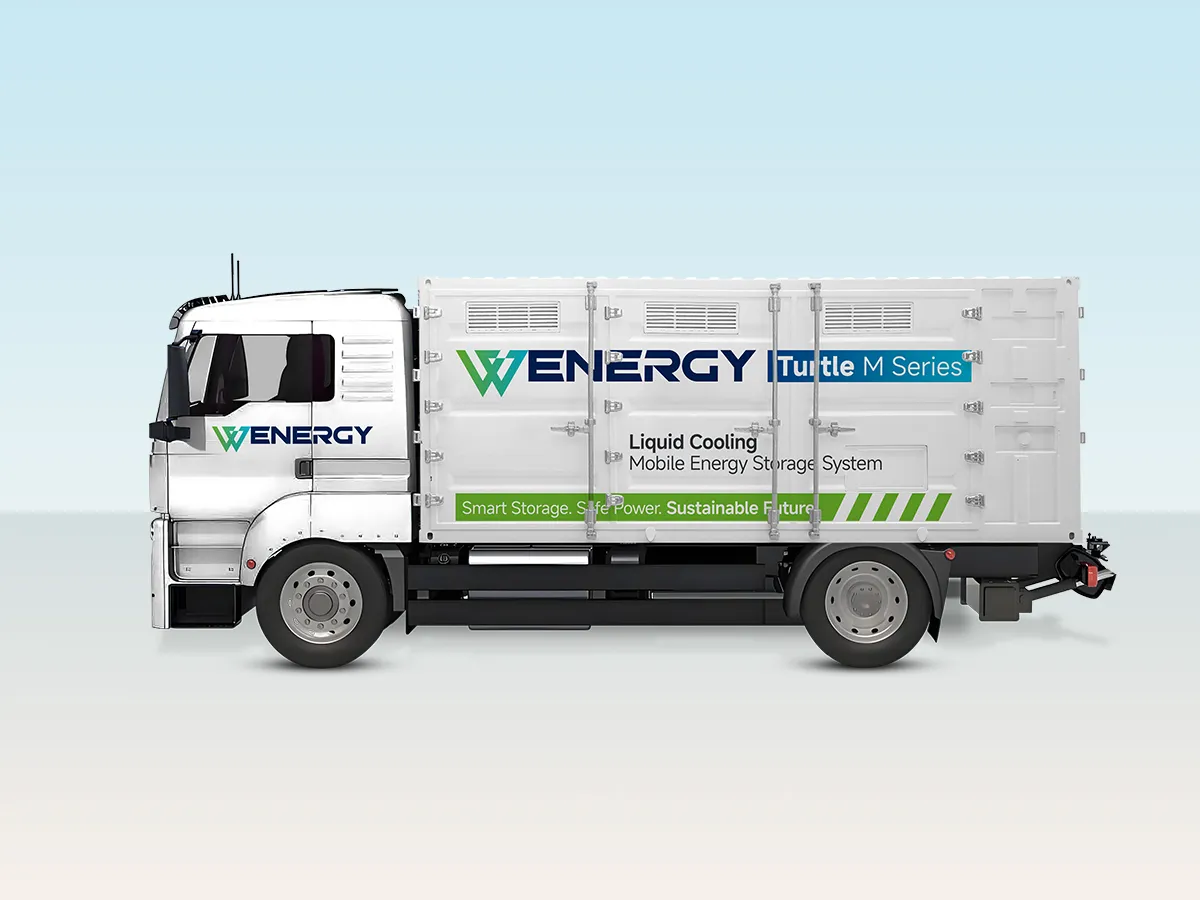
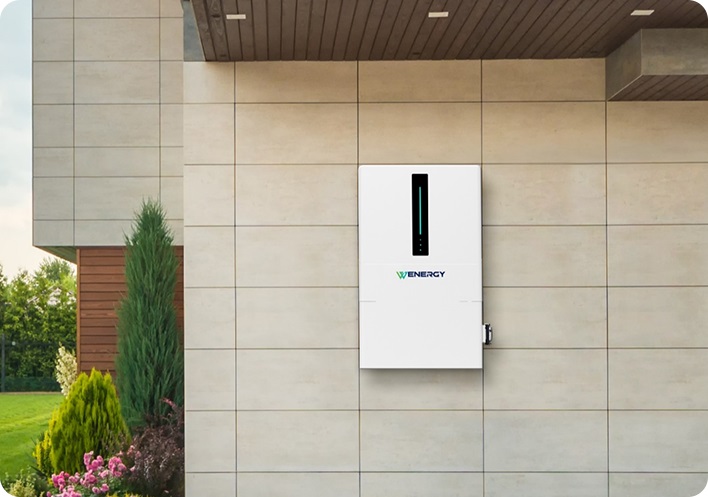
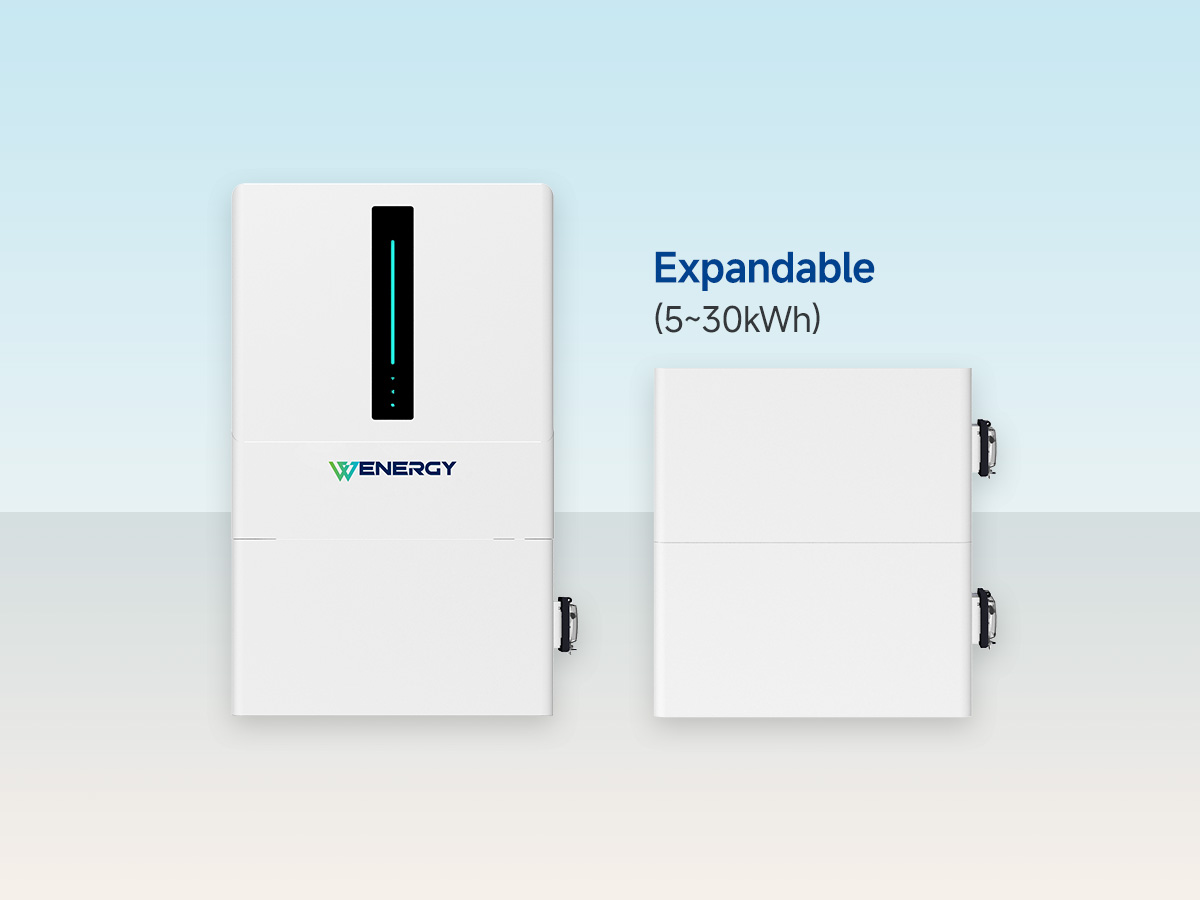
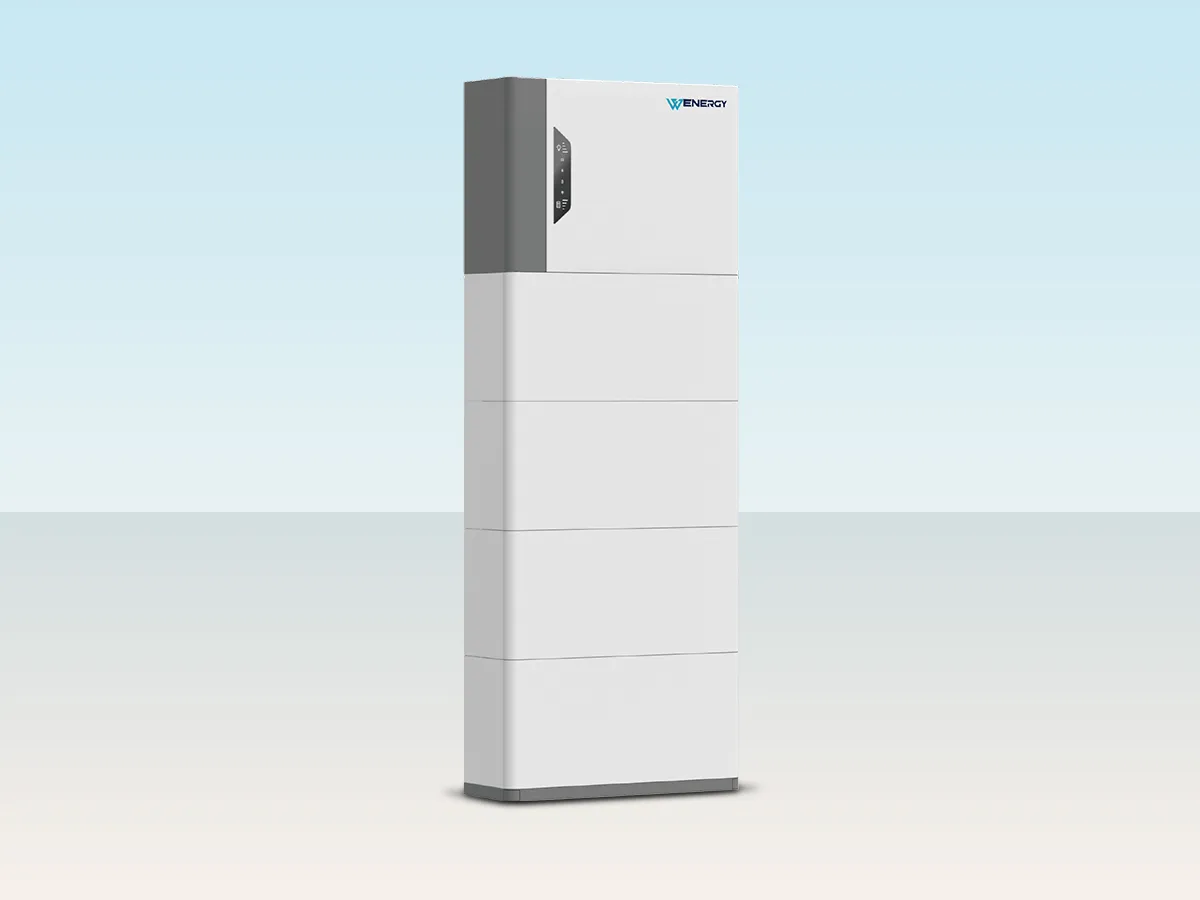
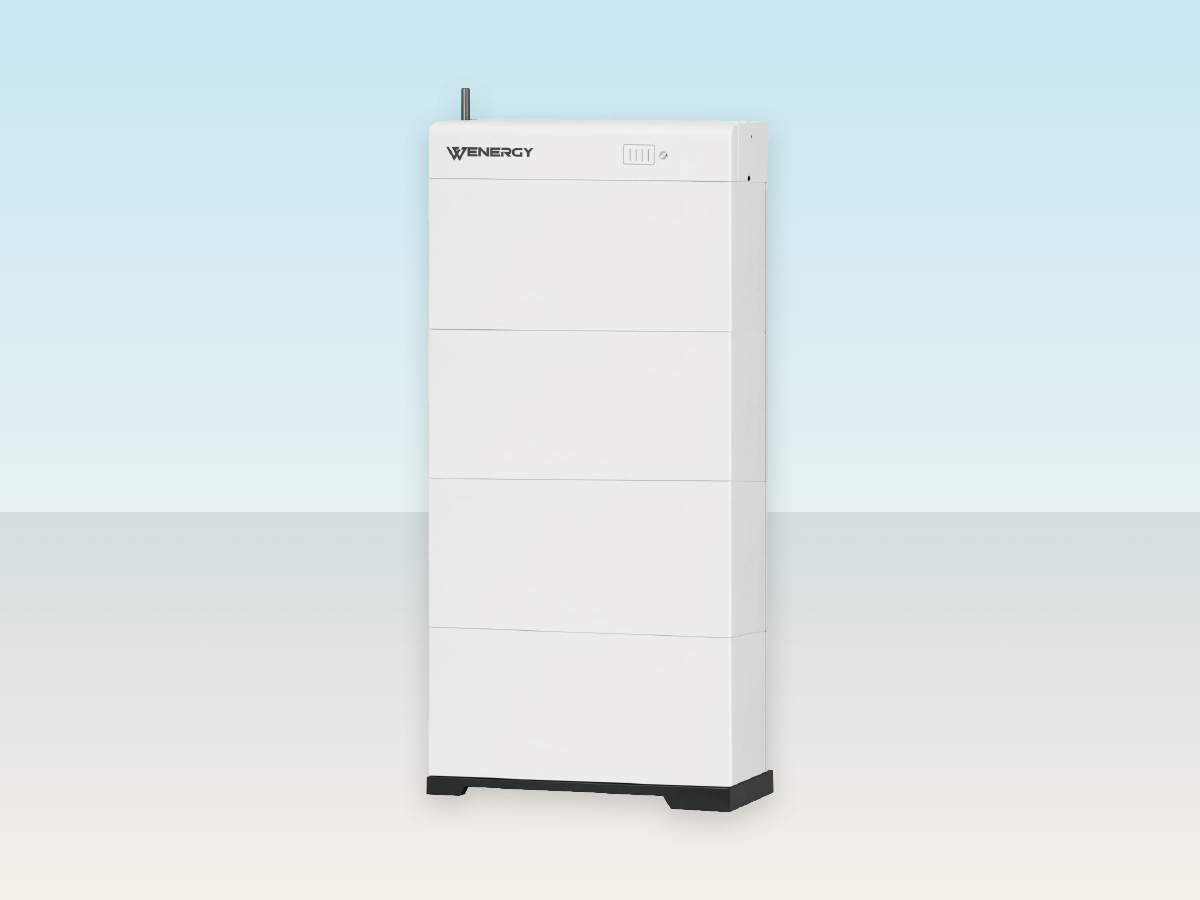
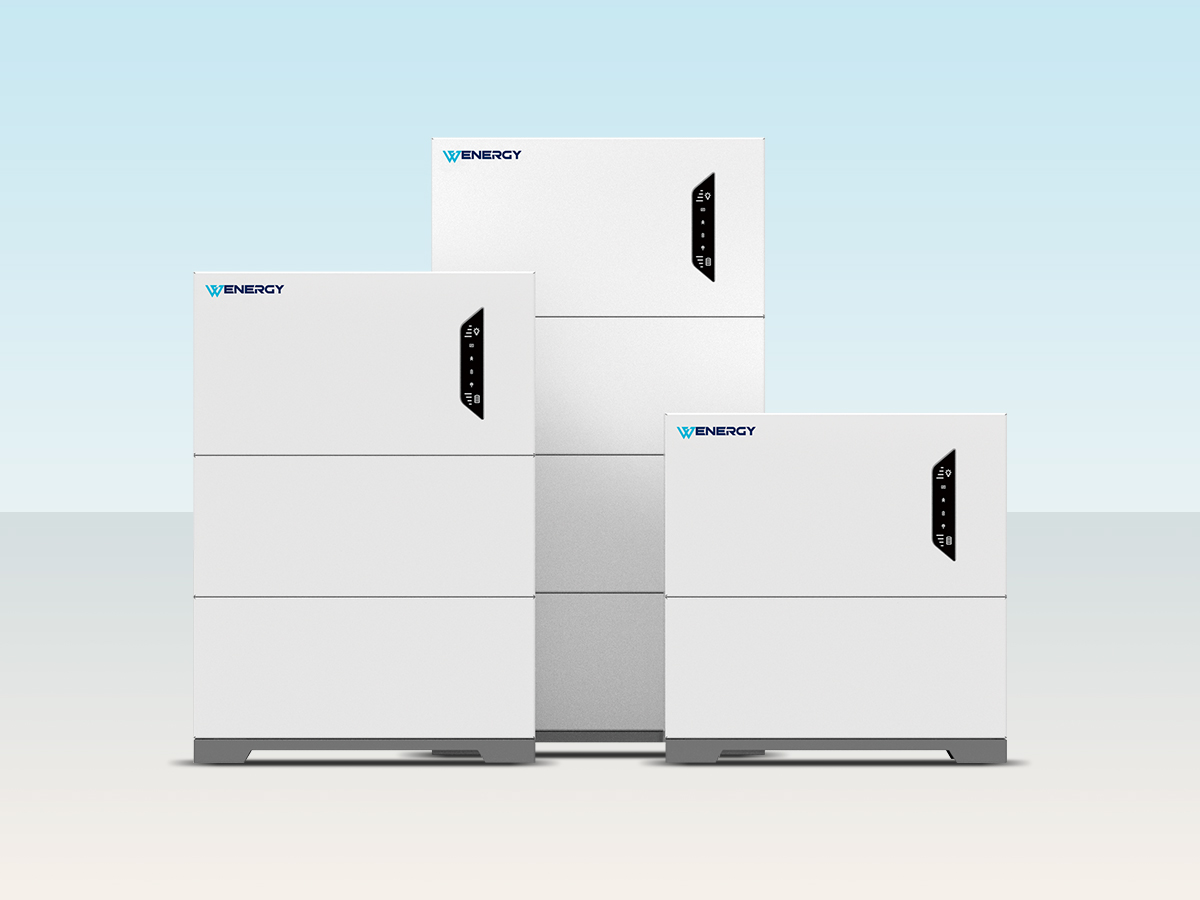
Energy independence has become a practical topic for many industrial and commercial users facing rising electricity costs, grid constraints, and higher expectations for operational stability. From manufacturing plants to logistics centers, energy is no longer just a utility expense but a strategic resource. At طاقة, we approach energy independence through real operational needs, focusing on how commercial energy storage systems and commercial battery storage solutions can support stable power use, cost control, and flexible energy management without disrupting existing infrastructure.
Understanding Energy Independence in Commercial and Industrial Settings
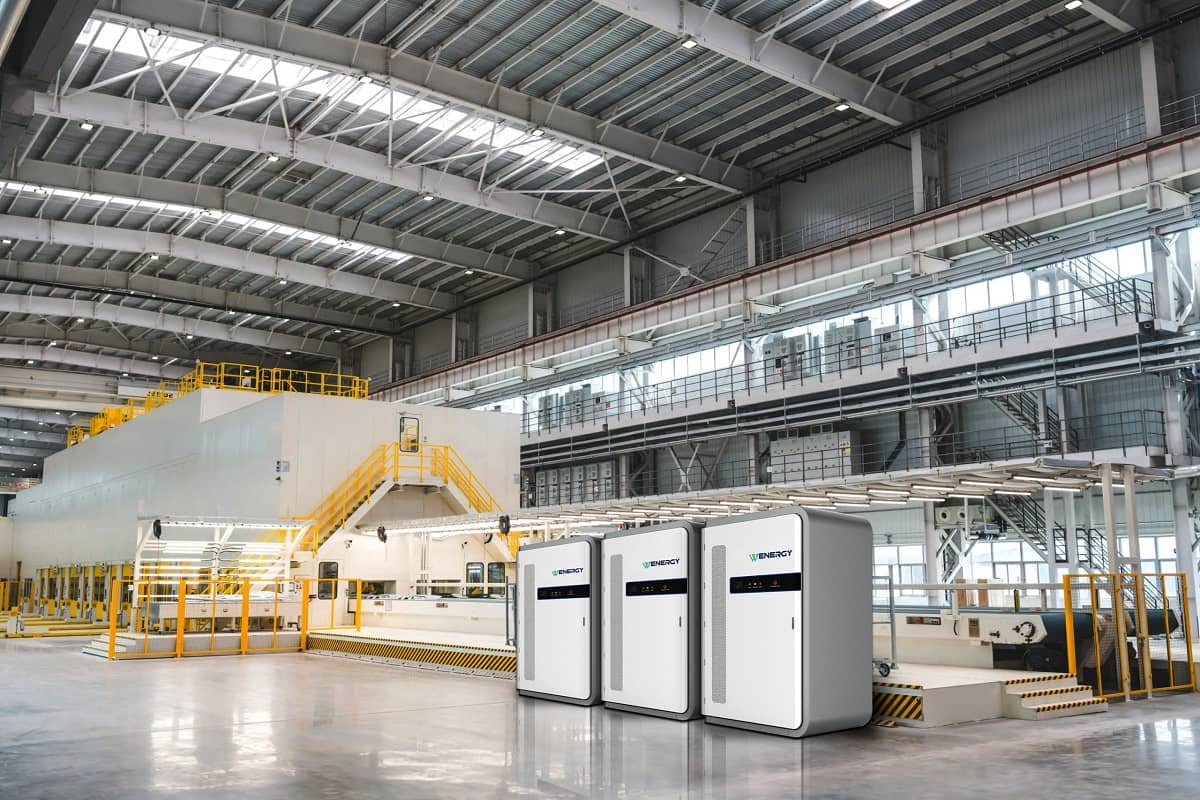
Energy independence does not mean complete isolation from the grid. For most commercial and industrial users, it refers to gaining greater control over how and when electricity is consumed. This is where commercial energy storage systems play a functional role. By storing electricity during off-peak hours and discharging it when demand is high, facilities can manage load profiles more effectively and reduce exposure to peak tariffs. In daily operations, commercial battery storage solutions also help smooth sudden power fluctuations caused by heavy machinery, automated production lines, or clustered charging equipment, making energy use more predictable and easier to plan.
Practical Scenarios Where Storage Supports Independence
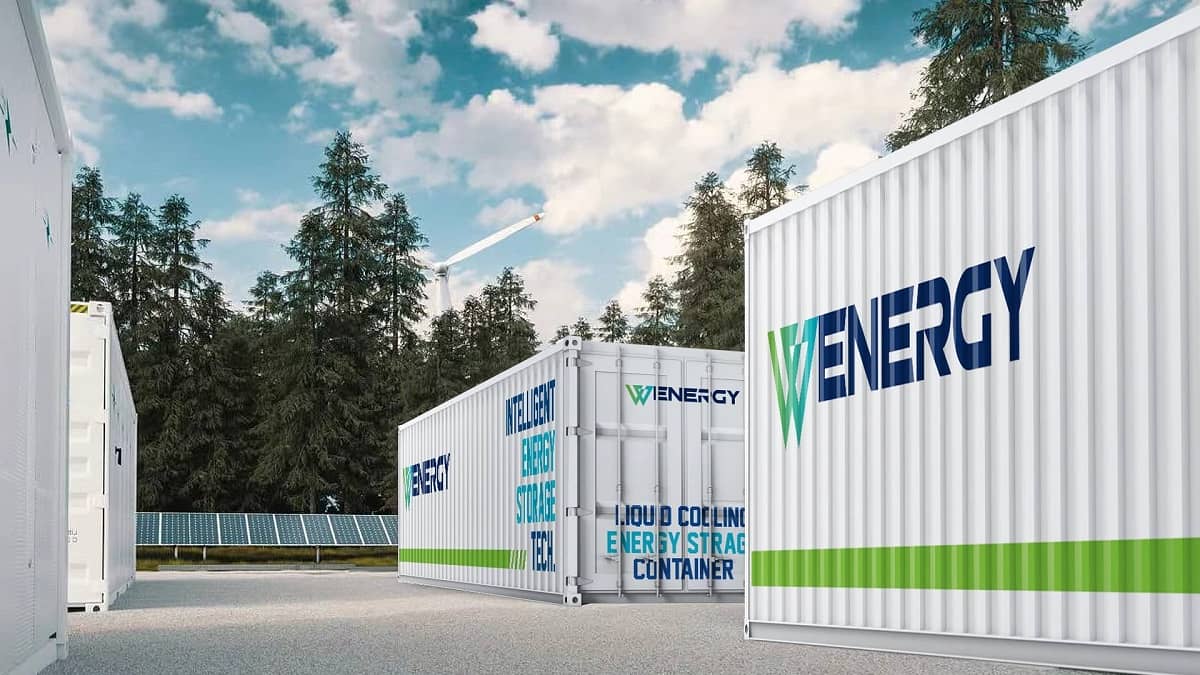
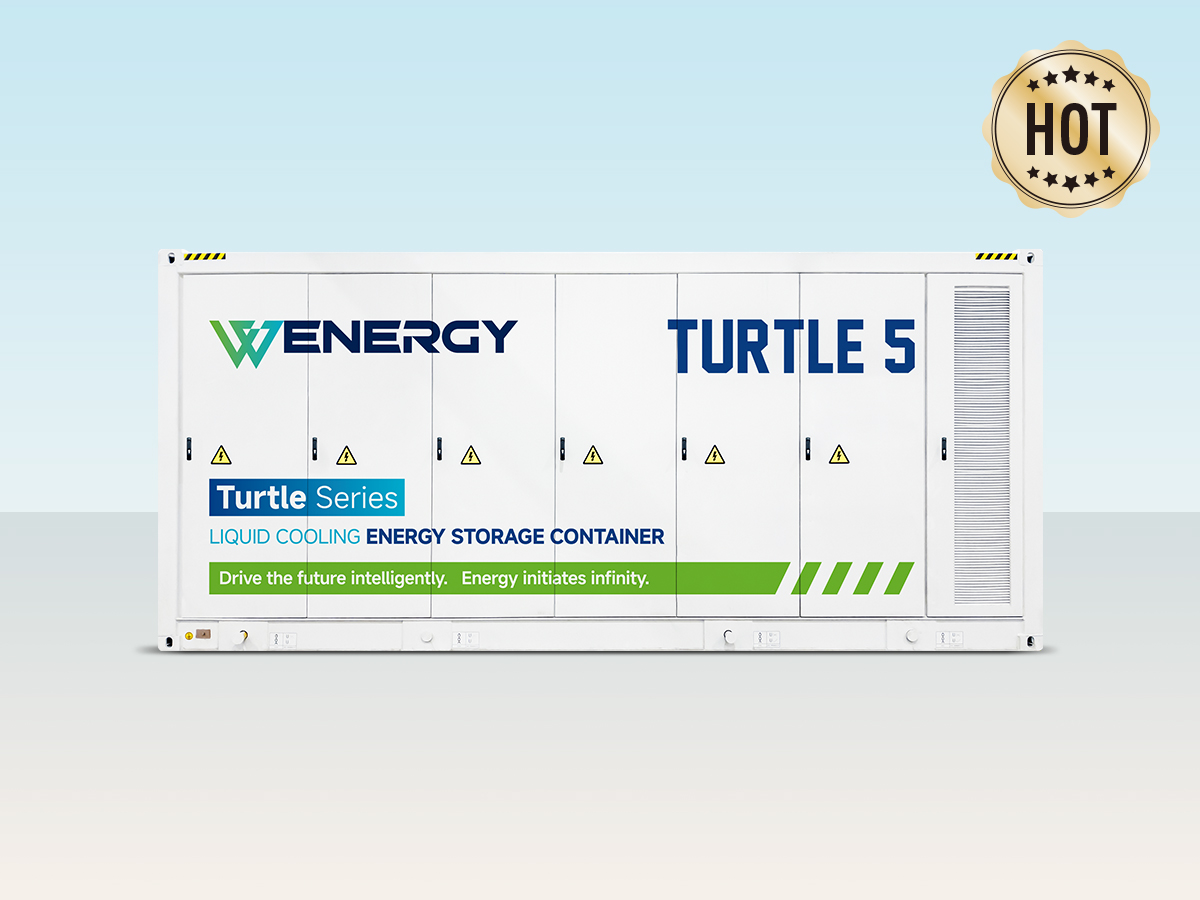
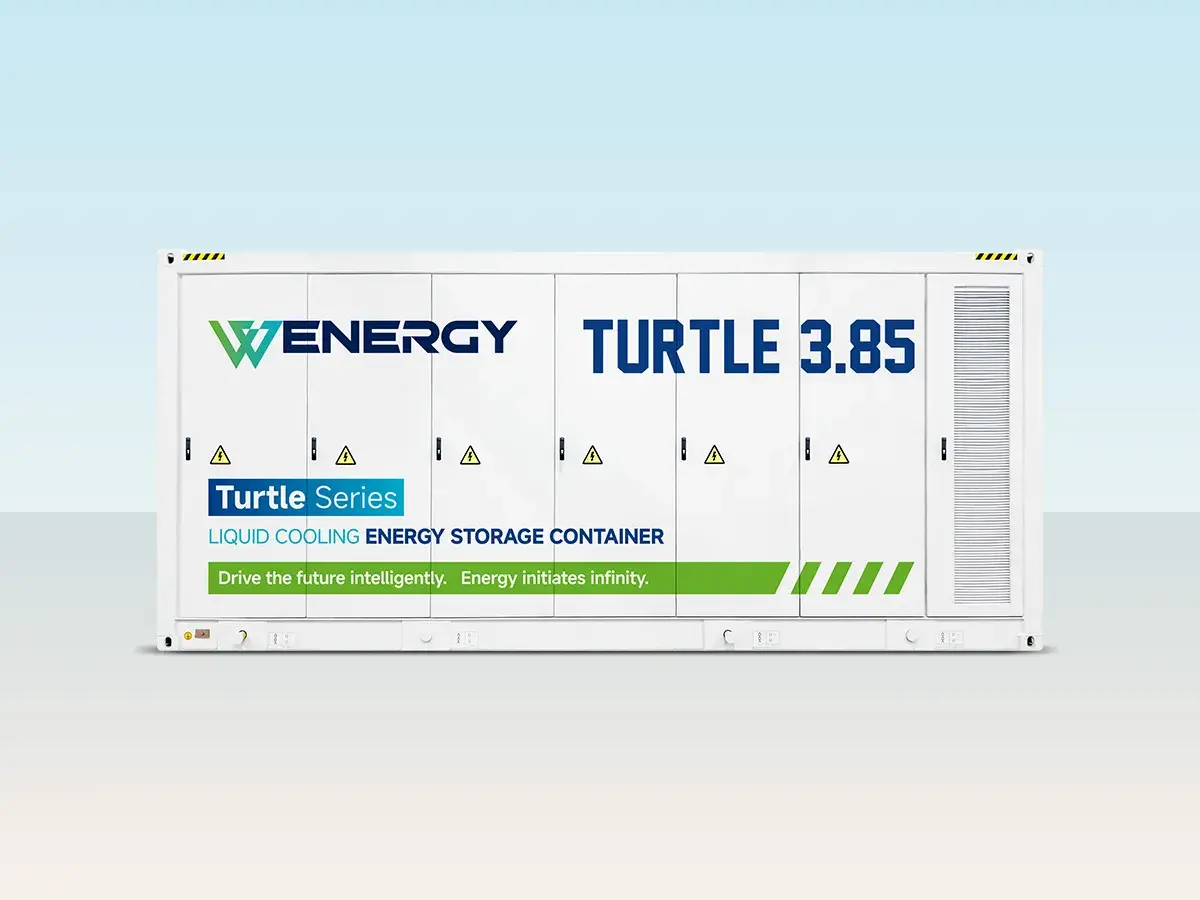
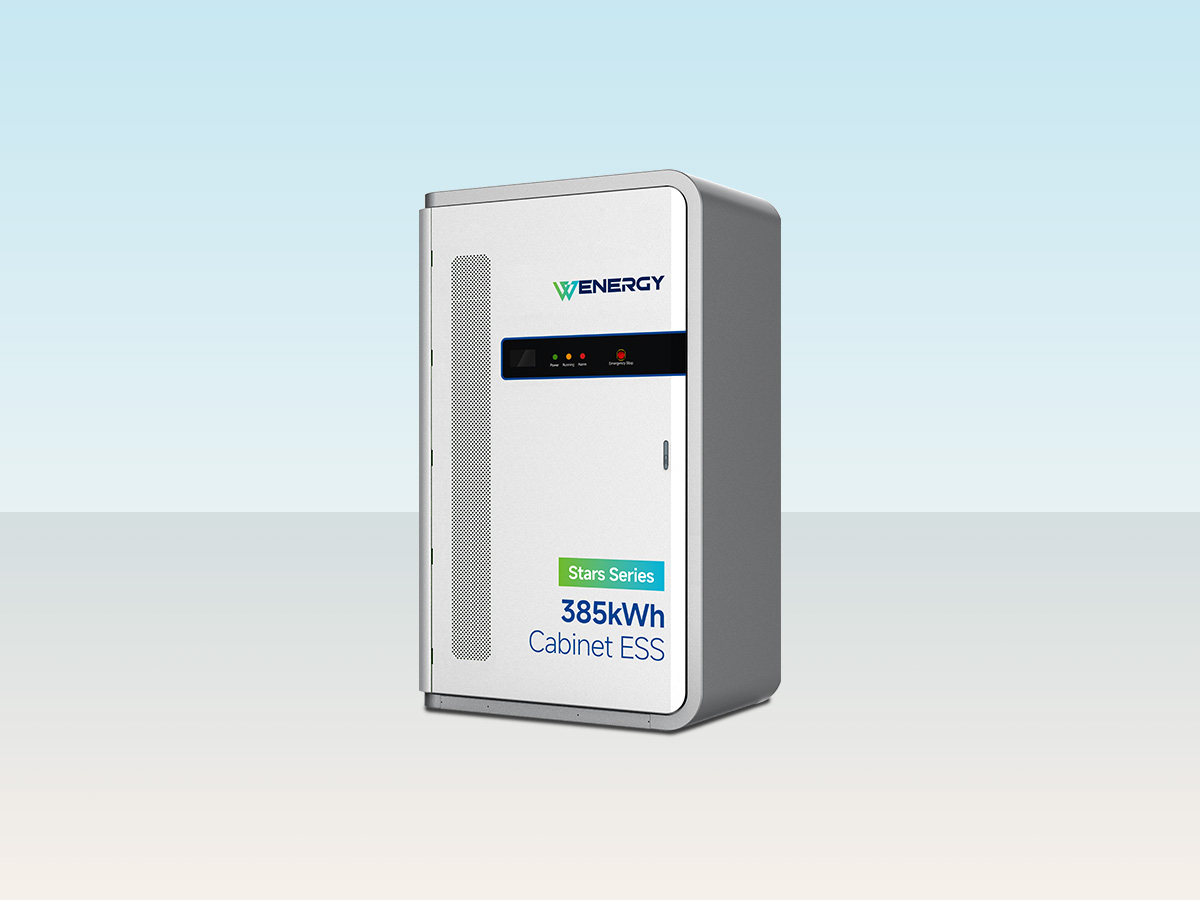
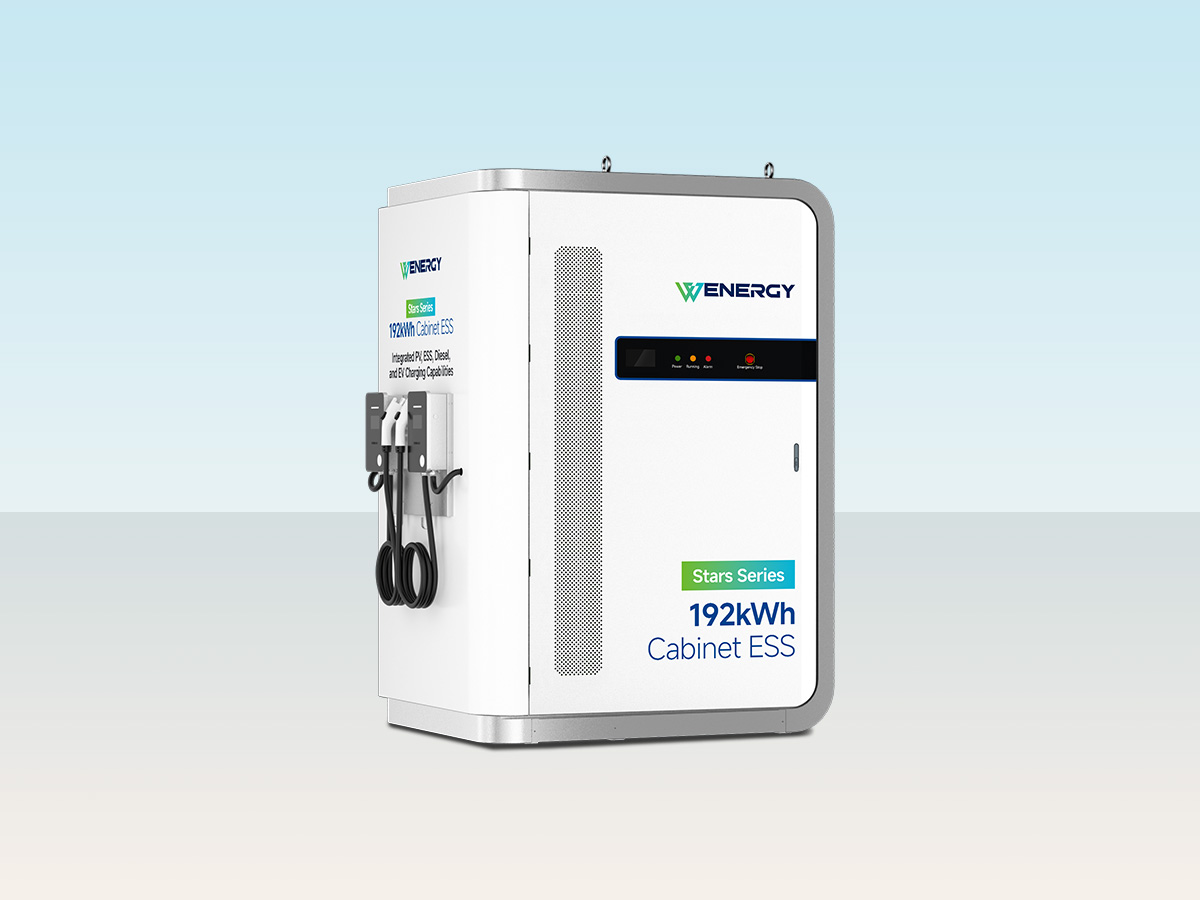
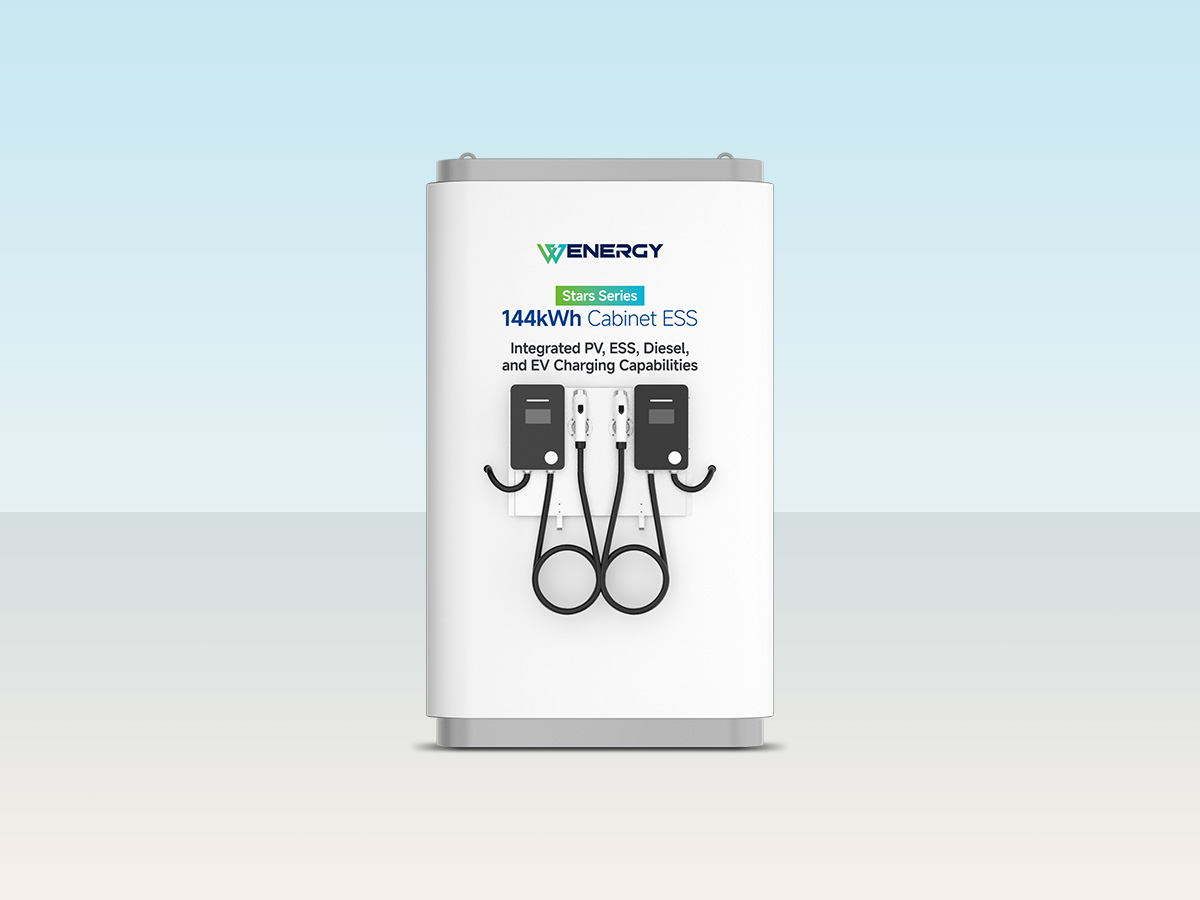
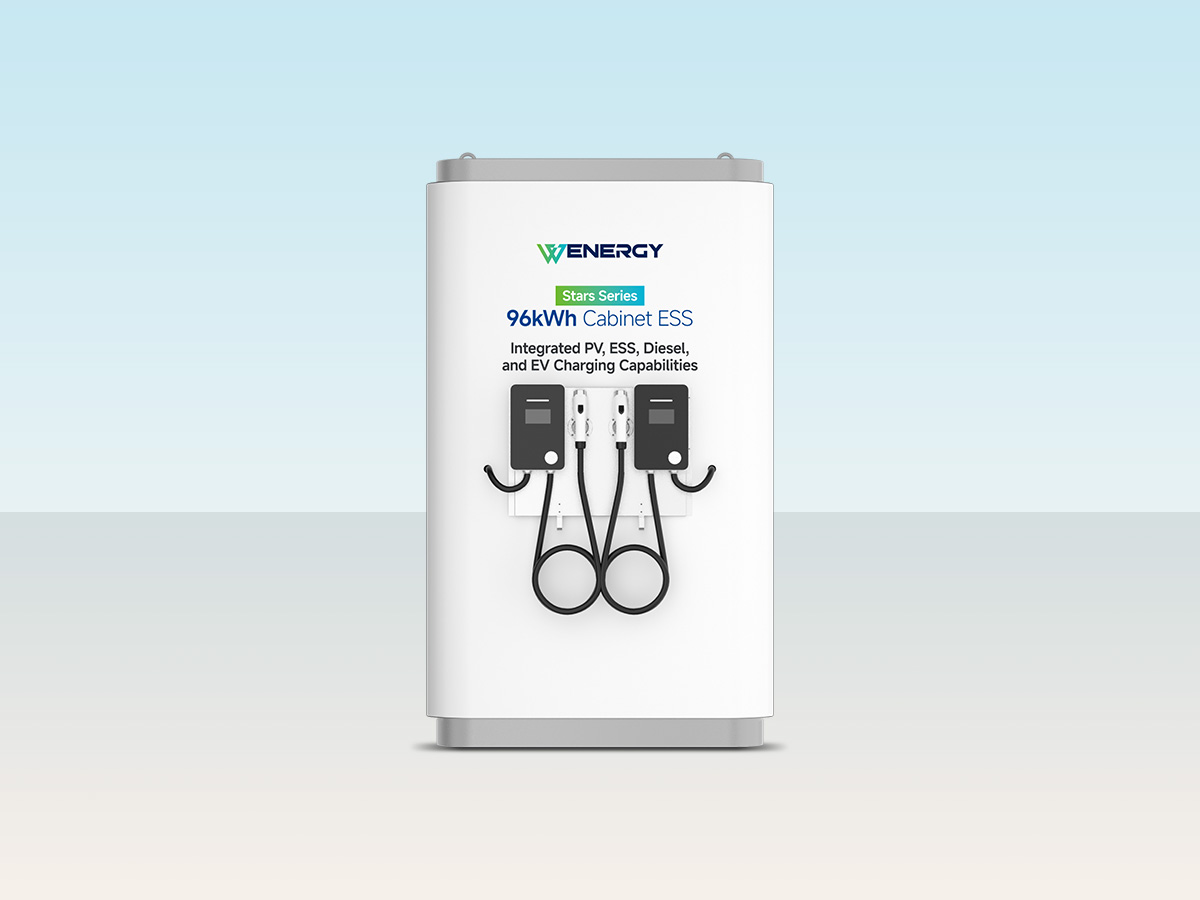
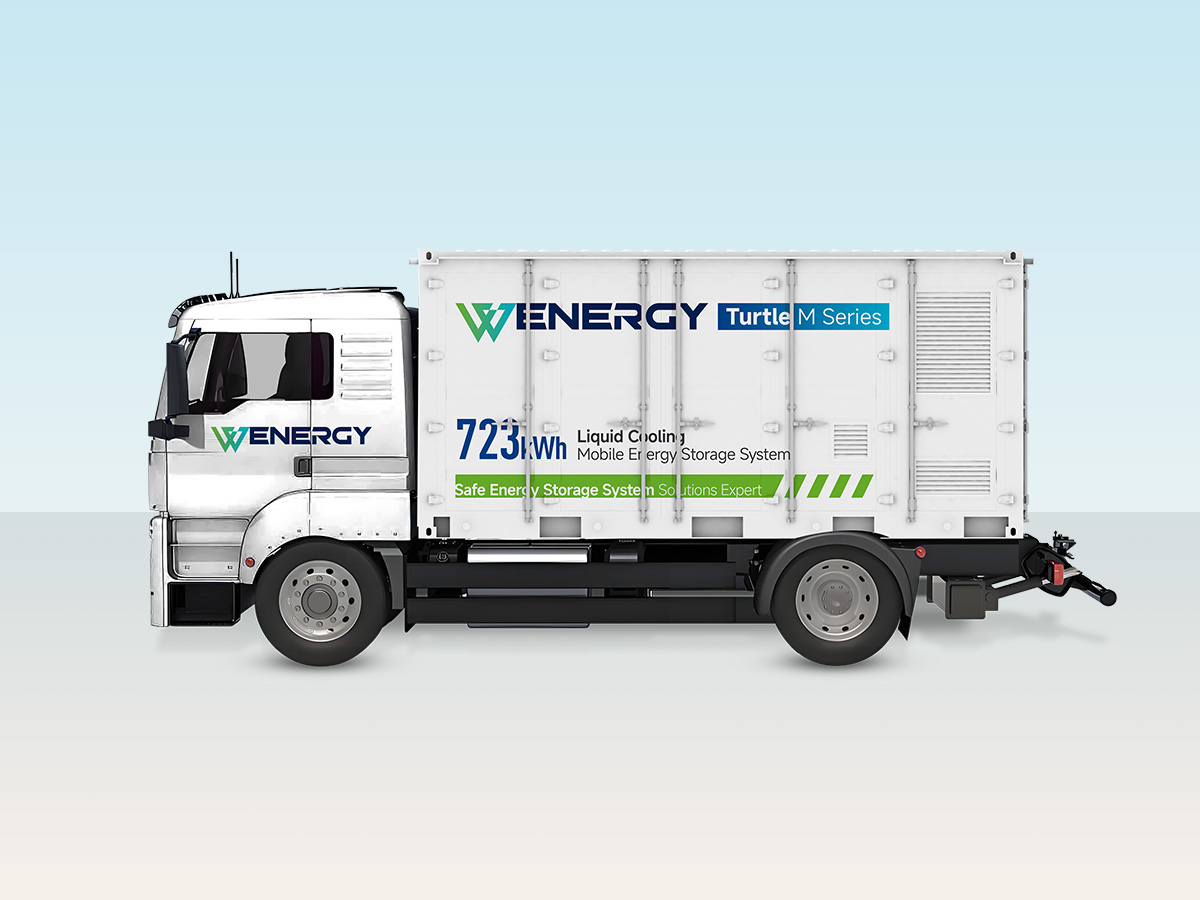
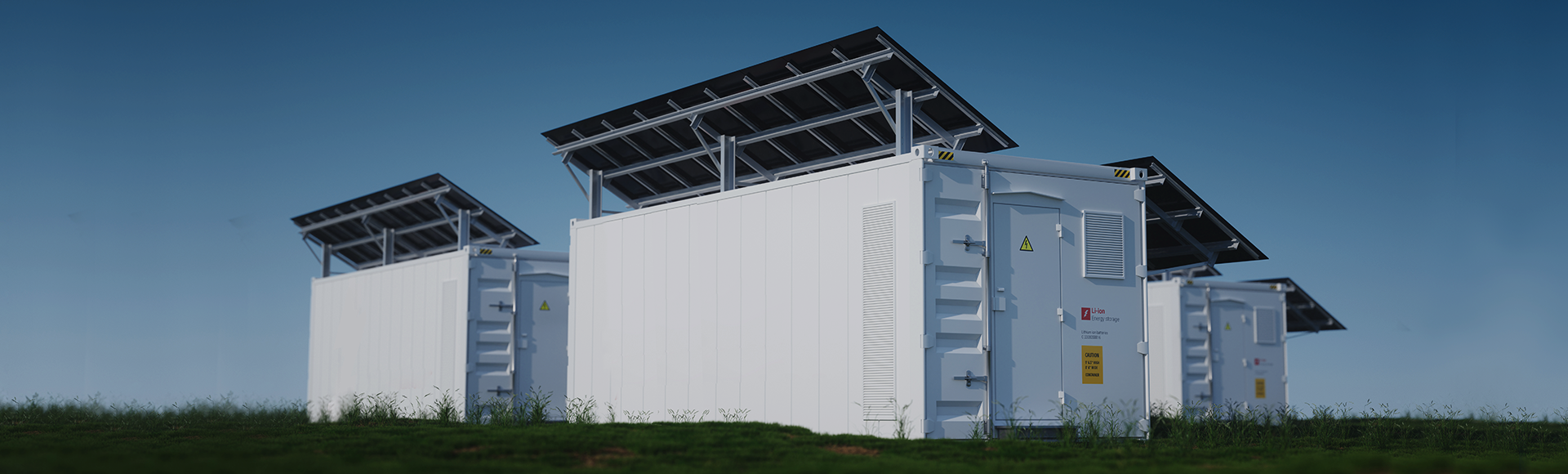
In real-world applications, commercial battery storage solutions are often deployed alongside renewable generation, microgrids, or fast-growing loads. Solar and wind integration benefits from energy storage by stabilizing output and limiting curtailment during periods of excess generation. In remote sites or facilities requiring high reliability, commercial energy storage systems contribute to backup power strategies and microgrid operation, especially in environments with challenging conditions. Our 385kWh All-in-one ESS Cabinet (DC Side) is designed to support scenarios such as commercial and industrial peak shaving, renewable energy integration, microgrids, emergency backup power, and EV charging stations, including installations at altitudes up to 4000 meters.
System Design, Integration, and Long-Term Operation
Energy independence is not achieved through equipment alone. System integration, certification compliance, and long-term service are equally important. At Wenergy, our work spans system design, manufacturing, testing, and after-sales support, allowing industrial and commercial users to deploy solutions that align with local grid requirements and operational goals. Commercial energy storage systems must integrate safely with existing electrical architecture, while commercial battery storage solutions require monitoring and maintenance strategies that support consistent performance over time. These factors influence not only short-term savings but also long-term operational reliability.
Conclusion: A Structured Path Toward Energy Control
Conclusion: Energy independence for industrial and commercial users is best viewed as a gradual, structured process rather than a single technical upgrade. By combining thoughtful energy planning with commercial battery storage solutions, businesses can respond more effectively to demand variability, renewable integration, and grid limitations. Commercial energy storage systems offer practical tools to improve flexibility and resilience when applied with clear objectives and appropriate system design. Through certified products, full-chain manufacturing, and ongoing service support, we continue to focus on helping users build energy strategies that fit their real operating environments.
Post time: Mar-09-2026