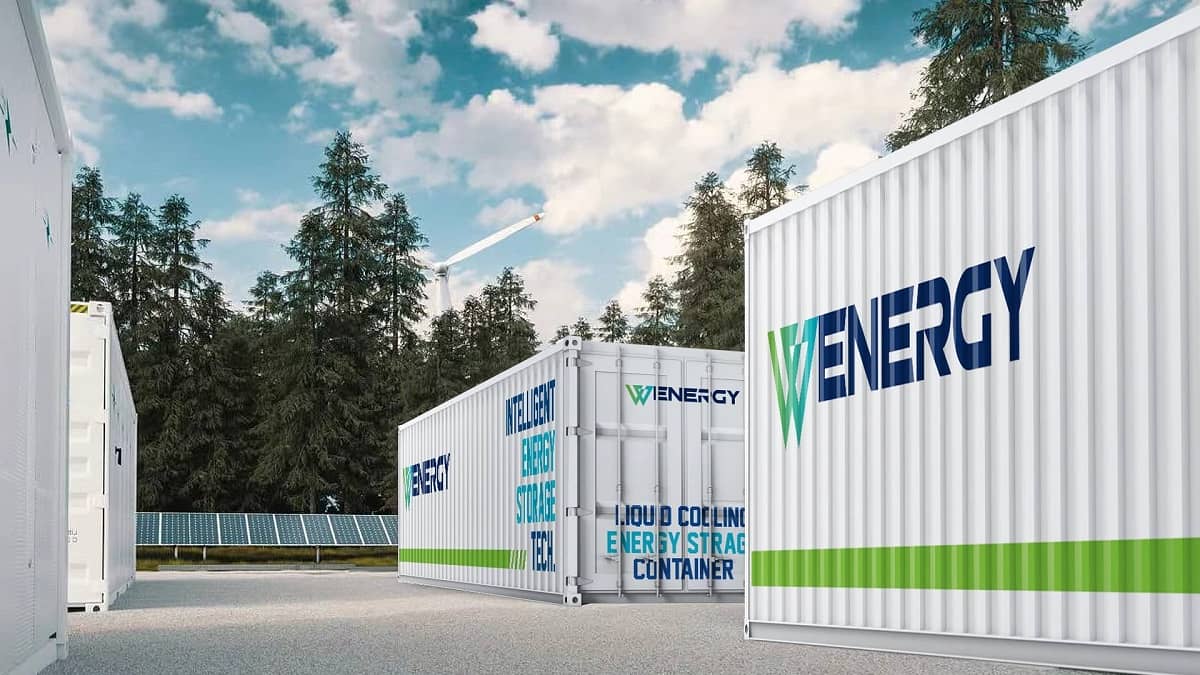
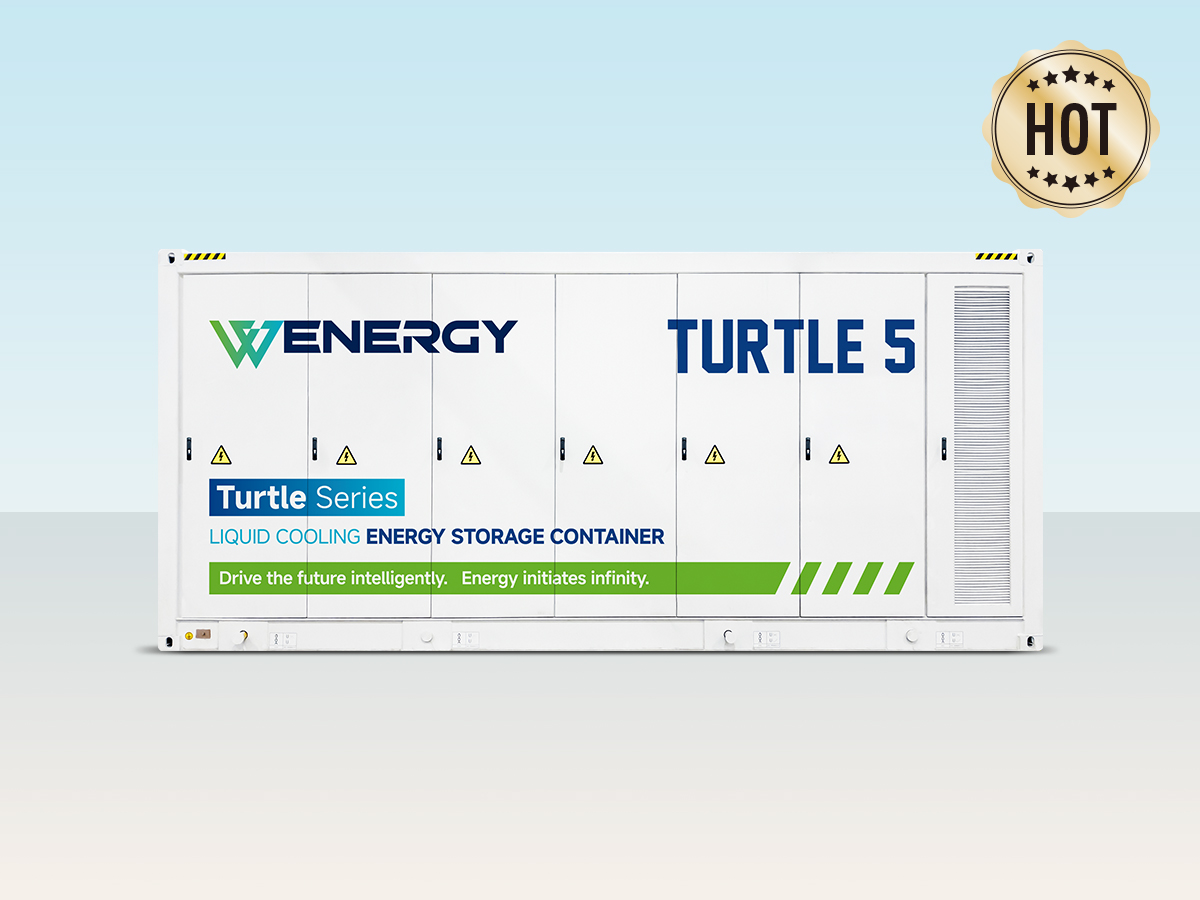
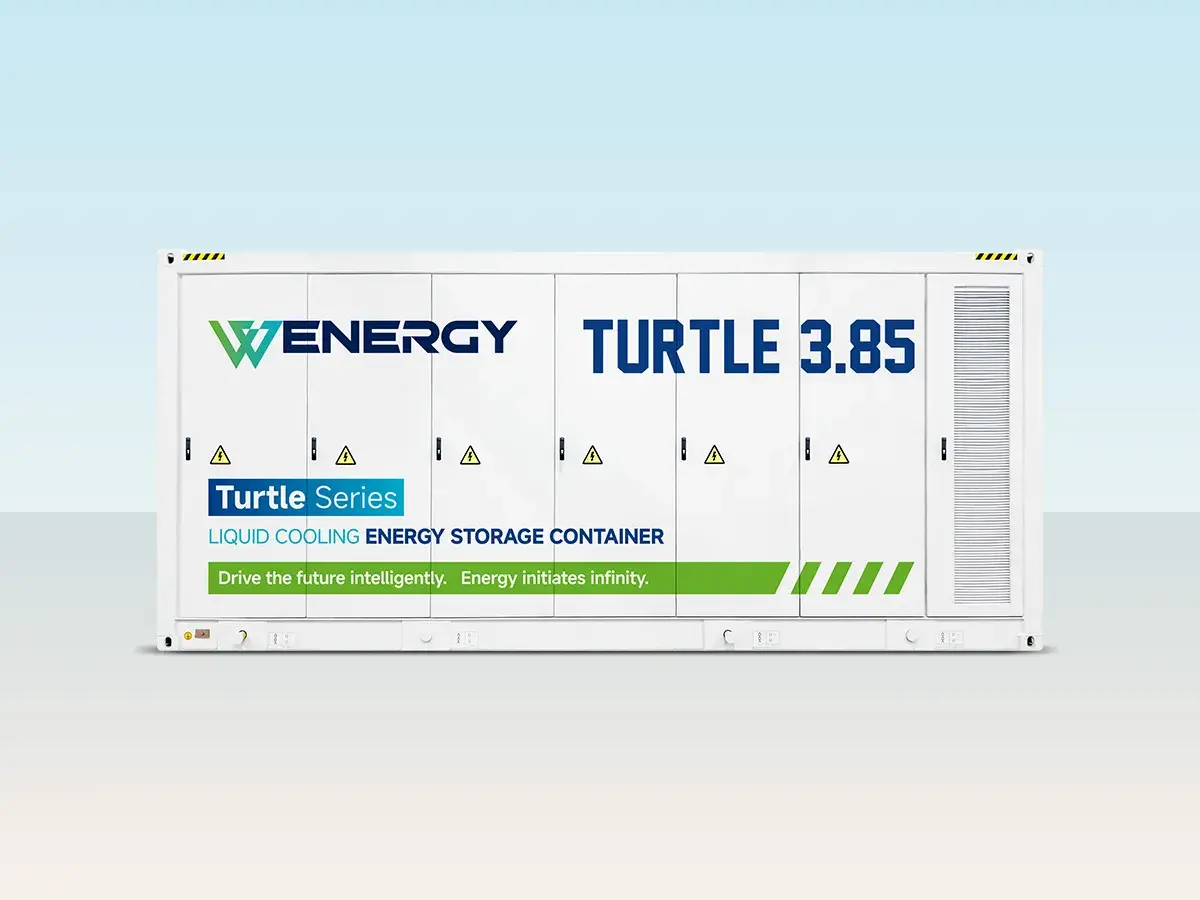

The thermal management strategies employed in energy storage equipment have undergone a quiet revolution over the past decade, evolving from simple ventilation to sophisticated liquid-based temperature control. This progression reflects the increasing demands placed on modern battery systems, which must deliver higher power densities, faster charge and discharge rates, and longer operational lifetimes than ever before. Air cooling, while adequate for early storage applications, encounters fundamental physical limitations when tasked with maintaining uniform temperatures across densely packed battery cells operating at high currents. The industry’s response to these limitations has driven the development of advanced thermal architectures that fundamentally change what is possible in commercial and industrial storage. As a liquid cooling energy storage system manufacturer, Wenergy has positioned our development efforts at the forefront of this technological evolution.
The Physical Limitations of Air Cooling in Modern Applications
Early energy storage systems relied on forced air circulation to manage battery temperatures, a approach borrowed from conventional electronics cooling. Air, however, possesses relatively low thermal conductivity and heat capacity, meaning that large volumes must move rapidly to extract significant heat. In compact cabinet designs with high energy density, air cooling struggles to maintain temperature uniformity across all cells, leading to hot spots that accelerate degradation and create safety concerns. These limitations become particularly pronounced during high-rate charge and discharge cycles common in commercial peak shaving and grid support applications. As project developers sought greater power capacity within limited footprints, the inadequacies of air cooling became impossible to ignore. This realization prompted leading liquid cooling energy storage system manufacturer organizations to explore alternative thermal management strategies capable of supporting next-generation performance requirements.
The Performance Advantages of Liquid Cooling Technology
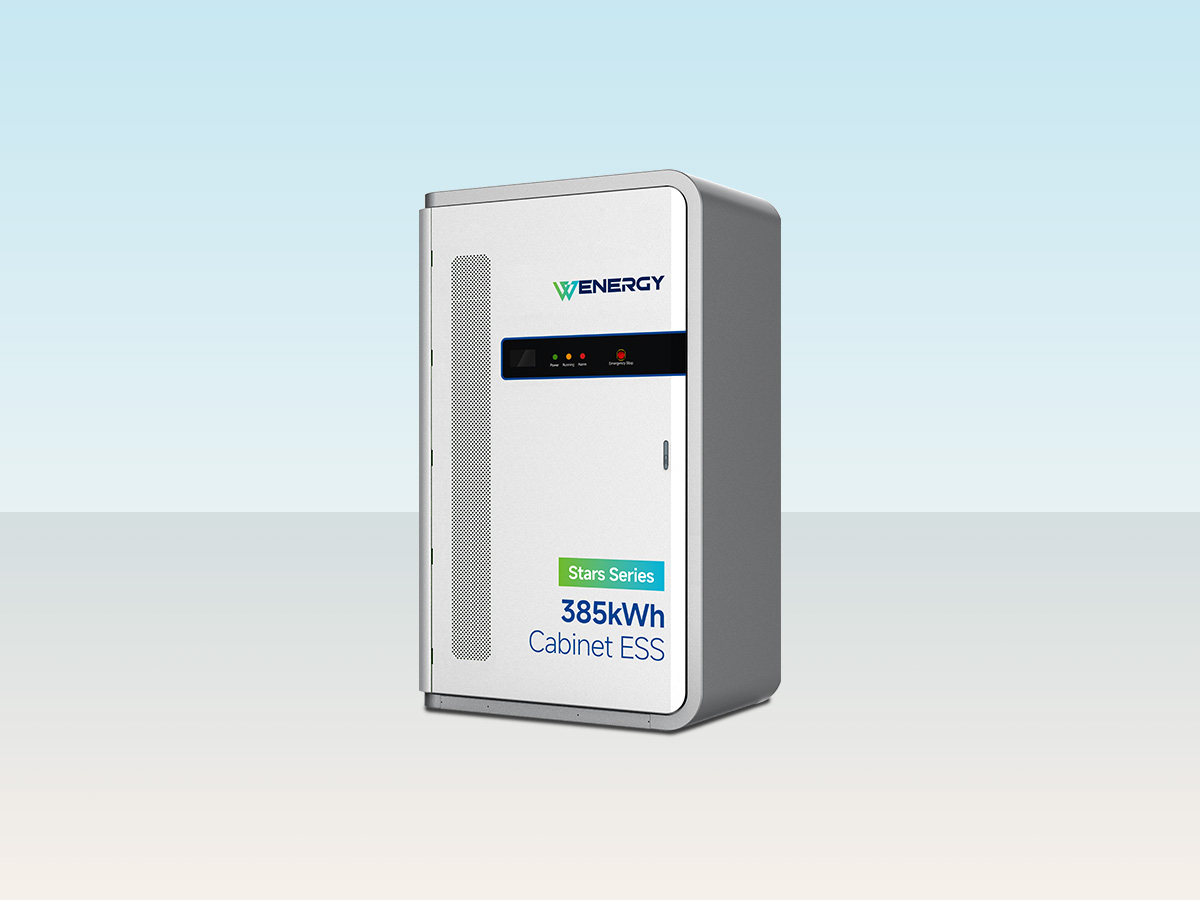
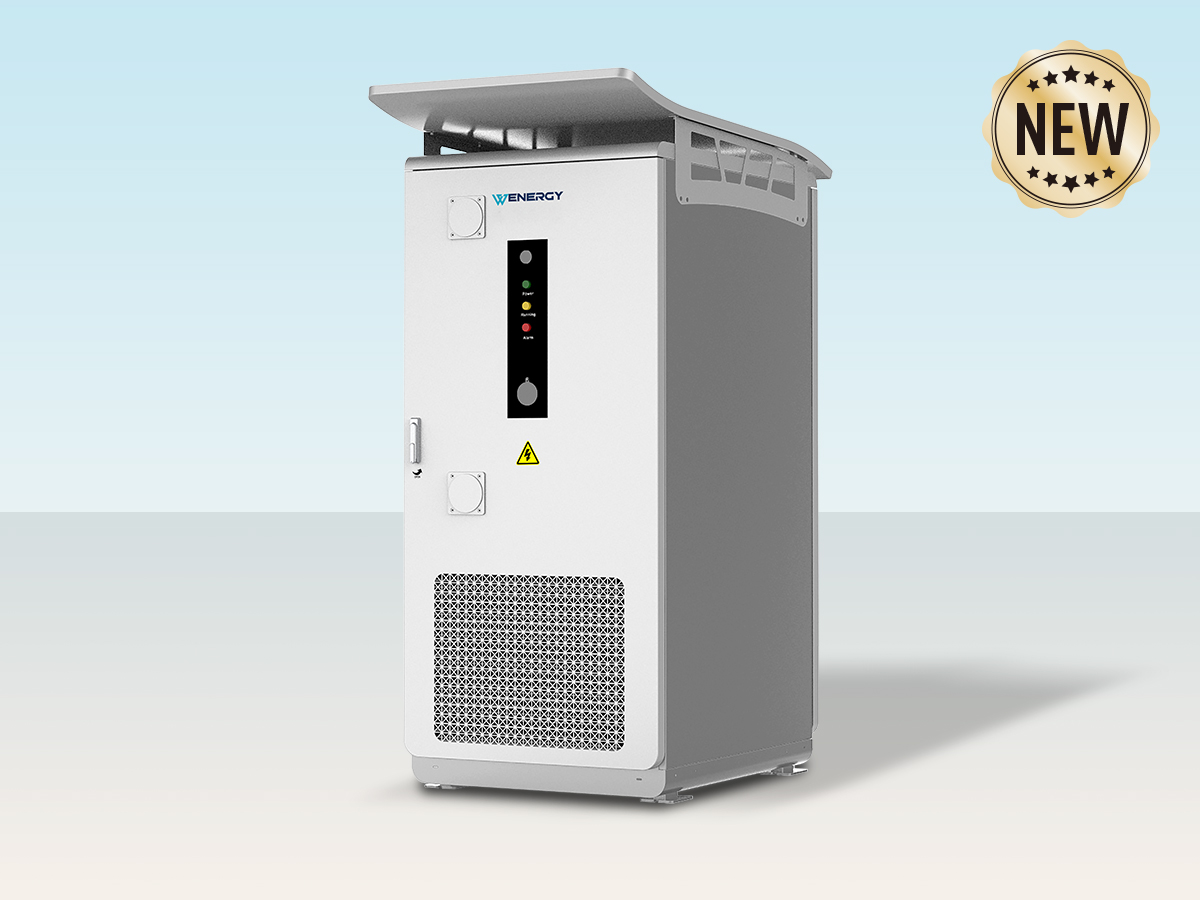
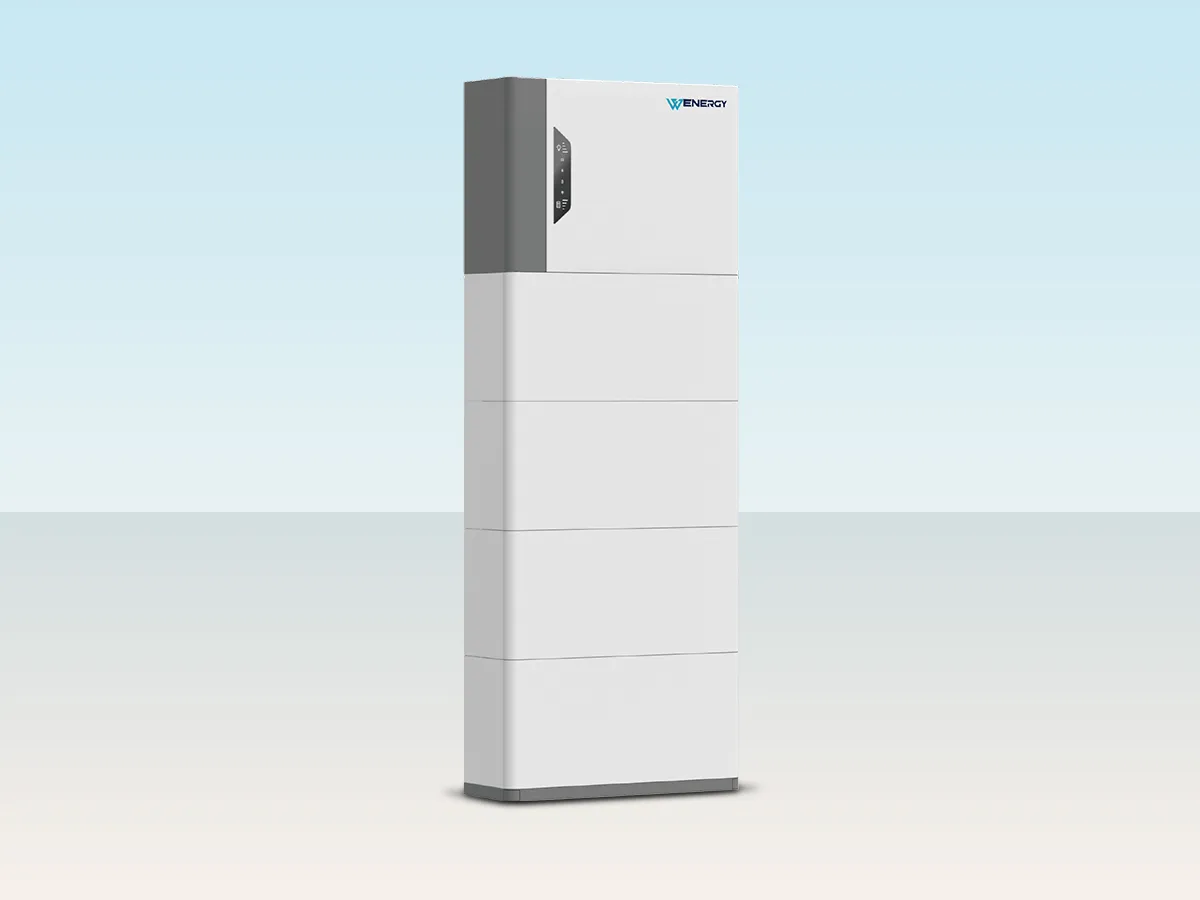
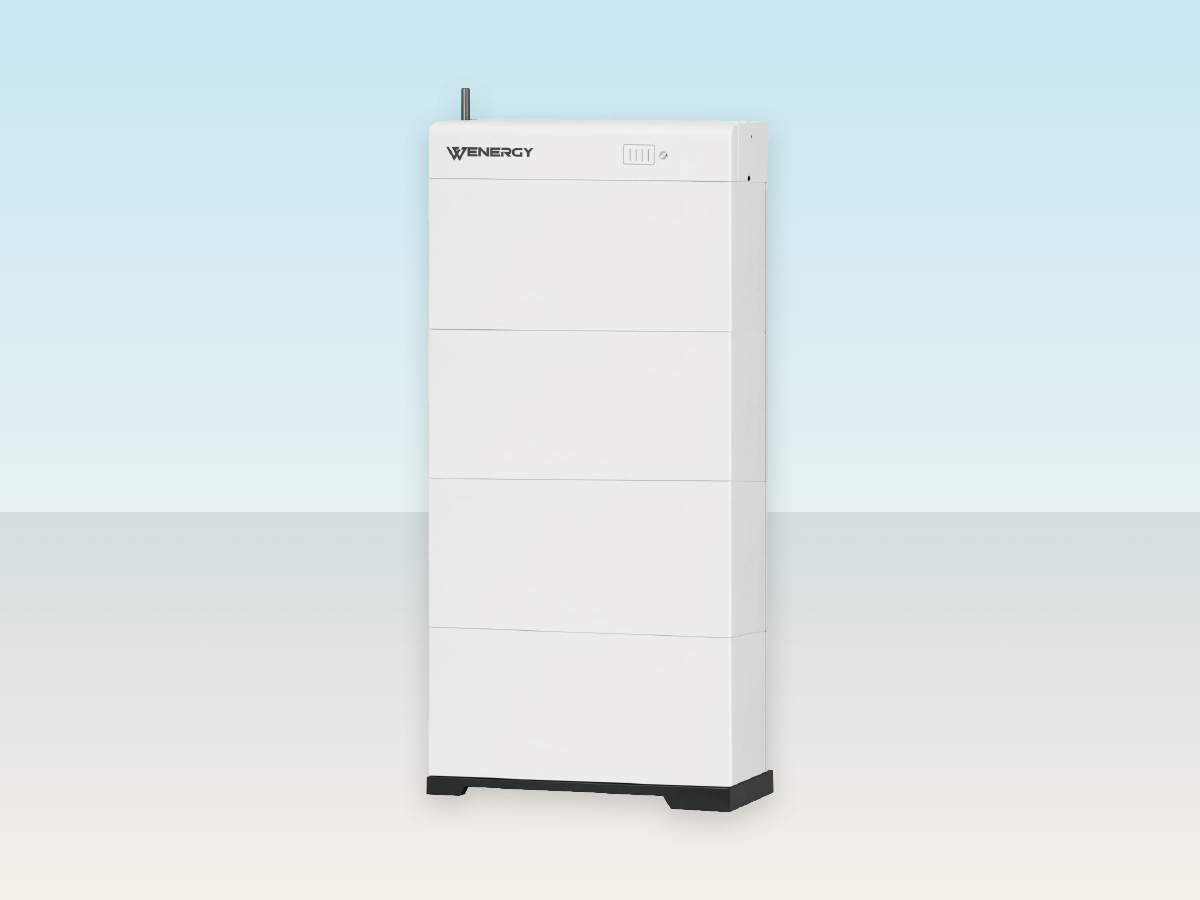
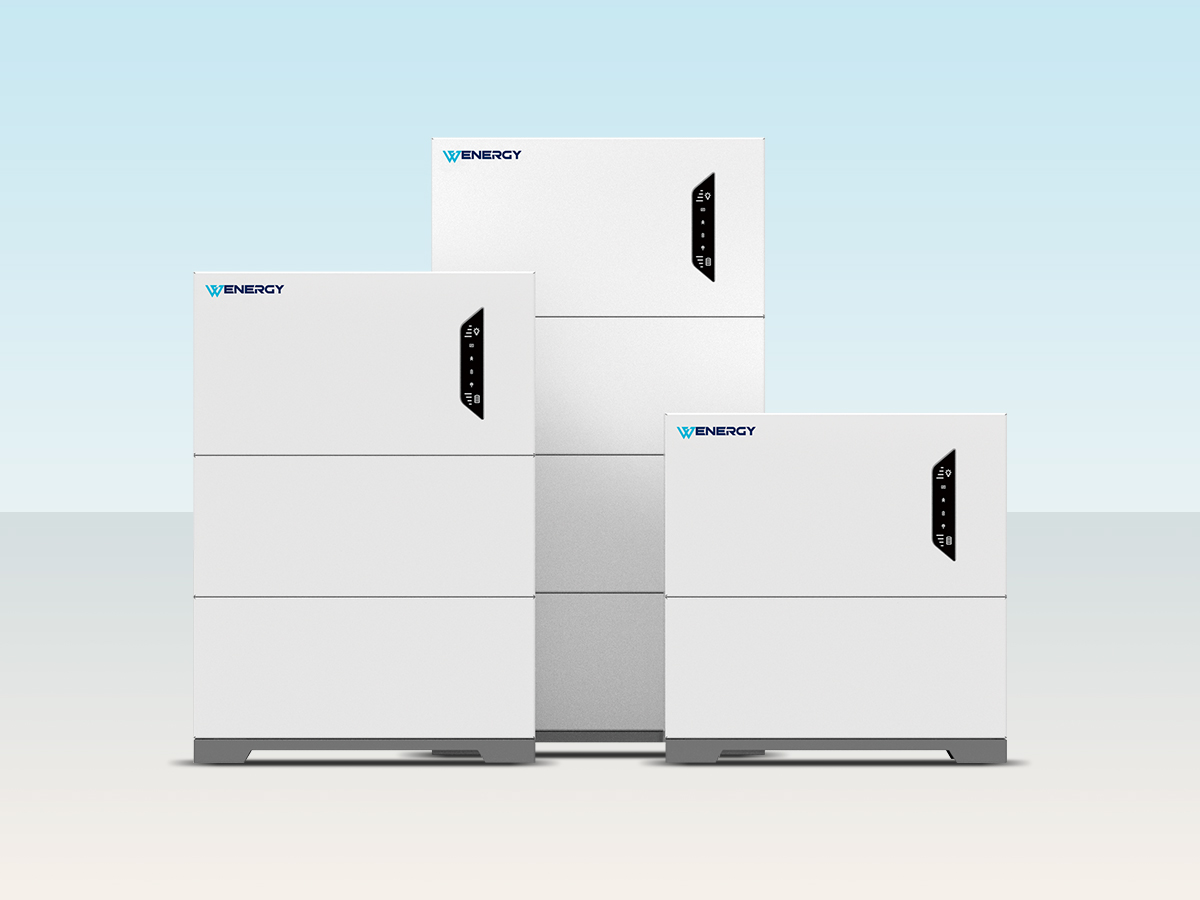
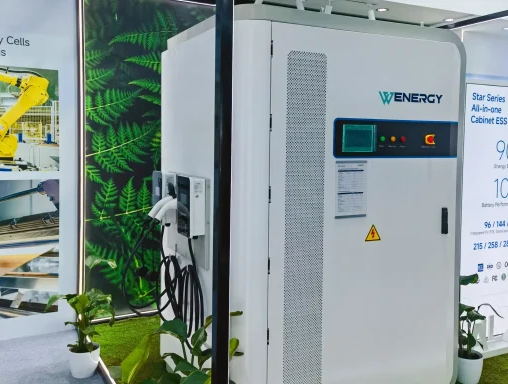
Liquid cooling represents a fundamental advancement in thermal management, leveraging the superior heat transfer properties of engineered fluids to maintain optimal battery temperatures under all operating conditions. Wenergy’s 261kWh liquid cooling energy storage system exemplifies this approach, incorporating a high-efficiency liquid cooling architecture that circulates coolant through carefully designed channels adjacent to battery cells. This configuration extracts heat far more effectively than air, maintaining temperature differentials across the entire array within a narrow band regardless of ambient conditions or discharge rates. The benefits extend throughout the system: superior thermal balance extends battery cycle life by minimizing stress on individual cells, stable performance continues even during extreme environmental conditions, and overall system reliability improves through reduced thermal cycling. For commercial and industrial facilities demanding maximum return on their storage investment, these advantages translate directly into extended equipment life and lower total cost of ownership.
Practical Benefits and Optional Capabilities for Commercial Users
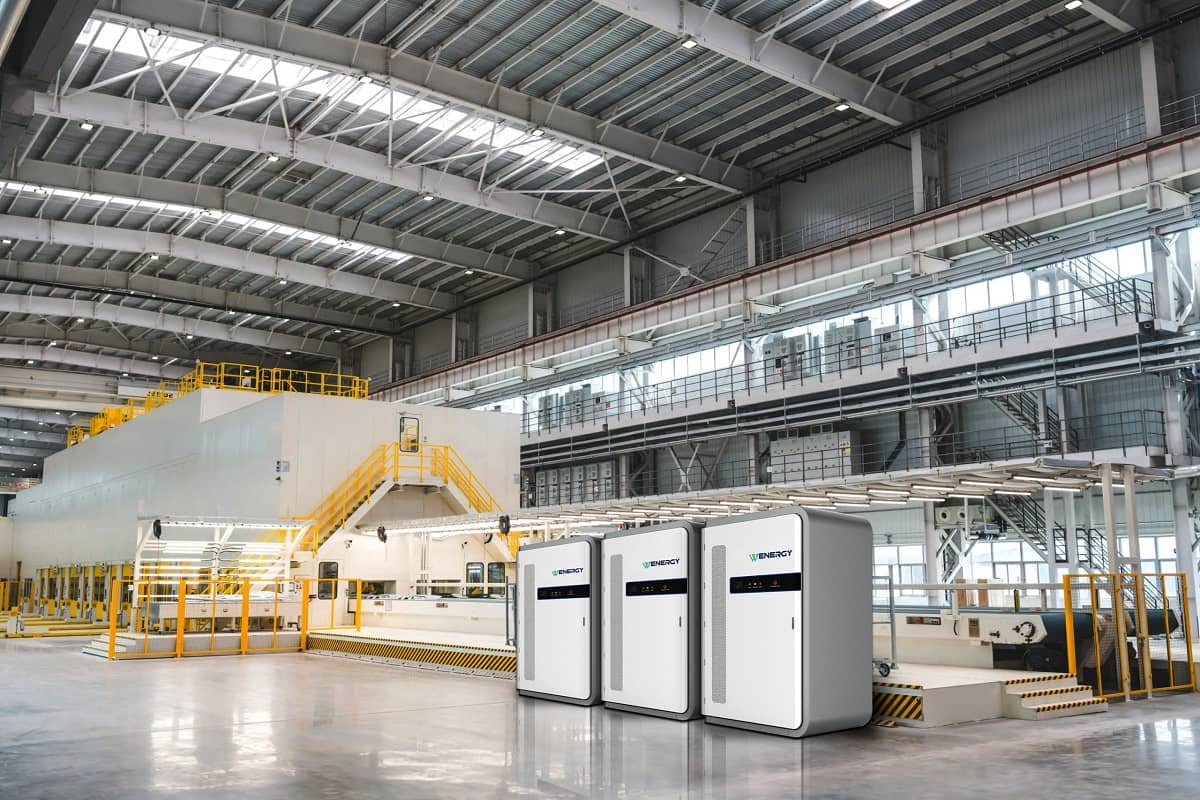
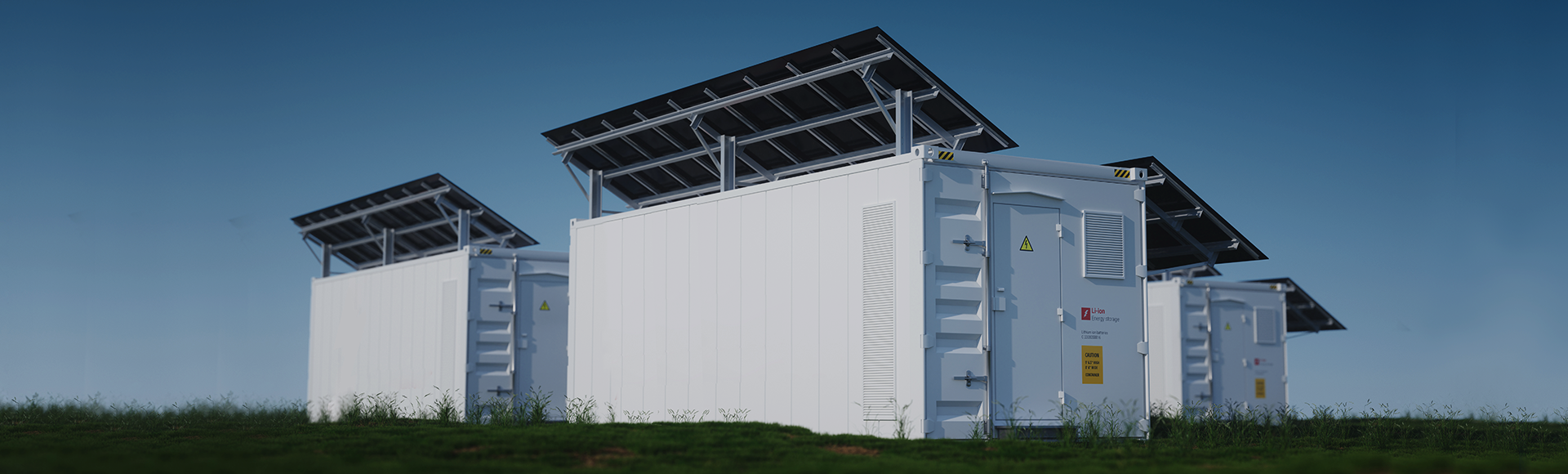
The evolution to liquid cooling enables additional capabilities that further enhance value for commercial and industrial applications. The compact form factor of Wenergy’s 261kWh cabinet demonstrates that liquid cooling allows greater energy density within smaller footprints, freeing valuable floor space for revenue-generating activities. This small size combined with substantial power capacity delivers genuine flexibility for sites with space constraints. Beyond the base configuration, users may upgrade to Pro specifications incorporating MPPT for solar integration, STS for seamless transfer switching, and EV charging capabilities that transform the storage asset into a multi-functional energy hub. An optional protective top cover provides additional weather resistance for exposed installations. As a liquid cooling energy storage system manufacturer committed to practical innovation, Wenergy designs these systems with real-world deployment considerations in mind. The combination of advanced thermal technology with flexible configuration options ensures that commercial users receive equipment aligned with their specific operational requirements and growth projections.
The transition from air cooling to liquid cooling represents more than incremental improvement; it enables a new generation of energy storage capabilities previously unattainable within practical footprints. By overcoming the thermal limitations inherent in air-based systems, liquid cooling technology supports higher power densities, longer operational lifetimes, and more consistent performance across diverse environmental conditions. طاقة‘s 261kWh liquid cooling energy storage system demonstrates these advances in a compact, configurable package suitable for demanding commercial and industrial applications. As a liquid cooling energy storage system manufacturer dedicated to pushing technological boundaries, we continue developing solutions that help our customers achieve their energy independence and financial objectives through superior thermal management and intelligent system design.
Post time: May-15-2026