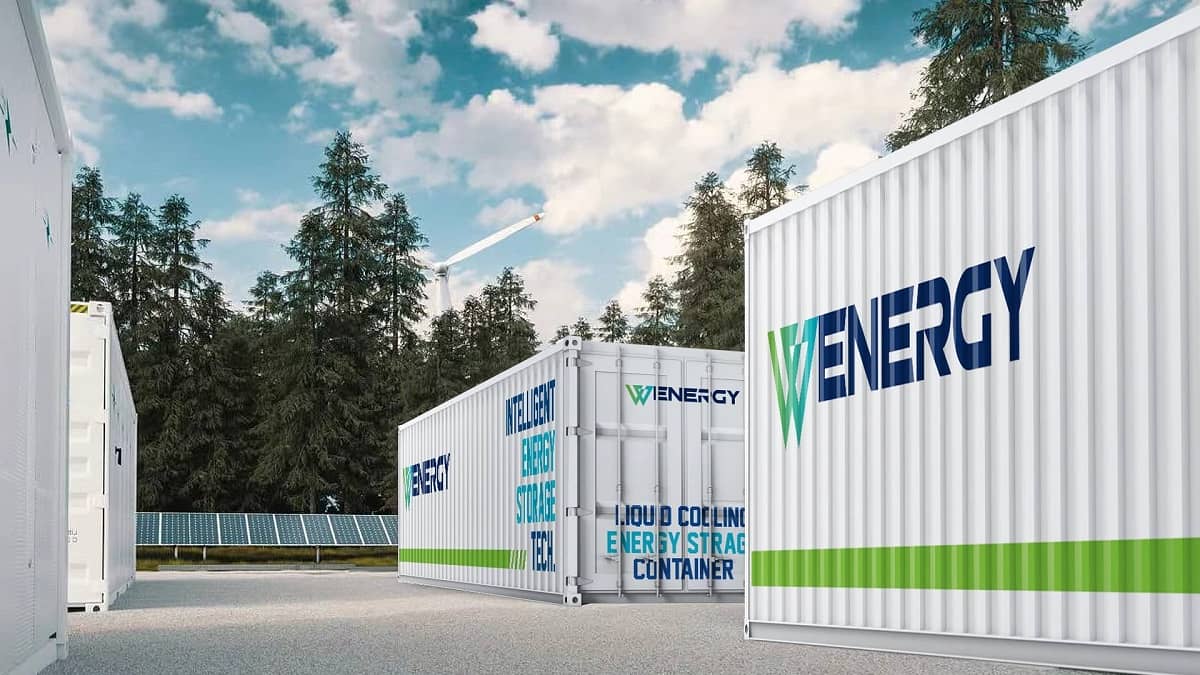

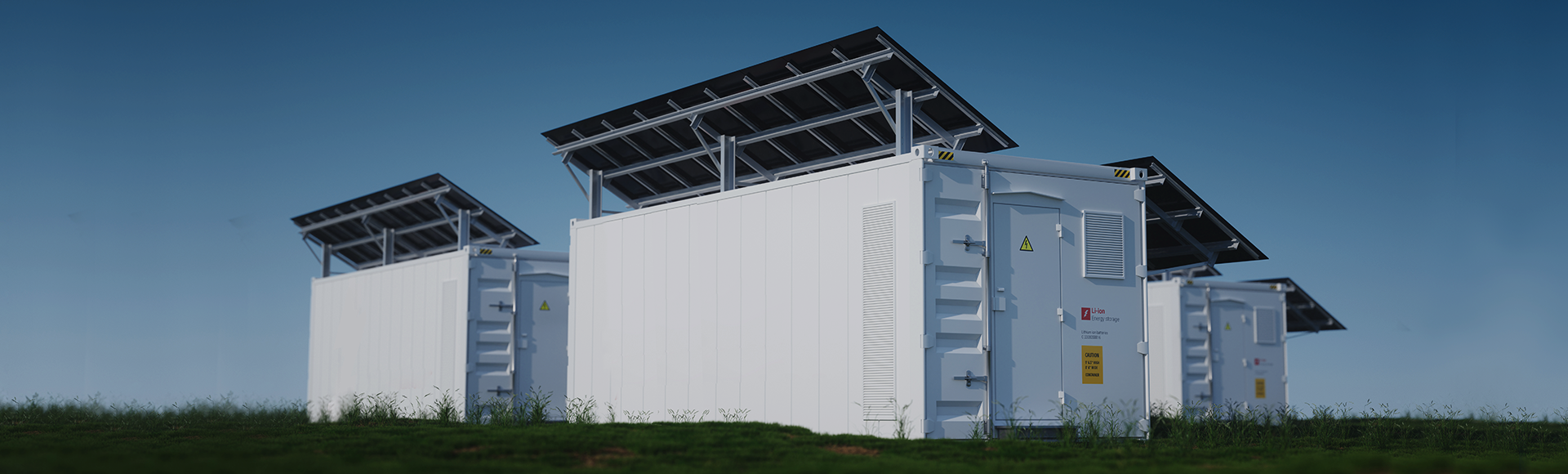
For facility managers and project operators, the total cost of owning an energy storage system extends far beyond the initial purchase price. Ongoing maintenance—particularly thermal management upkeep—often represents a hidden expense that erodes project returns over time. Traditional air-cooled systems require regular filter cleaning, fan replacement, and dust management, especially in industrial environments with airborne particulates. A liquid-cooling energy storage system fundamentally changes this equation. By replacing moving mechanical components with sealed liquid circulation loops, liquid cooling reduces routine maintenance tasks, extends service intervals, and improves overall system reliability. Understanding these operational advantages helps project owners make smarter technology selections.
Fewer Mechanical Components Mean Less Wear
The most maintenance-intensive components in an air-cooled battery system are fans. A typical air-cooled cabinet contains dozens of high-speed fans that operate continuously, each with a rated lifespan of 40,000 to 70,000 hours. Under real-world conditions with dust, humidity, and temperature extremes, fan failures are common, requiring site visits, diagnostic time, and replacement parts. In contrast, a liquid-cooling energy storage system uses a sealed circulation loop with a single pump or small pump set. The pump contains only one moving part and typically operates at lower speeds with better lubrication. Furthermore, the liquid-cooling BESS eliminates air filters entirely—components that in dusty environments clog monthly and demand repeated cleaning or replacement. Fewer parts naturally translate to fewer failure points and lower labor costs over the system’s lifetime.
Consistent Thermal Performance Reduces Degradation-Related Interventions
Beyond component reliability, a liquid-cooling BESS maintains more uniform battery temperatures than air-cooled alternatives. Air cooling often creates temperature gradients across battery modules, with cells near the airflow inlet running significantly cooler than those at the exhaust. These gradients accelerate differential aging, meaning some cells degrade faster than others. When cell imbalances become severe, operators must perform manual balancing procedures or premature battery replacements—both costly maintenance events. A liquid-cooling BESS keeps all cells within a tight temperature window, typically ±2°C versus ±8°C for air cooling. This uniformity slows degradation, extends cycle life, and pushes out the date of first major battery maintenance. Over a ten-year operating period, the reduced need for cell matching and balancing interventions delivers substantial savings.
Environmental Resilience Further Lowers Workload
Industrial and outdoor installations face harsh conditions—desert dust, coastal salt spray, freezing winters, and high humidity. Air-cooled systems ingest whatever is in the surrounding atmosphere, requiring sealed electronics and frequent cleaning. A liquid-cooling energy storage system keeps battery enclosures largely sealed from the external environment. The liquid loop rejects heat through a compact heat exchanger or radiator, which can be cleaned from the outside without opening the battery compartment. This sealed architecture means less moisture ingress, less corrosion, and fewer contamination-related failures. For operators managing fleets of storage assets across multiple sites, the reduced cleaning schedule of a liquid-cooling BESS translates directly into lower field service costs and higher system availability.
Lower Maintenance, Higher Returns
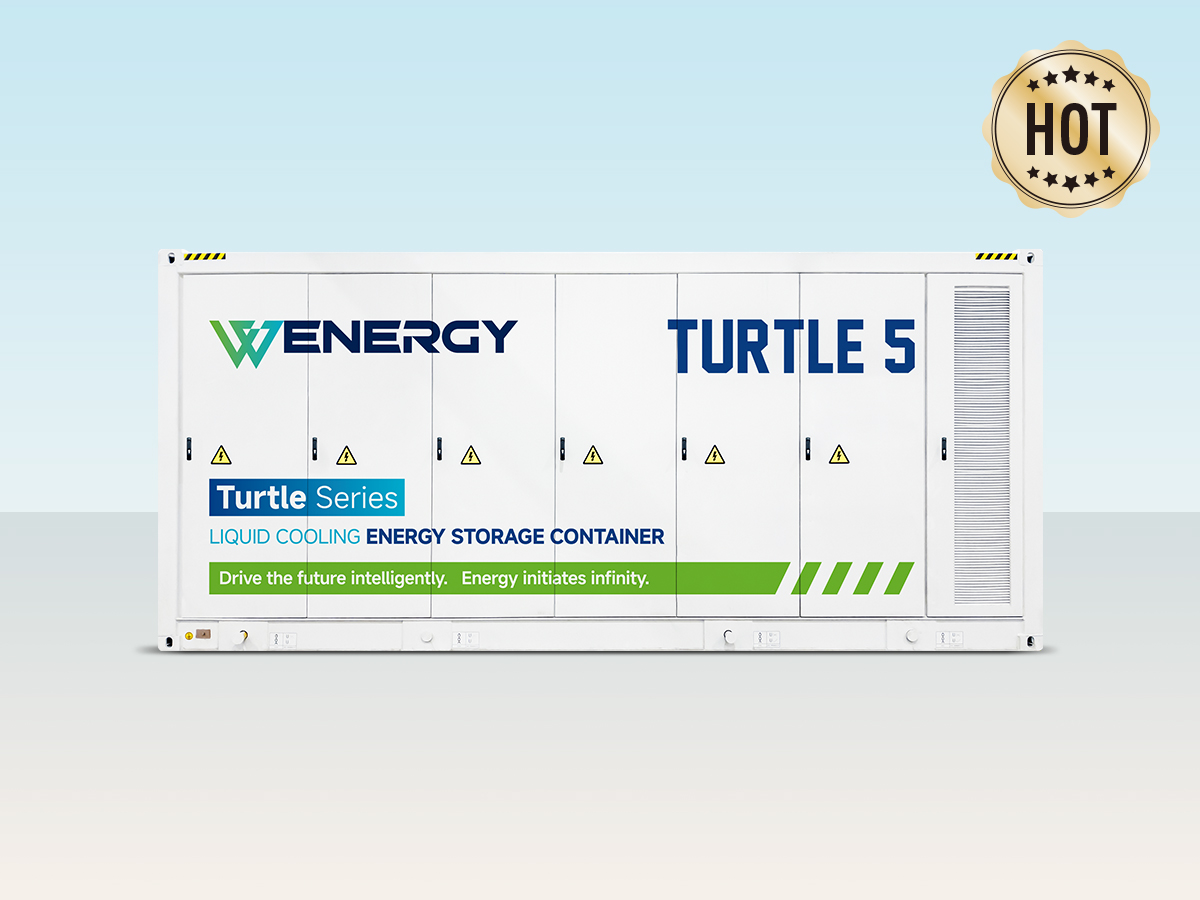
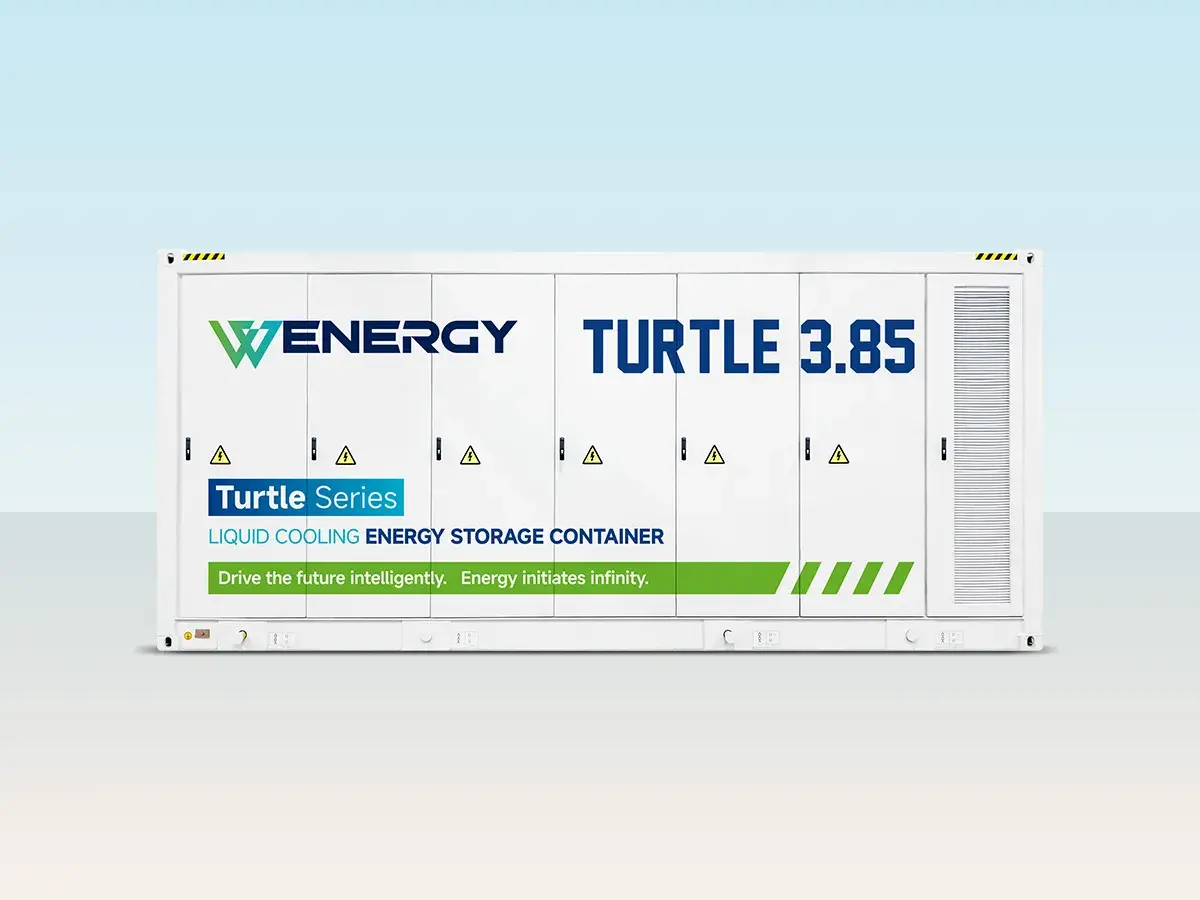
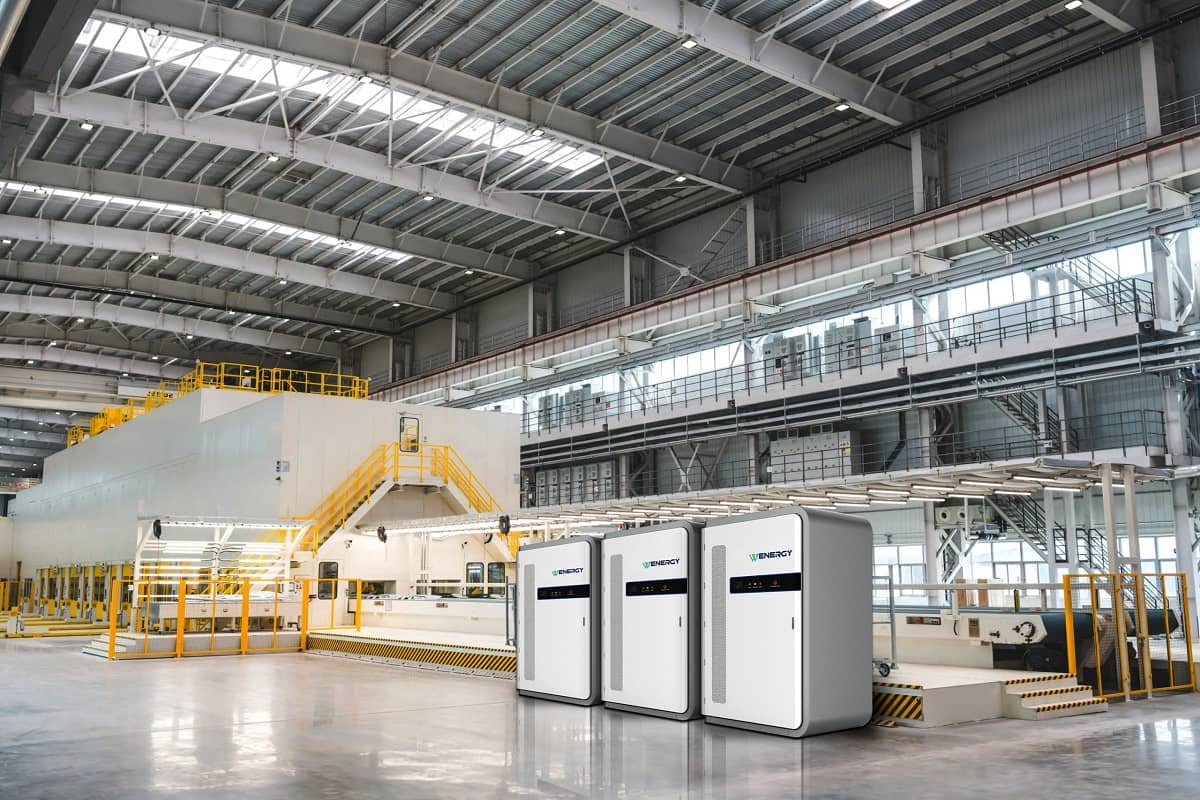
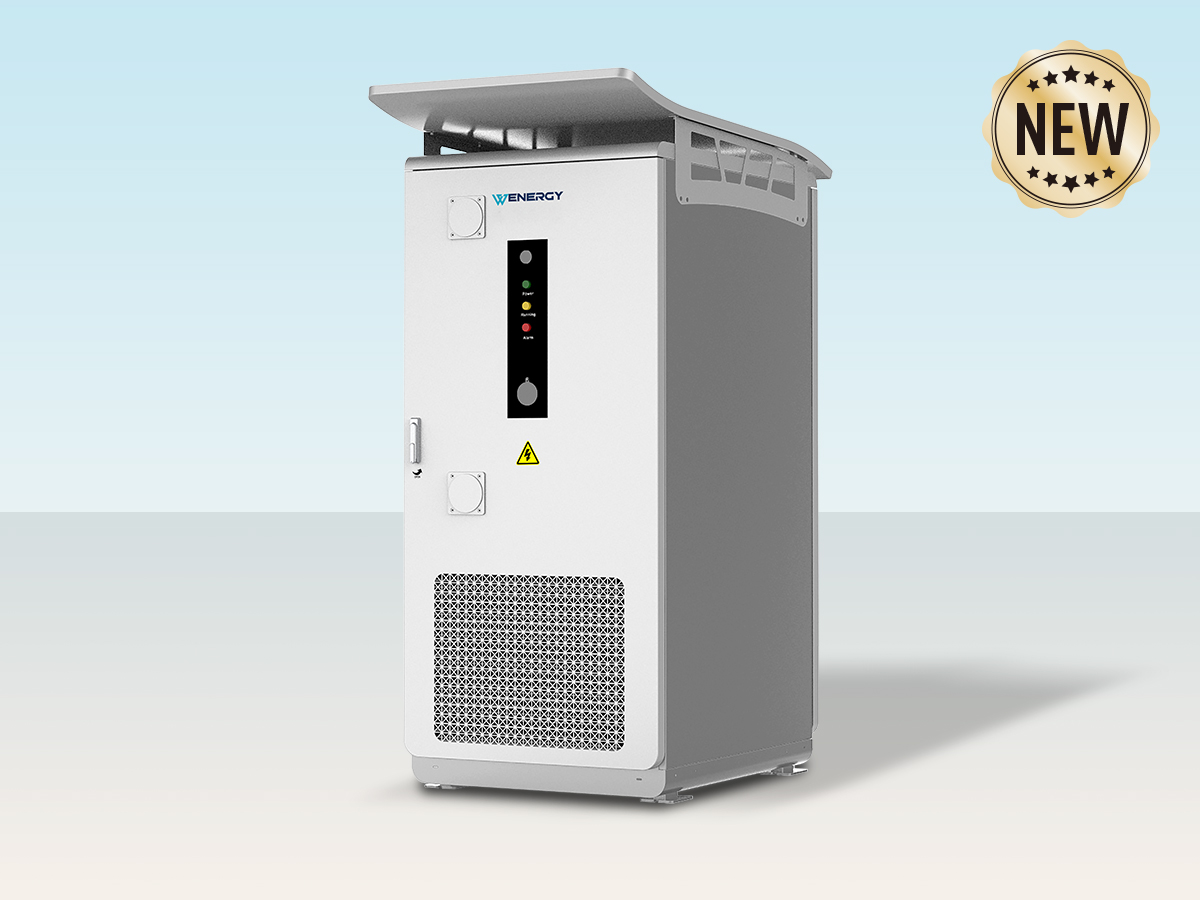
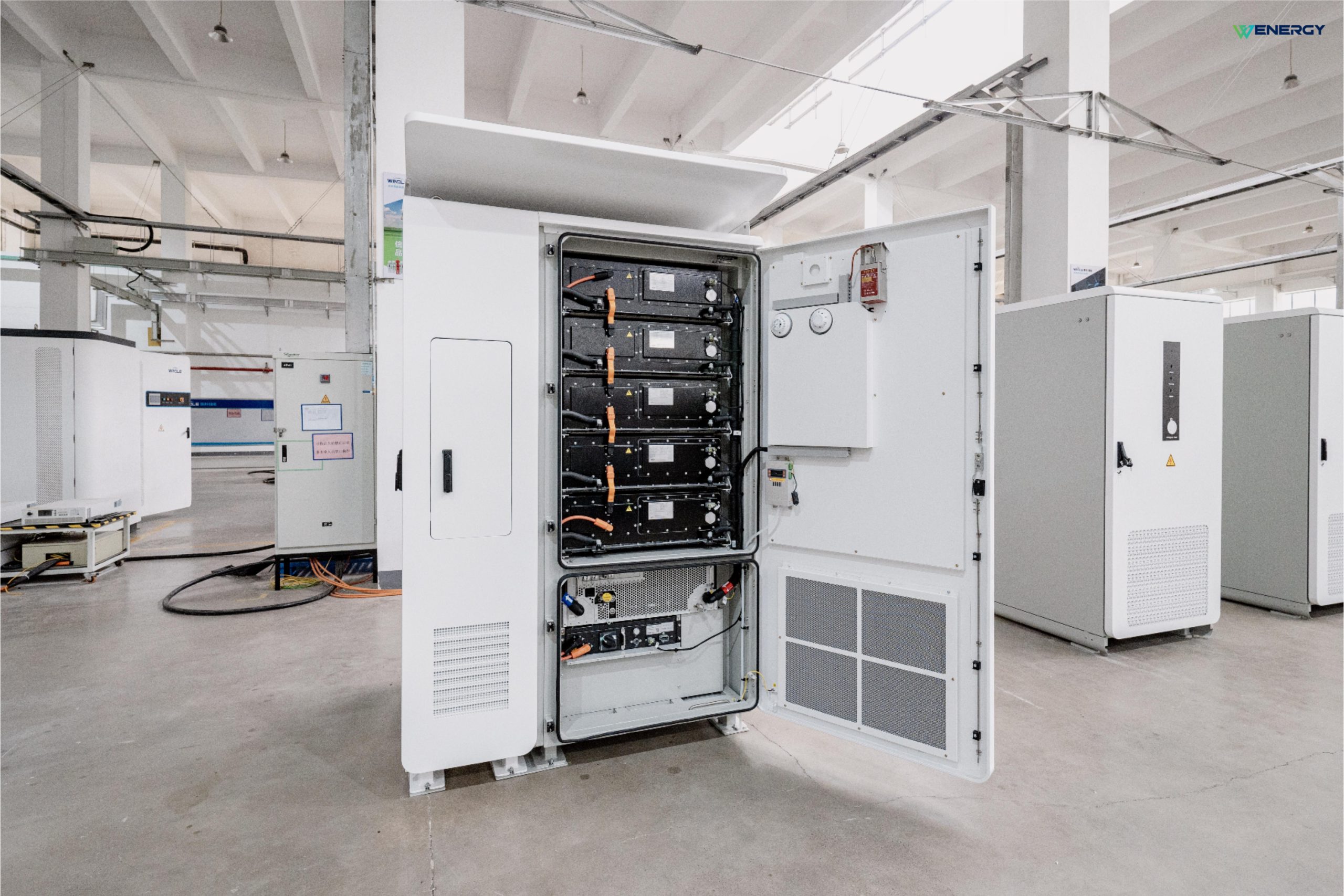
Choosing a liquid-cooling energy storage system is not solely about peak performance—it is about minimizing the operational drag that erodes profitability over years of service. Fewer fans, no filters, uniform temperatures, and sealed enclosures all add up to simpler, less frequent maintenance. At طاقة, our High ROI 261kWh Liquid Cooling C&I ESS Cabinet delivers exactly this advantage. The 261kWh liquid-cooled BESS is an advanced outdoor energy storage cabinet designed for commercial and industrial applications. Featuring a high-efficiency liquid cooling system, it ensures superior thermal balance, longer battery life, and stable performance under various environmental conditions. Upgrade to Pro for MPPT, STS, and EV charging, with an optional protective top cover available. When your project demands a liquid-cooling energy storage system that reduces maintenance while maximizing uptime, Wenergy provides the liquid-cooling BESS engineered for real-world operations.
Post time: Jun-12-2026