
As the global energy transition accelerates, large renewable projects are becoming more complex in both scale and coordination. Utility operators, grid planners, and industrial partners are increasingly focused on how utility-scale battery storage can support stable power delivery while accommodating intermittent energy sources. From early feasibility studies to long-term system operation, project success depends on structured planning, verified certifications, and a clear understanding of grid requirements. At Wenergy, we approach large projects from a system perspective, ensuring that technical decisions align with real-world operating conditions rather than short-term assumptions.
Project Planning and System Design for Large-Scale Deployment
Managing large energy projects begins with comprehensive planning. For utility-scale battery storage systems, this means evaluating grid connection standards, site constraints, climate conditions, and renewable generation profiles before any equipment is selected. We focus on aligning system architecture with how energy will actually flow across the network, including peak shaving, frequency regulation, and backup needs. Our experience working with utility-scale battery storage projects shows that early-stage coordination between developers, EPC contractors, and grid authorities helps reduce later adjustments. Instead of relying on generic designs, we emphasize application-based configuration so that system capacity, inverter selection, and control logic are matched to project objectives from the outset.
Integration with Renewable Energy and Operational Coordination
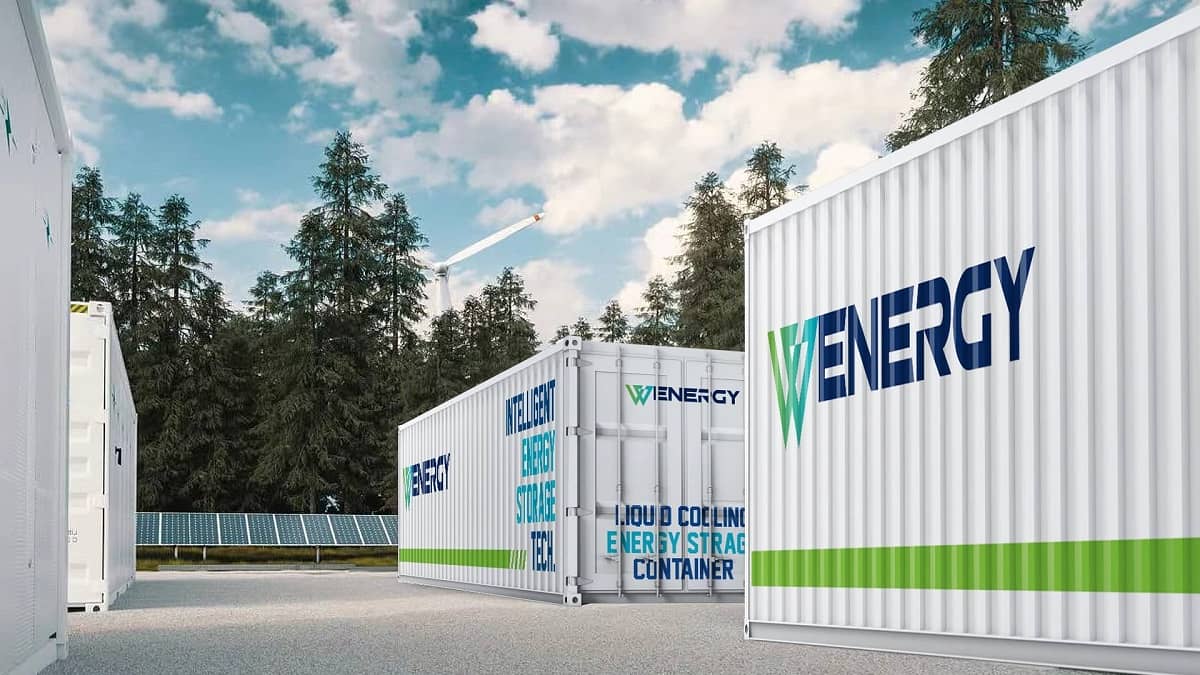
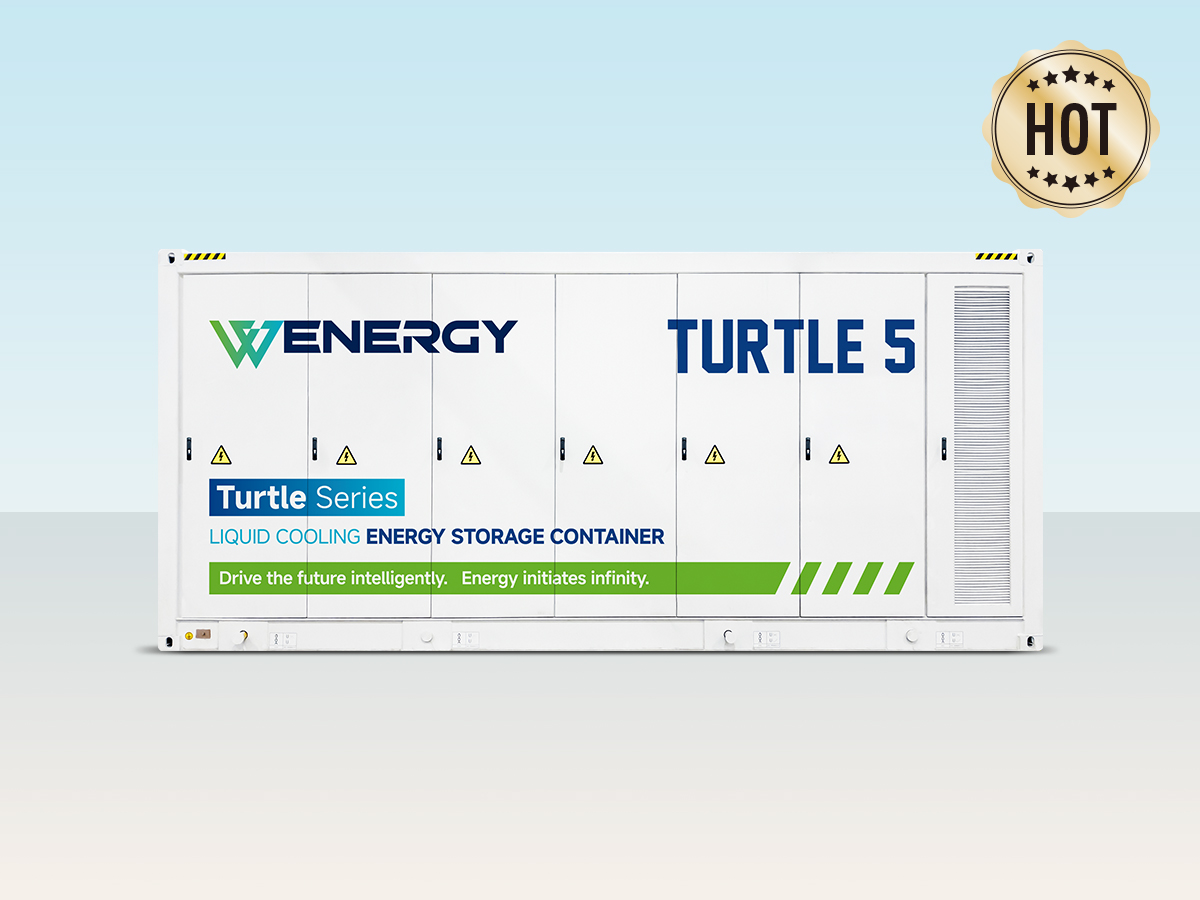
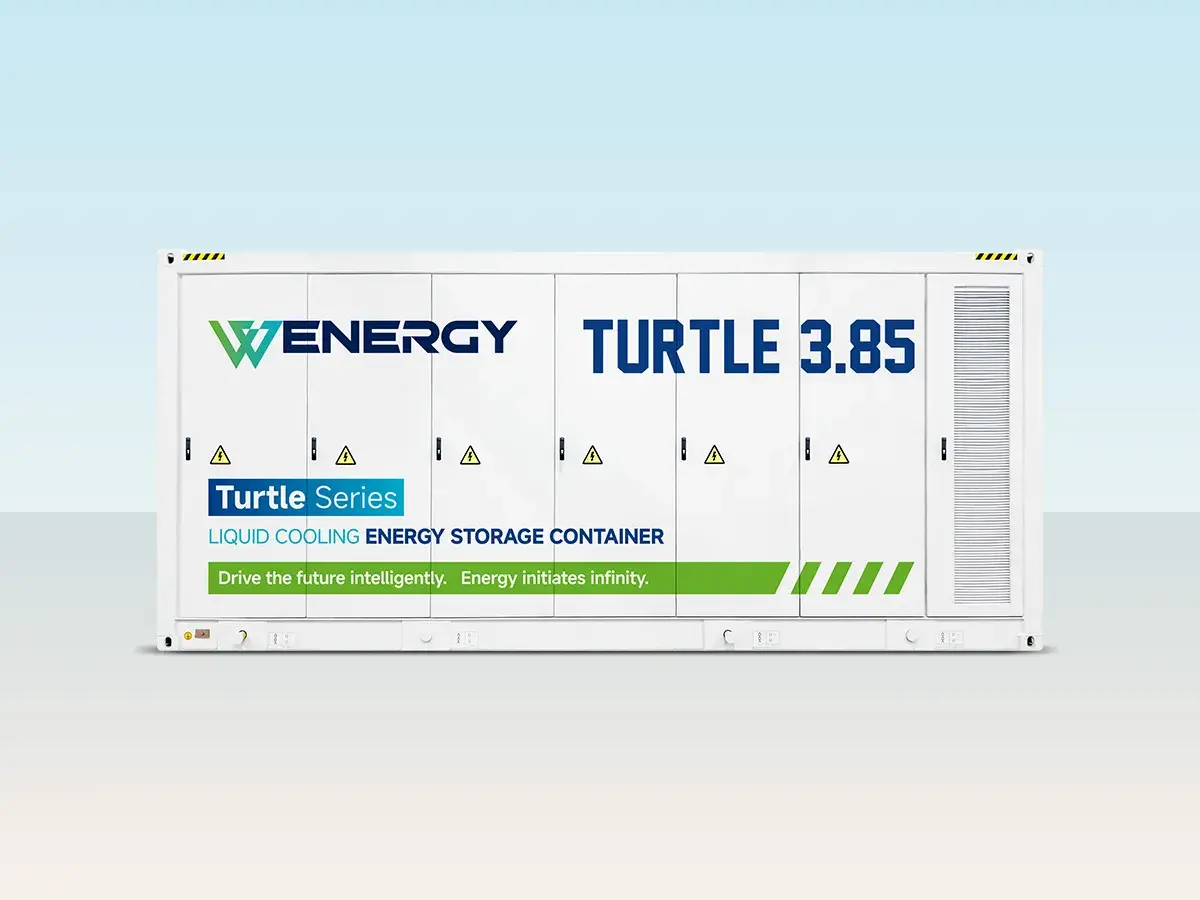
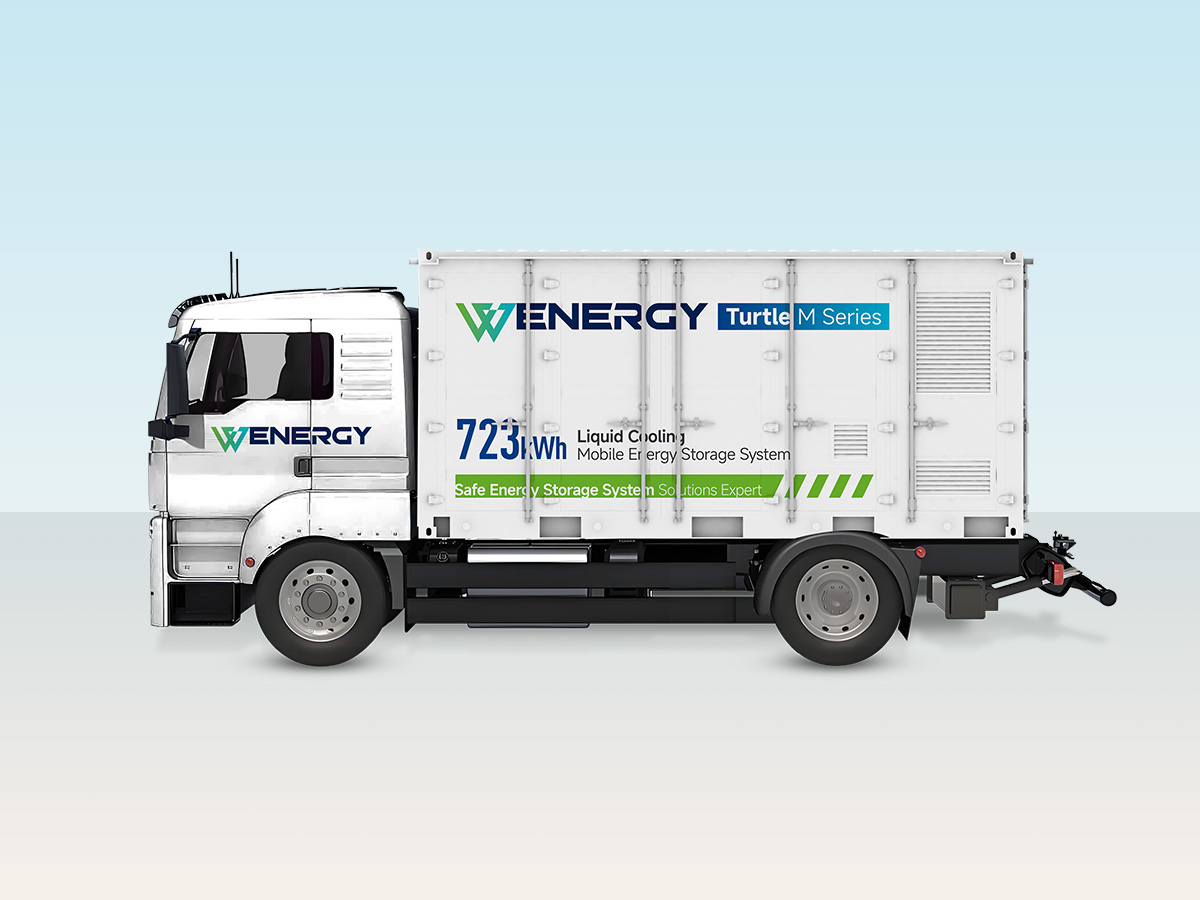
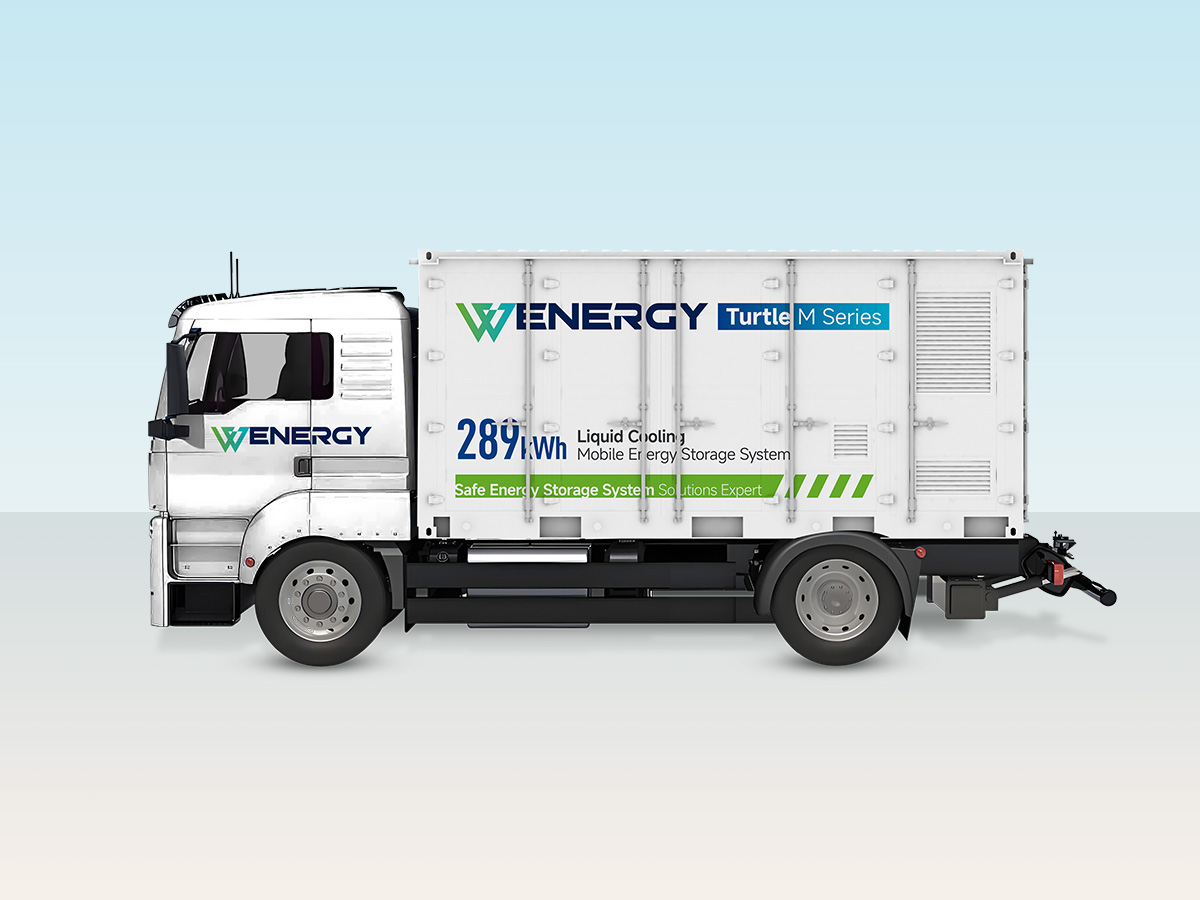
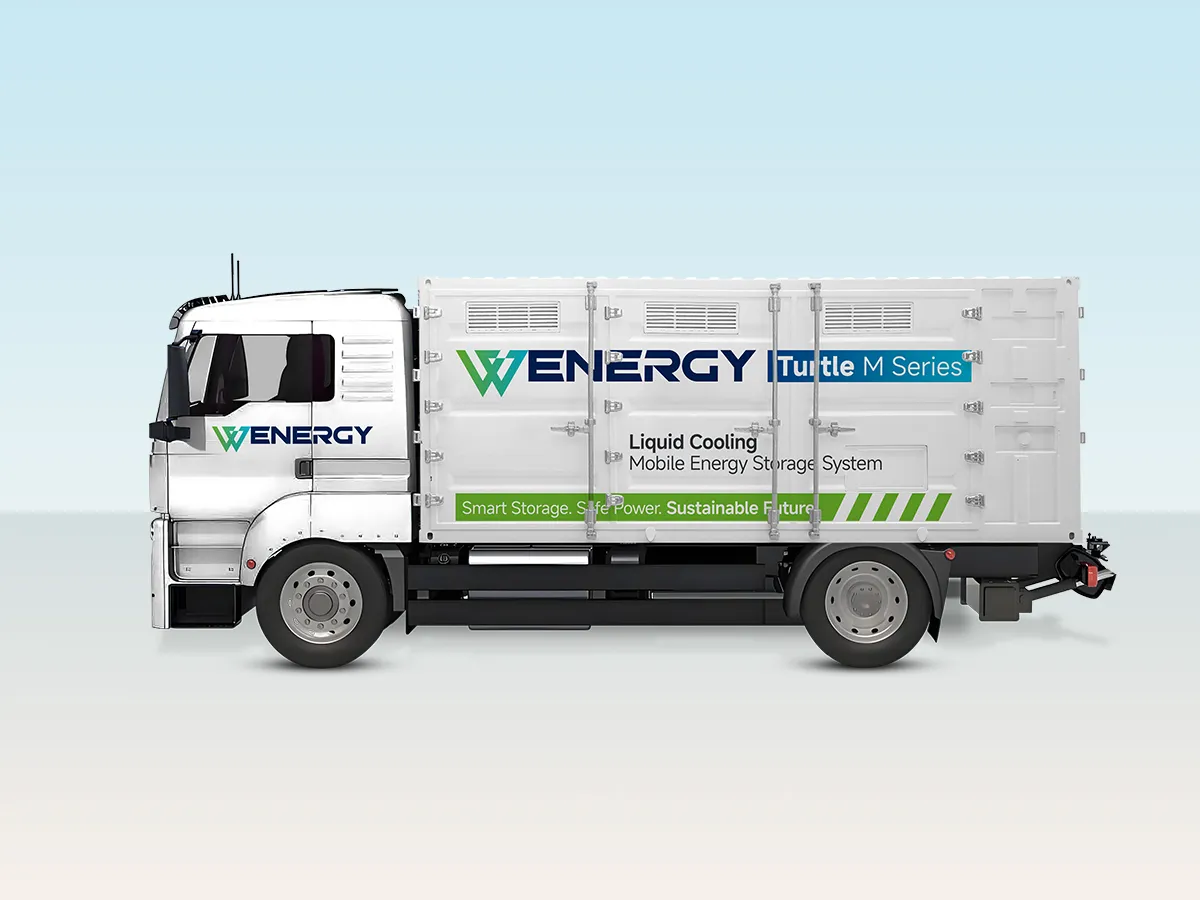
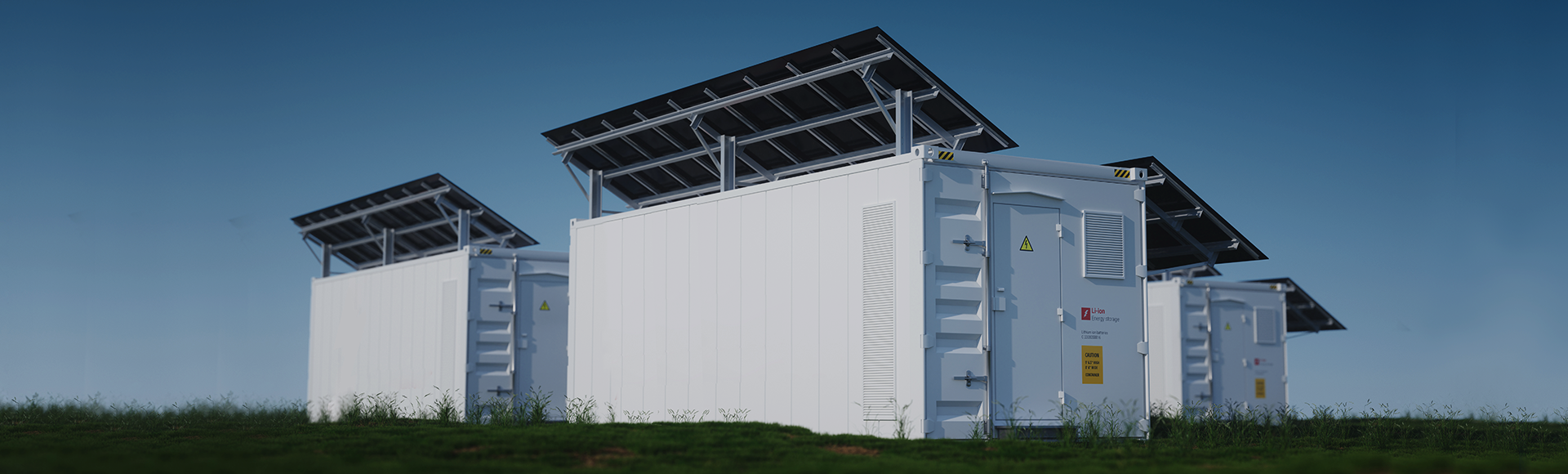
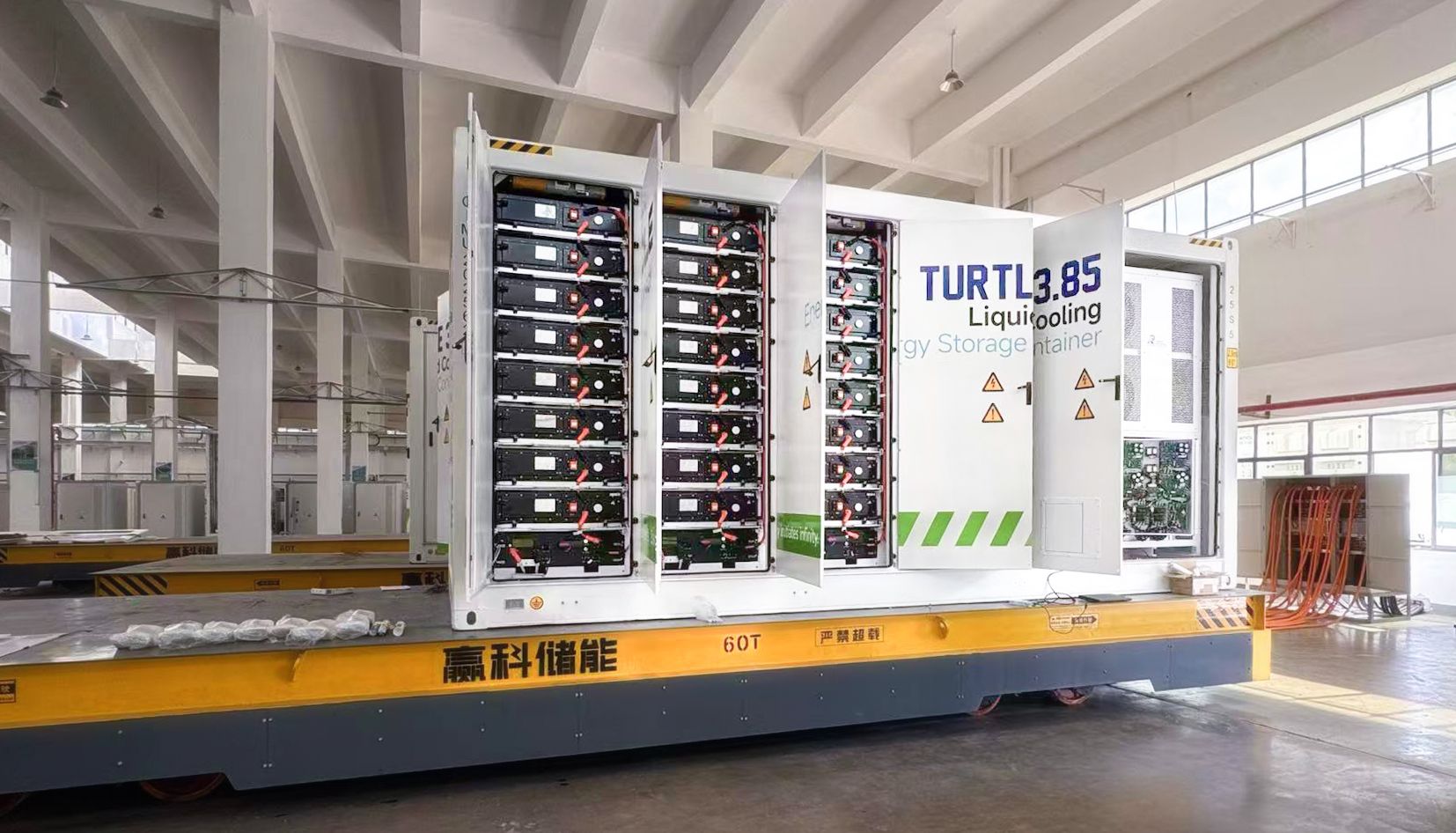
One of the key challenges for utility-scale battery storage systems is integration with variable renewable sources such as solar and wind. Large projects require storage systems that can respond dynamically to changing generation patterns without disrupting grid stability. We develop custom solutions that allow stored energy to be dispatched during peak demand or grid stress events while supporting renewable energy utilization. With 15 years of experience, we provide containerized BESS that integrate smoothly with different power sources and operational modes. Our approach to utility-scale battery storage prioritizes scalability and modularity, allowing projects to expand or adapt as energy demand and policy frameworks evolve.
Execution, Certification, and Long-Term Reliability
Large-scale projects demand consistency throughout execution and operation. From manufacturing to commissioning, standardized processes and recognized certifications help ensure system reliability over time. Our company operates across the full industrial chain, from battery modules to integrated systems, enabling better quality control and delivery coordination. For utility-scale battery storage systems, compliance with international standards is essential for grid acceptance and long-term serviceability. We also emphasize lifecycle support, including system monitoring and maintenance planning, to help operators manage assets efficiently after installation. This structured execution model reduces uncertainty and supports stable performance across different markets.
Conclusion: Coordinating Complexity at Utility-Scale
Large energy projects involve multiple stakeholders, technical requirements, and long operational timelines. Understanding how utility-scale battery storage companies manage these complexities helps developers and utilities make informed decisions as renewable capacity grows. By focusing on early planning, renewable integration, and certified execution, we support projects that balance flexibility with reliability. At طاقة, we view utility-scale battery storage systems not as standalone equipment, but as coordinated infrastructure designed to support evolving energy networks across on-grid, off-grid, and hybrid applications.
Post time: Mar-09-2026