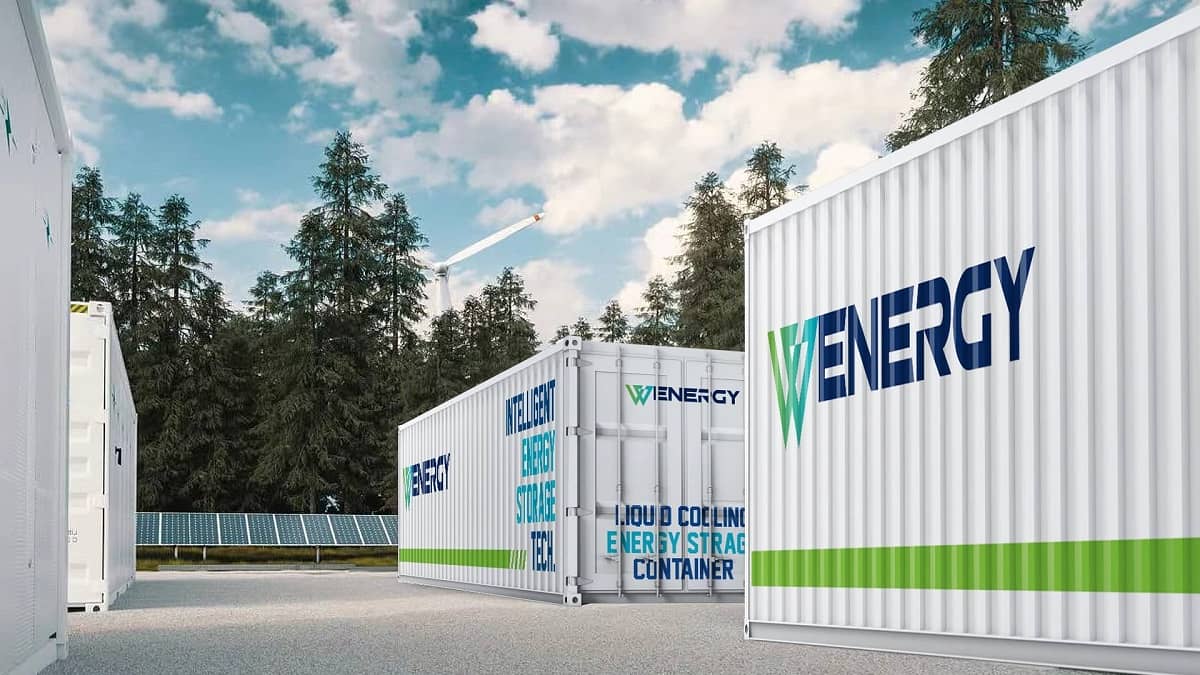
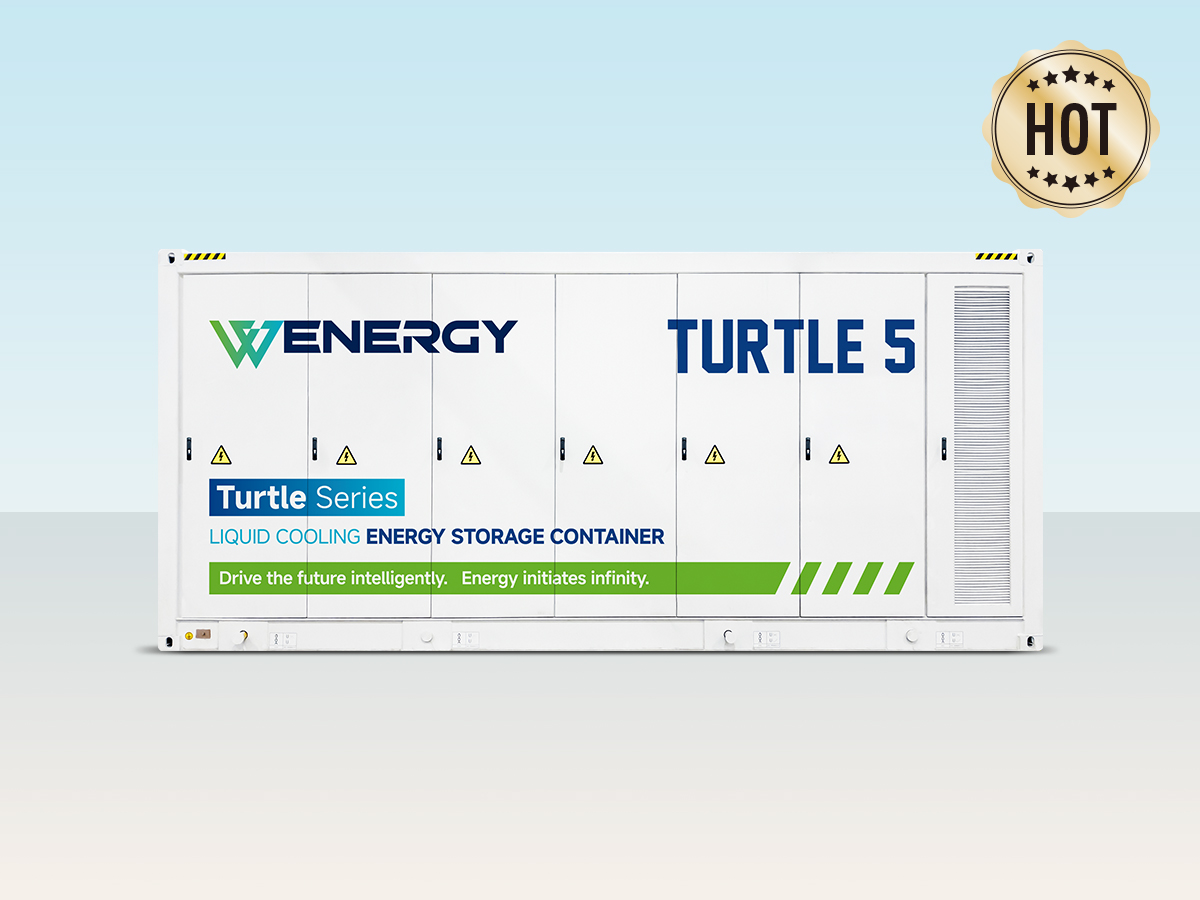
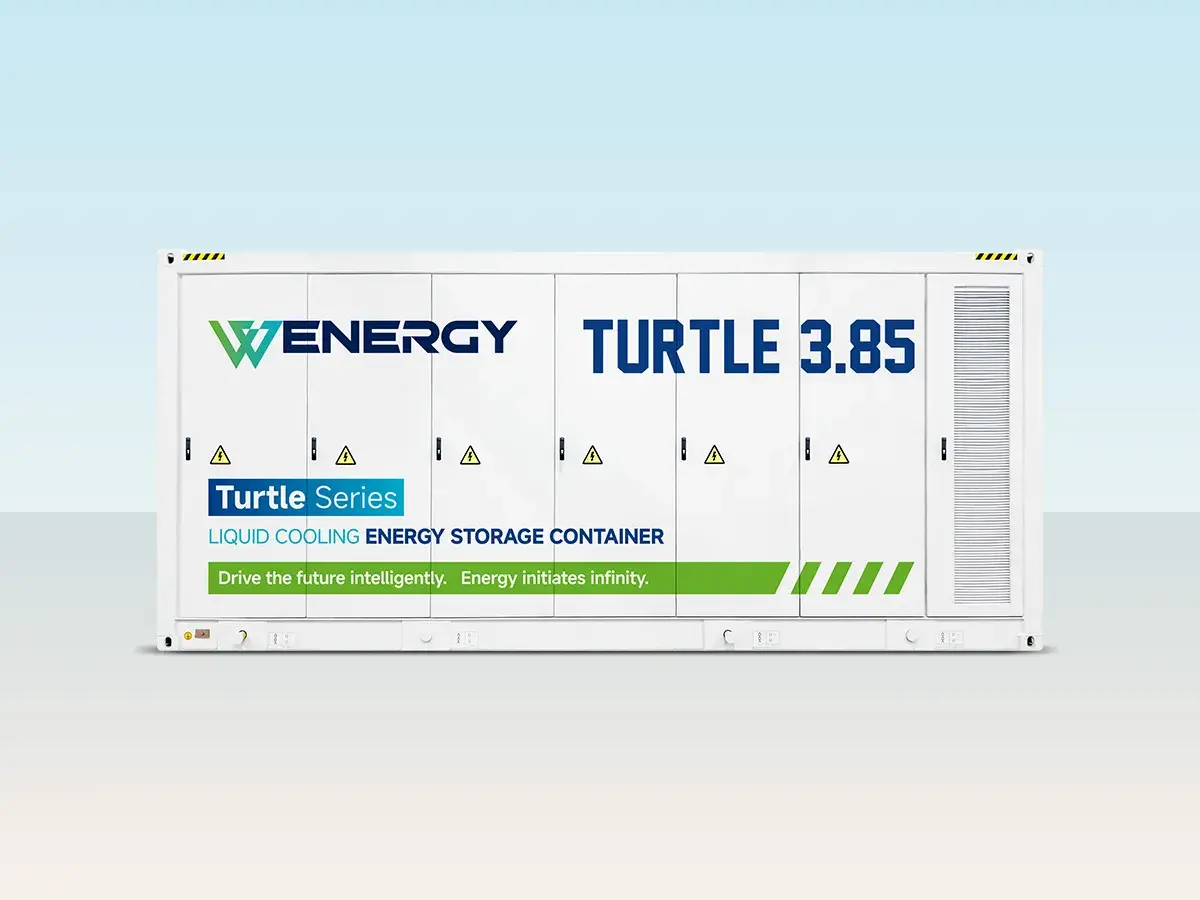
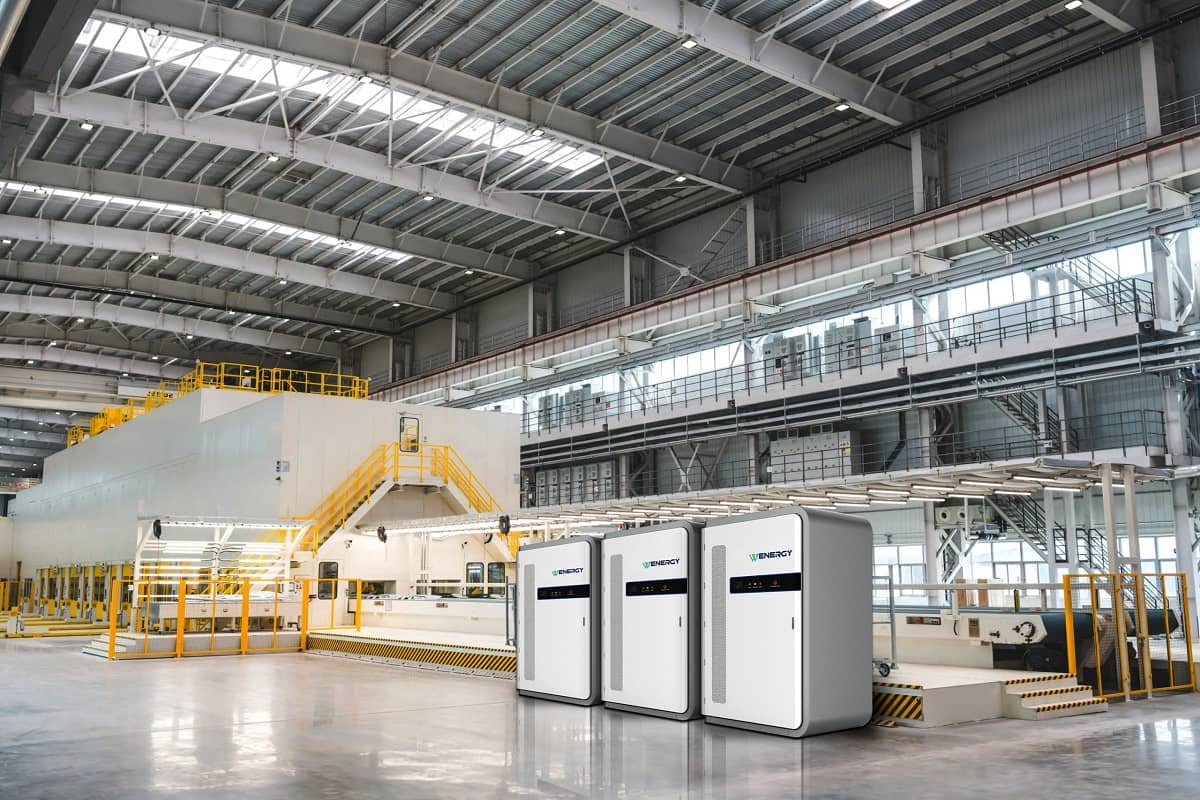

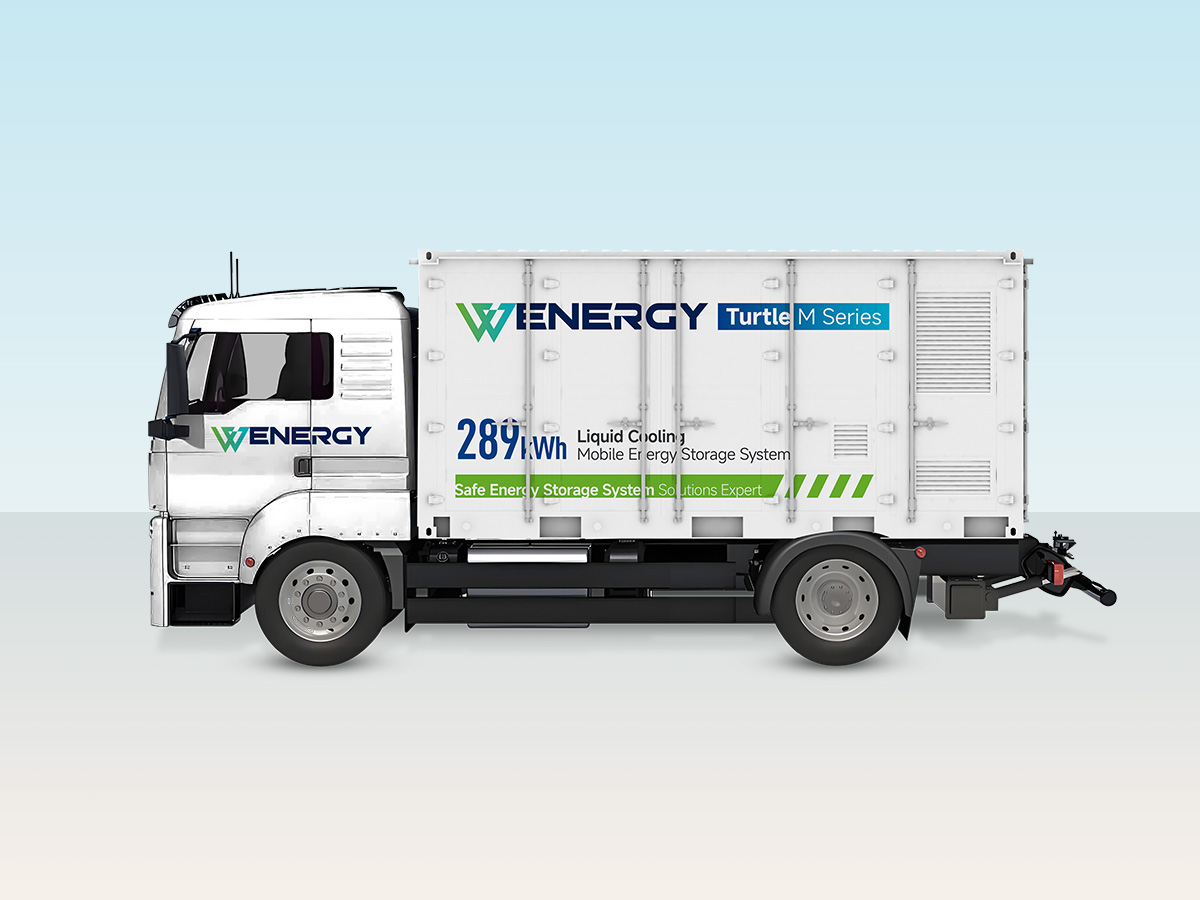
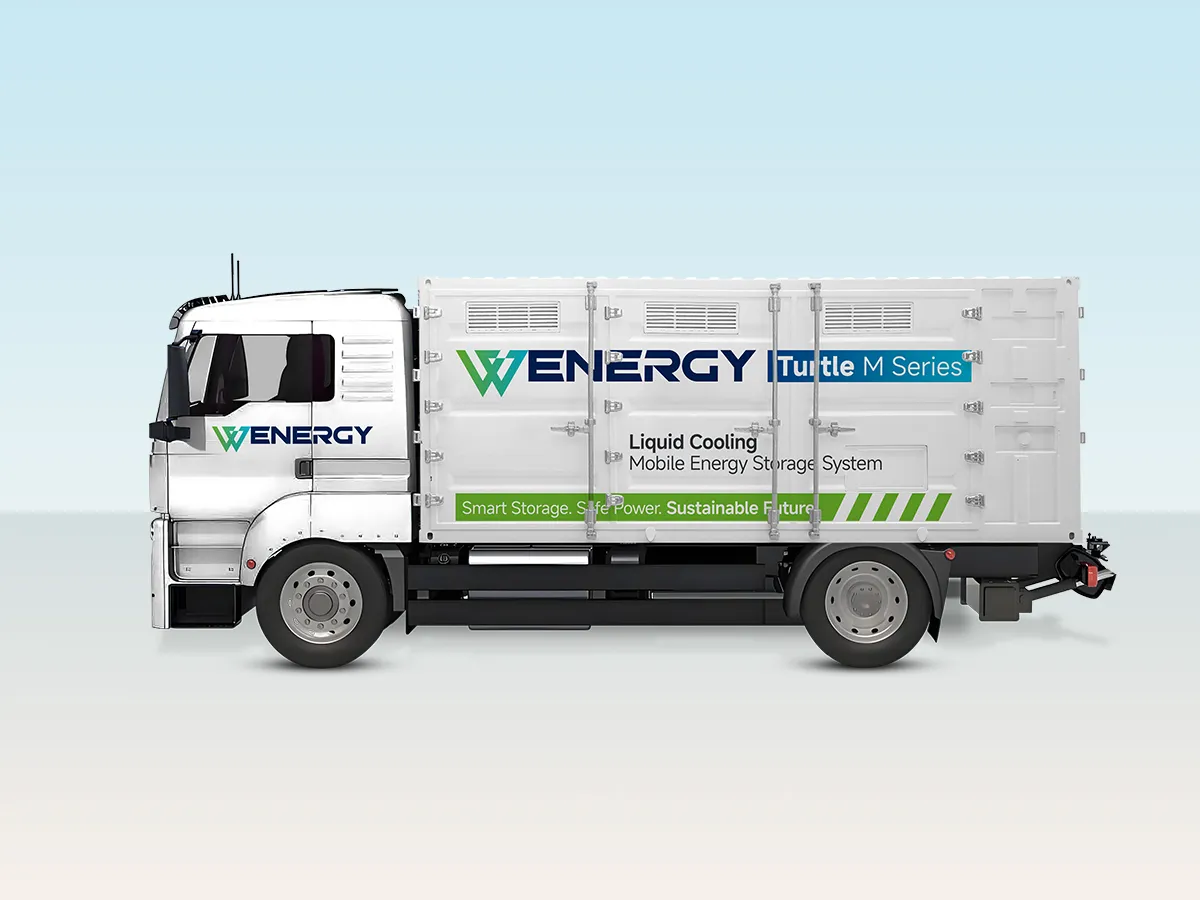
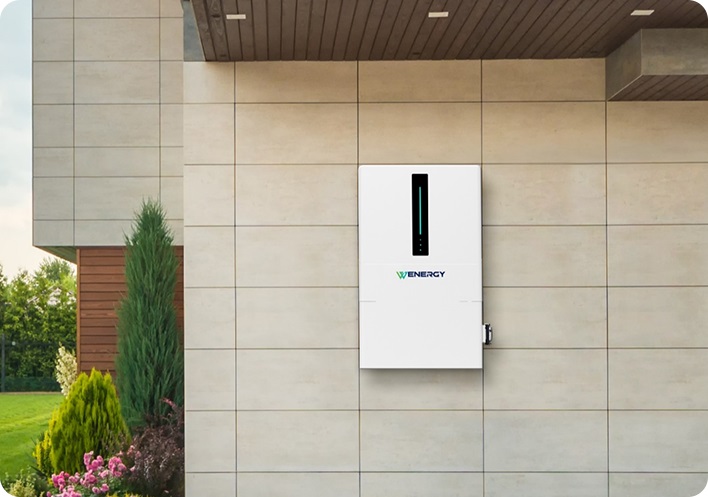
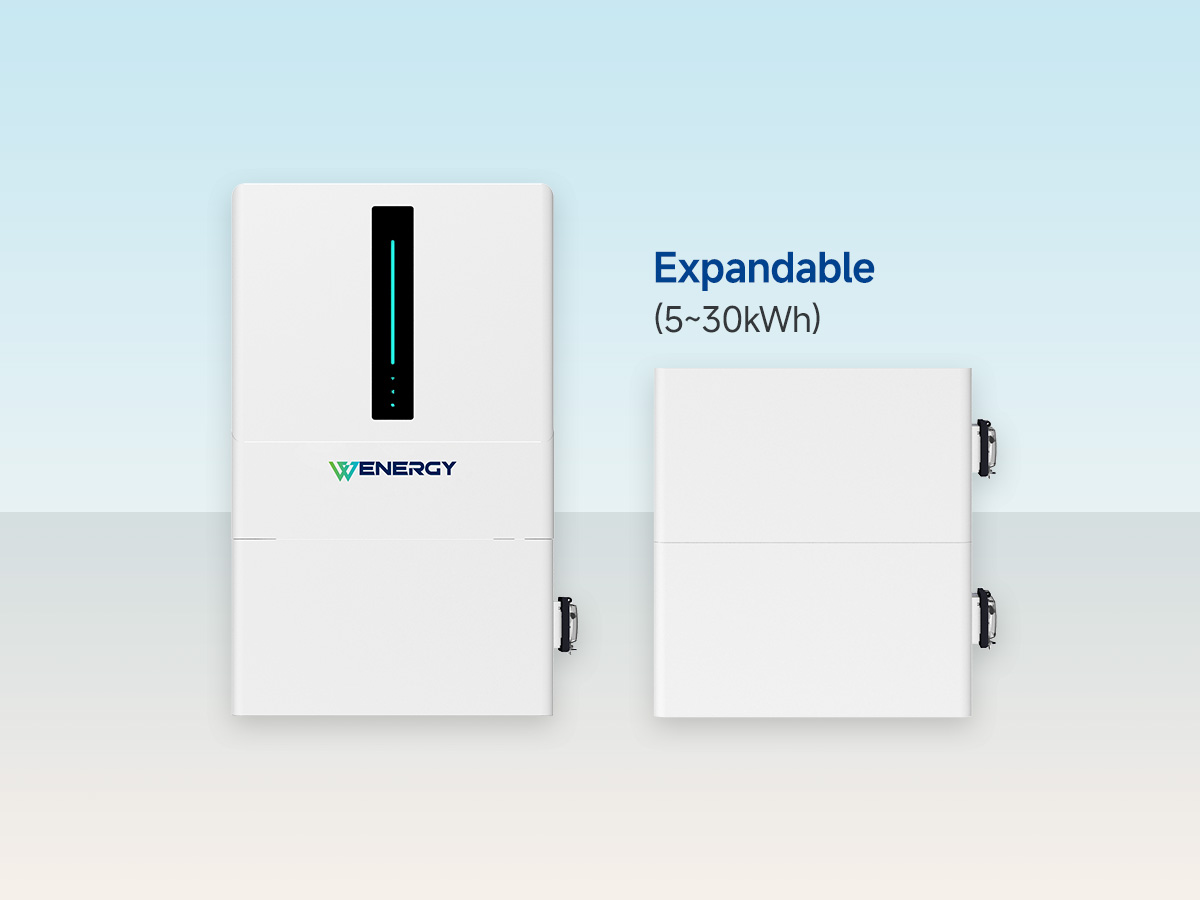
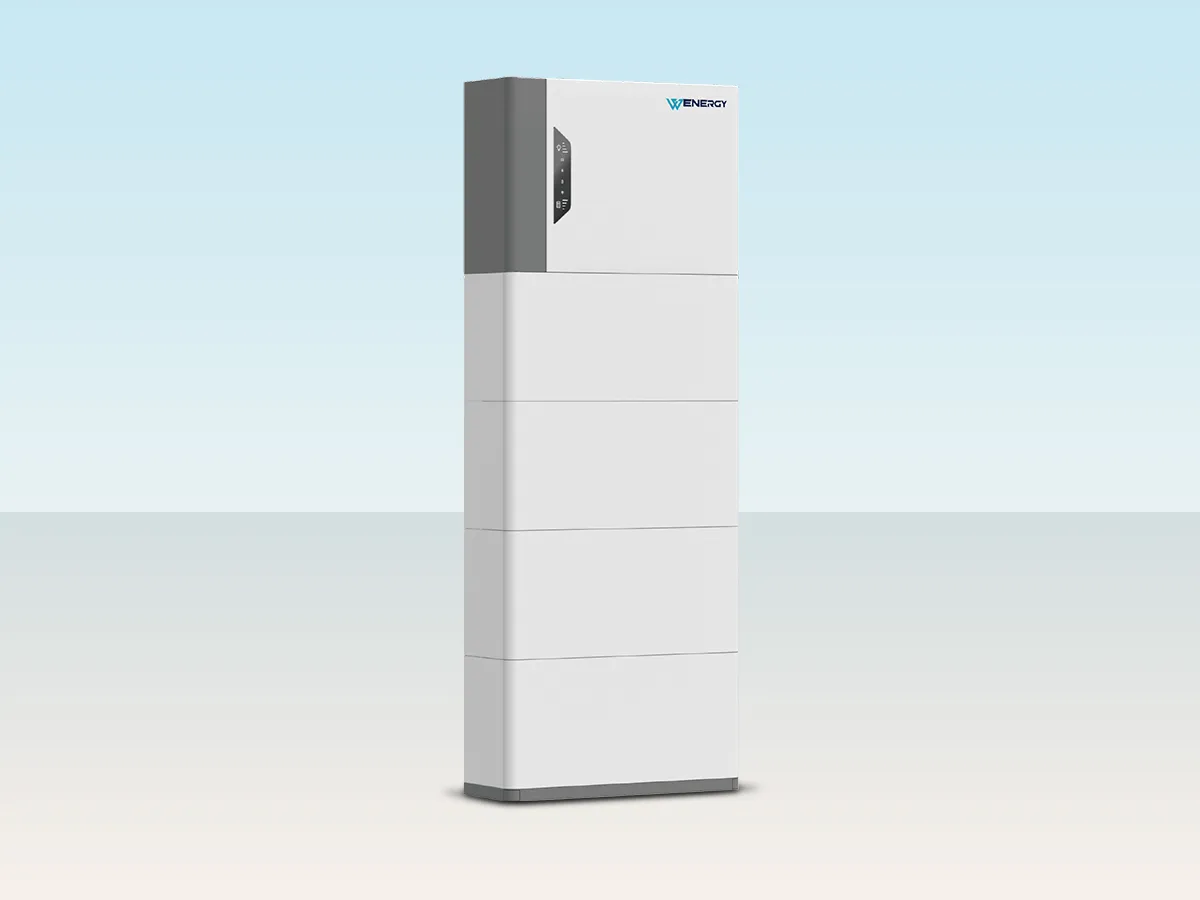
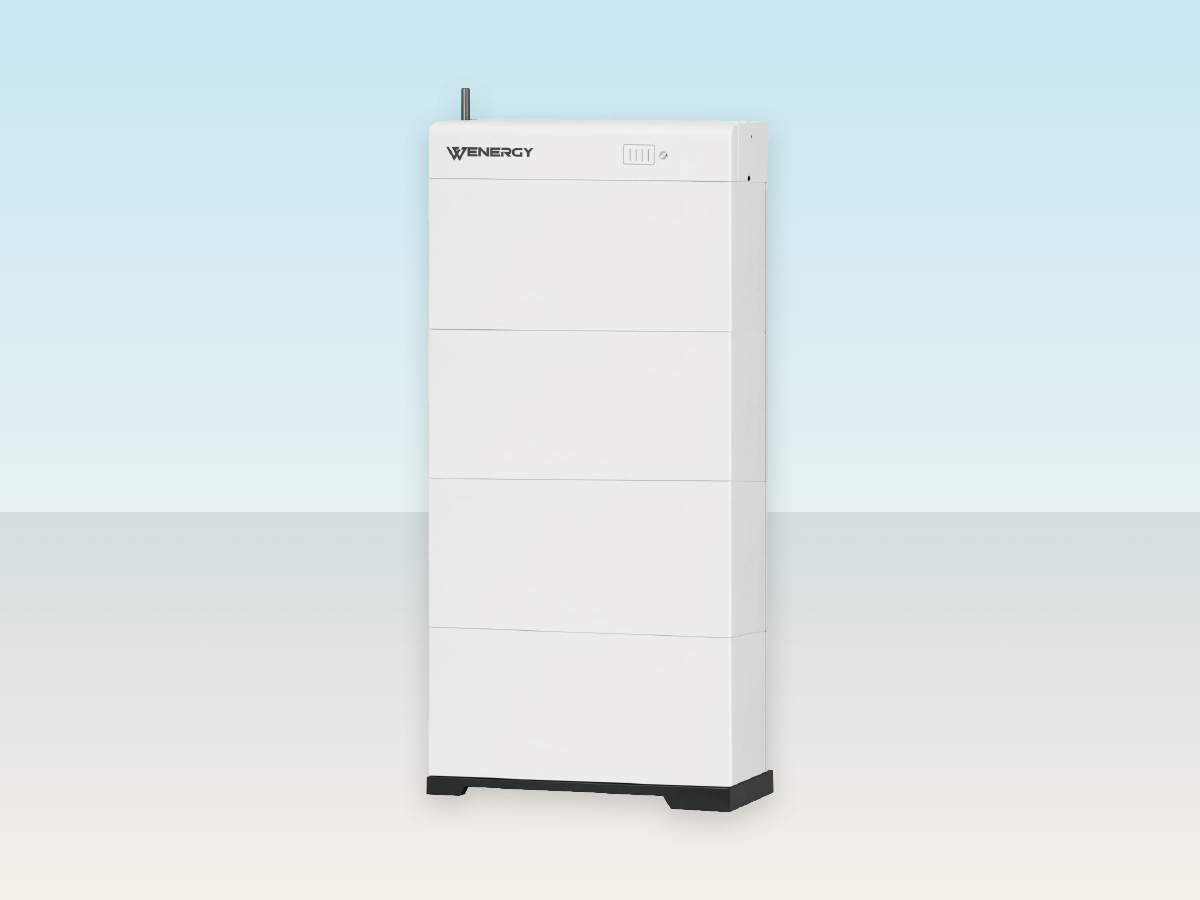
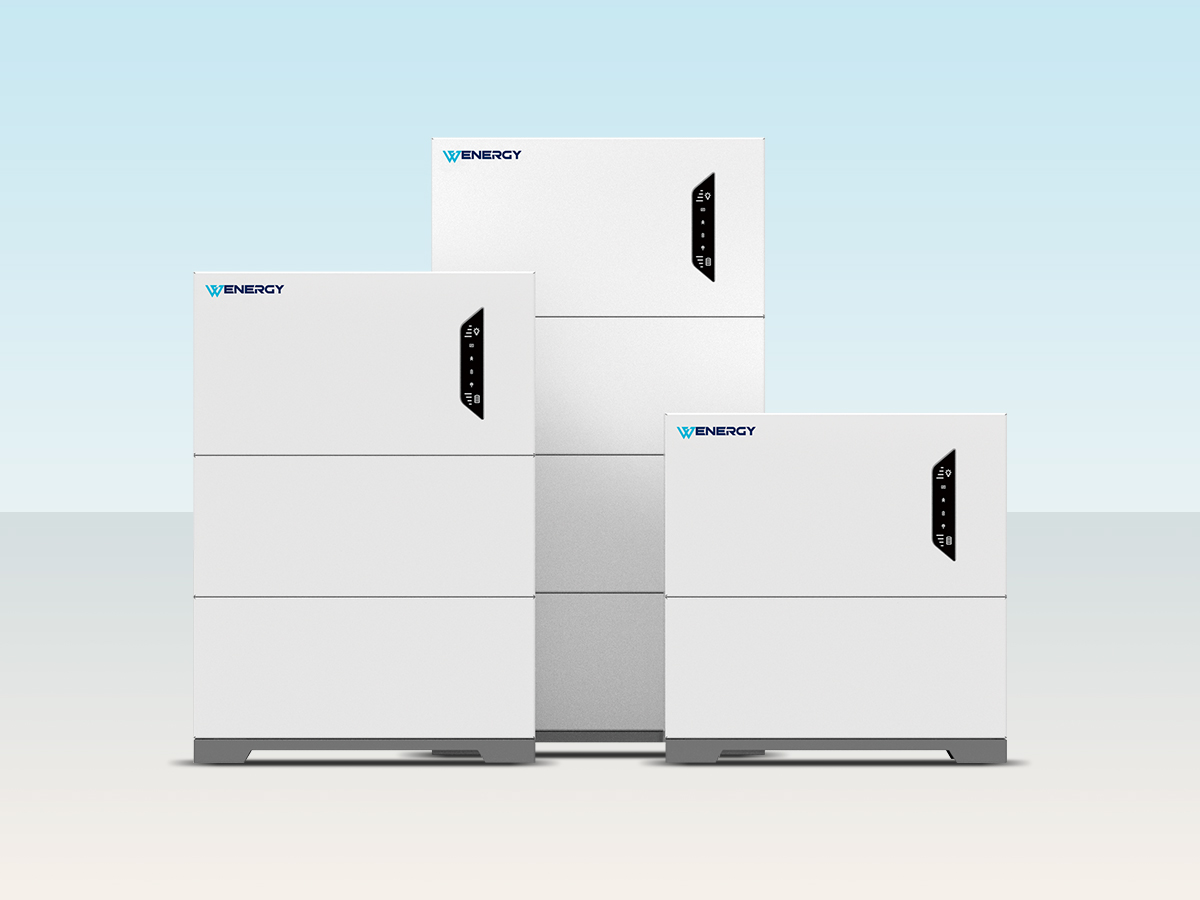
As global energy systems become more diversified, we often hear questions from project developers and industrial users about how hybrid solutions fit into real-world applications. From our perspective, hybrid ESS is not only a technical configuration, but also a practical response to increasingly complex energy demands. As طاقة, we work closely with partners across energy, power, and industrial sectors, and we see growing interest in integrated systems that can balance renewable inputs, grid access, and backup resources. In this context, the role of a hybrid energy storage system manufacturer is evolving from equipment supply to long-term system support, especially for export-oriented projects that require compliance, flexibility, and stable delivery.

Understanding Hybrid ESS in Practical Scenarios
When discussing hybrid ESS, many customers focus on how multiple energy sources can work together without increasing system complexity. In real applications, a hybrid approach typically combines photovoltaic generation, energy storage, grid connection, and backup generation into a coordinated system. From our experience, this structure is particularly relevant for commercial peak shaving, renewable integration, and microgrids that need reliable backup power. As exporters serving overseas markets, we pay close attention to how these systems are deployed under different grid conditions, climate environments, and regulatory frameworks. Our systems are designed to support both grid-tied and off-grid operation, allowing users to adapt their energy strategy as site conditions or energy prices change over time.
System Design and Application Flexibility
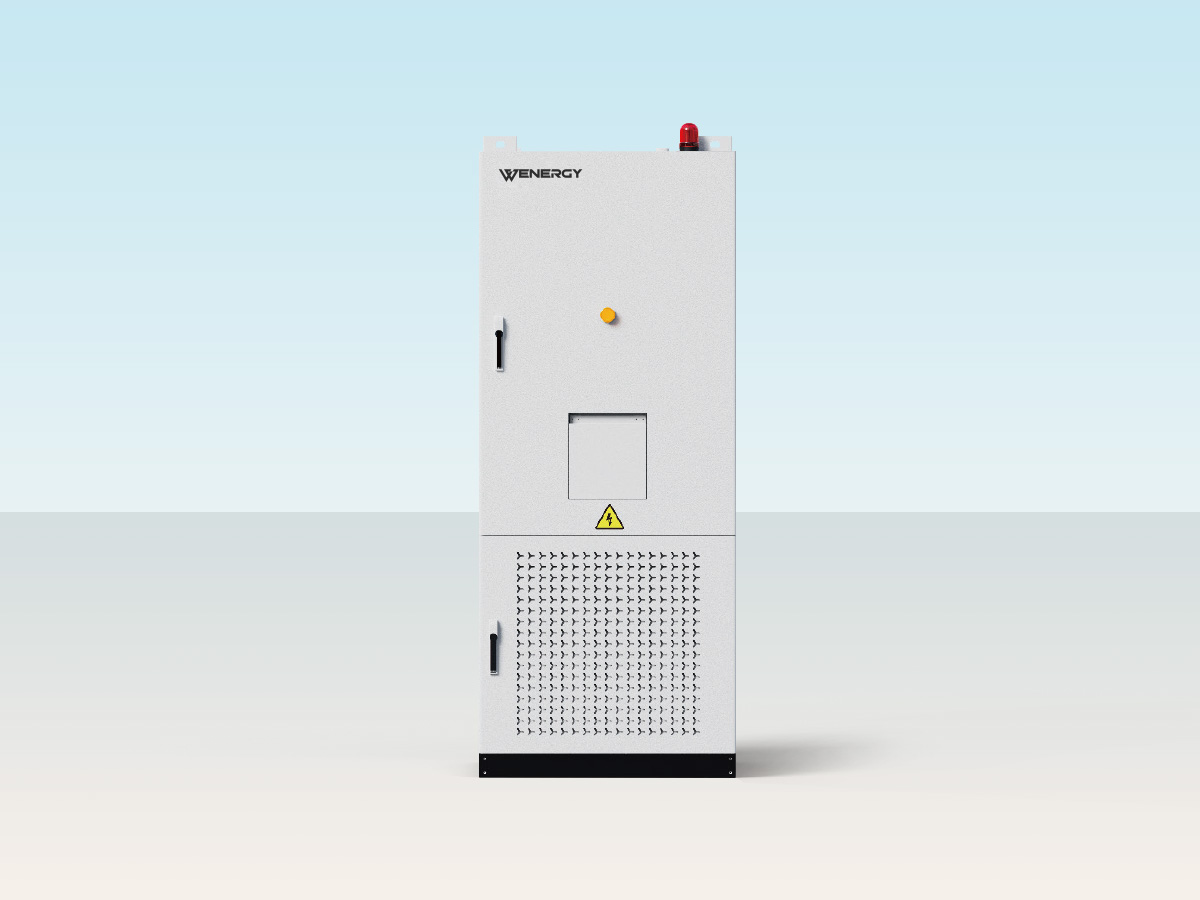
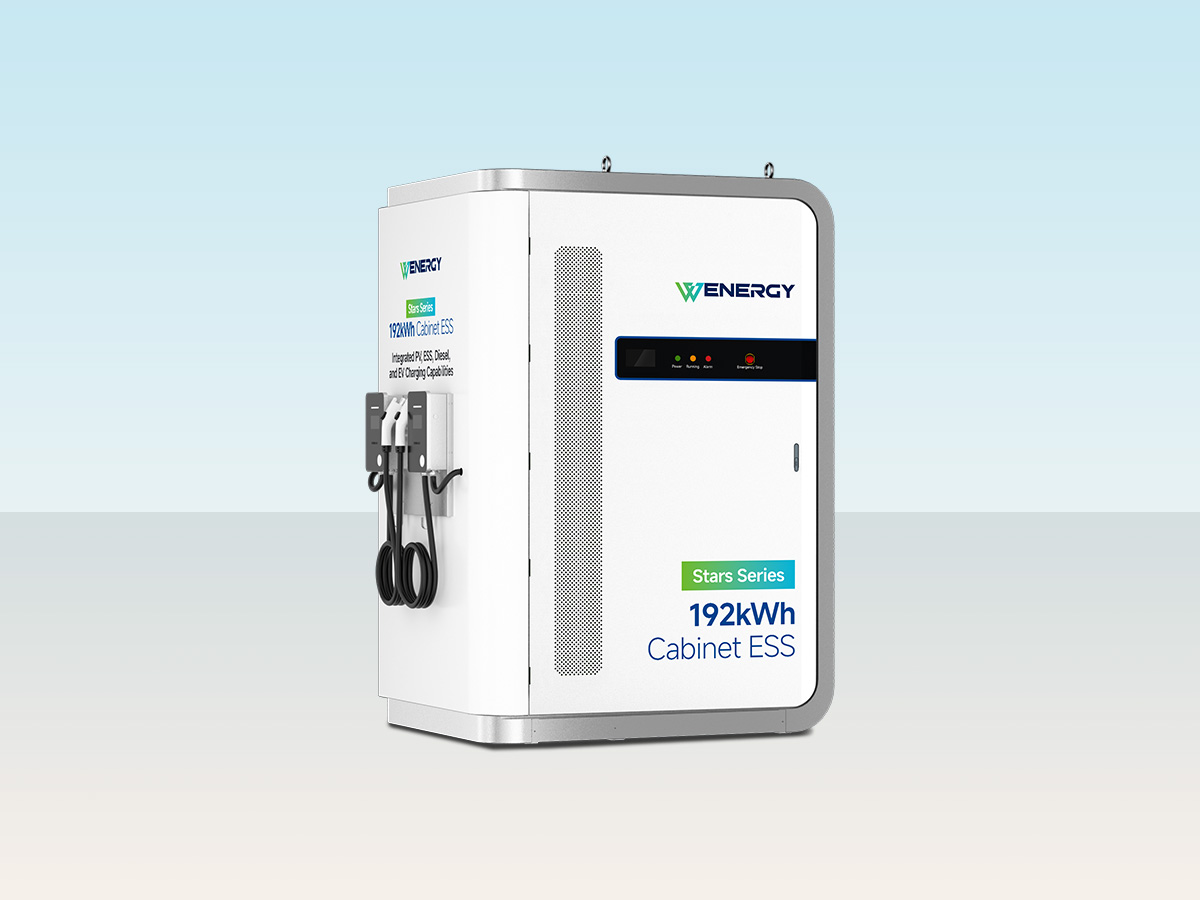
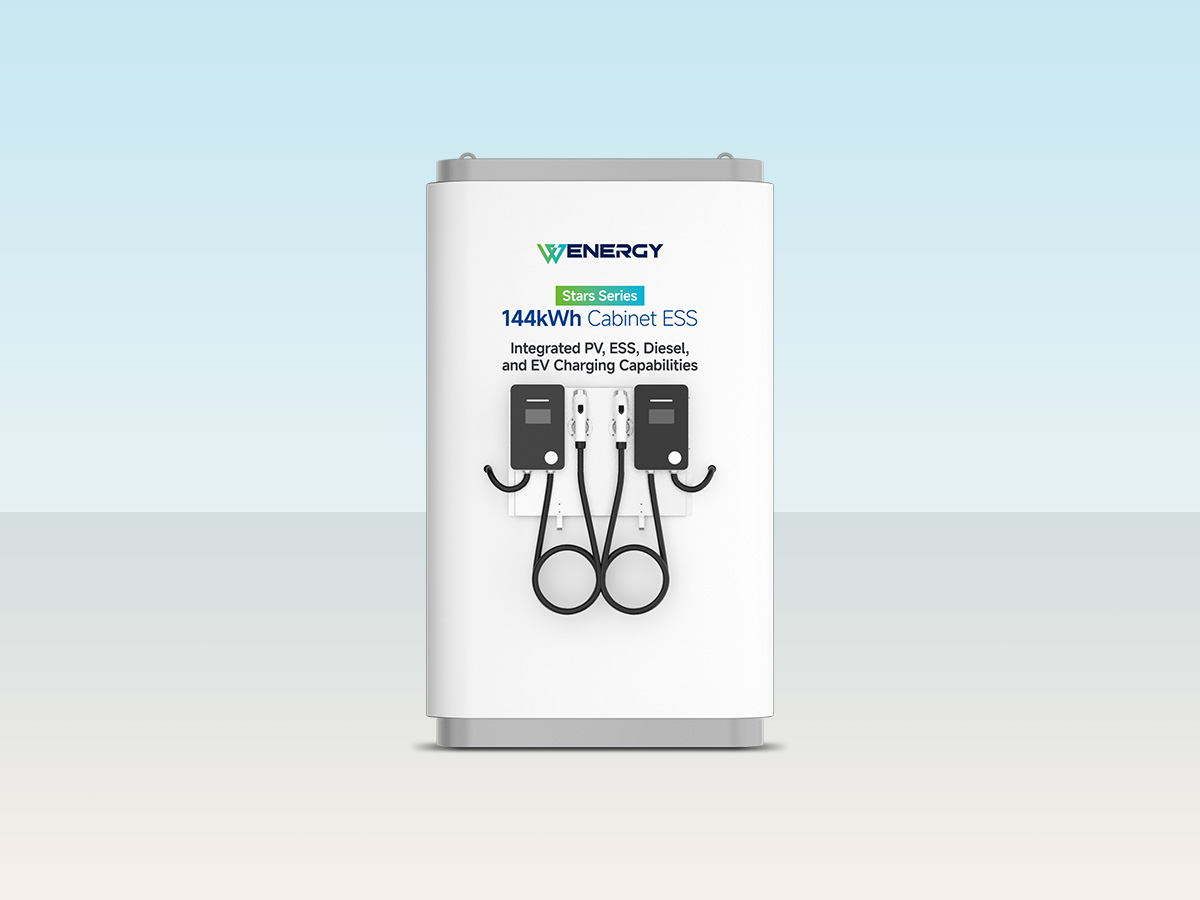
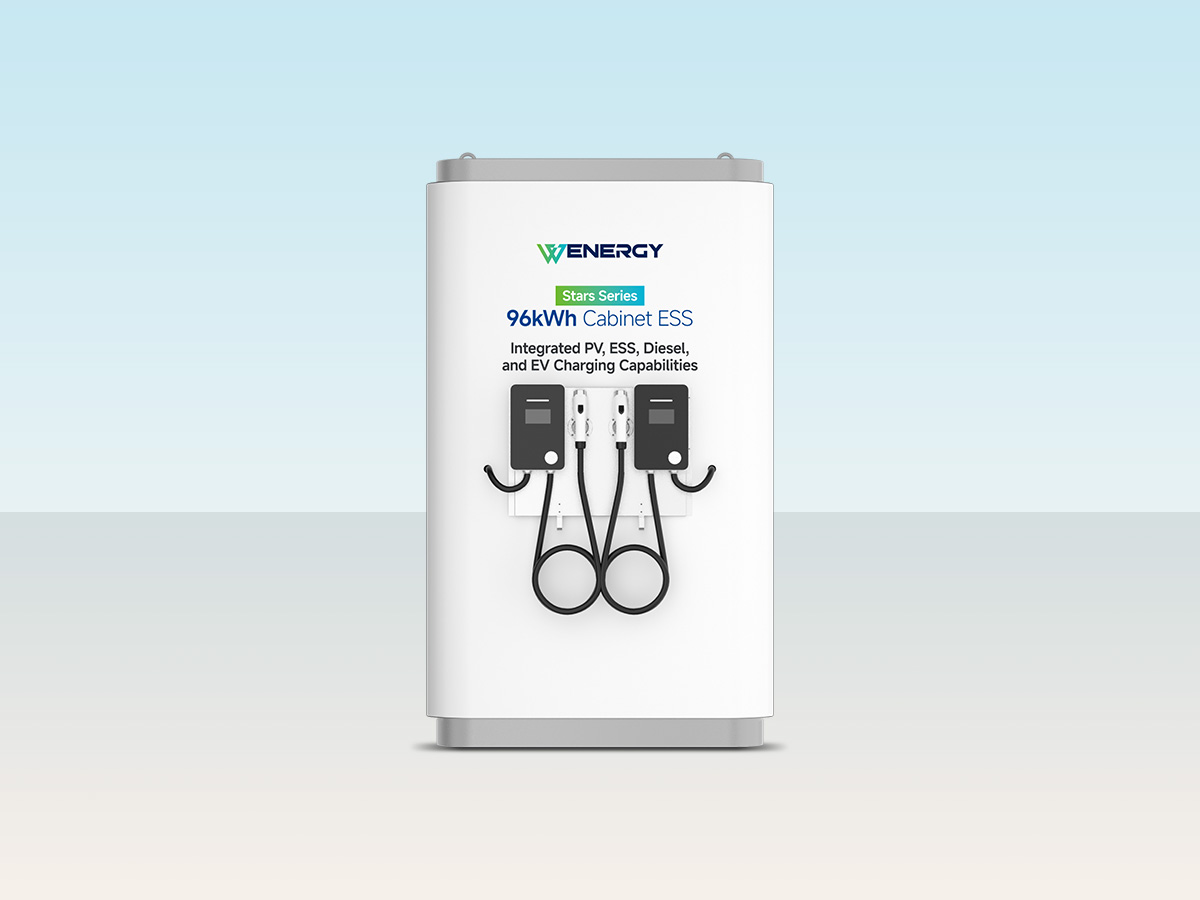
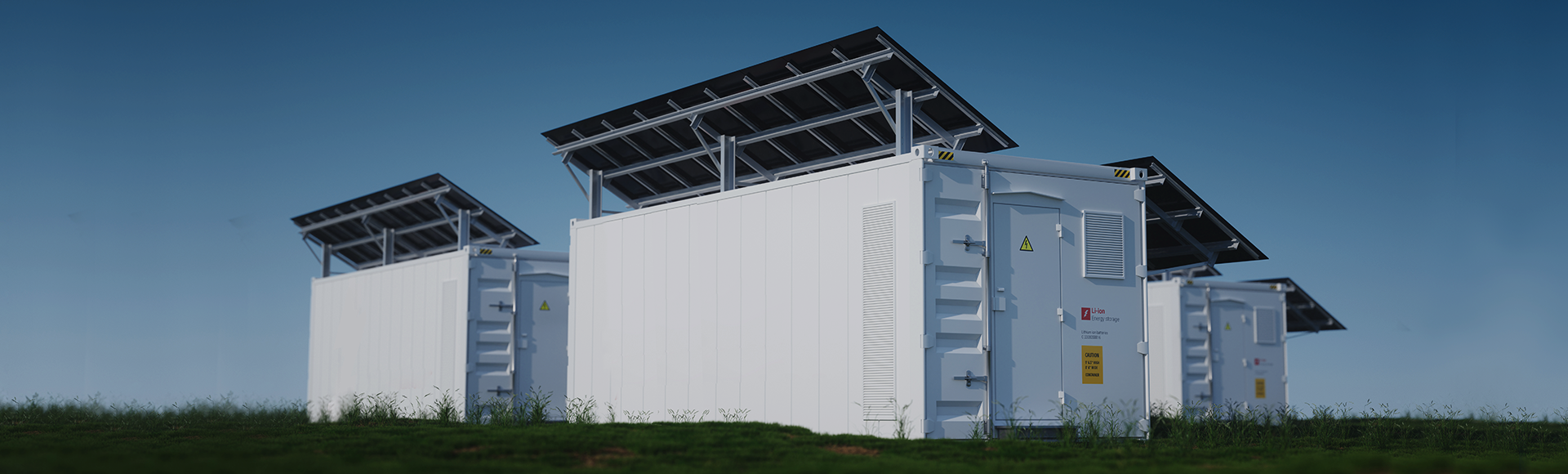
In response to these needs, we have developed integrated solutions such as the 144kWh Outdoor All-in-One hybrid ESS Cabinet, which supports PV input, diesel generation, and EV charging within a single enclosure. This system is suitable for applications including EV charging stations, commercial facilities, and remote industrial sites. Features such as MPPT with four in-cabinet PV interfaces reduce the need for additional inverters and simplify installation. STS enables smooth switching between grid-connected and off-grid modes, while ATS allows coordinated use of grid and backup generators. From a project perspective, these configurations help reduce on-site engineering effort and shorten delivery timelines, which is often a key concern for export projects.
Performance, Scalability, and Long-Term Use
Beyond configuration, system performance and scalability are central considerations for long-term operation. The modular 144.69kWh design allows capacity expansion as project demands grow, supporting phased investment rather than oversized initial deployment. High system efficiency, exceeding 89%, improves usable energy output and helps control lifecycle costs. In our work with industrial and commercial users, we see that flexible grid interaction is essential, especially in regions with unstable supply or limited infrastructure. Our hybrid ESS solutions are therefore designed to operate reliably under varying load profiles, supporting both daily energy optimization and emergency backup requirements.
Conclusion: Supporting Hybrid Energy Storage Exports with Integrated Solutions
Conclusion-wise, hybrid ESS is best understood as a system-level solution rather than a single product category. As Wenergy, we approach hybrid energy storage exports by combining integrated system design, full supply chain capability, and service-oriented support. Acting as a hybrid energy storage system manufacturer, we focus on certified products, adaptable configurations, and practical deployment across energy, power, and industrial manufacturing sectors. By aligning system flexibility with real application scenarios, we aim to support partners seeking reliable hybrid energy storage solutions for diverse international markets.
Post time: Mar-11-2026