
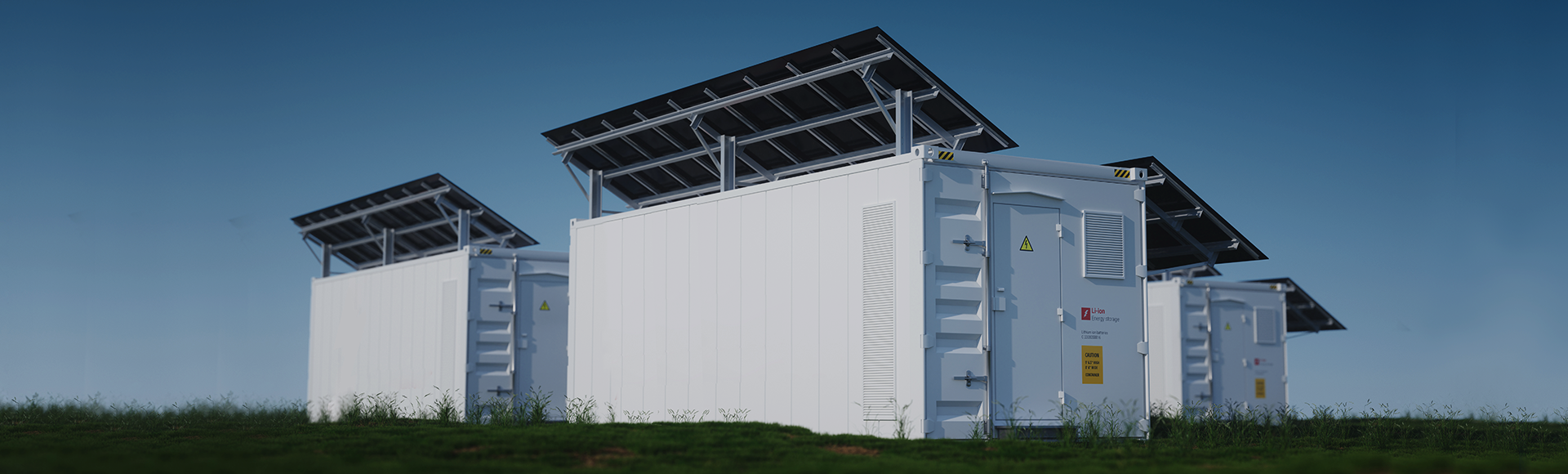
Project developers and industrial energy managers often begin the procurement process with a deceptively simple question: what capacity do I actually need? A 5MWh energy storage system sits at an interesting crossroads—large enough to serve substantial commercial operations and small utility-scale applications, yet not so massive as to require the permitting and infrastructure of a 100MWh plant. Determining whether a 5MWh energy storage system meets your project requirements depends on three core factors: load profile, duration needs, and application type. Making the wrong capacity decision leads either to stranded capital and idle batteries or undersized systems that fail during peak events. A structured assessment process ensures you select the right scale.
Matching Capacity to Load and Duration Requirements
The first step in evaluating a 5MWh energy storage system is calculating your facility’s or grid node’s peak energy deficit. For a commercial or industrial site, this means identifying the total kilowatt-hours needed during a full discharge cycle. A 5MWh capacity, when paired with a typical 1-megawatt inverter, provides five hours of continuous power—sufficient for many manufacturing plants, cold storage facilities, or data centers with predictable afternoon peaks. For utility applications, a 5MWh energy storage system can support frequency regulation, renewable smoothing, or local peak shaving for distribution feeders serving hundreds of homes. However, if your application requires overnight load shifting of 10 MWh or more, a single 5MWh unit will fall short, necessitating multiple units or a larger container format.
Evaluating Use Cases for a 5MWh Solution
Several project types align well with a 5MWh energy storage system. Behind-the-meter industrial facilities with demand charges exceeding €20 per kilowatt often find that 5 MWh covers their peak period completely while leaving room for time-of-use arbitrage. Remote microgrids serving villages, mining sites, or island communities benefit from the containerized format and turnkey installation. For renewable integration, a 5MWh energy storage system paired with a 10-megawatt solar farm provides approximately 30 minutes of smoothing capacity—adequate for cloud-passing events but insufficient for overnight solar shifting. Utility customers seeking black-start capability or backup for critical substation loads also find good fit with the 5 MWh scale. On the other hand, projects requiring more than eight hours of daily discharge or supporting large industrial parks typically need multiple 5 MWh units or a higher-capacity solution.
When a 5MWh System Excels and When It Does Not
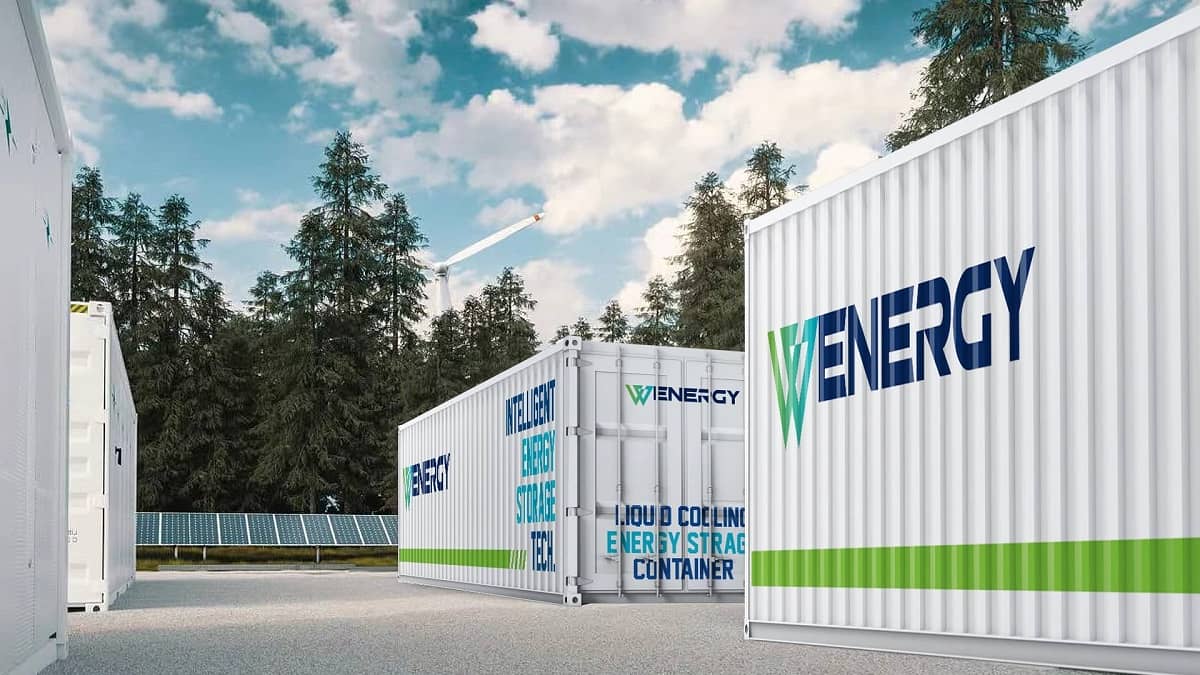
A 5MWh energy storage system delivers exceptional value in scenarios where space is constrained but moderate-scale storage is required. The compact 20-foot container footprint means it fits on small parcels of land, inside existing electrical yards, or adjacent to substations. Its modular design also allows future expansion—if your project grows from 5 MWh to 15 MWh, simply add two more containers. However, if your analysis reveals daily throughput requirements exceeding 8 MWh or a need for very long duration (12+ hours of backup), a high-quality 5mwh energy storage system should be viewed as a building block rather than a final single-unit solution. Conversely, projects under 2 MWh of daily cycling needs would be better served by smaller commercial cabinets to avoid overcapitalization.
Right-Sizing Your Storage Investment
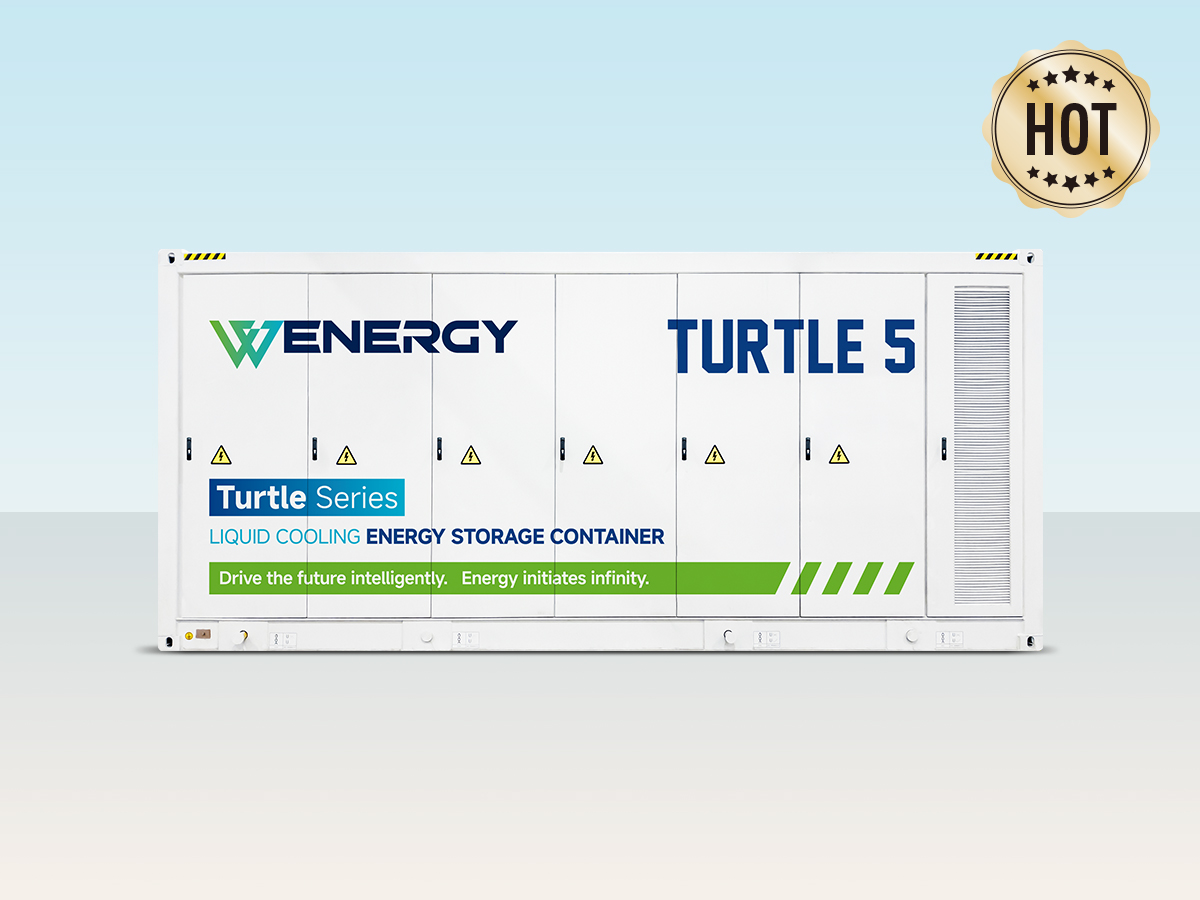
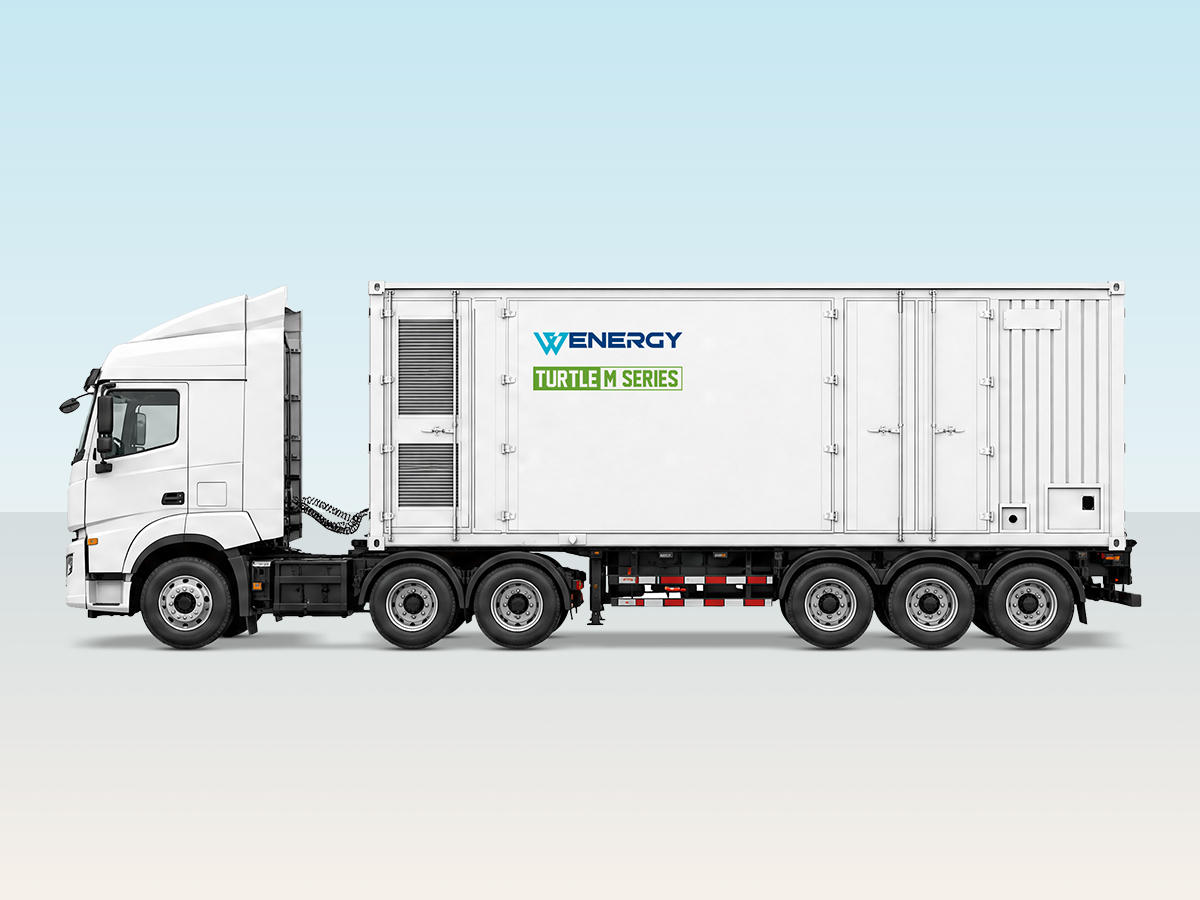
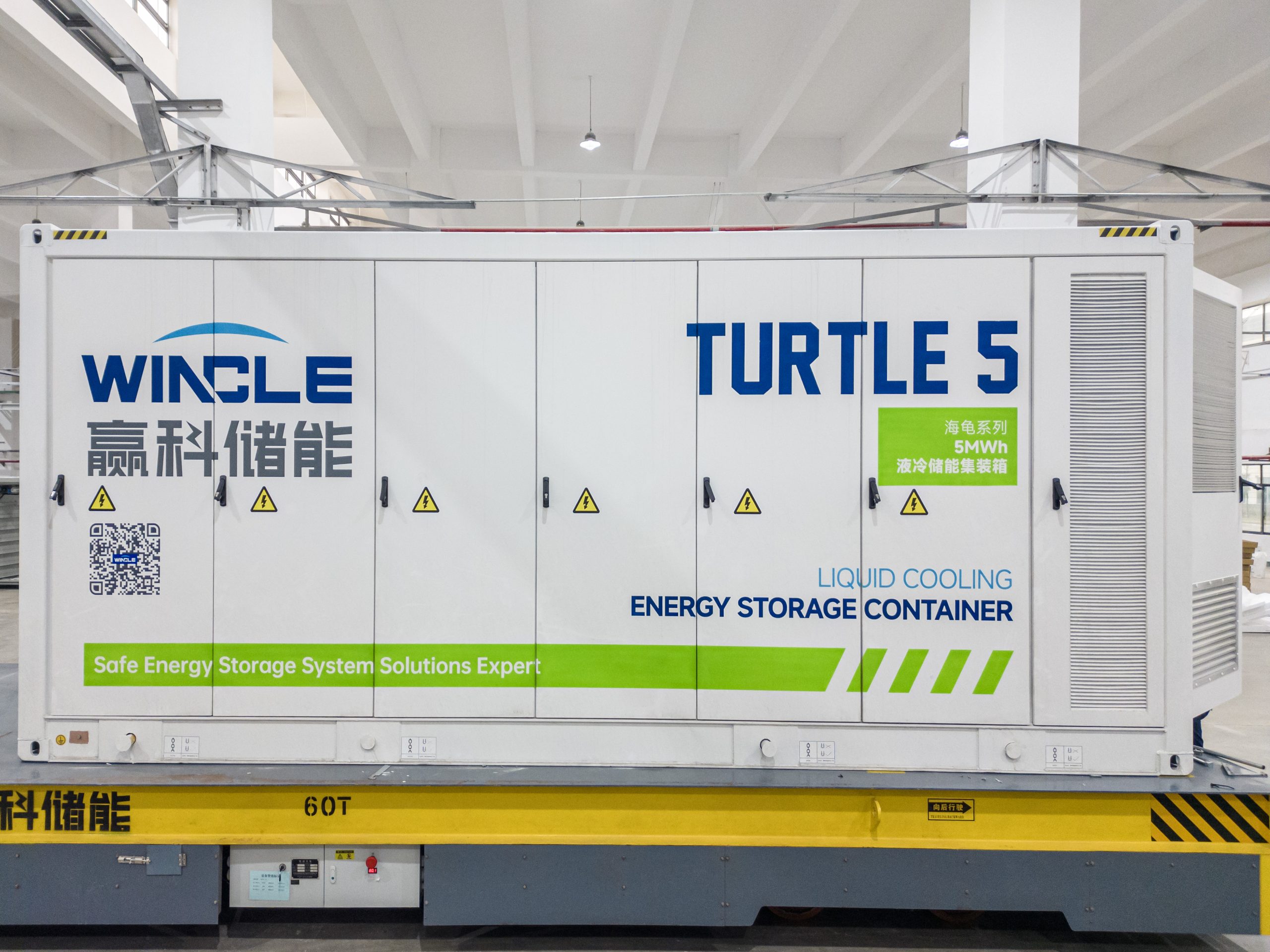
There is no universal answer to whether a 5MWh energy storage system is enough—the answer lies in your load data, application profile, and growth projections. When the numbers align, 5 MWh delivers utility-grade performance in a compact, expandable format. At طاقة, our high-quality 5mwh energy storage system—the new utility storage 5MWh energy storage container (20ft Turtle Series)—is a modular, high-efficiency solution designed for utility-scale grid stability and backup. Featuring liquid-cooled 314Ah cells, it offers scalable capacity, intelligent thermal management, and advanced fire protection within a compact IP55-rated container with high corrosion resistance. With high energy density delivering more power in less space, flexible modular expansion, and high cycle efficiency, our 5MWh energy storage system is ideal for renewable integration, industrial backup, and remote power applications. When you are ready to size your next project, Wenergy provides the 5MWh energy storage system engineered to match your real-world needs.
Post time: Jun-12-2026