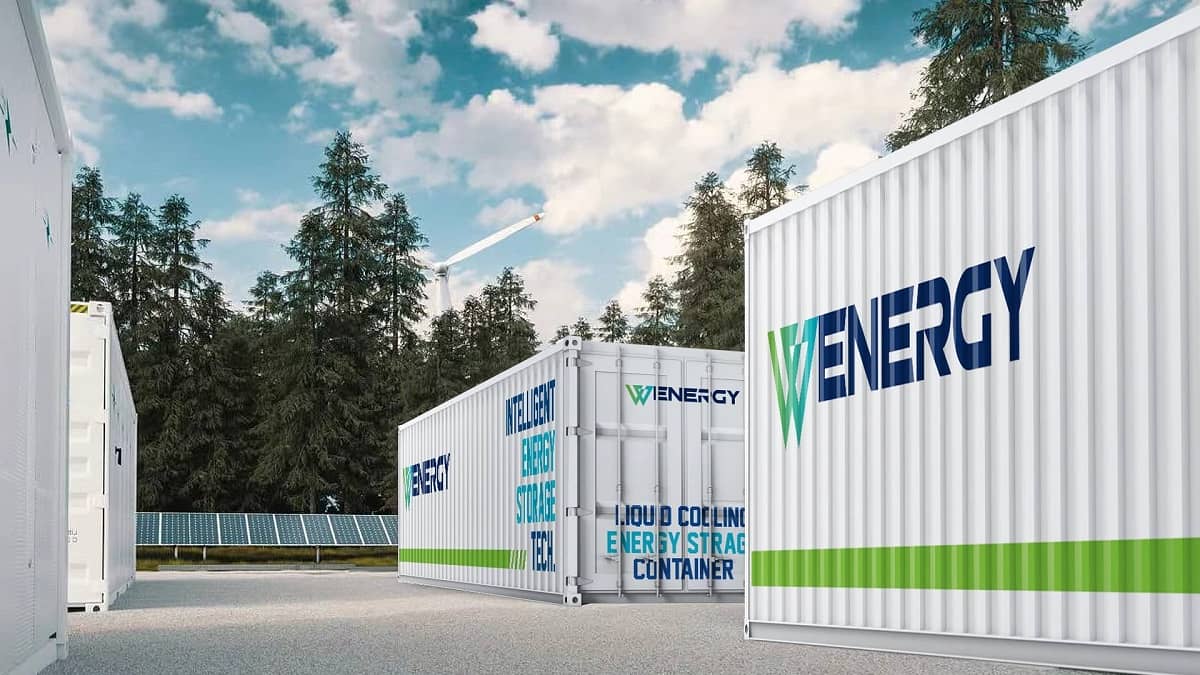
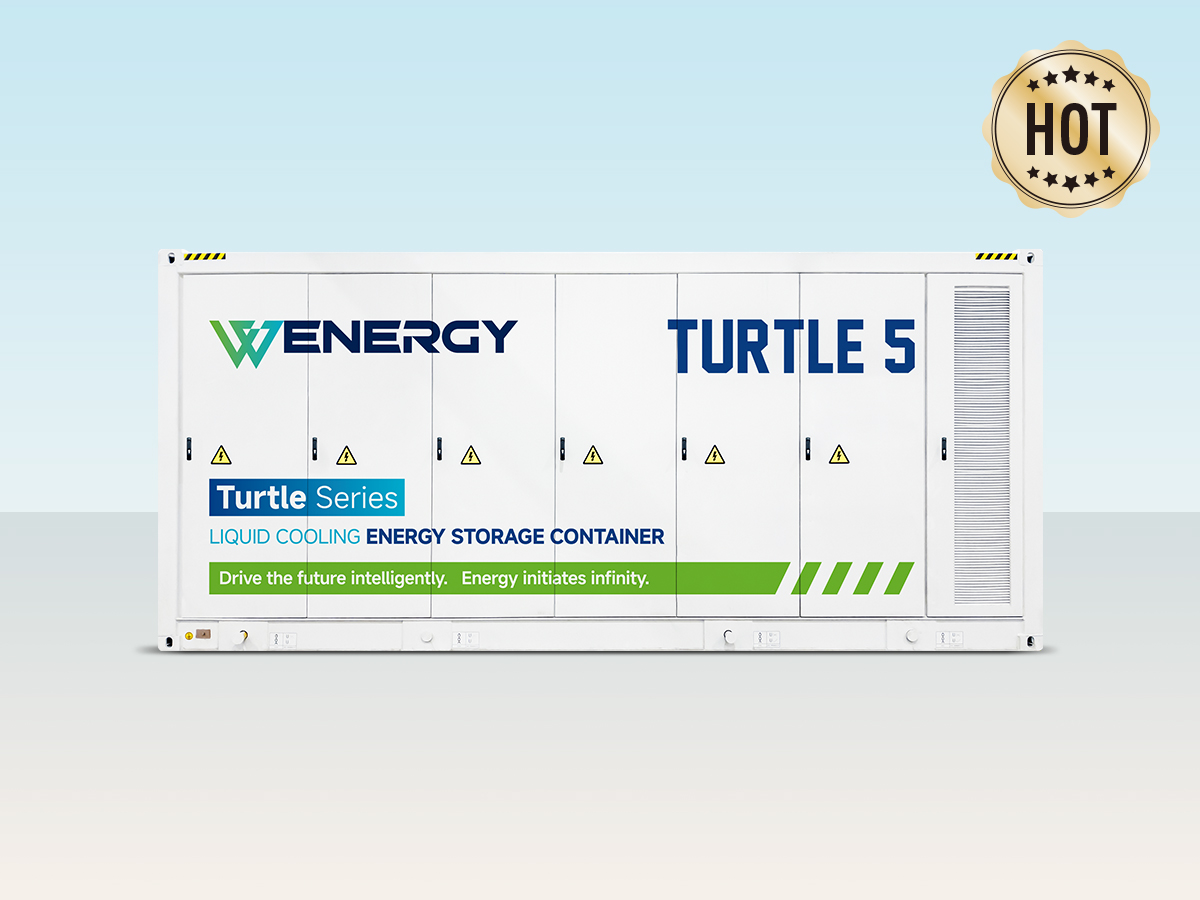
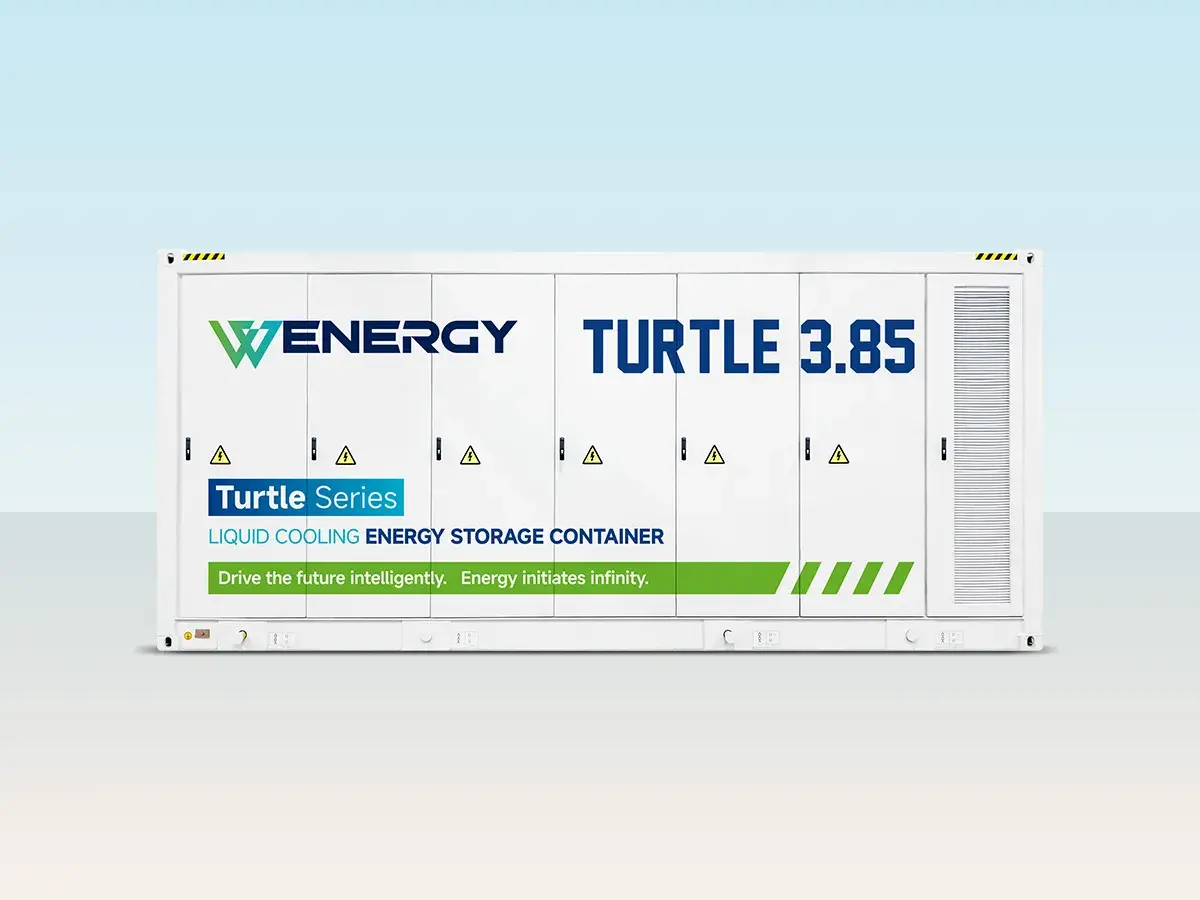

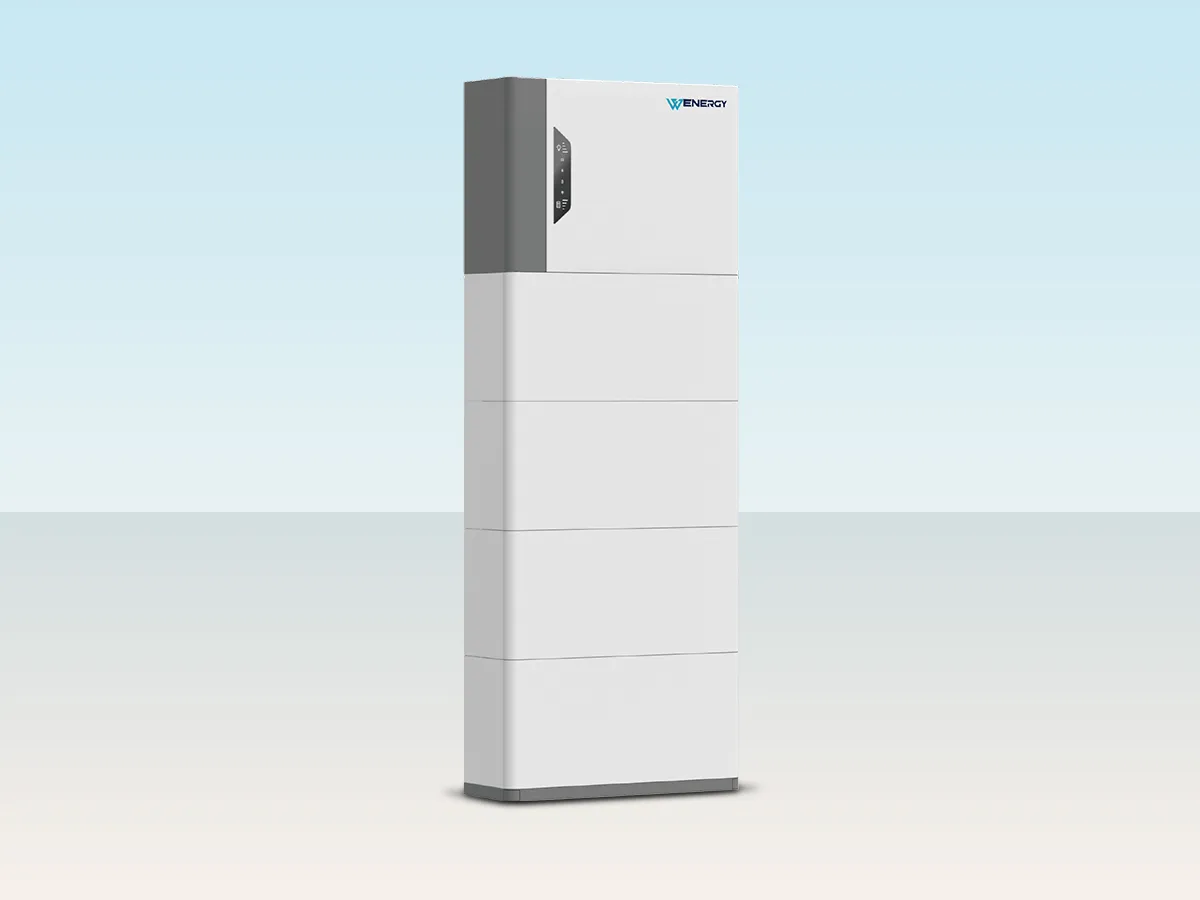
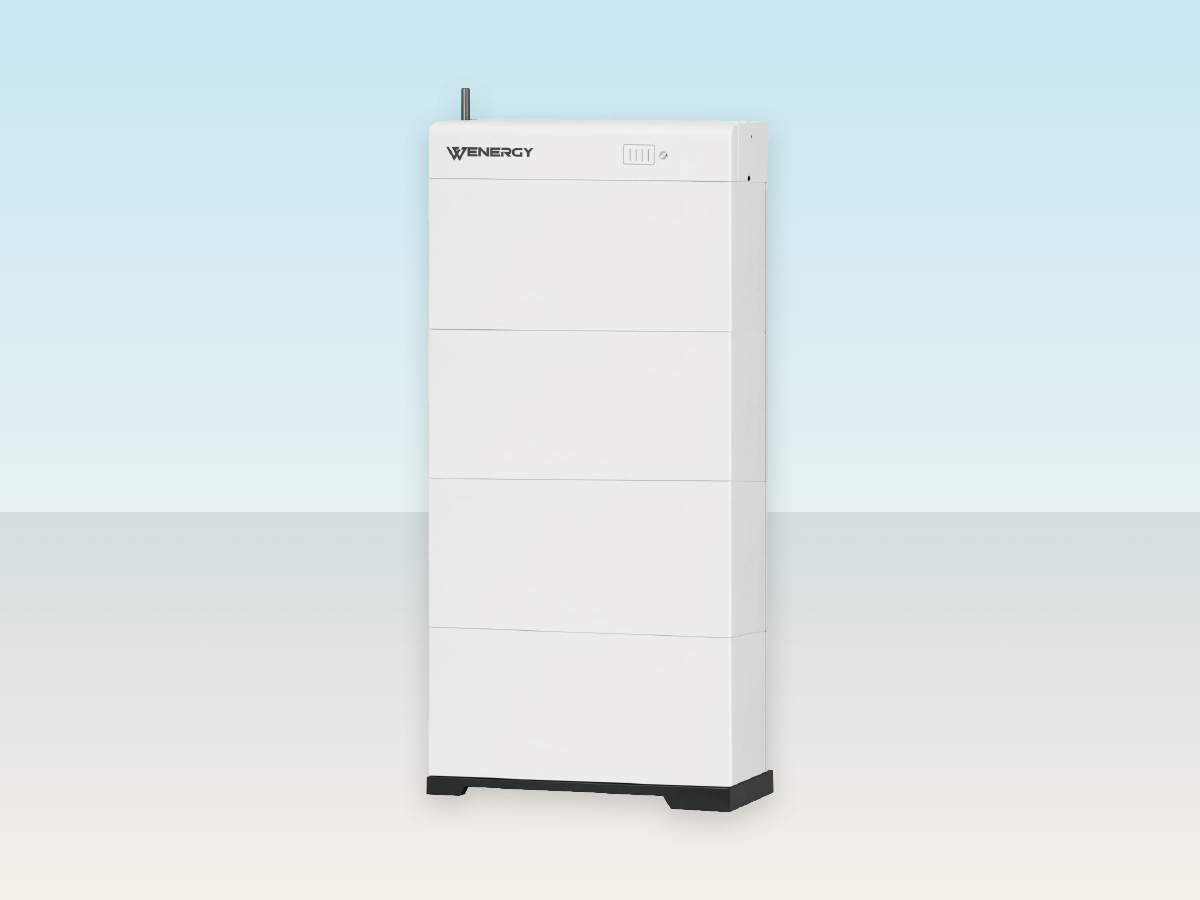
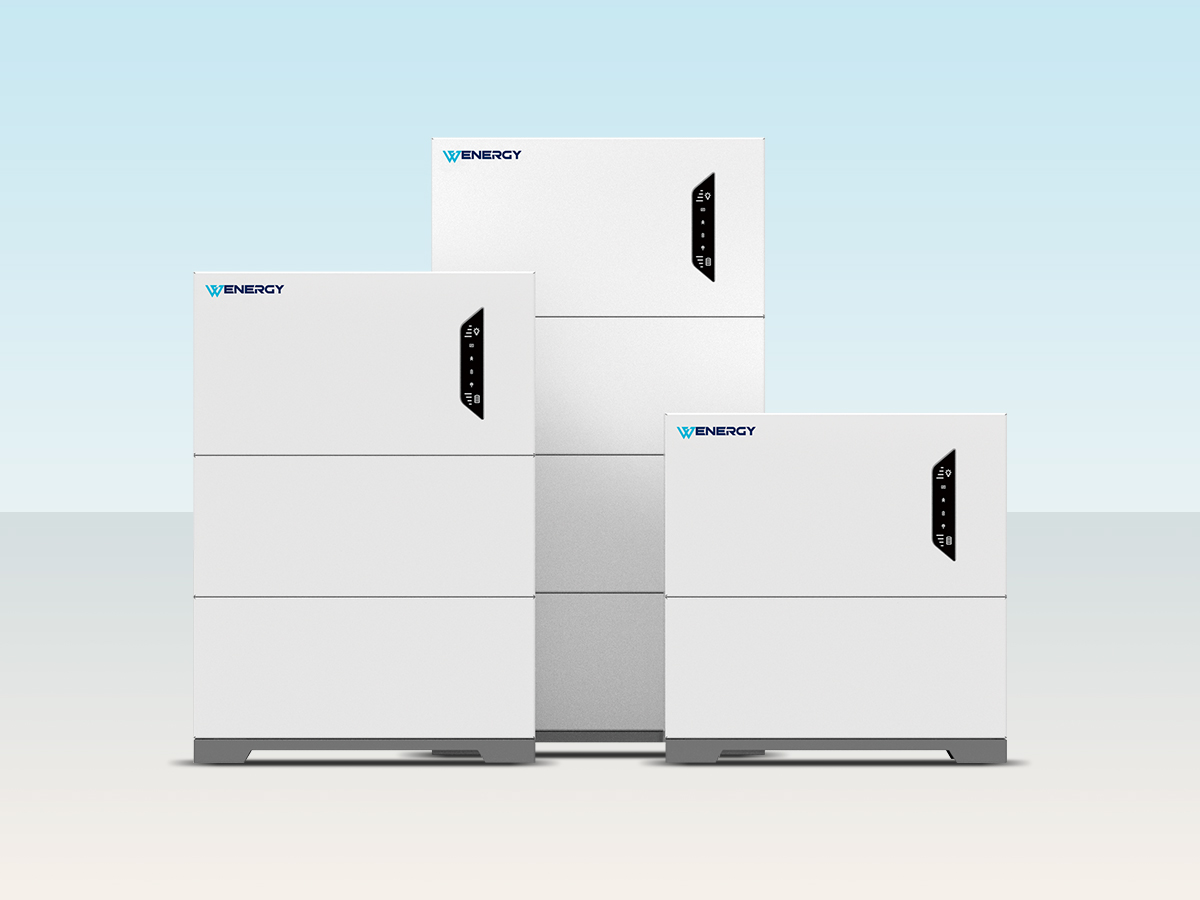
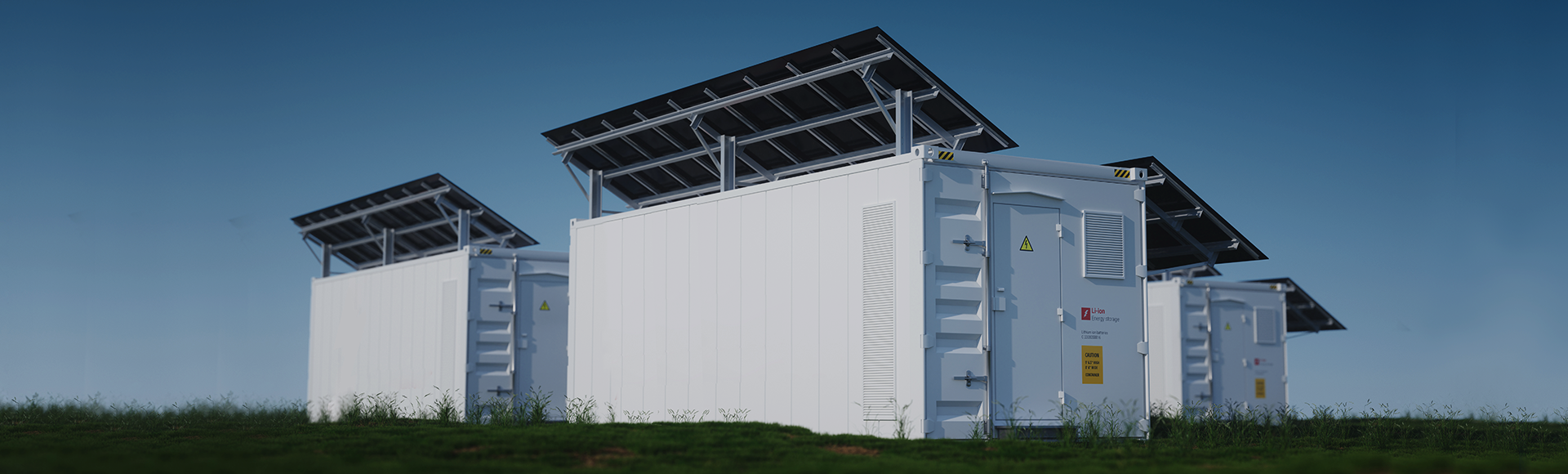
Facilities operating in regions with extreme climates face unique challenges when deploying energy storage infrastructure. Elevated ambient temperatures accelerate battery degradation, reduce operational efficiency, and increase safety risks if thermal management proves inadequate. A liquid cooling energy storage system addresses these concerns through active temperature control that maintains optimal cell conditions regardless of external heat. At Wenergy, we engineer our liquid cooling bess specifically for demanding environments where conventional air-cooled systems struggle to perform. This article examines how advanced thermal management enables reliable operation and superior returns in high-temperature applications.
Thermal Management Critical for Hot Climate Performance
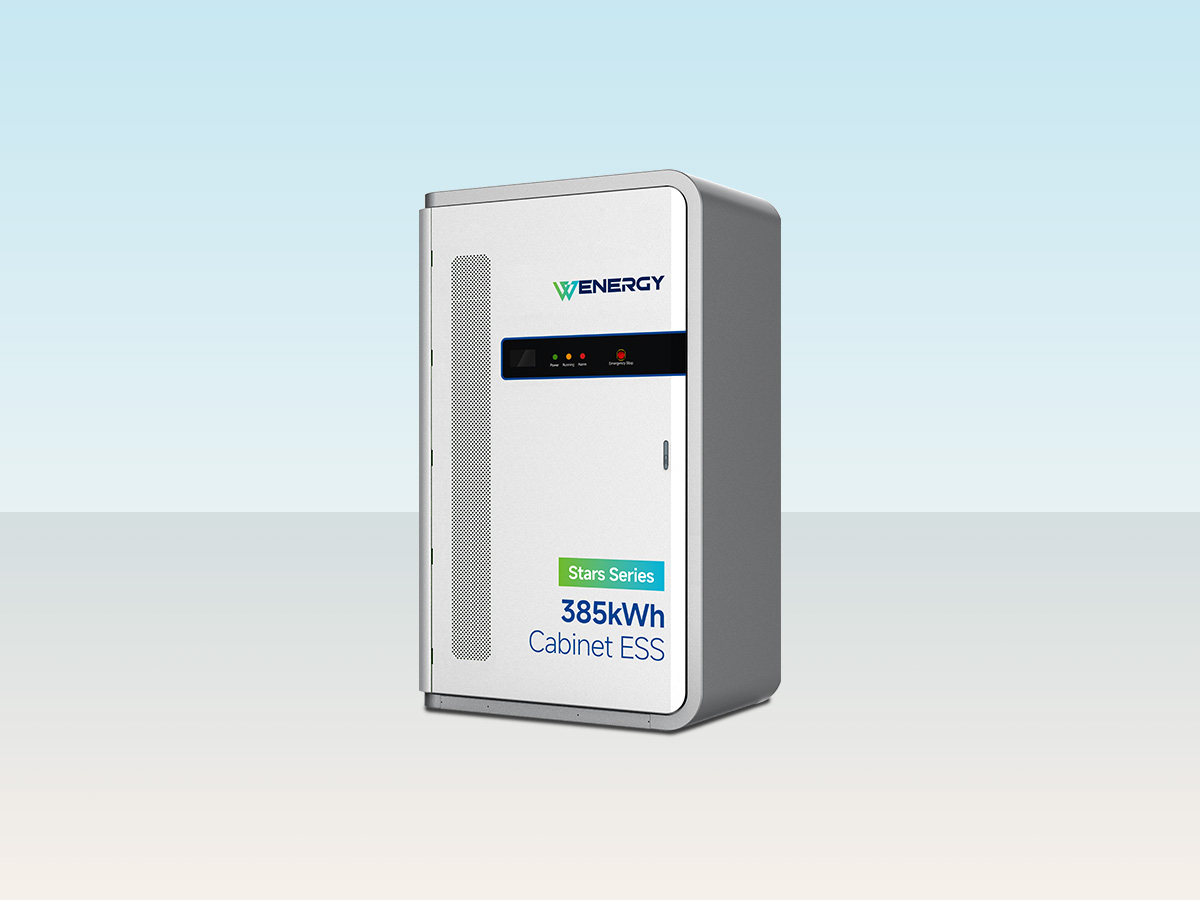
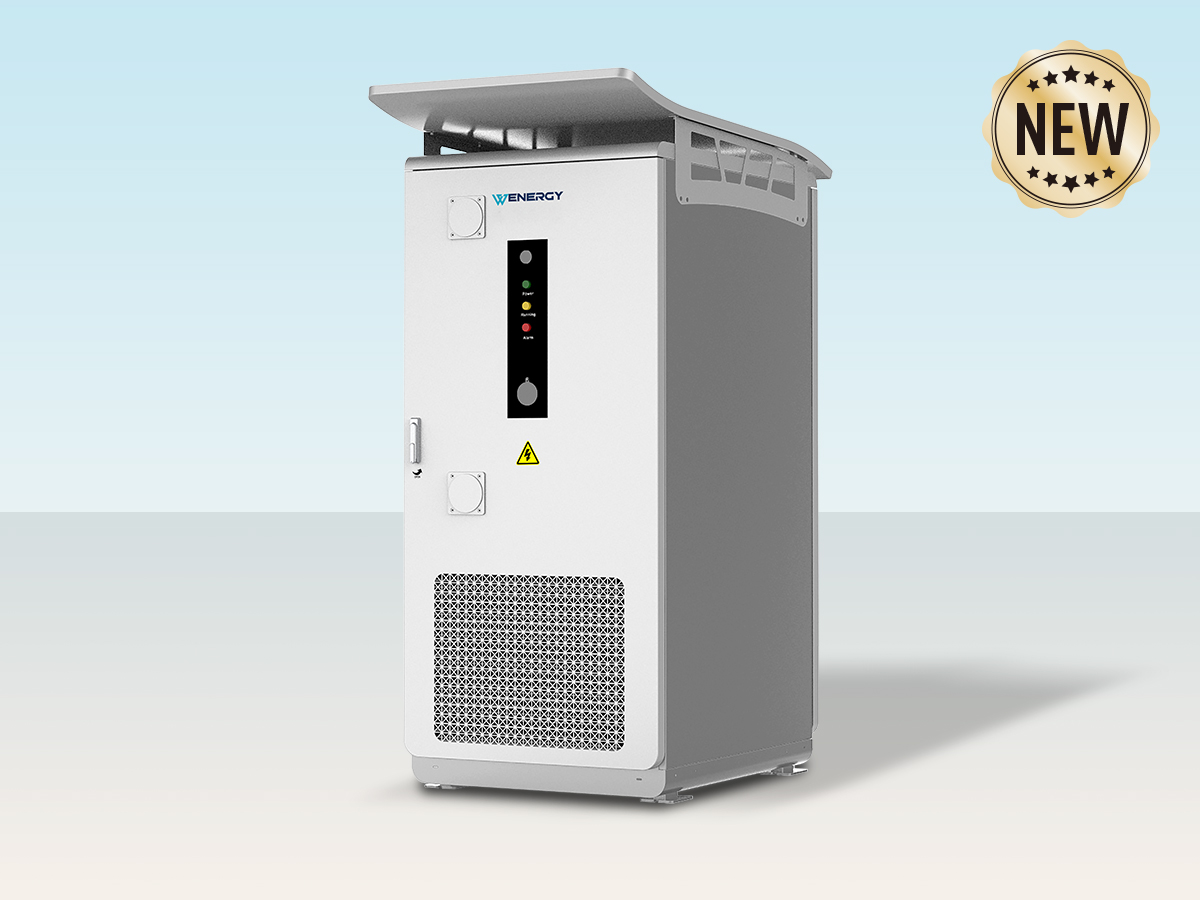
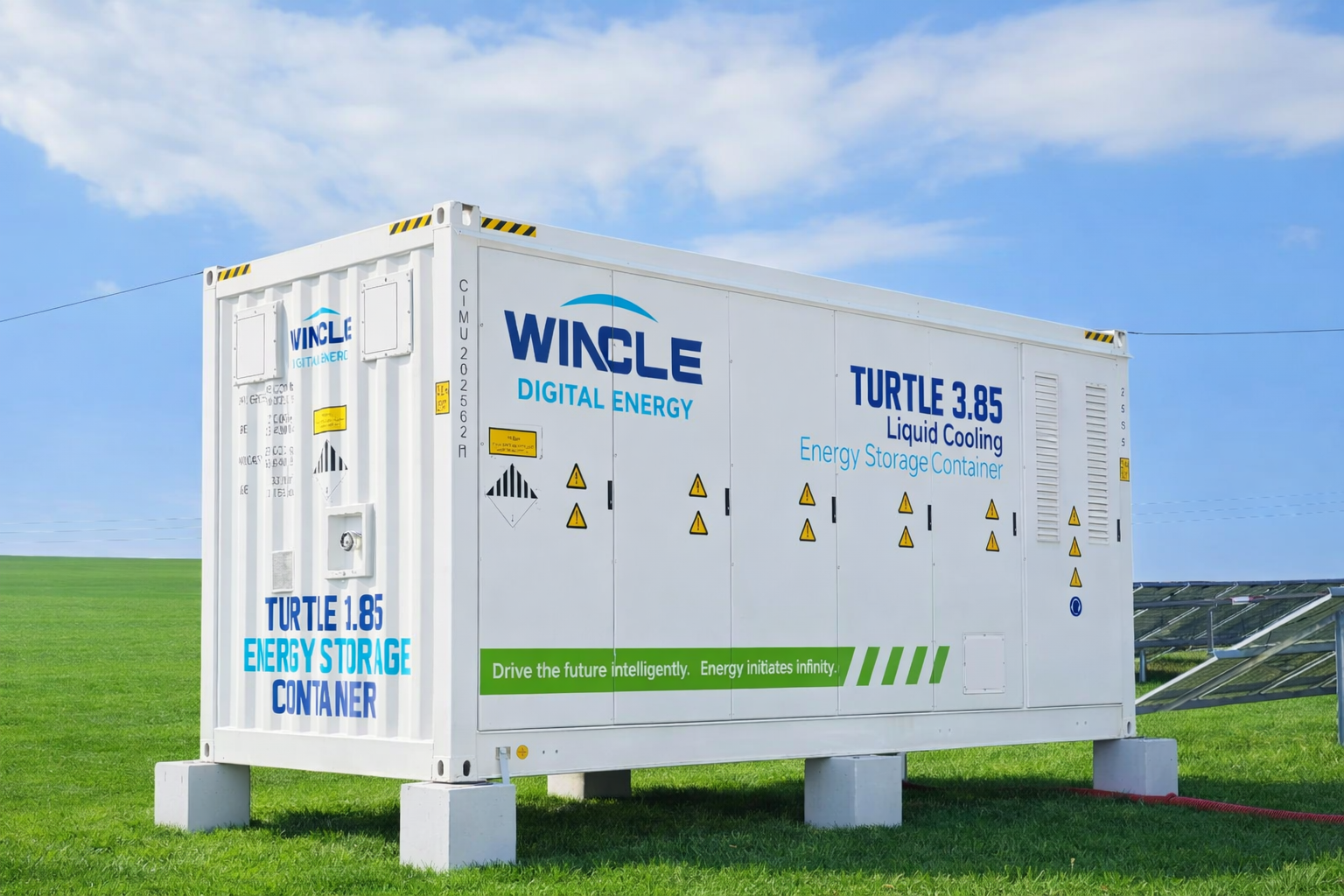
Standard battery enclosures rely on ambient air circulation to dissipate heat generated during charge and discharge cycles. This approach becomes ineffective when outdoor temperatures approach or exceed battery operating limits. Our 261kWh liquid cooling energy storage system maintains cell temperatures within an optimal range through continuously circulating coolant that absorbs and rejects heat efficiently. The integrated thermal management ensures each cell experiences consistent conditions regardless of position within the cabinet. This uniformity proves essential for long-term reliability, as temperature differentials exceeding a few degrees accelerate capacity fade in warmer cells. Commercial and industrial facilities in sunbelt regions benefit from liquid cooling bess technology that maintains nameplate capacity even during summer peak demand periods when energy costs reach maximum levels.
Economic Advantages of Extended Battery Lifespan
The financial case for energy storage depends heavily on system longevity and cycle life. Heat represents the primary accelerator of lithium battery degradation, with every 10°C increase above optimal temperature potentially halving useful life. Our 125kW output liquid cooling energy storage system preserves battery health through precise thermal regulation, enabling thousands of additional cycles compared to passively cooled alternatives. This extended lifespan directly improves project economics by deferring replacement costs and maintaining higher capacity over the system’s operational life. The 261kWh configuration stores excess energy during off-peak hours for discharge during high-tariff periods, generating consistent monthly savings that accumulate over a longer duration. Facility owners evaluating liquid cooling bess technology should model total cost of ownership rather than initial capital expenditure, as thermal management investments deliver compounding returns through reduced degradation.
Modular Architecture Supporting Scalable Deployment
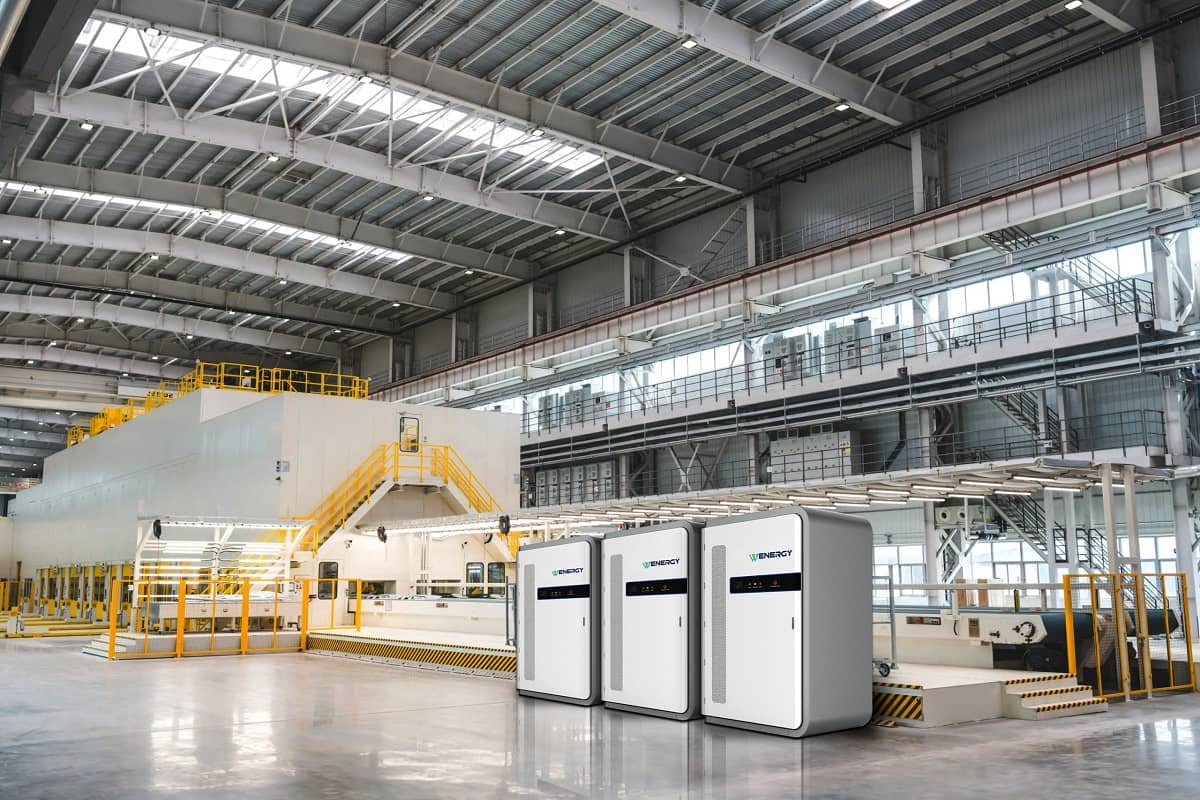
High-temperature regions often experience rapid load growth from air conditioning and process cooling requirements. Energy storage systems must accommodate this increasing demand without requiring complete infrastructure replacement. Our liquid cooling energy storage system employs modular design principles that facilitate capacity expansion as facility requirements evolve. The 261kWh cabinet serves as a building block for larger installations, with multiple units coordinating through intelligent energy management system control. This scalability proves valuable for industrial parks and large commercial campuses where phasing investments aligns with budget cycles and load development. The comprehensive safety architecture incorporated into each liquid cooling bess unit includes multiple layers of protection against thermal events, a critical consideration when operating in environments already stressed by high ambient temperatures.
Deploying energy storage in high-temperature regions demands technology specifically engineered for thermal challenges. Liquid cooling energy storage systems deliver the performance consistency, lifespan extension, and operational safety that air-cooled alternatives cannot match in extreme climates. At طاقة, our liquid cooling bess solutions combine precise thermal management with scalable architecture to support commercial and industrial facilities worldwide. By maintaining optimal cell temperatures regardless of external conditions, we enable reliable energy cost reduction and power quality enhancement even in the world’s most demanding environments.
Post time: Apr-13-2026