
Power reliability has become a practical concern for many households as weather events, grid upgrades, and energy price fluctuations affect daily life. When considering backup solutions, homeowners often compare traditional generators with modern battery-based options. From our perspective at طاقة, this comparison is not only about keeping lights on, but also about safety, efficiency, and how energy systems fit into everyday residential environments. As interest in residential energy storage systems continues to grow, understanding how battery solutions differ from generators helps homeowners make decisions that align with long-term energy use rather than short-term fixes.
How Residential Battery Systems Work in Daily Scenarios
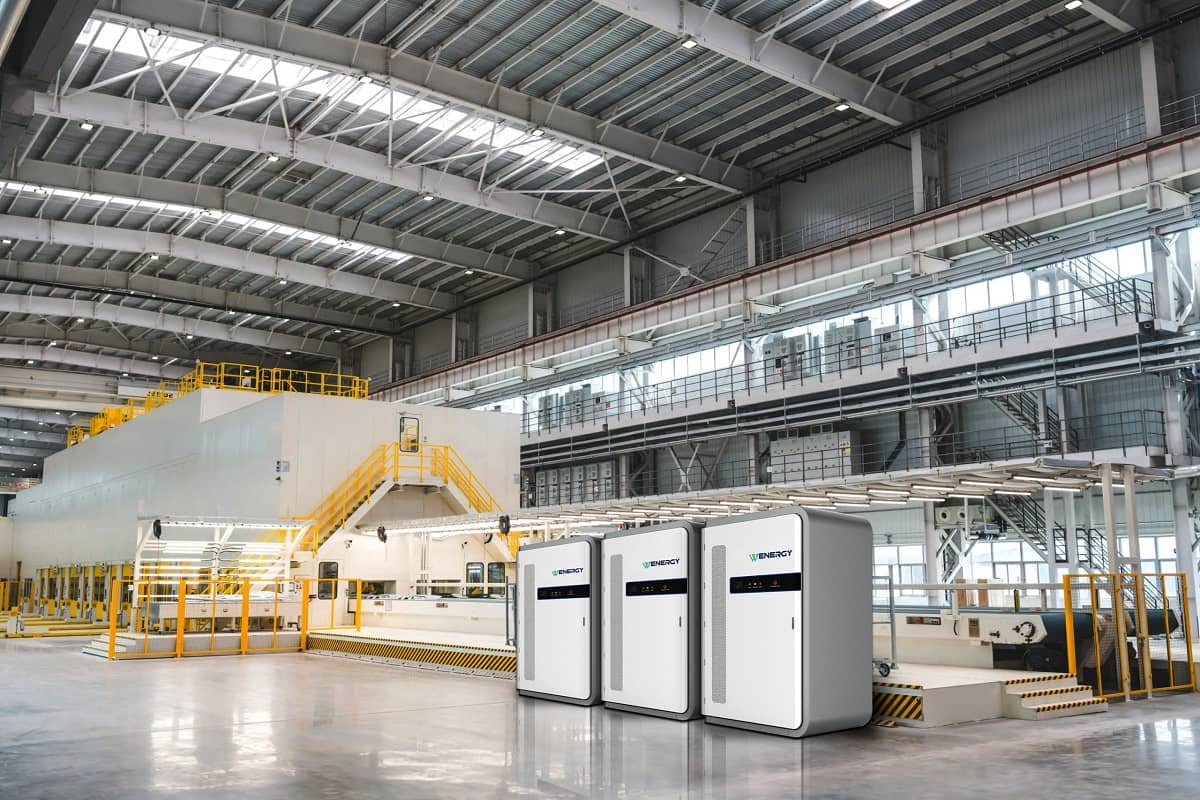
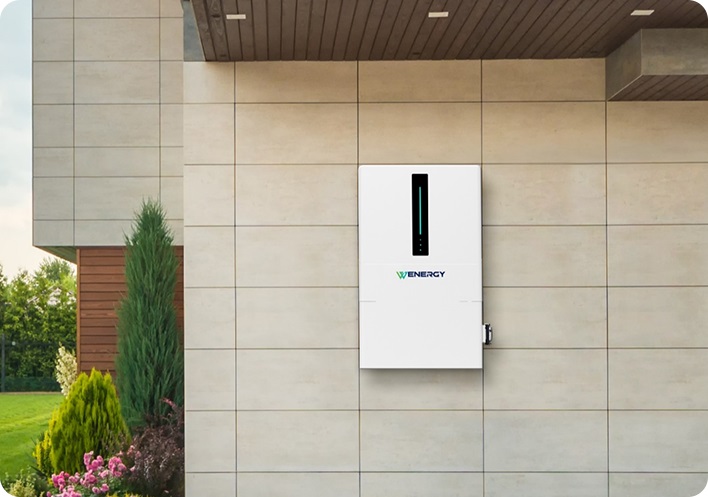
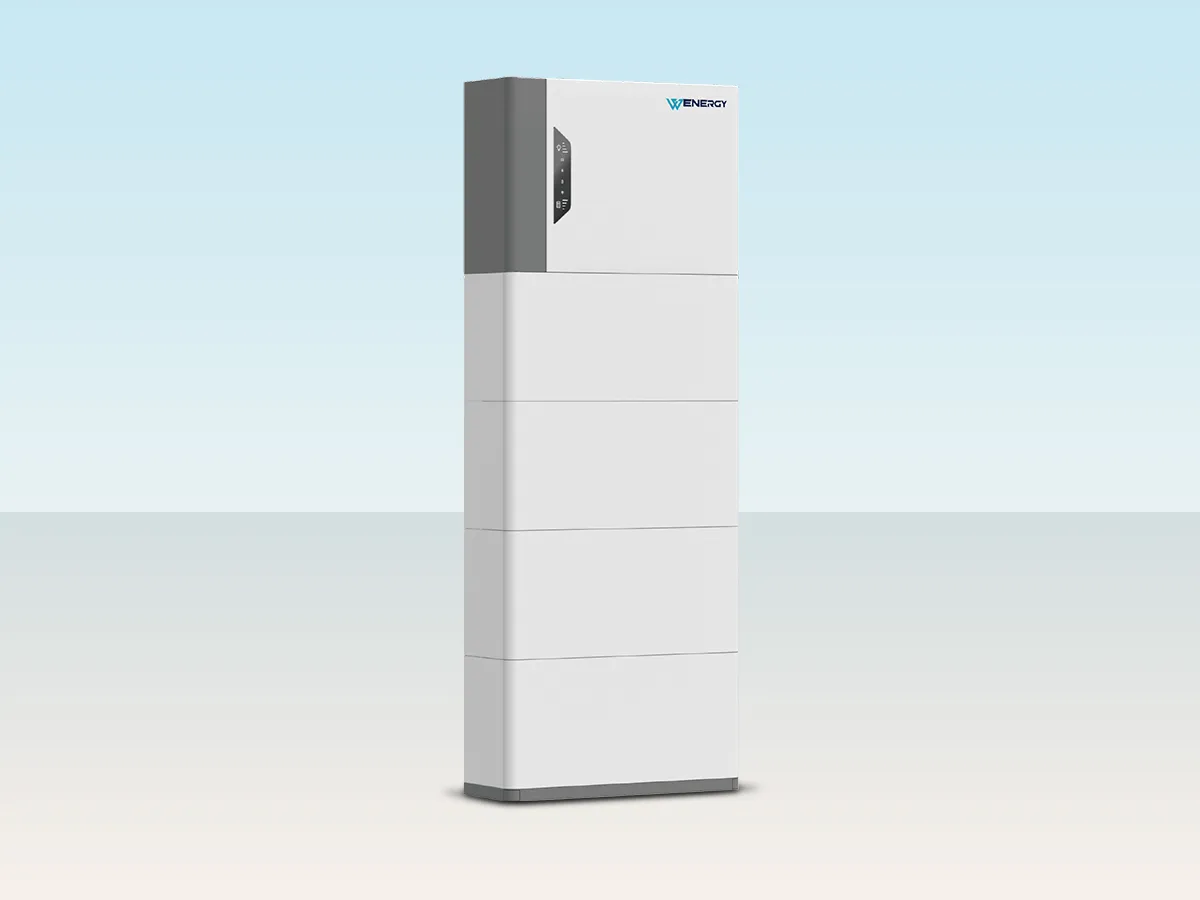
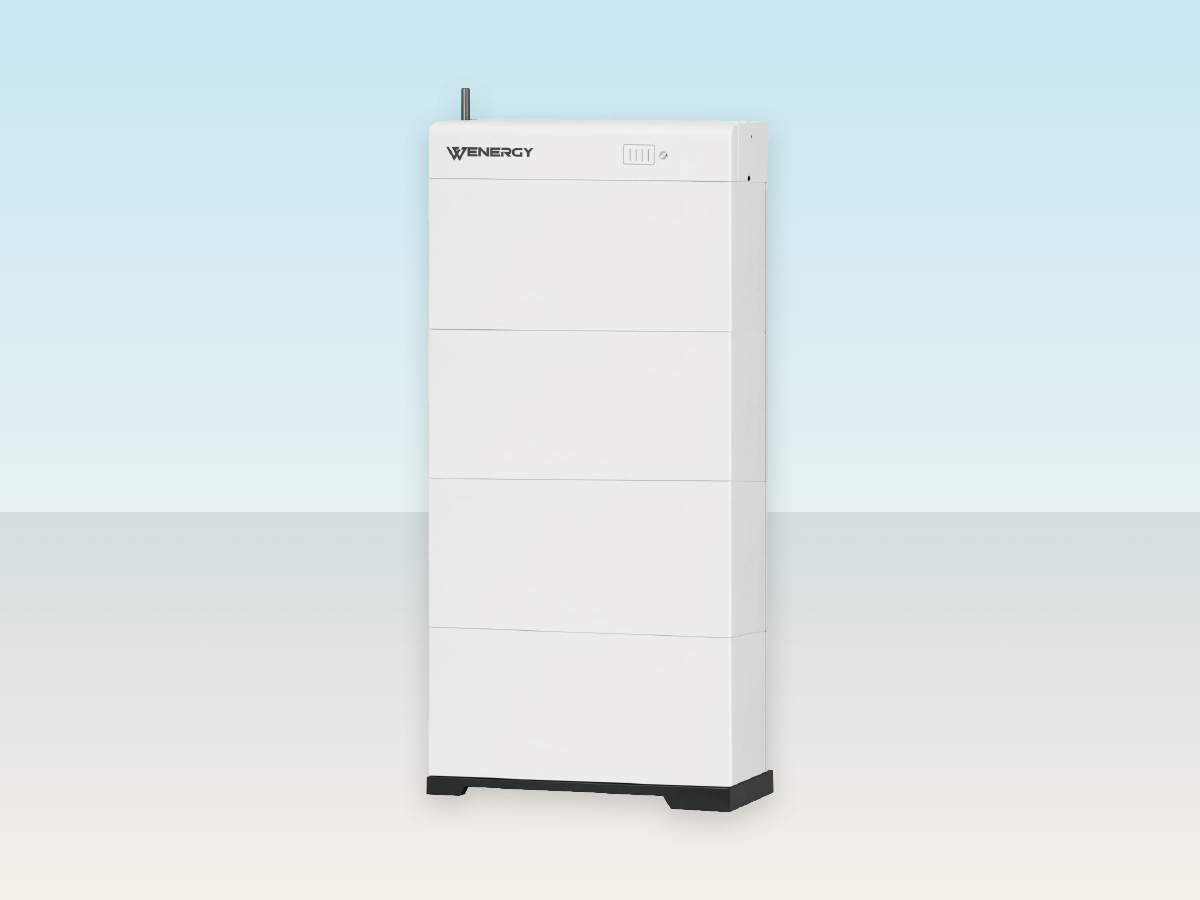
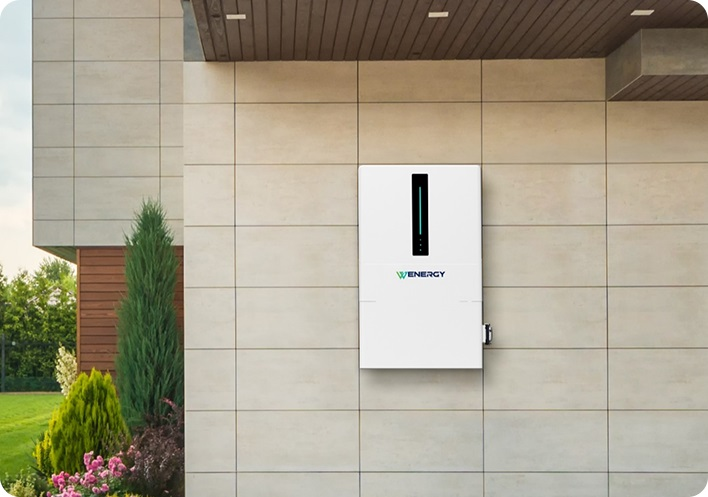
Battery-based backup solutions are designed to store electricity and release it when needed, without relying on combustion or fuel delivery. In daily residential scenarios, residential ESS setups can charge from the grid during off-peak hours or directly from rooftop solar systems. This stored energy can then support essential loads during outages or help manage household consumption during high-tariff periods. Unlike generators, batteries operate quietly and do not require outdoor placement for ventilation or exhaust control. From a system design standpoint, we see residential energy storage systems being integrated more often into home energy planning rather than treated as emergency-only equipment. This integration allows batteries to function as part of a broader energy strategy instead of standing idle for most of the year.
Comparing Batteries and Generators from a Practical View
When comparing batteries with generators, the differences become clear in maintenance, operation, and user experience. Generators depend on fuel availability and regular mechanical servicing, which can introduce uncertainty during extended outages. Residential ESS solutions, by contrast, rely on electrical components with fewer moving parts, reducing routine maintenance demands. In residential environments, batteries also eliminate emissions and fuel storage concerns, making them easier to install in urban or space-limited settings. From what we observe in real-world applications, residential energy storage systems are increasingly chosen not only for backup power but also for their ability to support grid interaction and energy optimization, which generators are not designed to handle.
Residential Solutions and System Design Considerations
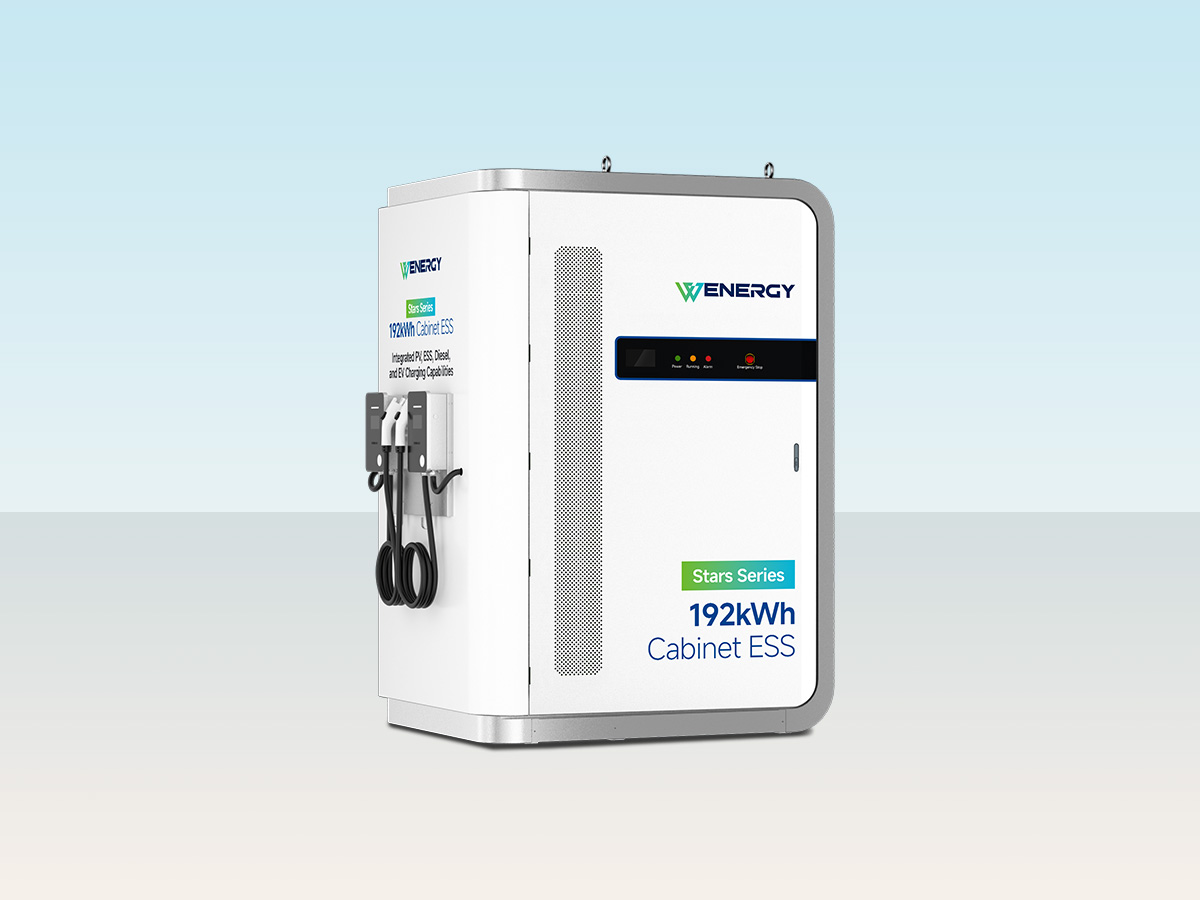
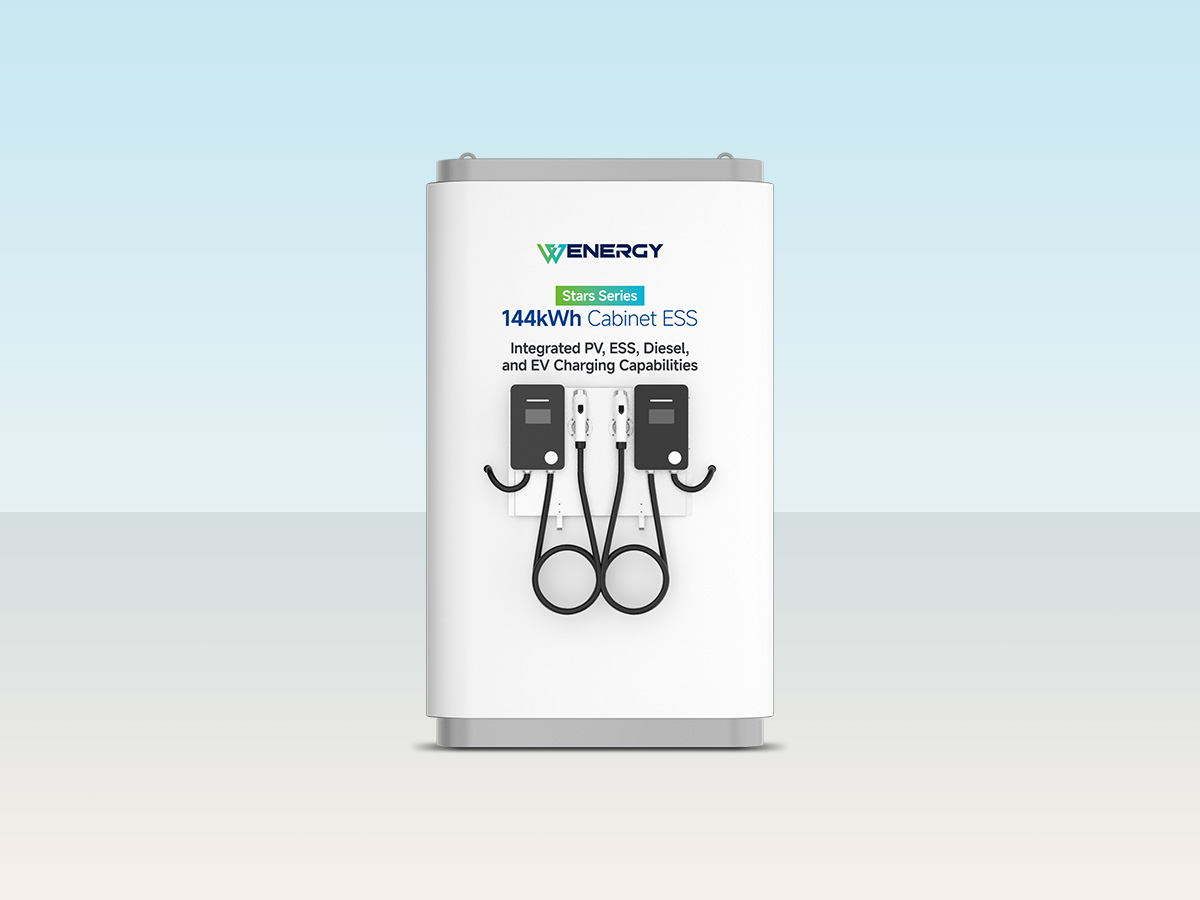
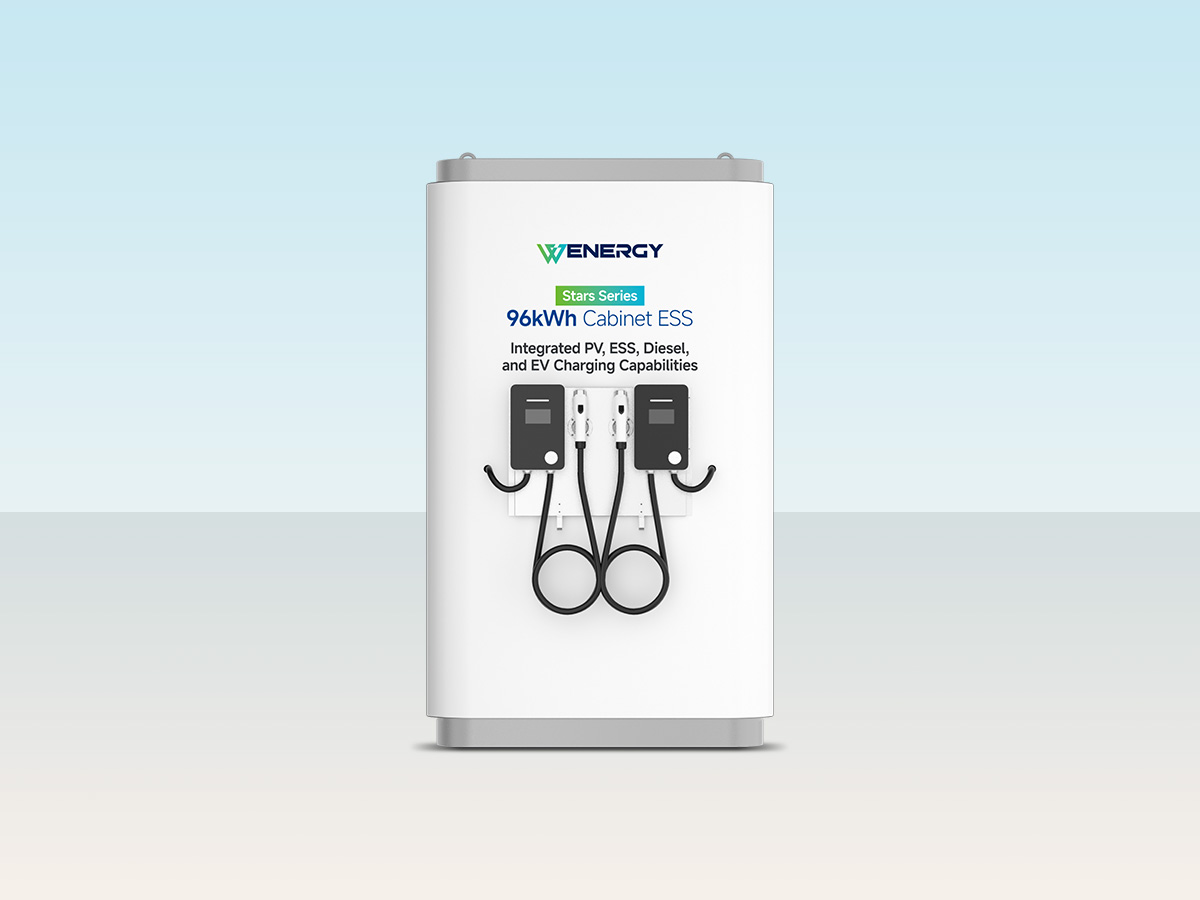
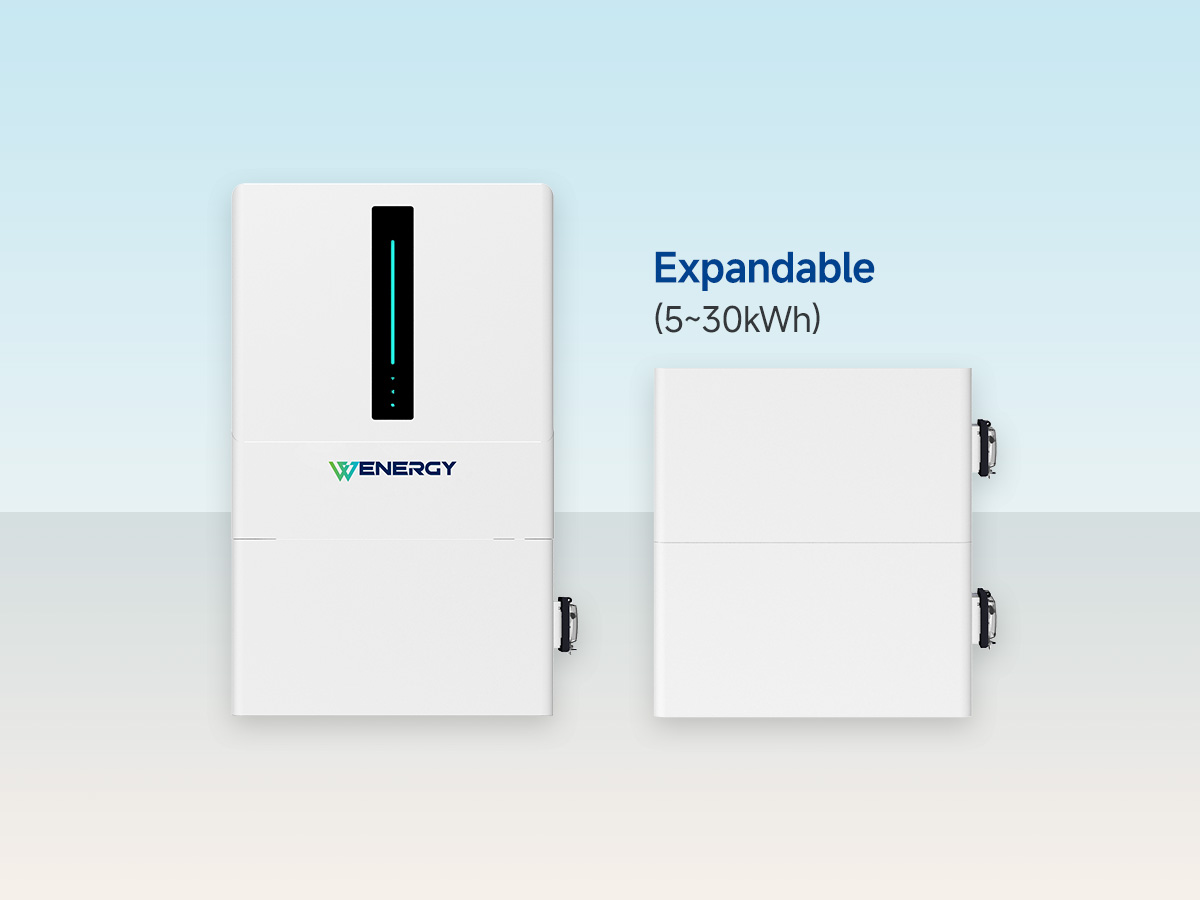
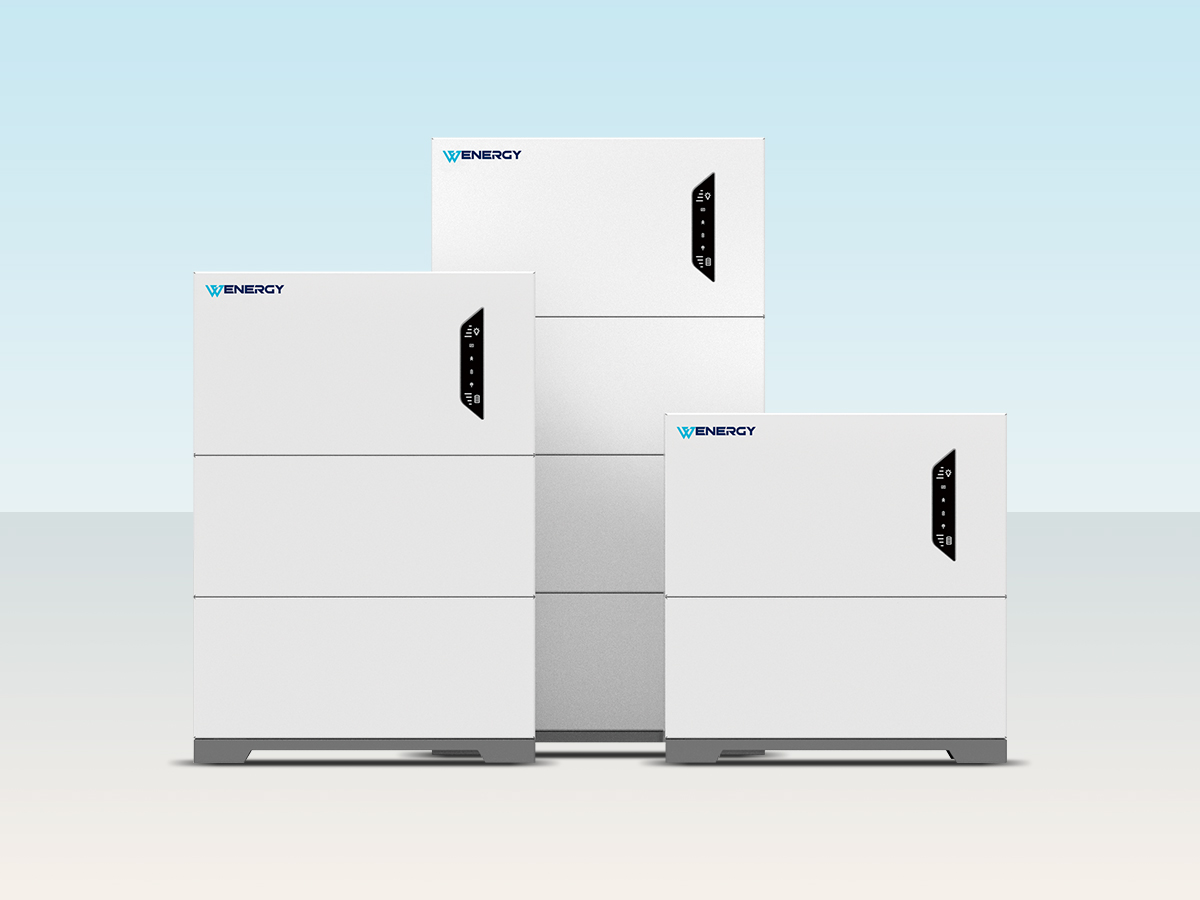
When developing residential solutions, we focus on system reliability, compliance with international standards, and ease of integration with existing home infrastructure. Our residential energy storage systems are designed to work with common inverter architectures and smart energy management platforms, allowing homeowners to monitor usage and performance clearly. Residential ESS configurations can be scaled based on household demand, which supports gradual adoption rather than one-time infrastructure changes. We also place emphasis on certification, full-chain manufacturing control, and after-sales service, as these factors influence long-term system stability more than short-term specifications.
Conclusion: Choosing Batteries for Long-Term Residential Energy Planning
Looking at residential backup options through a practical lens, batteries offer a more adaptable and future-oriented solution than generators. They support cleaner operation, flexible energy management, and integration with renewable sources, all of which align with how residential energy use is evolving. Rather than serving as emergency equipment alone, residential ESS solutions are becoming part of everyday power planning. From our experience, homeowners who consider residential energy storage systems are often seeking consistency and predictability, not just backup capacity. This shift reflects a broader change in how residential energy reliability is defined and achieved.
Post time: Mar-11-2026