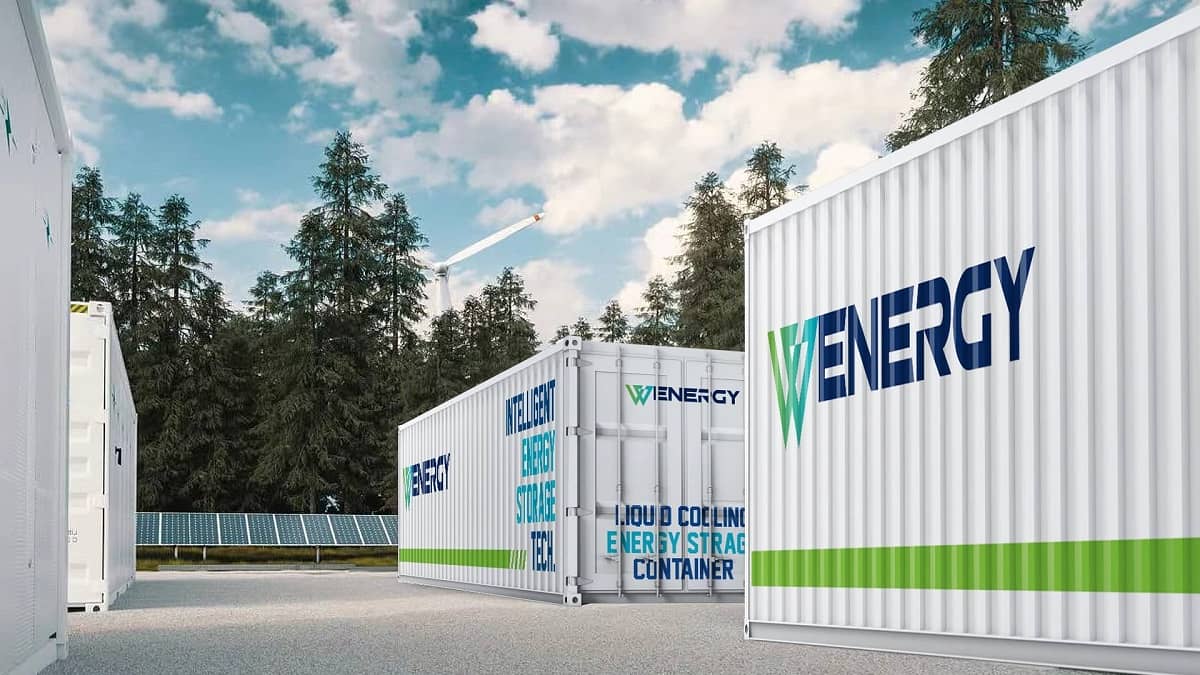
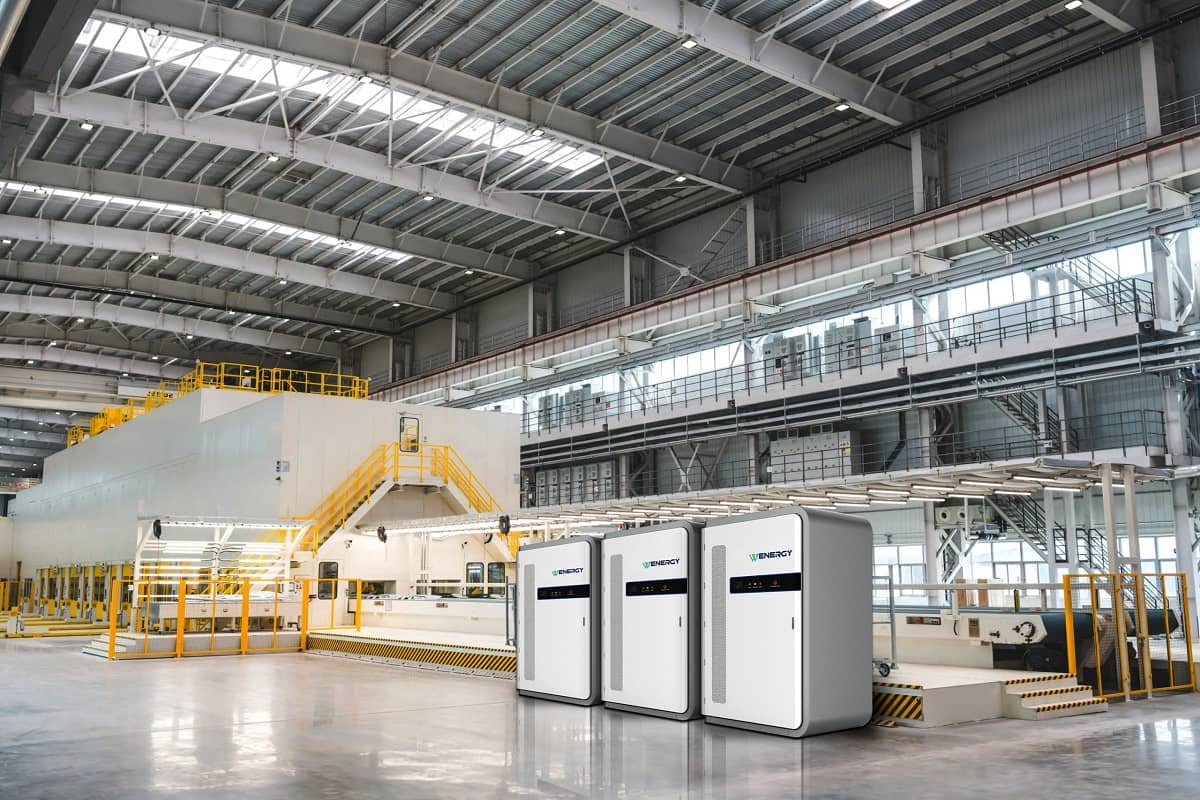

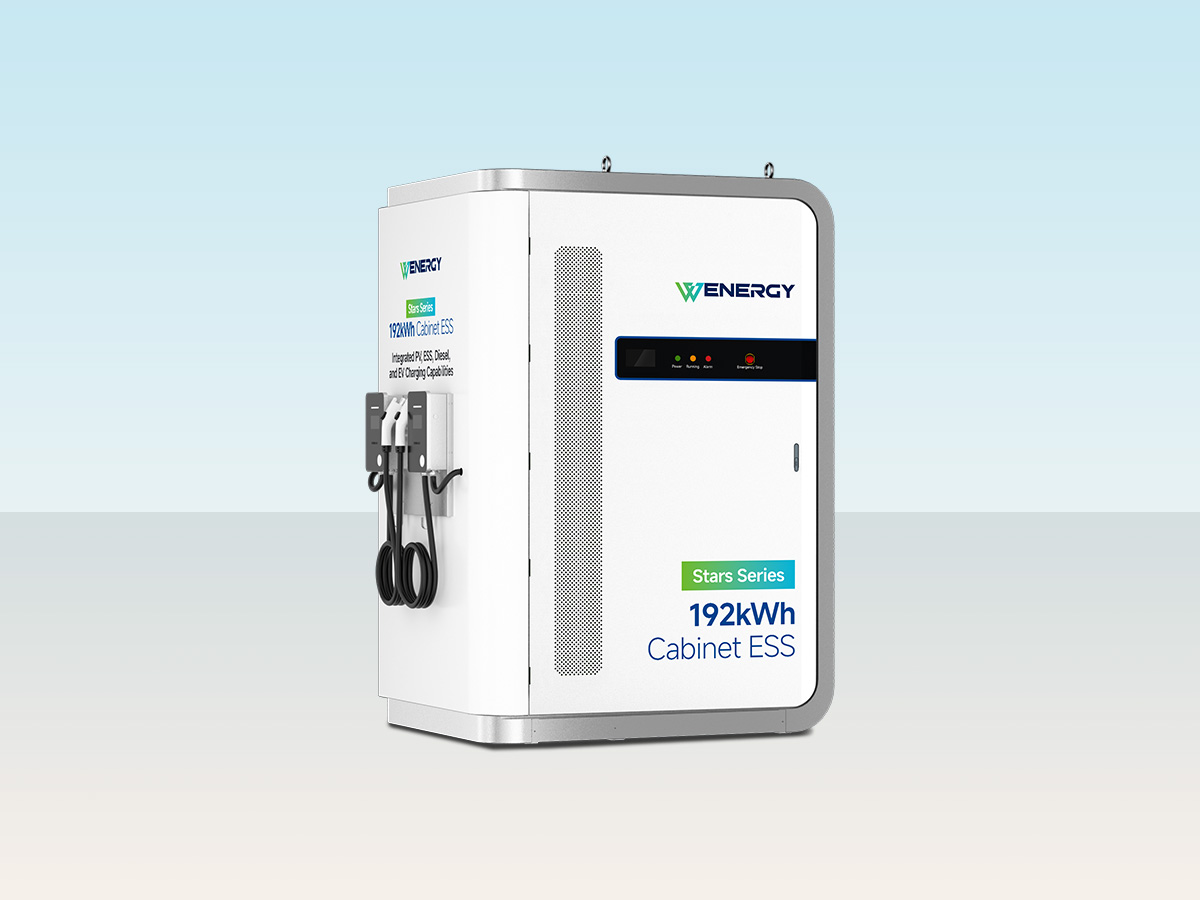
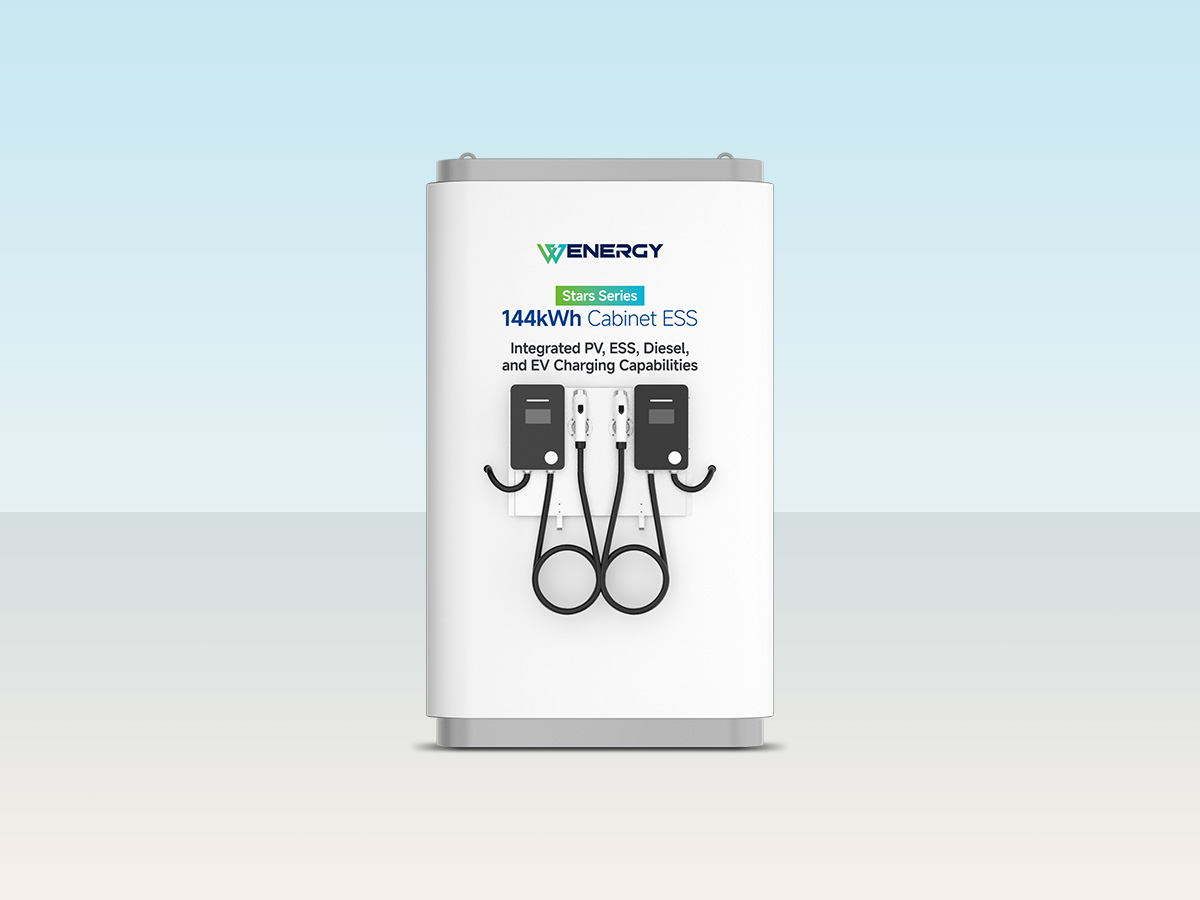
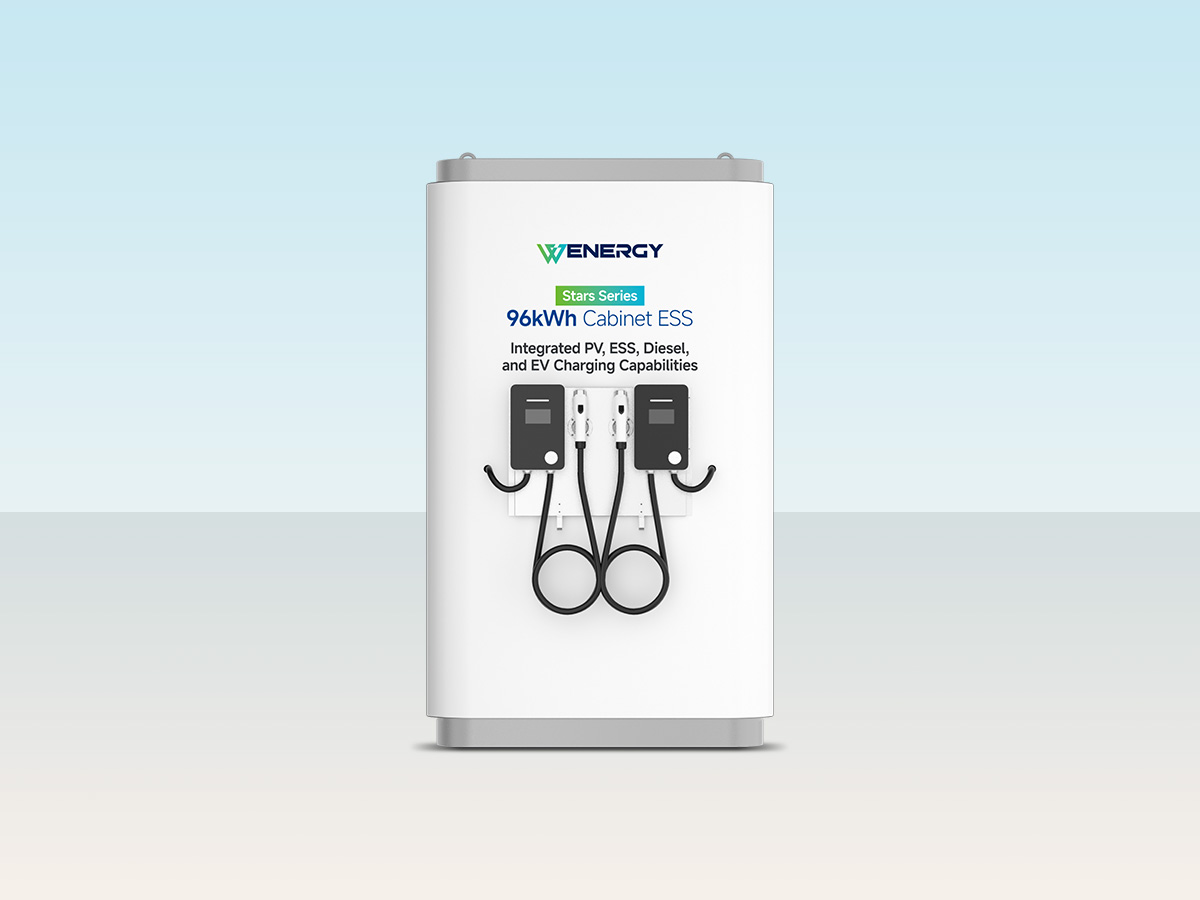
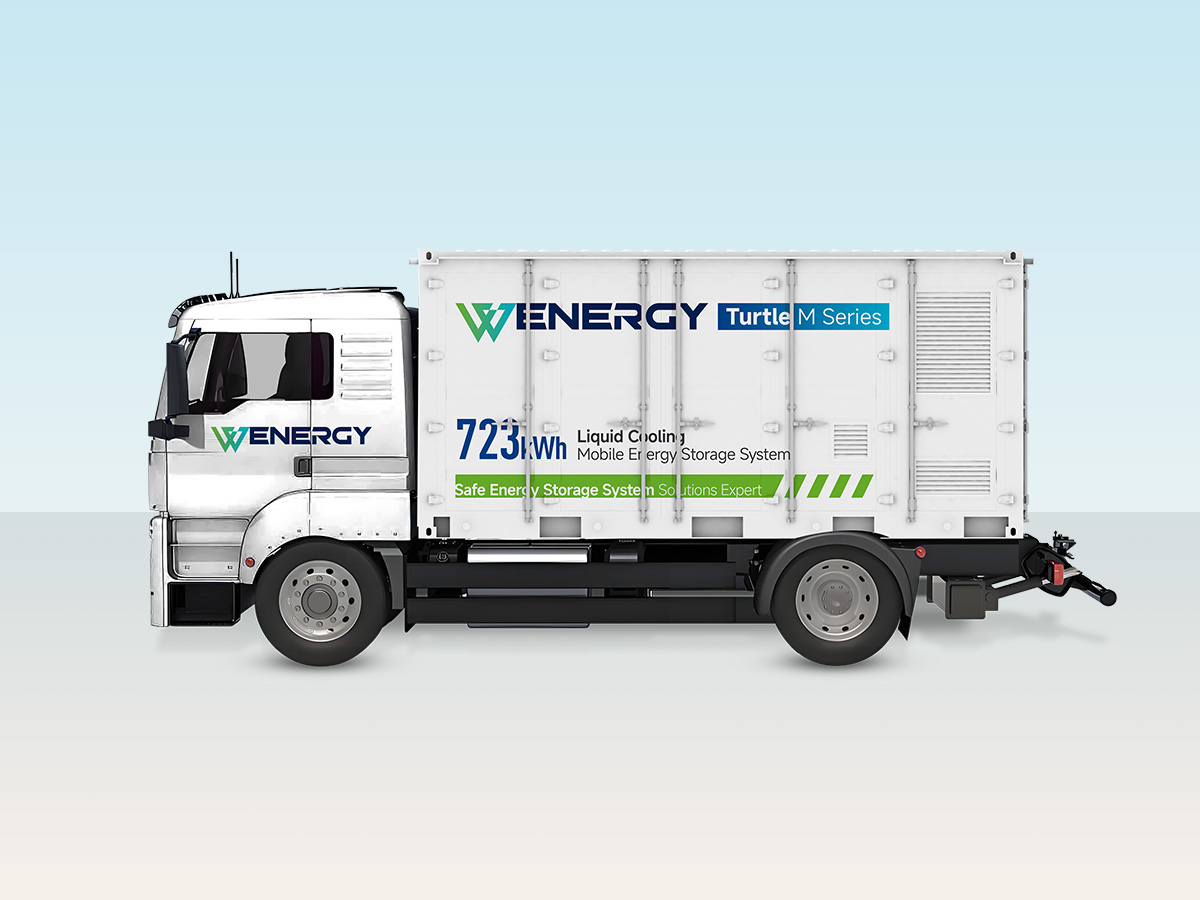
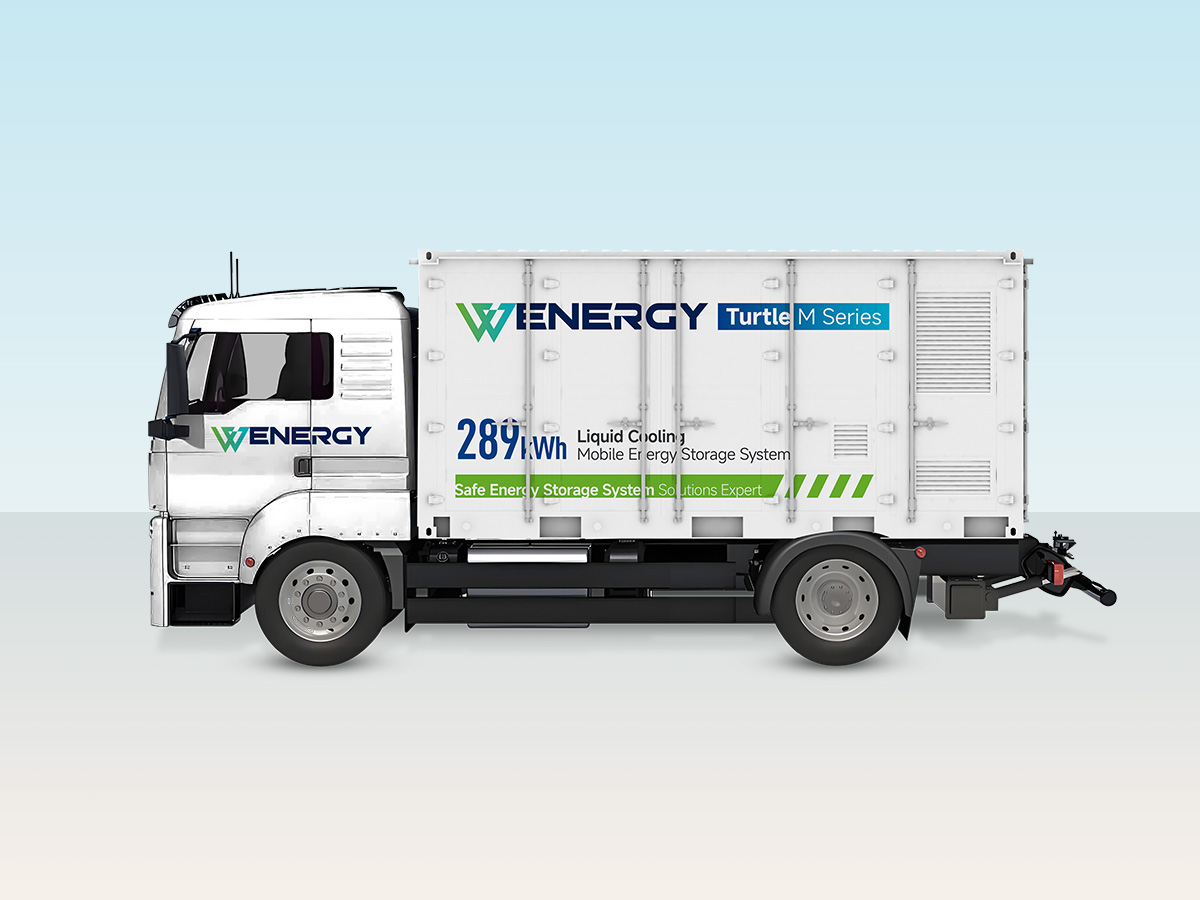
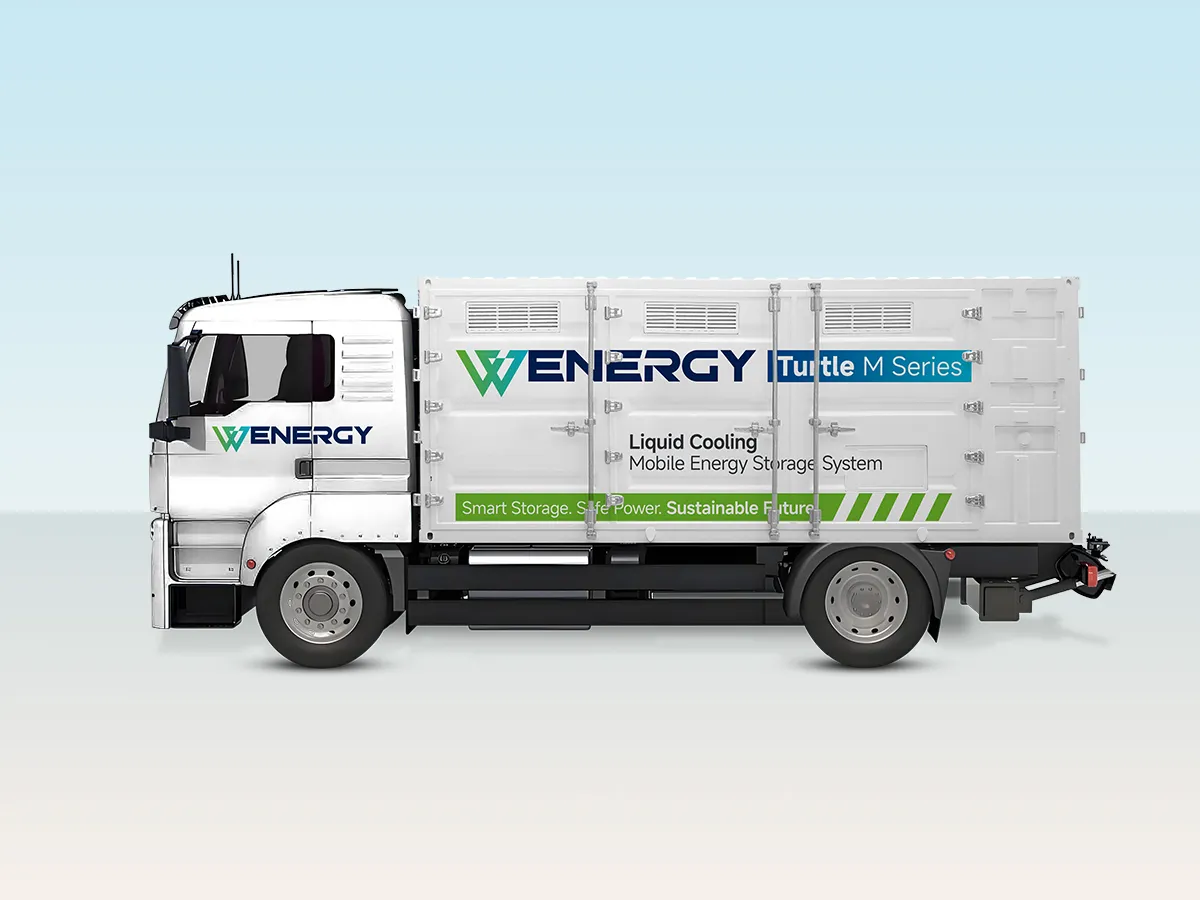
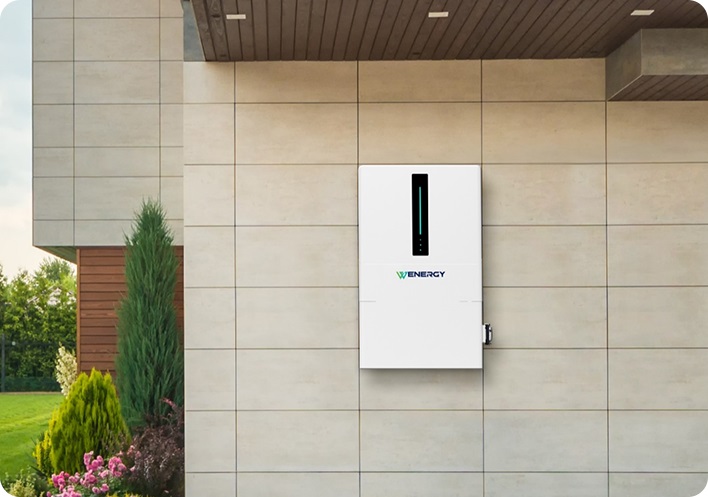
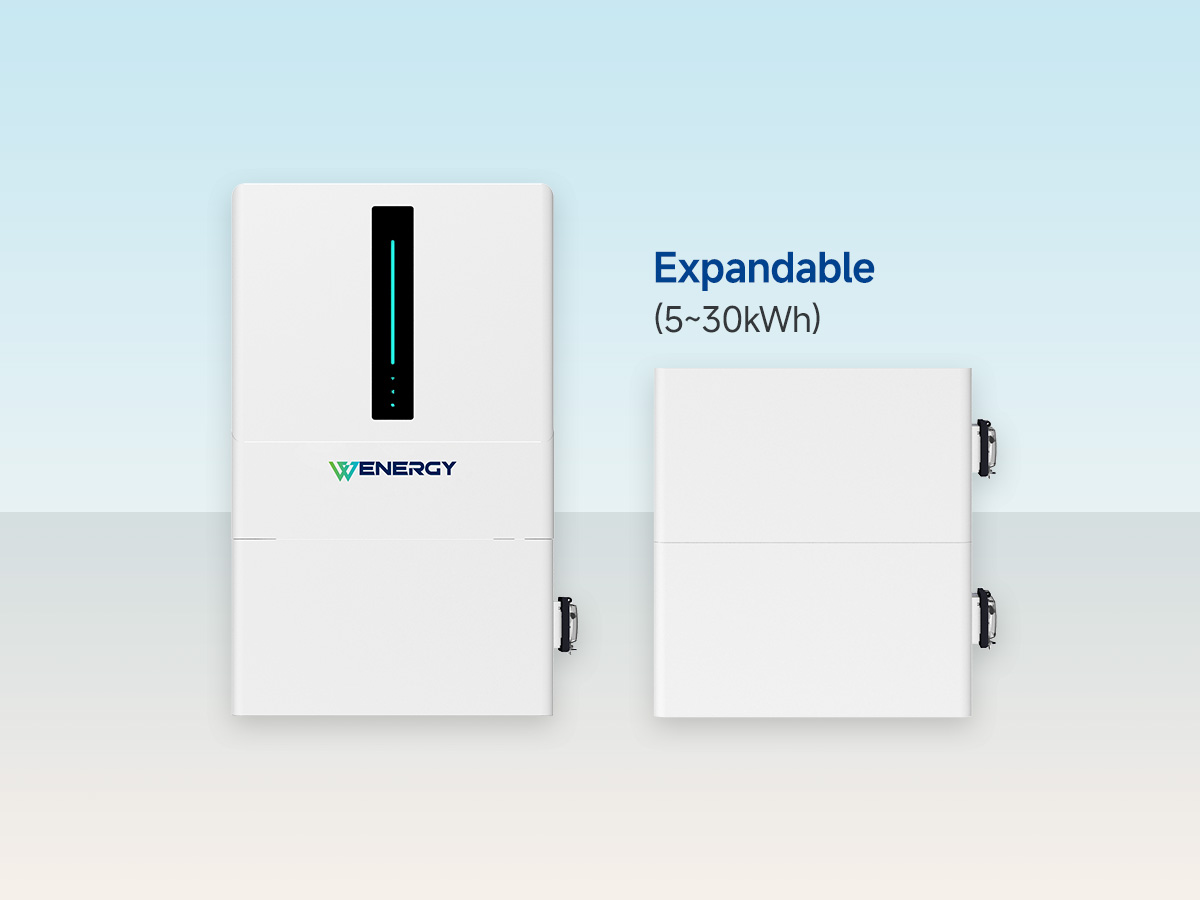
Modern factories depend heavily on stable power to maintain productivity, protect equipment, and ensure operational safety. Even brief power interruptions can disrupt automated production lines, damage sensitive machinery, or cause data loss in control systems. As industrial power demands continue to increase, many manufacturers are reconsidering how backup power systems are designed and deployed. From our experience, an all-in-one ESS cabinet provides a practical and structured approach to factory power backup, especially in facilities that require fast switching, flexible energy sources, and predictable system behavior.
Why Integrated ESS Cabinets Matter in Industrial Environments
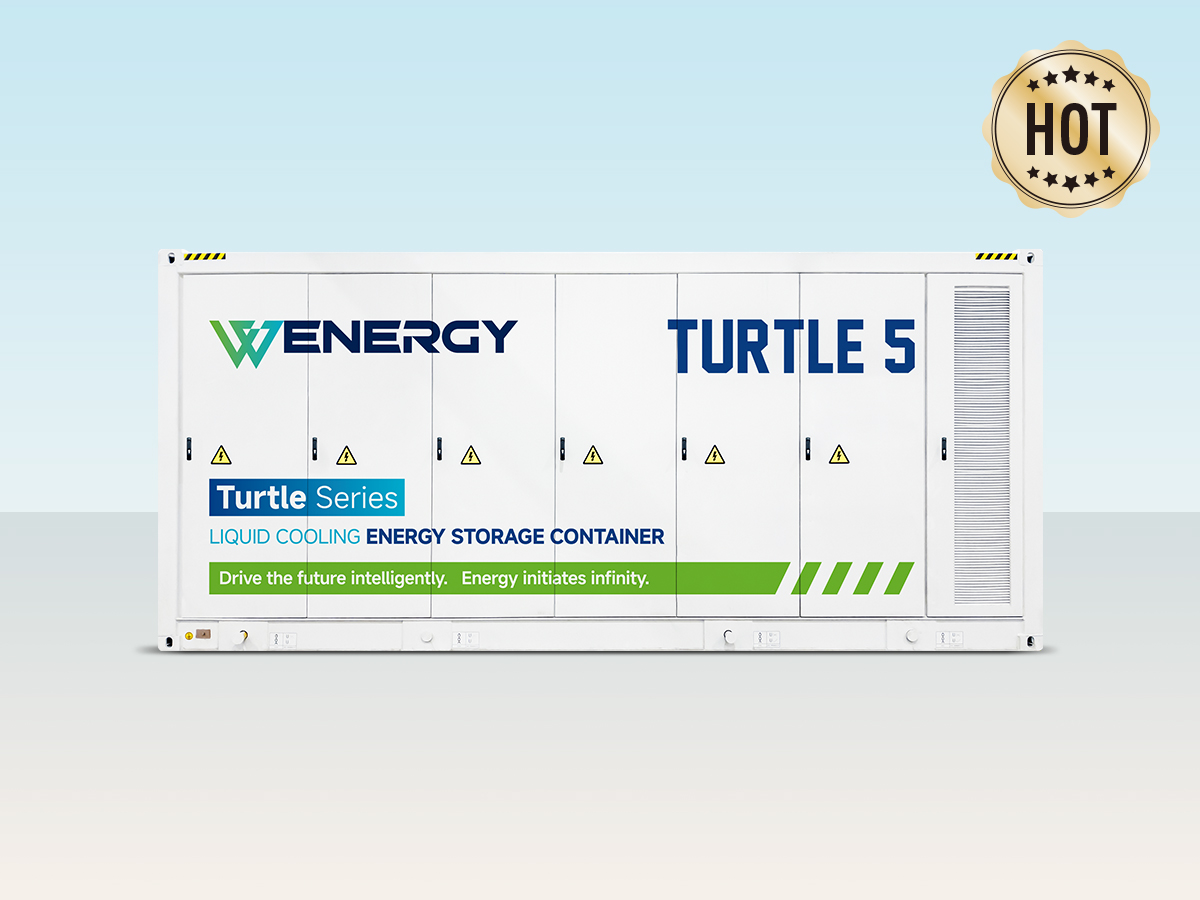
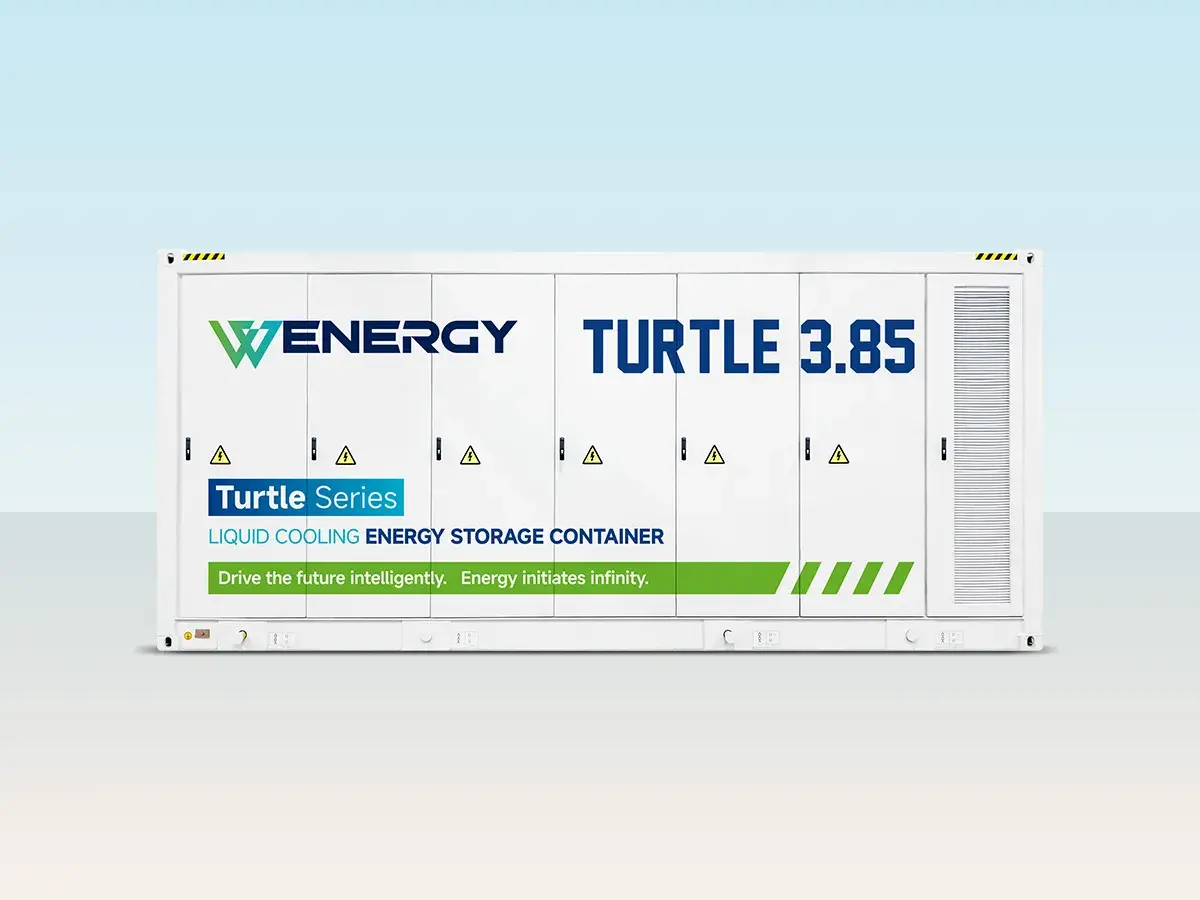
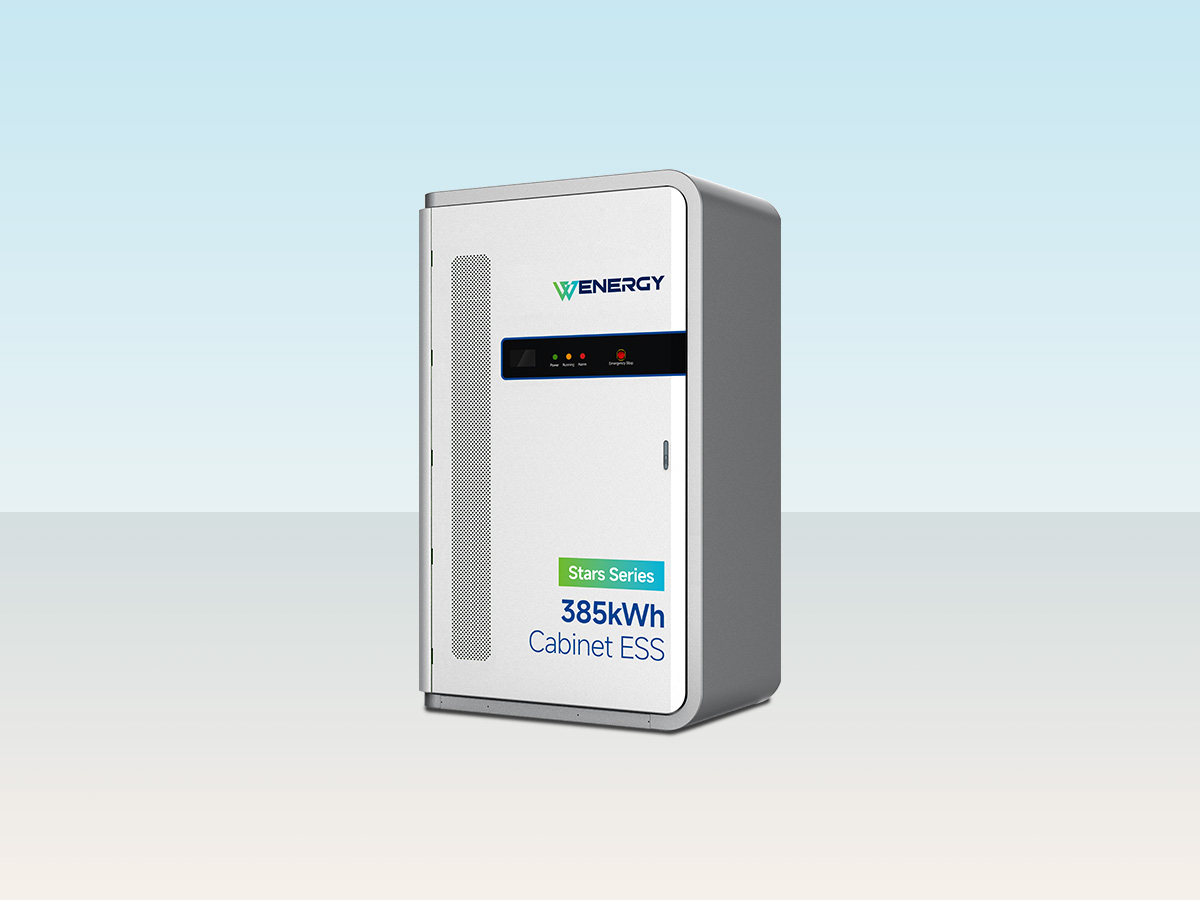
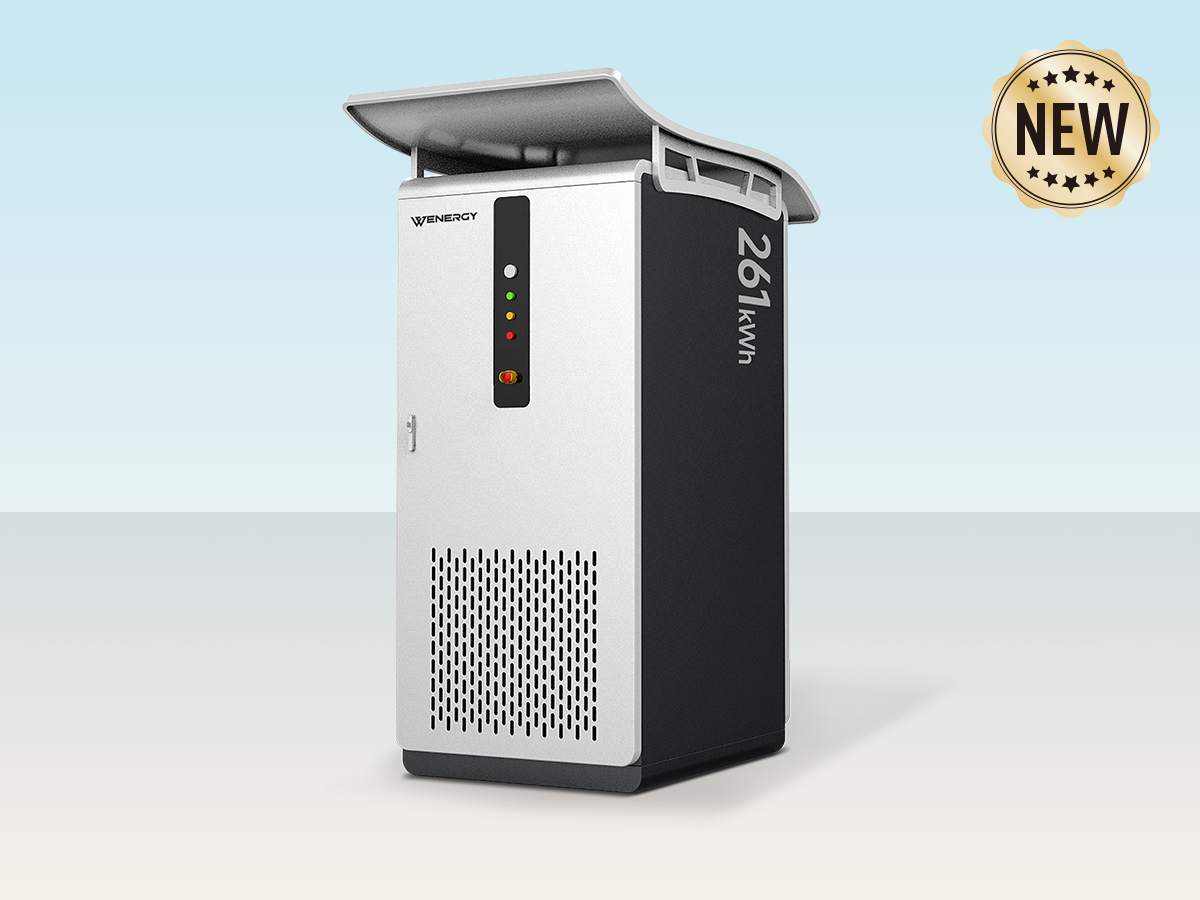
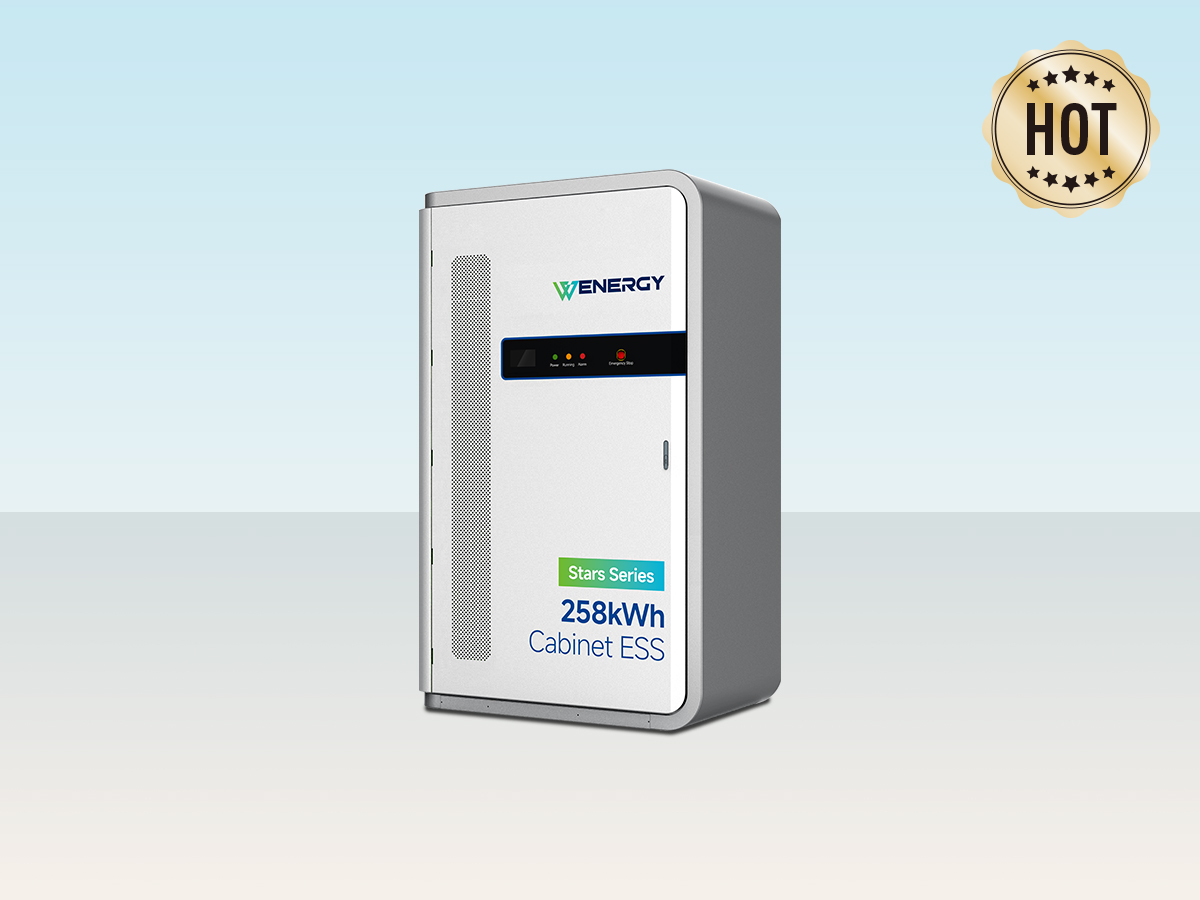
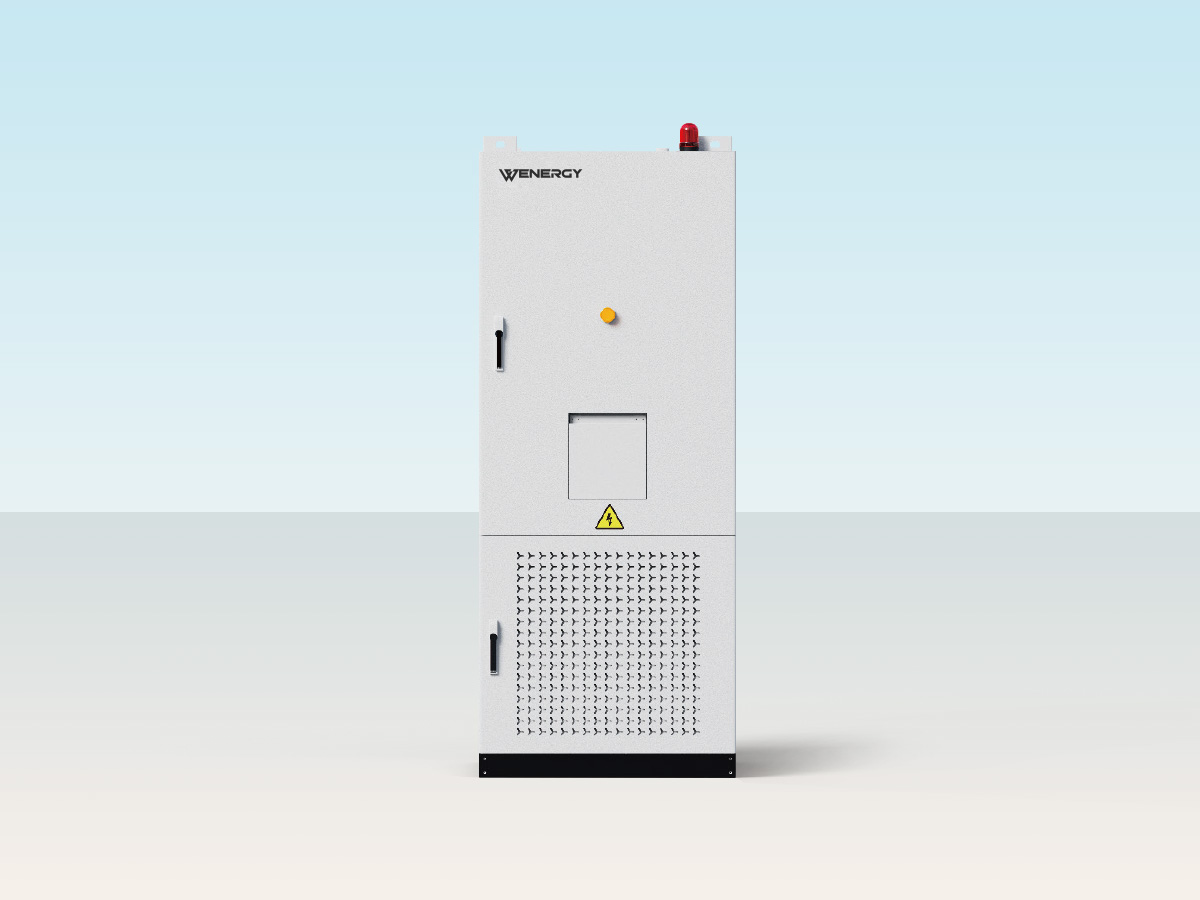
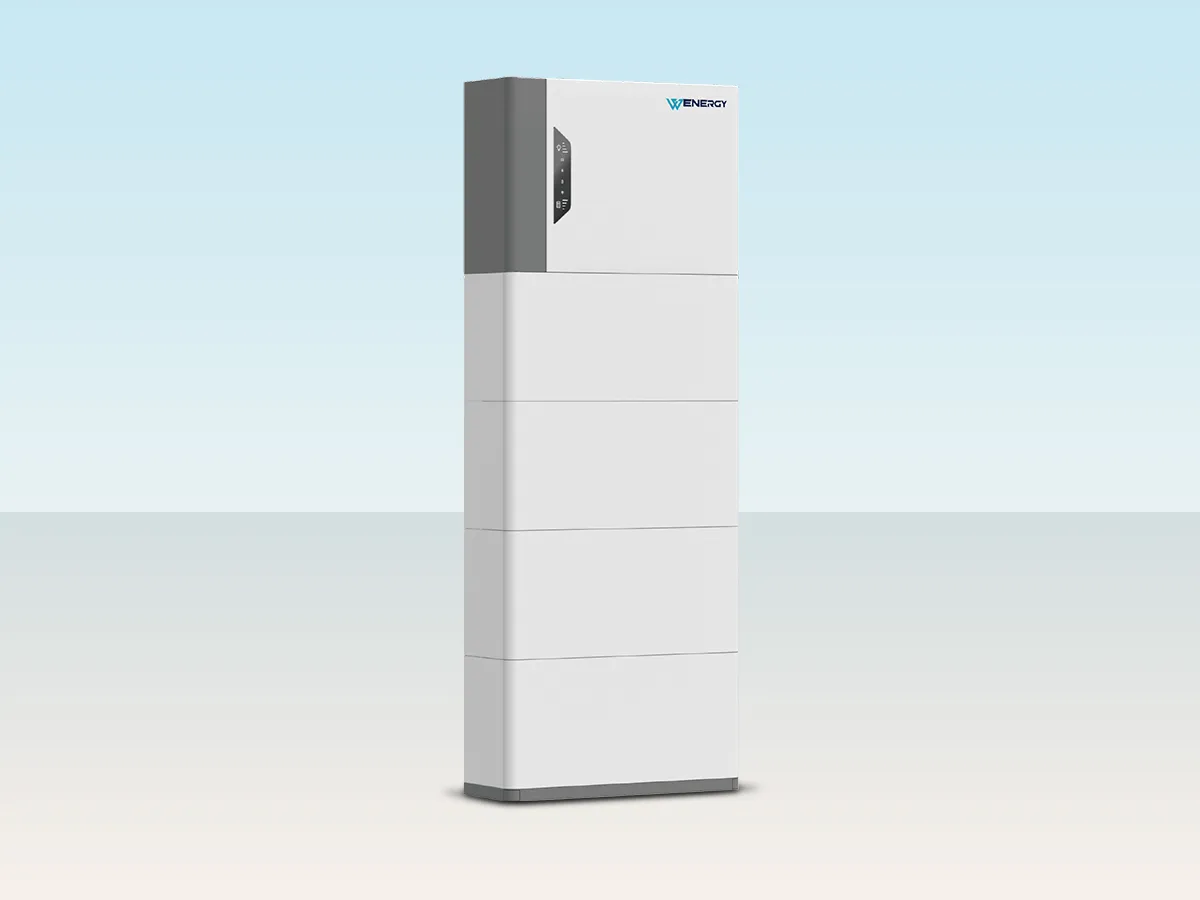
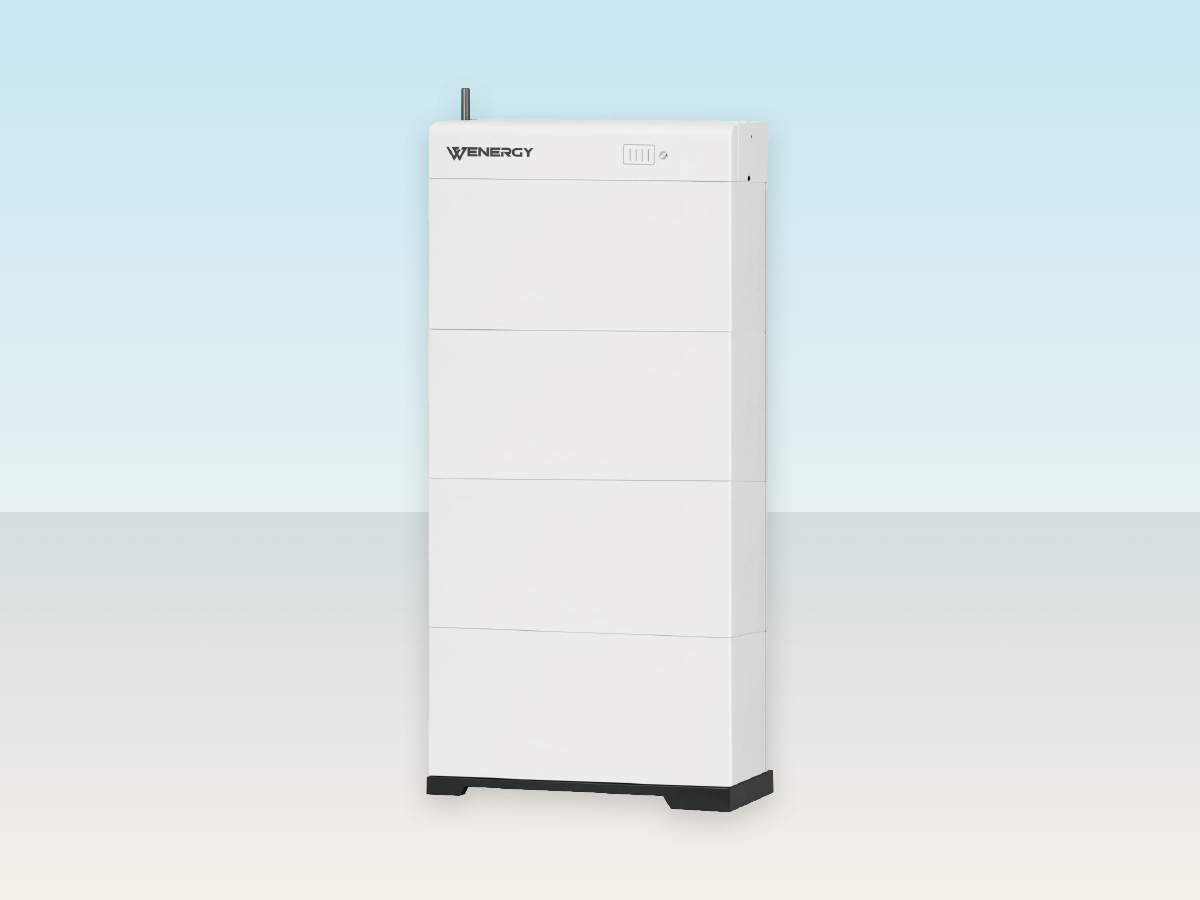
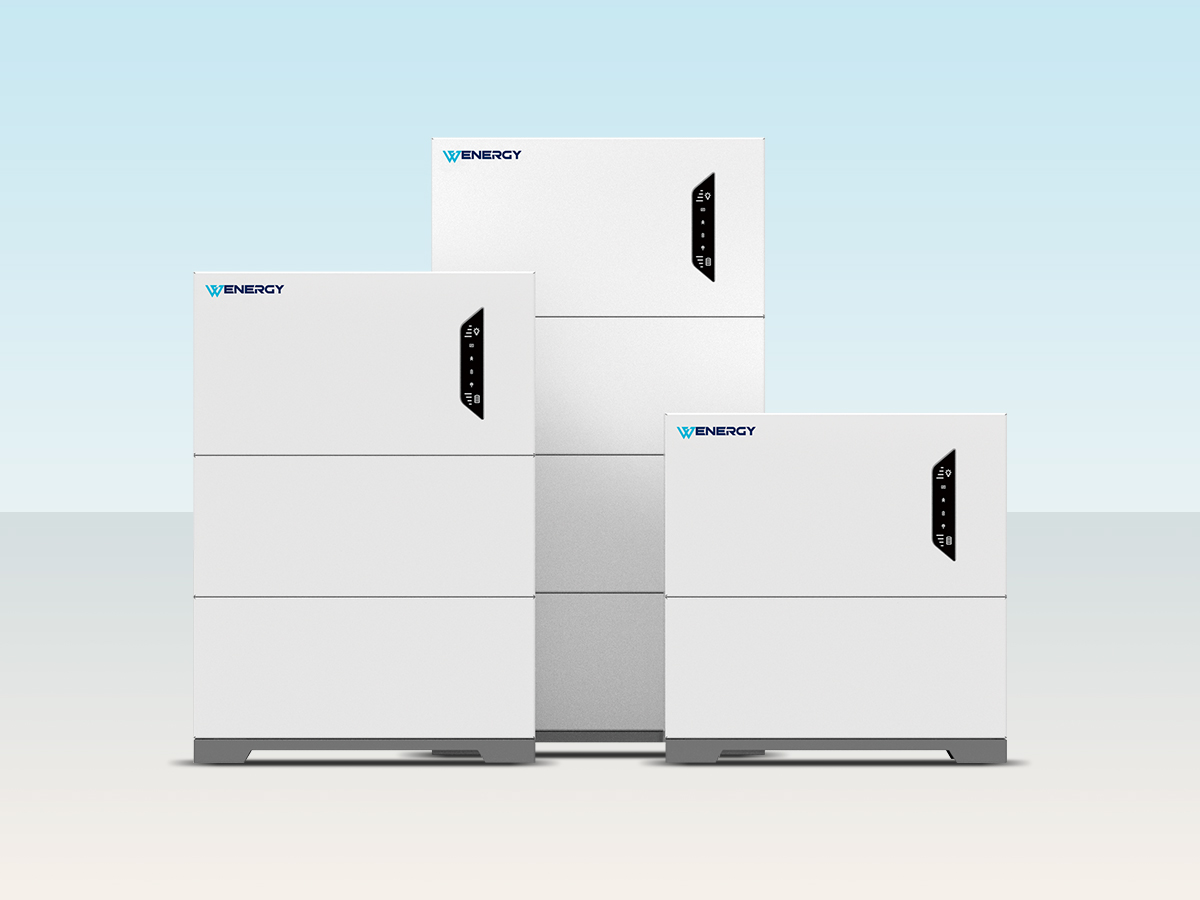
In factory settings, power backup systems must respond quickly while remaining easy to manage over long operating cycles. A well-designed energy storage cabinet consolidates key functions—energy storage, power conversion, and control—into a single enclosure, reducing system complexity on site. This integrated structure simplifies installation and shortens commissioning time, which is critical for industrial projects operating under tight schedules.
Our integrated energy storage solution is designed to support factory backup scenarios where grid stability cannot be guaranteed. The system combines PV input, energy storage, diesel generation, and EV charging capabilities within one cabinet architecture. Built-in MPPT enables direct photovoltaic access without requiring an external inverter, while ATS and STS support automatic switching between grid-connected and off-grid modes. This configuration allows factories to maintain continuous operation during grid disturbances while optimizing available energy sources under normal conditions.
Supporting Reliable Factory Backup with Smart Control and Design
For industrial users, reliability is not only about hardware robustness but also about how the system responds under varying loads. The 192 Series energy storage cabinet is engineered with smart thermal management to maintain stable operating conditions across different environments. Real-time monitoring through a cloud-based EMS allows us to observe system performance, adjust operating strategies, and support long-term maintenance planning.
As a cabinet ESS provider, our focus is on delivering systems that align with industrial workflows rather than forcing factories to adapt to complex energy infrastructure. The integrated design reduces the number of external interfaces, which helps lower failure points and improves system consistency. This is particularly valuable for manufacturing plants that operate high-power equipment or rely on automated control systems where voltage stability and switching speed are essential.
Applications Across Industrial and Energy Scenarios
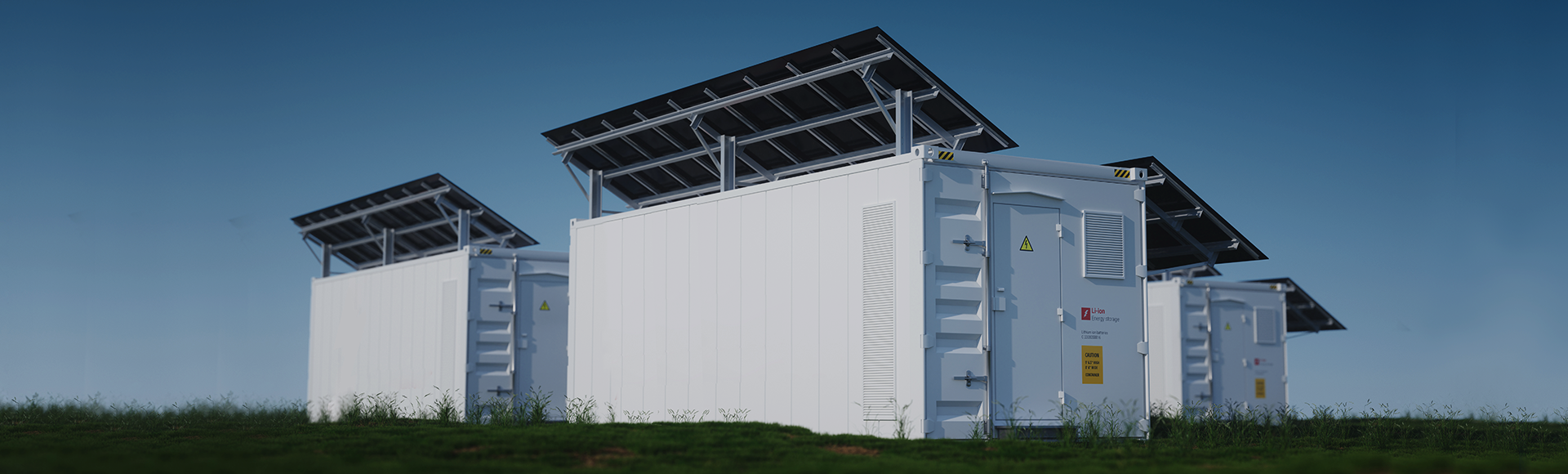
All-in-one ESS cabinets are increasingly applied across commercial and industrial projects, renewable energy integration, and high-power infrastructure. In factory backup scenarios, the system can work alongside existing grid connections while supporting peak shaving, emergency power supply, and gradual energy optimization. The ability to integrate PV, ESS, diesel, and EV charging in one solution gives factories flexibility as energy strategies evolve.
From an implementation perspective, global safety certifications and standardized cabinet structures help ensure that systems can be deployed across different regions with consistent performance expectations. This is especially relevant for manufacturers operating multiple sites or expanding production capacity in new markets.
Conclusion: A Structured Approach to Factory Power Backup
When factories evaluate backup power options, the goal is not only to prevent outages but also to create a system that fits long-term operational needs. An all-in-one ESS cabinet supports this goal by combining energy sources, control logic, and safety features into a single, manageable system. At طاقة, we approach factory power backup by focusing on integration, certification, and service continuity, ensuring that industrial users can rely on stable power while adapting to changing energy demands. This structured approach helps manufacturers build resilience without unnecessary system complexity.
Post time: Mar-11-2026