
As cities continue to grow denser, homeowners are rethinking how energy fits into limited living space. Urban homes often face challenges such as restricted installation areas, higher electricity costs, and growing demand for stable power supply. These factors have accelerated interest in compact residential energy solutions that balance performance with space efficiency. At طاقة, we have observed that modern households increasingly value systems that integrate seamlessly into daily life without compromising comfort or safety. This shift has made compact residential energy storage systems an important topic in today’s energy discussions, especially for urban environments where space and efficiency must work together.
Space Efficiency and Urban Compatibility
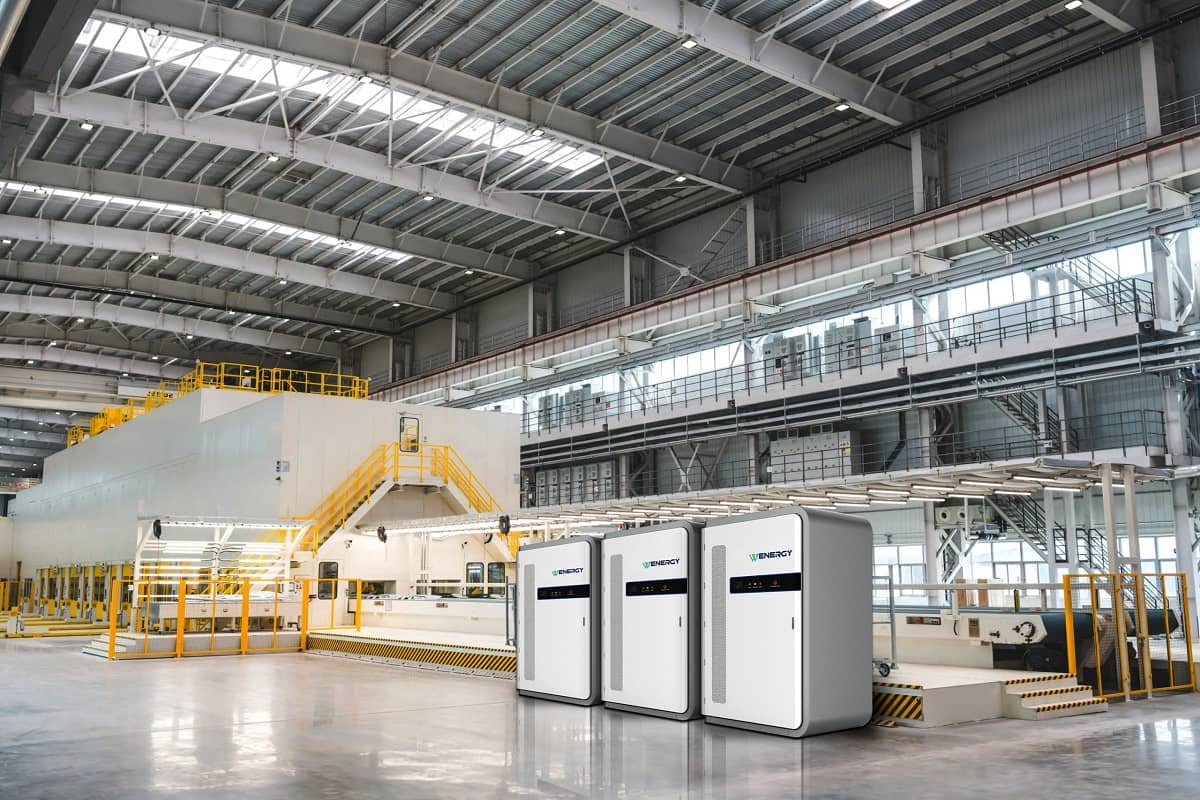
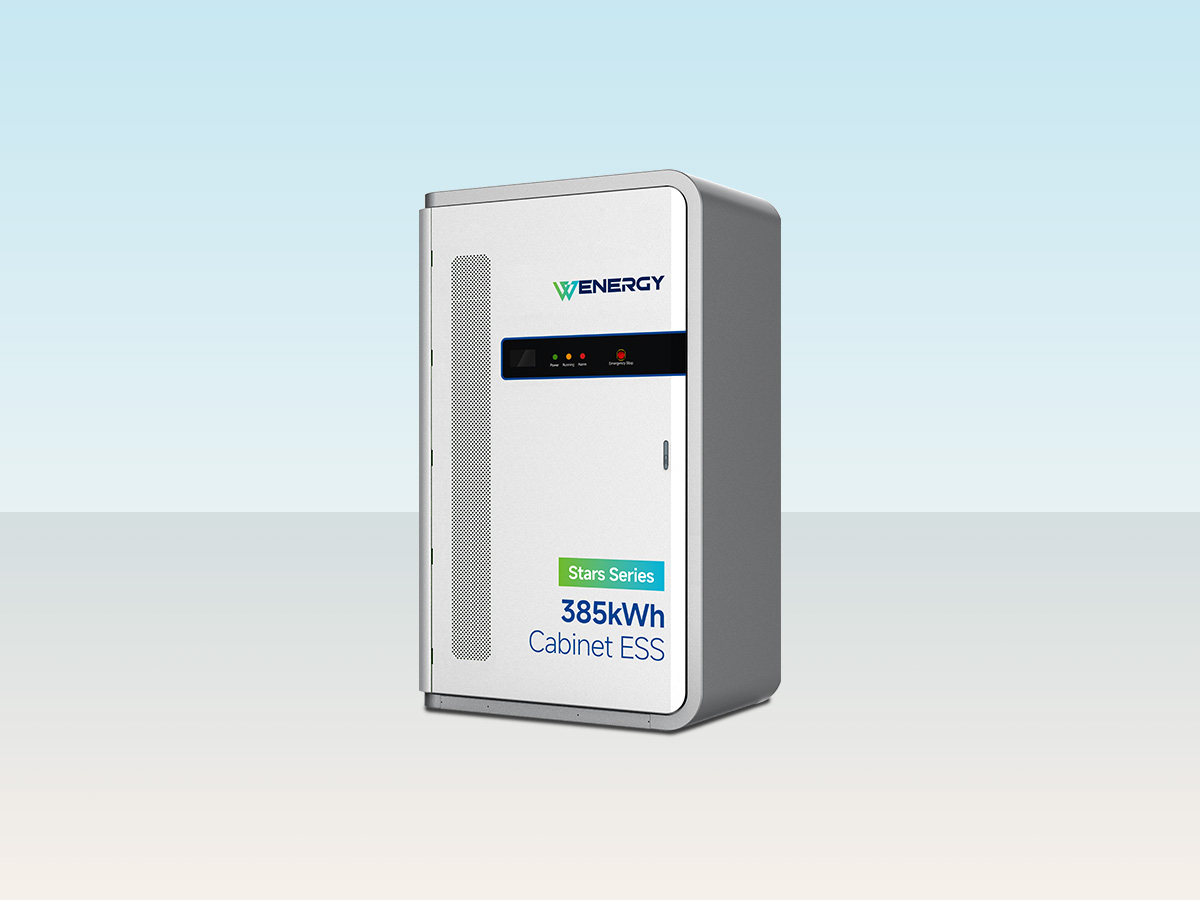
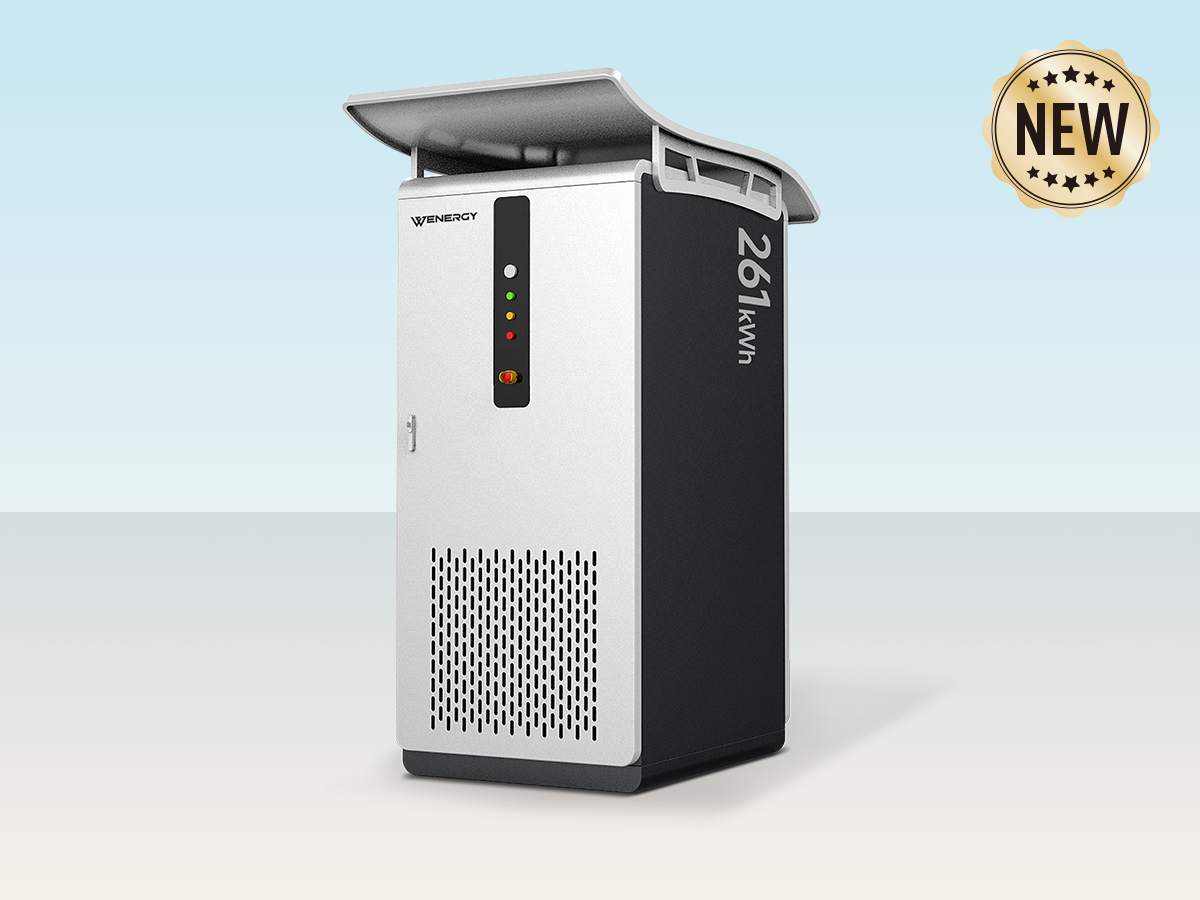
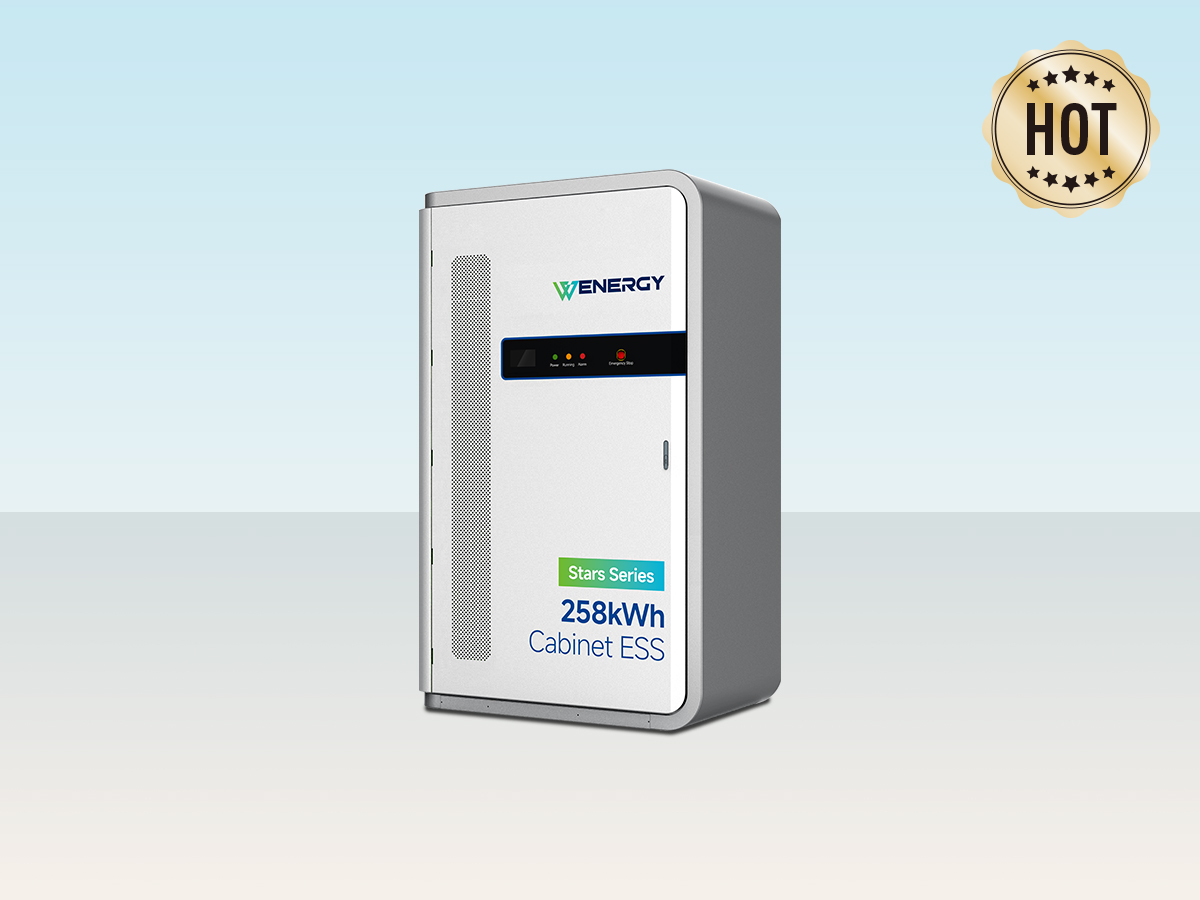
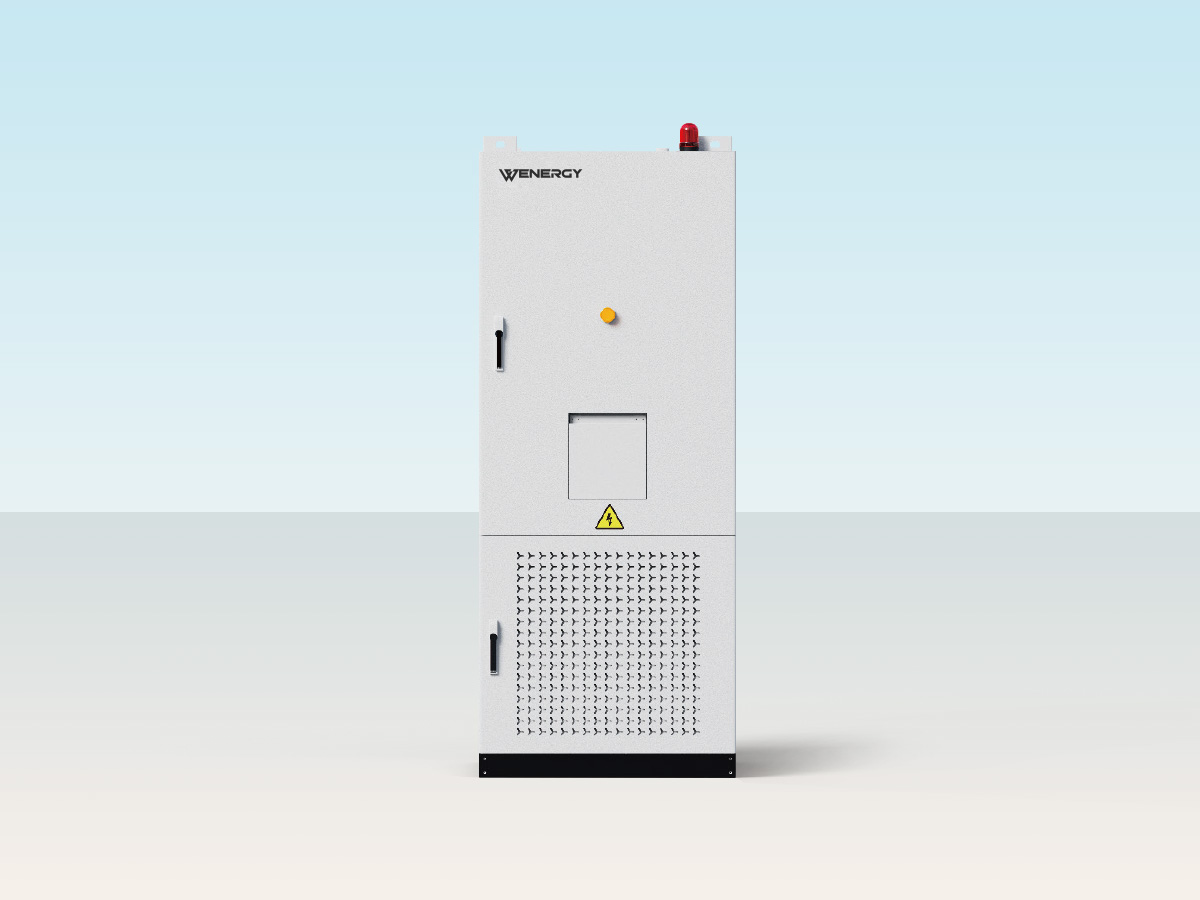
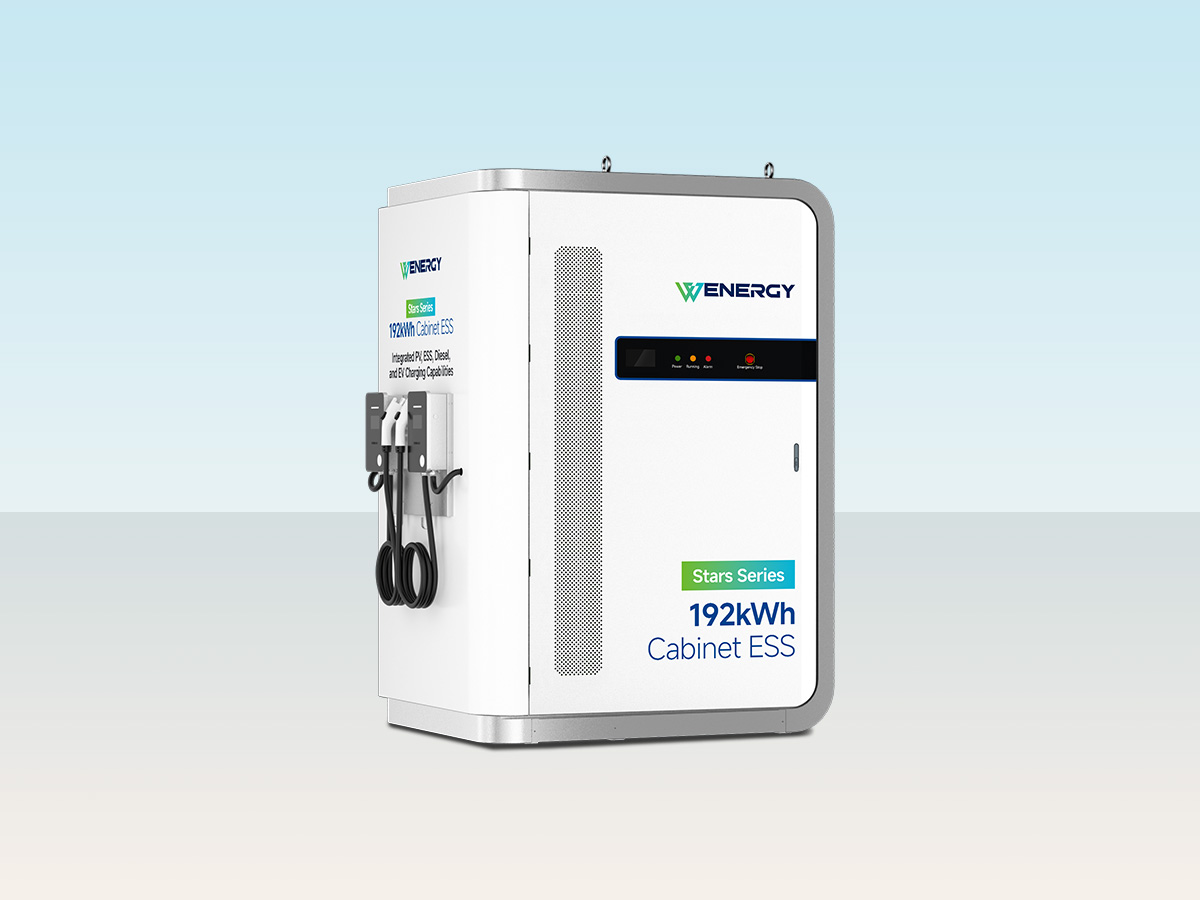
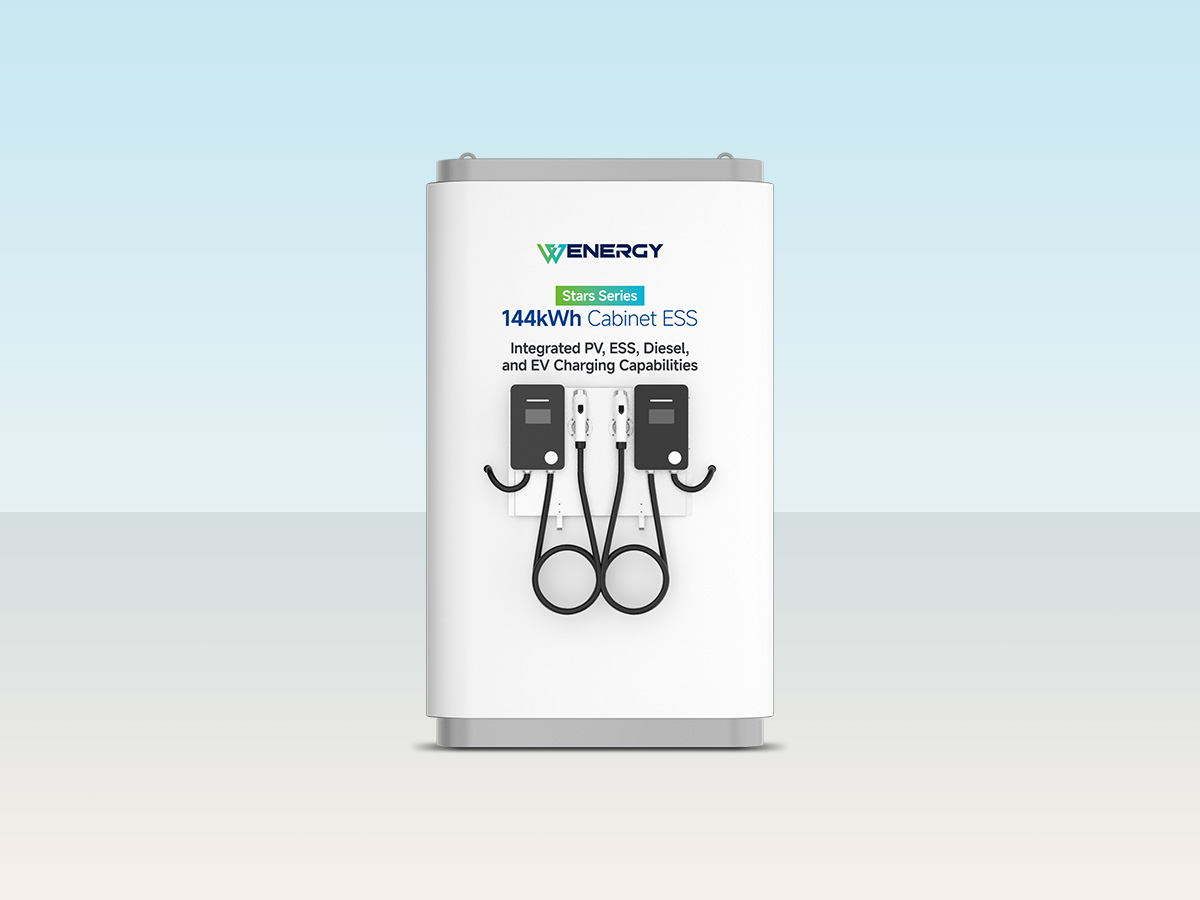
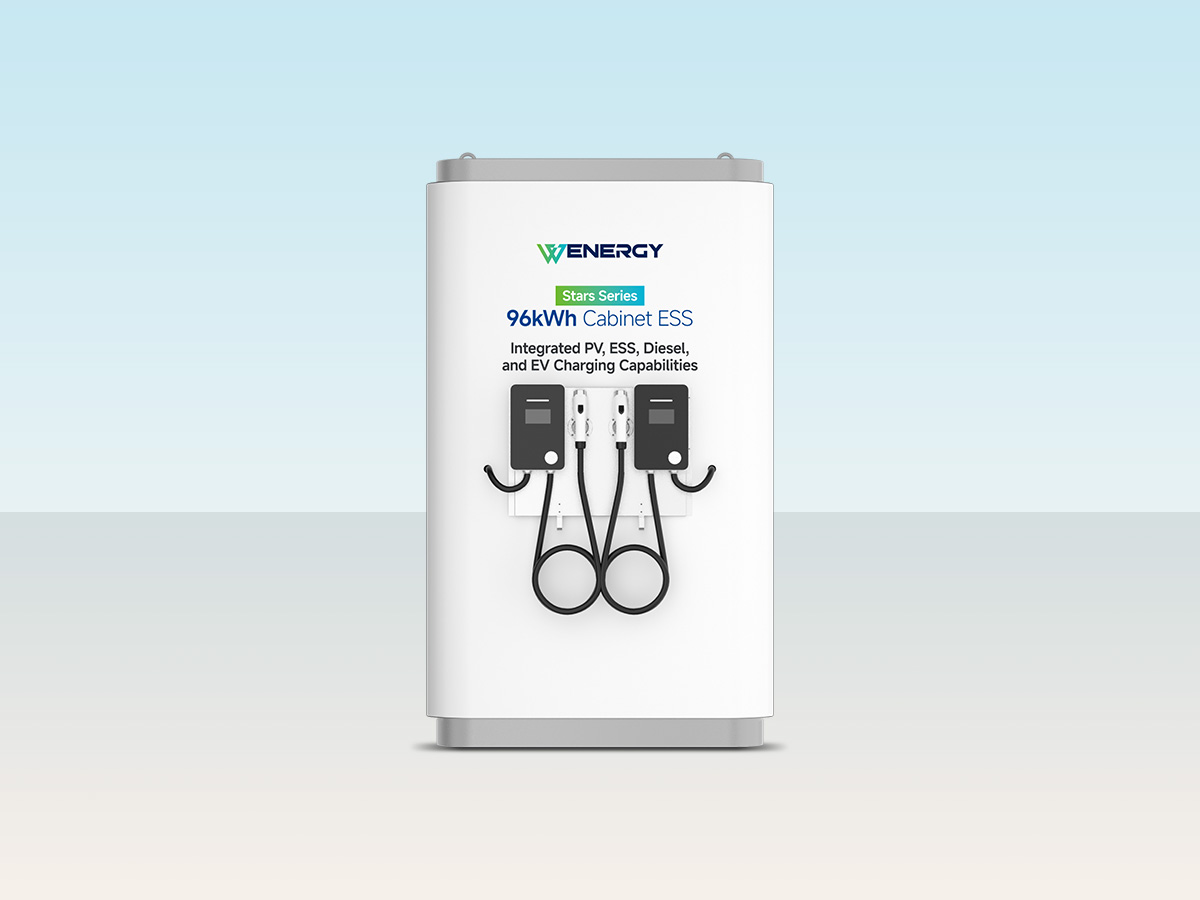
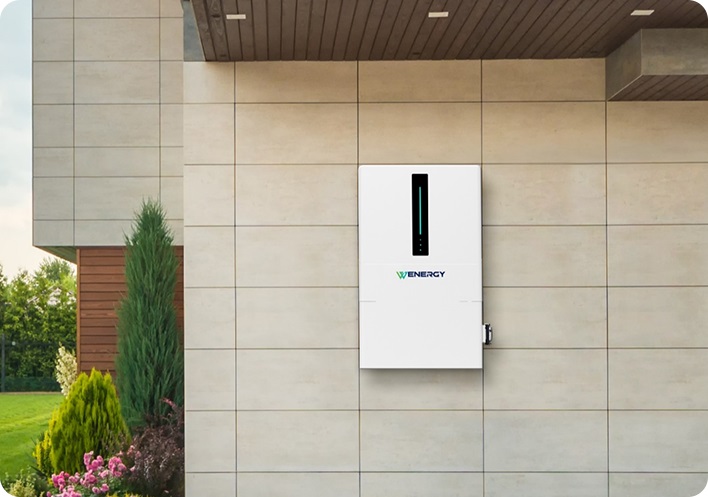
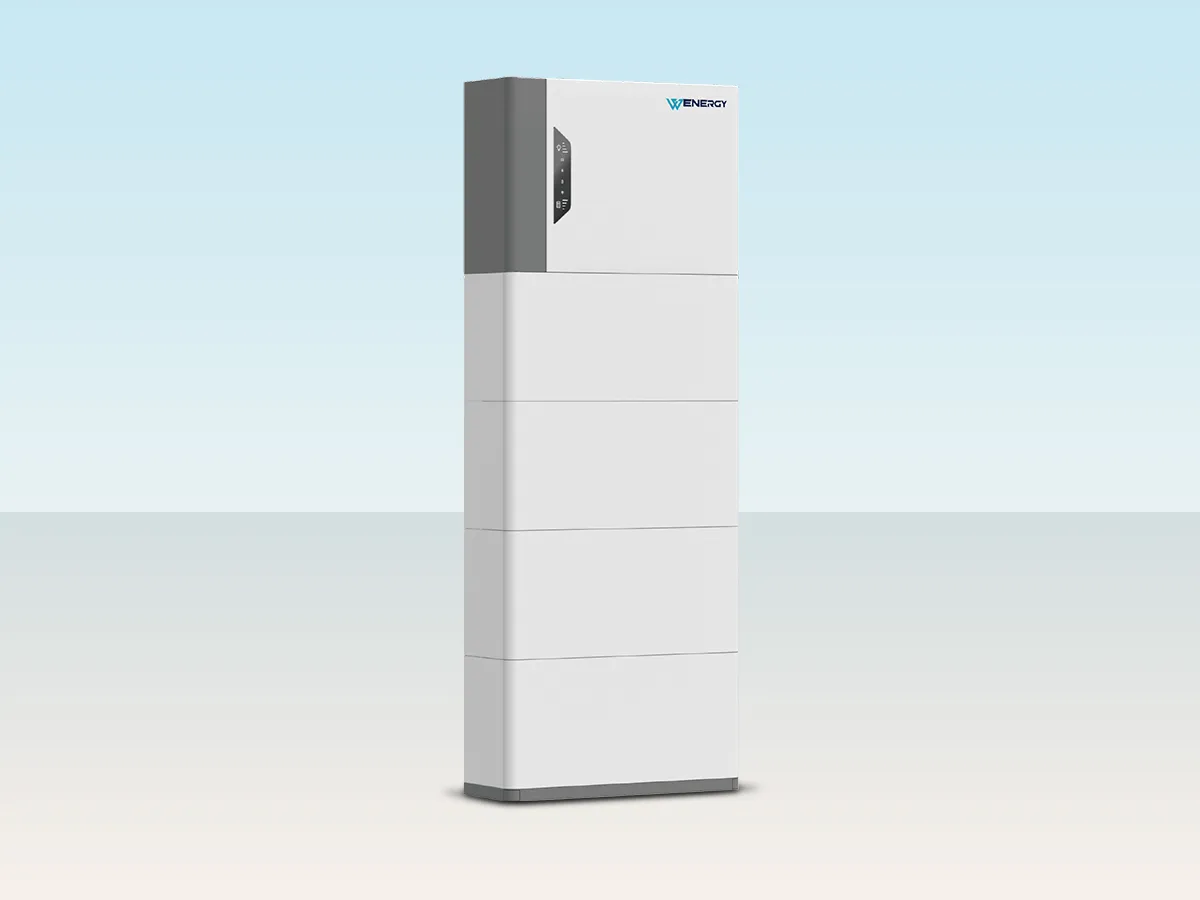
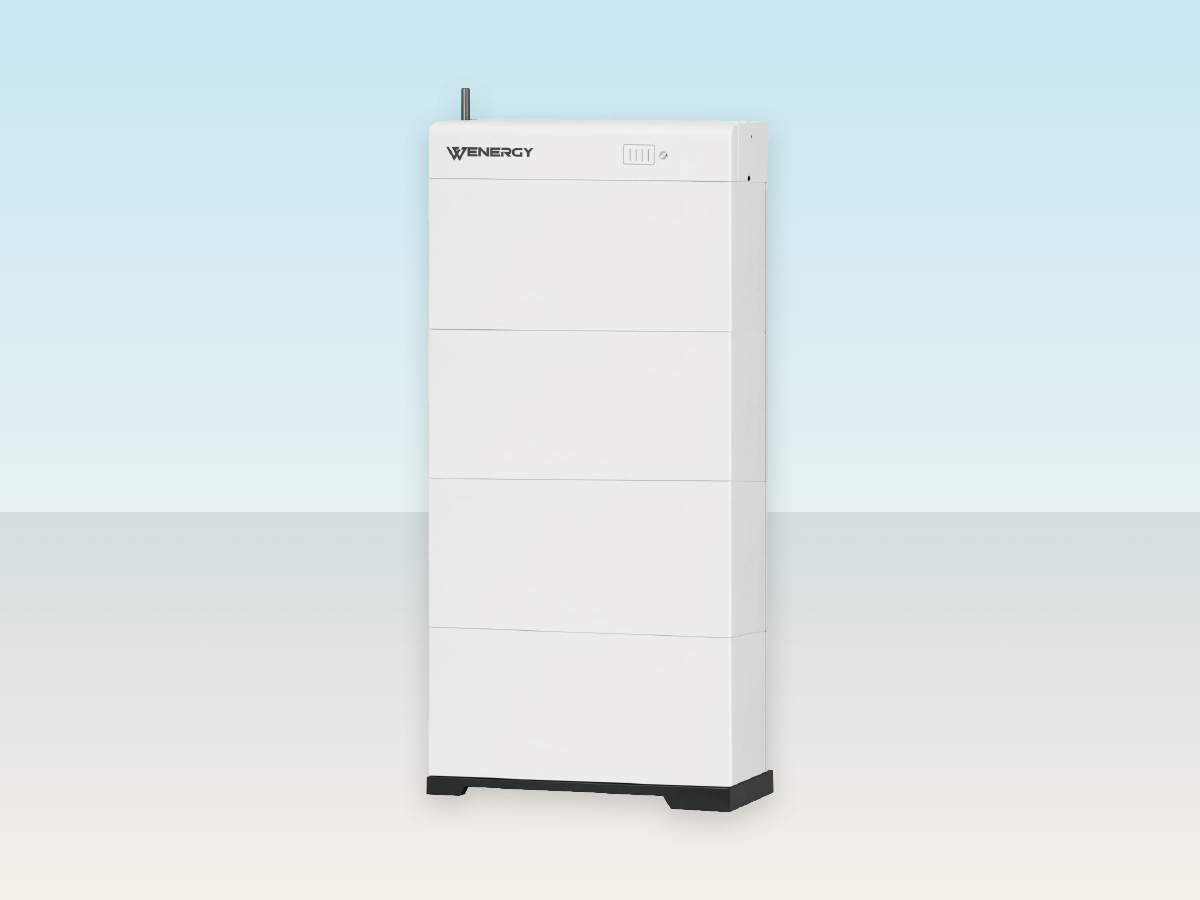
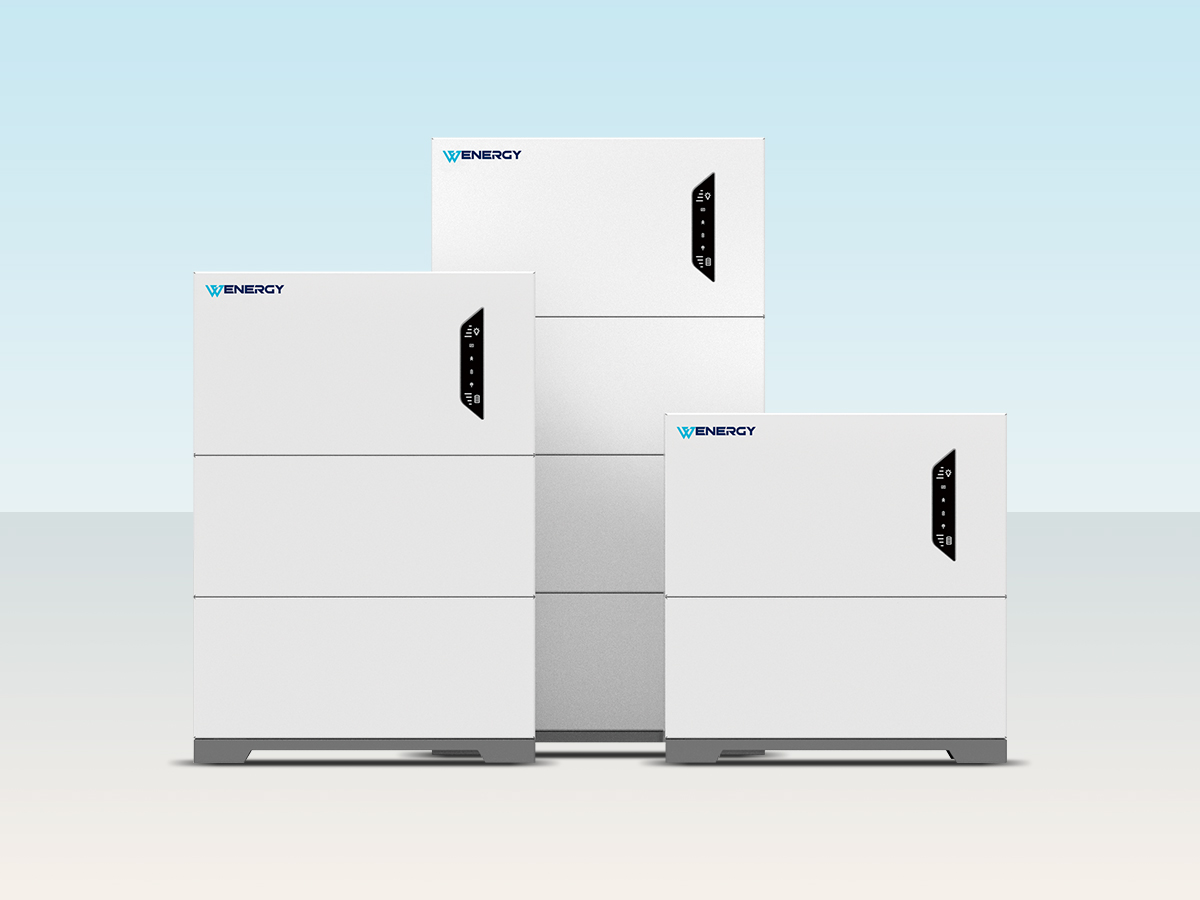
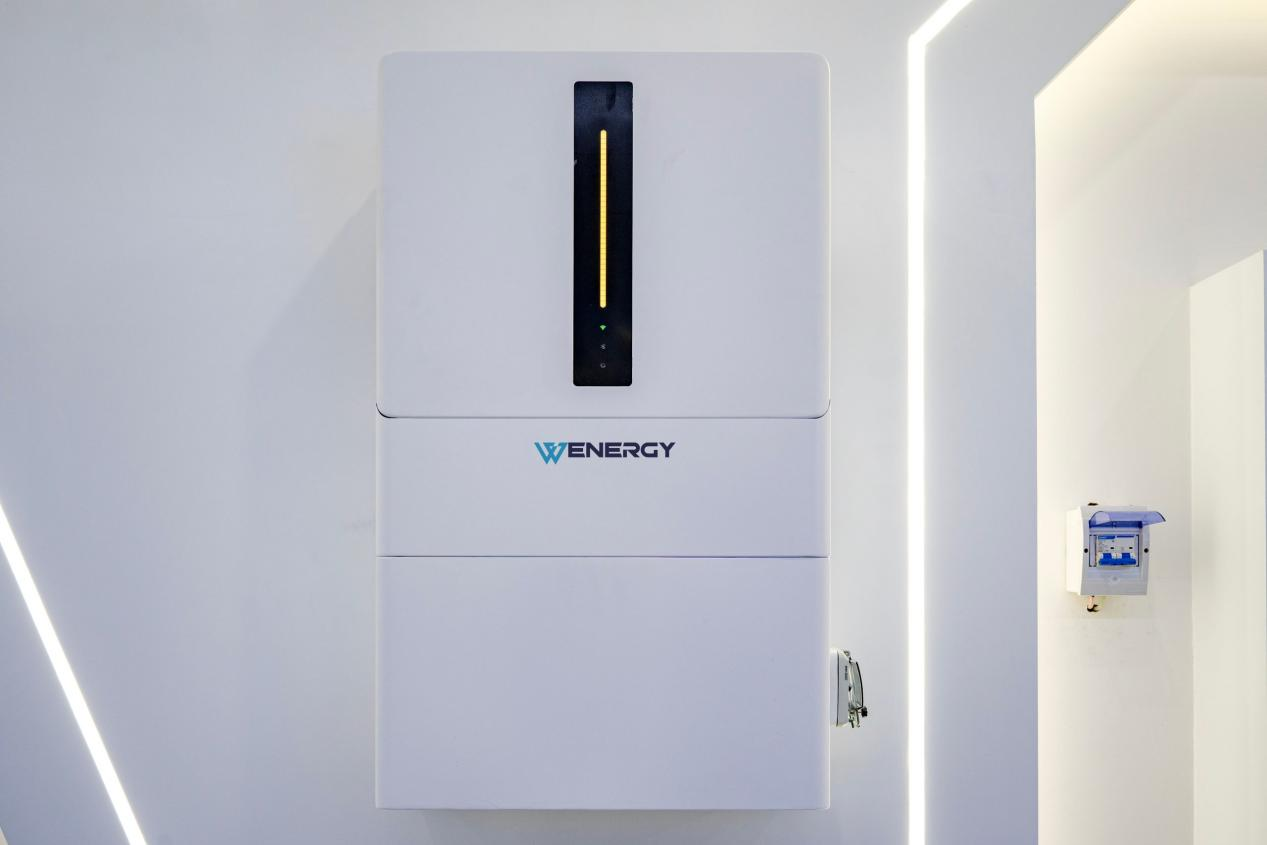
The defining feature of modern residential BESS is its compact and modular design. Urban homes typically lack large utility rooms or outdoor installation areas, which means energy equipment must adapt to the home rather than the other way around. A compact residential BESS allows flexible placement in garages, storage rooms, or utility corners while maintaining proper ventilation and safety clearances. Our system architecture focuses on reducing footprint without sacrificing essential capacity, enabling homeowners to adopt energy storage even in apartments or townhouses.
Beyond physical size, compatibility with existing infrastructure is equally important. Many city homes already rely on rooftop solar or community solar access. Solar Home Energy Storage Systems for Homeowners are designed to connect smoothly with solar inverters and household electrical systems. By storing excess solar power generated during the day and releasing it when demand peaks, a compact residential BESS supports daily energy balance while minimizing disruption to existing layouts. This approach reflects how thoughtful design can make advanced energy technology practical for urban living.
Intelligent Integration and Daily Energy Use
Compact size alone does not define modern residential solutions; intelligent energy management plays a central role. Urban households often experience variable energy usage patterns, with peak demand occurring in the evening. Our residential energy storage systems integrate advanced battery management and monitoring functions that allow homeowners to track usage and optimize self-consumption. Instead of exporting unused solar power back to the grid, stored energy can be used at night or during peak pricing periods, improving overall efficiency.
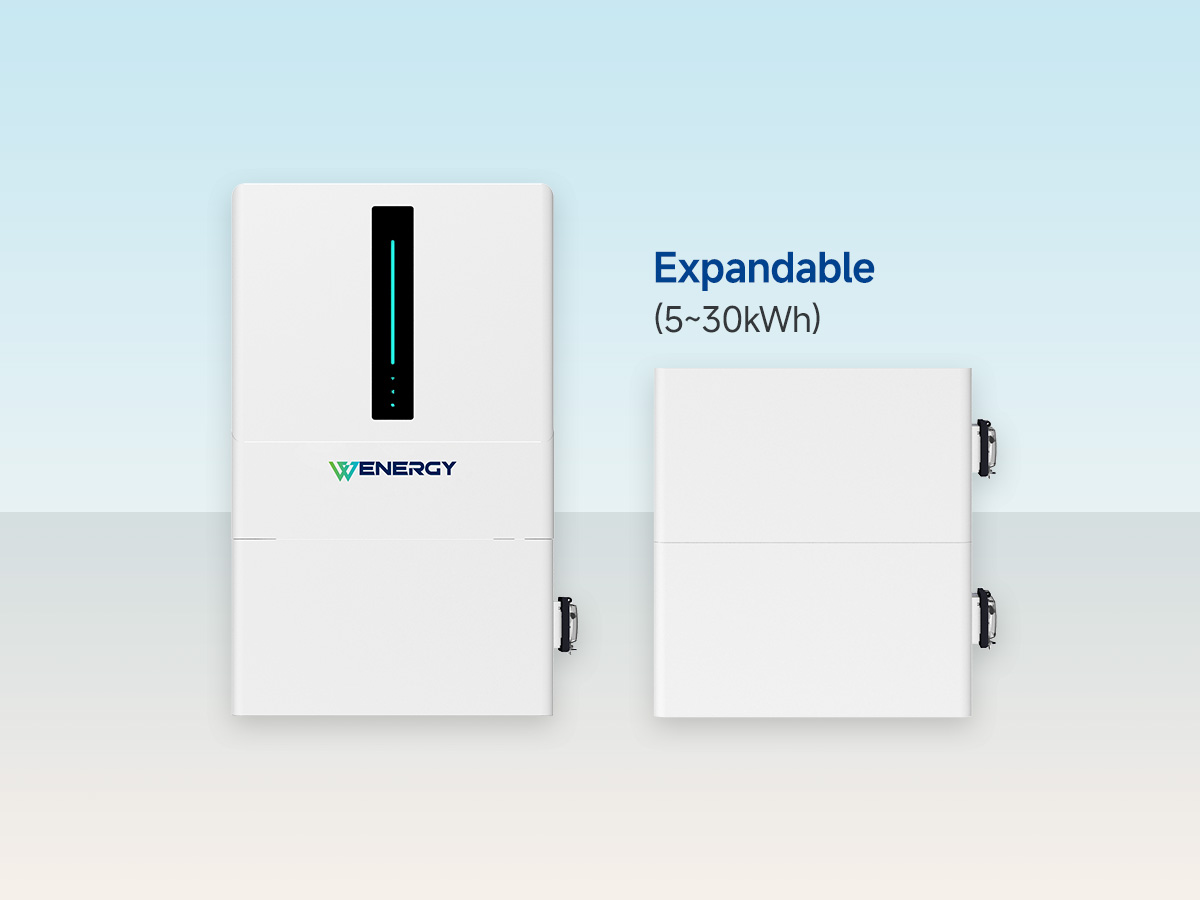
We design our solutions to scale with household needs, ensuring that compact systems remain adaptable over time. As families grow or energy usage changes, modular expansion allows capacity adjustments without replacing the entire system. This scalability is especially relevant in cities, where homeowners seek long-term value from limited installation space. Through careful system integration and certified production standards, we ensure that compact design does not compromise reliability or safety.
Conclusion: Compact Design as a Practical Urban Energy Choice
Compact residential BESS solutions represent a practical response to the realities of urban living. Instead of focusing solely on capacity, modern systems emphasize space efficiency, intelligent control, and seamless solar integration. From our perspective, compact design enables homeowners to achieve energy independence while respecting the physical limits of city homes. By combining certified manufacturing, full supply-chain control, and responsive service support, we help urban households adopt energy storage with confidence. As cities evolve, compact residential energy storage systems will continue to play a meaningful role in shaping efficient and resilient home energy use.
Post time: Mar-11-2026