
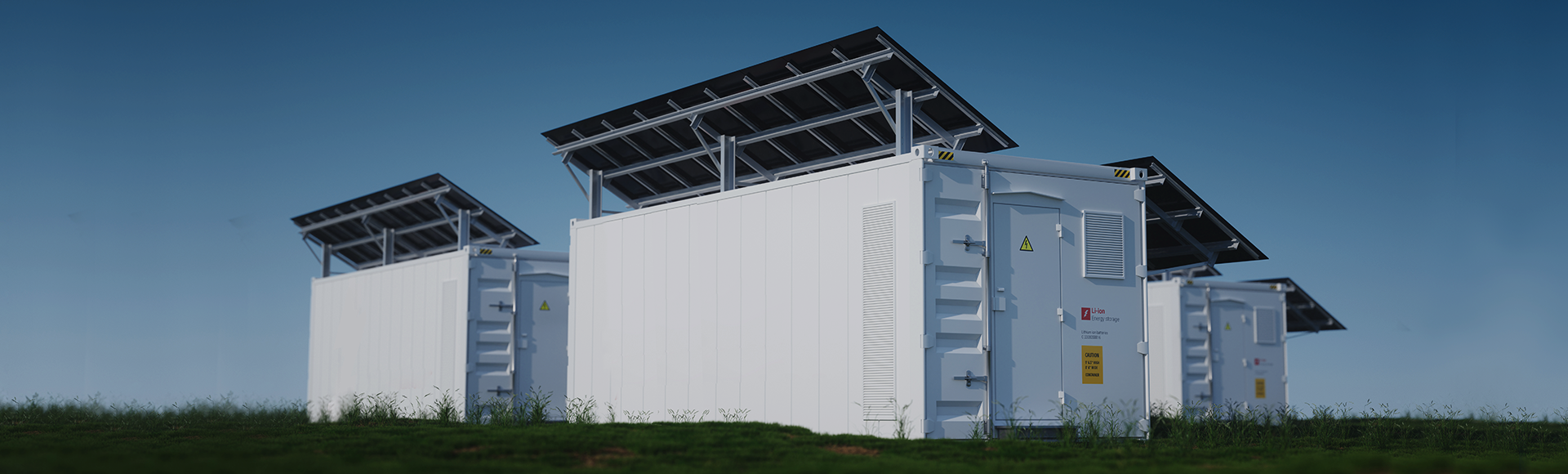
Energy storage is no longer a niche component of the electricity grid. As renewable penetration deepens, power markets worldwide face growing challenges in frequency regulation, peak load management, and price volatility. Utility scale battery storage has emerged as a commercially viable solution, fundamentally altering how electricity is traded, priced, and delivered. By absorbing excess supply during low demand and discharging during high-value periods, these systems enhance market efficiency and reduce systemic costs. Understanding this economic transformation requires examining both the revenue mechanisms available to storage assets and the wider impact on wholesale market dynamics.
Reshaping Wholesale Electricity Pricing and Arbitrage Opportunities
One of the most direct economic contributions of utility-scale battery storage is energy arbitrage. Storage operators charge batteries when wholesale prices are low—often during solar midday peaks or overnight wind generation—and discharge when prices surge. This behaviour compresses the price spread between peak and off-peak periods, benefiting consumers and reducing the need for expensive gas peaker plants. In markets such as California’s CAISO and Australia’s NEM, the presence of large-scale storage has already softened extreme price spikes. Leading top utility-scale battery storage companies are deploying multi-hour systems that capture longer duration arbitrage cycles, further stabilising market revenues and lowering the cost of grid flexibility.
Enhancing Grid Reliability and Reducing Ancillary Service Costs
Beyond arbitrage, utility scale battery storage provides critical ancillary services including frequency regulation, spinning reserve, and voltage support. These services, traditionally supplied by fossil-fuel generators, are faster and more precise when delivered by batteries. Consequently, system operators can procure lower-cost reserves, passing savings to utilities and ratepayers. In ERCOT (Texas) and the UK National Grid, storage assets now routinely account for a growing share of regulation market revenues. Top utility-scale battery storage companies have developed proprietary control software that enables simultaneous participation in multiple revenue streams, maximising asset utilisation and accelerating return on investment for project developers.
Wenergy’s Role in Accelerating Market Transformation
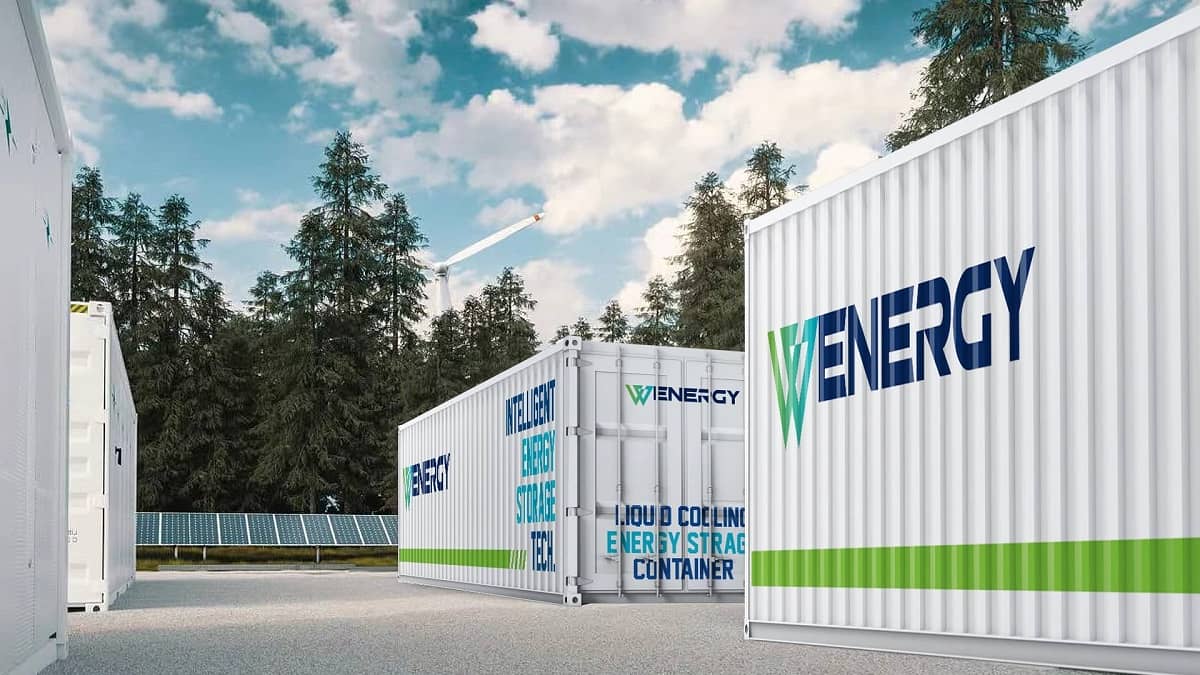
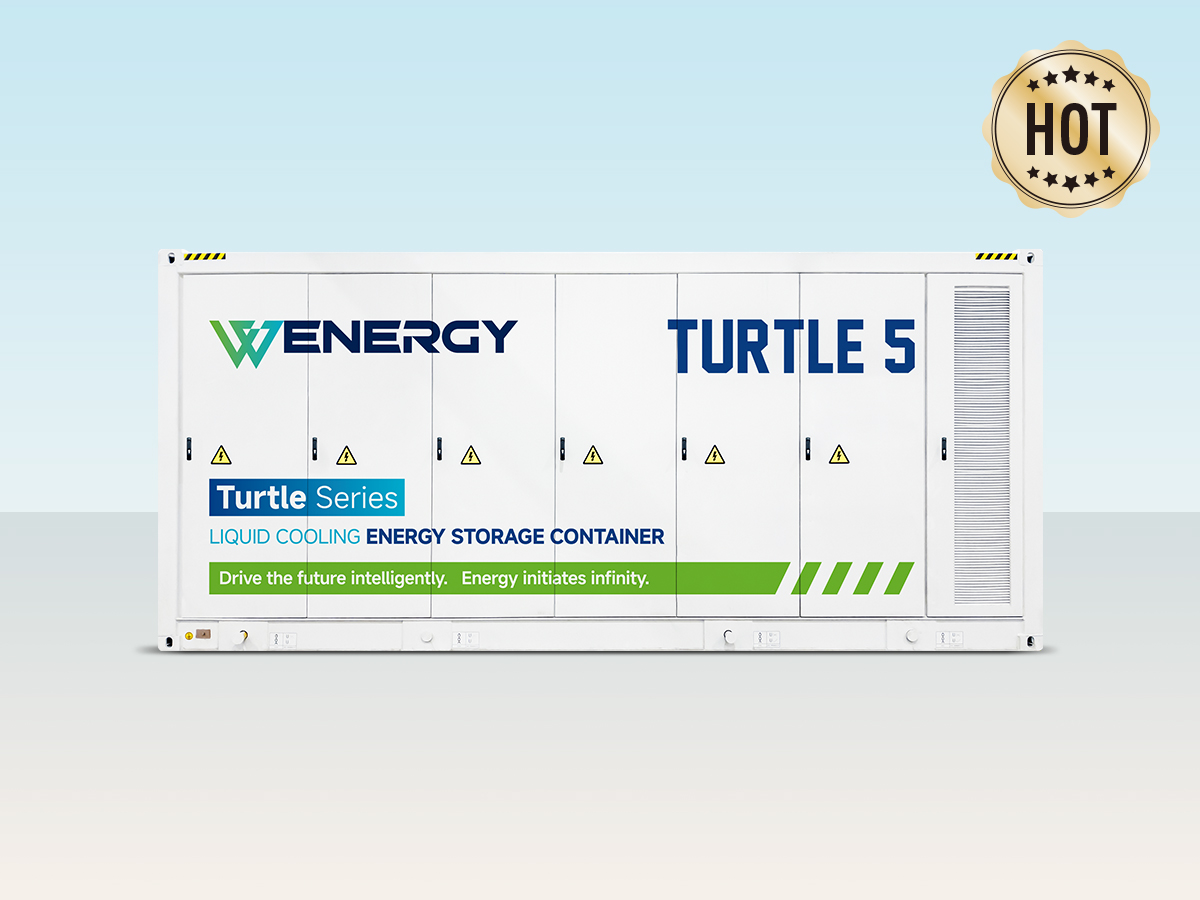
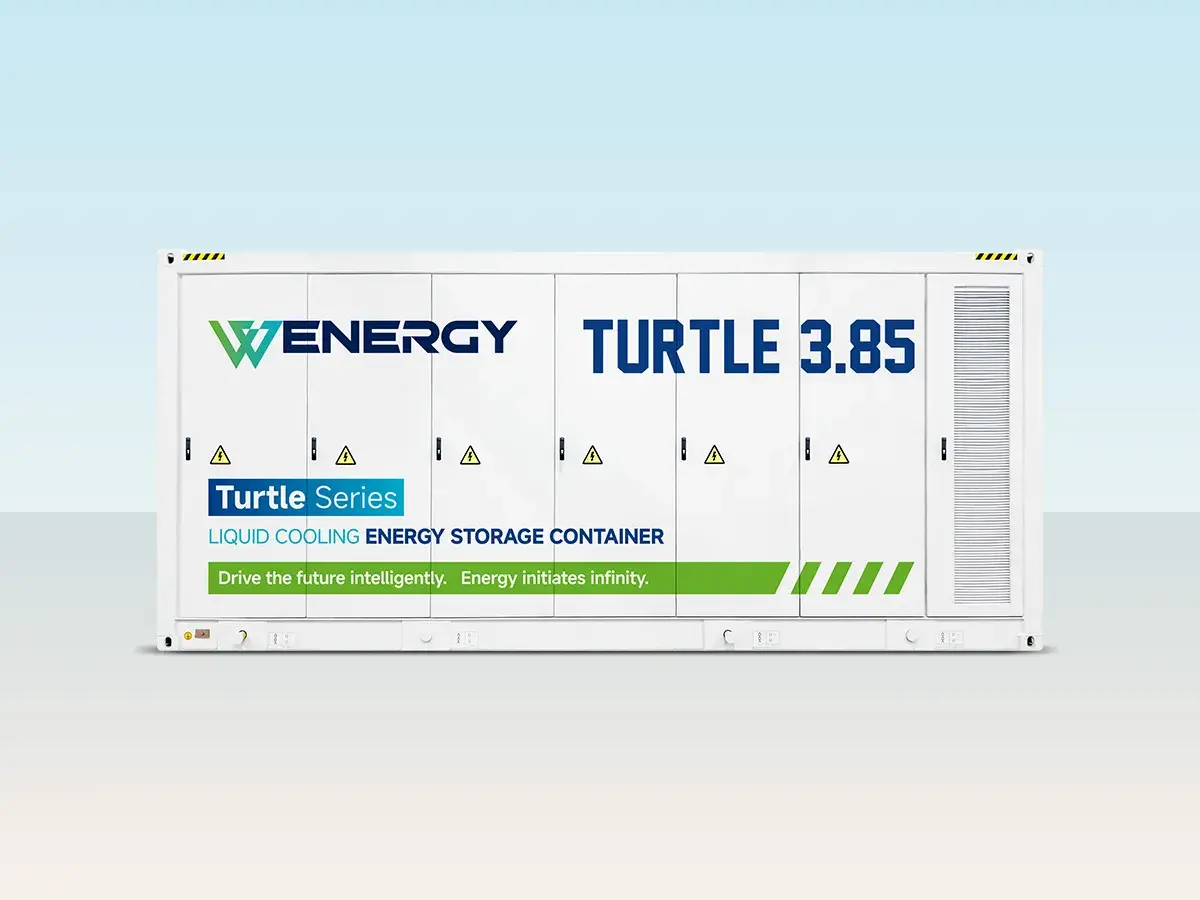
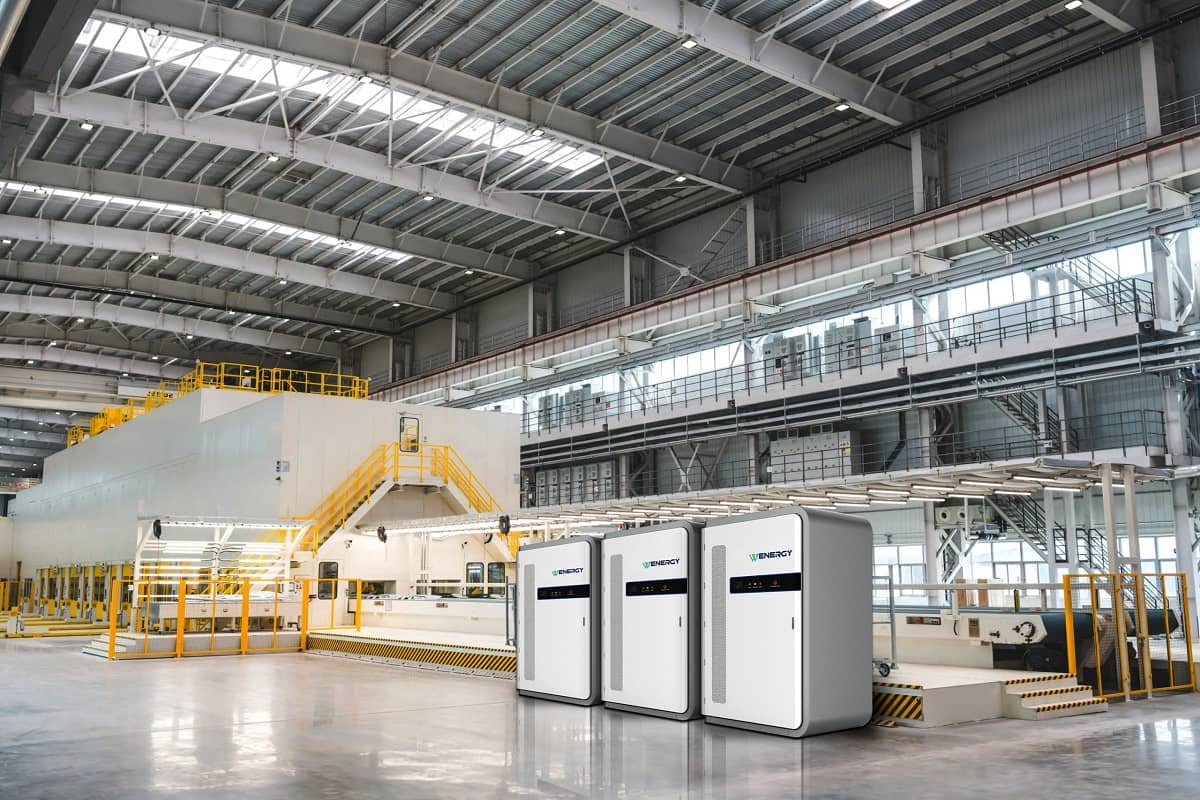
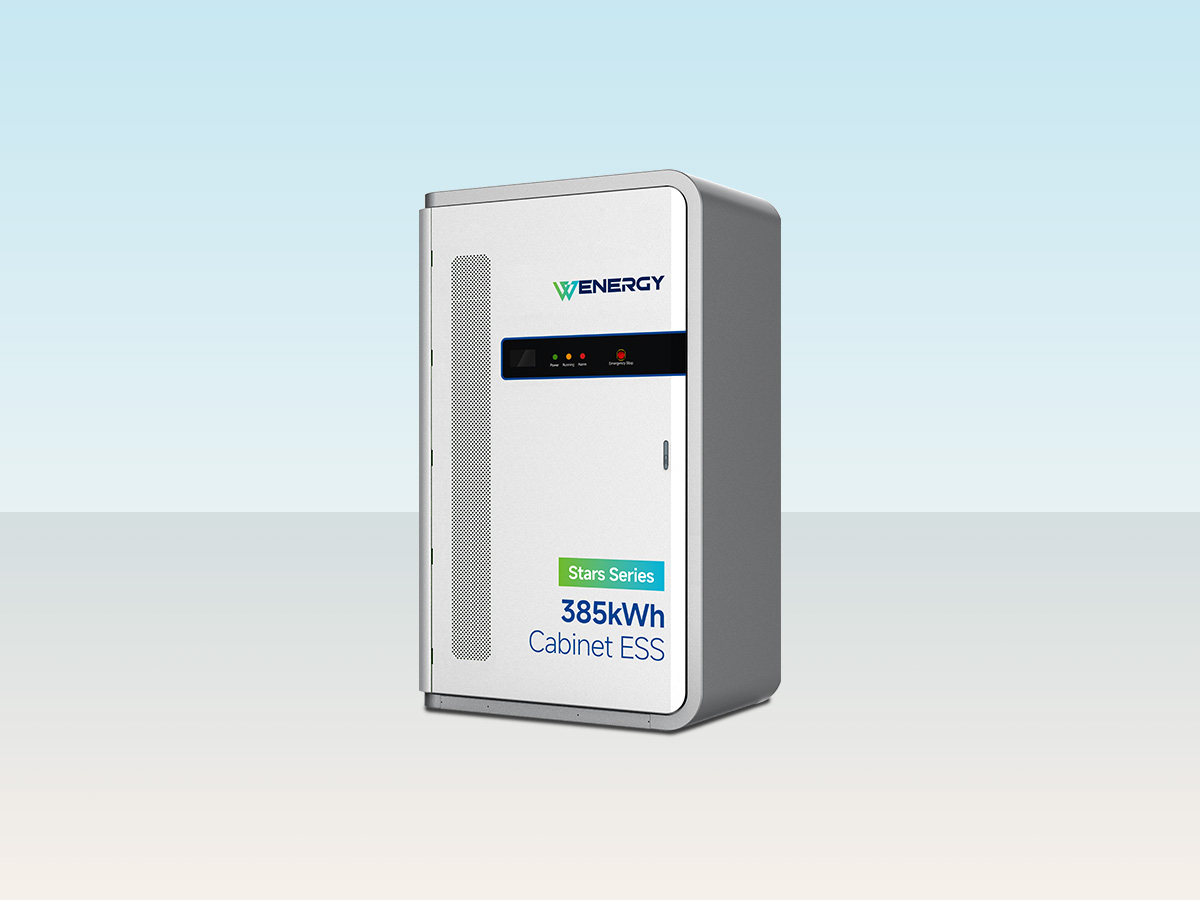
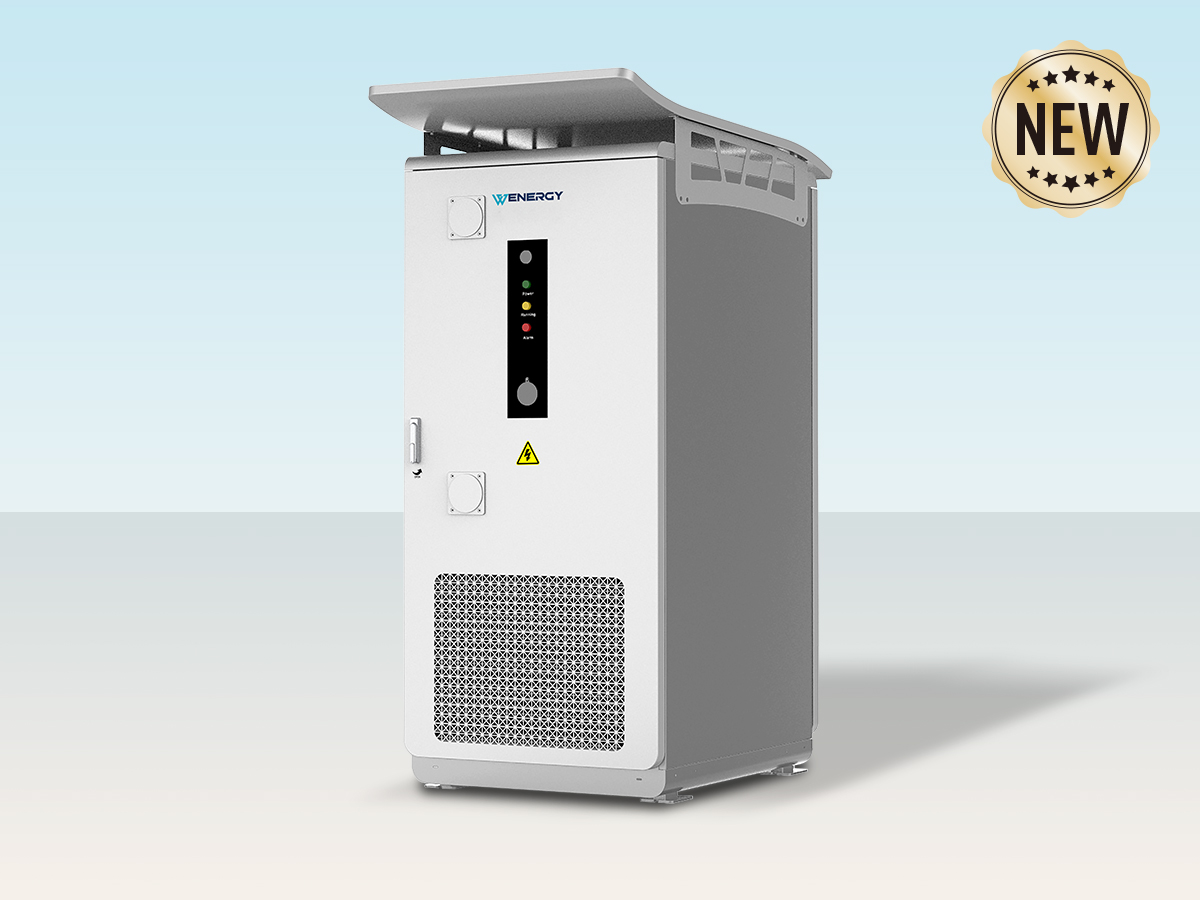
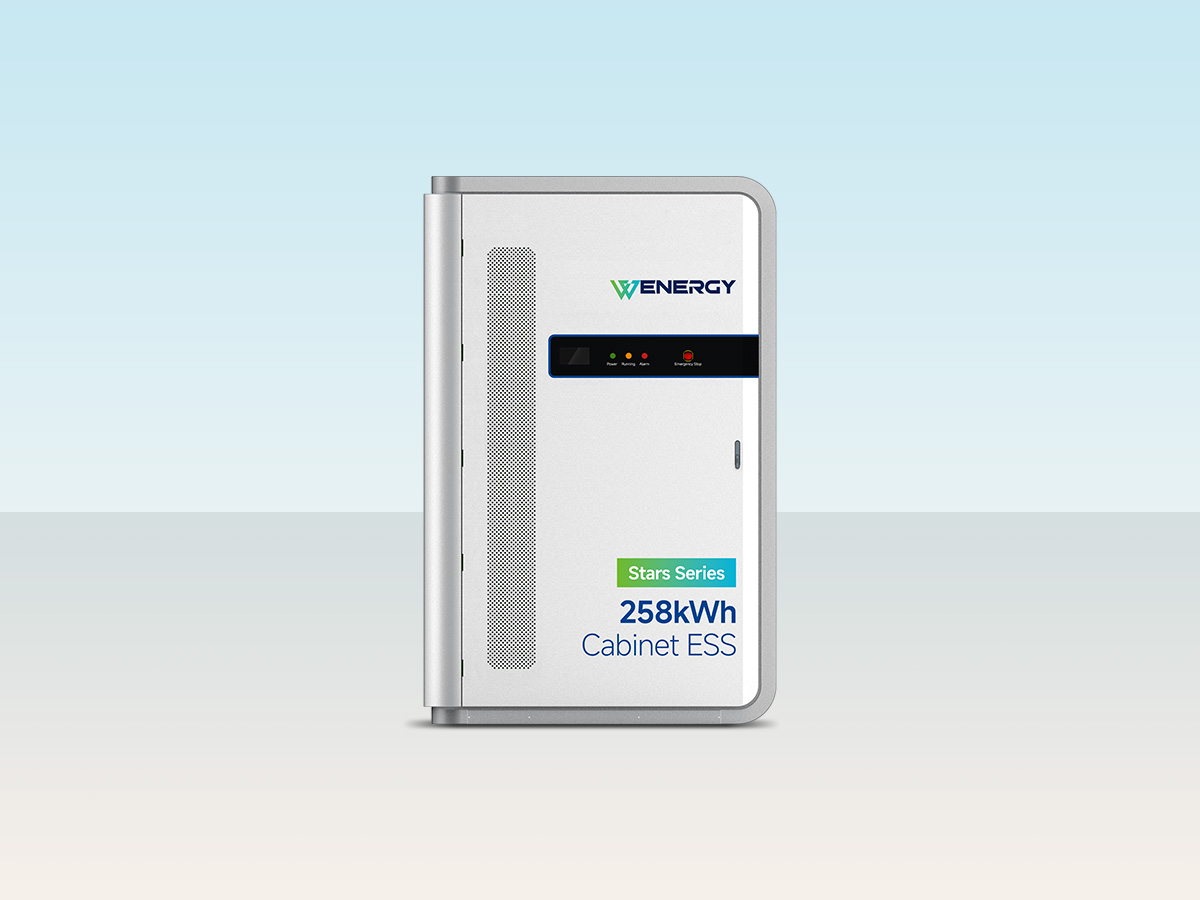
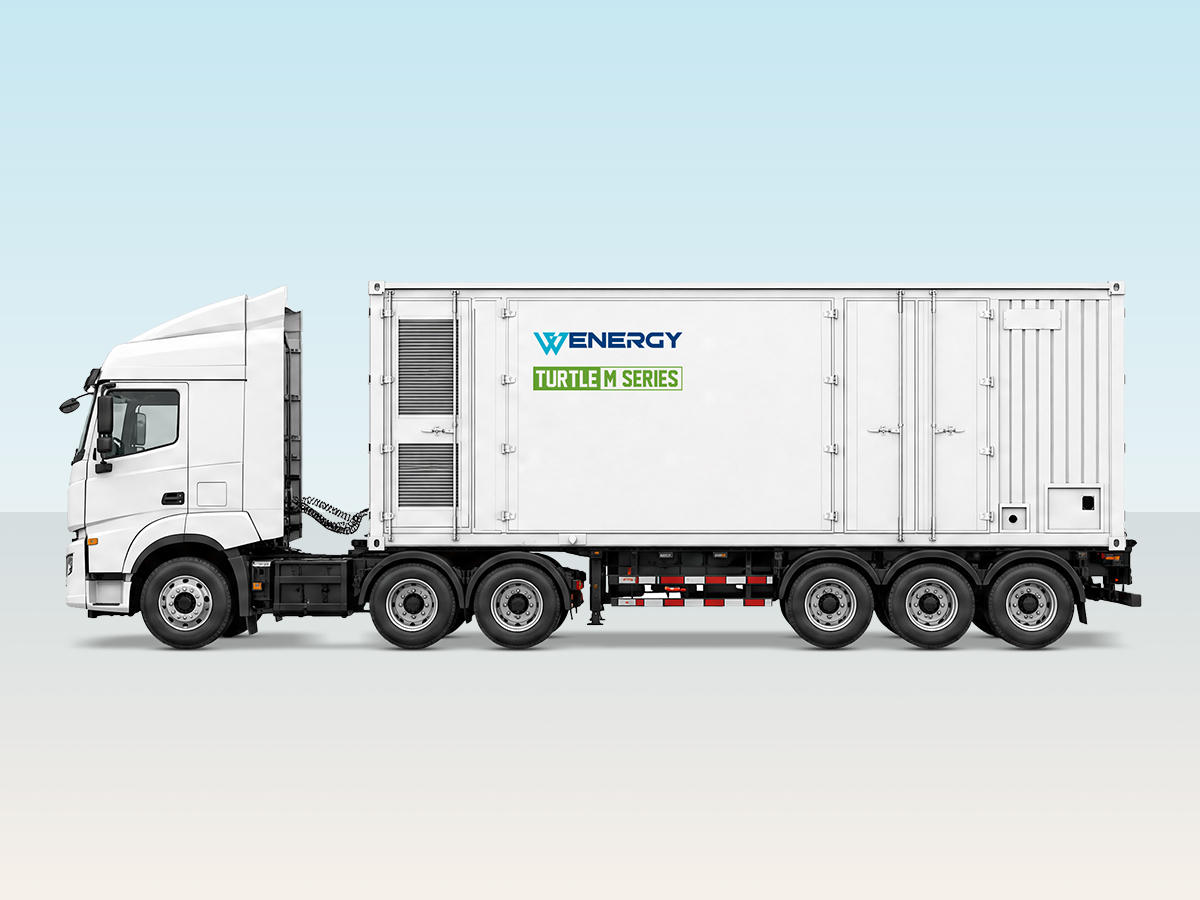
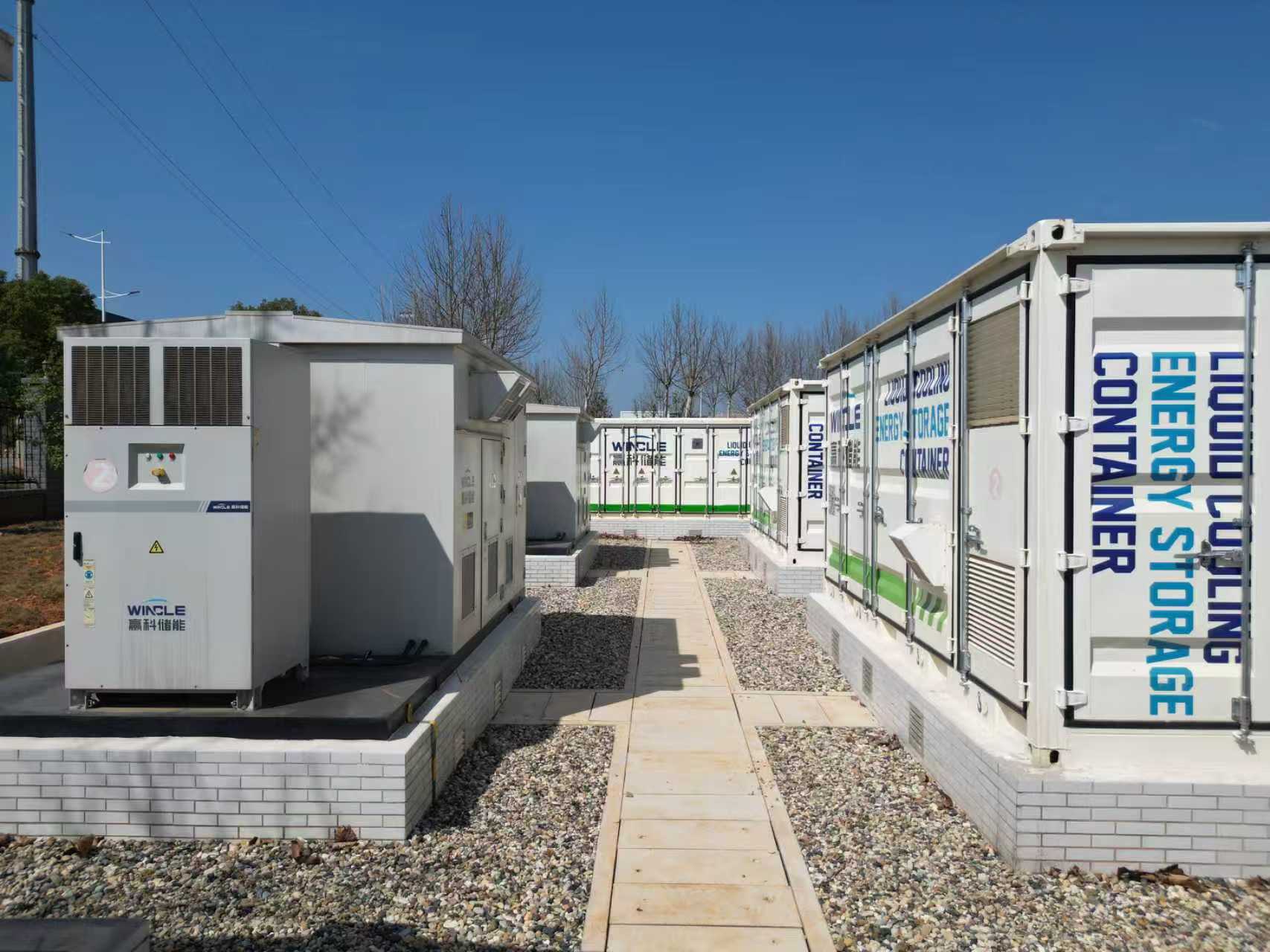
As power markets continue to evolve, the need for reliable, bankable storage solutions has never been greater. From our perspective, success depends on proven technology and seamless integration. طاقة delivers integrated BESS solutions for residential, C&I, and utility-scale applications, backed by 15 years of battery R&D and full supply chain capabilities from cells to systems. Our proven containerized BESS for grid and utility projects delivers reliable large-scale energy storage for grid stability, renewable integration, and energy optimisation — supported by real deployments globally. With modular design for fast deployment, full compliance with IEC/CE standards and EU grid requirements, Wenergy empowers developers and utilities to capture the economic upside of storage while reducing project risk. We are committed to leading this market transformation, one megawatt-hour at a time.
Post time: Jun-12-2026