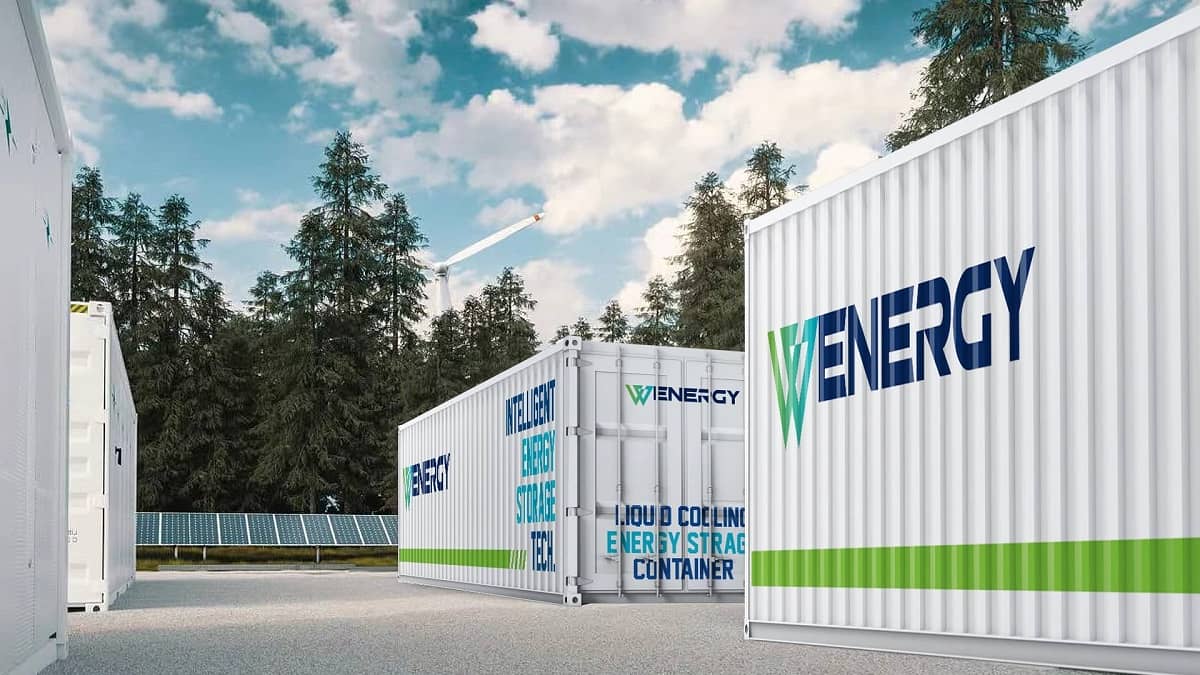

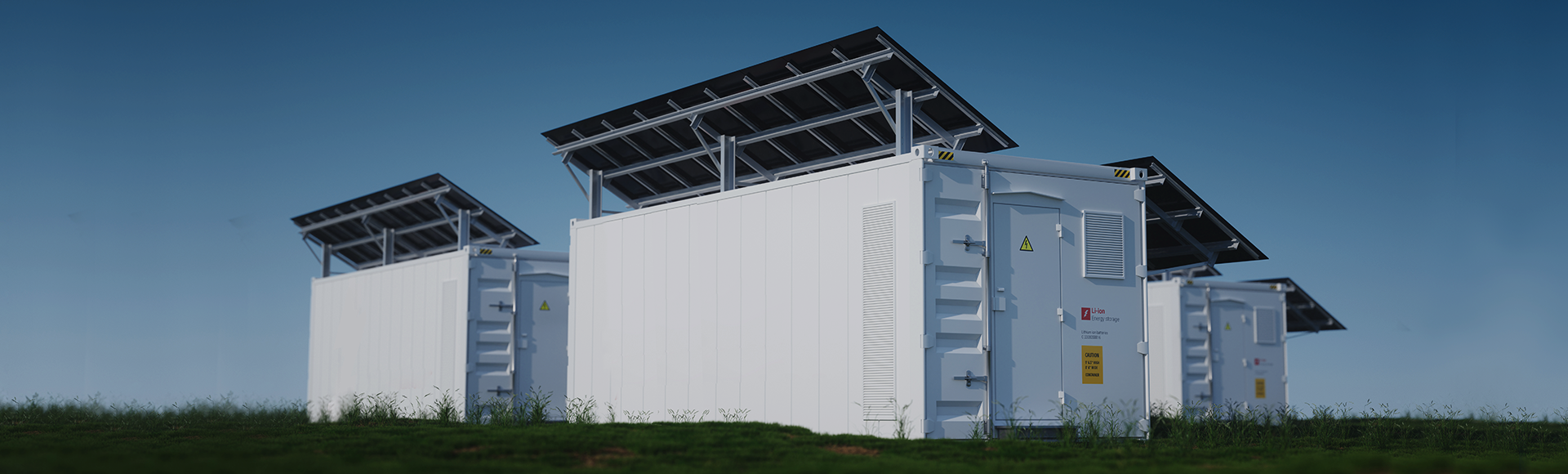
As wind and solar capacity expands rapidly across global power grids, the intermittent nature of these resources creates new challenges for grid operators. Unlike traditional power plants that can ramp up or down on demand, renewable generation depends on weather and time of day. This is where utility-scale battery storage becomes indispensable. By capturing excess renewable energy when supply exceeds demand and discharging it when the sun sets or wind slows, utility-scale battery storage bridges the gap between generation and consumption. Furthermore, these systems provide critical grid services such as frequency regulation, voltage support, and congestion relief. Without large-scale storage, renewable penetration beyond certain thresholds would lead to curtailment, price volatility, and reliability risks.
Enhancing Grid Stability Through Fast Response
One of the most valuable functions of a utility-scale battery energy storage system is its ability to respond within milliseconds to grid disturbances. Traditional generators may take seconds or minutes to adjust output, but battery systems inject or absorb power almost instantaneously. This rapid response makes utility-scale battery storage ideal for primary frequency regulation, helping maintain grid stability as variable renewables replace synchronous generators. Additionally, these systems can provide synthetic inertia and reactive power support, mimicking some characteristics of conventional power plants. For grid operators managing high renewable penetration, a well-sited utility-scale battery energy storage system acts as a shock absorber, smoothing out sudden drops or surges in renewable generation without firing up fossil-fuel peakers.
Enabling Higher Renewable Penetration and Reducing Curtailment
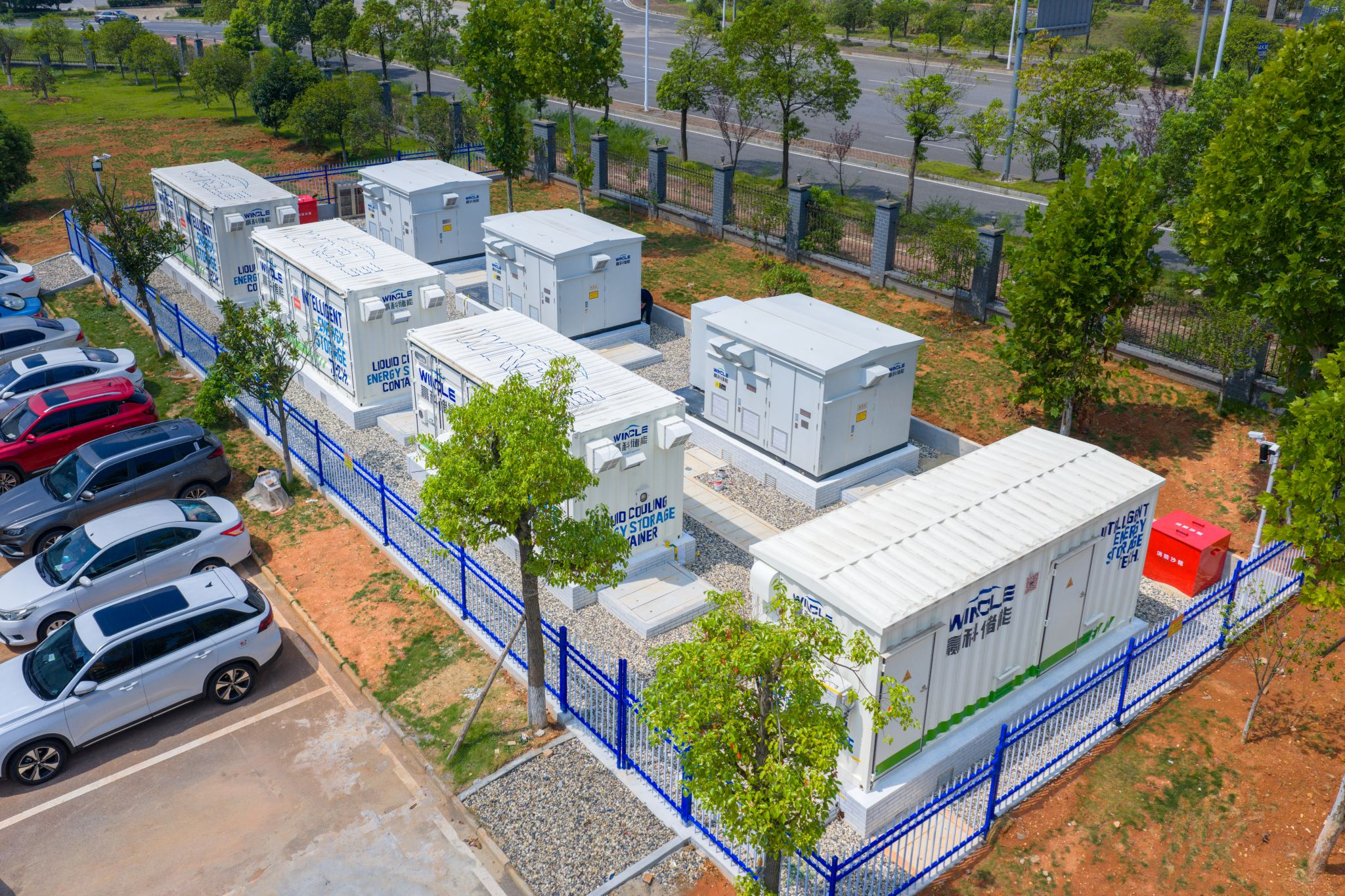
Solar and wind farms often face curtailment during periods of oversupply—wasting clean energy that could otherwise be stored. By pairing renewable plants with a utility-scale battery energy storage system, project owners can shift generation from low-price or negative-price hours to peak-demand hours. This time-shifting capability improves project economics while reducing wasted energy. On a system level, utility-scale battery storage enables grid operators to accept higher renewable capacity without upgrading transmission lines immediately. Instead of building new lines that take years to permit, storage can absorb local oversupply and discharge when transmission capacity becomes available. This makes utility-scale battery storage a cost-effective enabler for renewable integration, particularly in remote areas with strong wind or solar resources but weak grid connections.
A Critical Enabler for the Clean Energy Transition
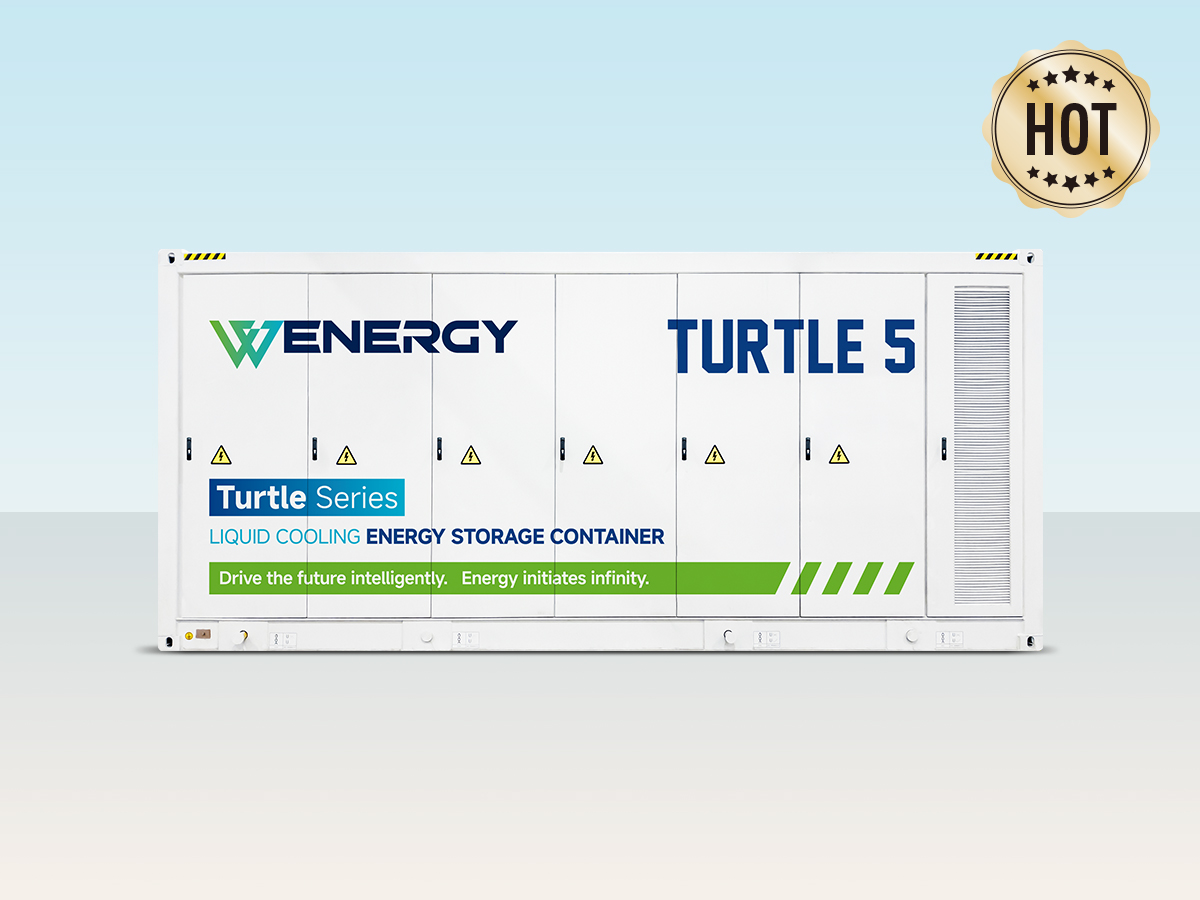
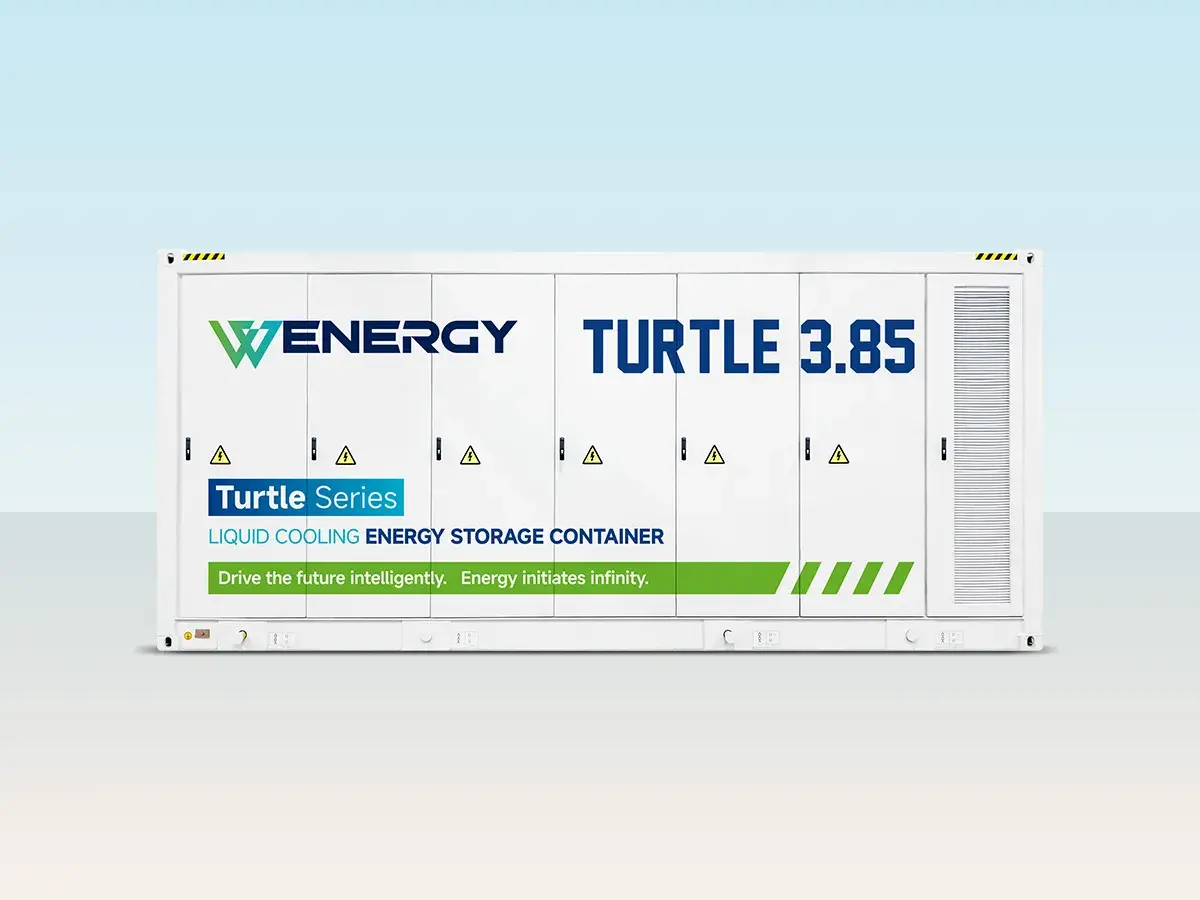
From frequency regulation to renewable time-shifting and transmission deferral, utility-scale battery storage has moved from a niche technology to a grid fundamental. Project developers, utilities, and independent power producers cannot afford to ignore these systems when planning high-renewable portfolios. At طاقة, we deliver integrated BESS solutions for residential, C&I, and utility-scale applications, backed by 15 years of battery R&D and full supply chain capabilities from cells to systems. Our proven containerized BESS solutions for grid and utility projects are designed for reliability, supporting peak shaving, frequency regulation, and PV coupling with real-world deployment experience. When you evaluate a utility-scale battery energy storage system for your next renewable integration project, we invite you to consider Wenergy as a partner who understands both the hardware and the grid challenges that matter most.
Post time: Jun-12-2026