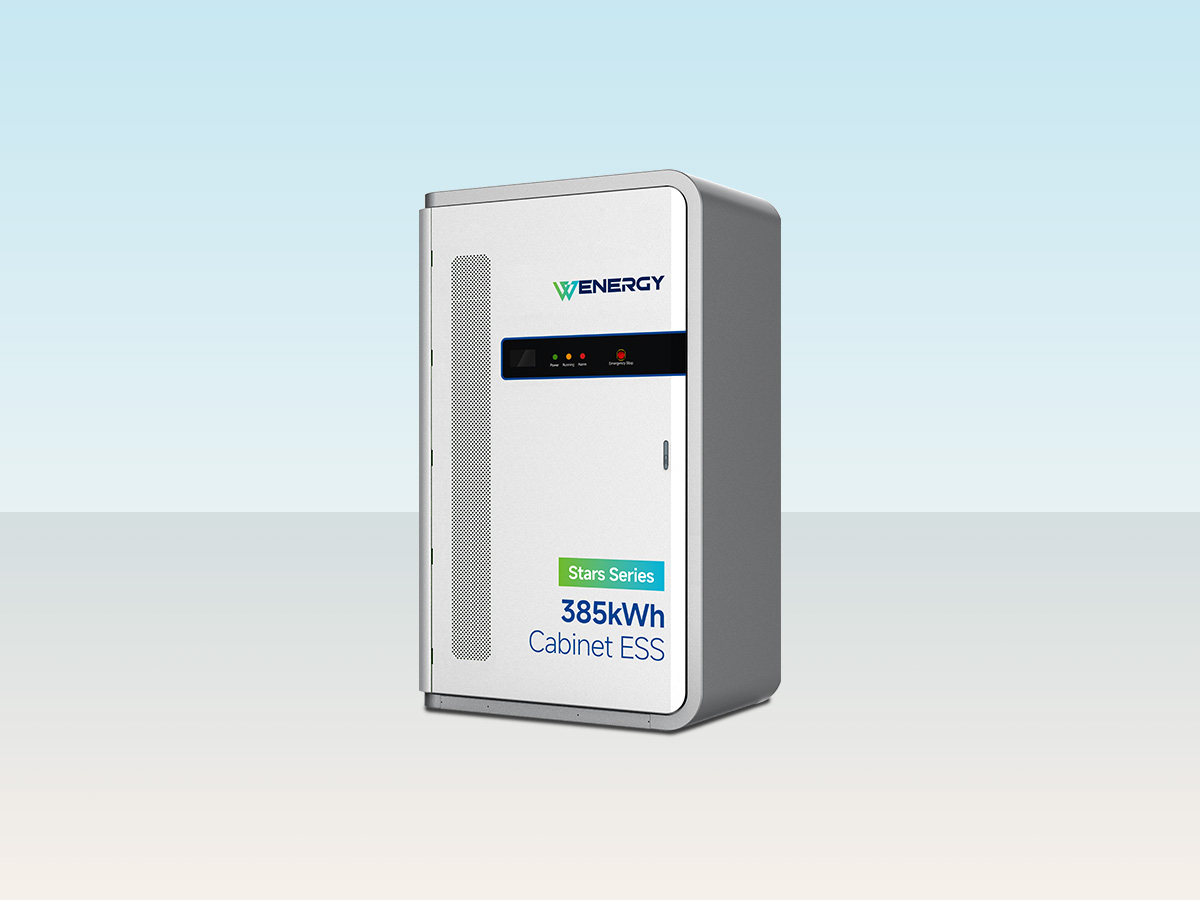

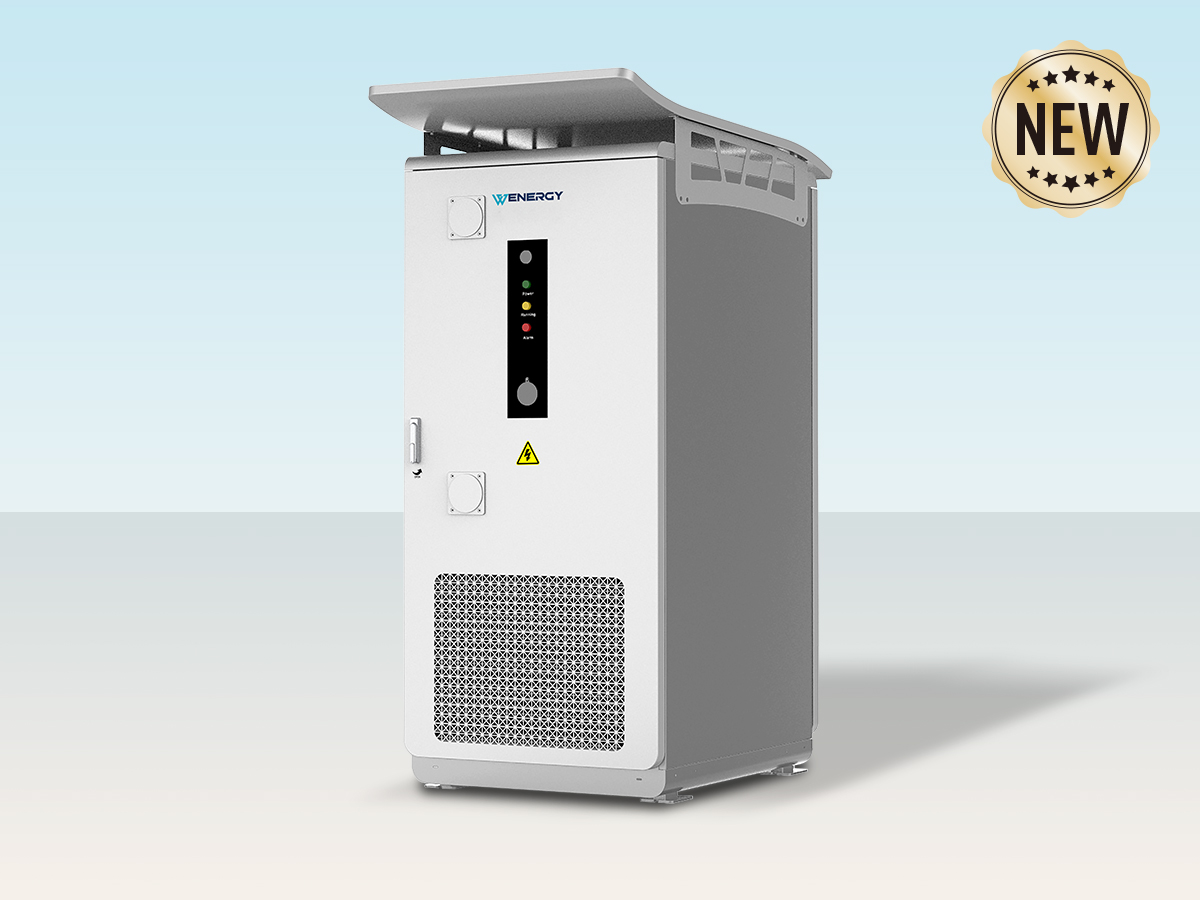
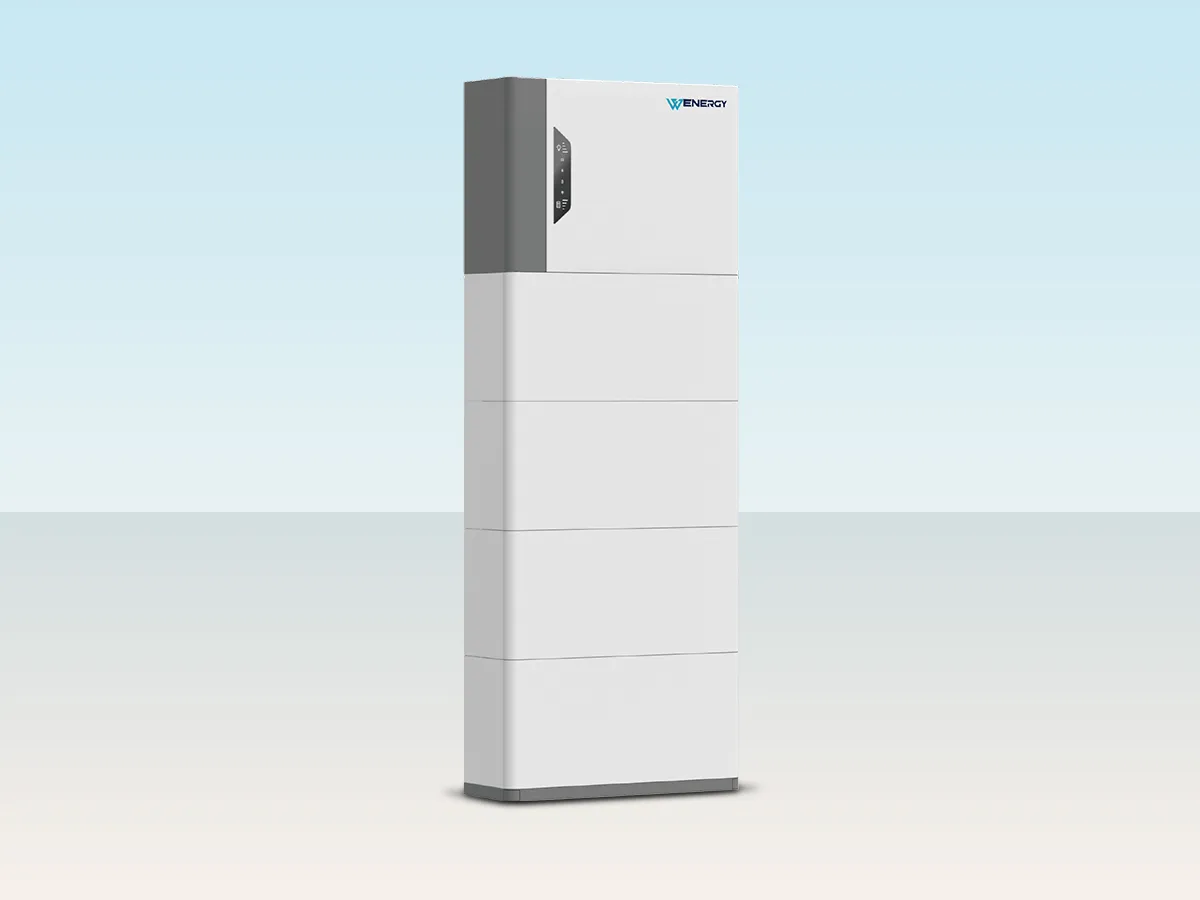
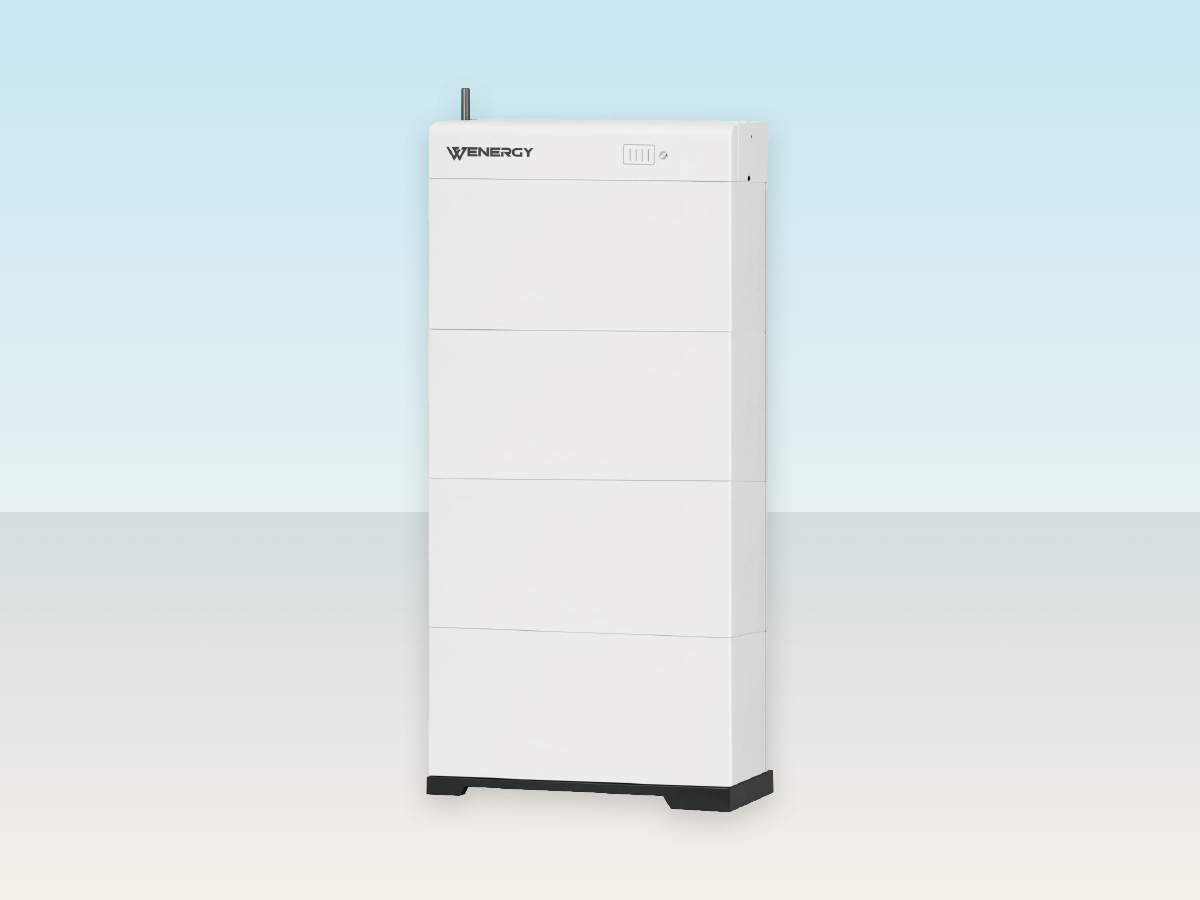
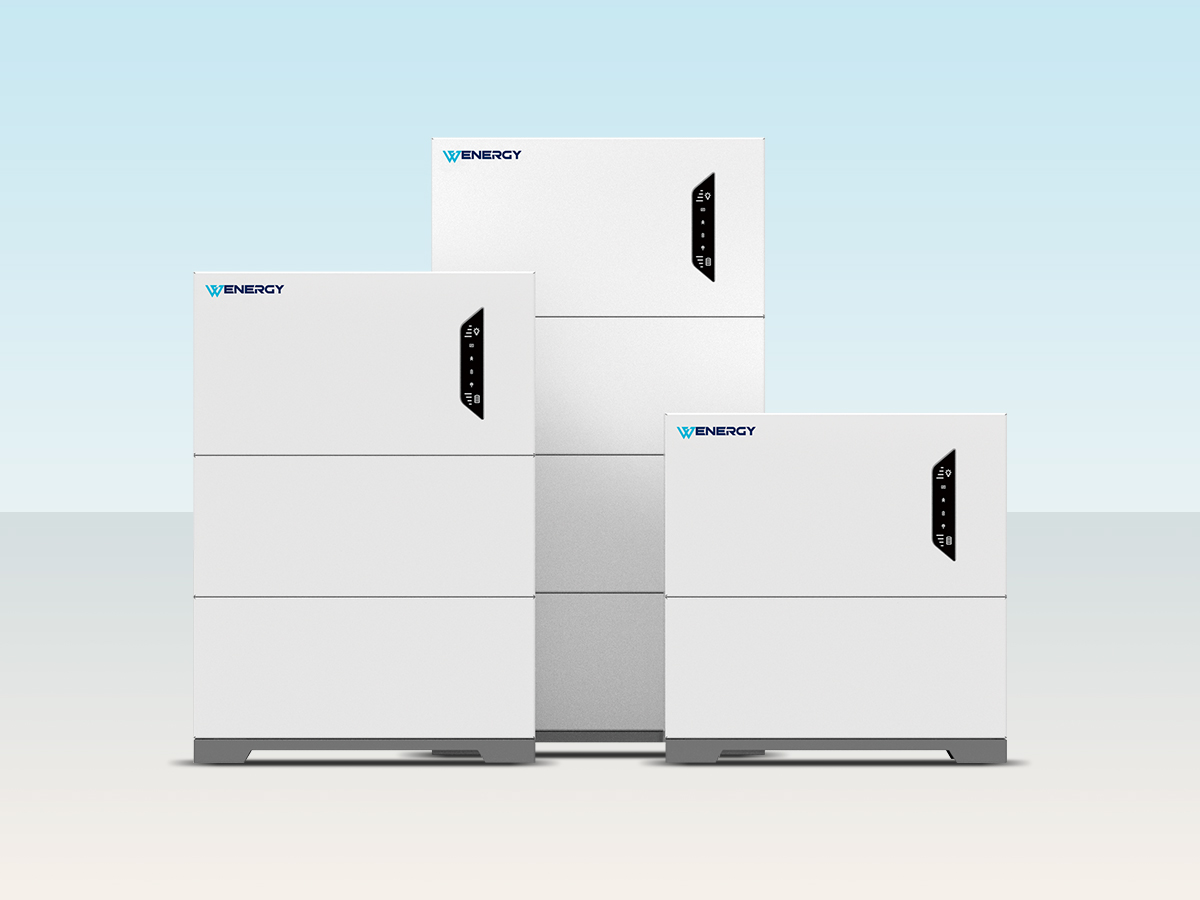
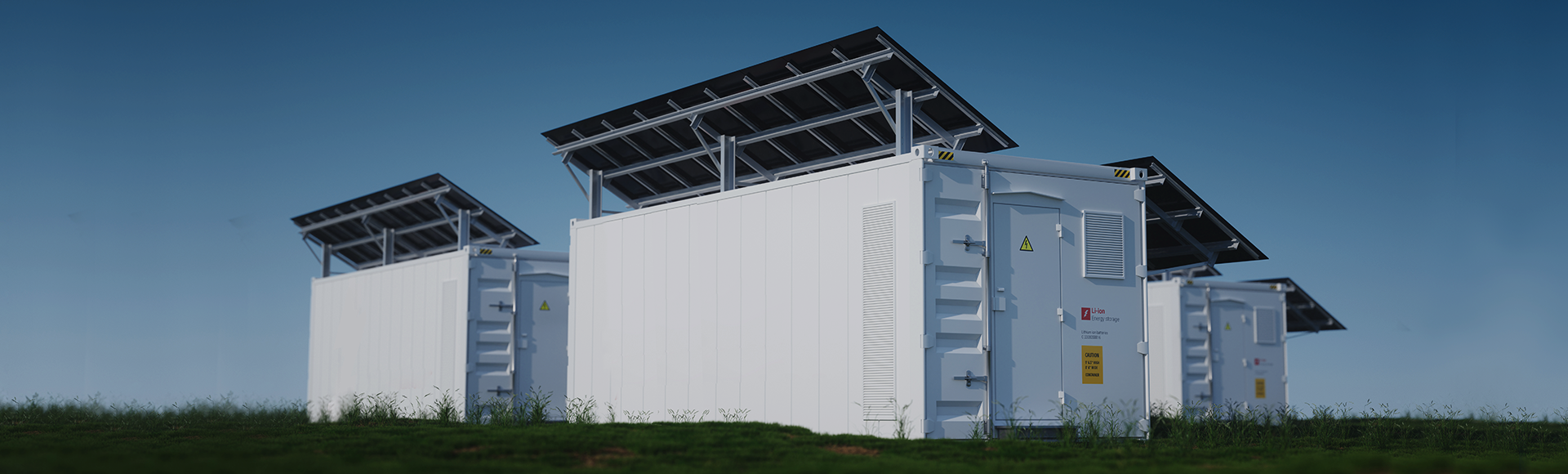
Selecting the appropriate thermal management approach for battery energy storage systems significantly impacts performance longevity and total cost of ownership. Commercial and industrial facility managers evaluating storage options often encounter both air-cooled and liquid-cooled configurations, each with distinct operational characteristics. At طاقة, we engineer both technologies but recognize that liquid cooling energy storage system designs deliver advantages in specific high-demand scenarios. Our 261kWh liquid cooling C&I ESS cabinet exemplifies how advanced thermal regulation enables consistent output under extreme conditions. Understanding when to specify a liquid cooled battery energy storage system versus conventional air-cooled units requires examining environmental factors, duty cycles, and space constraints. Below, we outline the scenarios where liquid cooling becomes the optimal choice for industrial and commercial applications.
Extreme Ambient Temperatures and Harsh Environments
Air-cooled systems rely on ambient air circulation to dissipate heat, making them less effective in environments where external temperatures regularly exceed thirty-five degrees Celsius. Factories in desert climates, rooftop installations exposed to direct sunlight, and outdoor sites in tropical regions push air-cooled batteries toward thermal derating, reducing available capacity precisely when cooling demand peaks. A liquid cooling energy storage system maintains cell temperatures within a narrow optimal range regardless of ambient conditions, ensuring rated power output during heat waves. For sites like solar farms co-located with storage in arid regions, this consistency prevents revenue losses from curtailed discharge. Wenergy’s liquid cooled battery energy storage system incorporates dielectric coolant circulating through plates adjacent to each cell, extracting heat more efficiently than forced air. Industrial parks with combined heat sources from manufacturing processes similarly benefit from this isolation from ambient swings.
High C-Rate Applications and Rapid Cycling
EV charging hubs and fleet depots demand high discharge rates that generate substantial internal heat within short durations. Fast charging sessions drawing significant current from storage batteries accelerate temperature rise, triggering protection circuits in air-cooled systems that throttle output to prevent damage. This throttling extends charging times and frustrates operators expecting consistent performance. A liquid cooled battery energy storage system absorbs and rejects heat continuously during high-rate discharges, sustaining power delivery throughout the session. Logistics centers with multiple fast chargers drawing from a shared storage asset require this sustained output to maintain vehicle turnaround times. Similarly, frequency regulation applications involving frequent charge-discharge cycles benefit from liquid cooling’s superior heat rejection, preserving cycle life despite continuous operation. For commercial fleets transitioning to electric vehicles, specifying a liquid cooling energy storage system ensures that charging infrastructure delivers promised performance across all seasons.
Space-Constrained Installations Demanding High Density
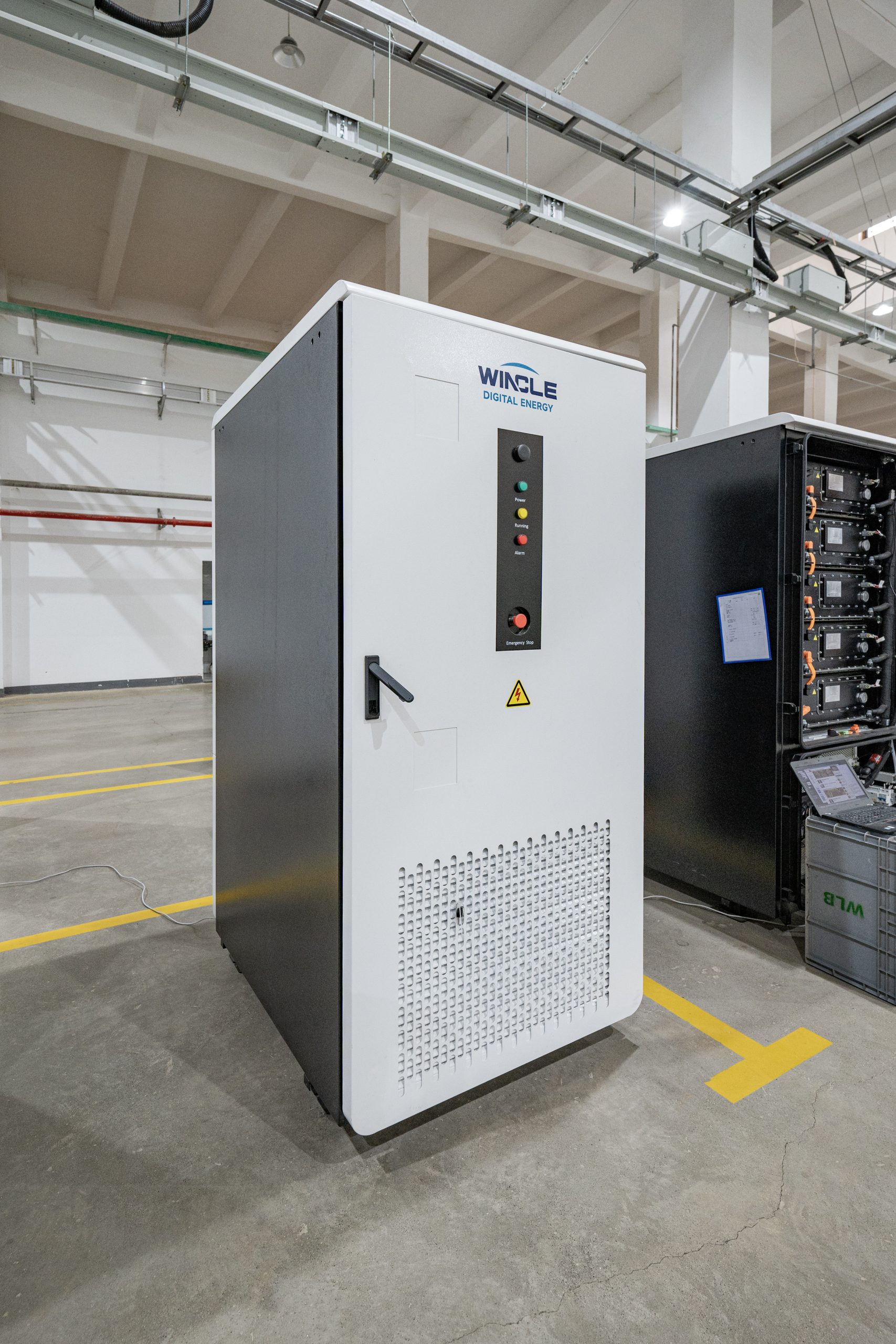
Urban commercial buildings, telecom centers, and hospitals often allocate minimal square footage to energy equipment, yet require substantial storage capacity to support critical loads or participate in demand response. Air-cooled systems require clearance around cabinets for airflow, consuming valuable floor space and limiting capacity per square meter. Liquid cooling energy storage system designs pack cells more densely because cooling plates occupy less volume than air channels and fans. Wenergy’s 261kWh liquid cooling C&I ESS cabinet achieves high energy density within a compact footprint suitable for constrained mechanical rooms or outdoor pads. This density proves essential for shopping malls retrofitting storage into existing electrical rooms or public facilities adding capacity without expanding building envelopes. Optional integration with MPPT for solar coupling, STS for seamless transfer, and EV charging connections further consolidates equipment that would otherwise demand separate enclosures. For project developers managing expensive real estate, liquid cooled battery energy storage system configurations maximize stored megawatt-hours per square meter.
Projects Requiring Future-Proofed Expandability
Industrial sites planning phased capacity additions benefit from liquid cooling’s scalability without redundant thermal infrastructure. Air-cooled systems often require oversizing fans and ducts for future expansion, complicating initial installation and wasting capital. Modular liquid cooling energy storage system architectures allow adding cabinets with simple coolant connections to existing loops. Construction sites transitioning from temporary power to permanent installations, or solar farms planning generation capacity increases, find liquid cooling simplifies later integration. An optional protective top cover for outdoor cabinets shields connections and coolant lines from weather during multi-year deployment timelines. Wenergy supports EPC contractors with integration planning that anticipates future storage needs, ensuring that early investments in liquid cooled battery energy storage system infrastructure accommodate growth without replacement.
Liquid cooling energy storage systems outperform air-cooled alternatives in high ambient temperatures, rapid cycling applications, space-constrained sites, and expandable projects. Wenergy’s 261kWh liquid cooling C&I ESS cabinet delivers the thermal stability, density, and integration flexibility that industrial users require. By matching cooling technology to operational demands, commercial facility managers ensure maximum return from their battery storage investment.
Post time: Apr-13-2026