
Homeowners across the globe are increasingly pairing solar panels with battery storage to cut electricity bills and gain protection against grid outages. However, installing a residential battery energy storage system involves more than simply buying a unit off the shelf. From system sizing and electrical compatibility to safety certifications and utility interconnection rules, several critical factors determine whether a residential BESS delivers promised savings or becomes a source of frustration. Understanding these key considerations before signing a contract helps homeowners avoid costly mistakes and ensures the system performs as expected for its 10- to 15-year lifespan.
Right-Sizing the Battery for Household Needs
The most common mistake when selecting residential energy storage systems is improper sizing. A battery that is too small will fail to cover evening peak loads, leaving the homeowner still drawing expensive grid power. A system that is too large adds unnecessary capital cost with little additional benefit. Start by analyzing the home’s daily electricity consumption patterns, specifically evening usage when solar generation is absent. For a household with existing solar, the ideal residential BESS should be sized to store enough daytime excess to cover the period between sunset and bedtime. Most installations fall between 5 kWh and 20 kWh of usable capacity. Also consider whether the homeowner wants backup power during outages—if so, the residential energy storage system must have sufficient capacity and dedicated backup circuits for essential loads such as refrigeration, lighting, and medical equipment.
Understanding Inverter Compatibility and Installation Requirements
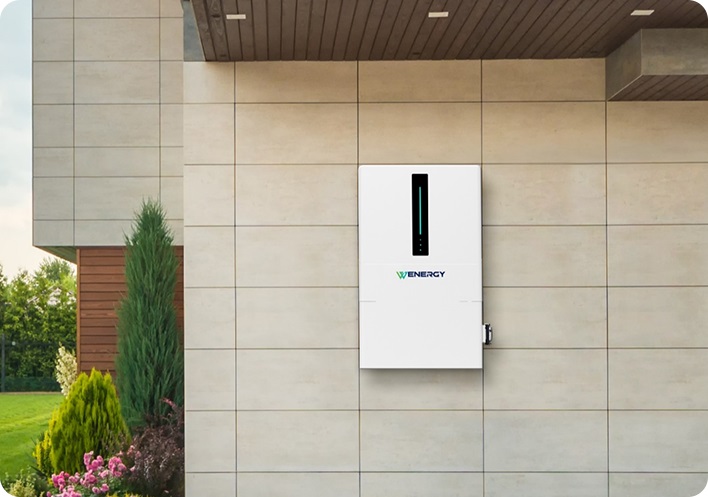
Not all residential BESS units work seamlessly with every home’s existing electrical setup. AC-coupled systems connect behind the meter and can be added to any existing solar installation, making them the most common retrofit choice. DC-coupled systems are more efficient for new installations but require compatible hybrid inverters. Homeowners should also verify whether their local utility requires specific certifications such as UL 9540 (system safety), UL 1973 (battery), and UL 1741 (grid interconnection). Professional installation by a certified electrician is non-negotiable, as improper wiring can create fire risks or void warranties. Additionally, check local building codes regarding battery placement—many jurisdictions require residential energy storage systems to be installed in garages or exterior walls, not in living spaces or attached garages without fire-rated enclosures.
Maximizing Economic Returns Through Smart Operation
The financial case for a residential BESS depends heavily on the homeowner’s utility rate structure. For those on time-of-use tariffs with significant differences between peak and off-peak rates, residential energy storage systems can shift solar energy or grid charging to cover expensive peak periods. Homeowners without time-of-use rates but facing high demand charges or limited net metering may still benefit from increased self-consumption. The best residential BESS units include intelligent energy management software that automatically optimizes charging and discharging based on real-time rates, solar forecasts, and outage risks. Some systems also enable participation in virtual power plant programs, where utilities pay homeowners for using their batteries to support the grid during peak events—adding yet another revenue stream.
A Thoughtful Investment in Home Energy Independence
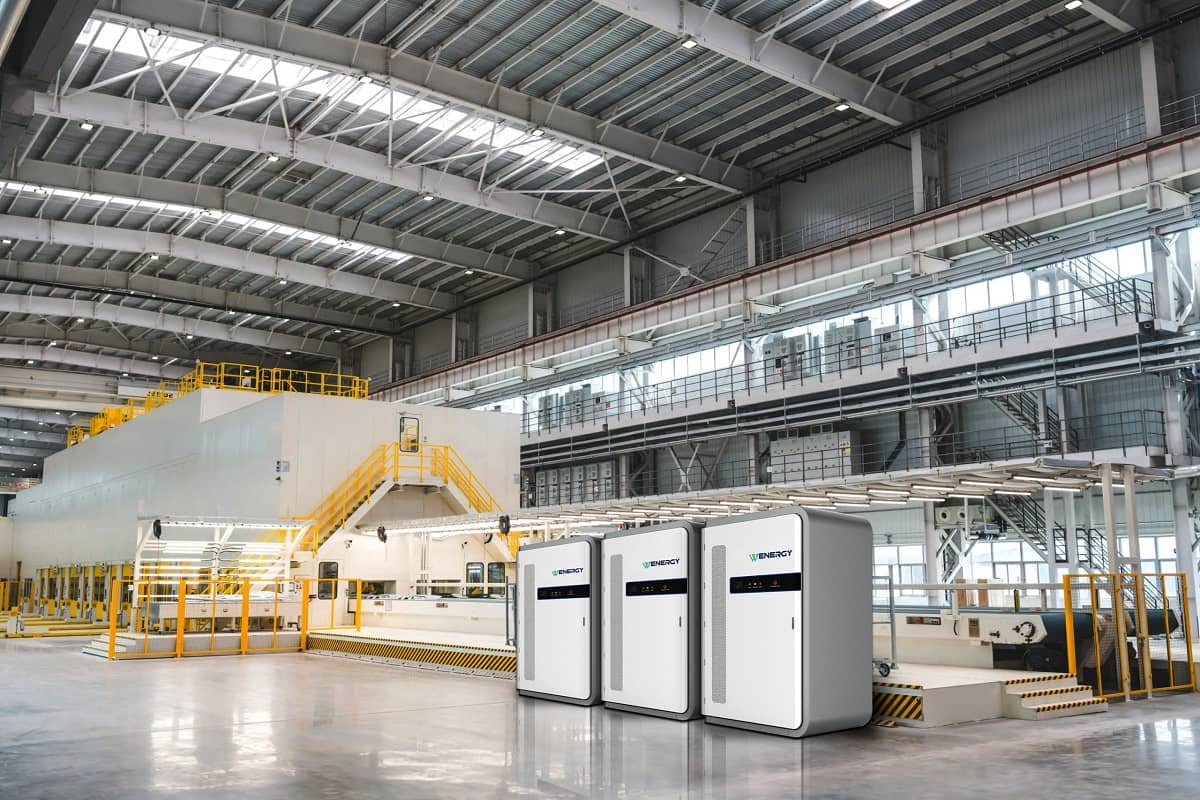
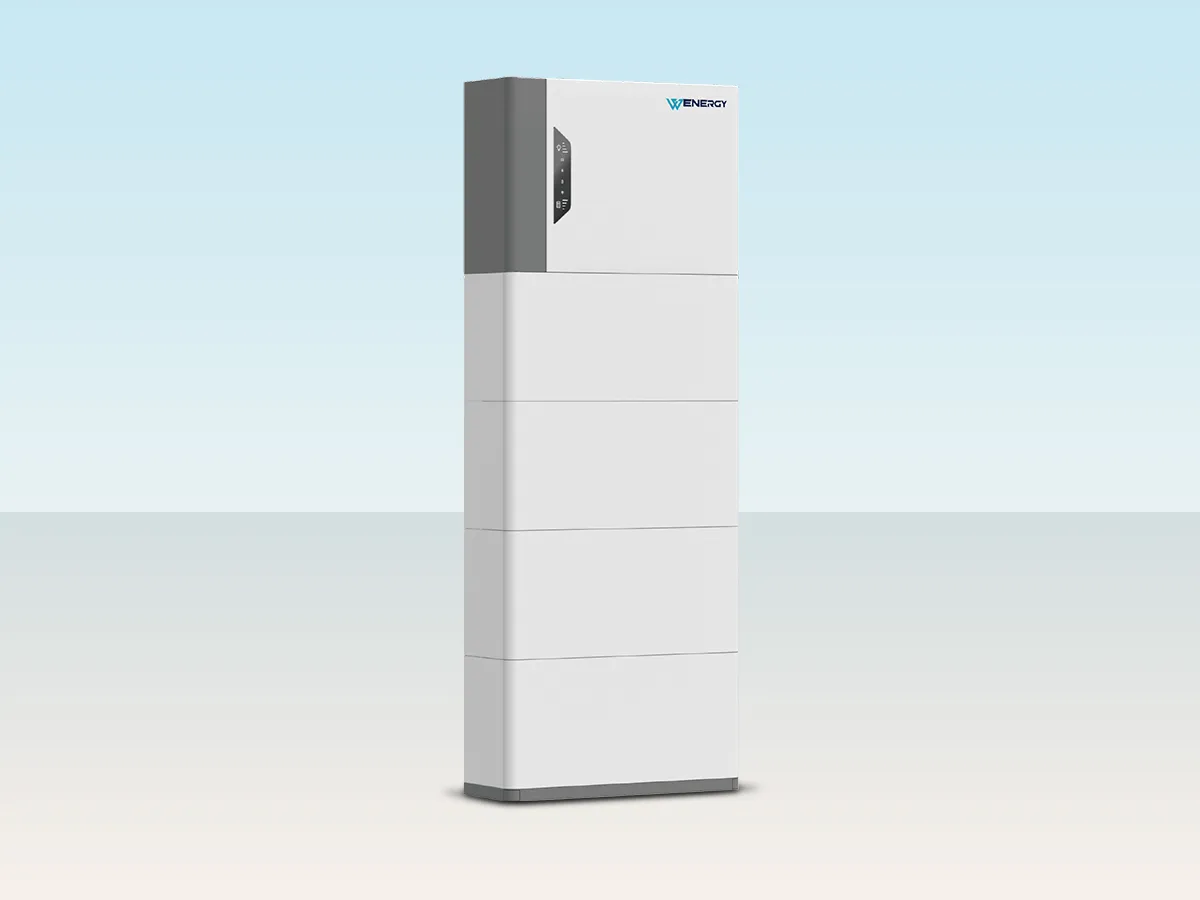
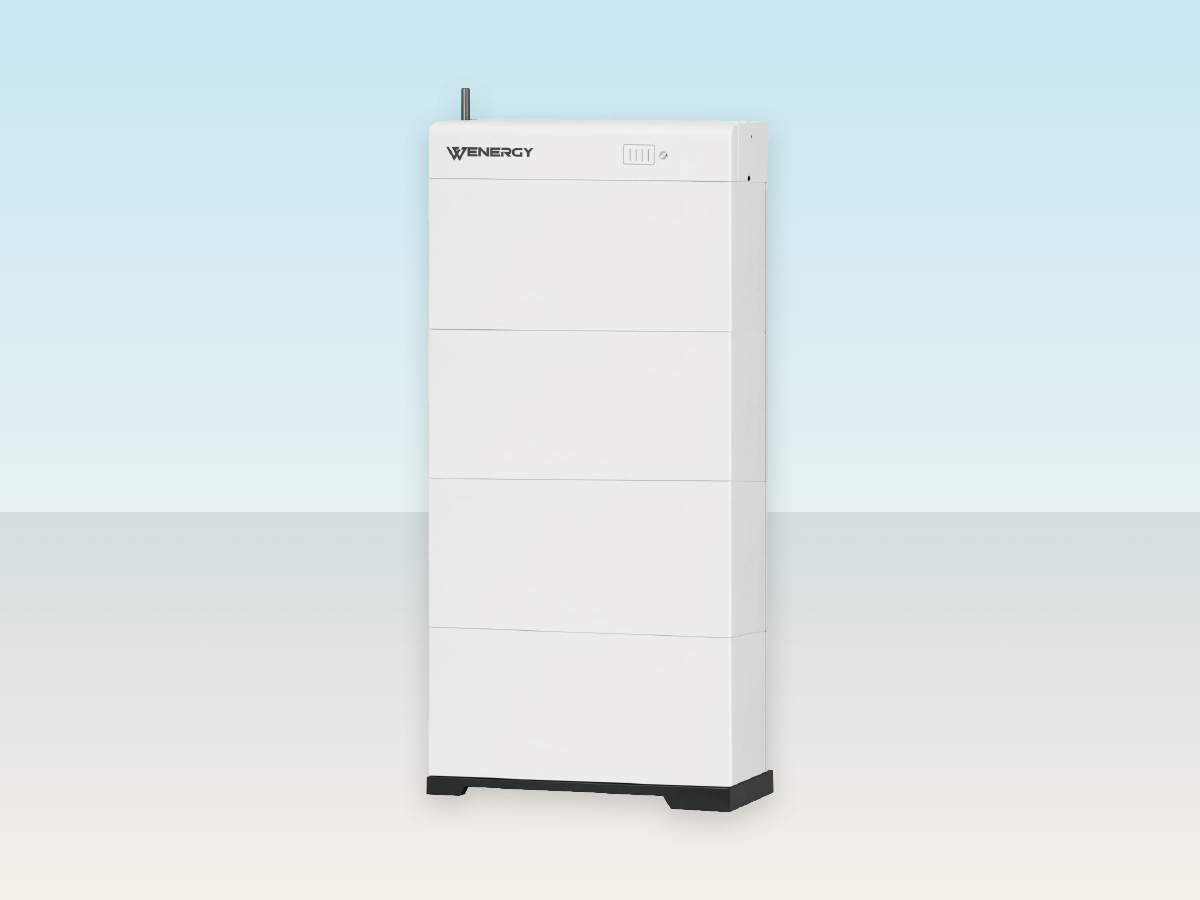
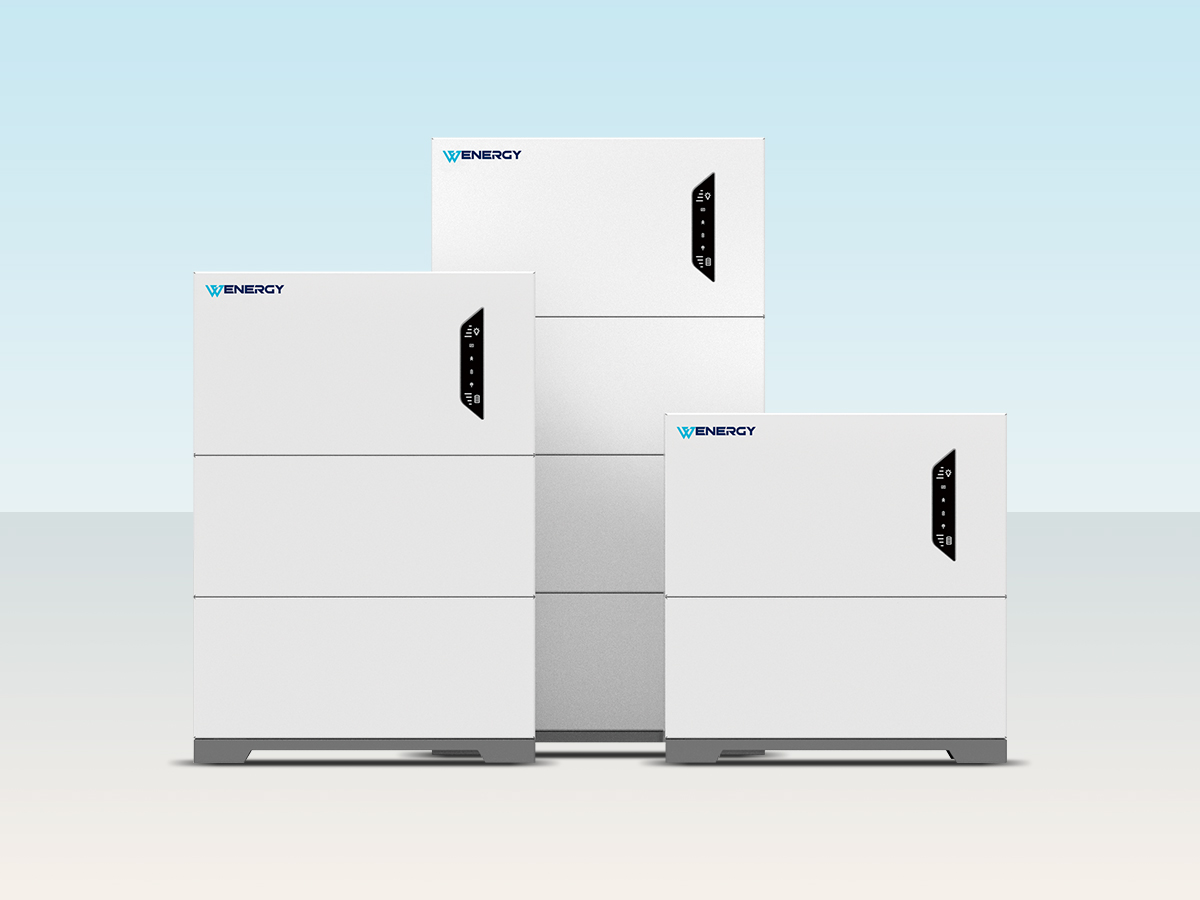
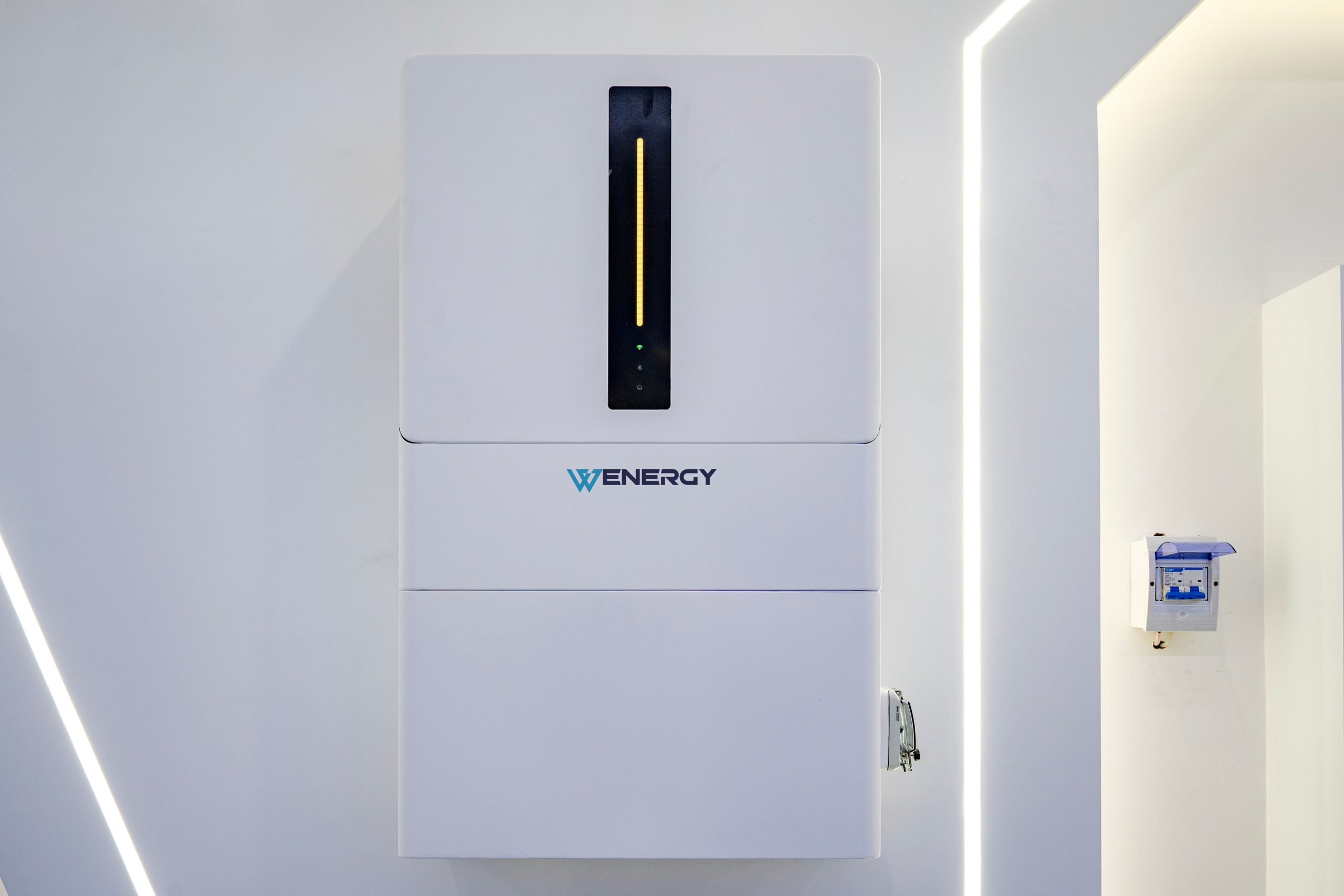
Installing a residential battery energy storage system is a decision that pays dividends over many years, but only when done right. Proper sizing, professional installation, and smart operation turn a battery from a simple backup device into a powerful financial tool. At Wenergy, our residential energy storage systems deliver reliable, intelligent, and scalable power for modern households. Our solutions integrate advanced battery technology with solar systems, enabling homeowners to store excess daytime energy for use at night or during peak demand. By maximizing self-consumption, reducing electricity bills, and ensuring backup power during outages—with a seamless 10ms switch time—Wenergy helps homeowners achieve greater energy independence and long-term savings. Whether the goal is solar self-consumption, peak shaving, or off-grid living with scalable capacity from 5 kWh to 30 kWh, Wenergy provides the residential BESS built for real homes and real peace of mind.
Post time: Jun-12-2026