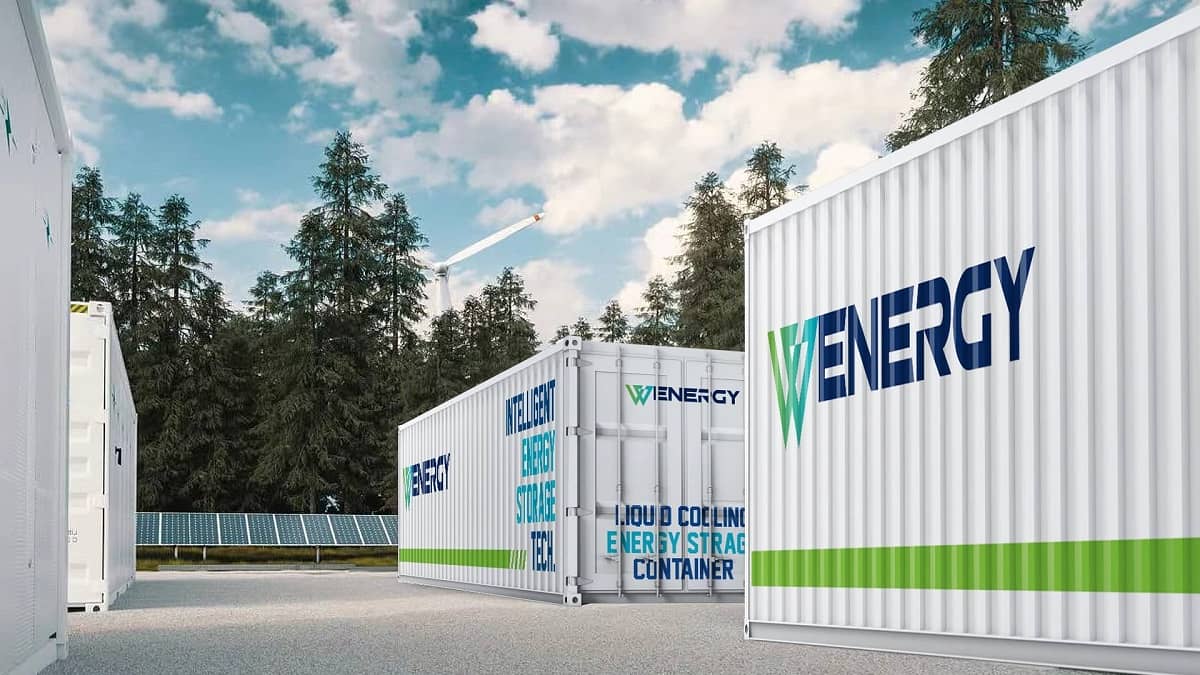
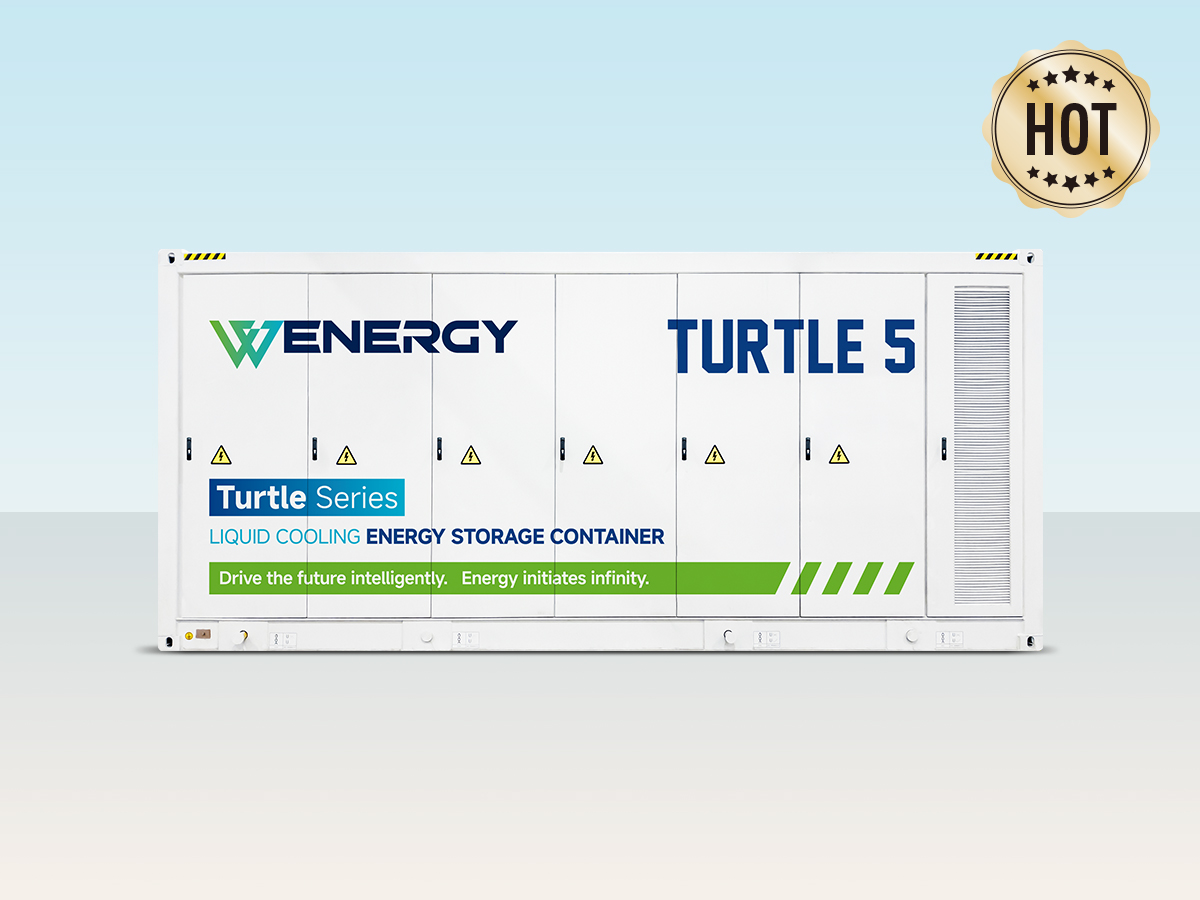
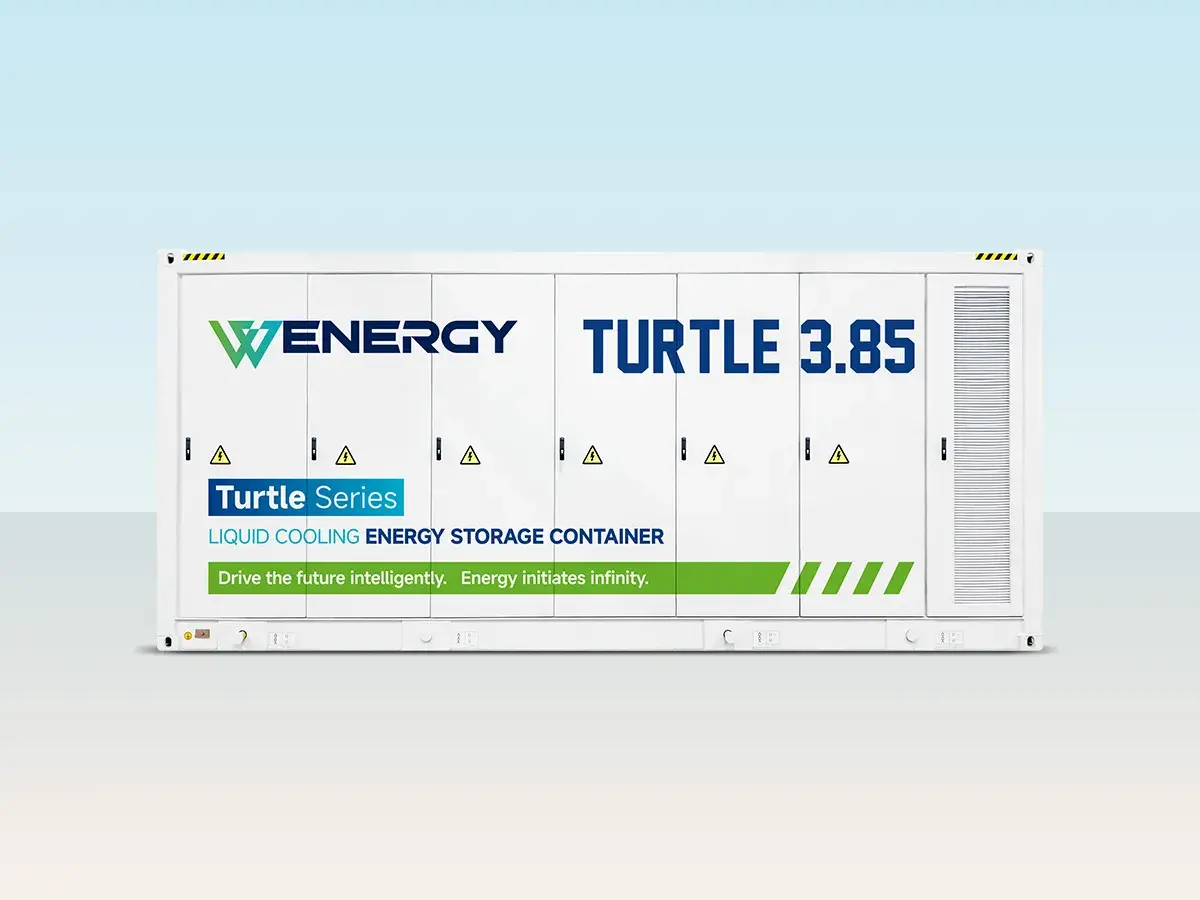
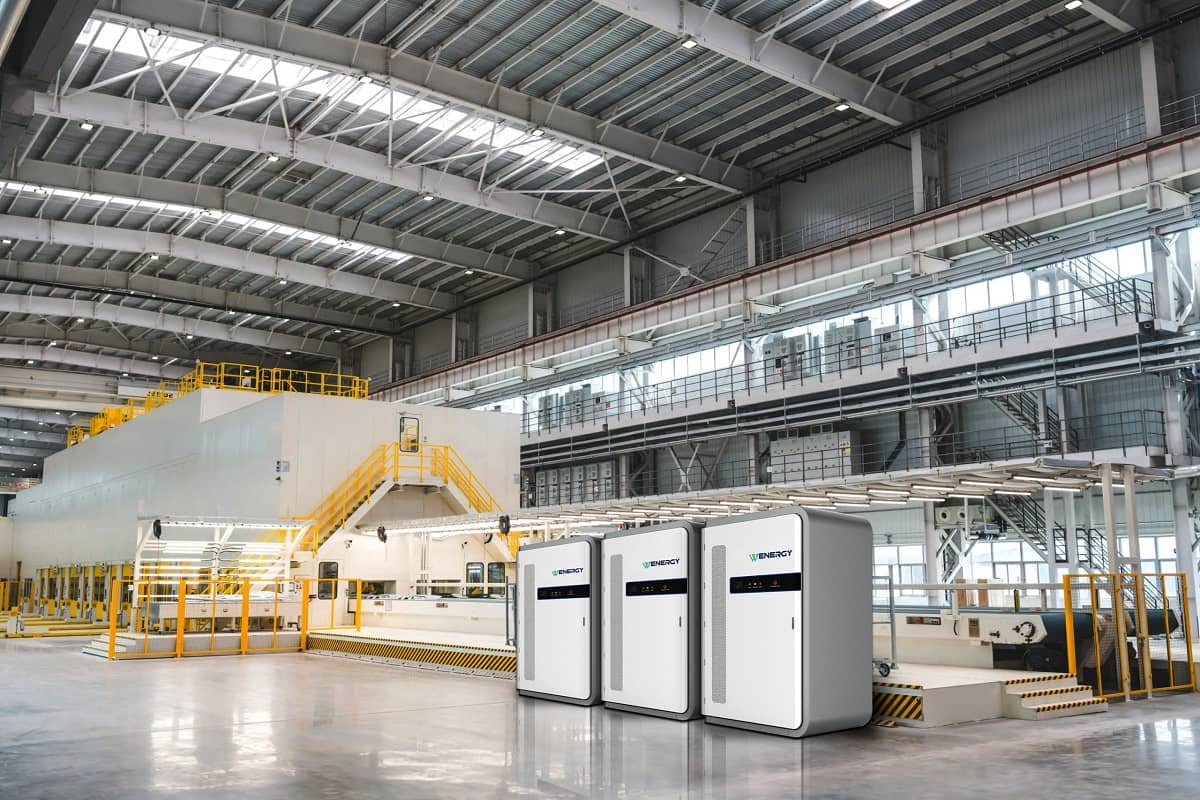

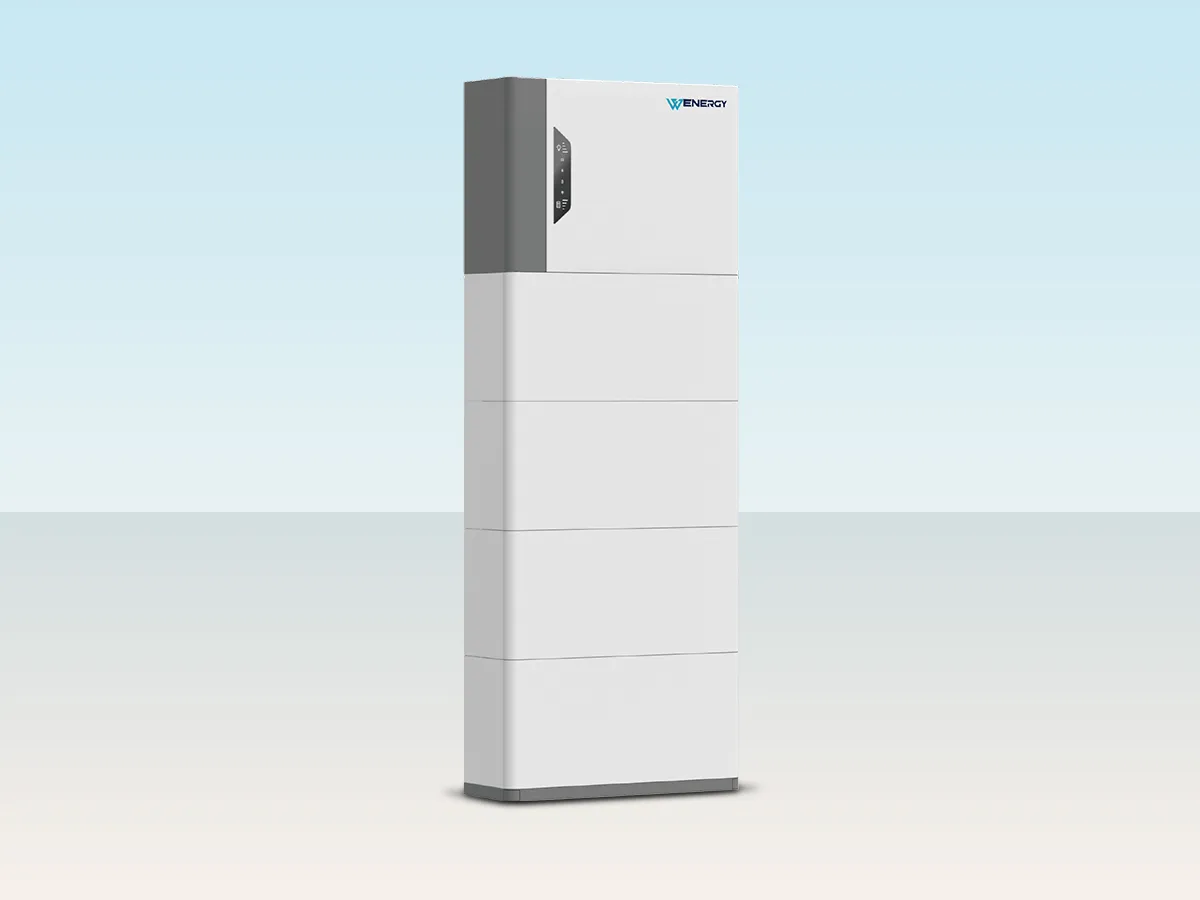
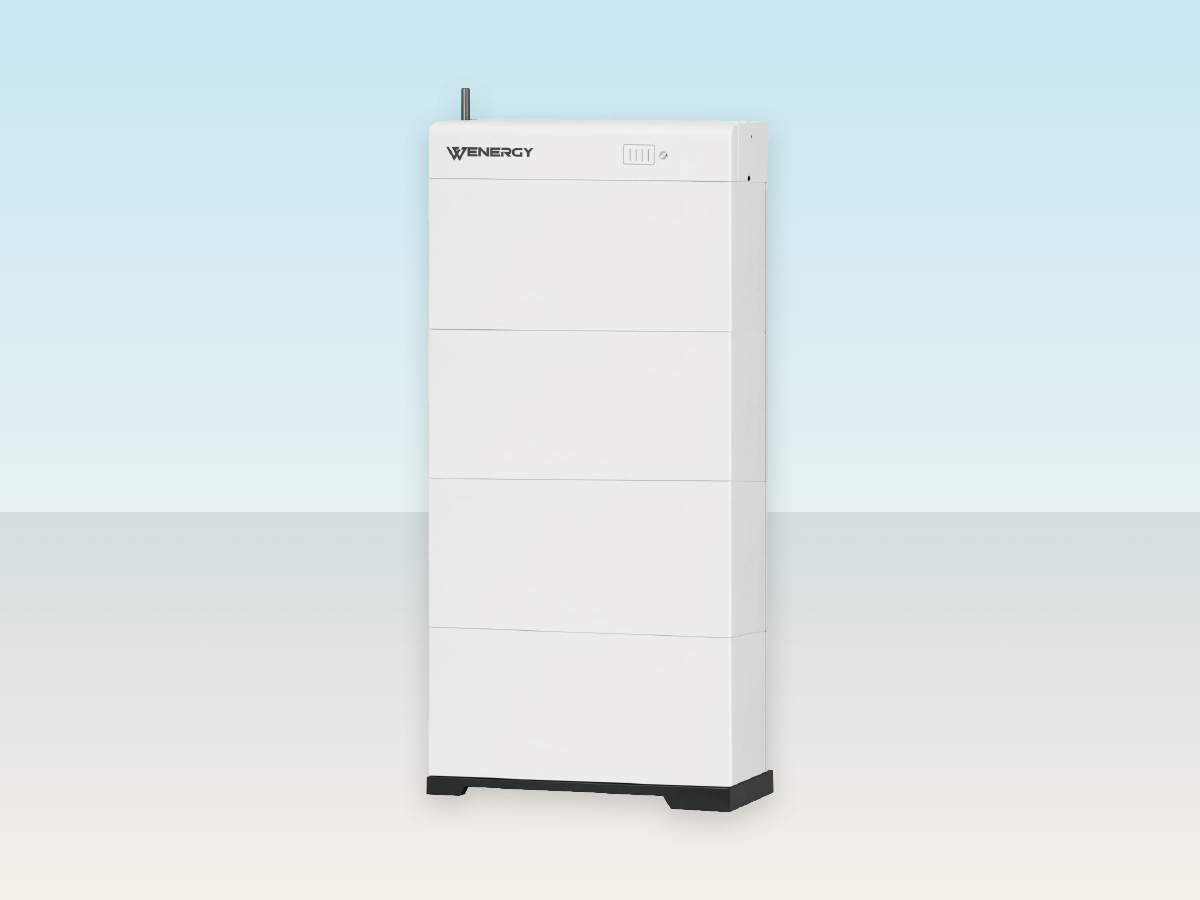
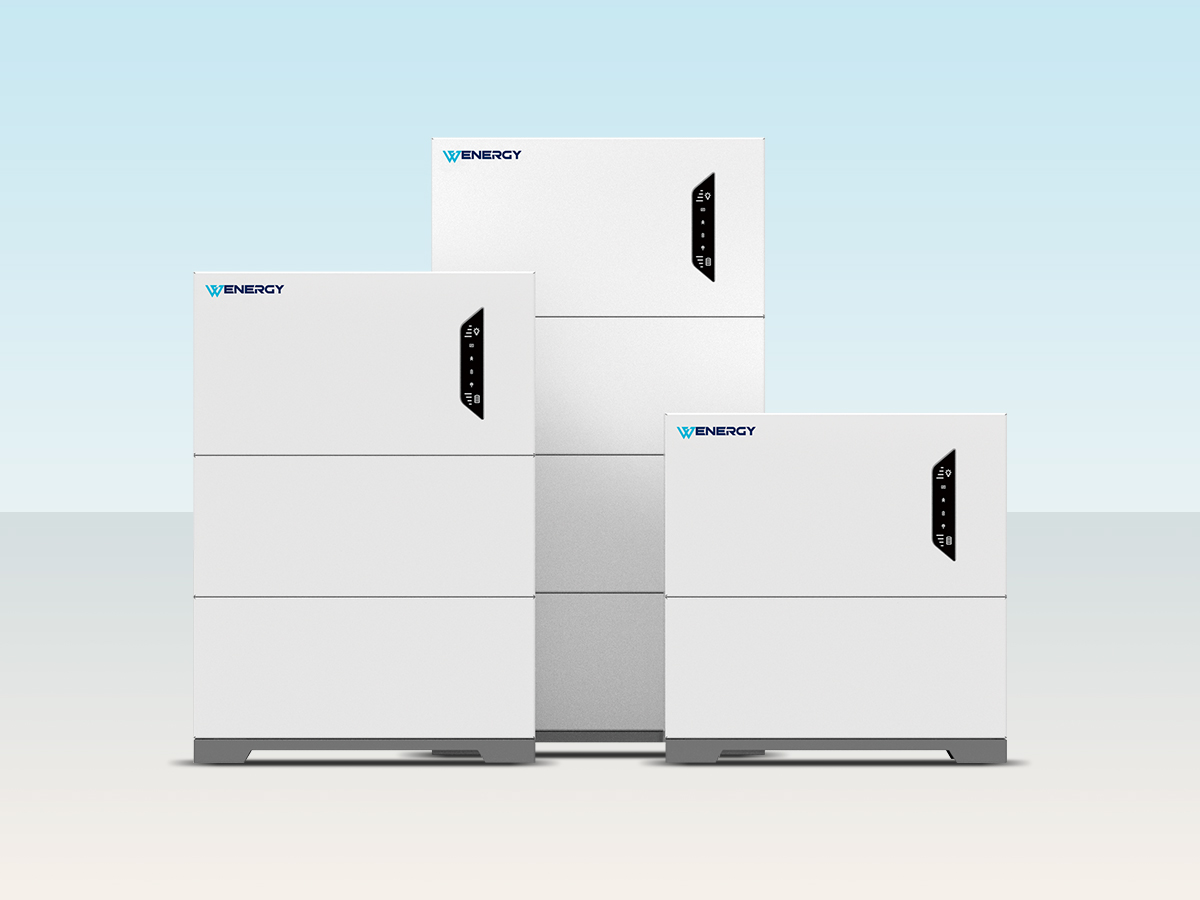
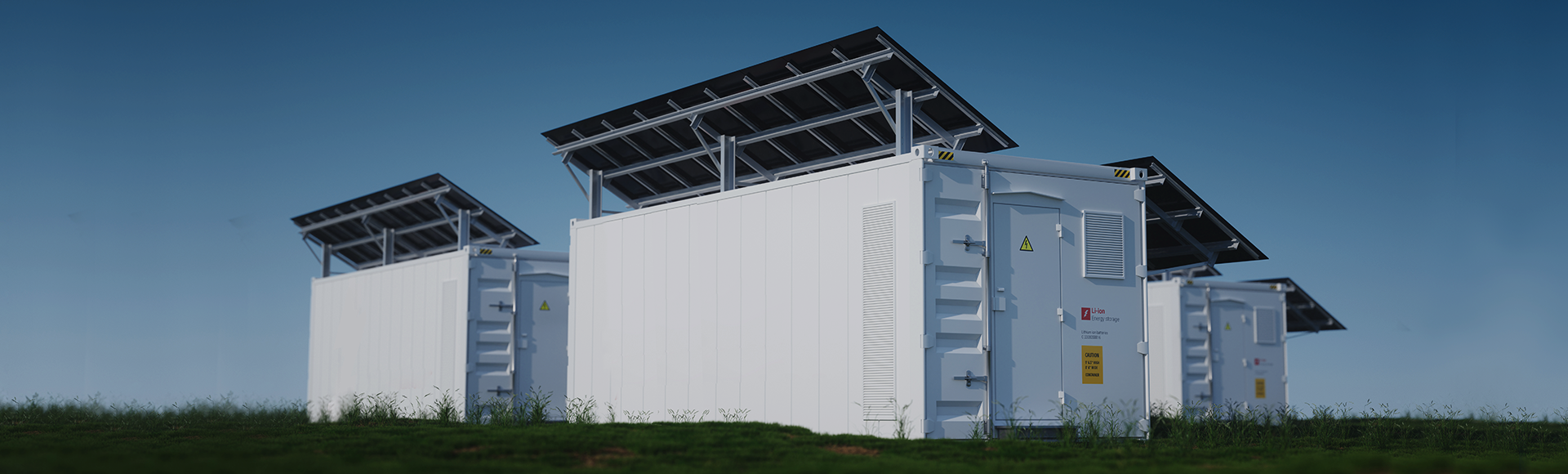
Procurement teams and project developers evaluating infrastructure investments must prioritize safety compliance alongside technical specifications. The utility scale battery storage market has matured rapidly, yet equipment quality varies significantly across global suppliers. Established manufacturers demonstrate commitment to risk mitigation through third-party certification against internationally recognized standards. At Wenergy, we maintain compliance with the full spectrum of safety protocols required for reliable grid integration. This article outlines the essential certifications that distinguish responsible manufacturers in the utility scale battery storage sector.
Cell and Module Level Safety Certification
The foundation of any large-scale storage installation rests upon individual cell safety and module design. Responsible manufacturers ensure their utility scale battery storage components undergo rigorous testing against standards specifically developed for stationary applications. UL 1973 certification validates that battery modules meet safety requirements for thermal stability, mechanical integrity, and electrical isolation under normal and fault conditions. Similarly, IEC 62619 addresses safety requirements for industrial lithium batteries, including rigorous abuse testing such as overcharge, external short circuit, and thermal propagation resistance. These certifications provide project financiers and insurers with confidence that fundamental building blocks of grid scale energy storage systems will perform safely throughout their operational life. The UN 38.3 standard further ensures cells can withstand transportation vibration, altitude simulation, and temperature extremes during delivery to project sites.
System Level Integration and Fire Safety
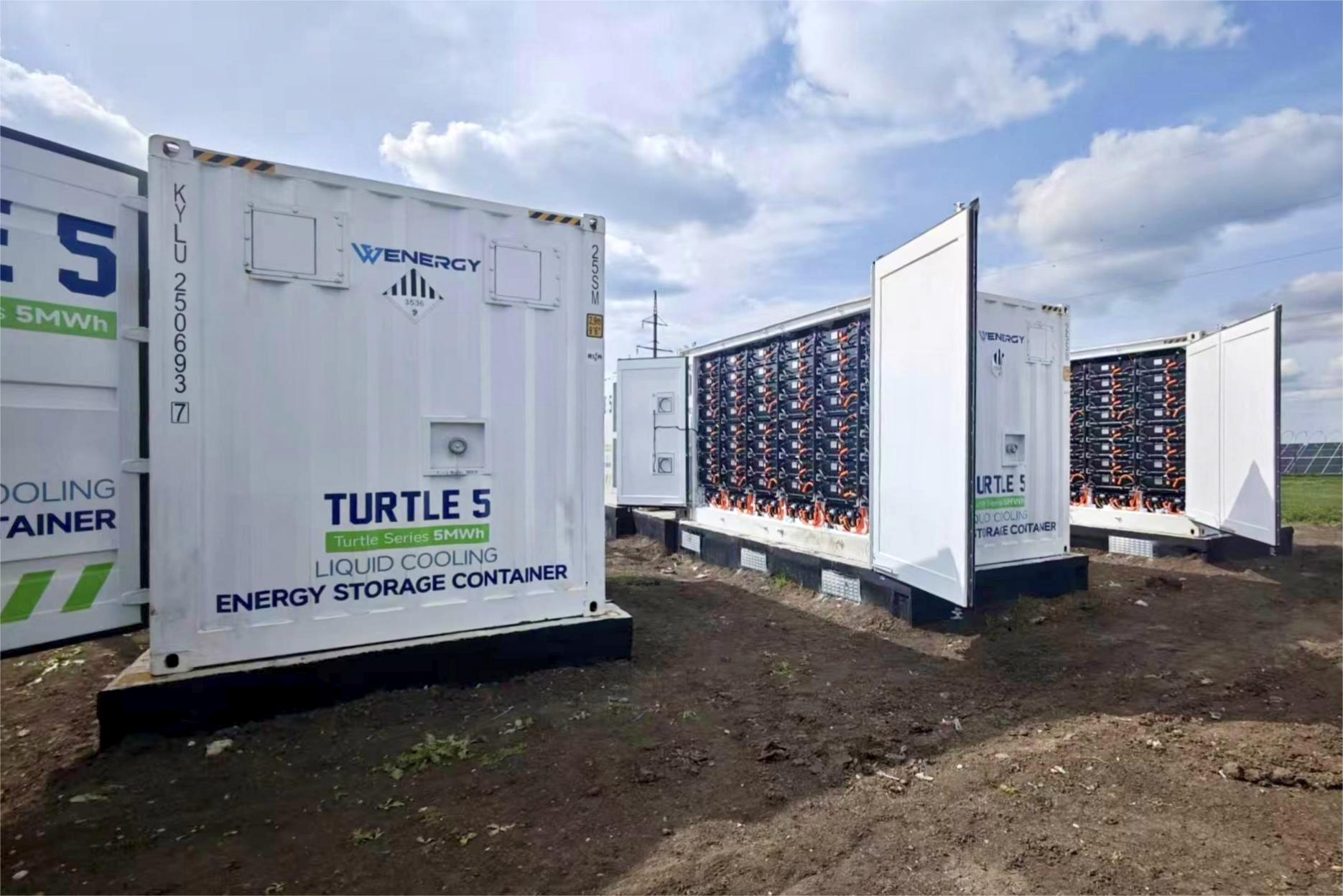
Individual component safety does not automatically guarantee system-level protection. The interaction between batteries, power conversion equipment, and thermal management systems introduces additional risk factors requiring comprehensive evaluation. UL 9540 represents the harmonized safety standard for complete utility scale battery storage systems, encompassing all interconnected components within a single certification framework. This standard verifies that the integrated system responds appropriately to grid disturbances, maintains safe operating parameters, and isolates faults before propagation. For facilities concerned about fire risk, UL 9540A test methods evaluate fire characteristics and thermal runaway behavior under worst-case scenarios. Grid scale energy storage systems meeting this standard provide detailed data for site-specific emergency response planning and code compliance. The IEC 62933 series addresses similar system-level safety considerations for international markets, ensuring consistent protection regardless of installation location.
Grid Integration and Environmental Compliance
Connection to transmission and distribution networks introduces additional safety requirements beyond the storage enclosure. Utility scale installations must demonstrate electromagnetic compatibility with existing grid infrastructure to prevent interference with protection systems and communication networks. FCC certification for North American projects verifies that power conversion equipment meets strict limits on electromagnetic emissions. The CE marking indicates compliance with European Union directives for low voltage equipment and electromagnetic compatibility. TÜV and DNV certifications provide independent verification of grid scale energy storage solutions against German and Norwegian technical standards, respectively, which are widely recognized in maritime and industrial applications. These utility scale battery storage certifications assure grid operators that interconnected systems will not compromise network stability or create hazardous conditions for maintenance personnel.
Safety certification represents the minimum threshold for responsible utility scale battery storage deployment, not an optional enhancement. Manufacturers who invest in comprehensive third-party testing demonstrate commitment to long-term reliability and risk reduction. At Wenergy, our grid scale energy storage systems comply with UL 1973, UL 9540, UL 9540A, IEC 62619, IEC 62933, CE, UN 38.3, FCC, TÜV, DNV and additional standards required for global projects. By selecting partners with verified safety credentials, project developers protect their investments and ensure utility scale battery storage contributes reliably to grid stability for decades to come.
Post time: May-08-2026