
Commercial, industrial, and utility-scale projects increasingly rely on battery energy storage systems (BESS) to balance grid demand and store renewable power. However, selecting the right energy storage equipment involves navigating complex technical specifications and rigorous safety regulations. Evaluating BESS certification before procurement is essential to reduce thermal runaway risk, ensure electrical safety, and satisfy local authorities having jurisdiction (AHJs).
This guide explains major BESS certifications and what buyers should verify before selecting an energy storage solution.
Key Takeaways
- Understand Key BESS Standards:UL 1973 and IEC 62619/63056 address battery safety, UL 9540 covers integrated ESS safety, NFPA 855 governs installation safety, and UN 38.3 addresses lithium battery transport testing.
- Distinguish Certification from Testing:UL 9540A is a thermal runaway fire propagation test method, not a standalone product certification. Its reports support fire risk assessment and installation planning.
- Verify Compliance Before Purchasing:Buyers should check model-specific certificates, applicable test reports, certification scope, and regional grid requirements to ensure the selected BESS meets project-specific safety and regulatory needs.
Why Does BESS Certification Matter for Energy Storage Buyers?
BESS certification helps buyers assess equipment safety, regulatory compatibility, and project readiness. It provides documented evidence of compliance with defined requirements, making it an important part of technical evaluation and supplier selection.
1. Safety Assurance and Risk Mitigation
Thermal runaway and electrical faults pose major hazards in high-capacity lithium-ion installations. Relevant BESS certifications provide evidence that evaluated components or systems have undergone safety testing under specified conditions. Depending on the applicable standard, these evaluations may address electrical hazards, thermal behavior, mechanical safety, and protective functions.
2. Regulatory Compliance and Permitting
Local authorities and fire marshals require verified compliance documentation before granting installation permits. Equipment that does not meet applicable safety requirements may face permitting difficulties, additional inspections, or insurance-related concerns. Verifying relevant certifications and local regulations early helps buyers identify compliance gaps before equipment is installed.
3. Financial and Operational Protection
Early verification of safety documentation protects buyers from unexpected project delays and unbudgeted testing fees. Selecting equipment with appropriate compliance documentation can support grid connection reviews, insurance assessments, and financing due diligence, while reducing the risk of additional technical reviews or project delays.
What Are the Key BESS Certifications and Standards?
Safety standards govern different layers of an energy storage project. The comparison table below highlights the scope and primary function of each major international standard.
| معيار | Level / Scope | Primary Focus | Why It Matters to Buyers |
| UL 1973 | Battery Safety Standard | Safety of batteries used in stationary and other specified applications | Provides evidence of battery safety evaluation. |
| UL 9540 | ESS Safety Standard | Integrated energy storage system safety | Evaluates integrated ESS safety of the complete energy storage system. |
| UL 9540A | Fire Testing Method | Thermal runaway fire propagation and associated hazards | Provides critical fire risk data for AHJ permitting and indoor clearance planning. |
| IEC 62619 | Industrial Lithium Battery Safety Standard | Safety of secondary lithium cells and batteries for industrial applications | Essential baseline certification for industrial energy storage in global markets. |
| IEC 63056 | Electrical Energy Storage Battery Safety Standard | Additional and specific safety requirements for lithium cells and batteries used in EESS | Provides additional safety requirements for lithium batteries used in electrical energy storage systems. |
| NFPA 855 | Installation Safety Standard | Stationary ESS installation and hazard mitigation | Dictates installation layout, separation distances, and fire suppression setups. |
| الأمم المتحدة 38.3 | Transport Testing Requirements | Lithium cell and battery transportation safety testing | Mandatory for legally shipping lithium battery modules by land, sea, or air. |
1. UL 1973: Stationary Battery Safety
UL 1973 specifies safety requirements for batteries used in stationary energy storage, vehicle auxiliary power, and light electric rail applications. It addresses relevant electrical, mechanical, environmental, and other safety hazards. For BESS buyers, UL 1973 certification provides evidence that the specified battery product has been evaluated against applicable safety requirements, but it does not establish certification of the complete energy storage system.
2. UL 9540: Complete Energy Storage System Safety
UL 9540 is a safety standard for energy storage systems and equipment. It evaluates the safety of an integrated ESS, including applicable battery components, power conversion equipment, control systems, protection functions, and their interactions within the evaluated system configuration. It should not be confused with UL 9540A, which provides a standardized method for evaluating thermal runaway fire propagation hazards rather than certifying the complete ESS.
3. UL 9540A: Thermal Runaway Fire Propagation Testing
UL 9540A is a standardized test method, rather than a standalone product certification. It evaluates thermal runaway fire propagation and related hazards in battery energy storage systems at different testing levels, including cell, module, unit, and installation levels, as applicable.
Testing examines thermal runaway behavior, heat and gas release, fire propagation, and potential ignition, deflagration, or re-ignition hazards. Fire safety authorities and project planners use the results to assess installation risks, separation distances, and fire protection requirements.
4. IEC 62619 and IEC 63056: International Lithium Battery Safety
IEC 62619:2022 specifies safety requirements and tests for secondary lithium cells and batteries used in industrial applications, including stationary energy storage systems, uninterruptible power supplies, and other industrial applications.
IEC 63056:2020 addresses the product safety of secondary lithium cells and batteries used in electrical energy storage systems with a maximum nominal DC voltage of 1,500 V.
These standards provide complementary safety references for lithium batteries used in electrical energy storage applications.
5. NFPA 855 and UN 38.3: Installation and Logistics Standards
NFPA 855 is an installation safety standard for stationary energy storage systems, rather than a product certification standard. It establishes requirements for mitigating ESS-related hazards, including siting, installation, separation, fire protection, and other applicable safety measures.
UN 38.3 refers to lithium battery transport testing requirements under the United Nations Manual of Tests and Criteria. It covers eight test categories: T.1 Altitude Simulation, T.2 Thermal Test, T.3 Vibration, T.4 Shock, T.5 External Short Circuit, T.6 Impact/Crush, T.7 Overcharge, and T.8 Forced Discharge. The applicable tests depend on the type and configuration of the lithium cell or battery. UN 38.3 testing supports transport safety compliance but does not constitute a general product safety certification.
How Do BESS Certification Requirements Differ by Market?
Certification expectations vary across international jurisdictions. Buyers must evaluate target market rules early in the procurement phase to avoid costly compliance bottlenecks.
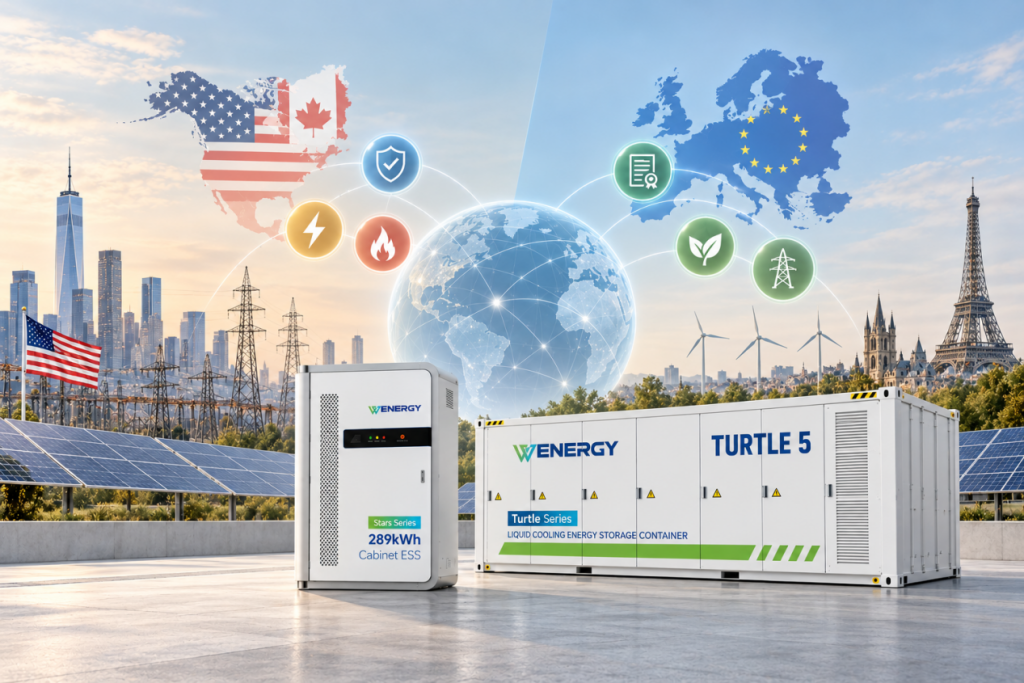
1. North American Market Requirements
Projects in the United States and Canada commonly consider the following safety standards and installation requirements:
- System Safety: UL 9540 certification is commonly required for energy storage systems under applicable installation codes.
- Fire Safety: UL 9540A testing provides data for evaluating thermal runaway and fire propagation. Specific testing and documentation requirements depend on the system and local regulations.
- Battery Safety: UL 1973 addresses safety requirements for batteries used in stationary energy storage applications.
- Installation Safety:NFPA 855 establishes requirements for mitigating stationary ESS hazards, where the relevant edition has been adopted or referenced by the applicable jurisdiction
2. European Market Standards
European procurement focuses on International Electrotechnical Commission (IEC) standards alongside European Directives:
- Battery Safety: IEC 62619 and IEC 63056 provide relevant safety requirements for industrial lithium batteries and batteries used in electrical energy storage systems.
- Electrical Safety and EMC: Applicable power conversion equipment may be evaluated against standards such as IEC 62477-1. Products placed on the European market must also meet relevant EU legislation, including applicable CE marking and electromagnetic compatibility requirements.
- Grid Connection Standards:Grid codes vary by country and connection voltage. Key standards include EN 50549 in Europe, VDE-AR-N 4105/4110 for low-/medium-voltage connections in Germany, G99 in Great Britain, and CEI 0-21 for low-voltage and CEI 0-16 for medium-/high-voltage connections in Italy. Applicability also depends on local grid requirements.
3. International and Emerging Markets
Global project locations often combine IEC safety baselines with local grid connection requirements:
- ينقل: Lithium batteries generally need to meet applicable UN 38.3 testing requirements before transportation. Buyers should obtain the relevant test summary and confirm any additional documentation required for the intended shipping route and transport mode.
- Regional Codes: Markets such as Australia require compliance with standards like AS 4777.2 for inverter grid connection, while South Africa mandates NRS 097 standards.
What Should Buyers Check Before Purchasing a Certified BESS?
Selecting a certified BESS requires more than reviewing a manufacturer’s list of standards. Buyers should examine the actual documents and confirm their relevance to the proposed equipment.
1. Verify the Certification Scope
Determine whether each certificate applies to the cell, module, battery pack, battery system, power conversion equipment, or complete ESS. For example, a battery certified under UL 1973 does not automatically establish UL 9540 compliance for an integrated system.
2. Match Certificates to Product Models
Check model numbers, electrical ratings, battery chemistry, and equipment configurations. A certificate issued for one cabinet model should not be assumed to cover another model with different battery modules or power conversion equipment.
3. Review Fire Safety Documentation
Request relevant UL 9540A test reports when required for the project. Verify the applicable test edition, testing level, evaluated product configuration, and results related to thermal runaway propagation, heat and gas release, and fire protection. Confirm that the documented findings are relevant to the proposed installation conditions.
4. Confirm Regional and Grid Compliance
Verify applicable safety and grid interconnection requirements for the destination market. For grid-connected systems, confirm that the proposed power conversion equipment and control configuration meet the relevant local requirements based on the system’s operating mode, rated power, connection voltage level, and point of connection.
5. Request Supporting Technical Documents
A reliable supplier should be able to explain the scope of its available compliance documentation and provide relevant technical information.
Use the following checklist during supplier evaluation:
| Checkpoint | Documents or Details to Request |
| Battery safety | Applicable UL 1973, IEC 62619, or IEC 63056 records |
| System safety | UL 9540 certification, where required |
| Fire propagation | Relevant UL 9540A test reports, including test edition, level, and evaluated configuration |
| Model consistency | Model identification and certified configuration |
| Regional compliance | Applicable CE documentation, grid compliance evidence, and confirmation of relevant local grid codes |
| مواصلات | UN 38.3 test summary |
| Installation | Technical datasheets, safety instructions, and installation manuals |
Completing these checks before procurement helps buyers compare suppliers using verifiable information rather than certification claims alone.
How Does Wenergy Support International BESS Certification Requirements?
طاقة is an energy storage solution provider backed by 15 years of battery cell manufacturing experience. Our company has an annual production capacity of 15 GWh and R&D and production facilities covering more than 660,000 square meters. Wenergy has also deployed more than 1,000 C&I energy storage projects worldwide.
1. Comprehensive Standards Portfolio
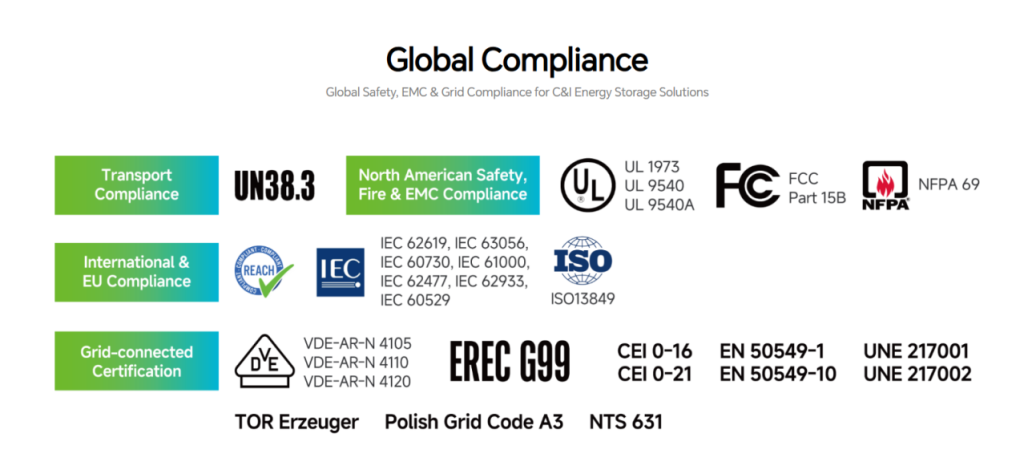
Wenergy’s published compliance information covers battery safety, fire testing, power electronics, and transportation:
- Battery Safety:References UL 1973, IEC 62619, and IEC 63056 for applicable products.
- Fire Safety & Testing:Includes UL 9540A testing references for relevant BESS models.
- Power Electronics & EMC:References IEC 62477-1 and applicable IEC/EN 61000 standards.
- Transport Safety:Includes UN 38.3 testing requirements for relevant lithium battery products.
2. Product Highlights: C&I and Utility-Scale Solutions
Wenergy offers energy storage solutions for commercial, industrial, and utility-scale applications, with product-specific documentation referencing applicable international safety and electrical standards.
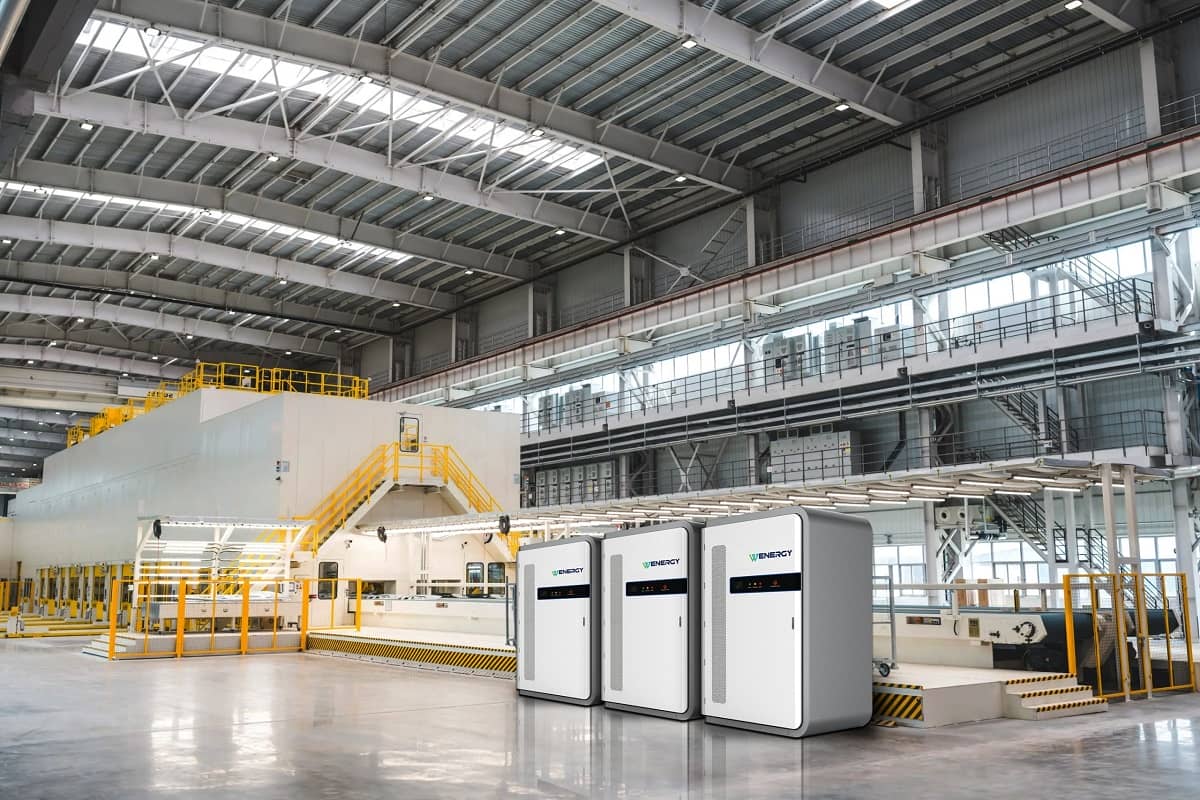
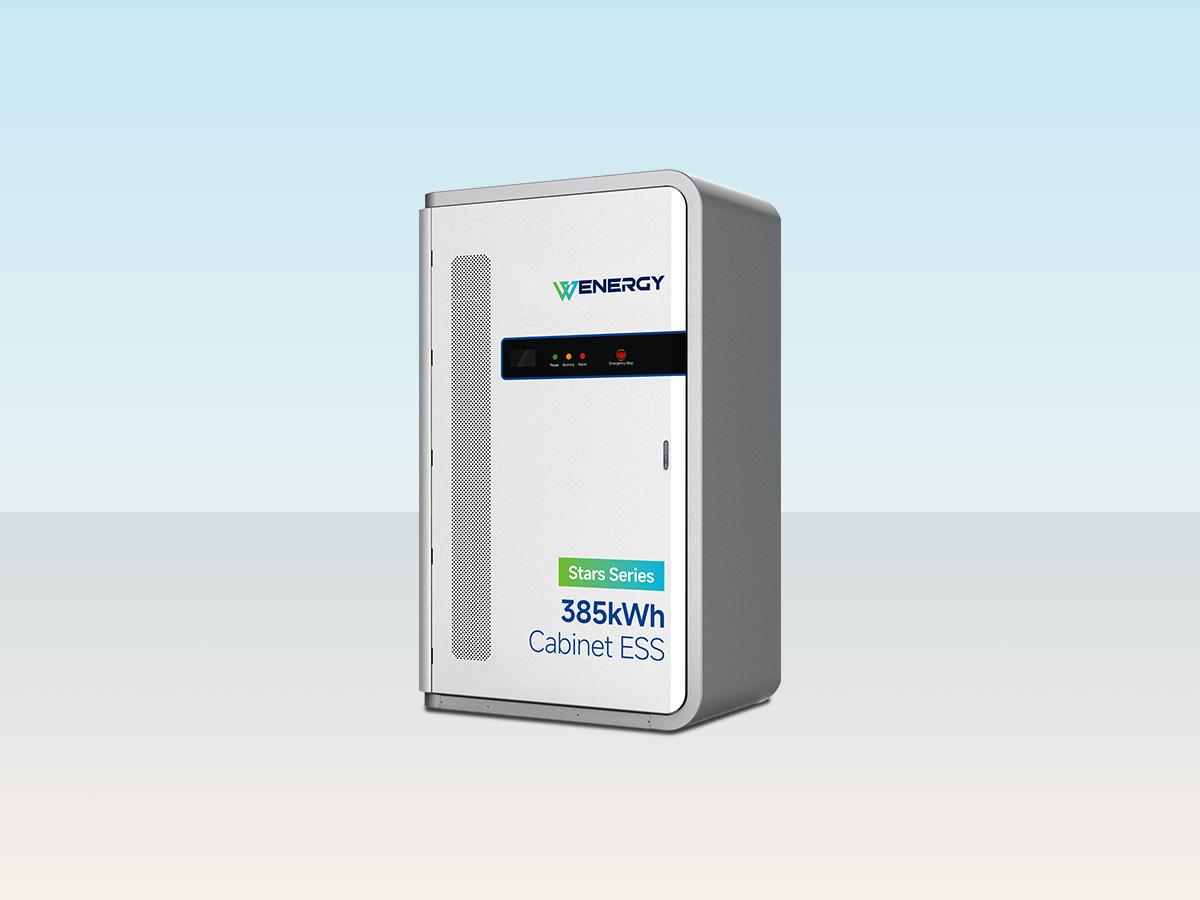
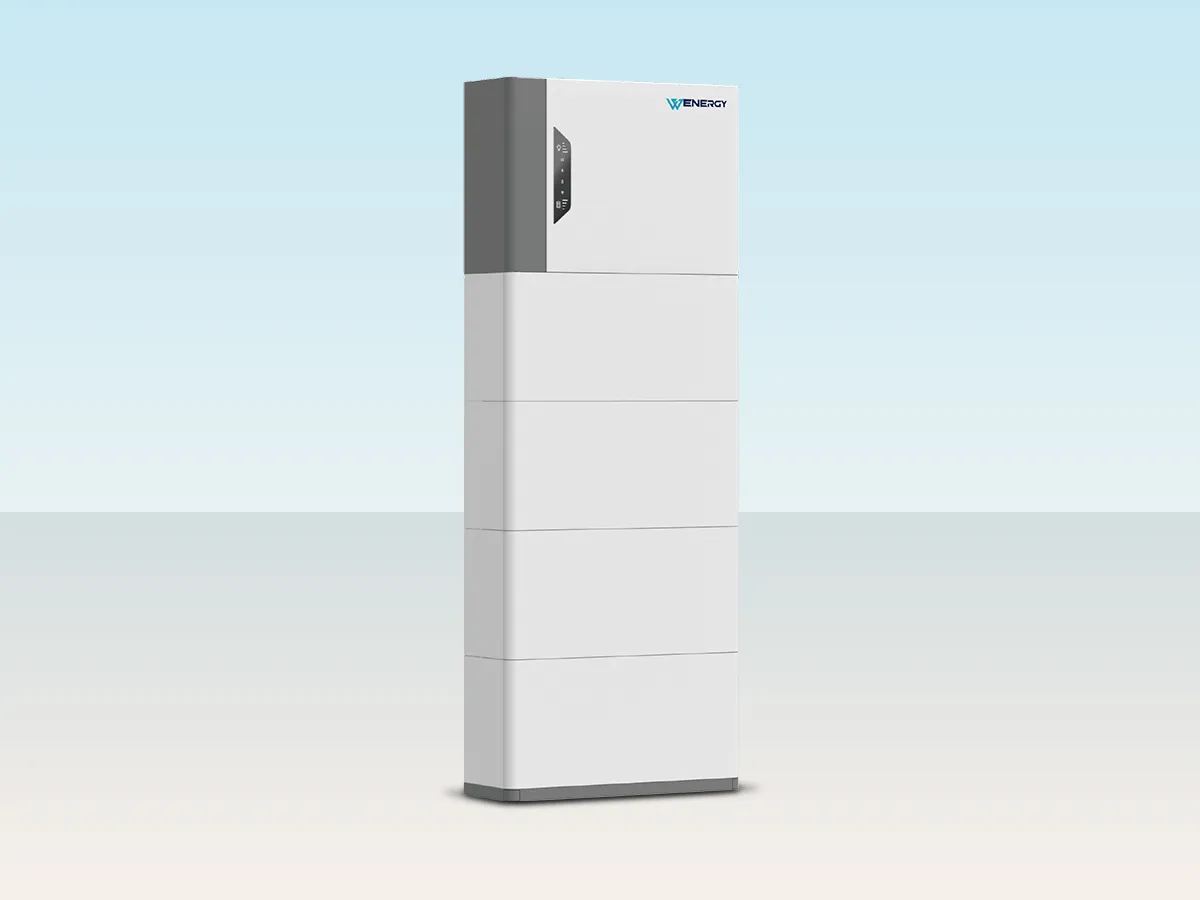
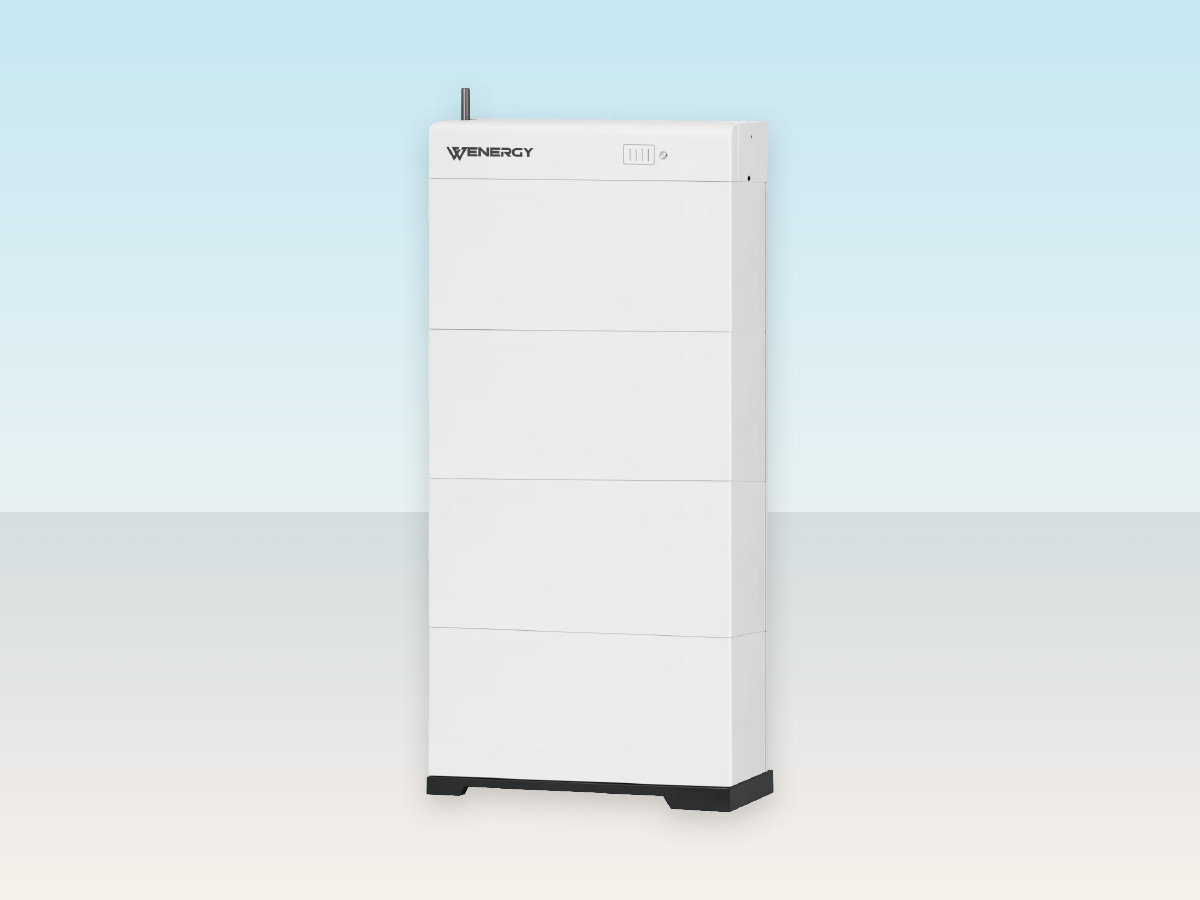
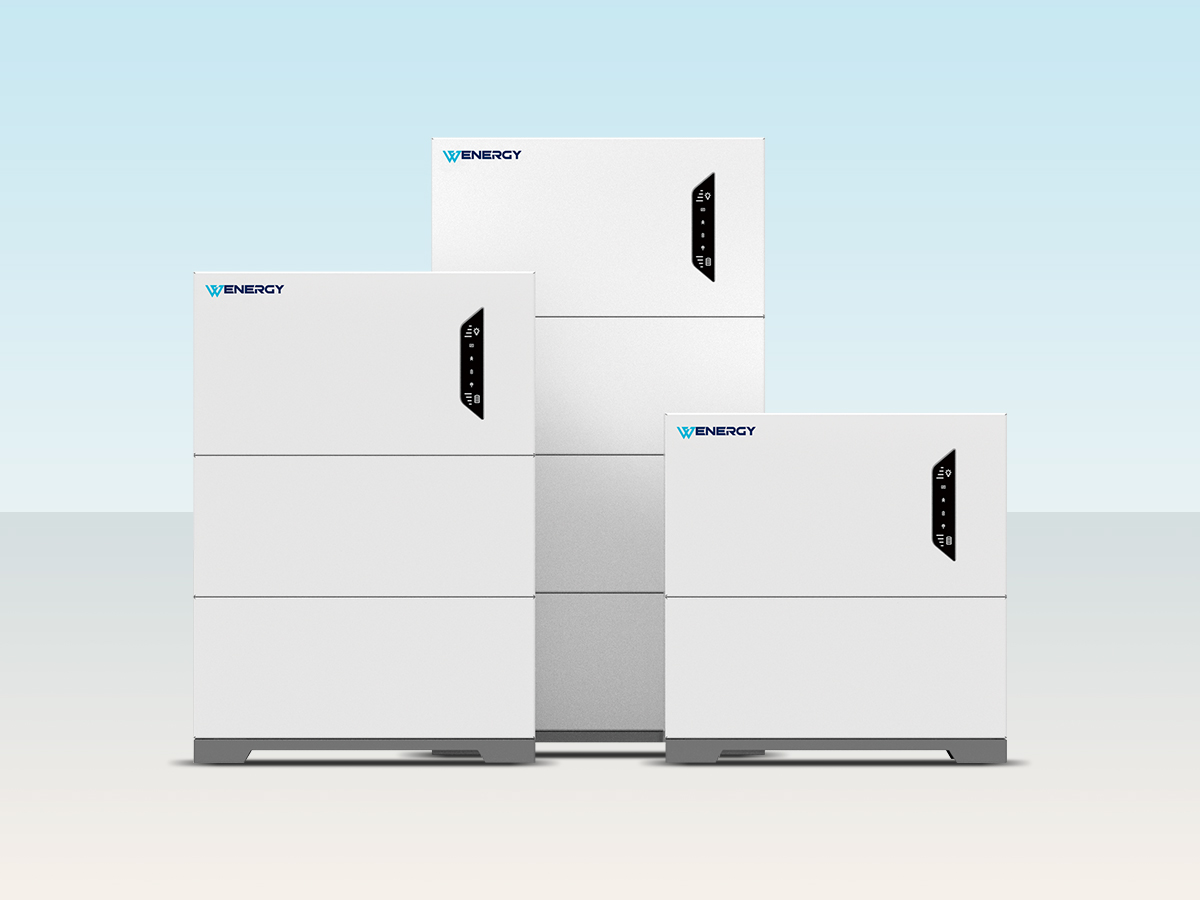
- Stars Series C&I Cabinets:ال Stars CL289Pro (125kW / 289kWh) features liquid-cooling thermal management and integrated aerosol fire suppression. Wenergy’s latest product portfolio references UL 9540A testing for this model, alongside international battery safety, transport, and grid connection standards relevant to the Stars Series.
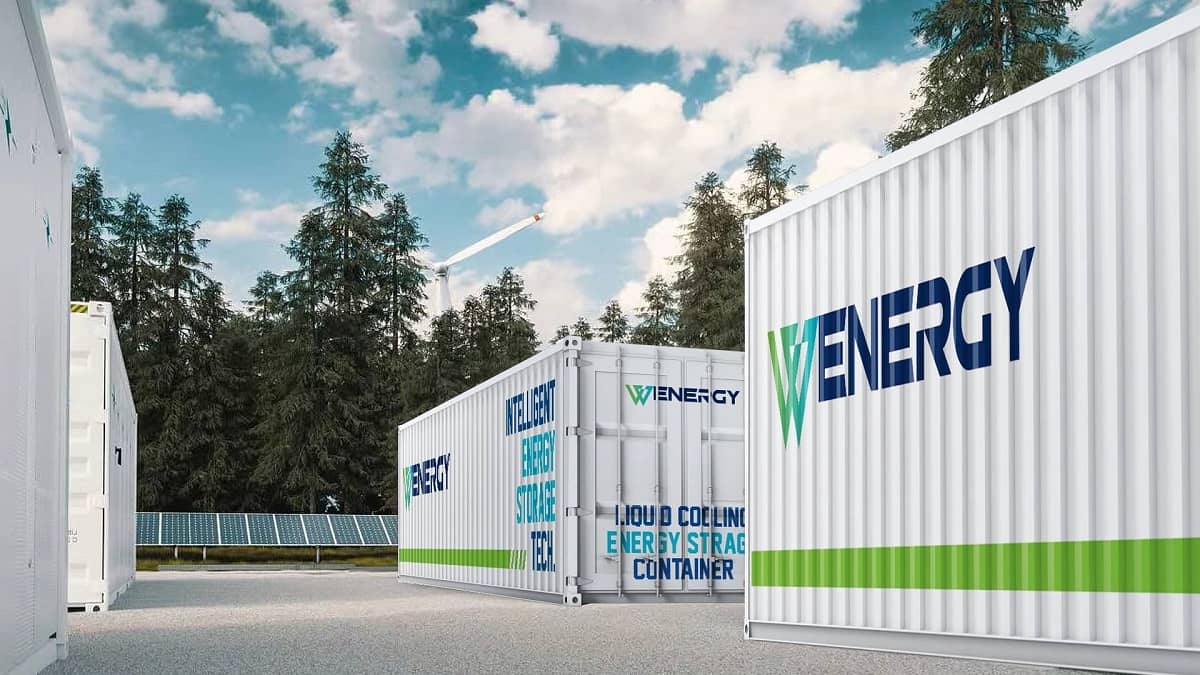
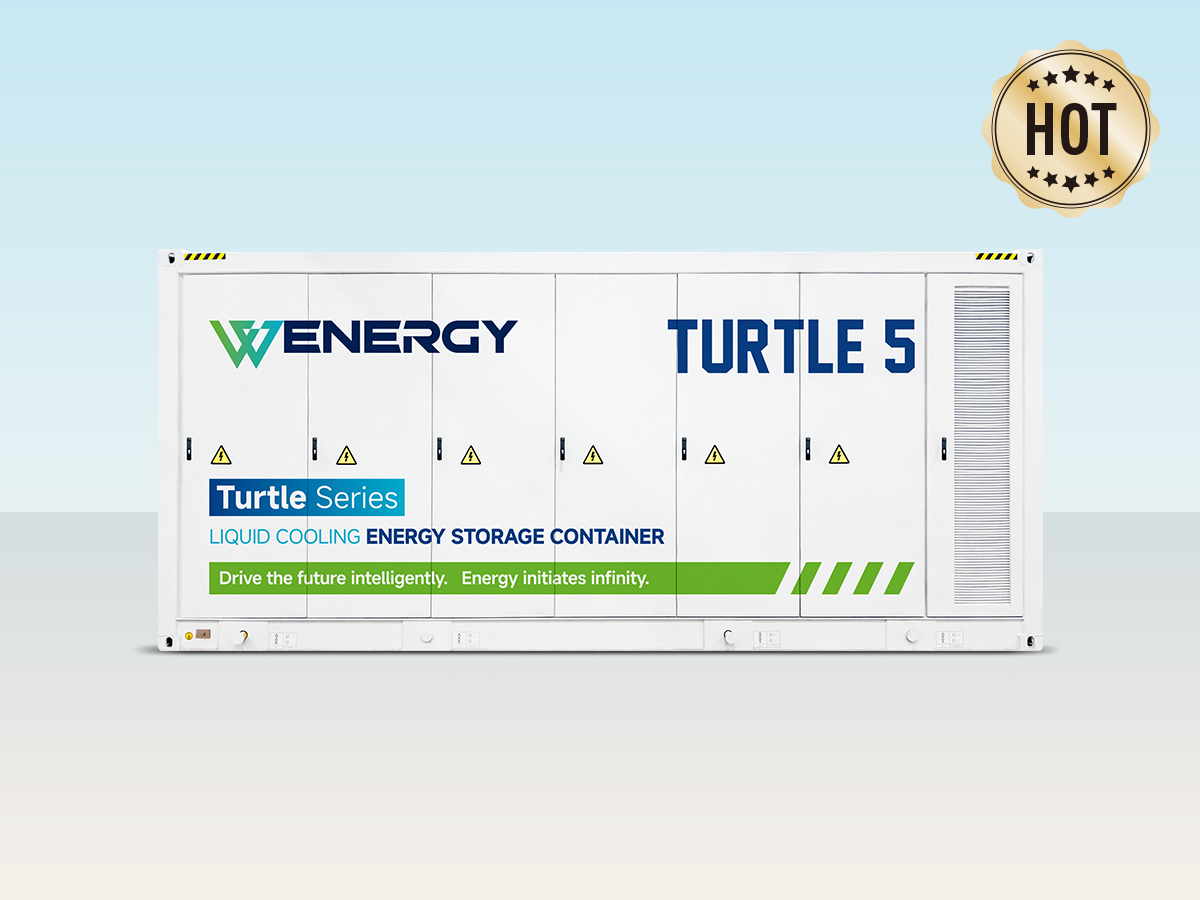
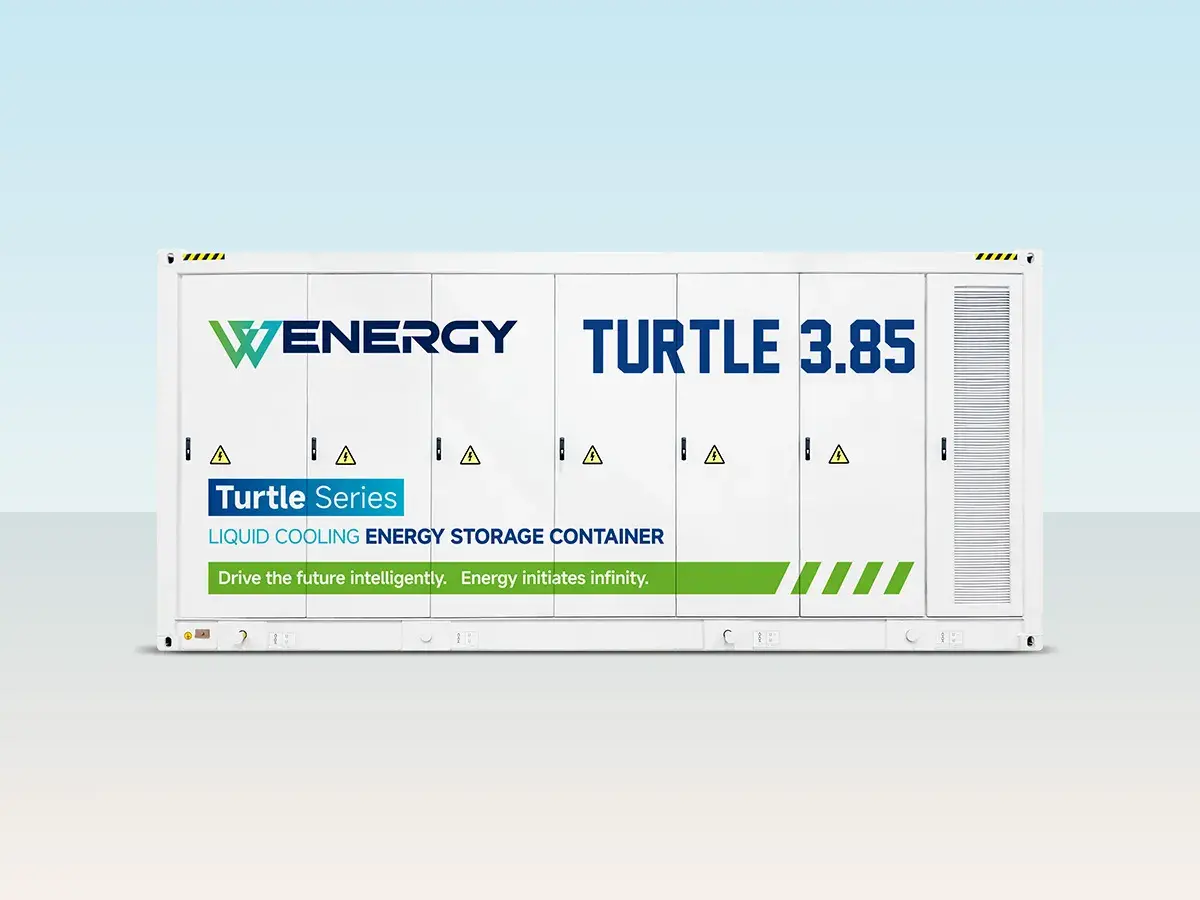
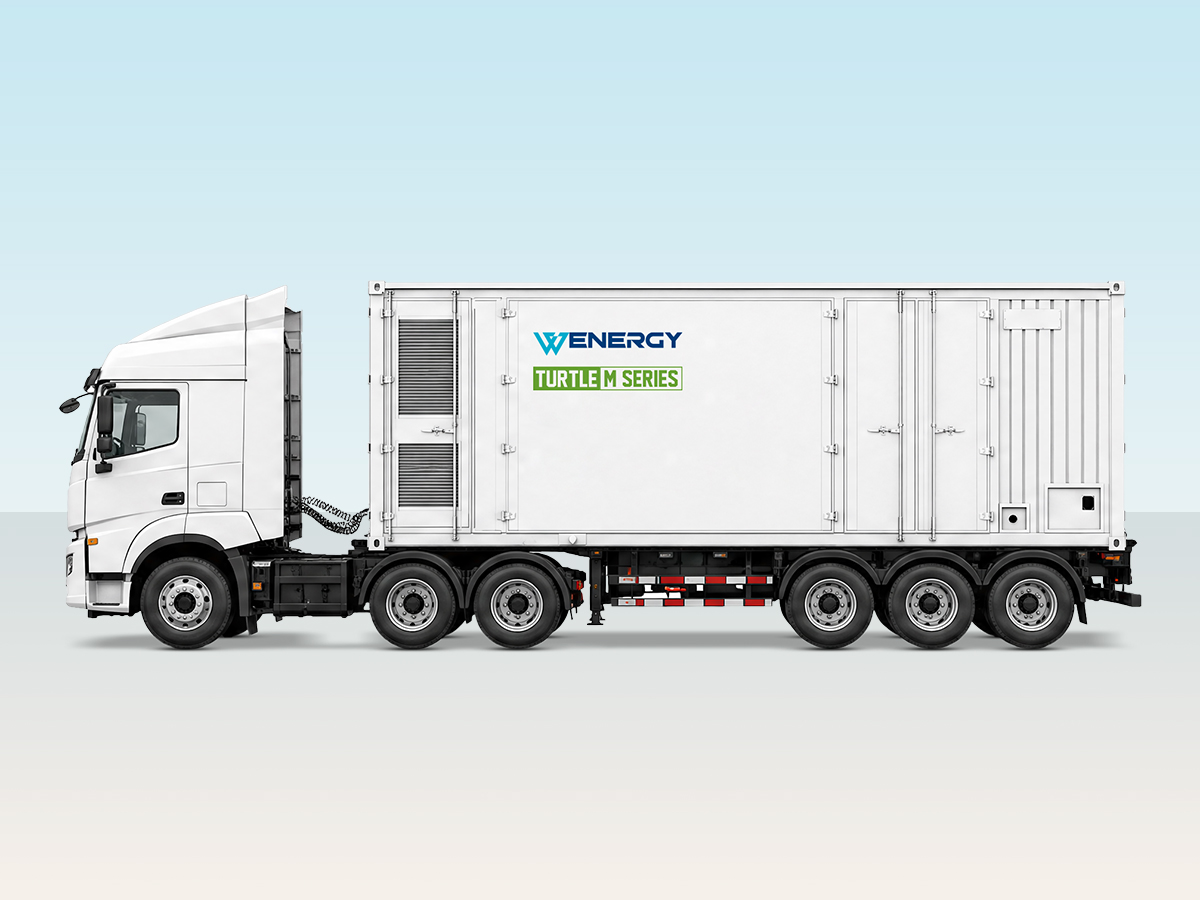
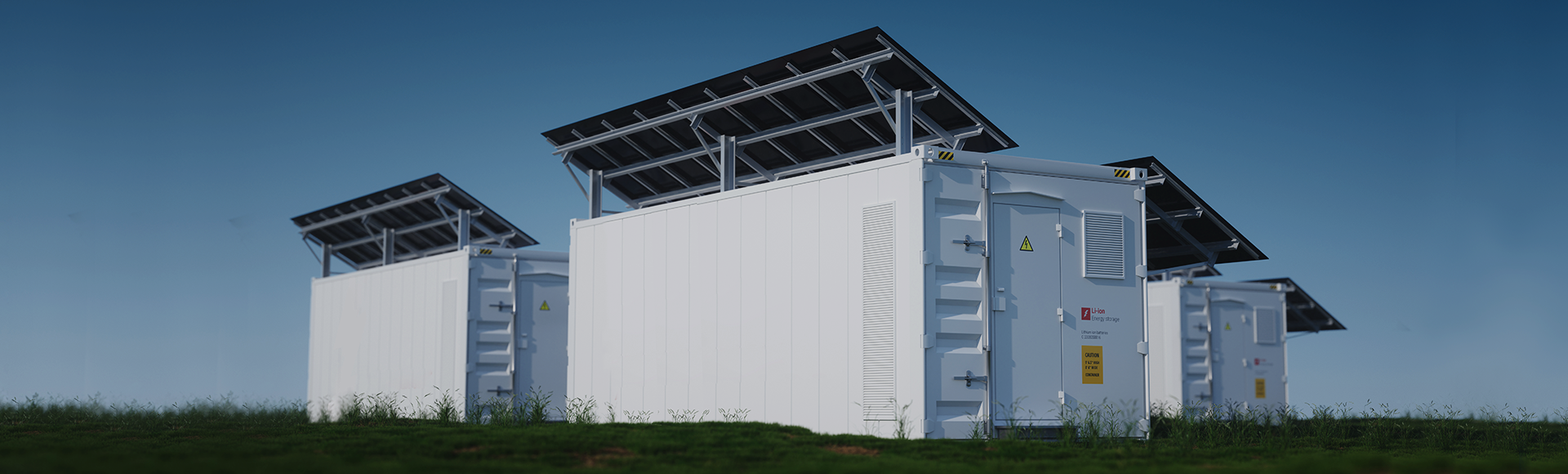
- Turtle Series Containerized BESS:Designed for high-density utility projects, the Turtle 5MWh container system features liquid cooling and integrated fire protection, including aerosol suppression and a water-based firefighting interface. Wenergy’s published product specifications reference IEC 62619:2022, IEC 63056:2020, IEC 62477-1, IEC/EN 61000, and UN 38.3 transport requirements.
Wenergy supports global project developers through European service centers in Germany and Poland, along with regional logistics facilities in the Netherlands. This local footprint simplifies certification auditing, site delivery, and ongoing technical support for international buyers.
Conclusion
BESS certification helps buyers evaluate battery safety, integrated system risks, and regional compliance. Before purchasing, verify applicable standards, model-specific certificates, and supporting test reports. Wenergy’s Stars Series and Turtle Series offer documented coverage of international standards for different project scales. Contact Wenergy to discuss product specifications, available certification documents, and project-specific energy storage requirements.
References
- UL Solutions. (n.d.). Energy Storage System Testing and Certification. https://www.ul.com/services/energy-storage-system-testing-and-certification
- International Electrotechnical Commission (IEC). (2022). IEC 62619:2022 – Safety Requirements for Secondary Lithium Cells and Batteries for Use in Industrial Applications. https://webstore.iec.ch/en/publication/64073
- International Electrotechnical Commission (IEC). (2020). IEC 63056:2020 – Safety Requirements for Secondary Lithium Cells and Batteries for Use in Electrical Energy Storage Systems. https://webstore.iec.ch/en/publication/29224
- National Fire Protection Association (NFPA). (2026). NFPA 855: Standard for the Installation of Stationary Energy Storage Systems. https://www.nfpa.org/codes-and-standards/nfpa-standard-development/855
Post time: Nov-12-2026