
Battery energy storage systems are increasingly used in factories, industrial parks, EV charging sites, and renewable energy projects. For large commercial and industrial (C&I) applications, one design decision is whether to use a cabinet BESS or a containerized BESS. Both configurations serve key C&I roles, but they address different capacity scales, footprint limits, and engineering requirements.
This article compares cabinet and containerized BESS, explains where each configuration works best, and gives project owners, EPCs, and energy engineers a clear framework for selecting the right solution.
What Is a Cabinet BESS?
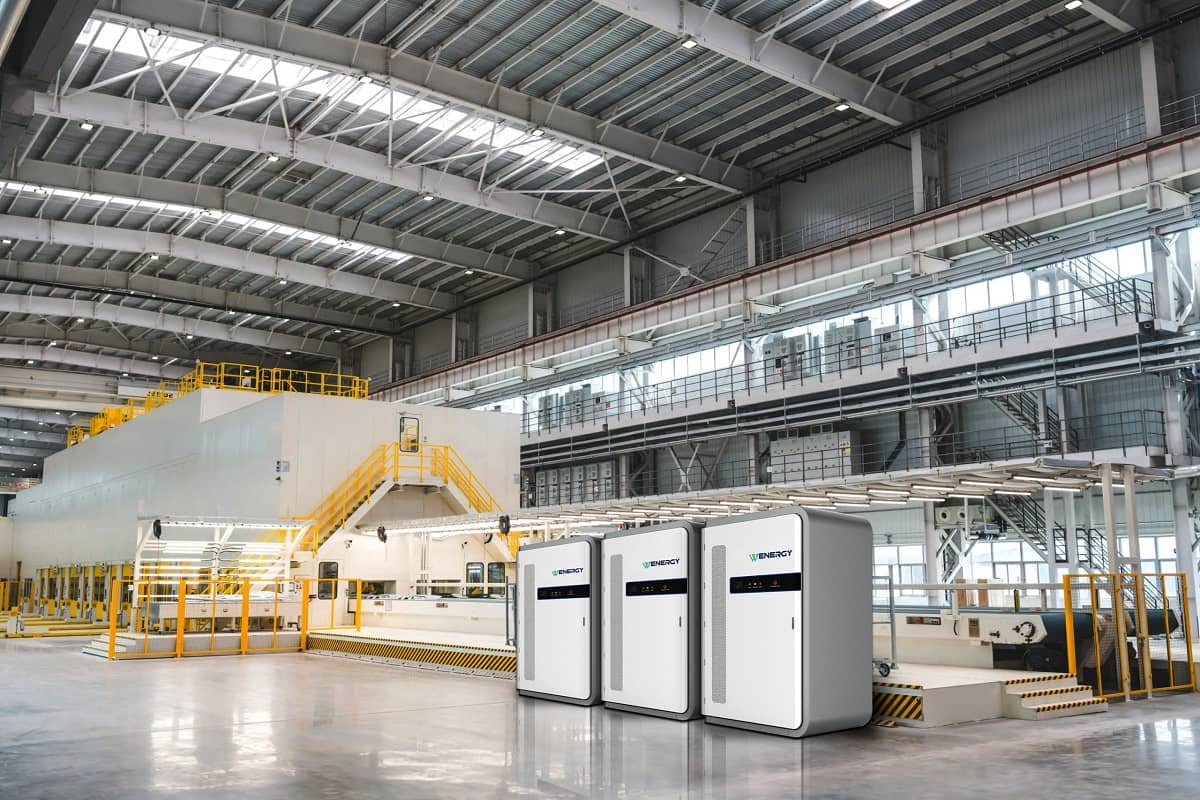
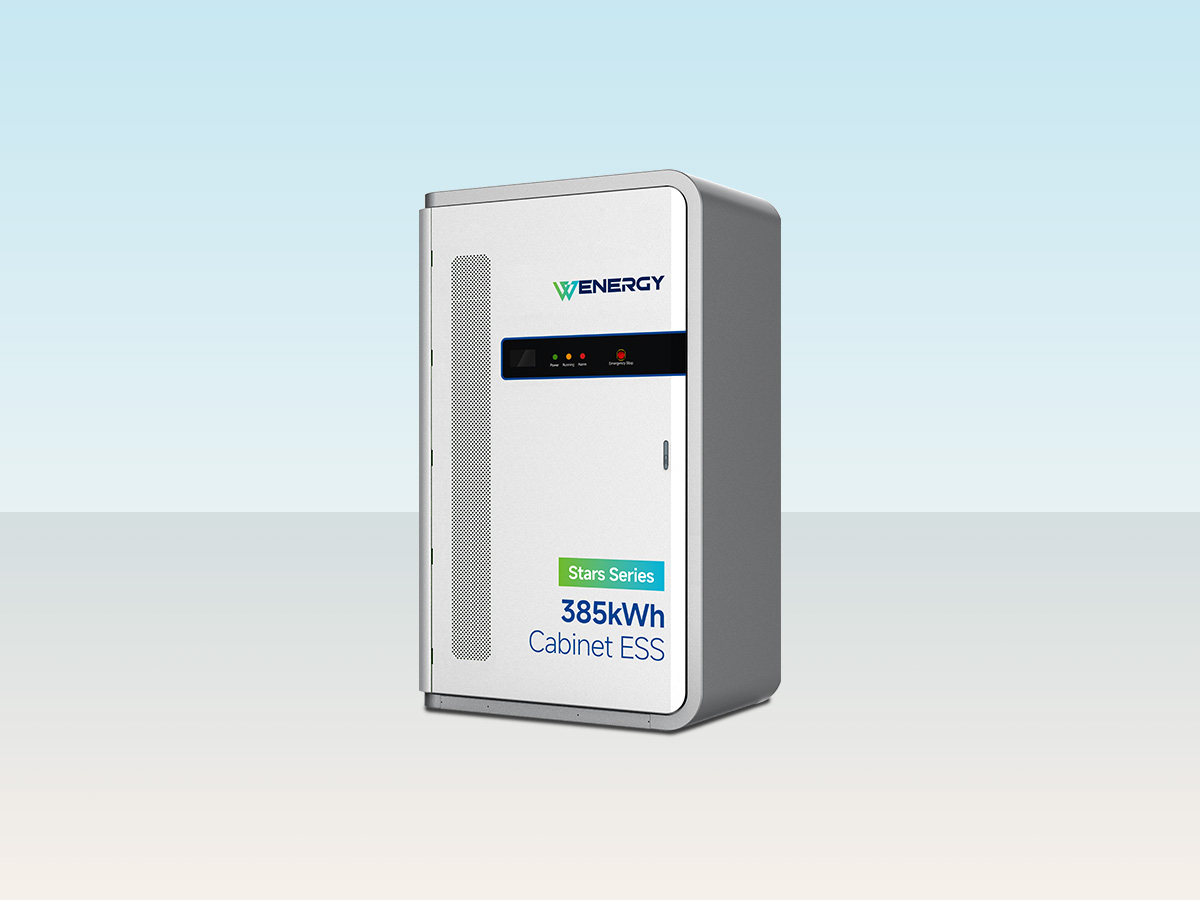
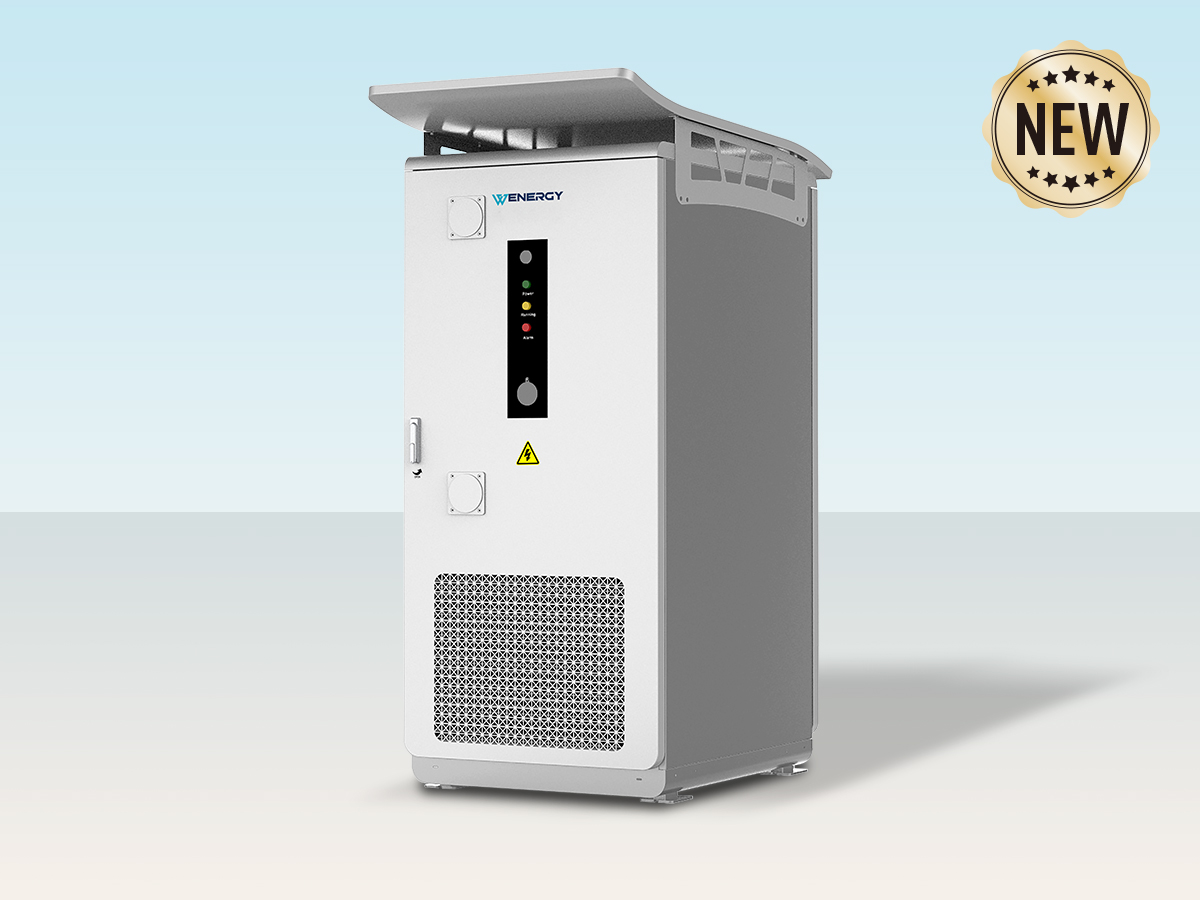
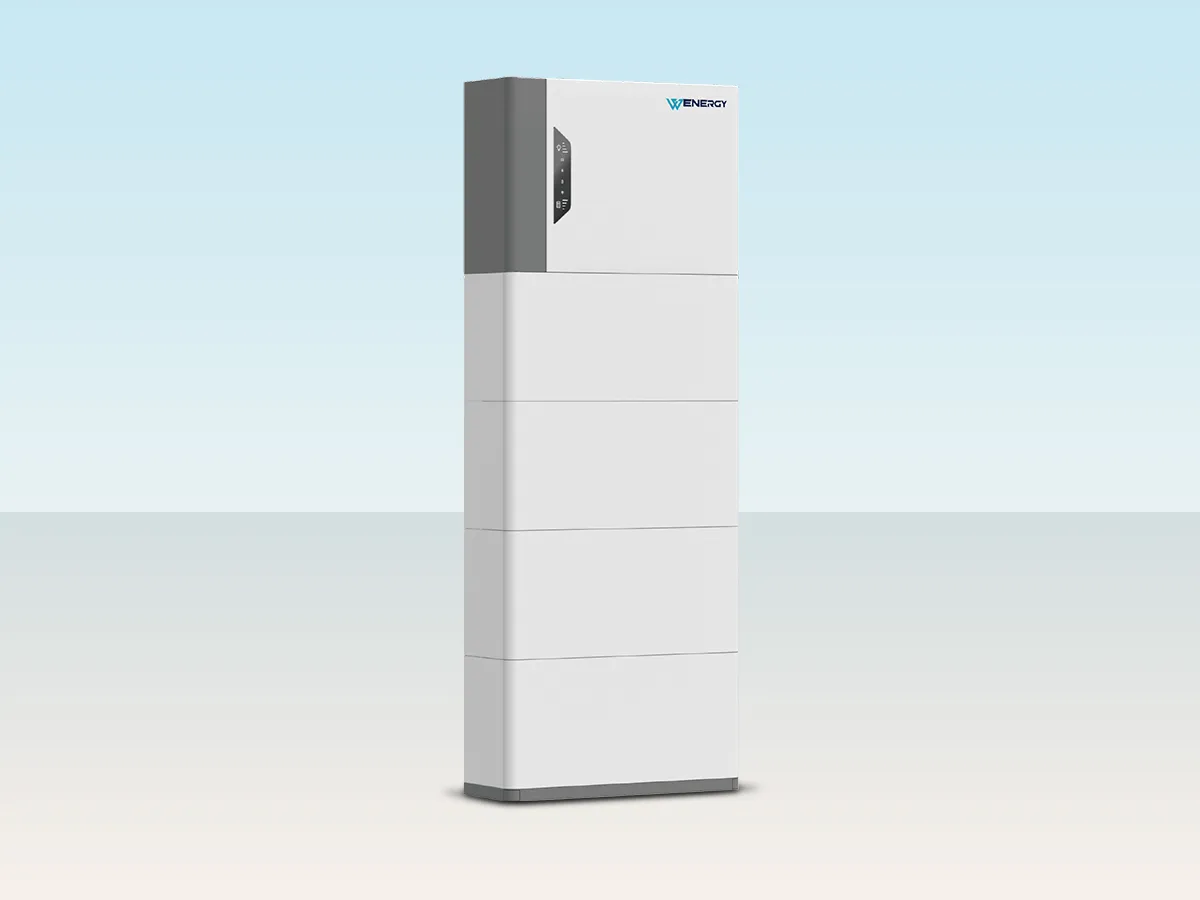
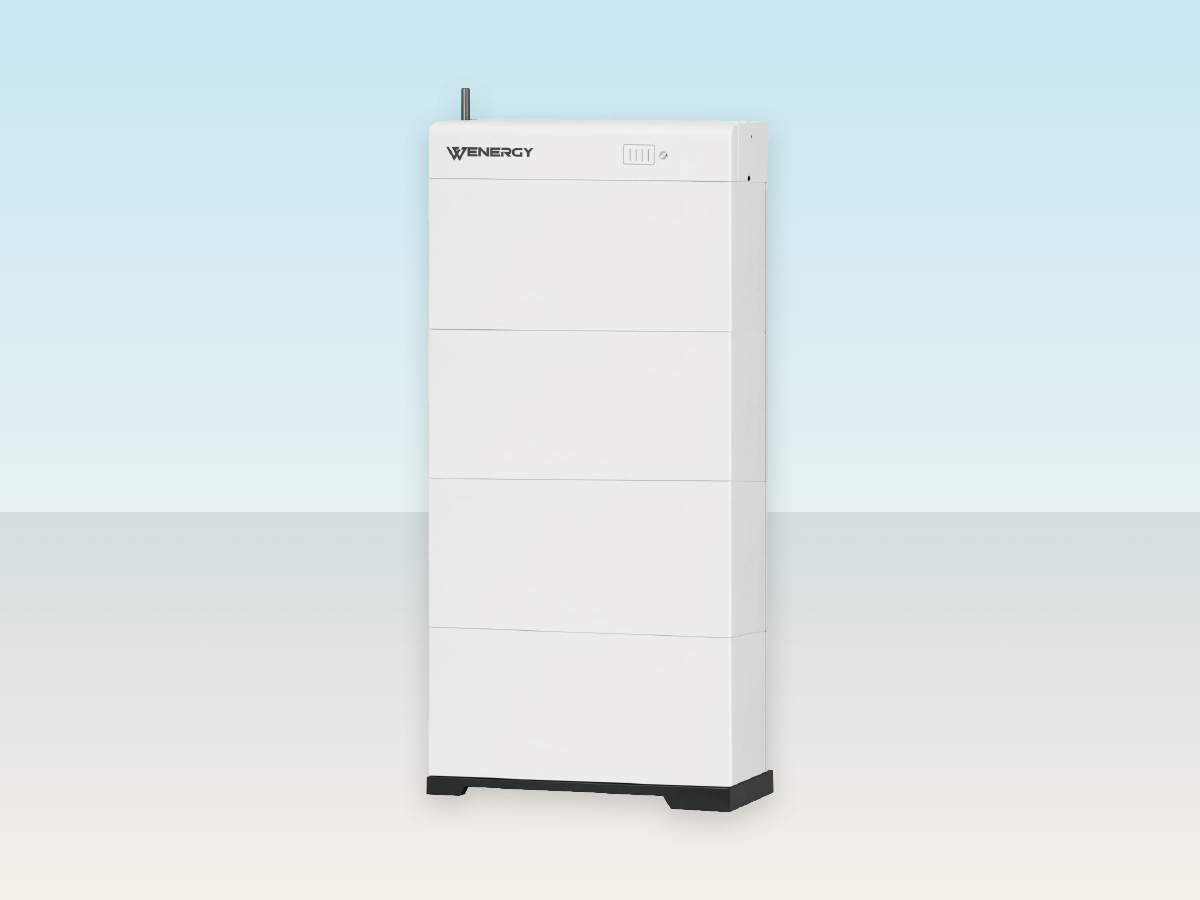
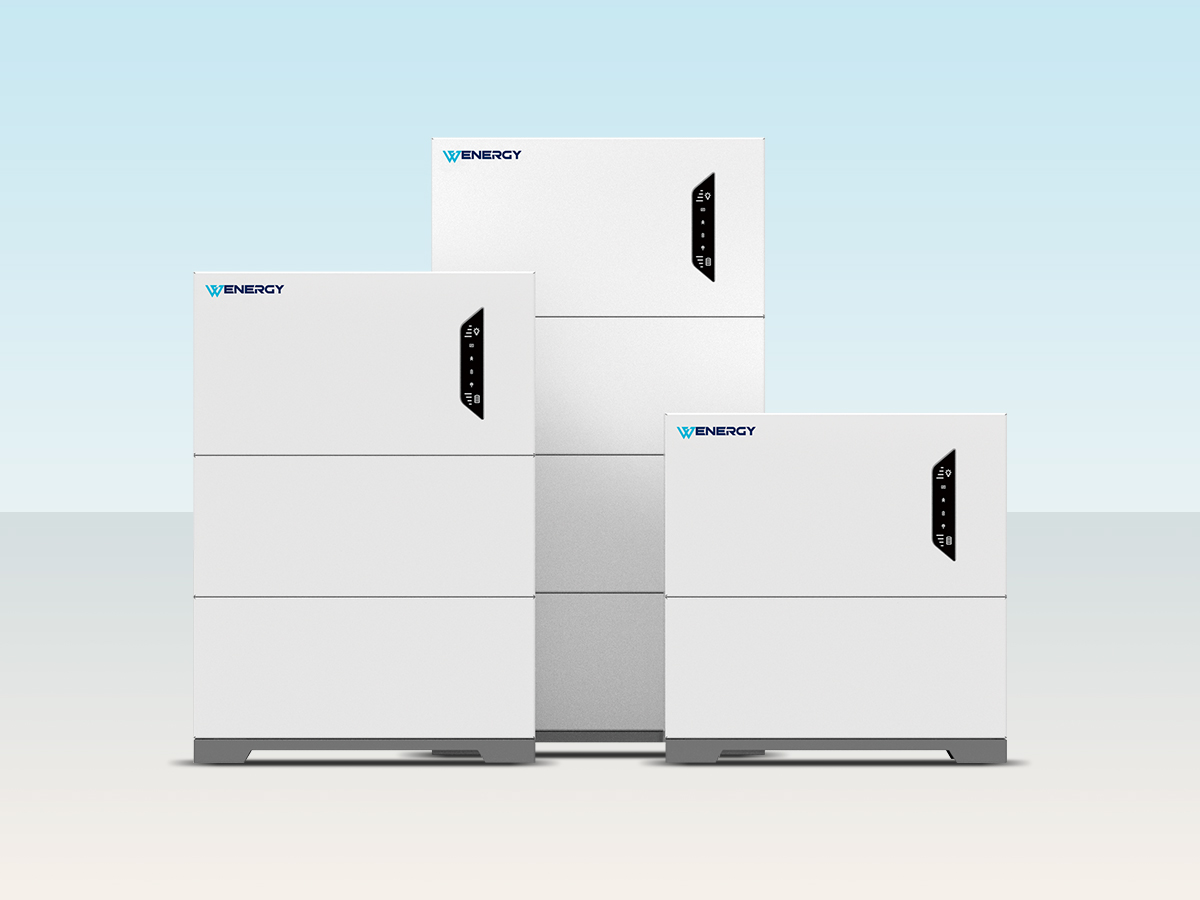
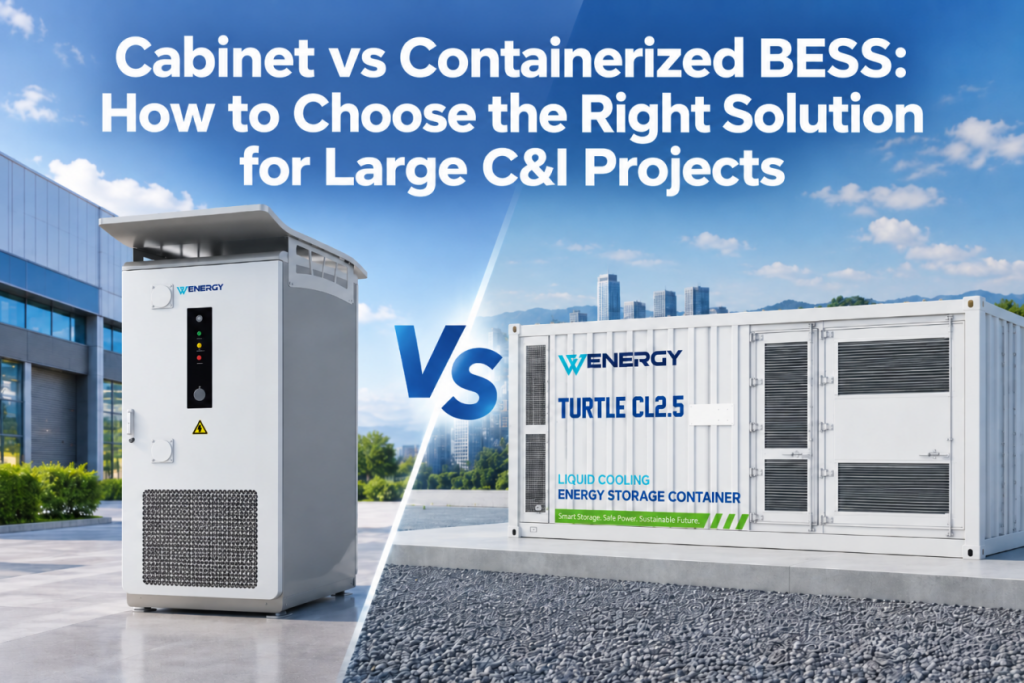
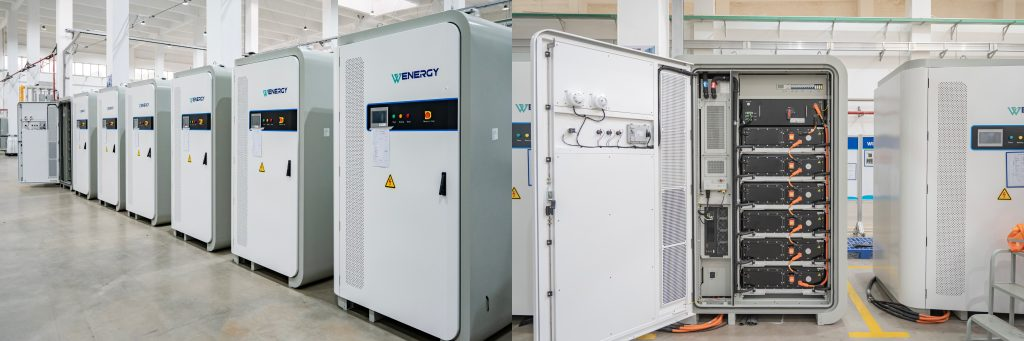
A cabinet BESS integrates batteries with components such as the BMS, PCS, EMS, thermal management, and fire protection in a compact outdoor enclosure. Its flexible placement makes it suitable for distributed C&I applications, including peak shaving, solar self-consumption, demand management, backup power, EV charging, and microgrids.
Advantages of Cabinet BESS:
- Compact Footprint: Cabinet systems provide substantial storage capacity without requiring a full container-sized installation area. This can be valuable at factories, office complexes, retail sites, charging stations, and other properties with limited space.
- Modular Expansion: Projects can add cabinets as energy requirements increase, subject to system design and site limitations. This allows businesses to start with a capacity appropriate to current loads rather than immediately installing a much larger system.
- Flexible Placement: Multiple cabinets can often be distributed around a site more easily than a large container. This helps when the available installation area is irregular or split across different locations.
- Simplified Deployment: Highly integrated cabinets reduce the number of separate components that need to be coordinated on site. However, foundations, electrical connections, clearances, fire-safety requirements, and local permitting still need to be considered.
Limitations of Cabinet BESS:
- Lower Capacity Per Enclosure: Projects in the tens-of-MWh range may require dozens of cabinets, increasing interconnection and cabling complexity.
- Complex Multi-Unit Management: The modularity that makes cabinets attractive for medium-scale projects can make very large installations more complex to design, install, and maintain.
- Ongoing Site Requirements: Cabinets still require careful planning for equipment access, spacing, drainage, environmental conditions, cable routing, fire protection, and applicable codes before installation.
A practical example is Wenergy’s Stars CL289Pro, which combines 125 kW of power with 289 kWh of storage in a compact, liquid-cooled cabinet, making it a practical option for C&I applications.
What Is a Containerized BESS?
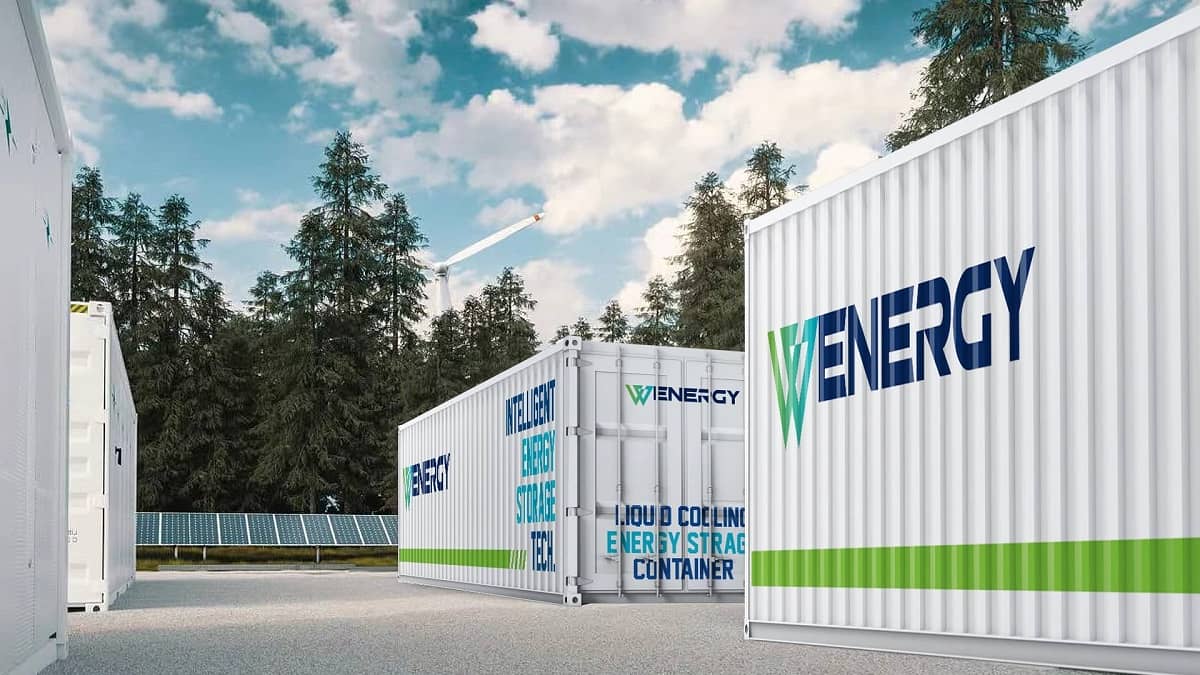
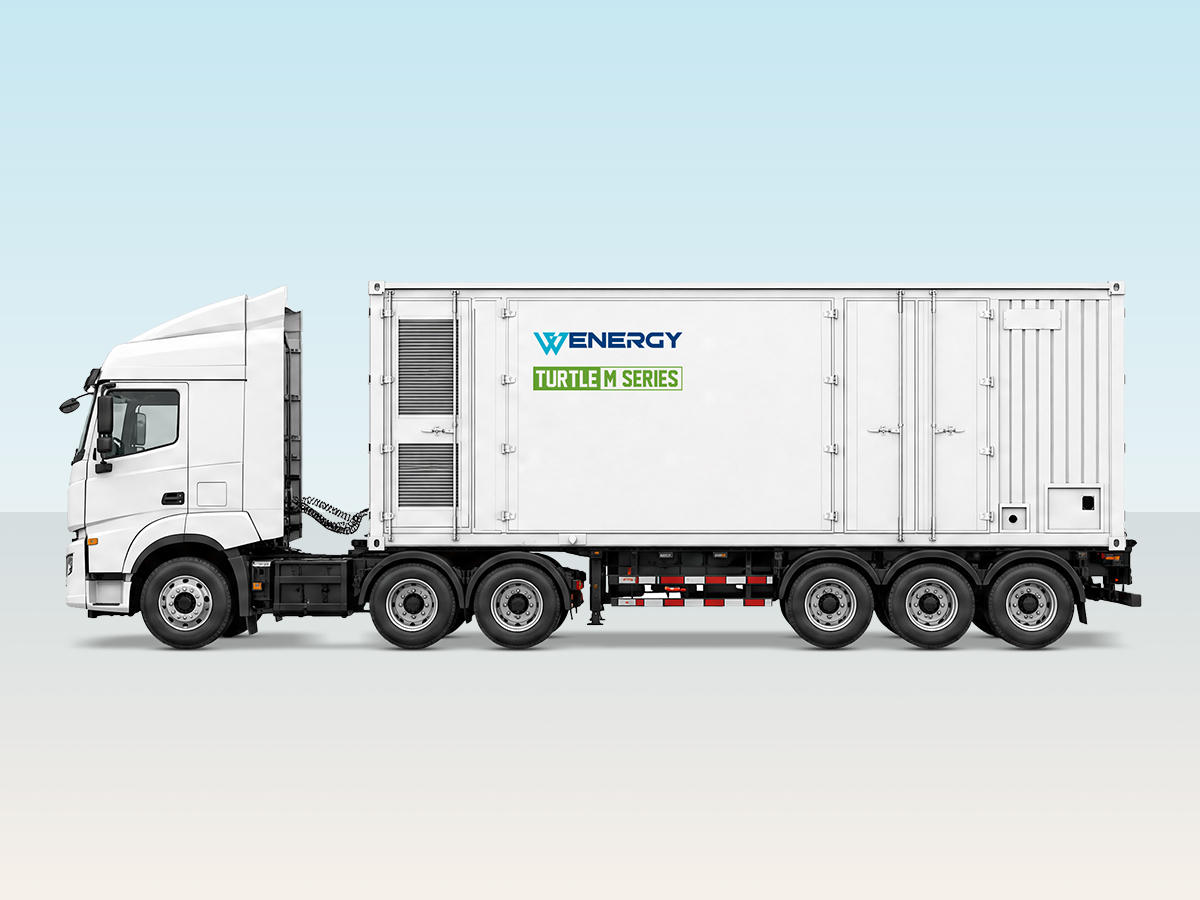
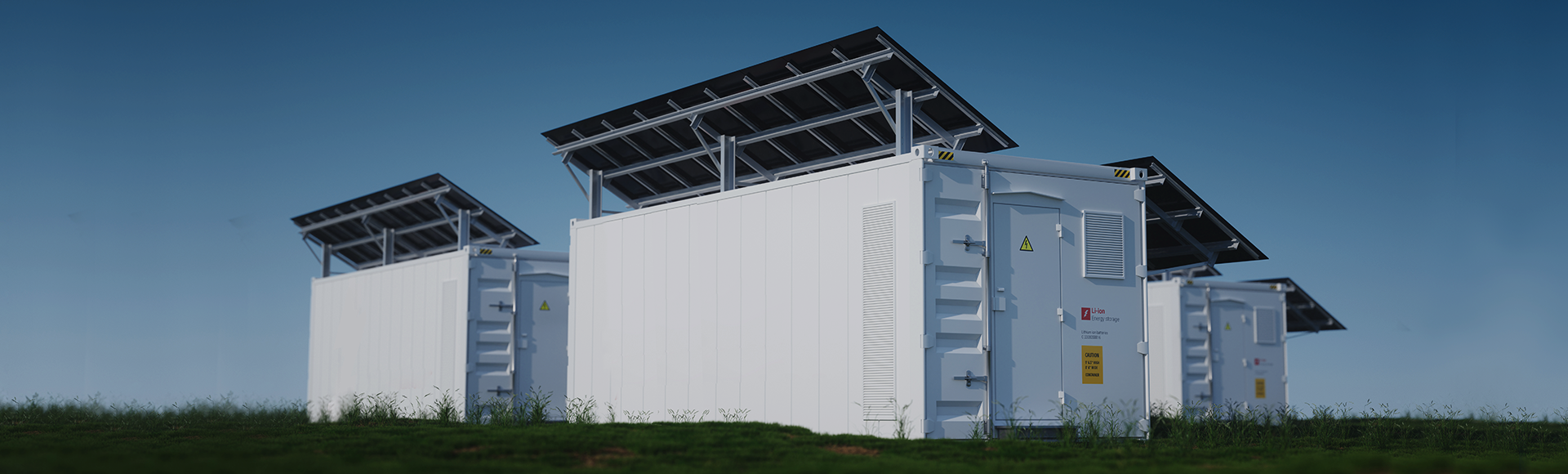
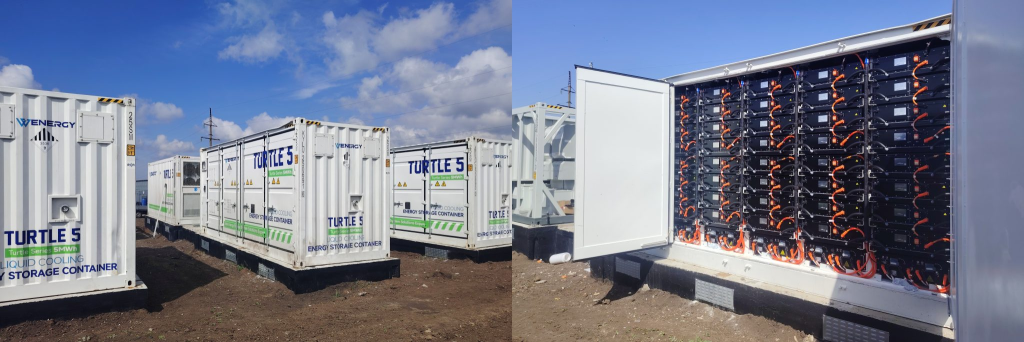
A containerized BESS houses high-capacity batteries, thermal management, fire protection, power distribution, and monitoring systems in a container-style enclosure. Its centralized, high-capacity design suits large industrial, renewable energy, microgrid, and utility-scale projects. Because configurations vary among battery energy storage system manufacturers, buyers should verify the included components.
Advantages of Containerized BESS:
- Higher Capacity Per Enclosure: Containers can accommodate MWh-scale battery capacity in a single enclosure. This reduces the number of separate storage units required for large projects.
- Suitable for Multi-MWh Projects: When an industrial facility, renewable energy plant, or microgrid requires several MWh of storage, containerization can provide a more centralized architecture.
- Centralized System Design: Batteries and major supporting systems are grouped within a standardized enclosure. This can simplify equipment organization and make it easier to plan large storage blocks.
- Large-Scale Scalability: Additional containers can be added to build larger energy storage plants. This makes the configuration particularly relevant when future expansion involves adding capacity in multi-MWh increments.
Limitations of Containerized BESS:
- Larger Space Footprint: Requires clear ground area, heavy-duty concrete pads, and wide crane access routes during delivery.
- Less Flexible Placement: Their size, weight, and access requirements generally make containerized systems unsuitable for rooftops or tight indoor equipment rooms.
- Potentially Oversized for Smaller Sites: For some sub-1 MWh projects, a containerized system may be oversized relative to the required capacity, site layout, and project economics.
- Greater Project Engineering: Demands rigorous civil engineering, transport planning, and complex site permitting.
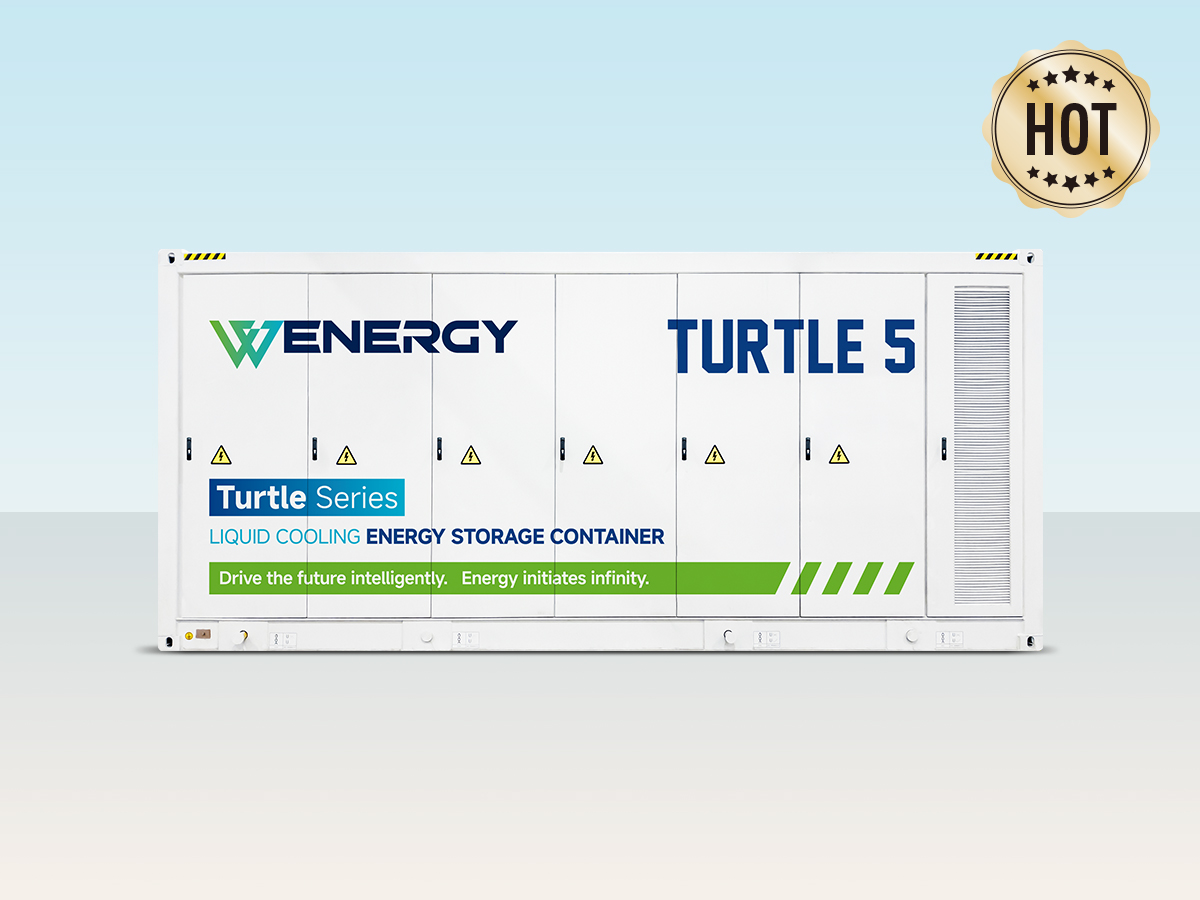
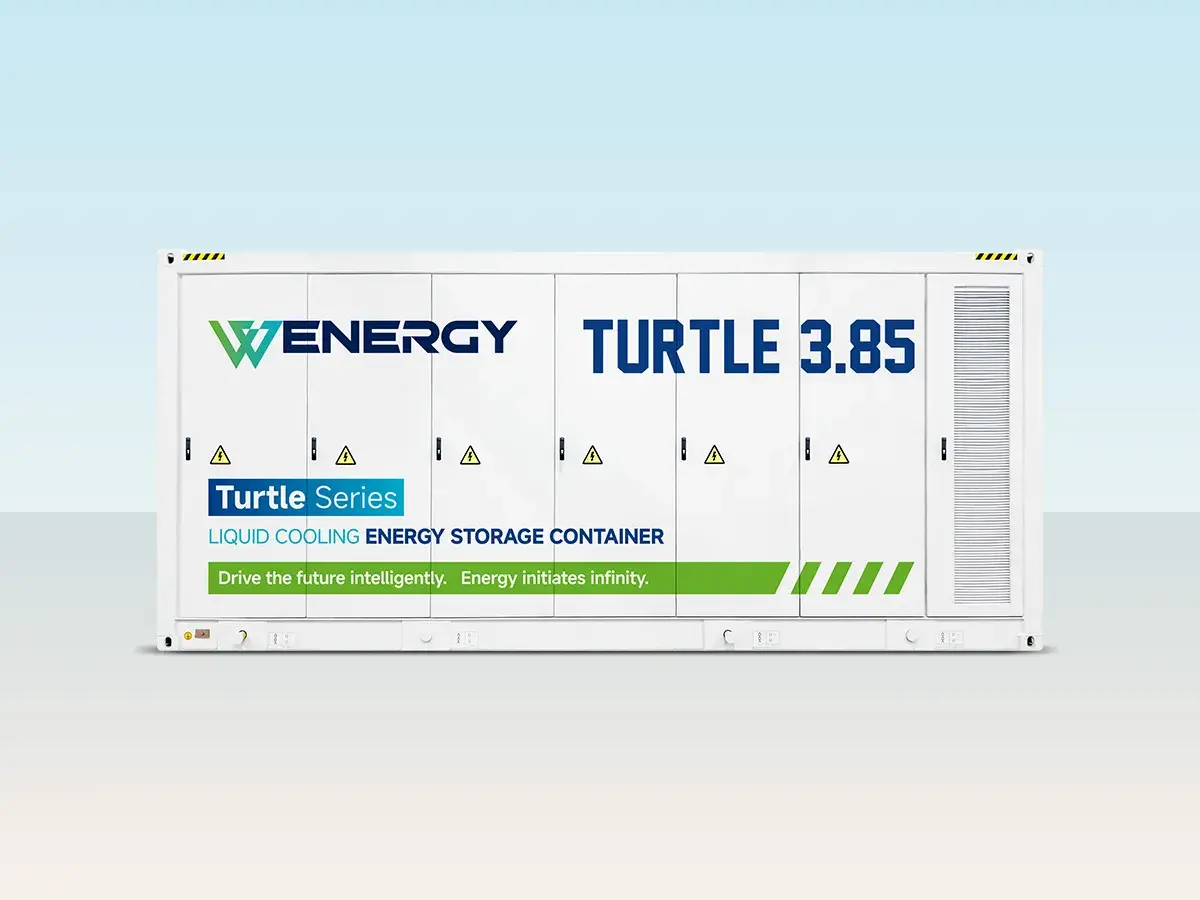
For larger projects, Wenergy’s 20-ft Turtle CL5.016 battery container provides 5.016 MWh of rated capacity with 2.5 MW rated charging and discharging power. Its liquid-cooled architecture integrates battery clusters, EMS, fire protection, and power-distribution components for multi-MWh deployment.
Key Differences in C&I Projects: Quick Comparison
The basic distinction is straightforward: cabinet BESS provides greater modularity and placement flexibility, while containerized BESS concentrates more energy capacity into fewer enclosures.
| Dimension | Cabinet BESS | Containerized BESS |
| Typical Capacity Range | 100 kWh – 400 kWh per cabinet | 1.5 MWh – 6.25 MWh per container |
| Physical Footprint | Extremely compact; fits tight urban or factory spaces | Requires dedicated outdoor yards and crane clearance |
| Scalability Method | Adding individual cabinets modularly | Adding standardized 20-ft or 40-ft containers |
| Installation Complexity | Flexible modular deployment | Centralized deployment |
| Placement Flexibility | High; equipment yards, beside buildings, and distributed site locations | Low; restricted to flat, ground-level concrete pads |
| Optimal Project Scale | 200 kWh – 2 MWh | 2 MWh – 100+ MWh |
| Target Applications | C&I peak shaving, EV chargers, small microgrids | Large industrial parks, wind/solar farms, utilities |
These differences are general, not absolute. Actual project economics depend on system size, storage duration, civil works, electrical balance of system, interconnection, installation labor, and operating requirements.
How to Select the Right BESS Configuration for Your C&I Project
Choosing between cabinet and containerized BESS comes down to matching the system to project-specific requirements.
1. Define Your Power and Energy Requirements
Start with power (kW or MW) and energy capacity (kWh or MWh), not enclosure type. Power determines the charging and discharging rate, while energy capacity determines stored energy and duration. Short, high-power applications require different BESS designs from systems intended to shift solar energy over several hours.
2. Evaluate the Site Conditions
Assess installation space, equipment access, foundations, cable routes, grid connection, climate, altitude, and safety requirements. Cabinets suit constrained or irregular sites, while containerized systems suit locations with ample continuous space and access for larger equipment.
3. Consider Current and Future Capacity Expansion
Consider expansion before installing the first unit. If the project is expected to grow gradually, adding cabinet modules may provide useful flexibility. In contrast, projects that will expand in large capacity blocks may find containerized systems a more suitable path to multi-MWh development.
4. Define the Required Operating Mode and Application
The BESS architecture should match the intended application, whether peak shaving, renewable integration, EV charging, backup power, or microgrid operation. Grid-connected and off-grid projects also require suitable switching and controls.
5. Compare Total Project Requirements
Comparing cabinet and containerized BESS goes beyond battery price per kWh. Evaluate civil works, electrical infrastructure, safety, commissioning, maintenance, and balance-of-system costs. The most economical choice is the enclosure that best aligns with your project’s total lifecycle and operational strategy.
How Wenergy Supports C&I Energy Storage Selection
Wenergy is a one-stop energy storage solution provider with 15 years of battery cell manufacturing experience and a 660,000+ m² R&D and production base. The company reports 1,000+ installed C&I ESS projects and exports to more than 60 countries and regions.
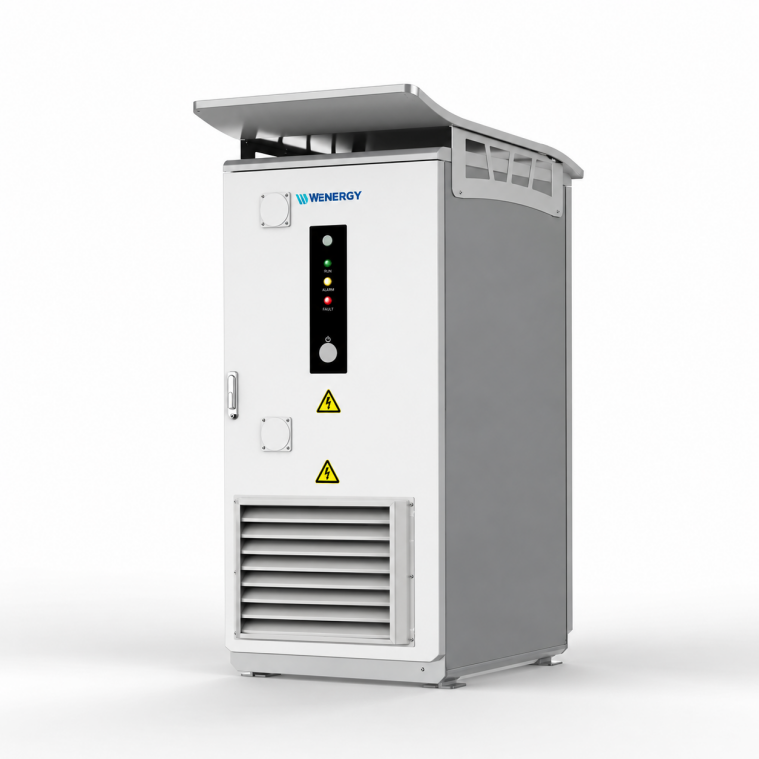
Modular Cabinet BESS Option: Stars CL261
The Stars CL261 is an all-in-one liquid-cooled C&I ESS cabinet designed for modular deployment, compact footprint, and noise-sensitive environments. Its top three advantages include:
- Compact All-in-One Integration: Integrates LFP batteries, BMS, AC/DC converter, liquid cooling, and fire protection into a single cabinet, reducing physical footprint by 36% while achieving 90% round-trip efficiency (RTE).
- Low-Noise Design: Offers a dedicated low-noise version achieving ≤60 dB during the day and as low as 45 dB at night, making it ideal for hospitals, schools, office buildings, and residential surroundings.
- Smart Liquid Cooling & O&M Savings: Utilizes intelligent liquid cooling with automatic fluid replenishment to reduce O&M costs by 40%, with a rated cycle life of ≥8,000 cycles (EoL 70% SOH).
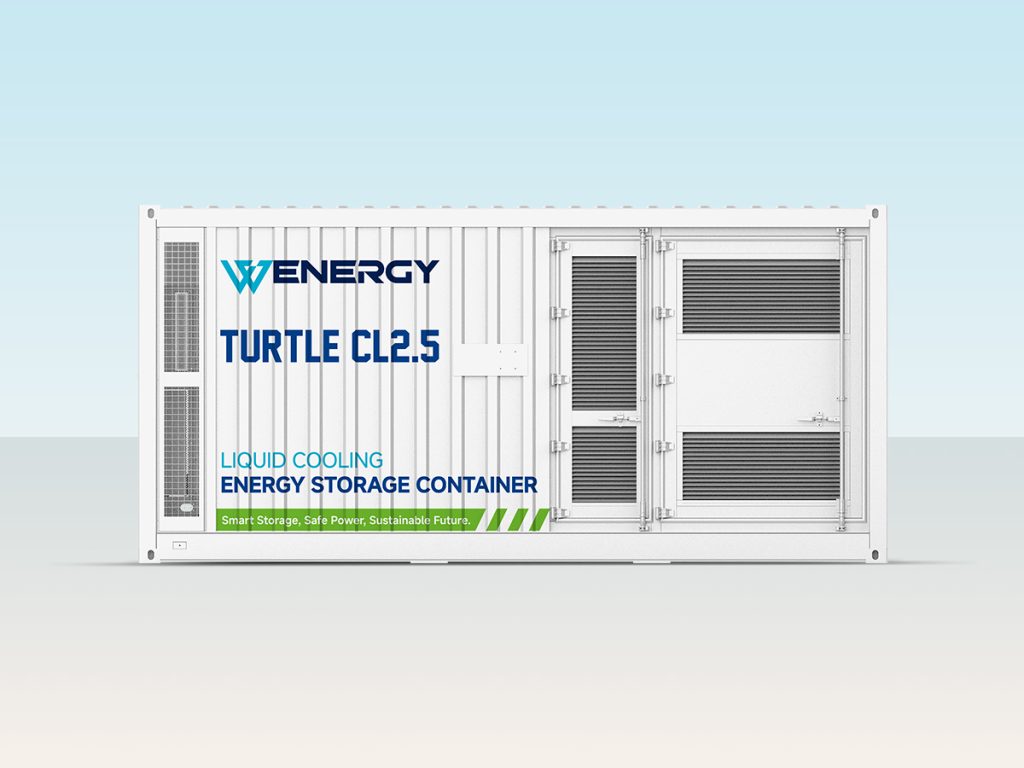
Containerized BESS Option: Turtle CL2.5 Series
The Turtle CL2.5 Series is an AC/DC integrated containerized BESS engineered for high-capacity applications, weak-grid environments, and critical load backup. Its top three advantages include:
- Seamless On/Off-Grid Switching: The on/off-grid switching version integrates a 1 MW STS and supports an optional 1 MW ATS, enabling fast coordination between the utility grid, BESS, PV, diesel generator, and critical loads.
- Multi-Energy Hybrid Coordination: Directly coordinates utility grid feeds, solar PV, battery storage, and diesel generators within a single architecture, optimized for industrial microgrids.
- Flexible Capacity & Industrial Load Resilience: The series offers 1.67 MWh, 2.089 MWh, and 2.507 MWh battery configurations using 314 Ah LFP cells. The on/off-grid switching version supports overload, surge loads, and three-phase unbalanced loads.
Certification and grid-compliance documentation vary by model, configuration, and target market. Project developers should confirm the applicable IEC/EN standards and local grid-code documentation for the selected configuration.
Conclusion
Choosing between a cabinet and containerized BESS depends on project capacity, site conditions, operating requirements, and expansion plans. Cabinet systems are often better suited to modular C&I deployments and space-constrained sites, while containerized BESS is typically more suitable for larger multi-MWh projects. Contact Wenergy’s technical team to determine the configuration that best matches your project requirements.
Post time: Sep-09-2026