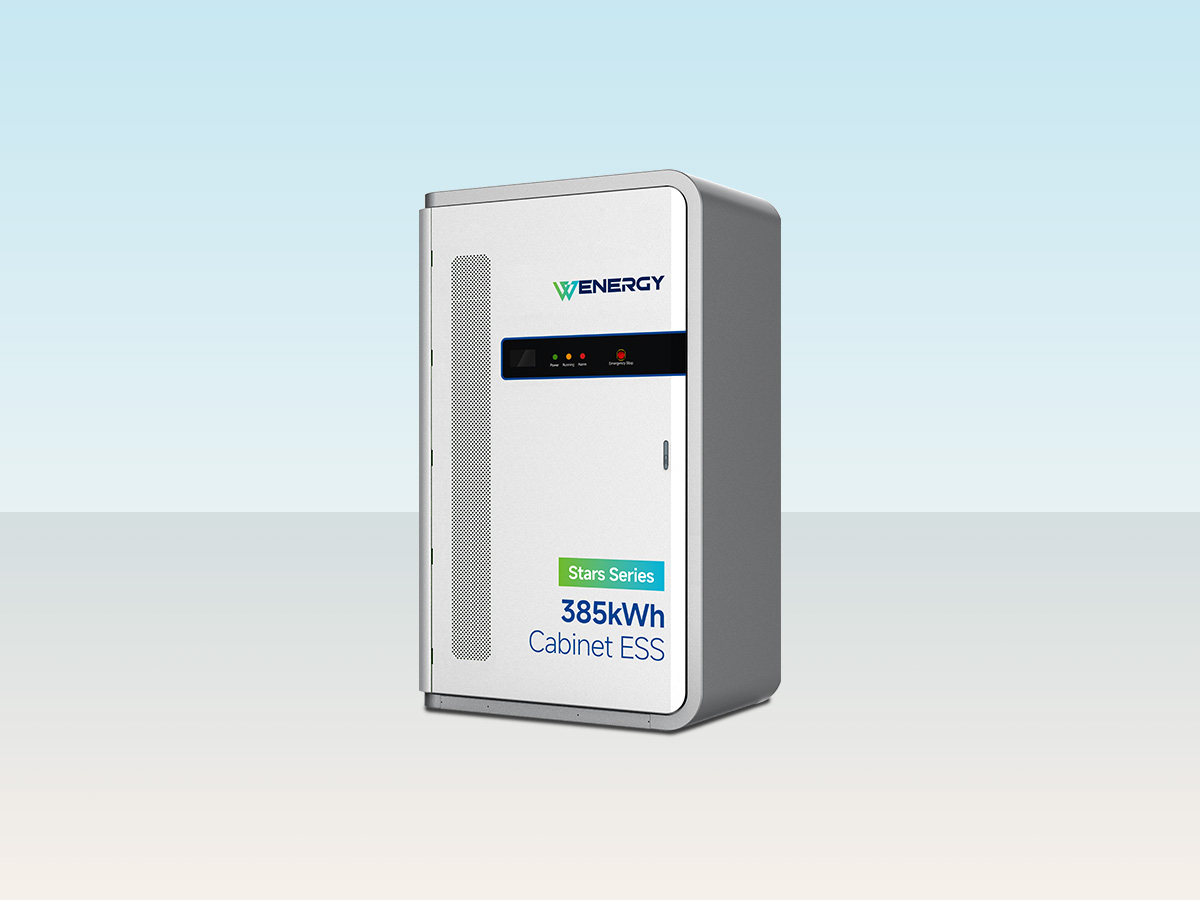

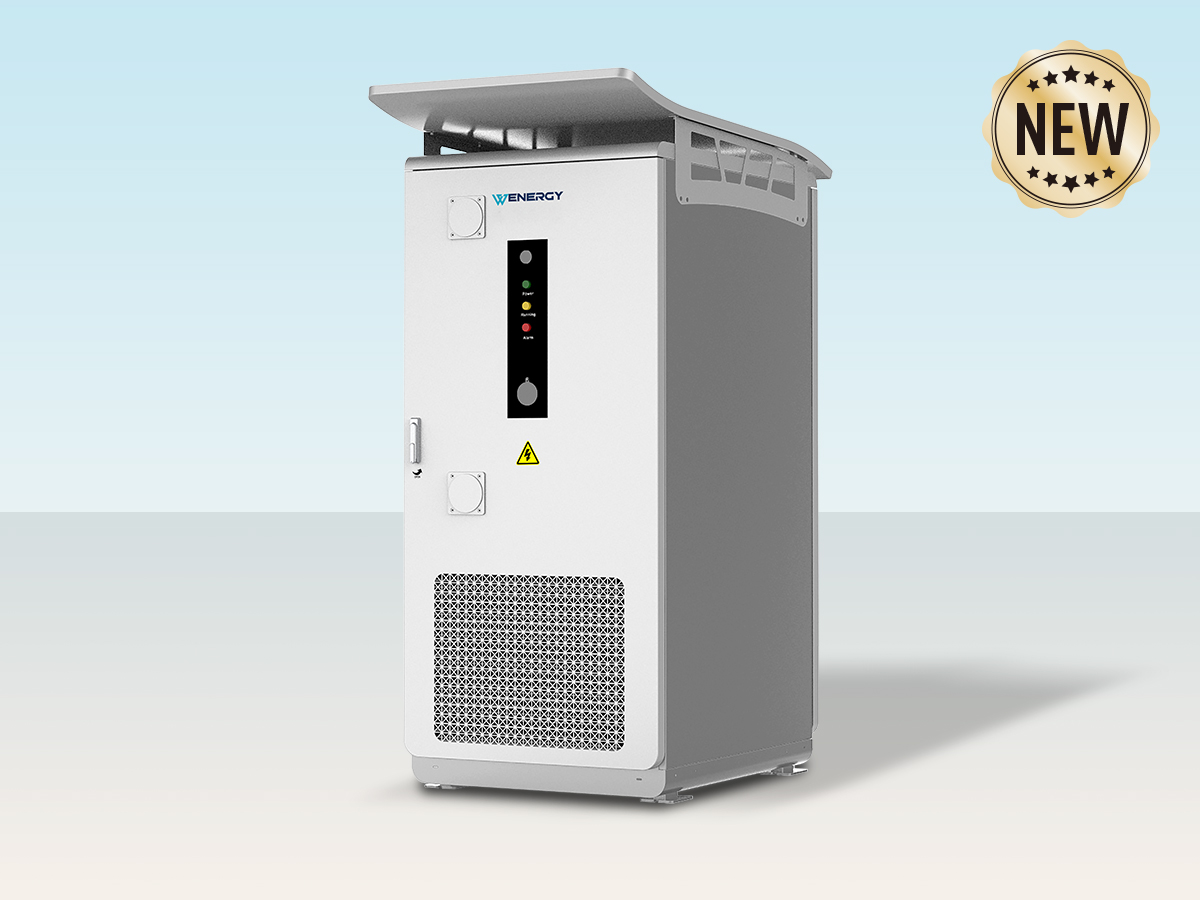
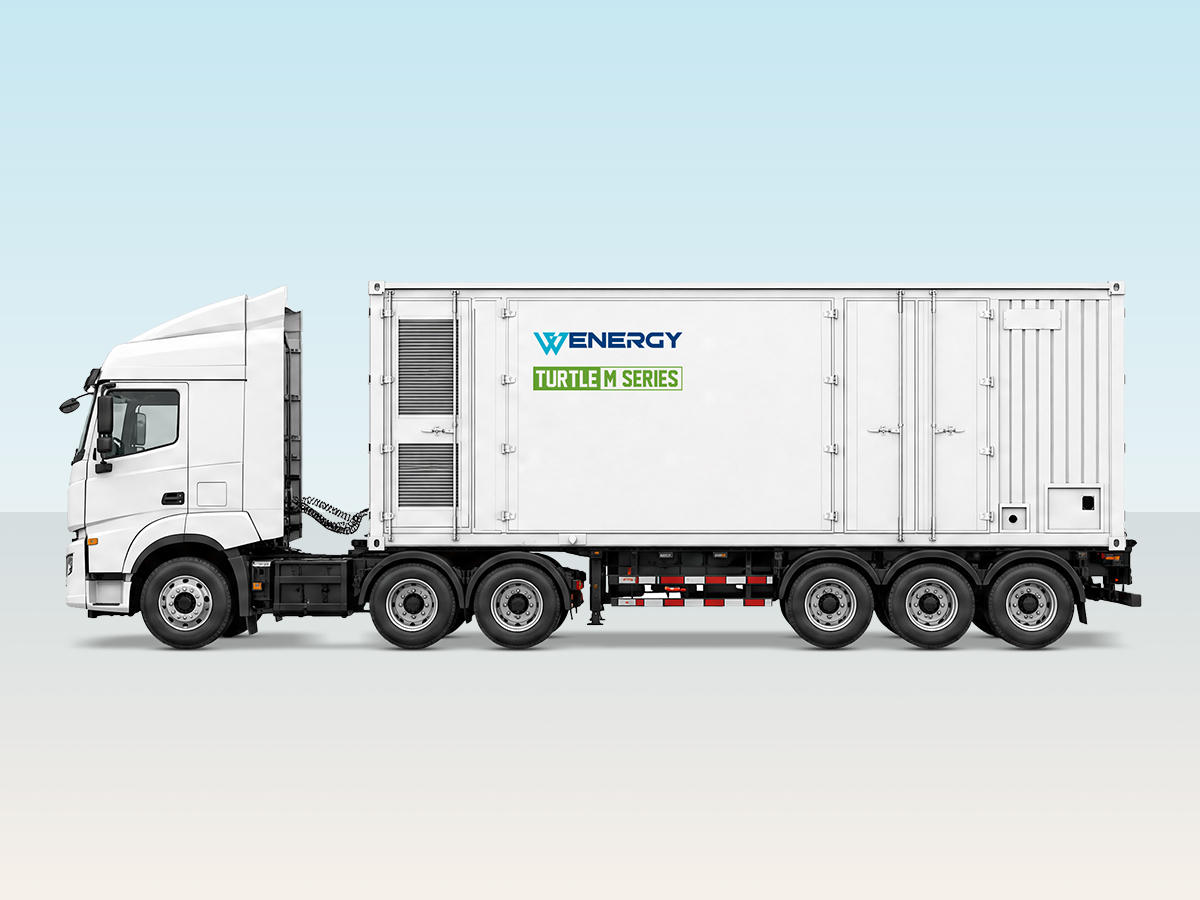
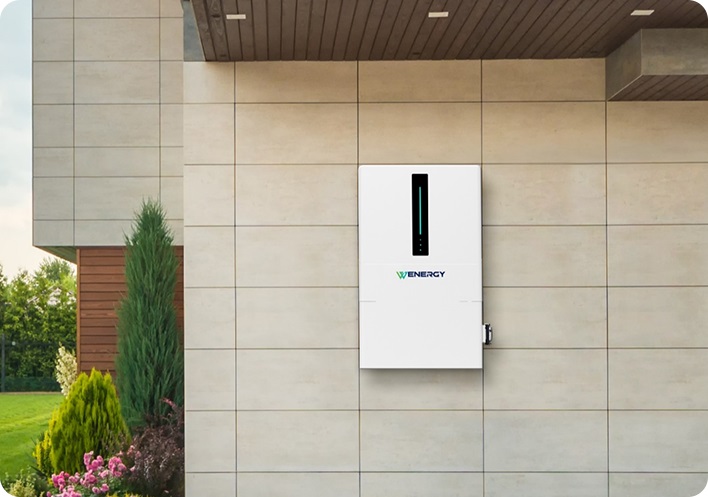
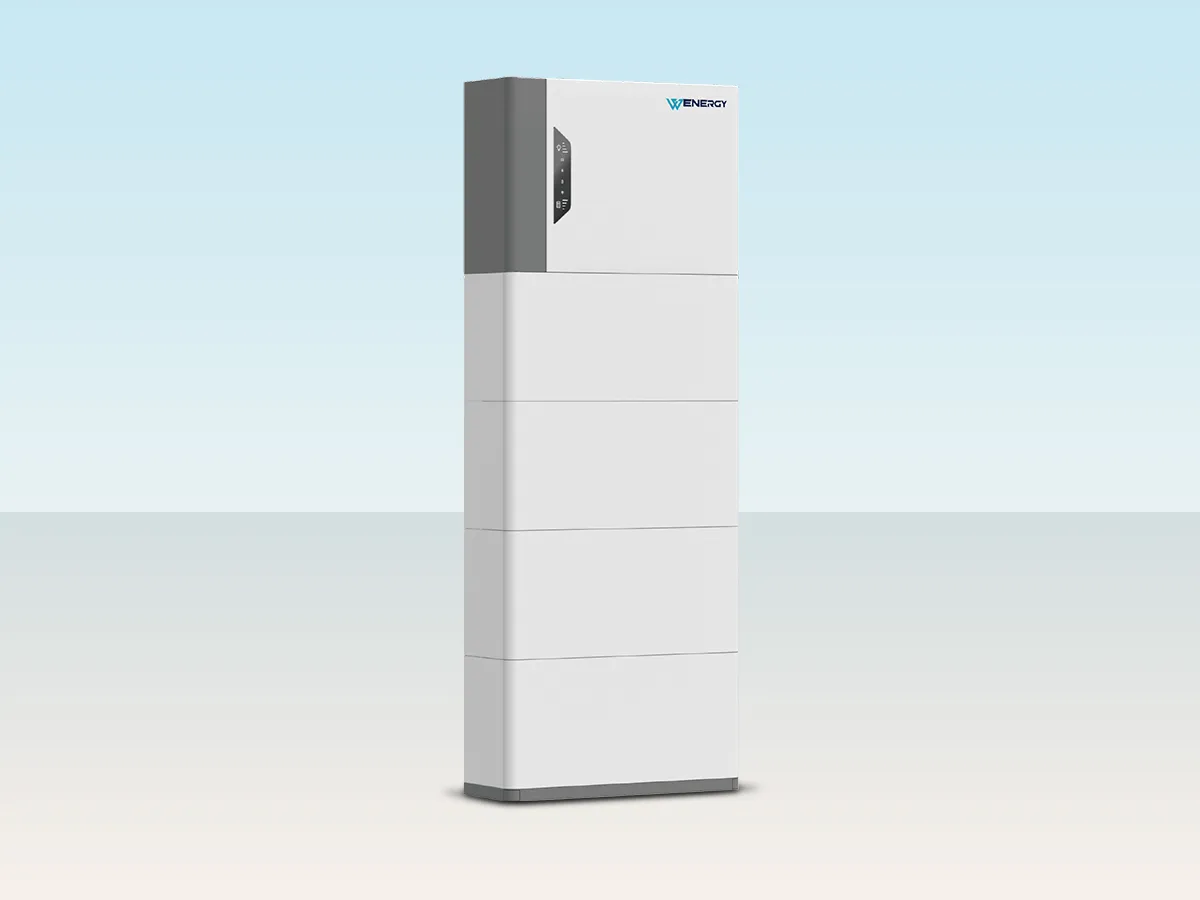
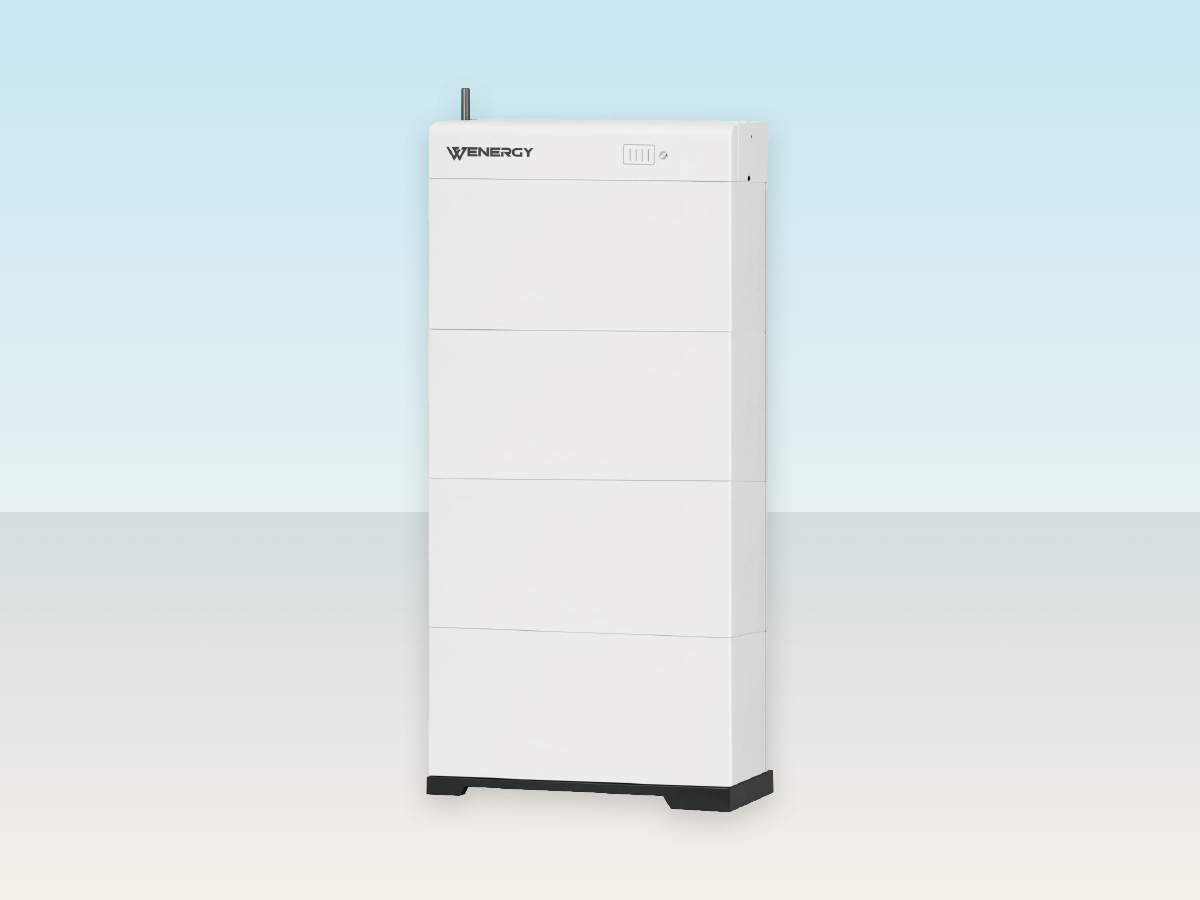
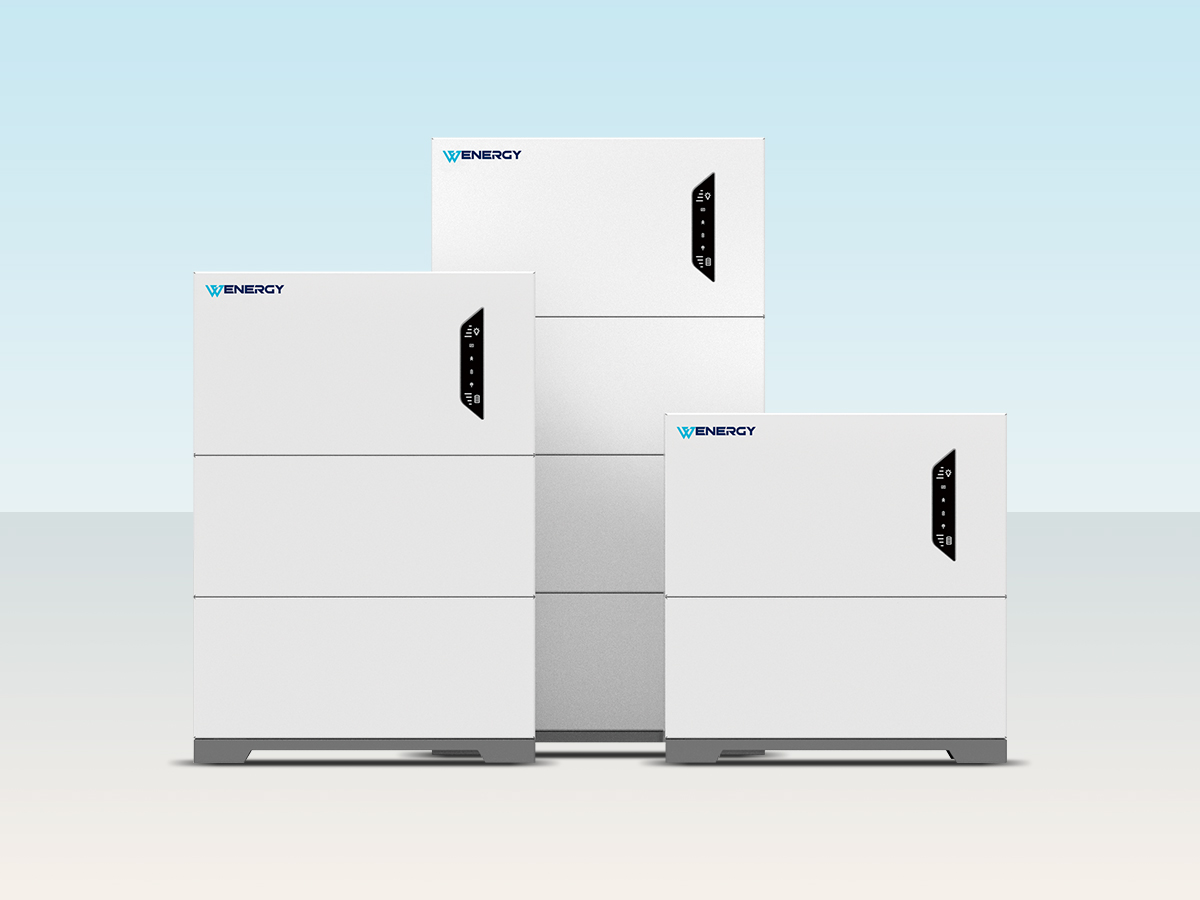
Industrial facility managers face critical decisions when specifying energy storage locations for manufacturing plants, processing facilities, and distribution centers. The choice between indoor installation and outdoor deployment influences system longevity, maintenance requirements, and operational reliability. Each environment presents distinct challenges that equipment specifications must address. At Wenergy, we engineer our solutions for both scenarios while ensuring consistent performance regardless of placement. This article compares the practical considerations for indoor and outdoor energy storage cabinet deployment in industrial settings.
Environmental Protection Requirements for Outdoor Installations
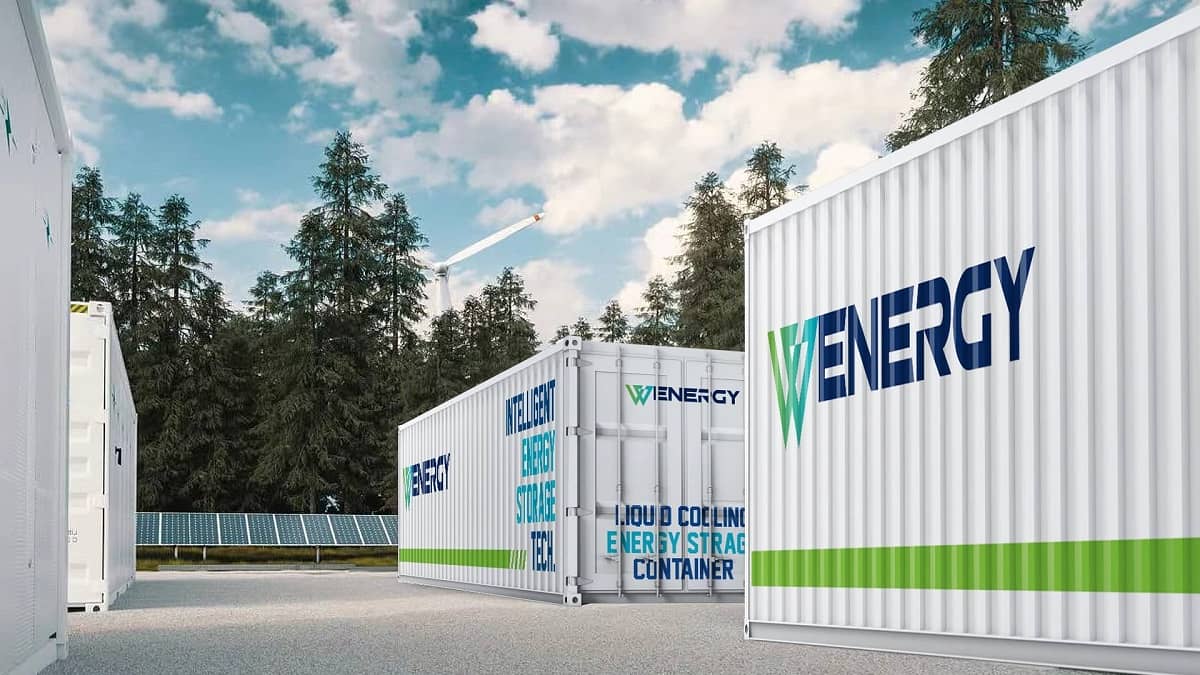
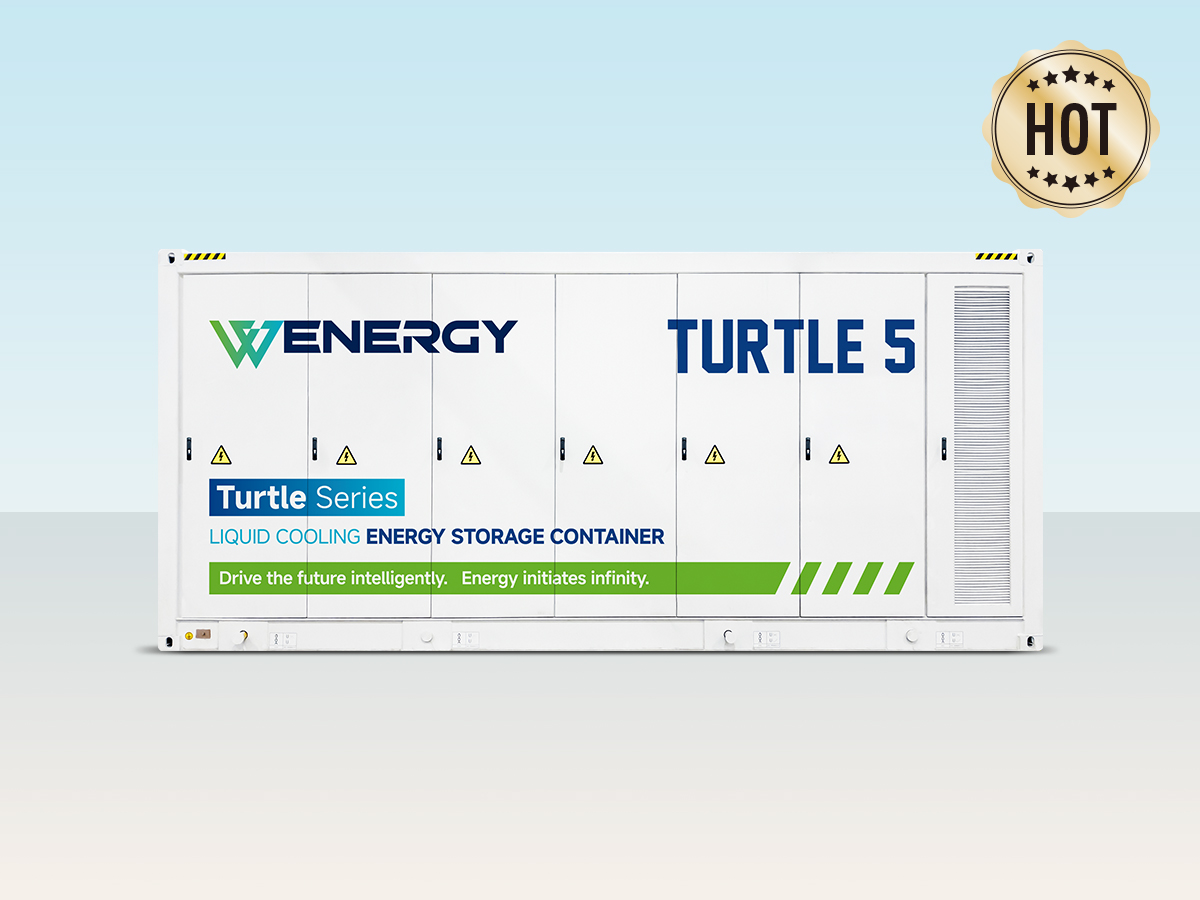
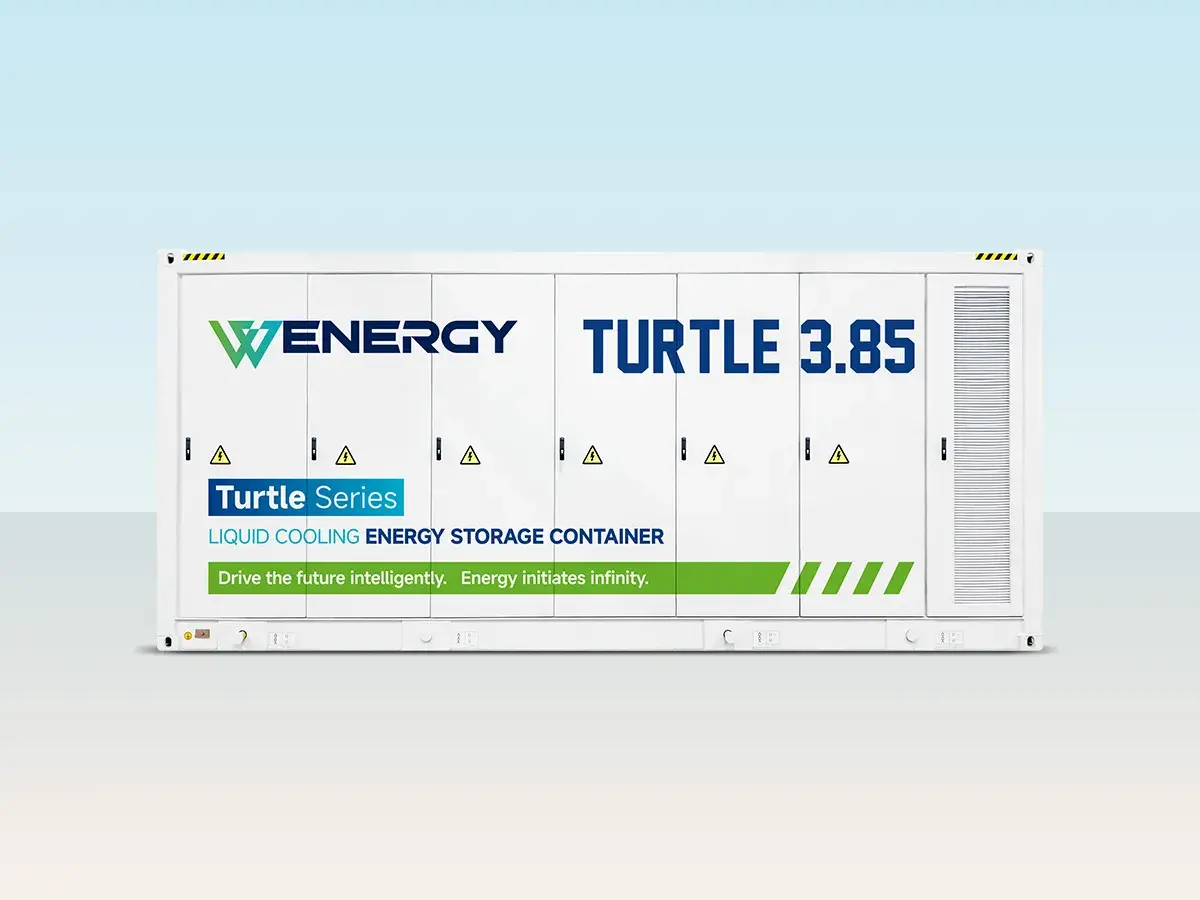
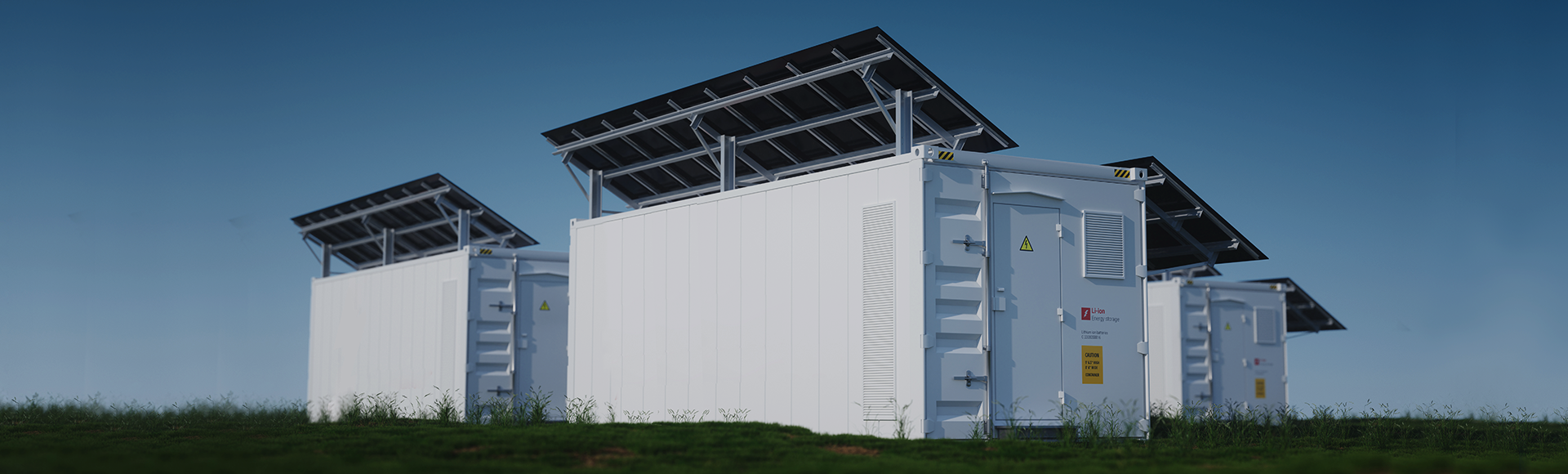
Outdoor deployment exposes equipment to temperature extremes, precipitation, dust, and ultraviolet radiation that indoor environments never encounter. An energy storage cabinet destined for exterior installation requires robust enclosure ratings, typically NEMA 3R or higher, to prevent water ingress during rain events. Solar loading raises internal temperatures significantly above ambient, demanding active cooling capacity beyond what indoor units require. Our outdoor-rated cabinets incorporate weather-sealed electrical compartments and corrosion-resistant finishes that withstand years of exposure without degradation. The energy storage cabinet supplier selected for outdoor projects must demonstrate experience with local climate conditions, whether desert heat, coastal humidity, or freezing winter temperatures. Industrial facilities with limited interior space often prefer outdoor placement despite these challenges, accepting the engineering requirements in exchange for preserving valuable production floor area.
Space Utilization and Accessibility Factors for Indoor Systems
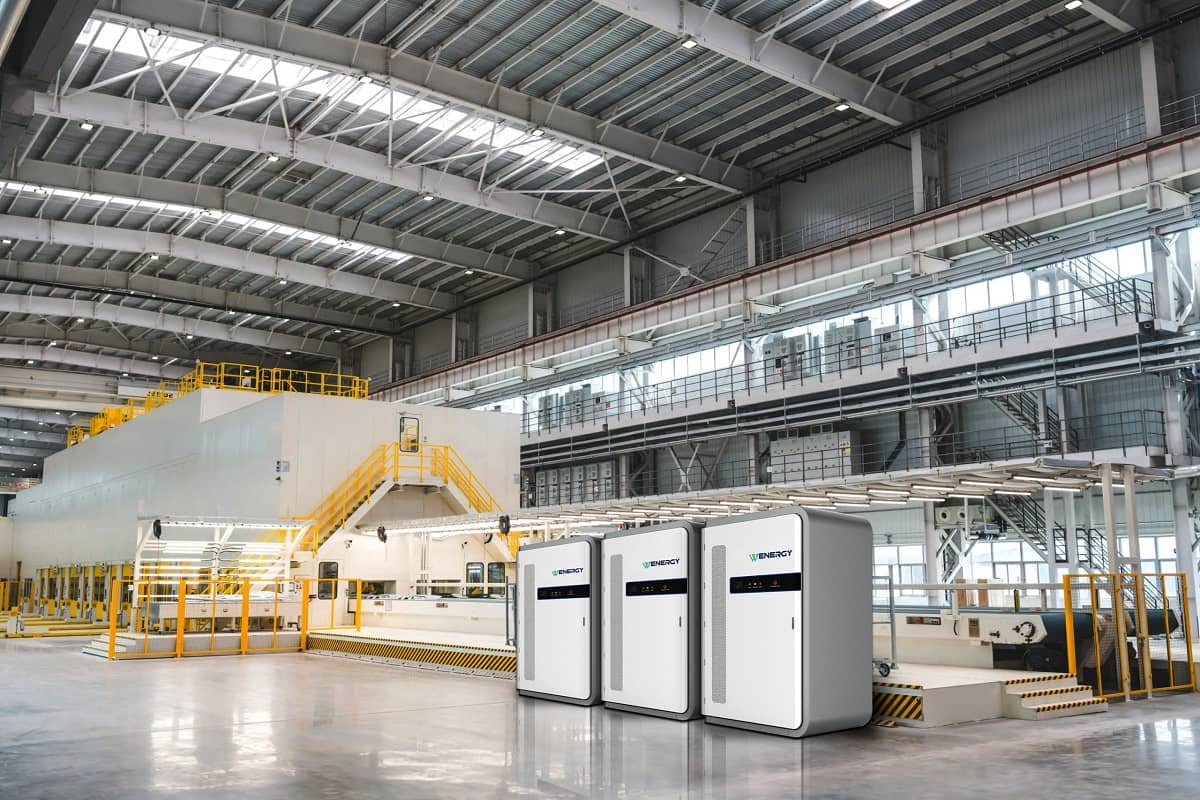
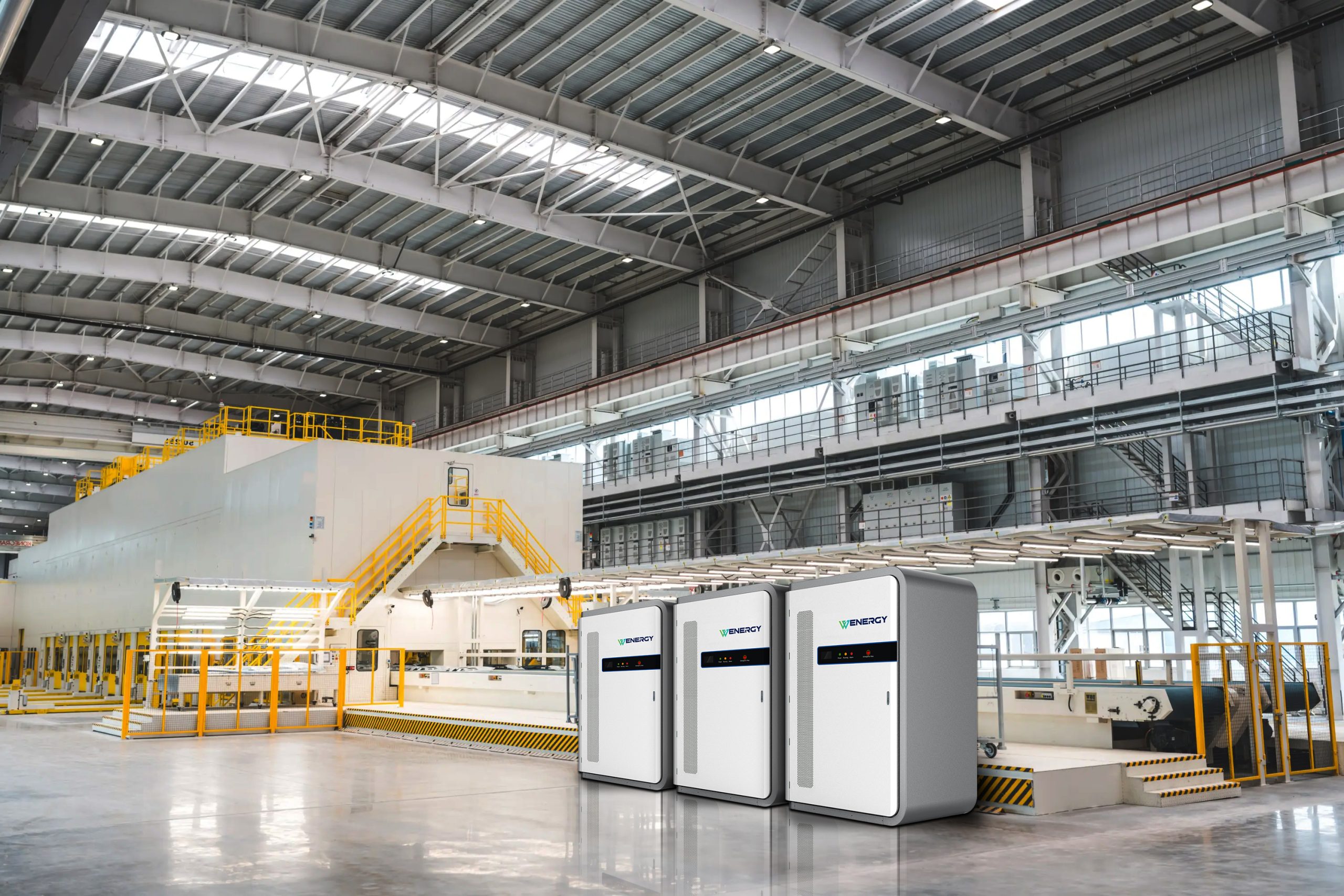
Indoor installation offers inherent protection from weather but introduces space constraints and ventilation considerations. Facilities locating an energy storage cabinet inside must allocate floor area while maintaining clearance for thermal management and service access. Indoor units benefit from stable ambient temperatures, reducing cooling energy consumption and extending component life compared to sun-exposed alternatives. However, ventilation systems must handle any potential off-gassing during thermal events, requiring coordination with facility HVAC design. The ideal energy storage cabinet supplier provides detailed footprint drawings and thermal rejection data that enable accurate space planning. Industrial operations with available mechanical rooms or dedicated electrical spaces often select indoor placement to simplify maintenance activities during inclement weather. The trade-off involves sacrificing production or storage area that might generate revenue if allocated to core business activities rather than infrastructure support.
Thermal Management and Maintenance Considerations
Performance characteristics differ substantially between indoor and outdoor installations due to temperature variation patterns. Indoor environments maintain relatively consistent conditions year-round, enabling predictable energy storage cabinet operation and simplified capacity modeling. Outdoor units experience diurnal and seasonal swings that challenge thermal management systems and accelerate component aging if undersized. Our designs account for these variables through enhanced cooling capacity and broader operating temperature ranges for outdoor models. Maintenance intervals may differ as well, with outdoor cabinets requiring more frequent inspection of seals, filters, and corrosion protection. The energy storage cabinet supplier relationship proves valuable here, as application-specific guidance ensures proper specification based on actual site conditions rather than generic assumptions. Industrial facilities with mixed deployments benefit from standardized components across indoor and outdoor units, simplifying spare parts inventory and technician training.
The indoor versus outdoor decision for industrial energy storage involves weighing space utilization against environmental exposure. Each approach offers distinct advantages that suit particular facility constraints and operational priorities. At Wenergy, our energy storage cabinet solutions accommodate both scenarios through flexible enclosure options and robust thermal management engineered for the intended environment. By partnering with an experienced energy storage cabinet supplier, industrial operators ensure their storage infrastructure delivers reliable performance regardless of whether it resides within conditioned space or stands against the elements.
Post time: May-13-2026