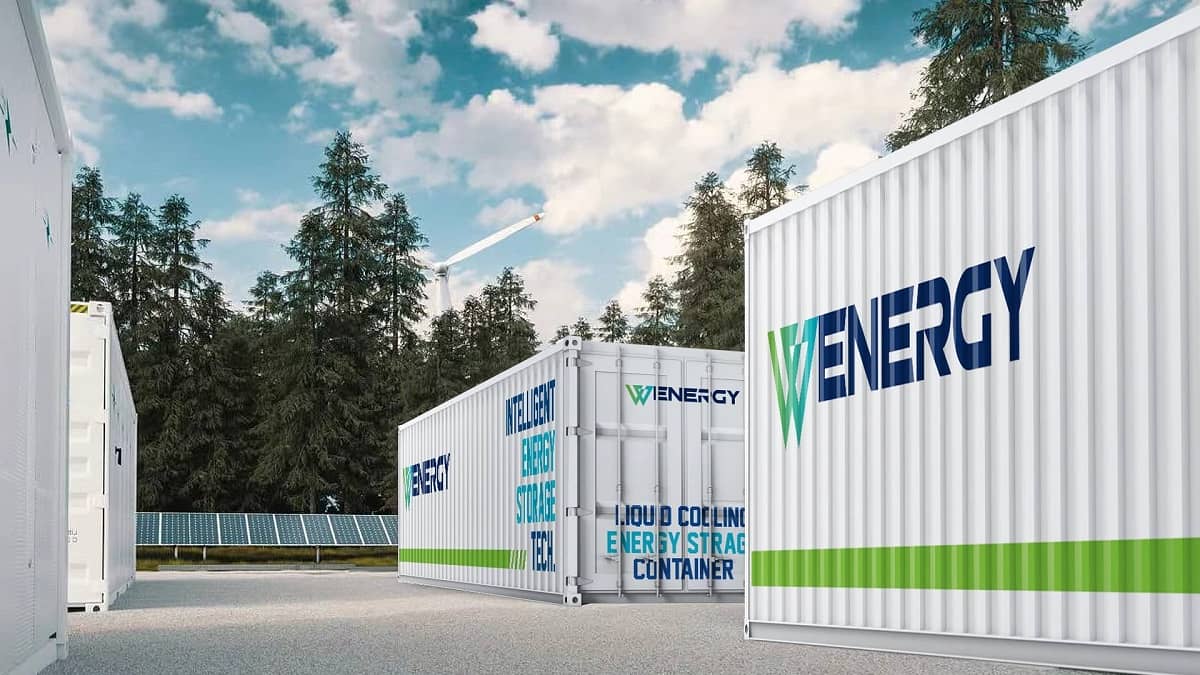
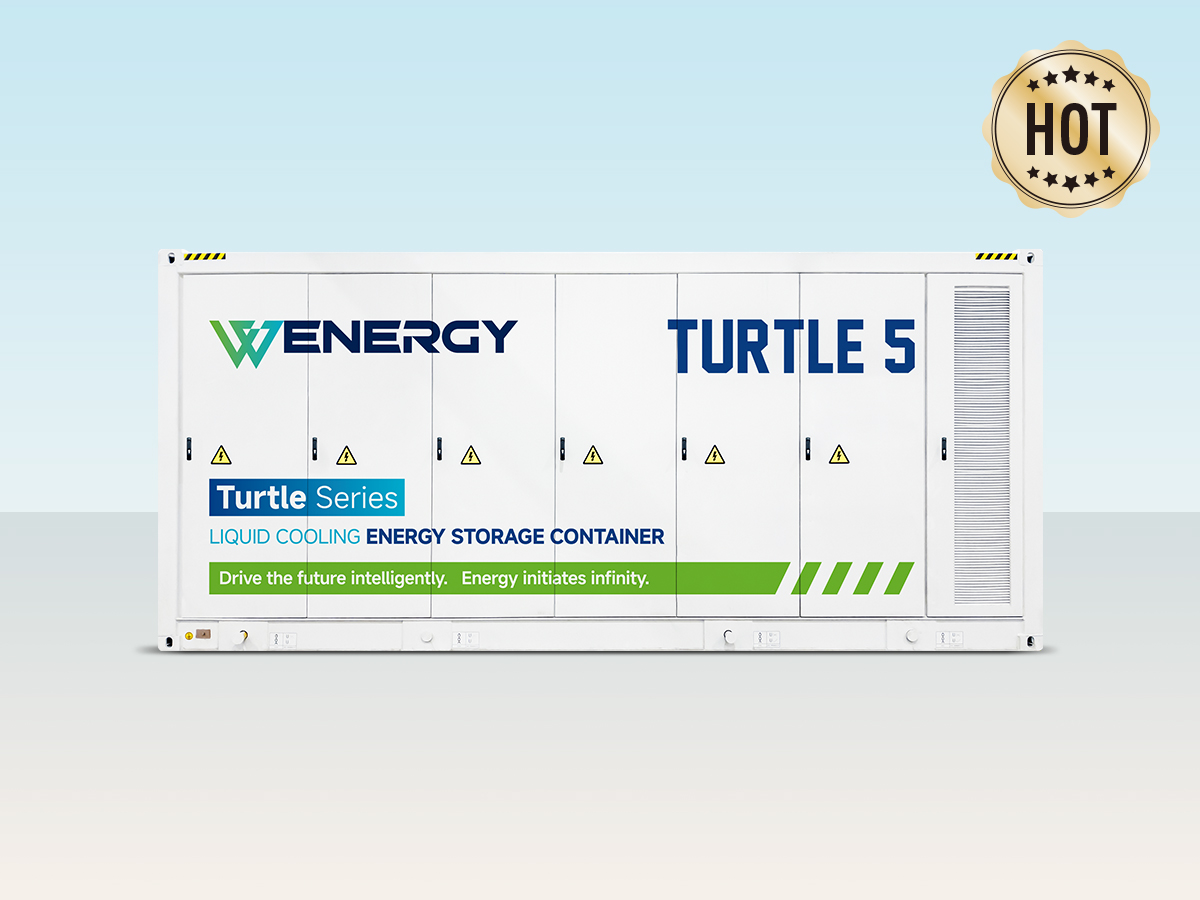
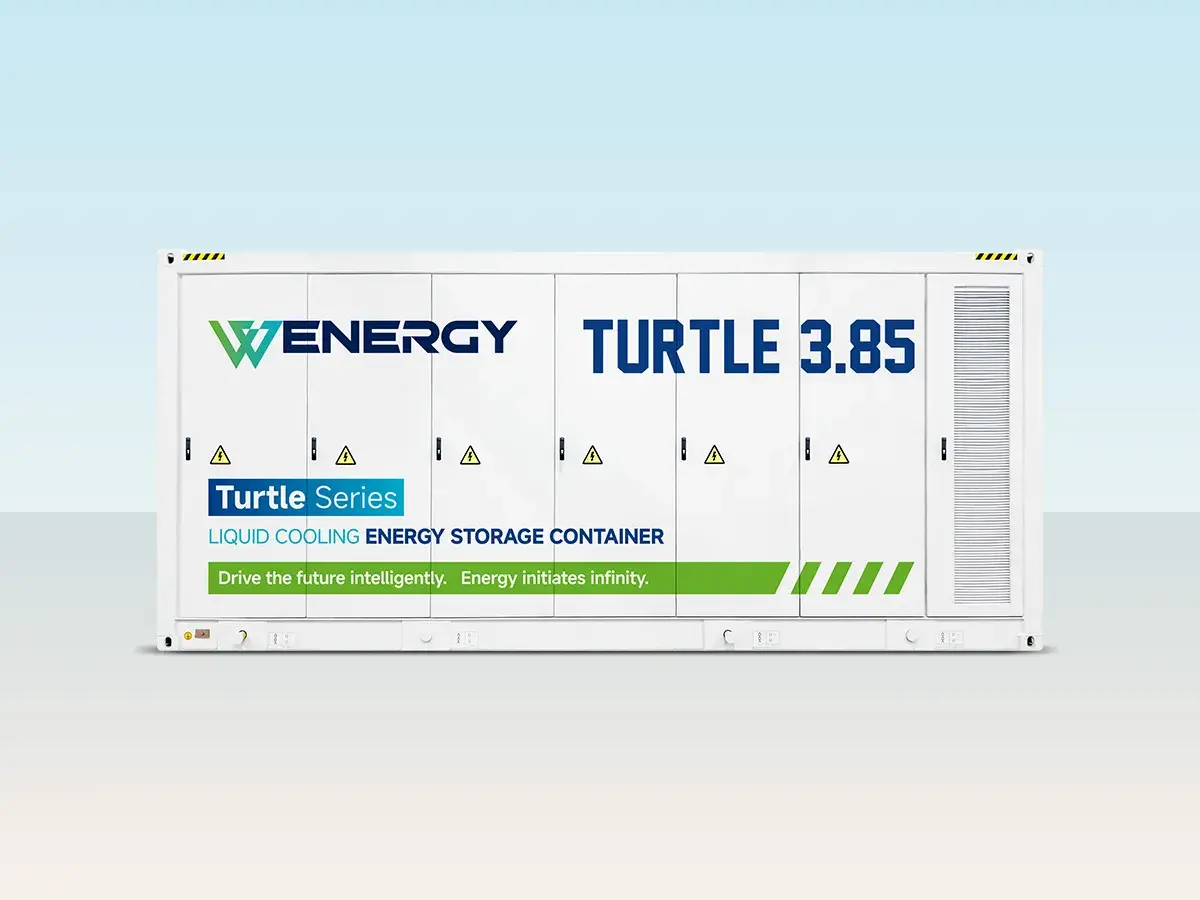
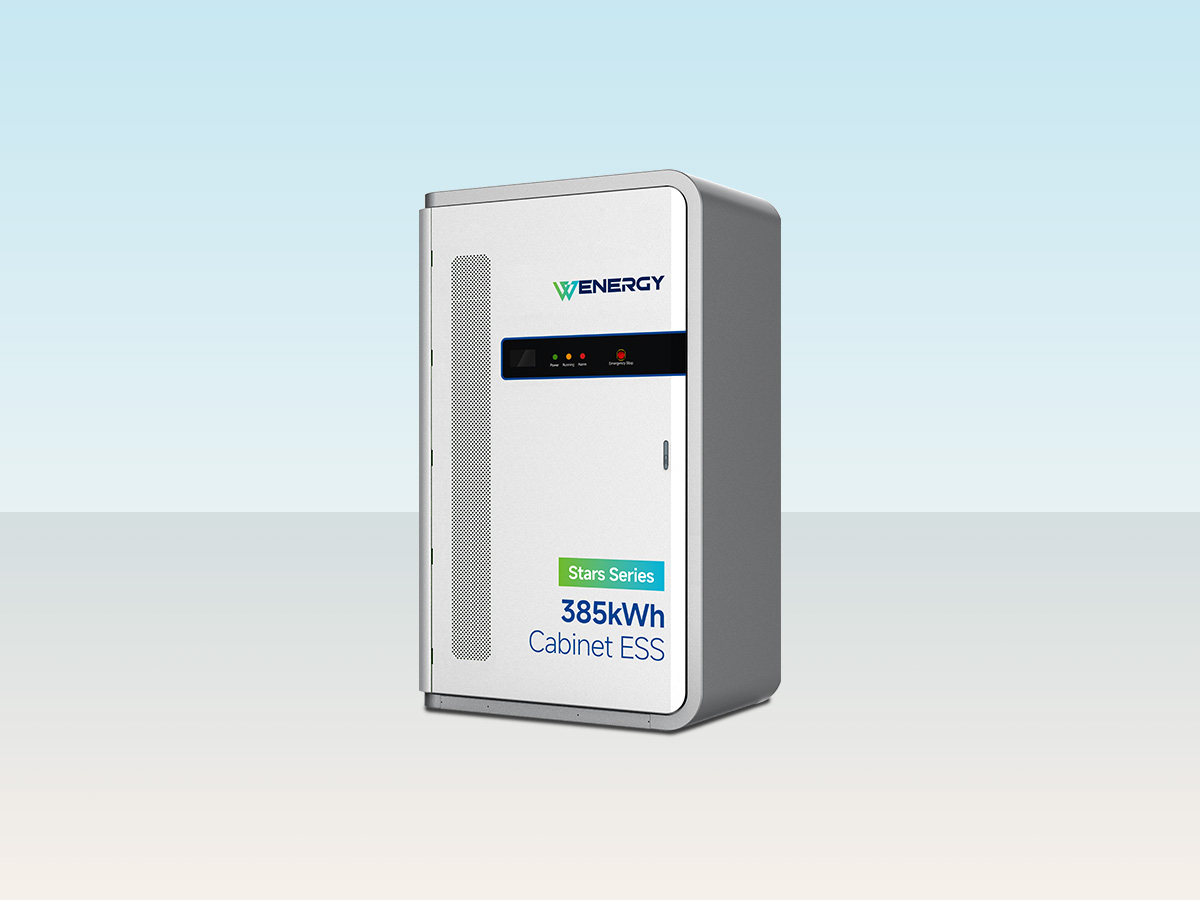

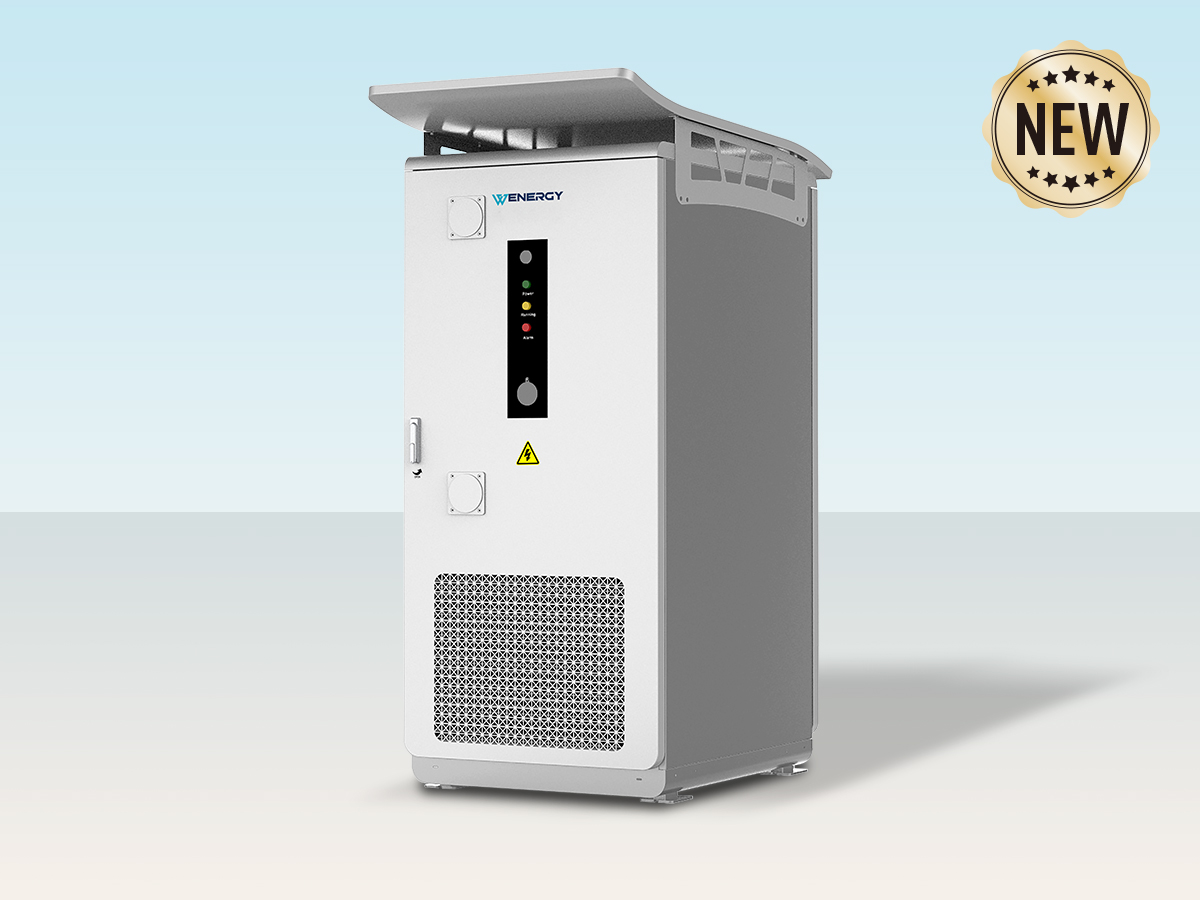
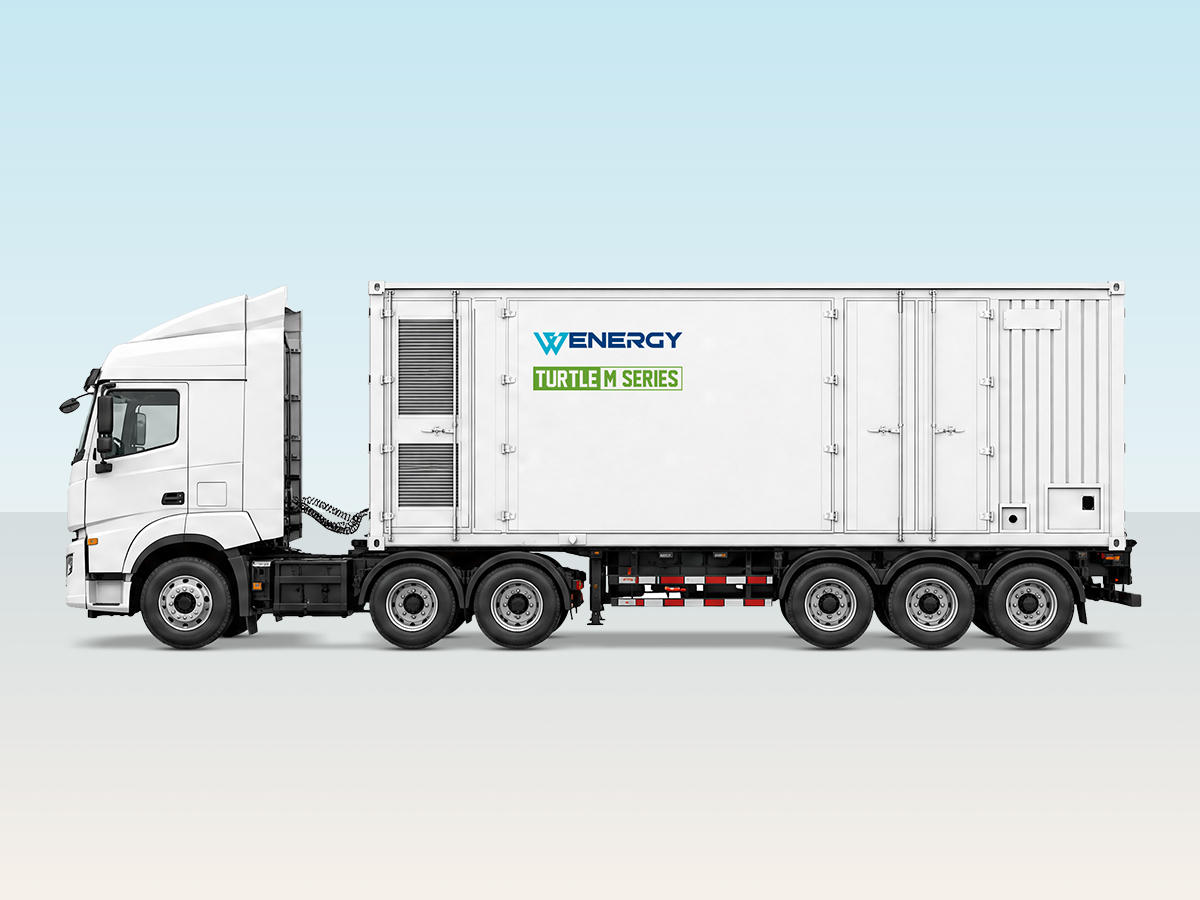
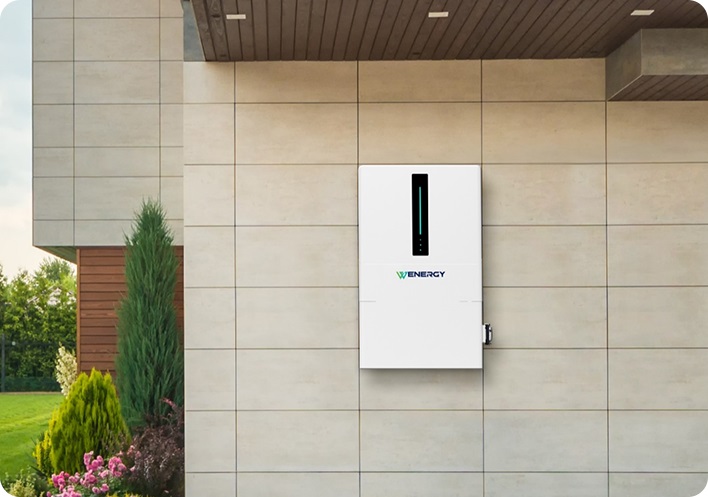
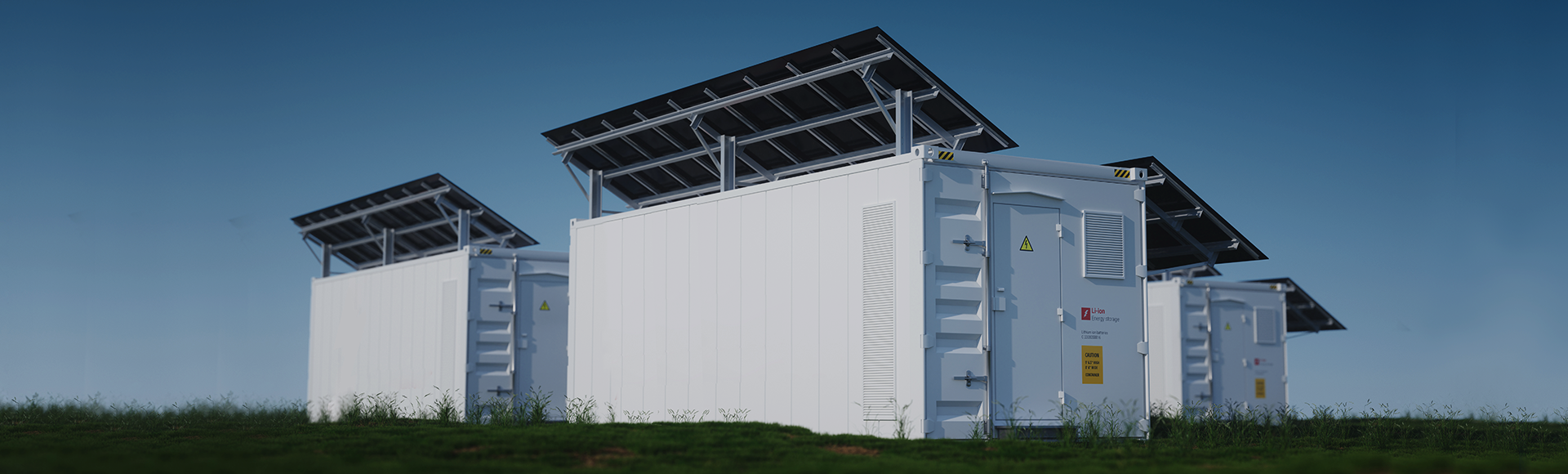
High-density lithium-ion hardware requires a robust approach to thermal management and hazard mitigation to ensure long-term operational safety. As the industry scales toward massive deployments, the focus on integrated safety hardware within an energy storage container has become a central priority for project developers and insurers alike. We prioritize these safety frameworks to provide a resilient environment that protects both capital assets and surrounding infrastructure from thermal events.
Advanced Thermal Detection and Mitigation
Modern safety protocols begin with early detection sensors that monitor for minute changes in gas concentration and temperature levels within the enclosure. When we implement a standard battery energy storage container, the inclusion of multi-stage suppression systems is mandatory to isolate potential issues before they escalate. These automated mechanisms allow for controlled cooling and reactive suppression, ensuring that any localized heat signature is neutralized without necessitating a complete system shutdown or site-wide power loss.
Structural Integrity and Containment Design
The physical design of the housing unit acts as the first line of defense during anomalous operations. We find that a well-engineered energy storage container incorporates fire-rated wall materials and ventilation pathways designed specifically to vent pressure while preventing flames from spreading to adjacent hardware. At Wenergy, we verify that these containment features are rigorously tested against international standards to ensure that if a cell experiences a fault, the impact remains strictly limited to the interior of the specific module.
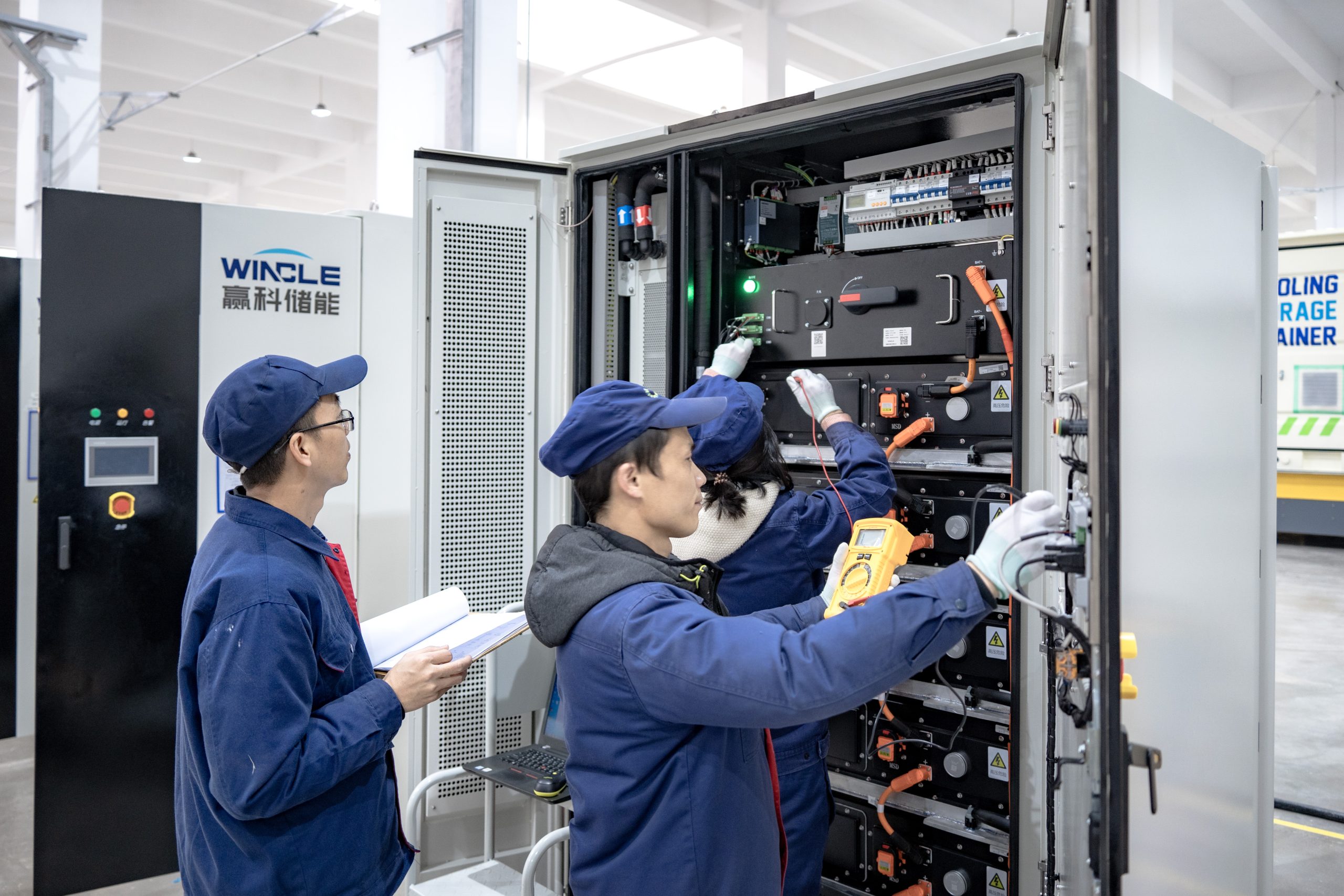
Integrated Suppression Protocols
Fire suppression is not merely about extinguishing flames but about managing the chemical environment of the battery racks. A professional battery energy storage container must feature a coordinated response between the Battery Management System and the active suppression agents to ensure that the suppression agent reaches the source of heat effectively. By leveraging high-quality materials and smart control logic, we offer clients the peace of mind that their hardware is protected by a system that acts within seconds to maintain site integrity.
Long-Term Safety and Maintenance
Safety hardware requires periodic verification to ensure that every component functions according to design specifications throughout the project lifecycle. We believe that an energy storage container is only as effective as its regular maintenance schedule, which includes inspecting sensors and checking suppression agent pressure. When projects work with a trusted battery energy storage container supplier, they gain access to structured maintenance guidelines that prevent component degradation and keep the site compliant with evolving insurance and local fire codes.
Protecting complex hardware requires a comprehensive philosophy that bridges electrical performance with advanced thermal safety measures. As Wenergy continues to deploy these critical assets, we remain committed to engineering systems that emphasize reliability and hazard control. By prioritizing the safety of every single installation, we ensure that the transition to decentralized power remains secure and economically sustainable for all stakeholders involved in this sector.
Post time: Jul-06-2026