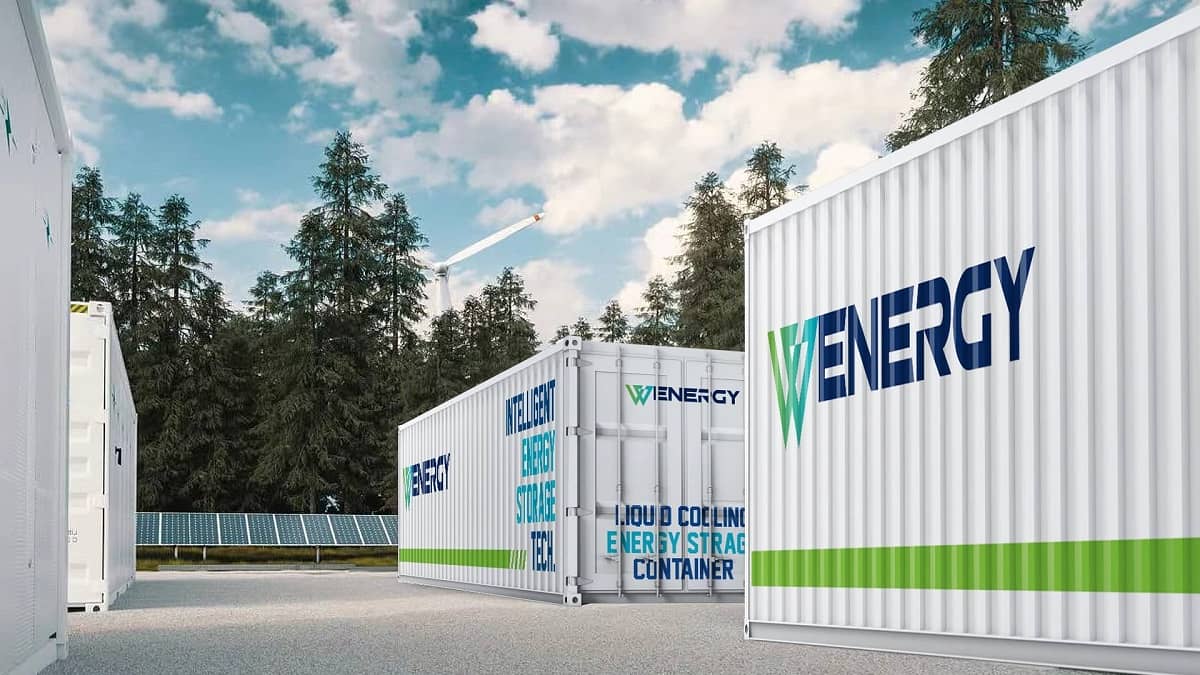
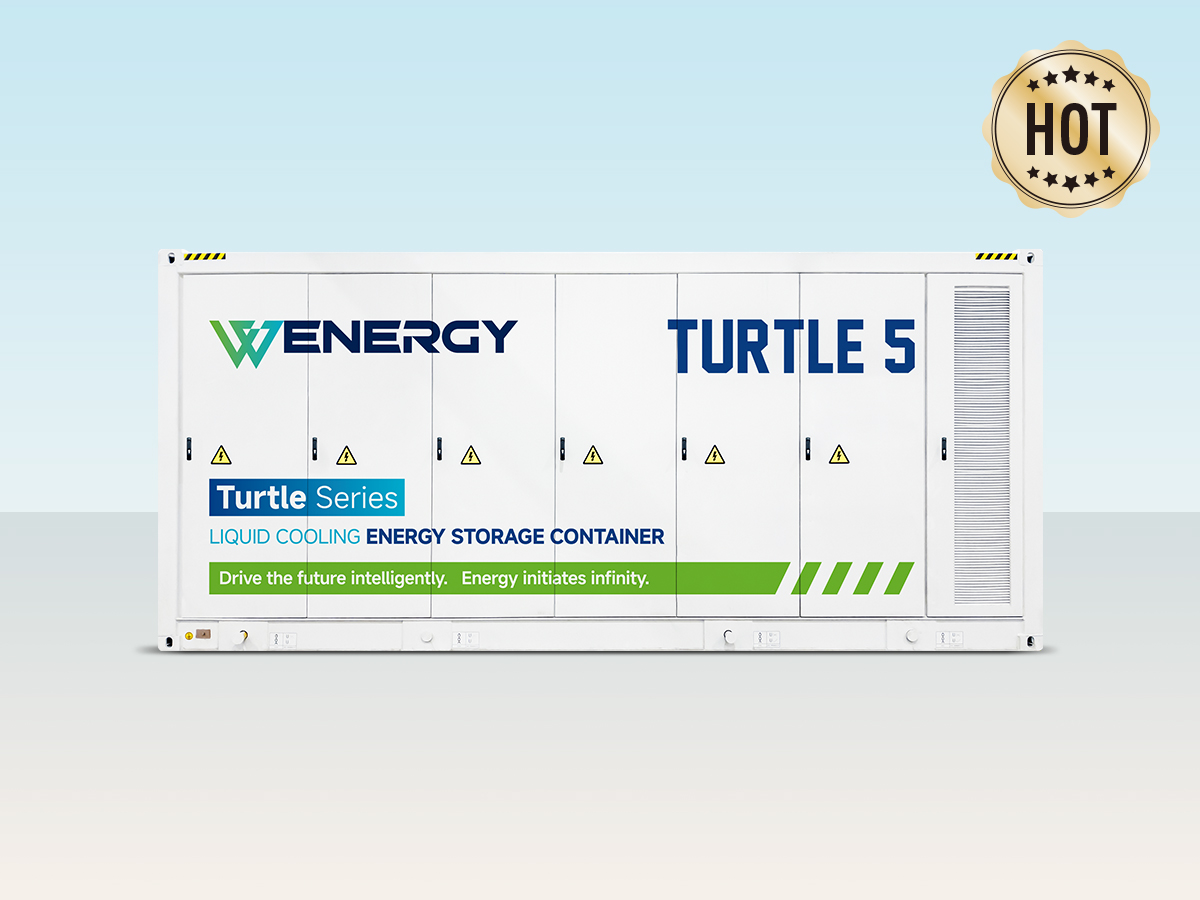
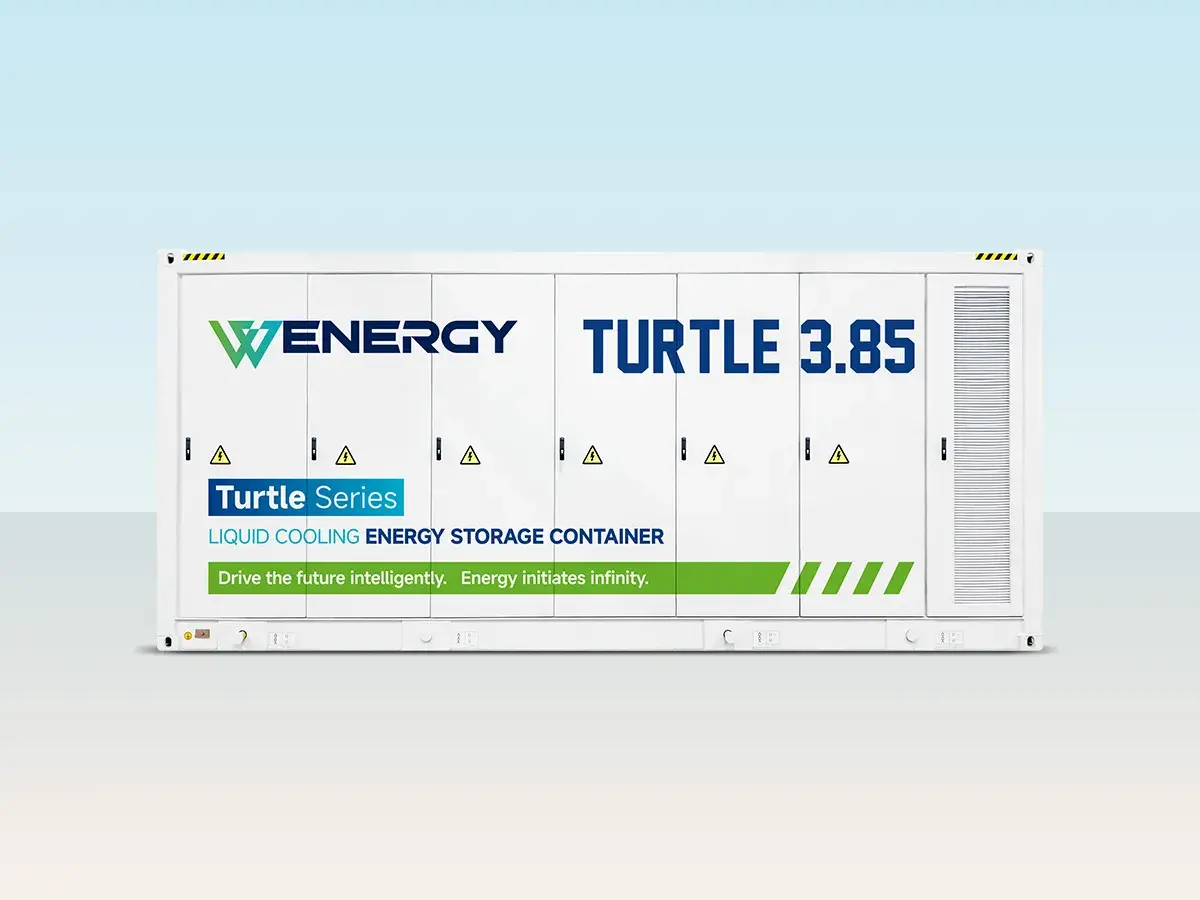
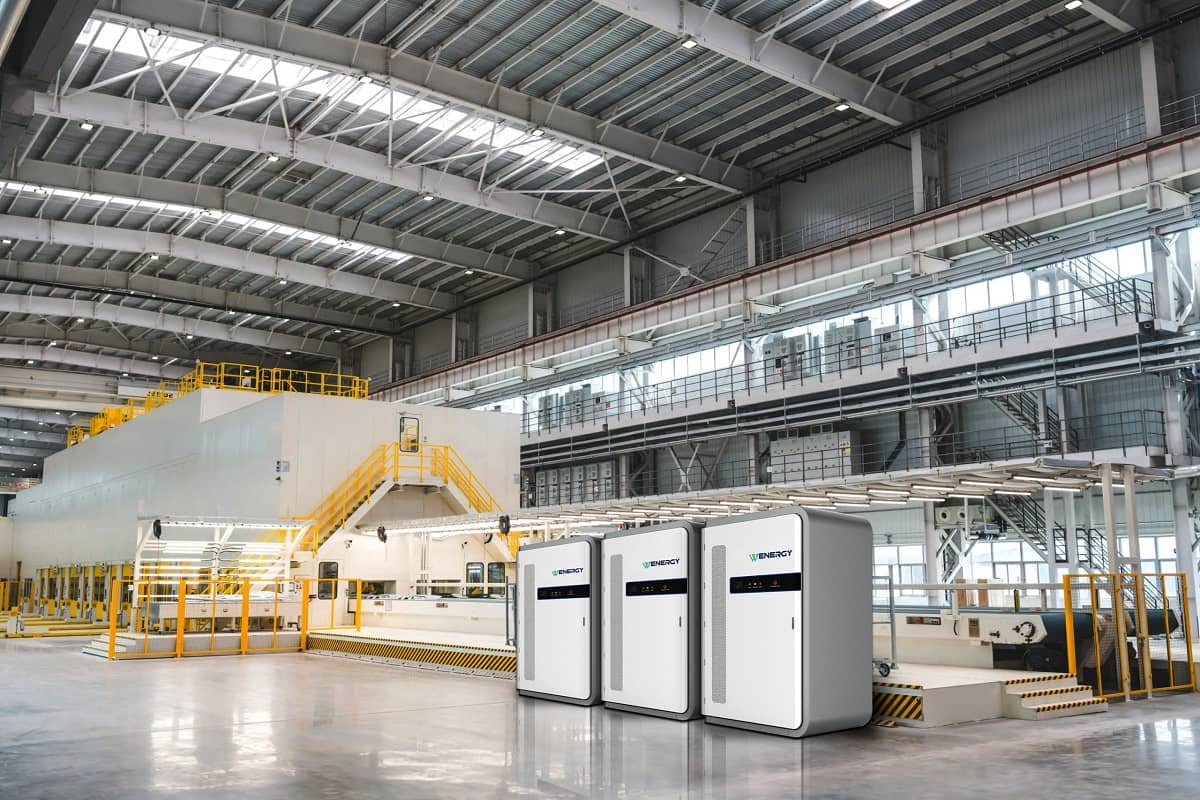
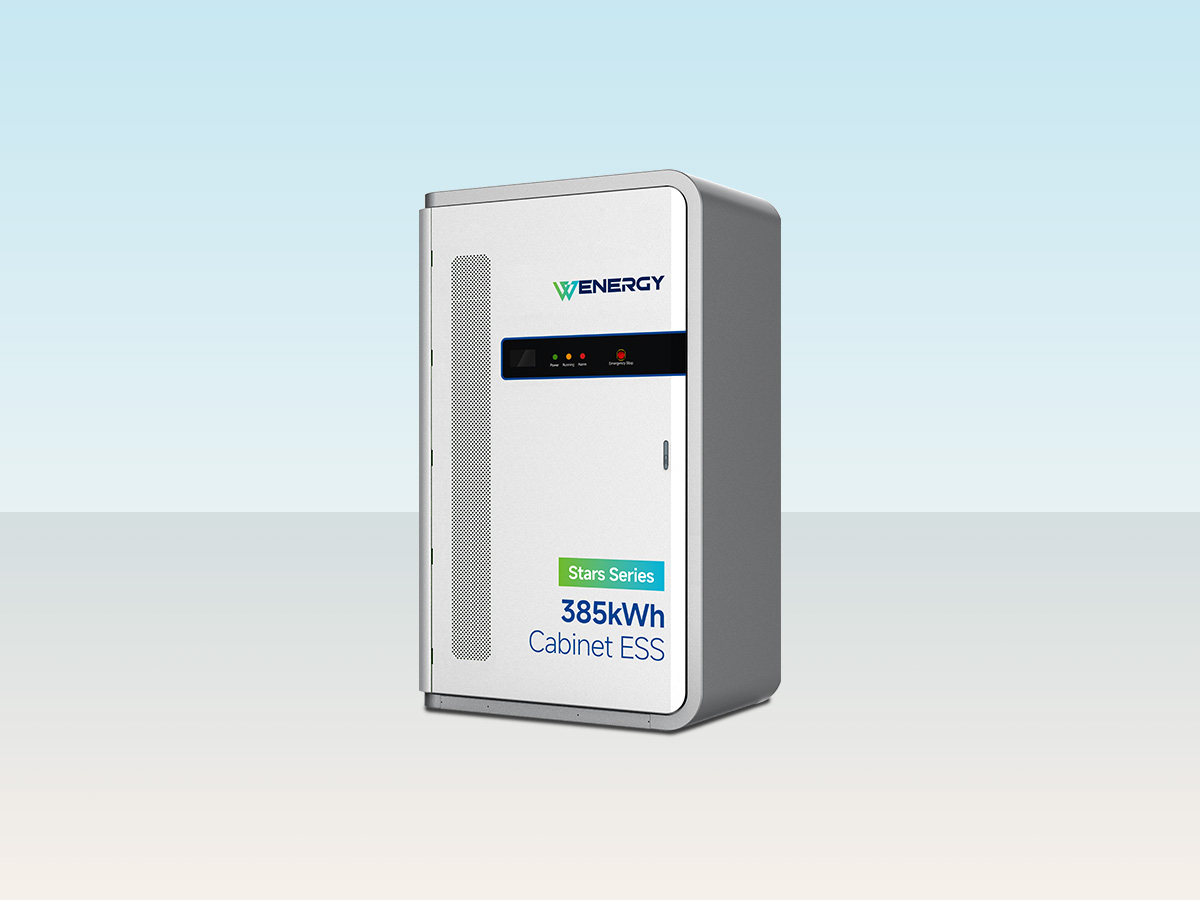

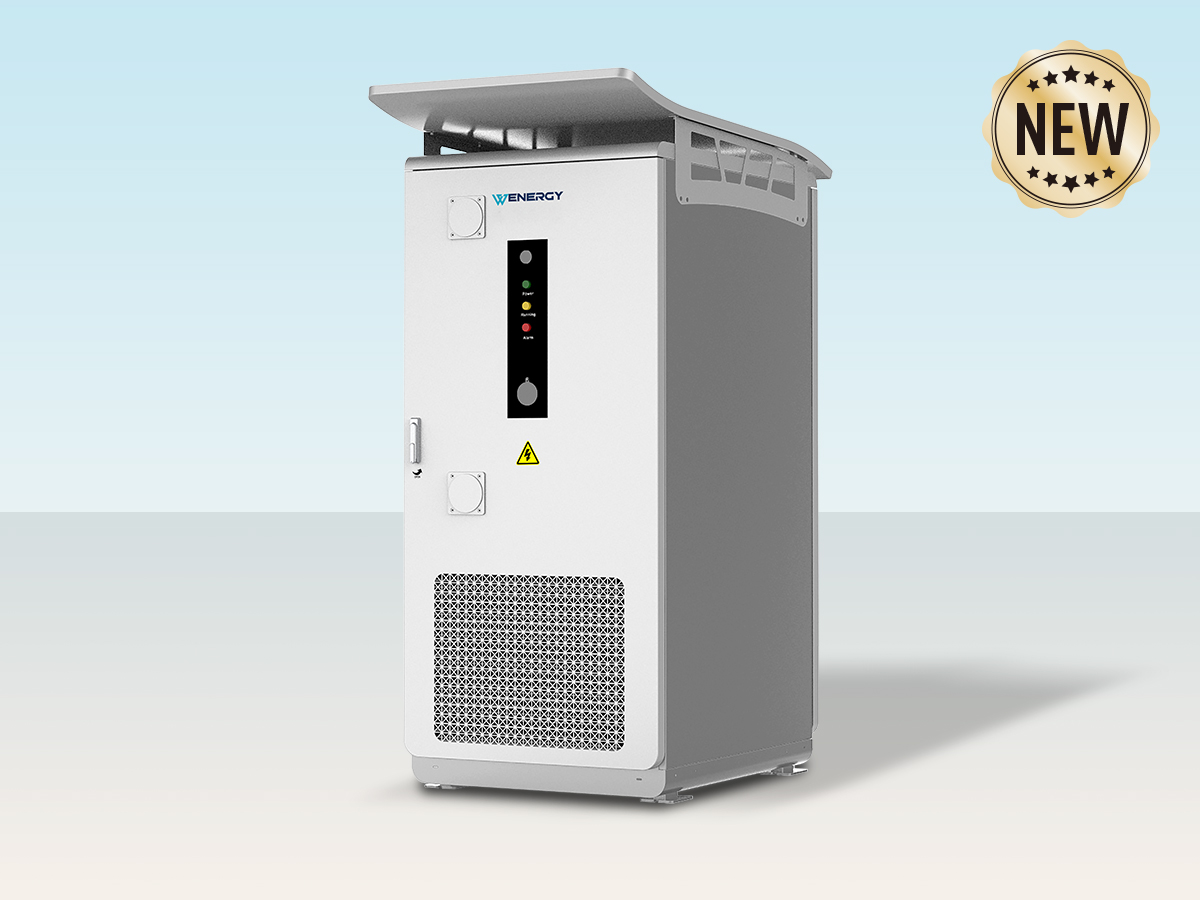
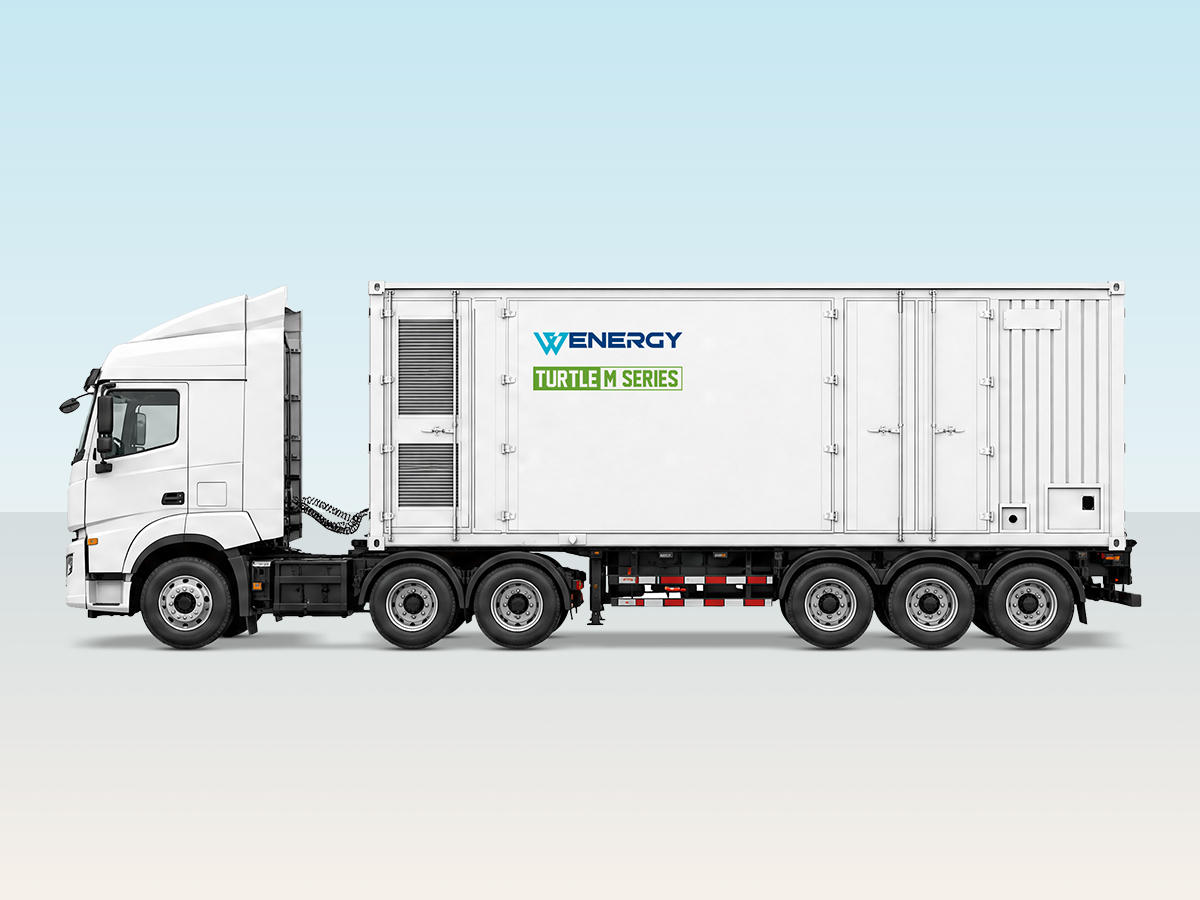
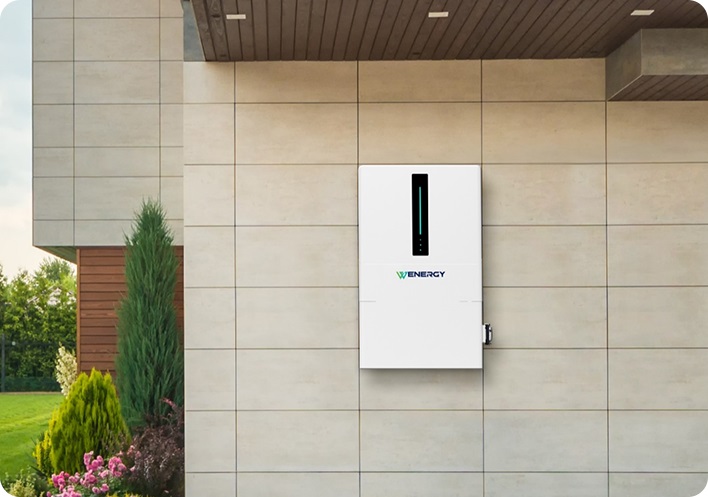
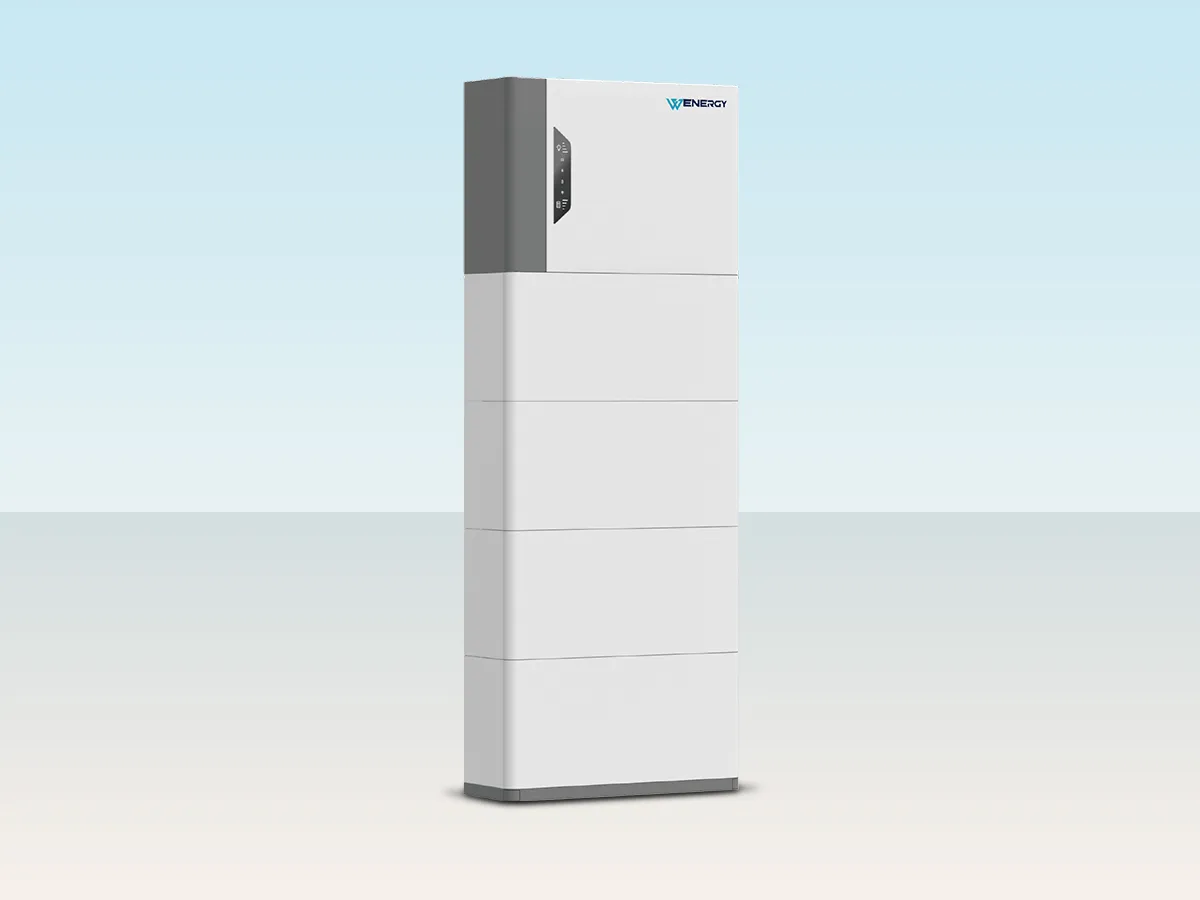
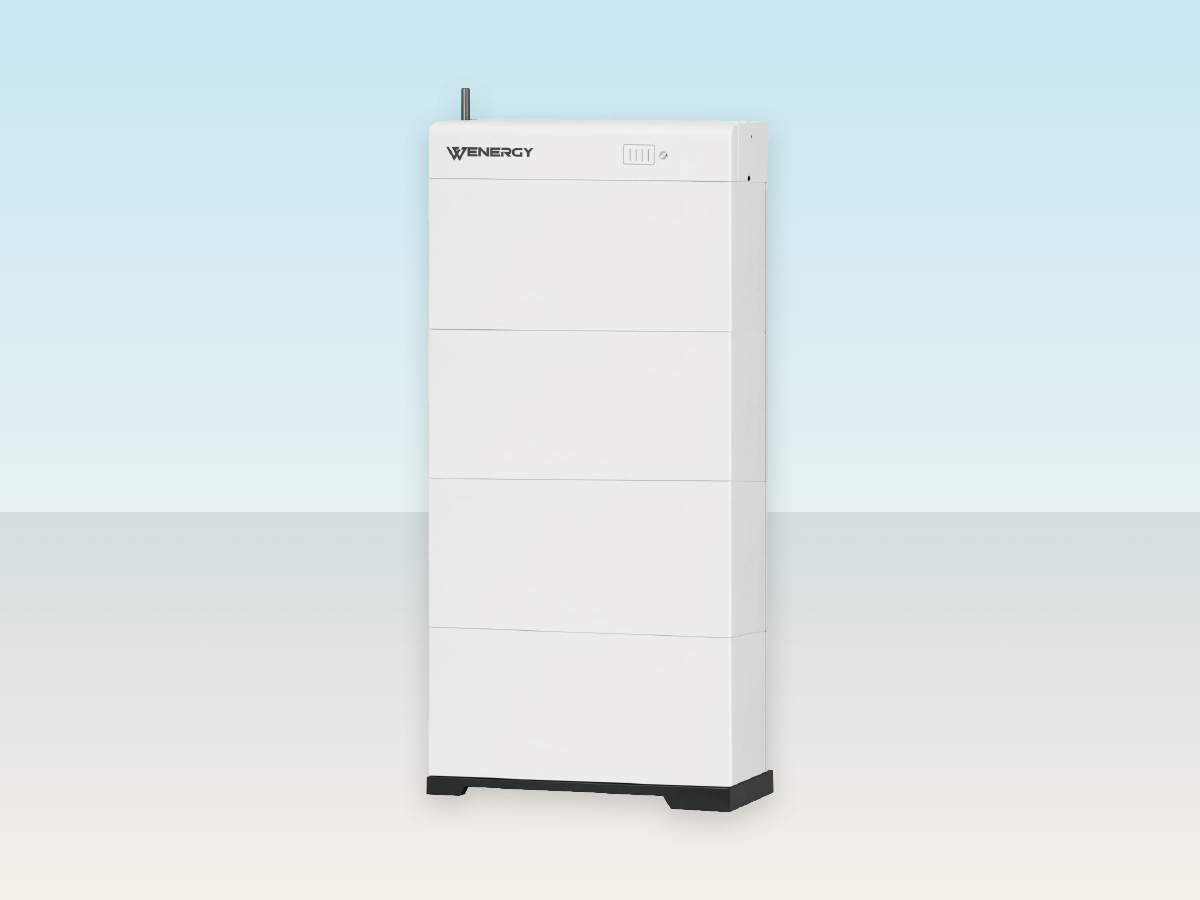
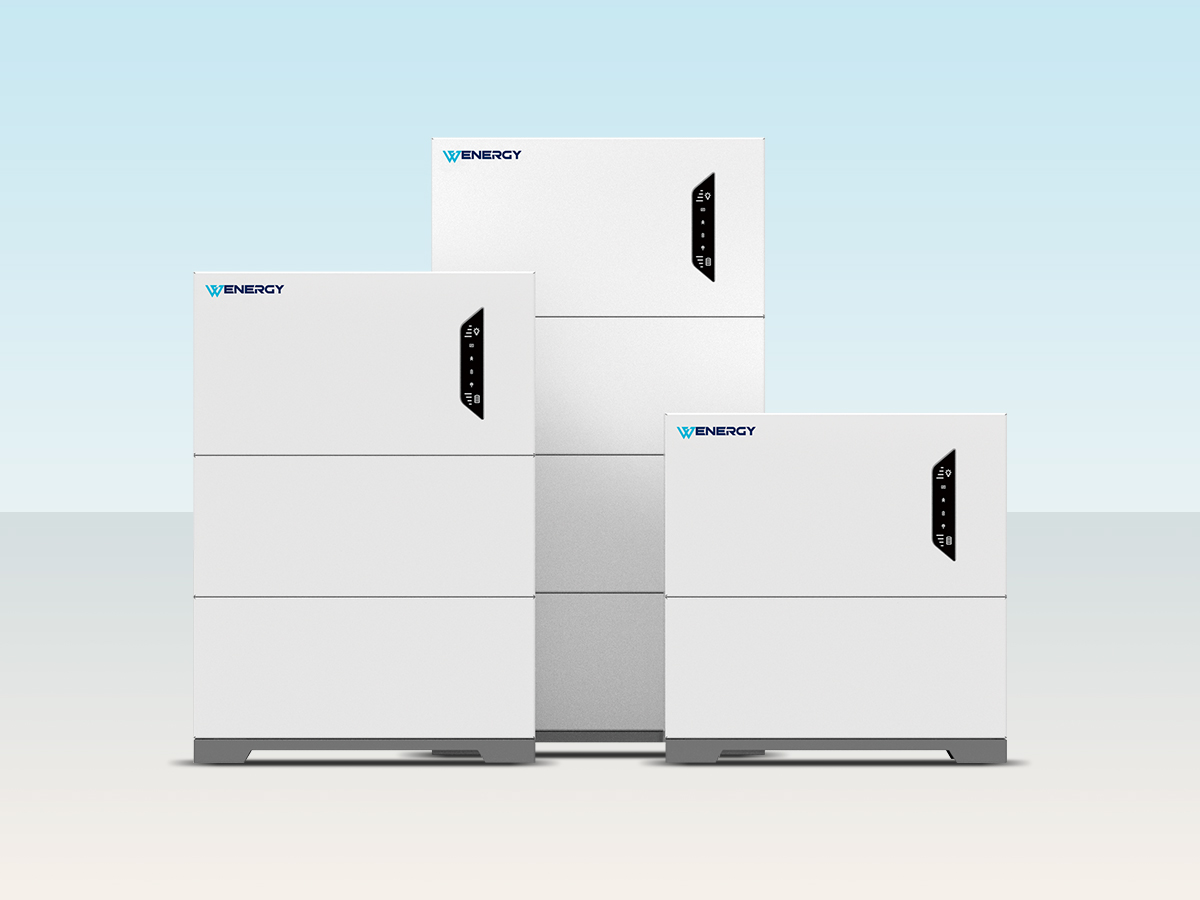
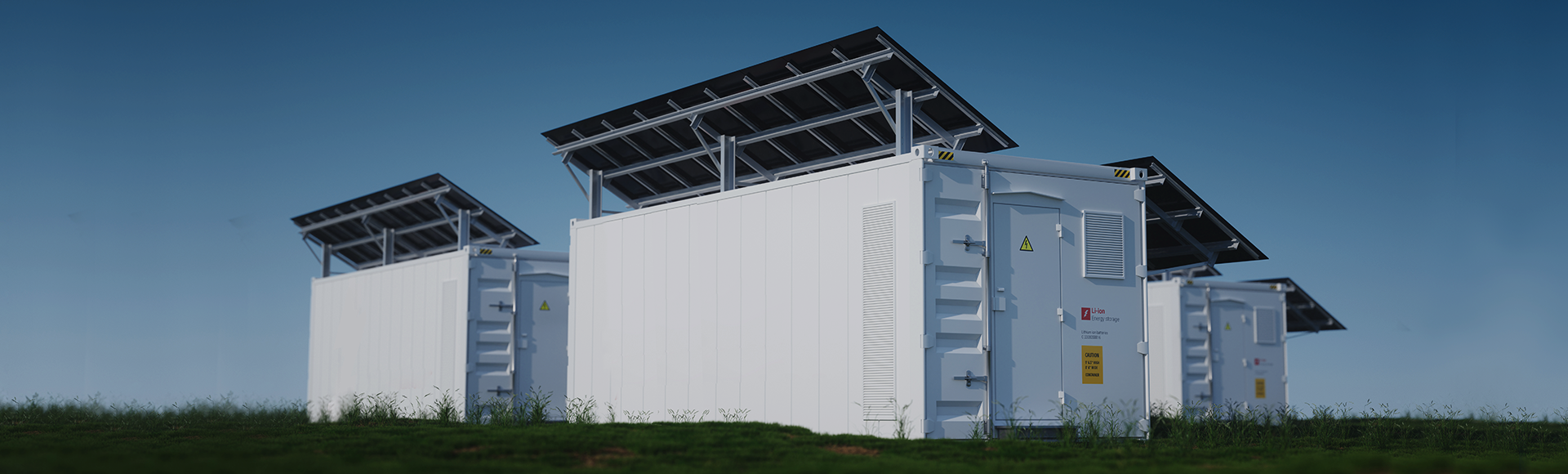
Industrial power environments demand rigorous safety protocols to prevent operational hazards and ensure the longevity of critical assets. As professionals in the field, we view the structural integrity of hardware as the absolute foundation of reliable energy management. A robust energy storage cabinet configuration provides the necessary physical containment for high-capacity battery cells, effectively shielding sensitive electronics from environmental variables. When we evaluate an energy storage cabinet supplier, we look for evidence of extreme heat testing and electrical fault protection to verify that the equipment can handle intense operational loads without risking the stability of the surrounding facility.
Rigorous Testing for Thermal Resilience
Safety begins with the development phase, where engineers simulate various fault conditions to assess how hardware handles thermal runaway. We verify that every unit undergoes vibration, shock, and pressure tests to confirm it can survive both transportation and long-term deployment in harsh climates. A verified energy storage cabinet serves as an essential layer of protection, compartmentalizing power electronics to prevent localized issues from escalating into larger incidents. By adhering to international safety certifications, manufacturers demonstrate that they have accounted for the physical realities of power density, ensuring that the hardware remains secure throughout its entire operational lifecycle.
Integrating Advanced Monitoring Systems
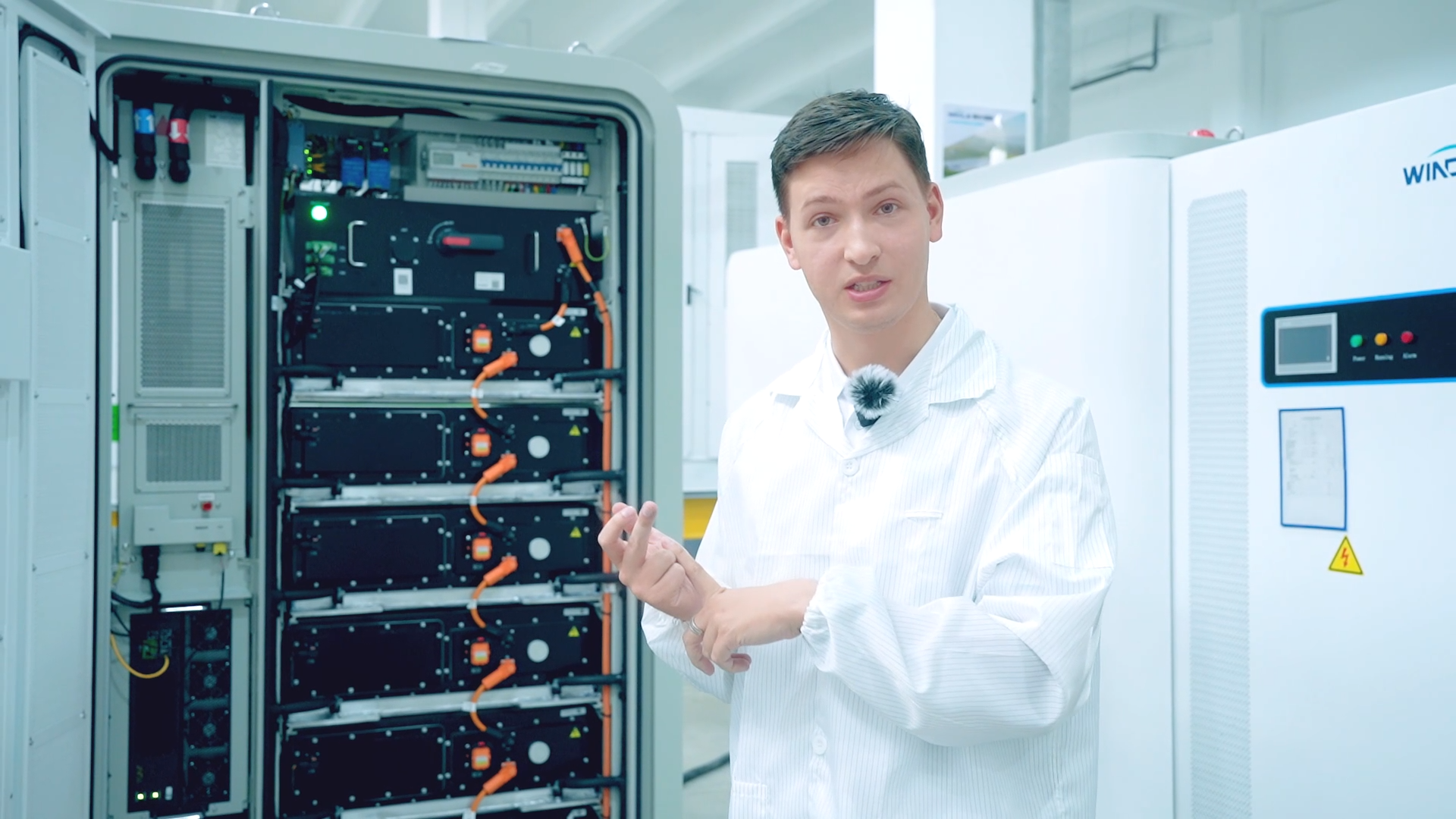
Modern power infrastructure requires constant visibility into the status of internal components. Our approach involves utilizing hardware that comes equipped with comprehensive battery management software and integrated sensor suites. When partnering with a reputable energy storage cabinet supplier, we prioritize systems that offer real-time data streaming regarding cell temperature, voltage balance, and current flow. This continuous monitoring allows our maintenance teams to identify potential anomalies before they result in equipment failure. By having immediate access to internal diagnostics, operators gain the ability to preemptively address concerns, which ensures continuous uptime and maintains high safety standards for the entire power project.
Structural Integrity and Fire Mitigation
Fire prevention and suppression represent the most critical aspects of designing high-density power installations. An effective enclosure must do more than just house the battery modules; it must actively prevent fire spread. We utilize hardware that features flame-retardant materials and automatic suppression systems calibrated for the specific chemistry of the batteries housed within. A specialized energy storage cabinet design ensures that if a single cell fails, the incident remains isolated, thereby protecting the rest of the electrical network and the facility itself. This physical defense mechanism is a core requirement for any professional deployment, as it mitigates liability and enhances the overall risk profile of our energy investments.
Ensuring Reliability Through Verified Partnerships
Maintaining a stable power grid requires consistent quality and dependable technical support from those who provide the infrastructure. We emphasize the necessity of clear communication with an energy storage cabinet supplier to ensure that all hardware delivered meets the precise specifications required for each unique site. At Wenergy, we maintain strict procurement requirements, ensuring that every piece of equipment arrives with proper documentation and verified safety compliance. By working closely with these partners, we ensure that the technology installed at our sites performs reliably over time. Through our work at Wenergy, we foster a culture of safety that benefits both our utility-grade projects and our commercial clients, ensuring that every deployment remains secure and highly efficient.
Post time: Jul-06-2026