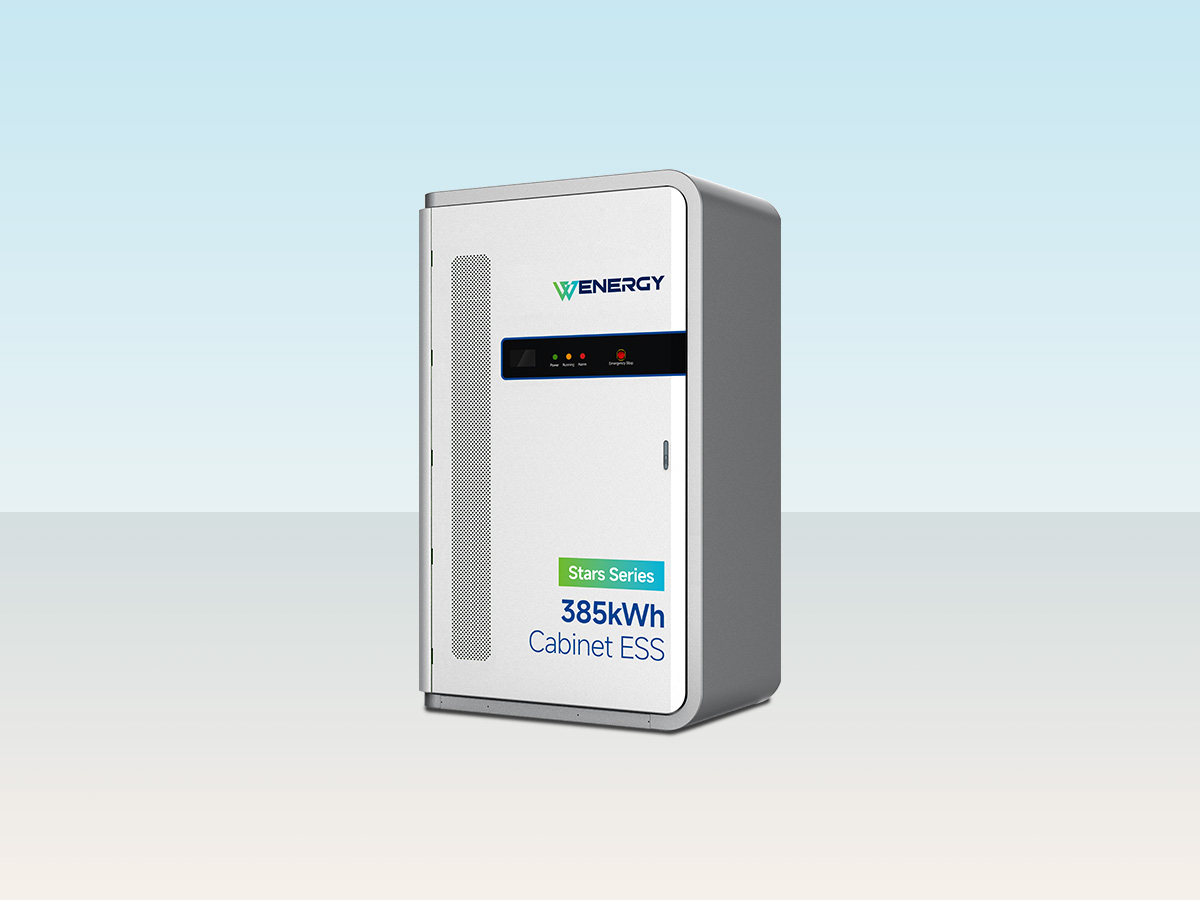

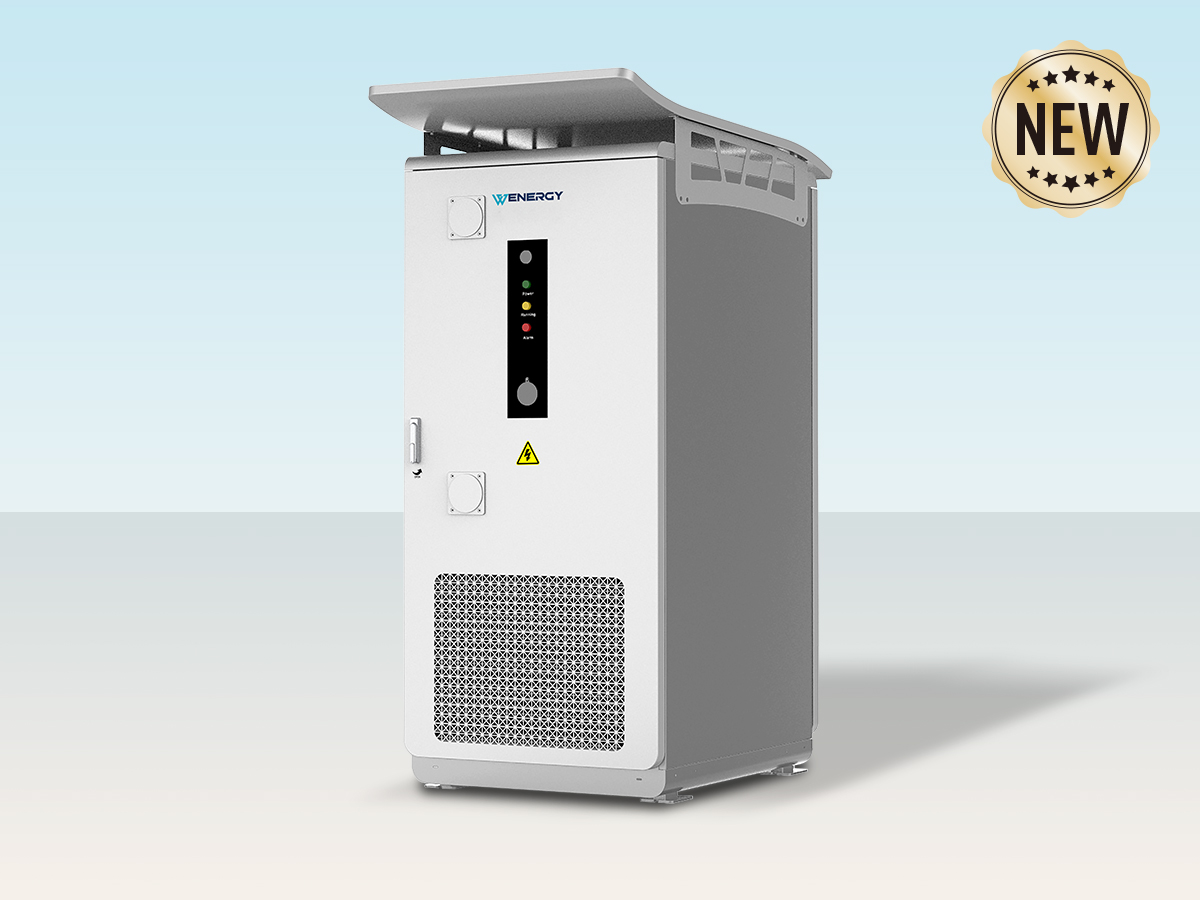
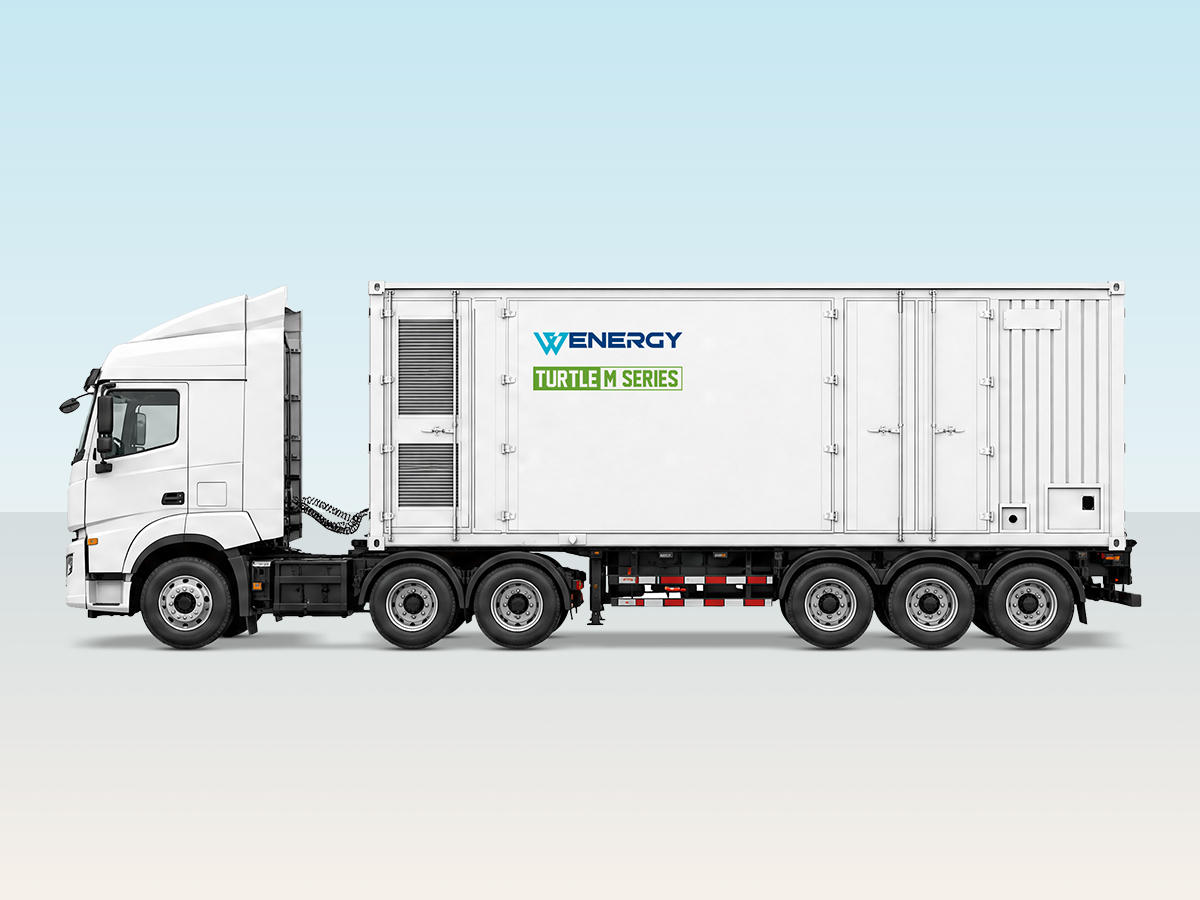
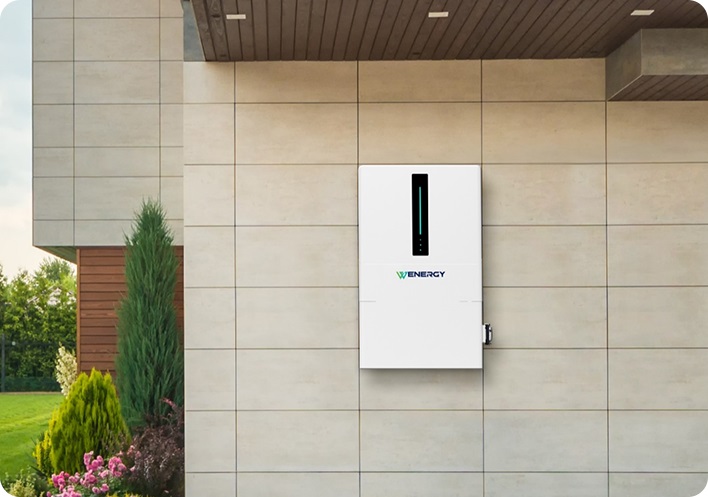
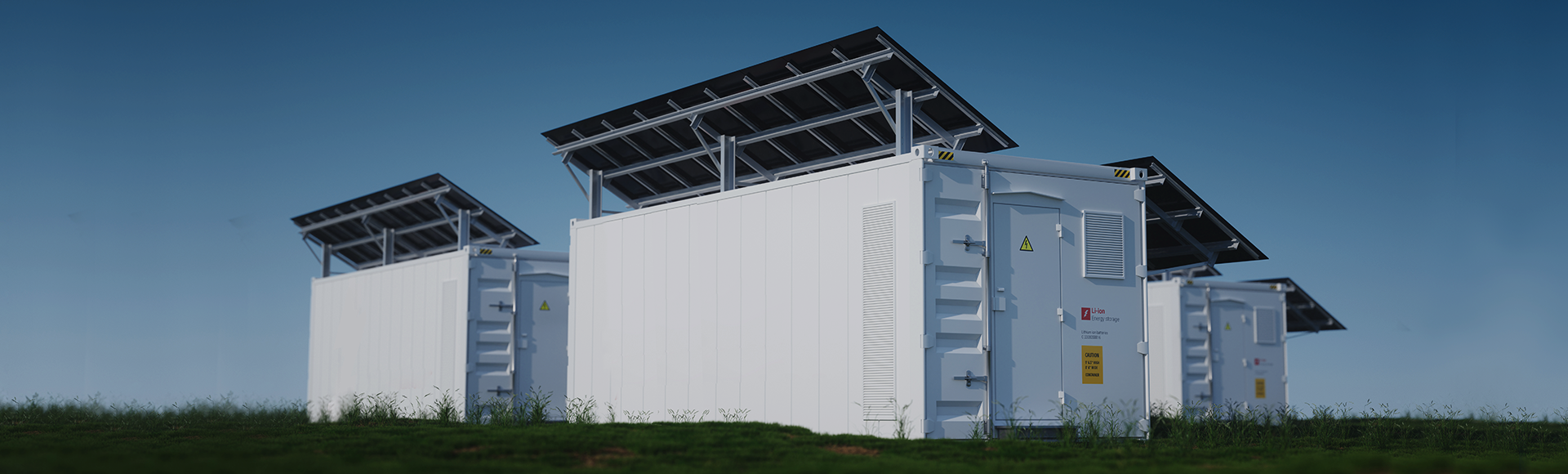
Safety certifications represent the fundamental language through which manufacturers communicate reliability to project developers, financiers, and regulatory authorities. A container energy storage system without proper certification cannot interconnect to the grid, cannot secure insurance coverage, and cannot provide the operational confidence that project owners require. At Wenergy, we view certification not as bureaucratic overhead but as essential validation that our equipment will perform safely throughout its design life. The landscape of international standards can appear complex, yet each certification addresses specific risks and operational requirements. Understanding what these certifications mean helps project teams evaluate whether a container energy storage system meets the stringent demands of modern energy infrastructure. The presence or absence of proper certifications often distinguishes professional manufacturers from inexperienced suppliers.
International Markets Require Comprehensive Certification
When a container energy storage system deploys in European or international markets, it must satisfy multiple standards addressing battery safety, system integrity, and grid connection performance. IEC 62619 governs safety requirements for secondary lithium cells and batteries used in industrial applications, ensuring that the fundamental storage technology operates within safe parameters. IEC 62933 addresses electrical energy storage systems more broadly, covering system-level safety and environmental considerations. Grid connection requires compliance with EN 50549-1 for parallel operation with distribution networks and VDE-AR-N 4105 for German market requirements specifically. At Wenergy, we ensure every container energy storage system destined for these markets carries CE marking, demonstrating conformity with relevant European legislation. These certifications collectively assure project developers that the equipment will integrate safely with existing grid infrastructure while protecting personnel and adjacent equipment from electrical hazards.
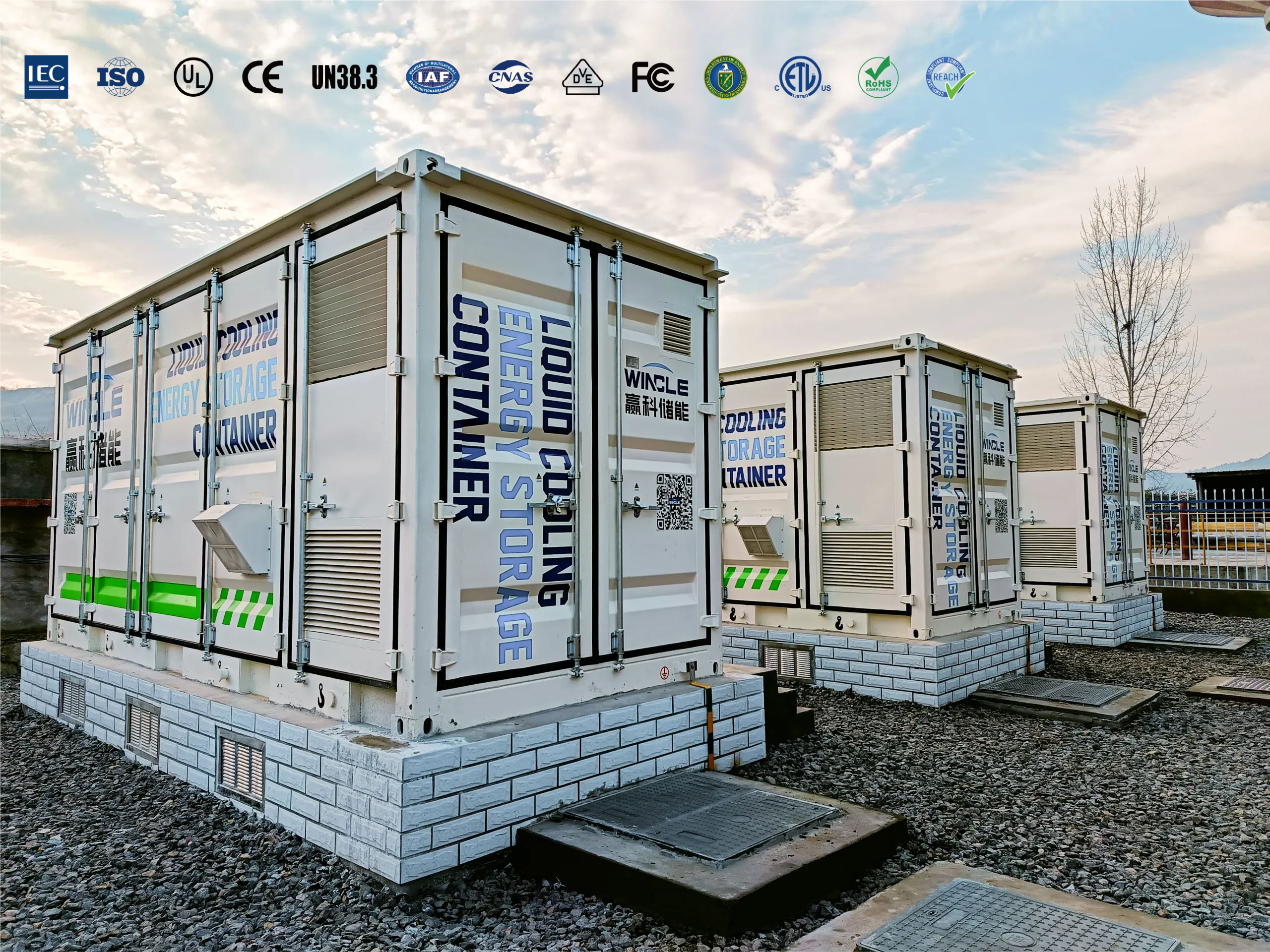
North American Standards Address Thermal Runaway
The North American regulatory framework places particular emphasis on thermal runaway prevention and containment, recognizing that battery fires represent the primary safety concern for storage installations. UL 1973 establishes safety standards for stationary storage batteries, covering construction, performance, and manufacturing process requirements. UL 9540 addresses system-level safety for energy storage equipment, ensuring that all components work together without introducing new hazards. Perhaps most significantly, UL 9540A provides a test method for evaluating thermal runaway fire propagation, allowing manufacturers to demonstrate that a container energy storage system will contain any internal failure without spreading to adjacent units. Wenergy subjects our systems to these rigorous evaluations because we understand that project approval often depends on satisfying local fire codes and authority having jurisdiction requirements. North American clients can deploy our equipment with confidence that it meets the most demanding safety standards globally.
Transport and National Compliance Complete the Framework
Before a energy storage container ever reaches its installation site, it must travel safely across international borders and through varied transportation environments. UN 38.3 certification ensures that lithium batteries withstand the vibration, temperature variation, and impact forces encountered during shipping. Third-party validation through TÜV or DNV-GL certification provides additional assurance that our equipment meets the highest reliability standards. For projects in China, GB standards and CQC certification demonstrate compliance with national regulatory frameworks governing grid connectivity and electrical safety. At Wenergy, we maintain certification across all these frameworks because our container energy storage system serves clients in diverse regulatory environments. The comprehensive certification portfolio eliminates barriers to deployment and provides project stakeholders with documented proof of quality. Global transport safety and national compliance together ensure that our equipment arrives ready for installation and interconnection.
Safety certifications transform a container energy storage system from assembled components into a validated, reliable asset. At Wenergy, we maintain compliance with international, North American, transport, and Chinese national standards because our clients deserve equipment that meets every applicable requirement. We encourage project developers to examine certification documentation carefully when evaluating potential suppliers. The standards a manufacturer chooses to meet reveal their commitment to quality and their understanding of the safety-critical nature of energy storage infrastructure.
Post time: May-08-2026