
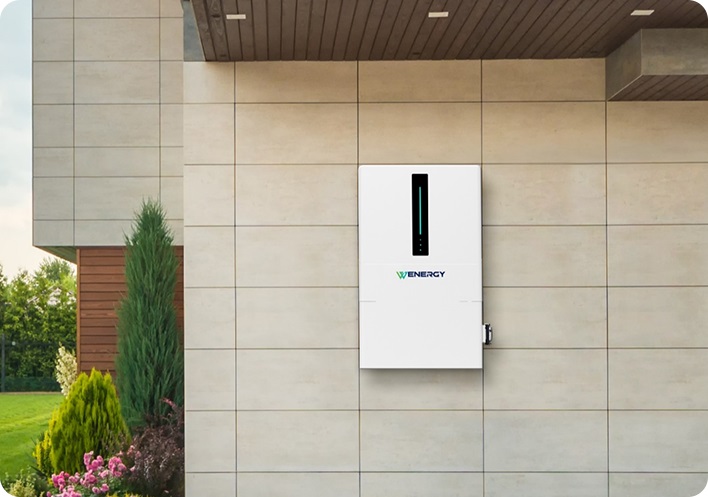
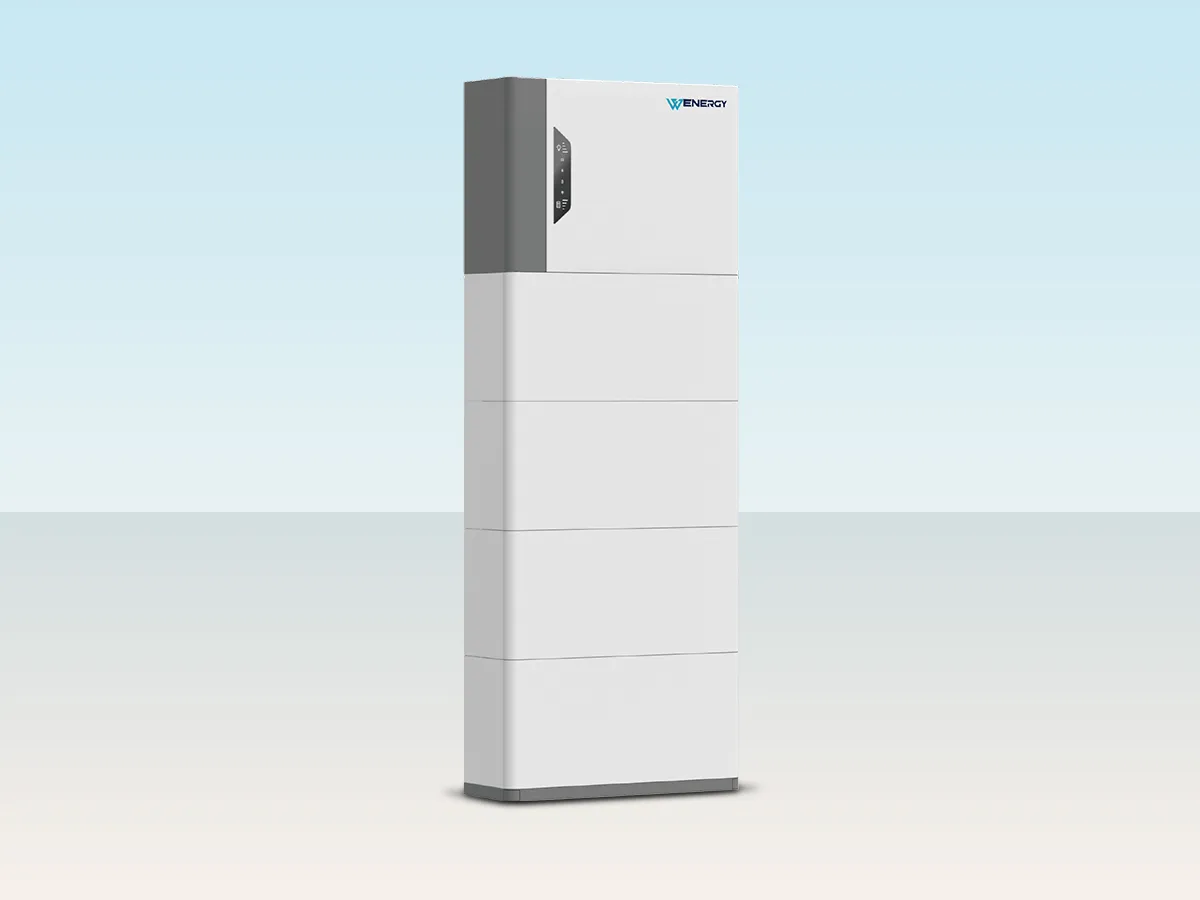
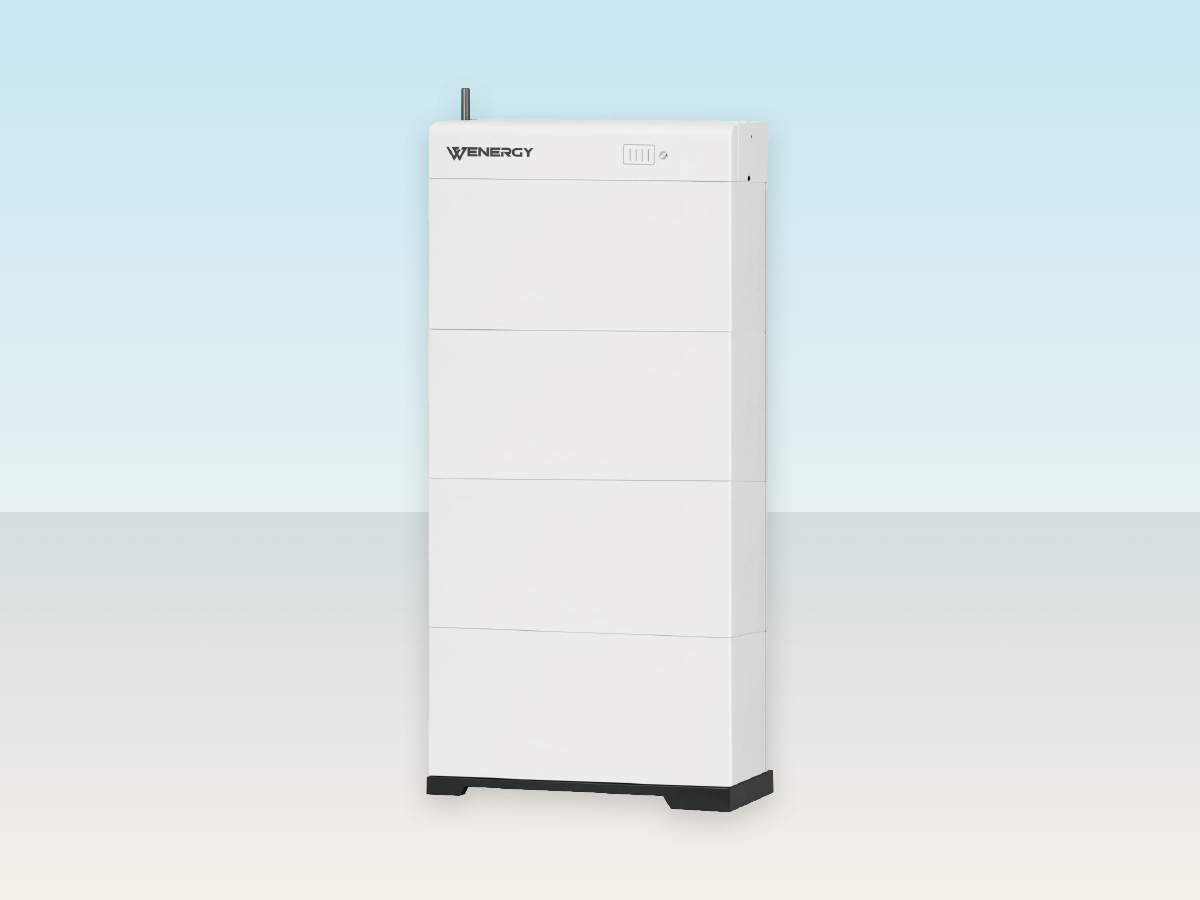
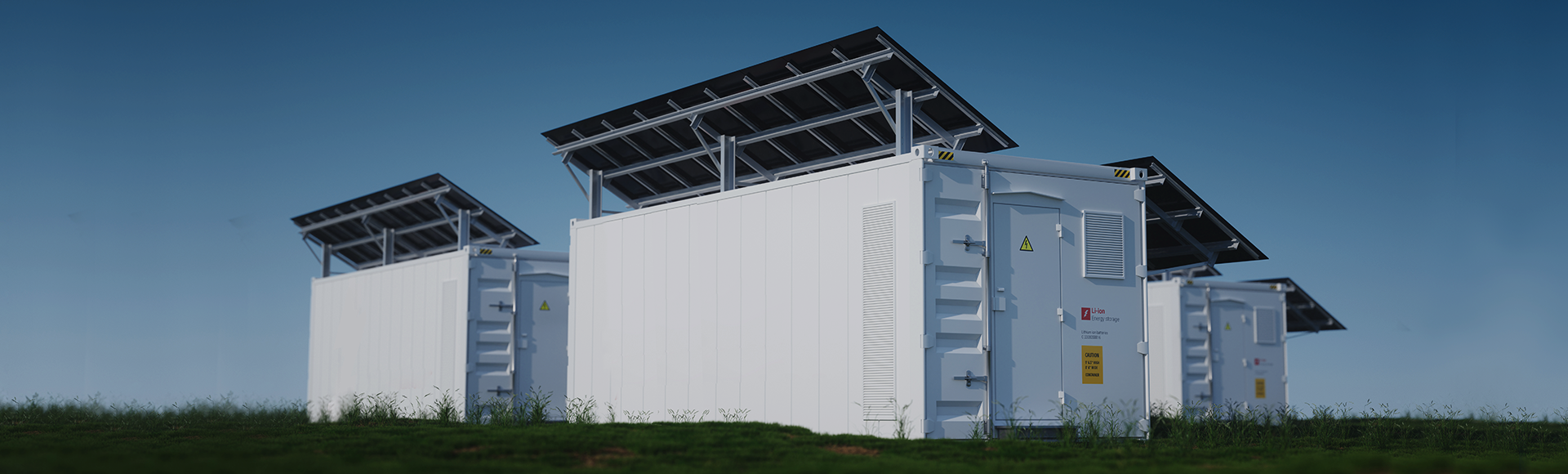
As global energy systems shift toward decarbonization, industries are under increasing pressure to secure reliable, scalable, and cost-efficient power infrastructure. In this context, sourcing strategy has become a key competitive factor rather than a simple procurement decision. Partnering directly with an energy storage solution supplier factory enables enterprises to gain stronger control over product quality, delivery timelines, and system integration. Compared with traditional fragmented sourcing, a factory-based approach ensures that every energy storage solution is developed with full lifecycle coordination. For companies evaluating battery energy storage solution providers, this model offers a more stable foundation for long-term project performance and return on investment.
Cost Optimization Through Direct Manufacturing Control
One of the most immediate advantages of working with an energy storage system supplier factory is cost efficiency. By eliminating multiple distribution layers, enterprises can access pricing that reflects true production costs rather than inflated market markups. This is especially critical for large-scale energy infrastructure projects, where even small cost variations significantly impact total investment. Leading battery energy storage solution providers that operate as integrated factories are able to manage the entire supply chain—from raw materials and cell production to system assembly—under one unified structure. As a result, each energy storage solution benefits from optimized resource allocation, reduced logistical waste, and improved price transparency. This direct manufacturing model also minimizes procurement risks caused by supply chain disruptions or inconsistent third-party sourcing.
Engineering Consistency and System-Level Quality Assurance
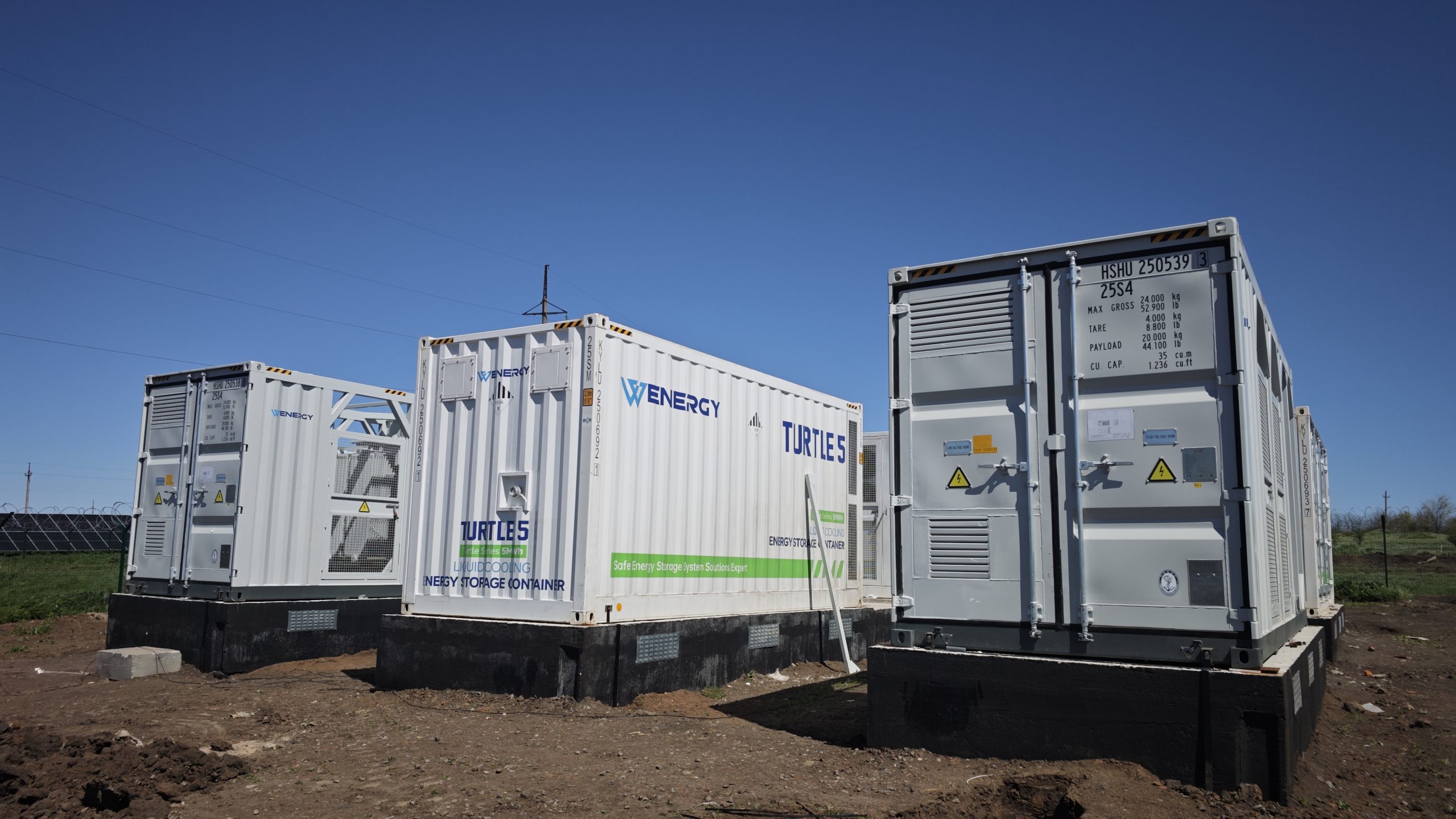
Beyond cost advantages, factory-based sourcing delivers superior engineering consistency. When battery energy storage solution providers maintain control over design, manufacturing, and testing, system-level optimization becomes more achievable. This ensures that every energy storage solution is built with aligned performance parameters, including thermal stability, cycle life, and safety protection systems. In utility-scale and commercial applications, such consistency is essential for maintaining grid reliability and supporting renewable energy integration. Furthermore, integrated factories can implement stricter quality assurance protocols at every production stage, reducing defect rates and ensuring compliance with international standards. This level of control is difficult to achieve when production is distributed across multiple independent vendors.
Scalability and Application Flexibility Across Energy Markets
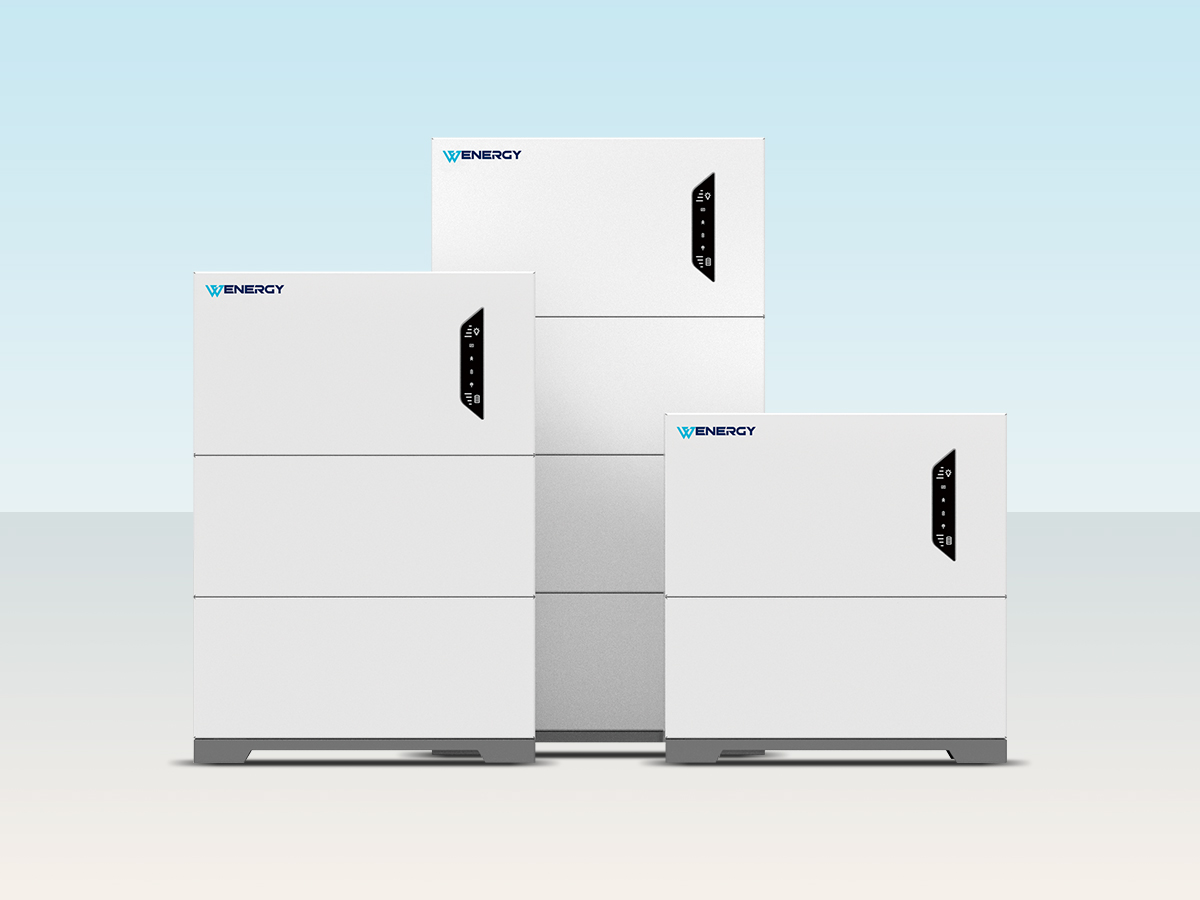
Another key benefit of sourcing from an energy storage system supplier factory is scalability. Energy demand varies significantly across residential, commercial, and utility sectors, requiring flexible system configurations. Integrated battery energy storage solution providers can rapidly adjust system capacity, architecture, and deployment models based on project requirements. This adaptability enables a single energy storage solution platform to serve multiple applications without compromising performance. In addition, factory-level R&D capabilities allow continuous product innovation, ensuring systems remain compatible with evolving grid technologies and renewable energy integration standards. As a result, businesses can expand energy storage deployments more efficiently while maintaining consistent technical performance across different project scales.
Post time: Jun-10-2026