
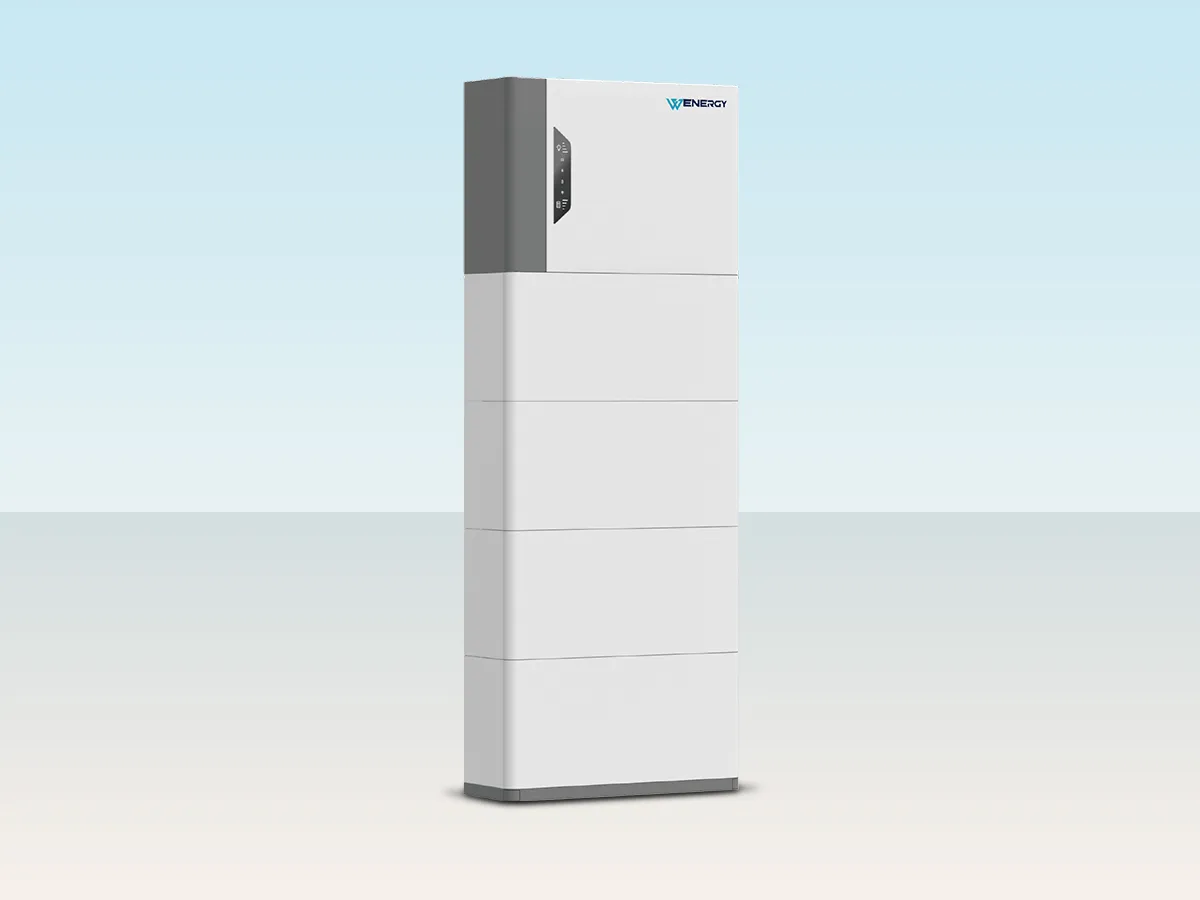
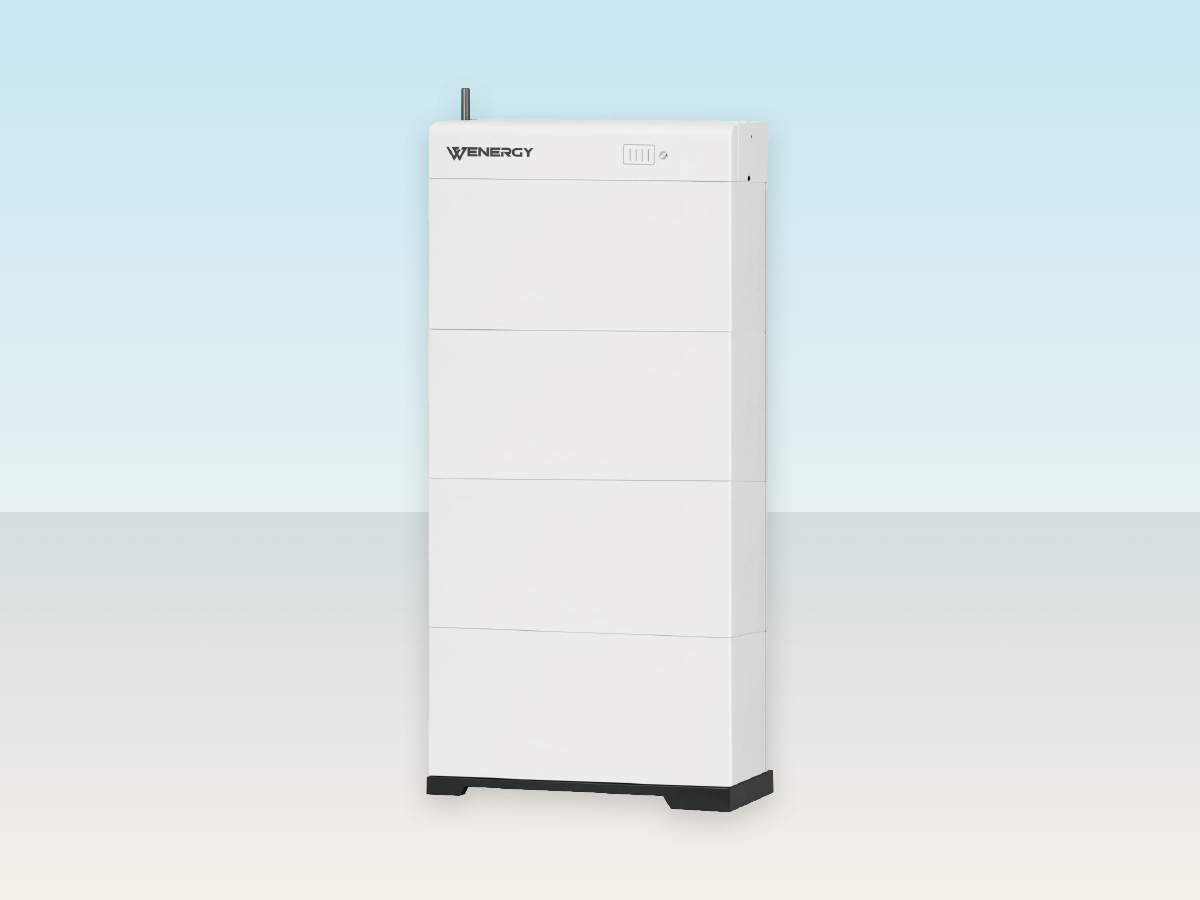
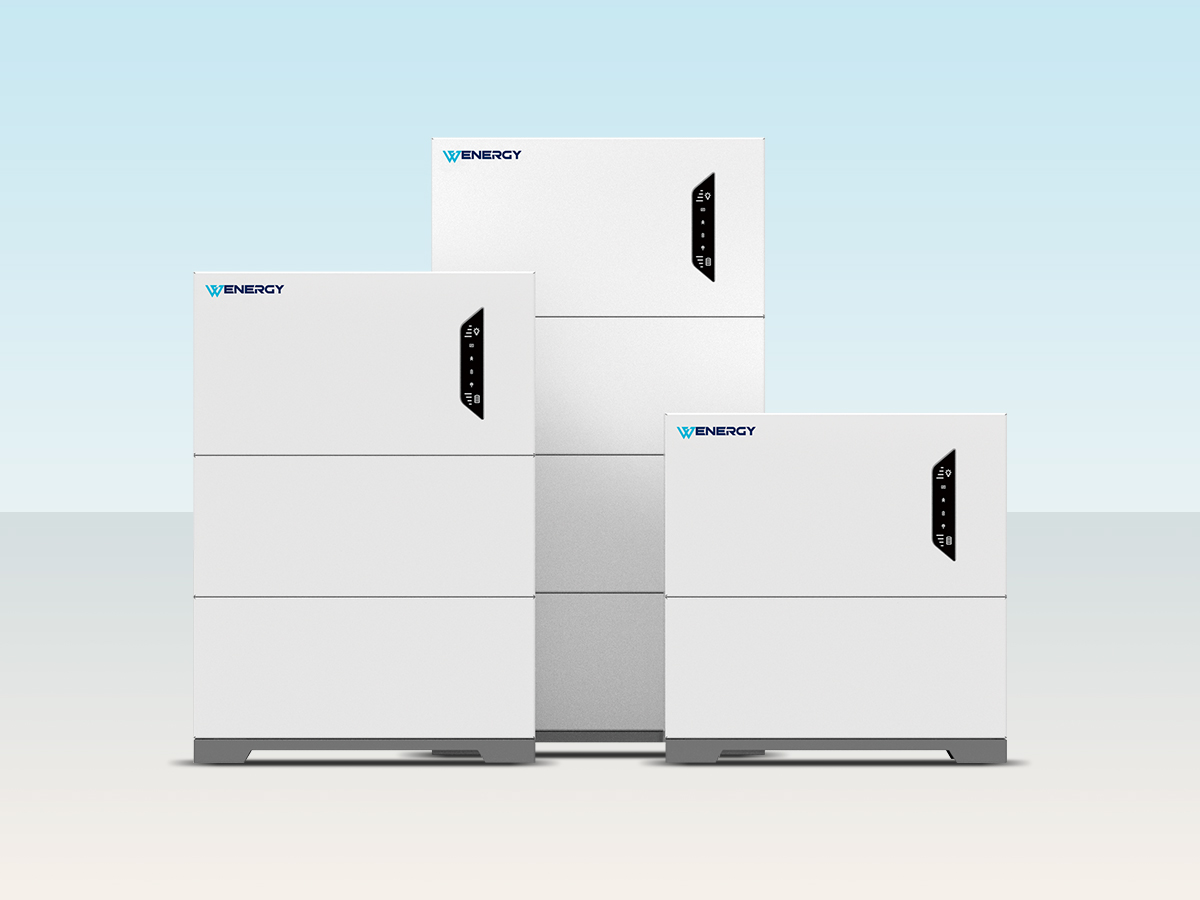
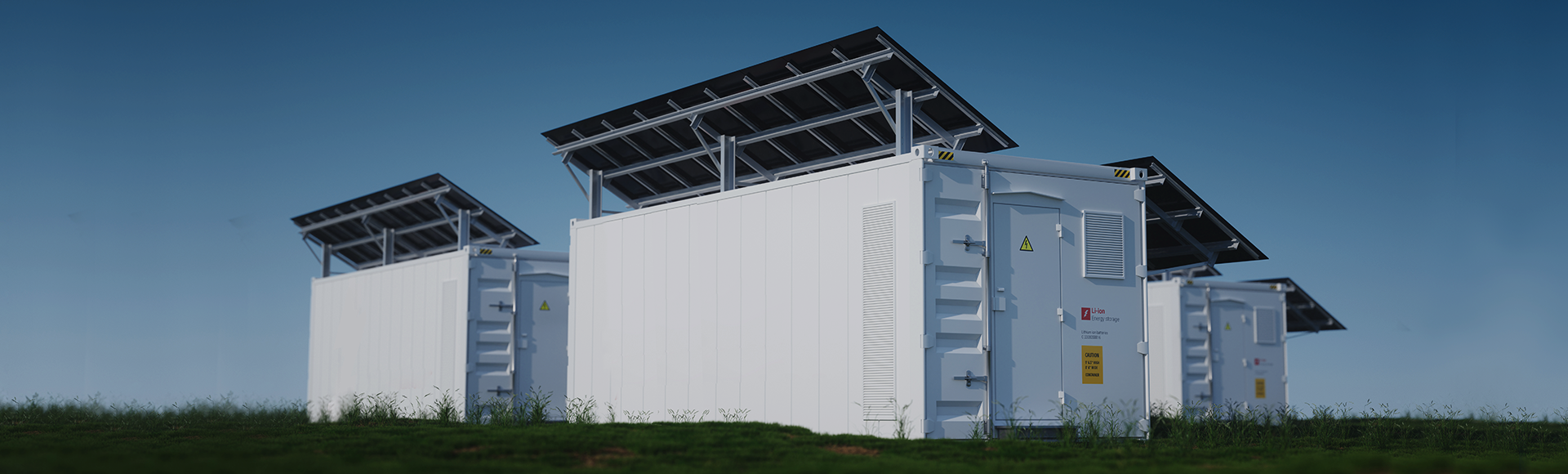
In an era where grid stability and renewable integration demand unprecedented flexibility, the physical architecture of power infrastructure has reached a critical turning point. We observe that project developers increasingly prioritize scalability over rigid, monolithic designs to mitigate operational risk and streamline deployment timelines. This shift toward adaptable hardware reflects a broader professional consensus that the future of utility-scale infrastructure lies in hardware that can grow alongside shifting energy demands.
The Strategic Value of Scalability
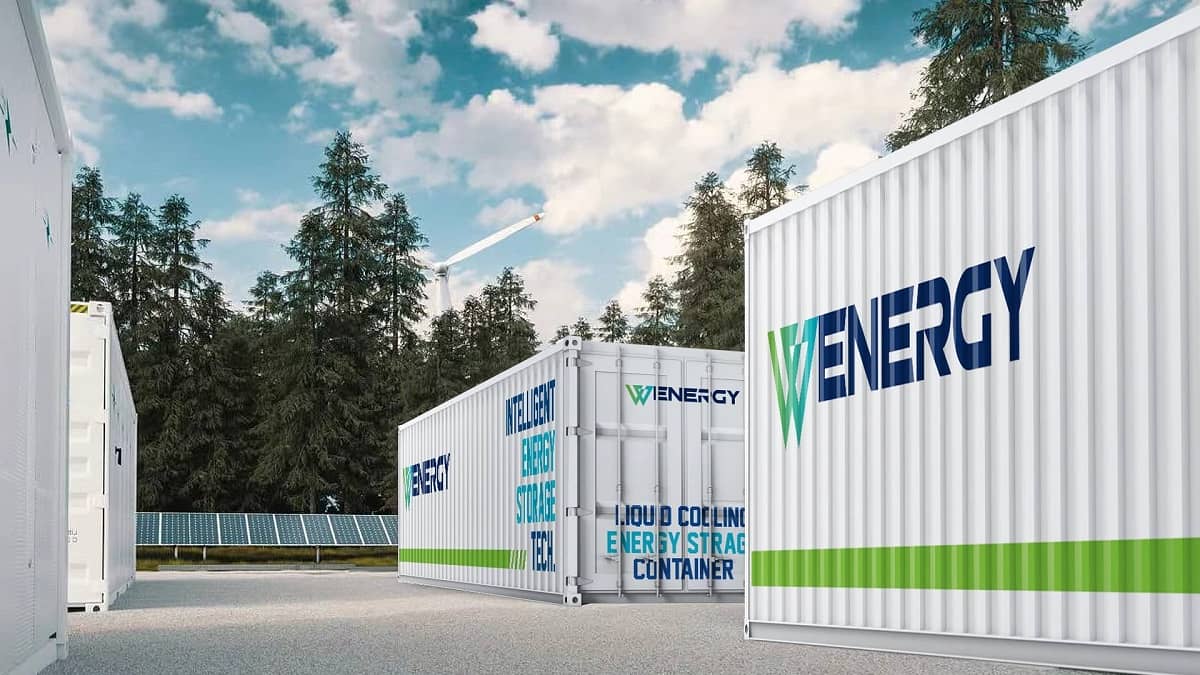
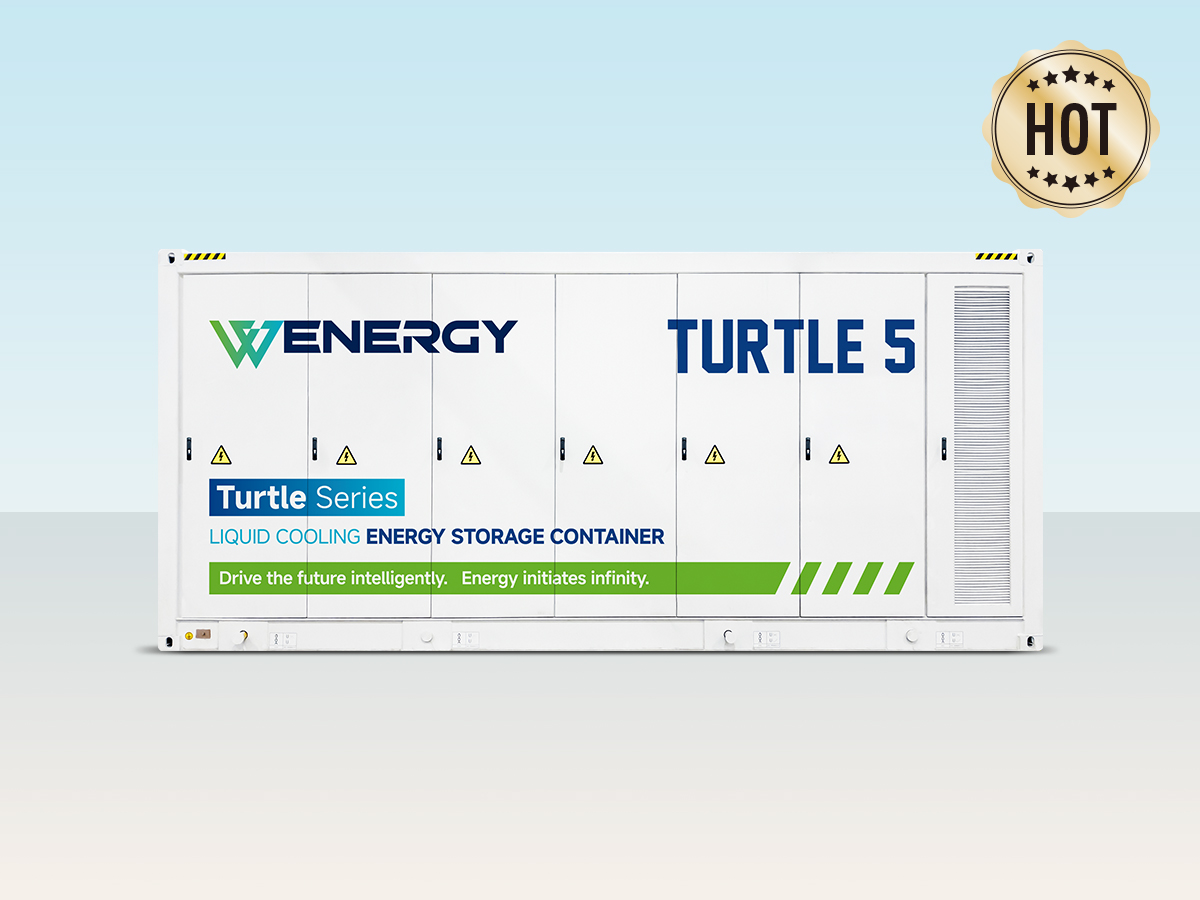
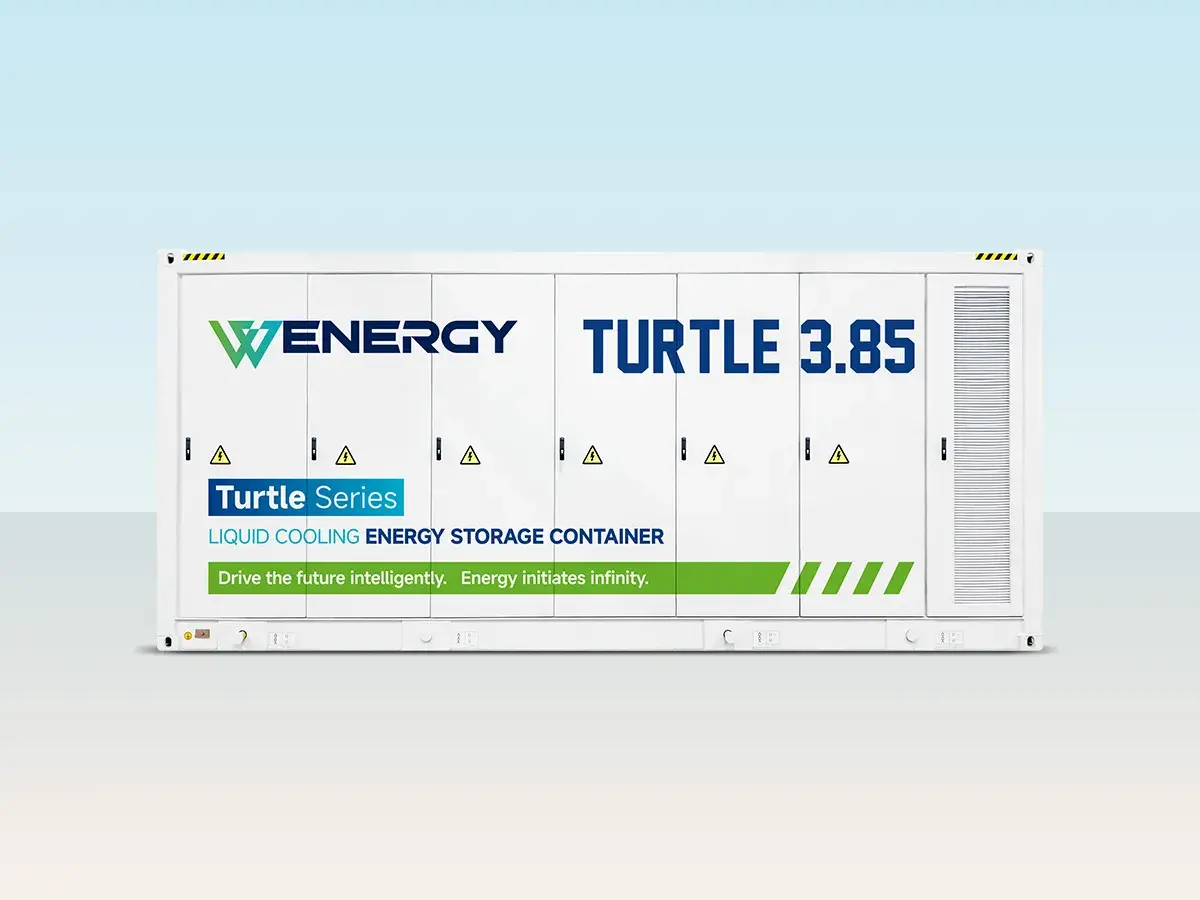
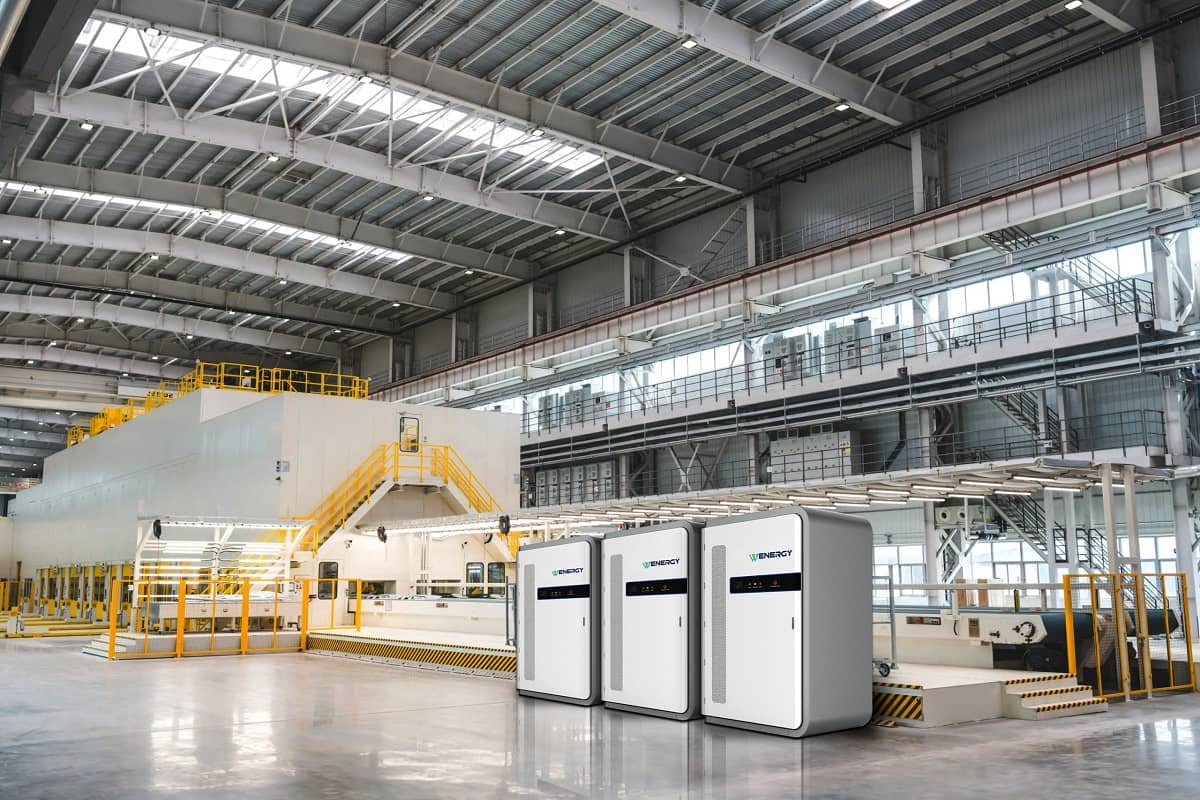
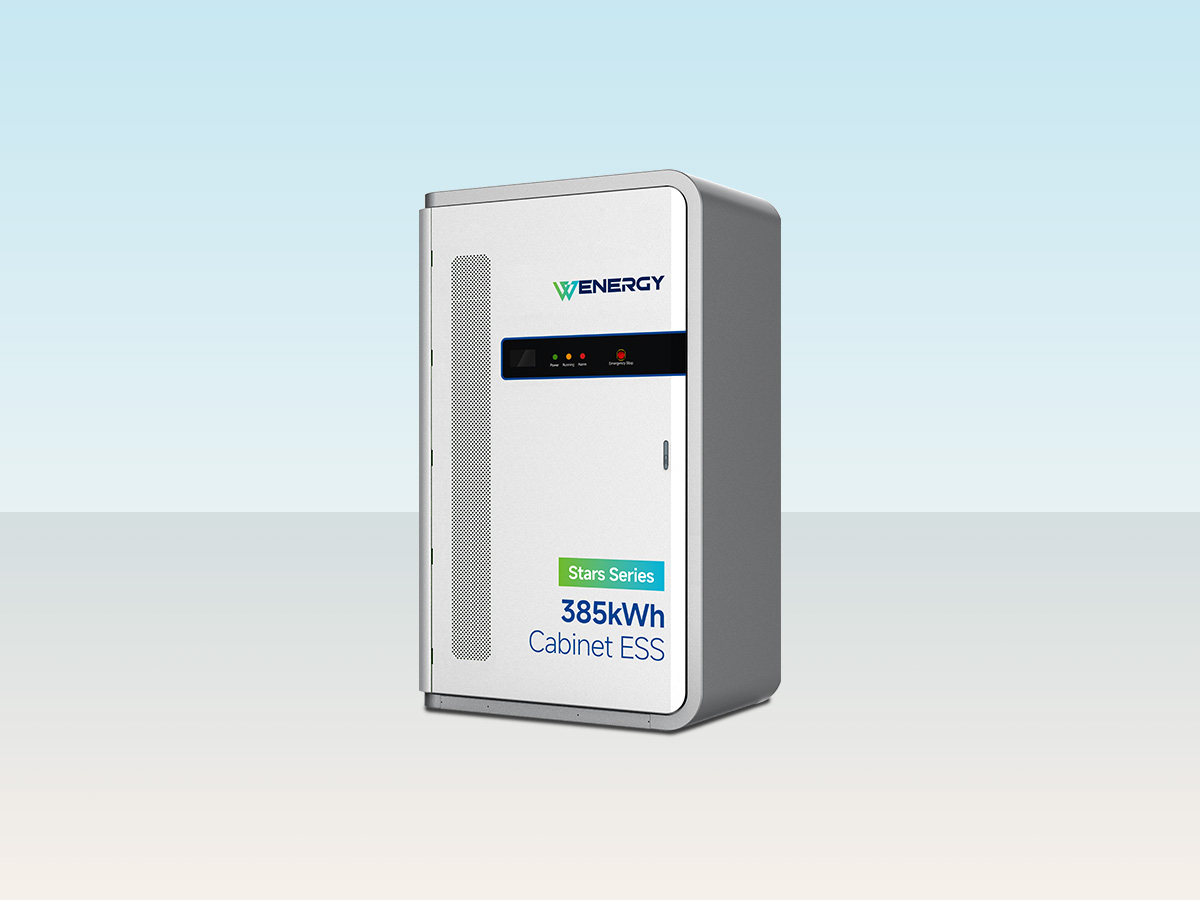
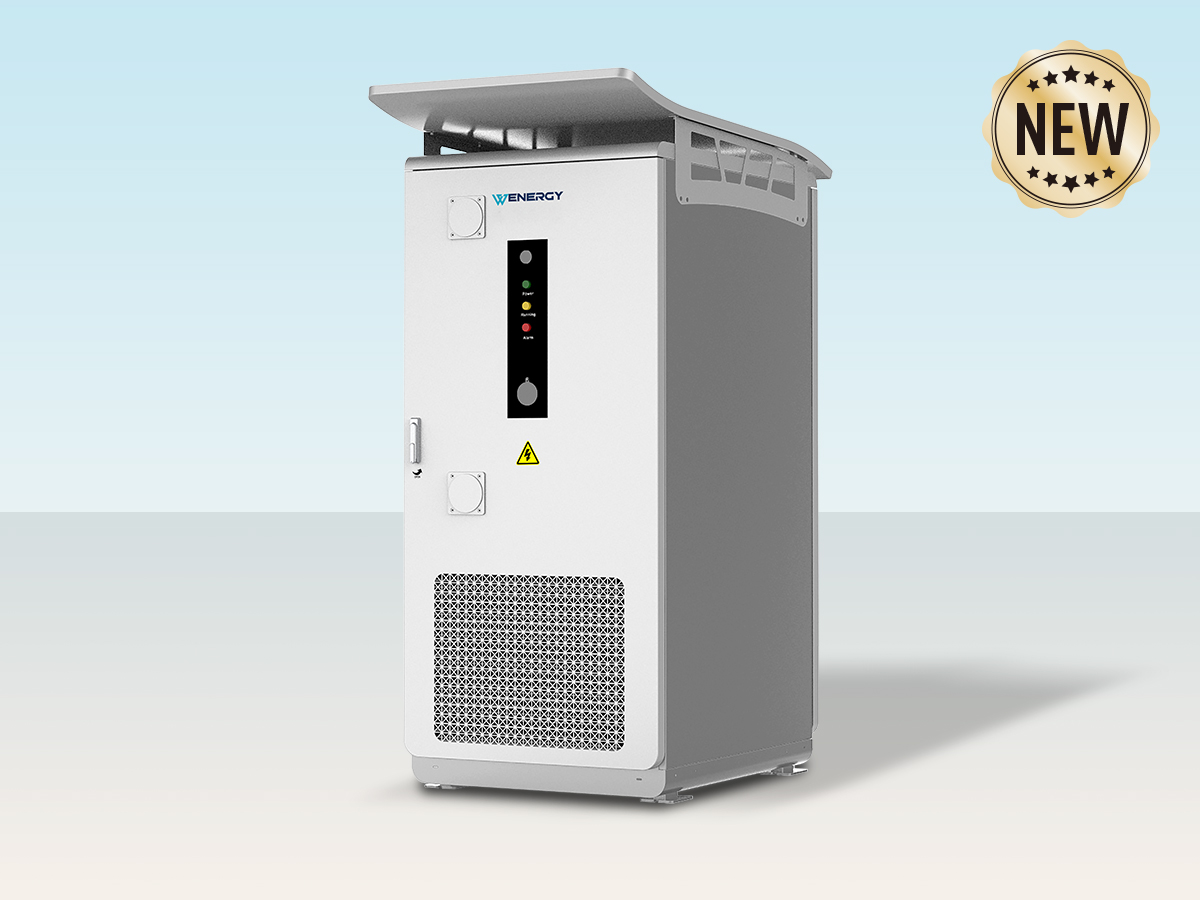
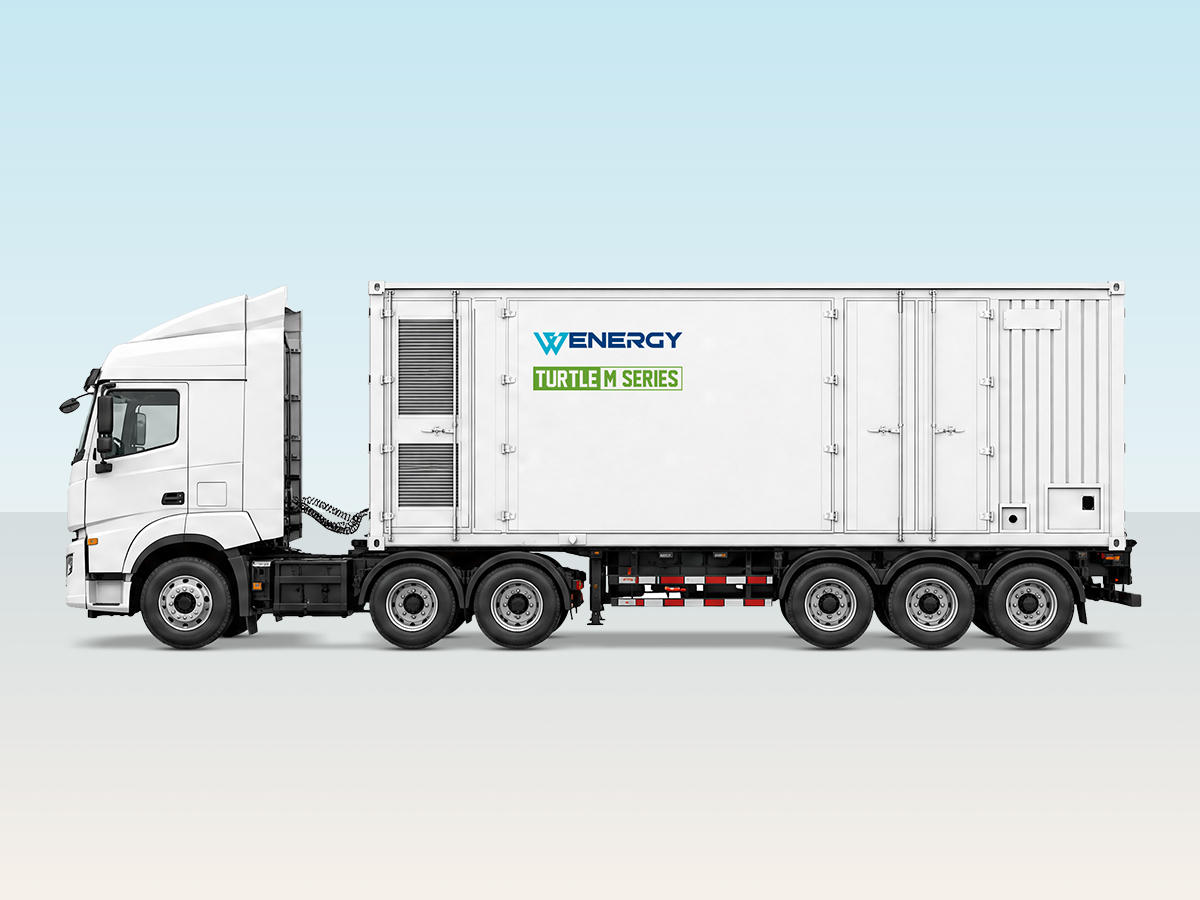
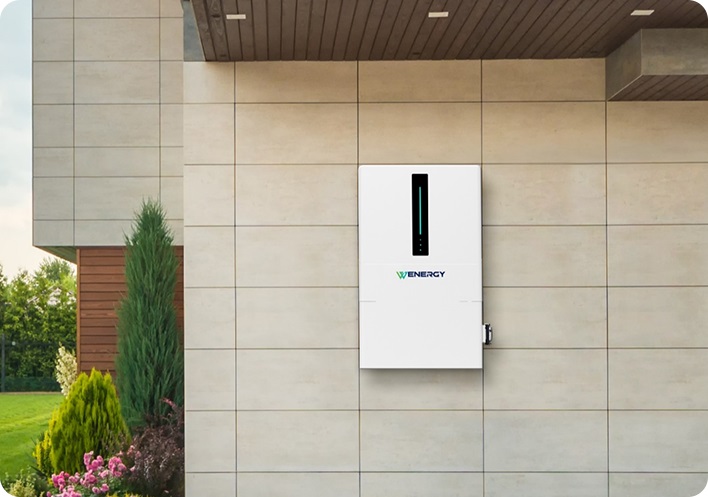
When we evaluate the requirements for modern grid assets, energy storage solution implementations often face site-specific constraints that dictate how power capacity must be scaled. By adopting a modular approach, manufacturers allow teams to deploy smaller, standardized blocks that aggregate into larger capacities, which simplifies the initial engineering phase. We find that this granular approach significantly reduces the complexity of logistics and onsite assembly, ensuring that physical footprints are optimized for existing site conditions.
Enhancing Reliability Through Component Redundancy
Operational uptime remains the primary metric by which we measure project success, and traditional centralized designs often create single points of failure. As energy storage system providers incorporate modular architecture, they gain the ability to isolate specific units for maintenance or repair without shutting down the entire facility. This design philosophy permits our field technicians to perform targeted service interventions, which preserves the overall availability of the asset while protecting the project’s internal rate of return from unnecessary downtime.
Optimizing Lifecycle Management and Maintenance
The economic viability of long-term infrastructure depends heavily on how efficiently hardware can be upgraded or replaced as technology matures. Modular units provide a clear pathway for phased retrofits, allowing operators to swap out aging components for newer, higher-density alternatives as they become available. At Wenergy, we emphasize that this hardware agnosticism ensures the original capital investment retains value, preventing the premature obsolescence that often plagues fixed, non-modular systems during long project lifecycles.
Future-Proofing Grid Infrastructure
As we look toward the next decade, the role of an energy storage solution will shift from simple peak shaving to complex frequency regulation and synthetic inertia. The flexibility afforded by modular units allows site operators to reconfigure their systems to meet these evolving grid codes without needing to replace the core power conversion equipment. We believe that energy storage system providers who maintain this focus on hardware modularity will continue to dominate the market by offering the necessary agility to handle the rapid fluctuations of modern power markets.
The transition toward modularity represents a shift in engineering philosophy that prioritizes resilience, maintainability, and long-term asset value. As Wenergy continues to integrate these principles into our own deployments, we see a clear trend where modularity enables more robust, adaptable, and economically efficient outcomes for stakeholders. By decoupling capacity from rigid form factors, we create infrastructure that thrives in a complex energy environment.
Post time: Jul-03-2026