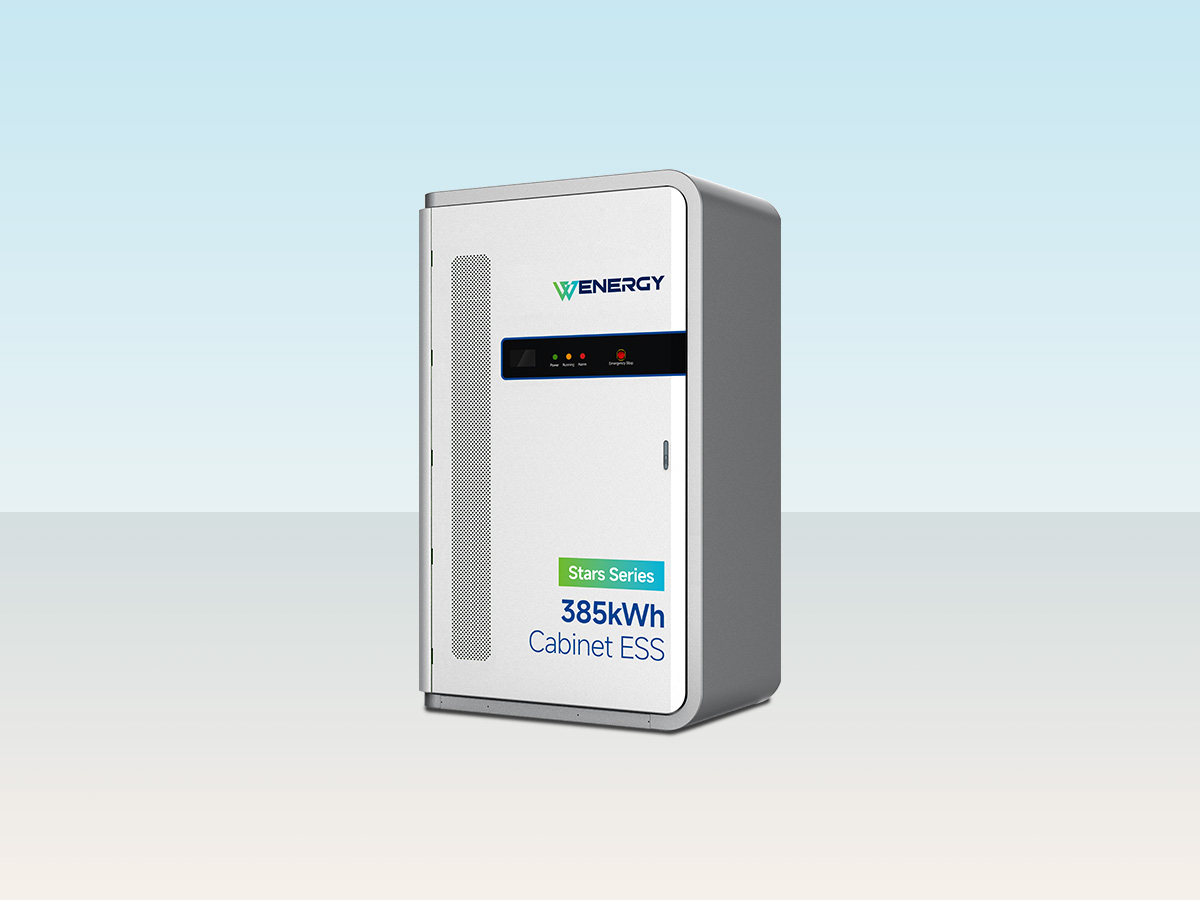

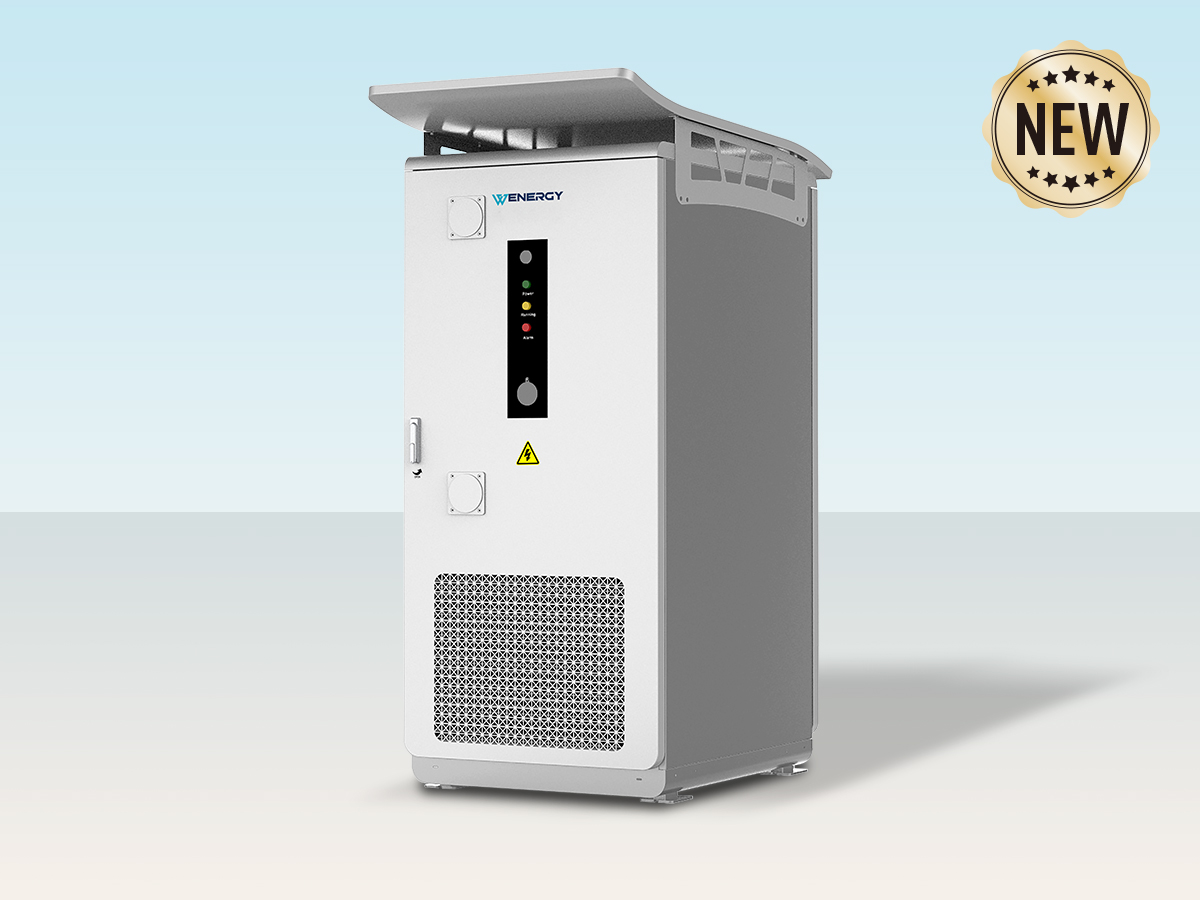
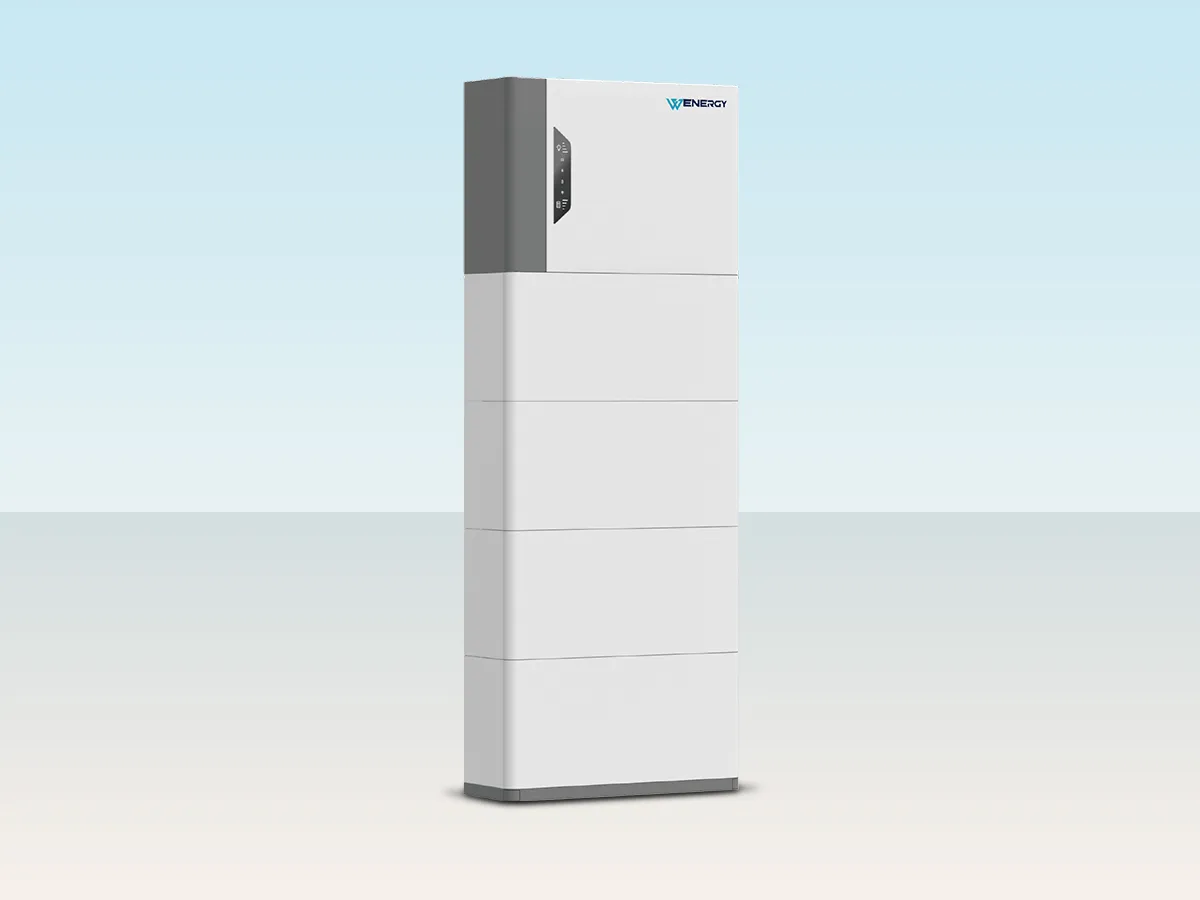
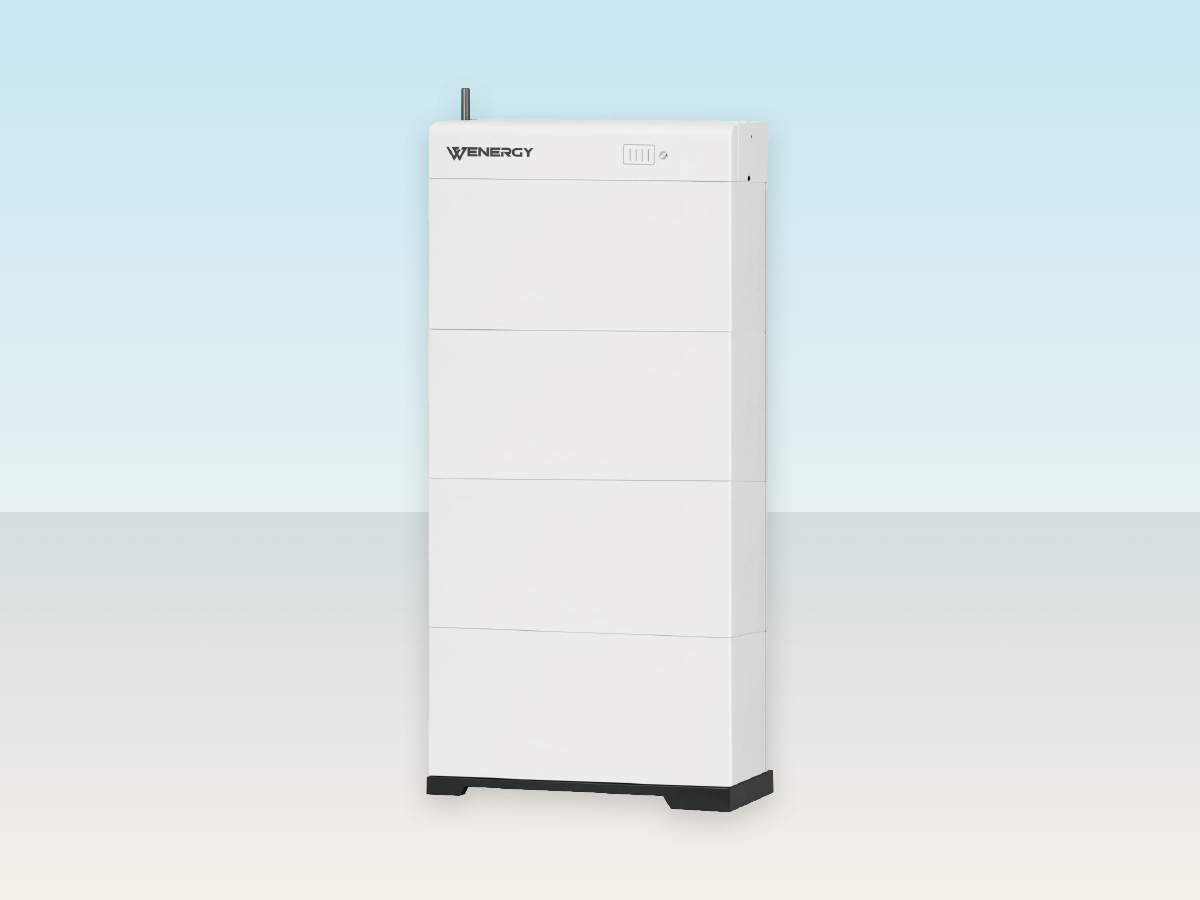
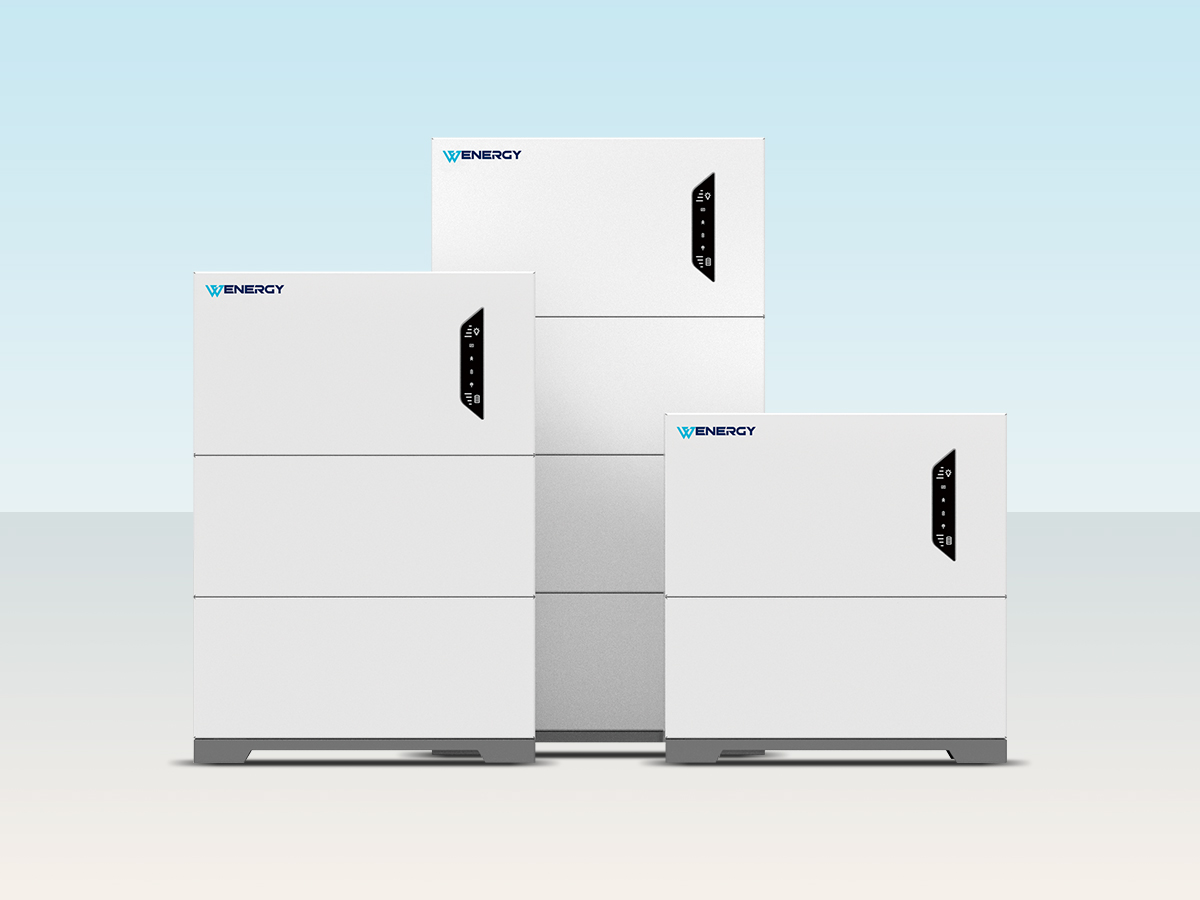
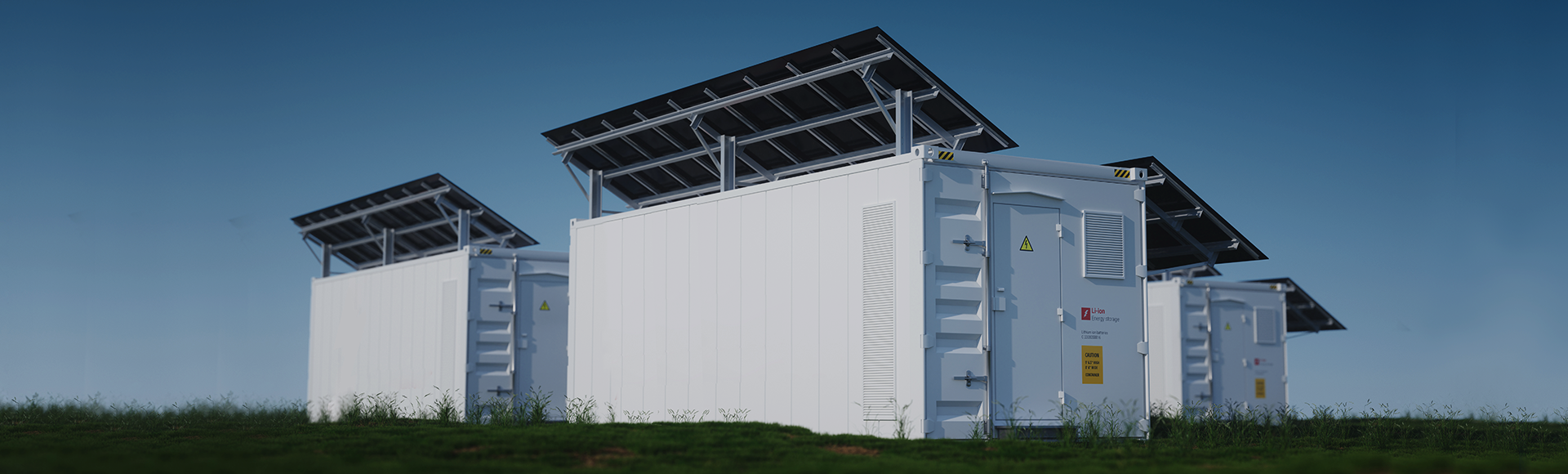
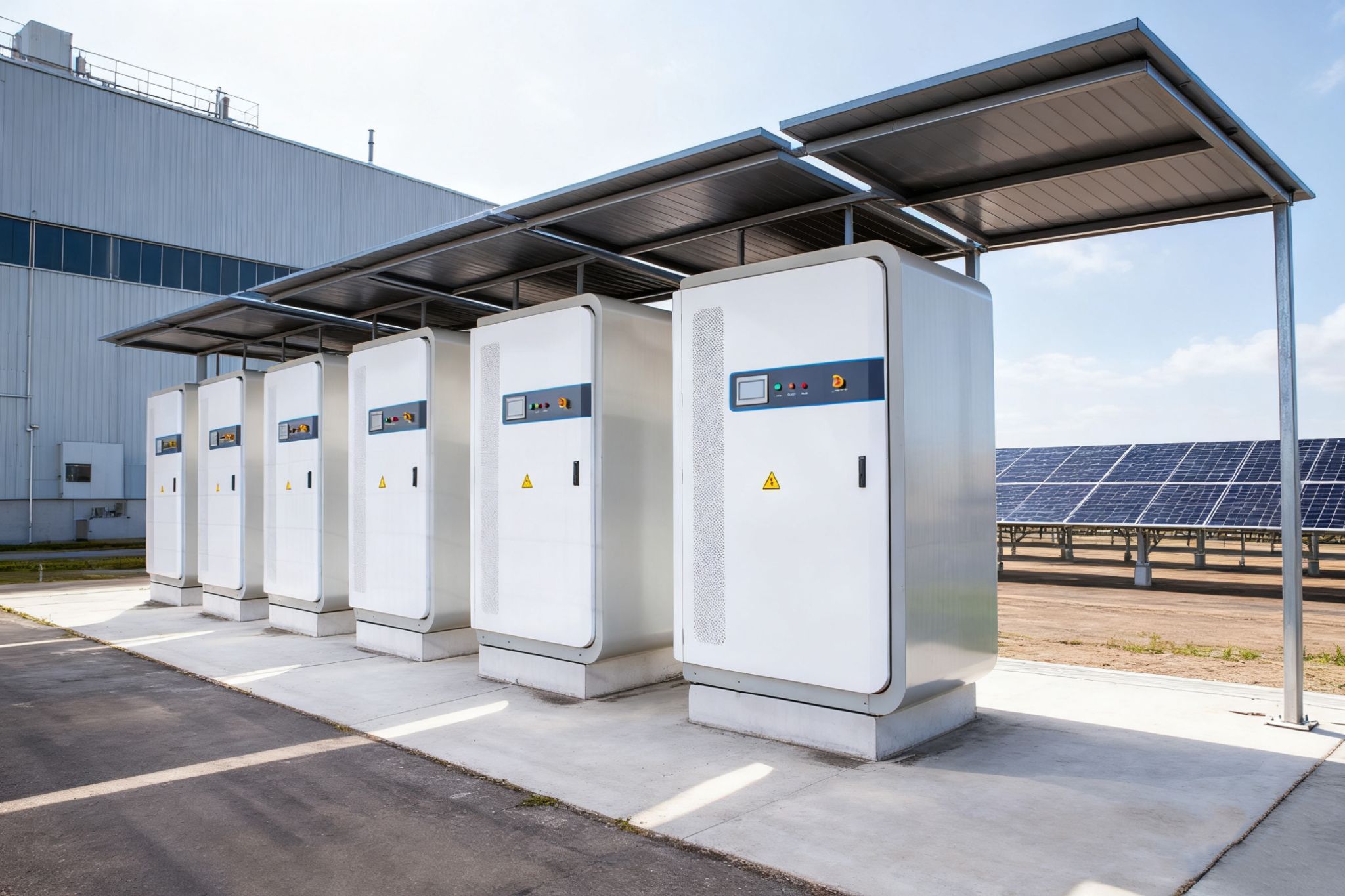
Project developers and facility managers evaluating energy storage for outdoor deployment face a persistent set of challenges: temperature extremes, space constraints, and the need for reliable long-term performance. Traditional air-cooled systems often struggle to maintain rated capacity during summer heat waves or require excessive clearances that complicate siting. Across the industry, we observe a accelerating shift toward liquid cooling BESS solutions for these applications. At Wenergy, our 261kWh liquid cooling energy storage system exemplifies why this technology gains preference among commercial and industrial project teams. With 90% round-trip efficiency, 125kW fast response capability, and reliable operation from minus thirty to plus fifty-five degrees Celsius, liquid cooled BESS configurations address the specific demands of outdoor installations. Below, we examine the factors driving this selection trend.
Sustained Performance Across Extreme Temperature Ranges
Outdoor equipment must function reliably through seasonal extremes that would derate or disable air-cooled alternatives. When ambient temperatures exceed thirty-five degrees Celsius, air-cooled batteries throttle charge and discharge rates to prevent overheating, reducing available capacity precisely when cooling demand peaks. Conversely, subfreezing conditions slow electrochemical reactions and risk damage if charging occurs below recommended temperatures. Our liquid cooling energy storage system maintains cell temperatures within an optimal window regardless of external conditions, circulating dielectric fluid through plates contacting each cell. This active thermal management preserves the full 261kWh capacity across the entire minus thirty to fifty-five degree operating range. For installations in desert solar farms, arctic construction sites, or tropical coastal facilities, this consistency ensures that storage assets deliver promised performance year-round. The automatic coolant replenishment feature further reduces maintenance visits, keeping liquid cooled BESS operational in remote locations.
Maximizing ROI Through High Efficiency and Cycle Life
Financial returns from storage projects depend heavily on round-trip efficiency and battery longevity. Each percentage point of efficiency loss during charge-discharge cycles directly reduces revenue from energy arbitrage or grid services. Our liquid cooling energy storage system achieves 90% round-trip efficiency through precise thermal control that minimizes internal resistance and parasitic loads. The 125kW fast response capability enables participation in frequency regulation markets requiring rapid output changes, capturing higher-value revenue streams. Additionally, the 8,000-plus cycle life of our LFP cells, preserved through optimal thermal conditions, extends project duration before replacement capital becomes necessary. For commercial and industrial users evaluating total cost of ownership, liquid cooled BESS configurations deliver superior returns compared to air-cooled alternatives that degrade faster under thermal stress. Wenergy designs these systems for plug-and-play deployment requiring no civil works, accelerating payback periods through reduced installation expense.
Comprehensive Safety Integration for Outdoor Environments
Outdoor installations expose energy storage to weather, wildlife, and physical hazards that demand robust protective measures. Our liquid cooling energy storage system incorporates multi-layer safety architecture within an IP55-rated enclosure resistant to dust and water ingress. The liquid cooling loop itself provides thermal runaway mitigation by continuously removing heat from cells during normal operation and absorbing excess energy during fault conditions. Dedicated aerosol suppression systems activate at the module level upon detecting off-gas signatures, containing events before propagation. Real-time alerts from the Battery Management System notify operators of developing issues, enabling remote intervention or dispatch of service personnel. For facilities like hospitals, data centers, and public infrastructure where outages carry severe consequences, this comprehensive protection provides confidence that liquid cooled BESS installations will not introduce new risks. The wide DC voltage range from 728 to 936 volts accommodates various Power Conversion System configurations while maintaining isolation coordination.
Simplified Deployment and Space Optimization
Project teams often select outdoor installation sites based on available real estate rather than ideal operating conditions. Our liquid cooling energy storage system addresses this reality through compact footprint and minimal site preparation requirements. The integrated liquid cooling loop eliminates the need for clearance around cabinets for airflow, allowing denser packing of capacity within constrained areas. The plug-and-play design requires no concrete foundations or structural modifications, reducing construction timelines and costs. For shopping malls adding storage to existing parking lots, or industrial parks retrofitting space between buildings, this simplification proves essential. The modular architecture also supports capacity expansion through additional cabinets, with liquid cooling connections standardized across units. As more projects recognize these deployment advantages, liquid cooled BESS configurations increasingly become the default specification for outdoor commercial and industrial applications.
The shift toward liquid cooling BESS for outdoor installations reflects tangible advantages in thermal performance, economic returns, safety integration, and deployment simplicity. Wenergy‘s 261kWh liquid cooling energy storage system delivers these benefits through proven engineering and rigorous testing across extreme conditions. For project teams planning their next outdoor storage deployment, liquid cooled technology offers the reliability that outdoor environments demand.
Post time: May-15-2026