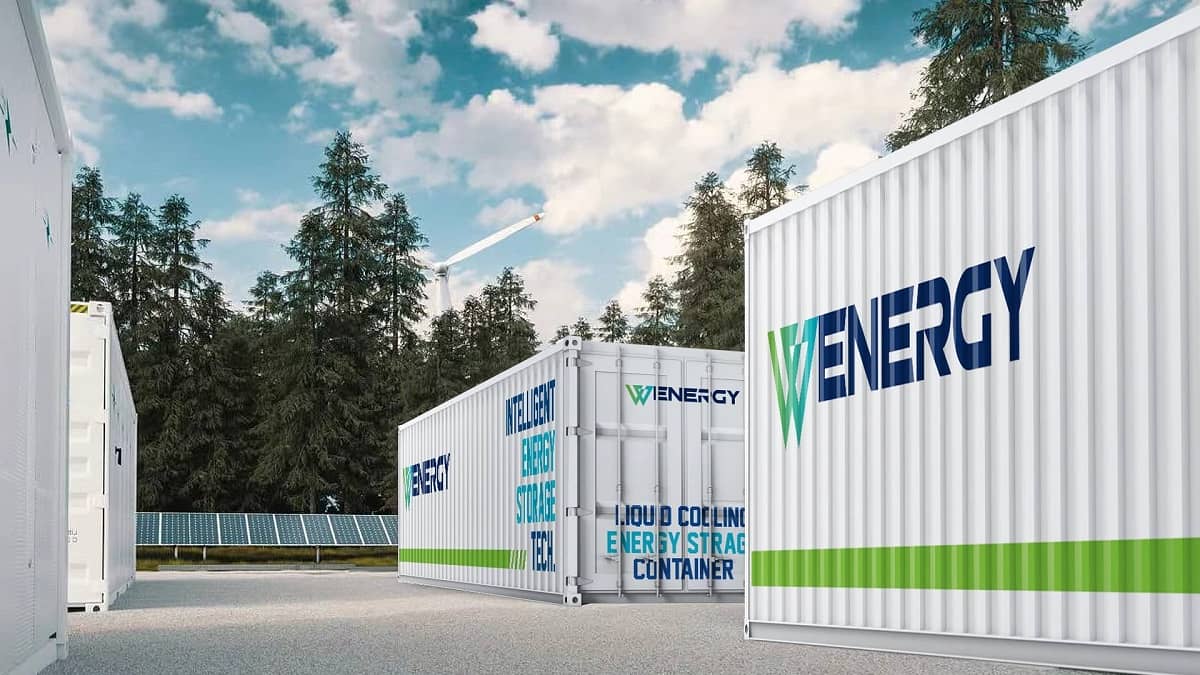

As the deployment of Battery Energy Storage Systems (BESS) accelerates across Europe, discussions around cycle life, revenue stacking, and grid services often dominate the narrative. However, a recent fire incident in Poland serves as a stark reminder: safety remains the foundation of every successful energy storage project.
A Reminder for the Industry: Fire Safety Cannot Be an Afterthought
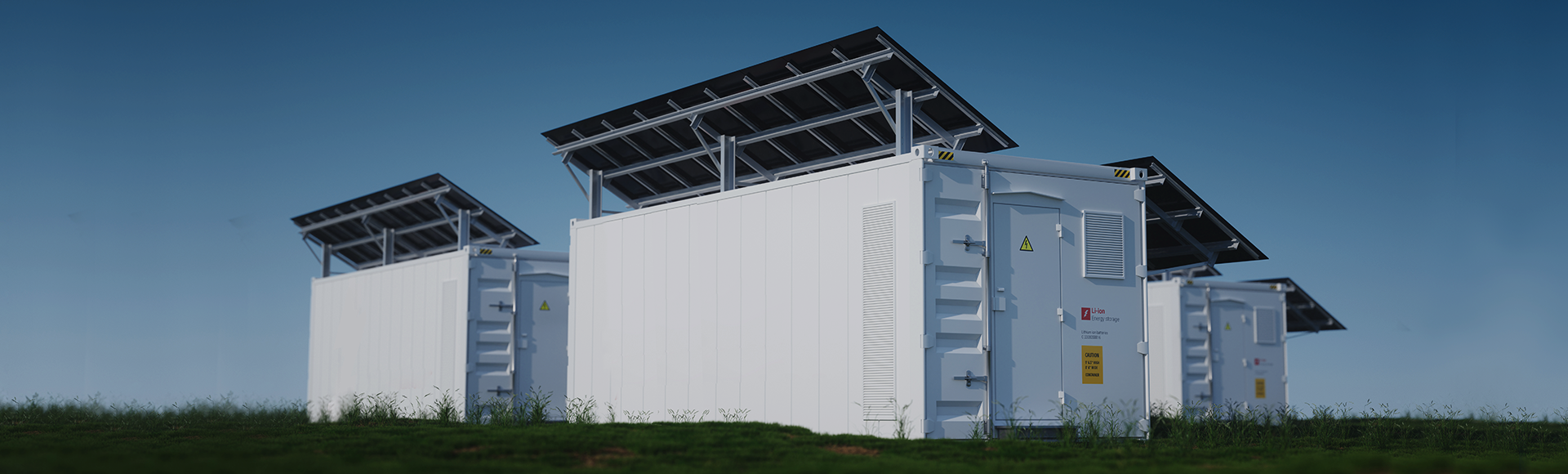
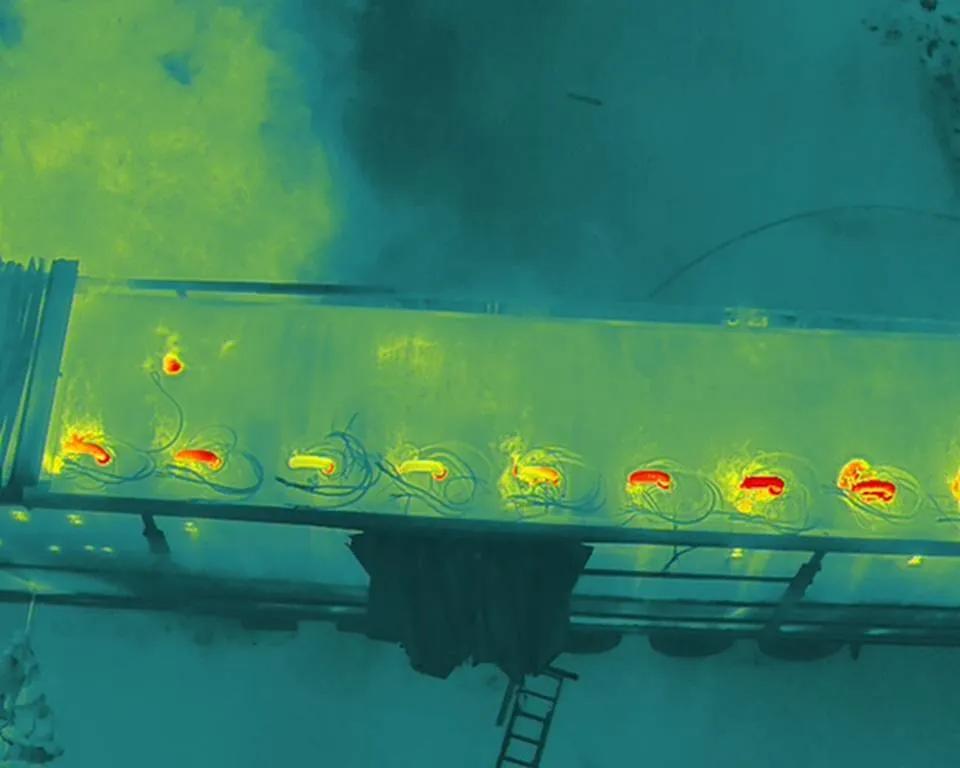
In May 2026, a containerized BESS in Czajków, Poland, caught fire, triggering a large-scale emergency response. The affected 2MWh system contained more than 107,000 battery cells and required the deployment of specialized rescue teams, thermal imaging drones, and a fire-extinguishing robot. Nearby personnel were evacuated as a precaution.
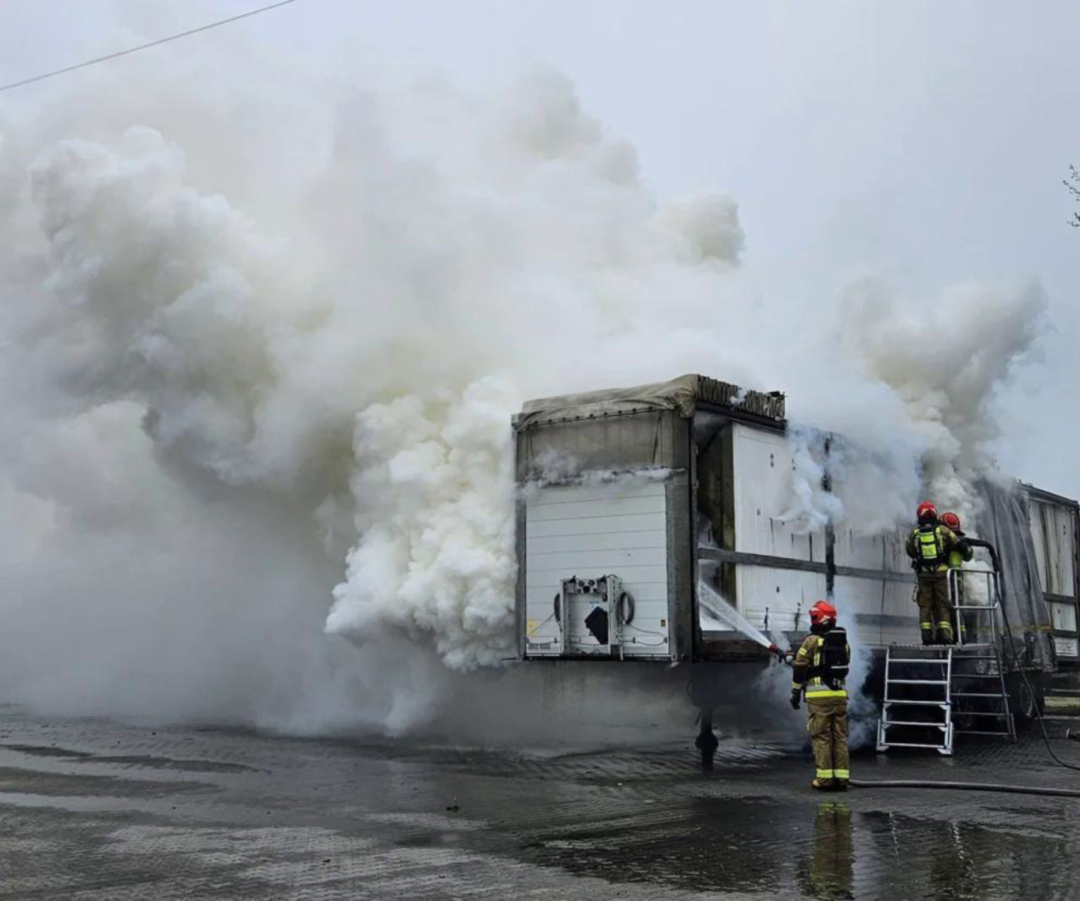
While the root cause is under investigation, this incident spotlights one of the most important challenges in the industry: thermal runaway and subsequent propagation. Once critical temperature thresholds are breached within a cell, the resulting chain reaction can cascade rapidly across modules, making containment exponentially difficult. The takeaway is unequivocal: effective safety is not only about responding to an incident but preventing it from escalating in the first place.
Poland’s Surging BESS Market and the Demand for Reliability
This event coincides with a pivotal moment for Poland’s energy storage sector. Driven by a surge in renewable energy penetration and the pressing need for grid balancing, Poland has rolled out substantial subsidies to accelerate BESS adoption.
As utility-scale and C&I projects transition from the pipeline to the operational phase, asset security and lifecycle reliability have become just as critical as the Levelized Cost of Storage (LCOS). For developers, EPCs, and financiers, comprehensive safety design is now a non-negotiable metric during project due diligence.
Wenergy’s Approach: Building Safety Into Every Layer of the System
At Wenergy, safety is not an afterthought; it is engineered into the very DNA of our systems. Moving beyond single-point protection mechanisms, we deploy a multi-layered, full-stack safety architecture—integrating intrinsic cell stability, thermal isolation, active fire suppression, and predictive telemetry to prevent, detect, isolate, and mitigate risks.
Cell-Level Safety: Intrinsic Risk at the Source
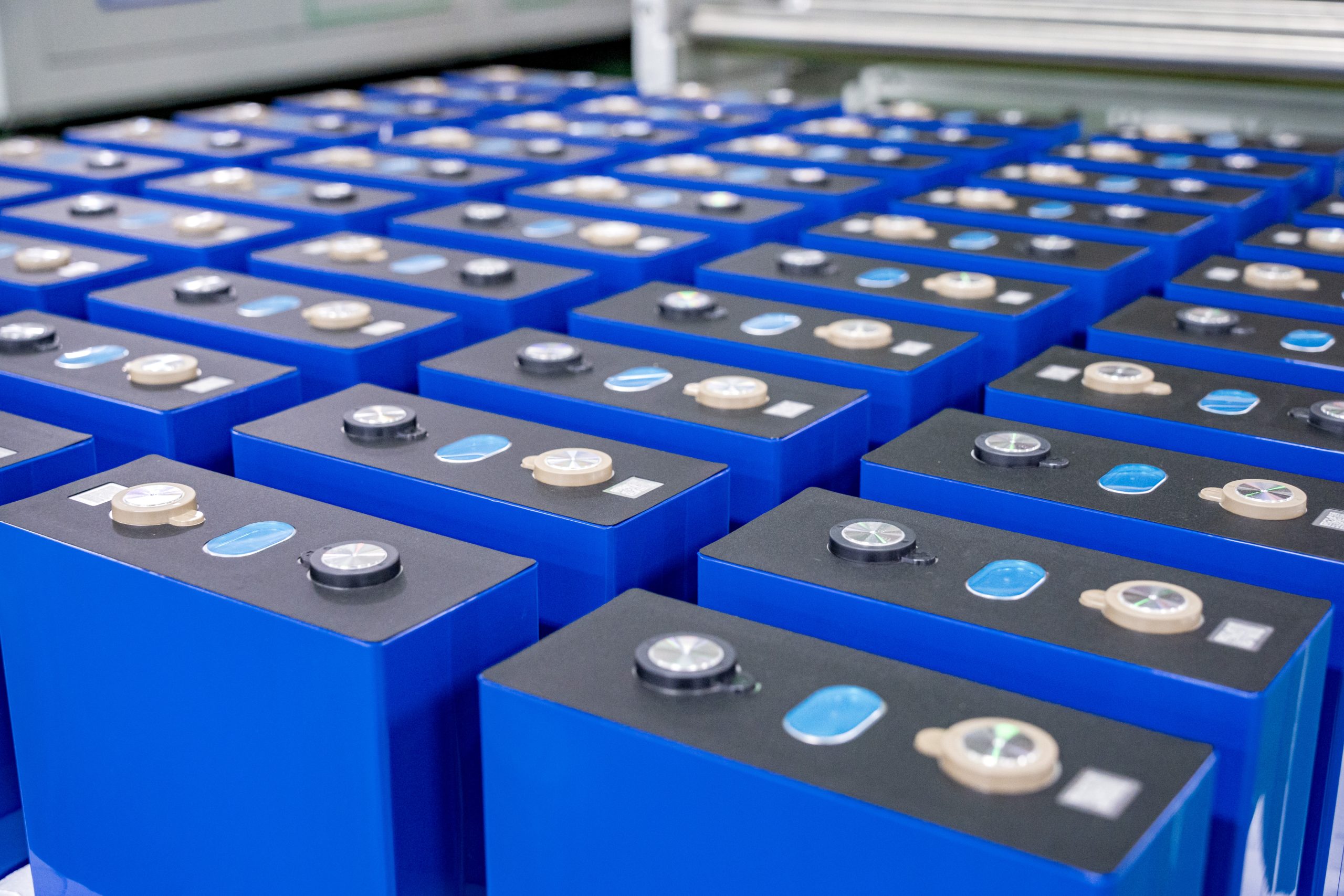
Safety starts with the battery itself. Wenergy utilizes high-stability LFP cells, ceramic-coated separators, flame-retardant materials, and strict quality control standards to minimize the risk of internal short circuits and overheating.
PACK-Level Protection: Preventing Thermal Propagation
To defeat the industry challenge of cell-to-cell thermal propagation, we employ robust physical barriers. High-performance thermal insulation and precision-engineered safety gaps are implemented between cells and modules. Furthermore, each battery pack integrates a passive, temperature-triggered aerosol suppression unit, ensuring localized containment before a thermal anomaly can escalate.
Container-Level Protection: Comprehensive System Safety
At the system level, Wenergy integrates fire detection and suppression, explosion relief, environmental control, and intelligent monitoring into a unified safety architecture. A distributed sensing network continuously monitors temperature, smoke, and combustible gases, enabling early warning and rapid intervention when abnormal conditions occur.
Advanced Thermal Management: The Foundation of Lifespan
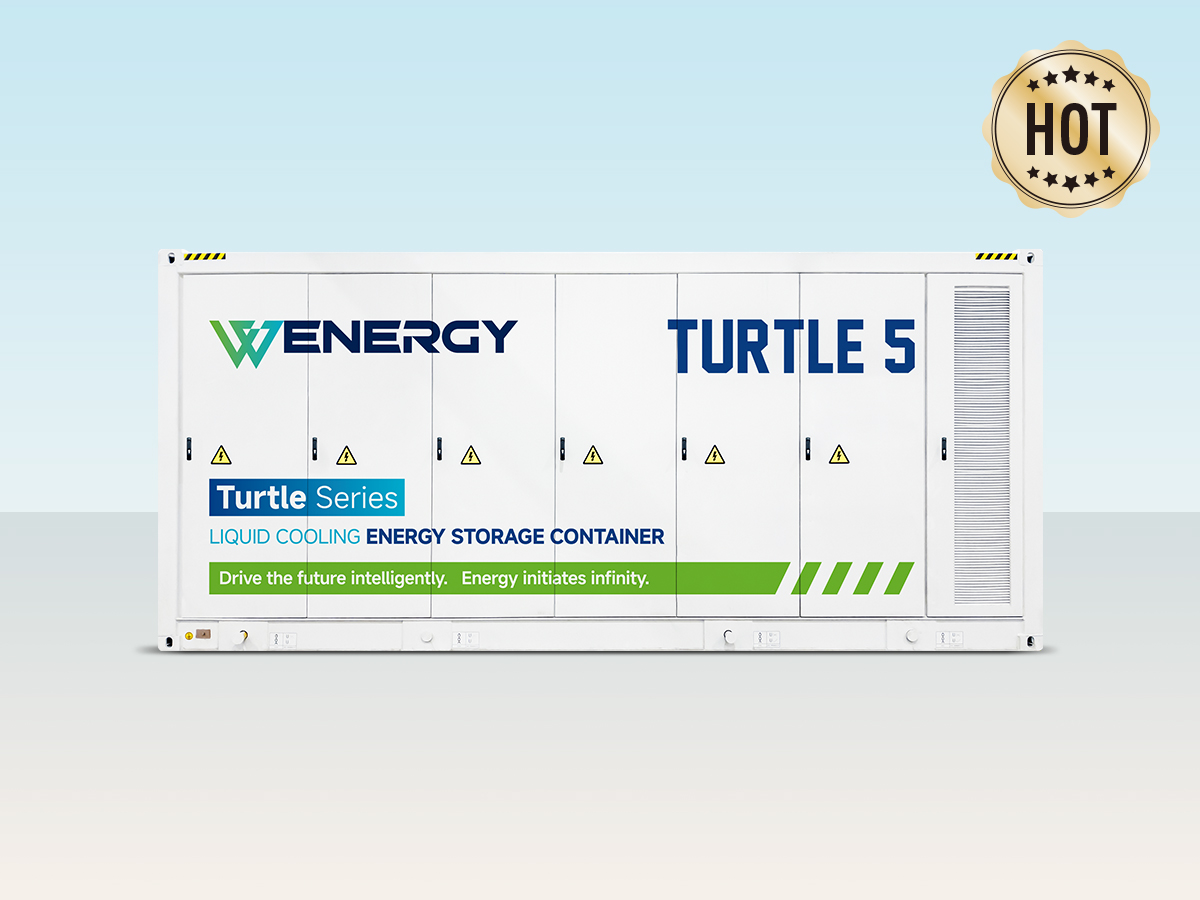
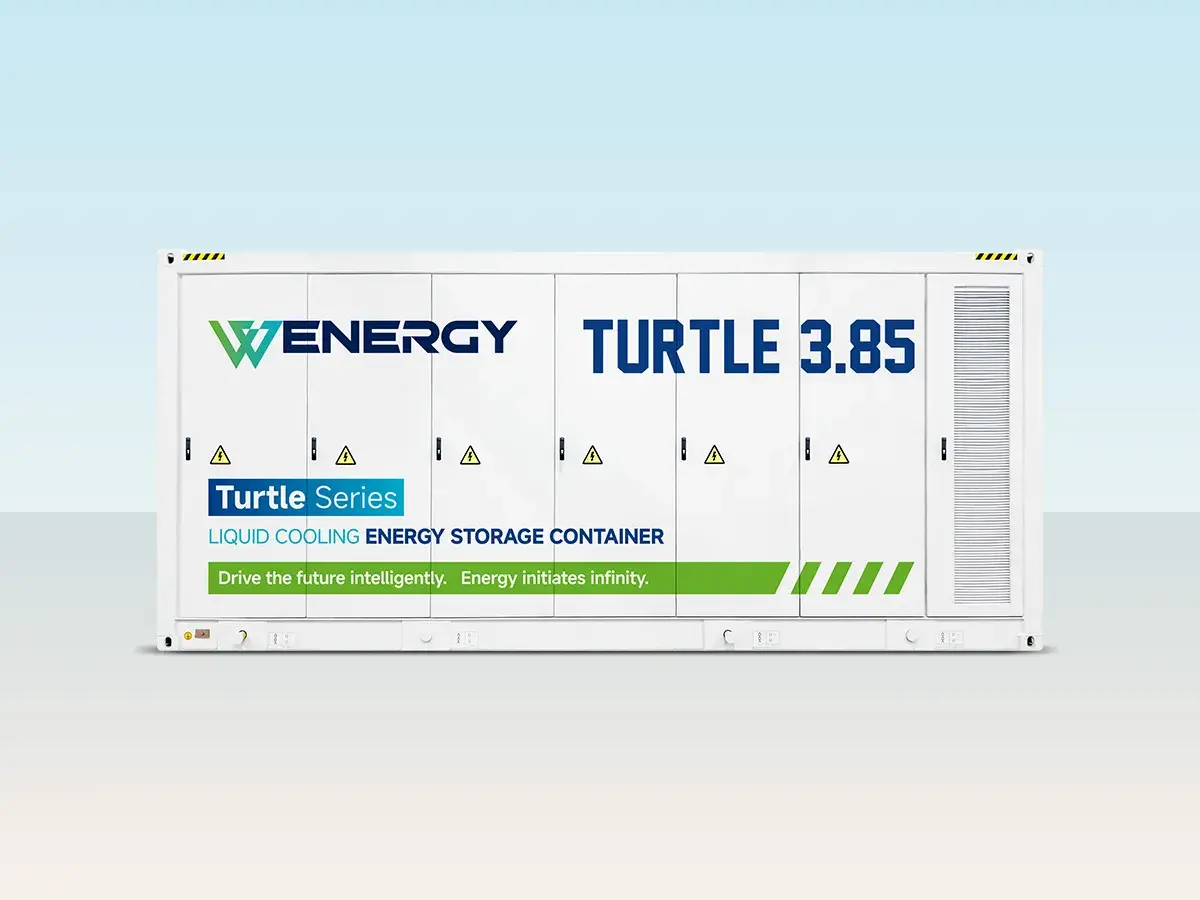
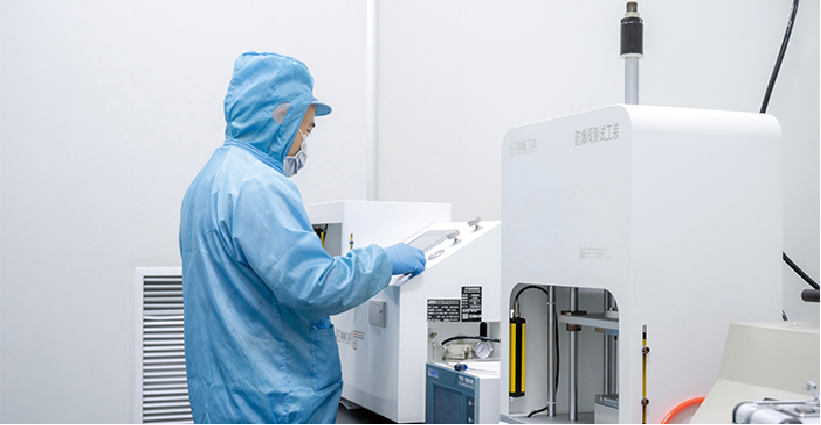
Effective thermal management is critical to both safety and performance. Wenergy’s liquid-cooling system maintains uniform temperature distribution through optimized flow-path design and intelligent control strategies, while multiple sensing points continuously monitor operating conditions to identify potential thermal risks before they escalate.
Building Resilient Energy Storage for the Future
As global BESS capacity scales, safeguarding critical infrastructure is paramount for long-term project viability. At Wenergy, our commitment to multi-layered defense, predictive thermal management, and continuous technological innovation empowers our global partners to deploy energy storage assets with absolute confidence, minimized risk, and maximized lifecycle reliability.
Post time: Jun-18-2026