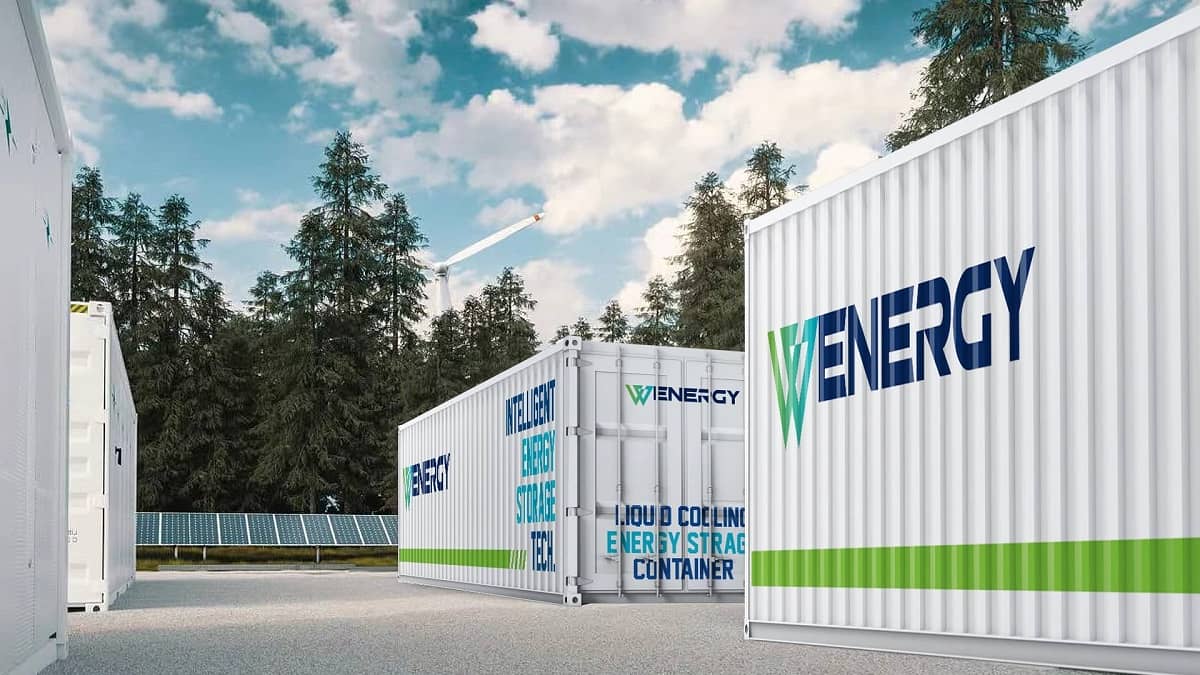
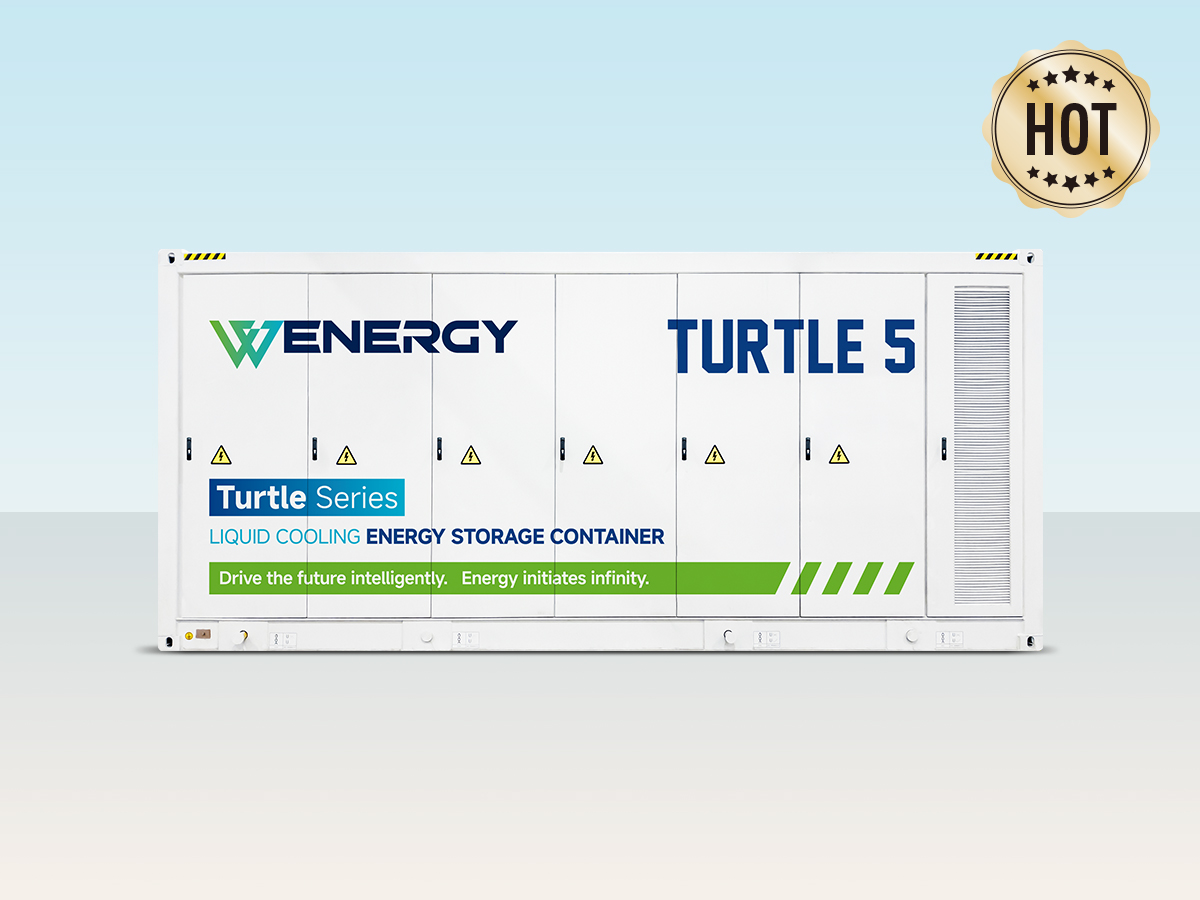
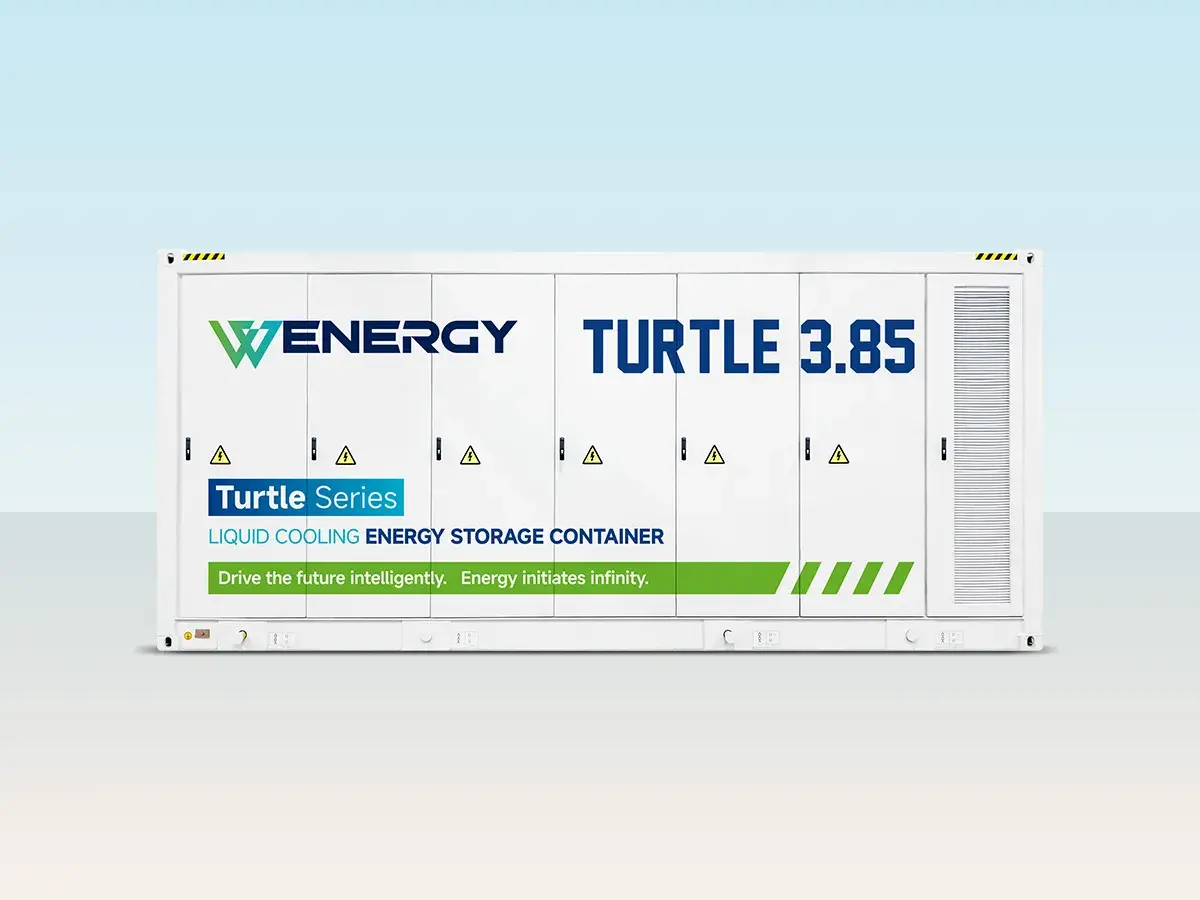

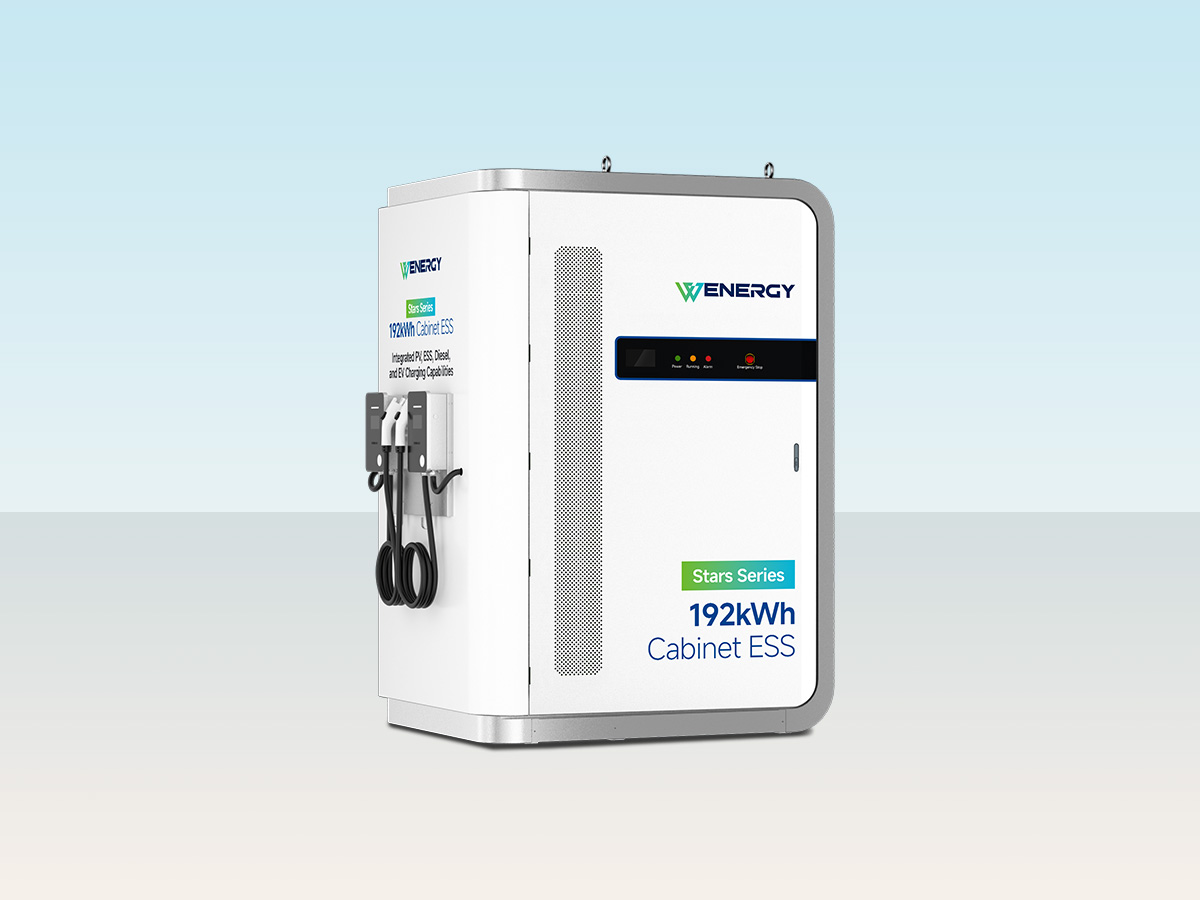
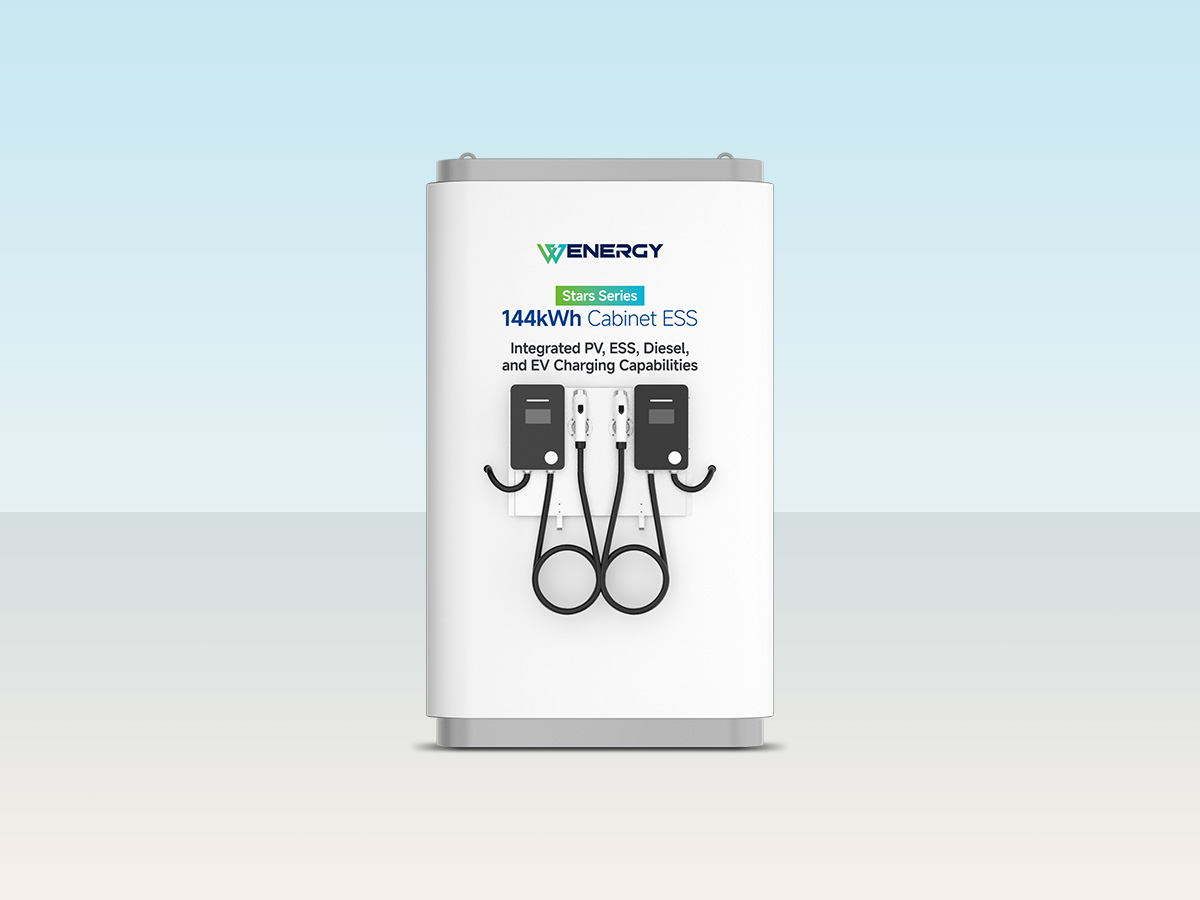
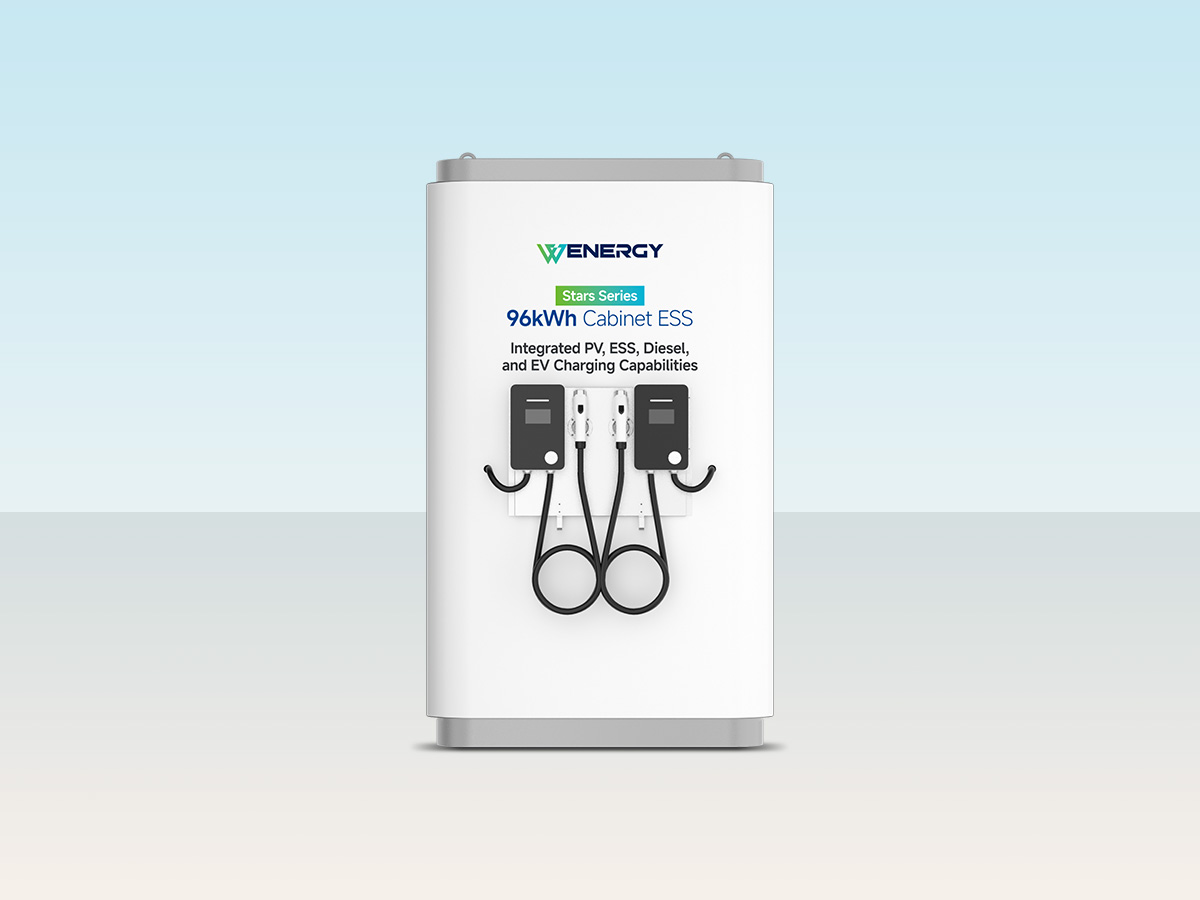
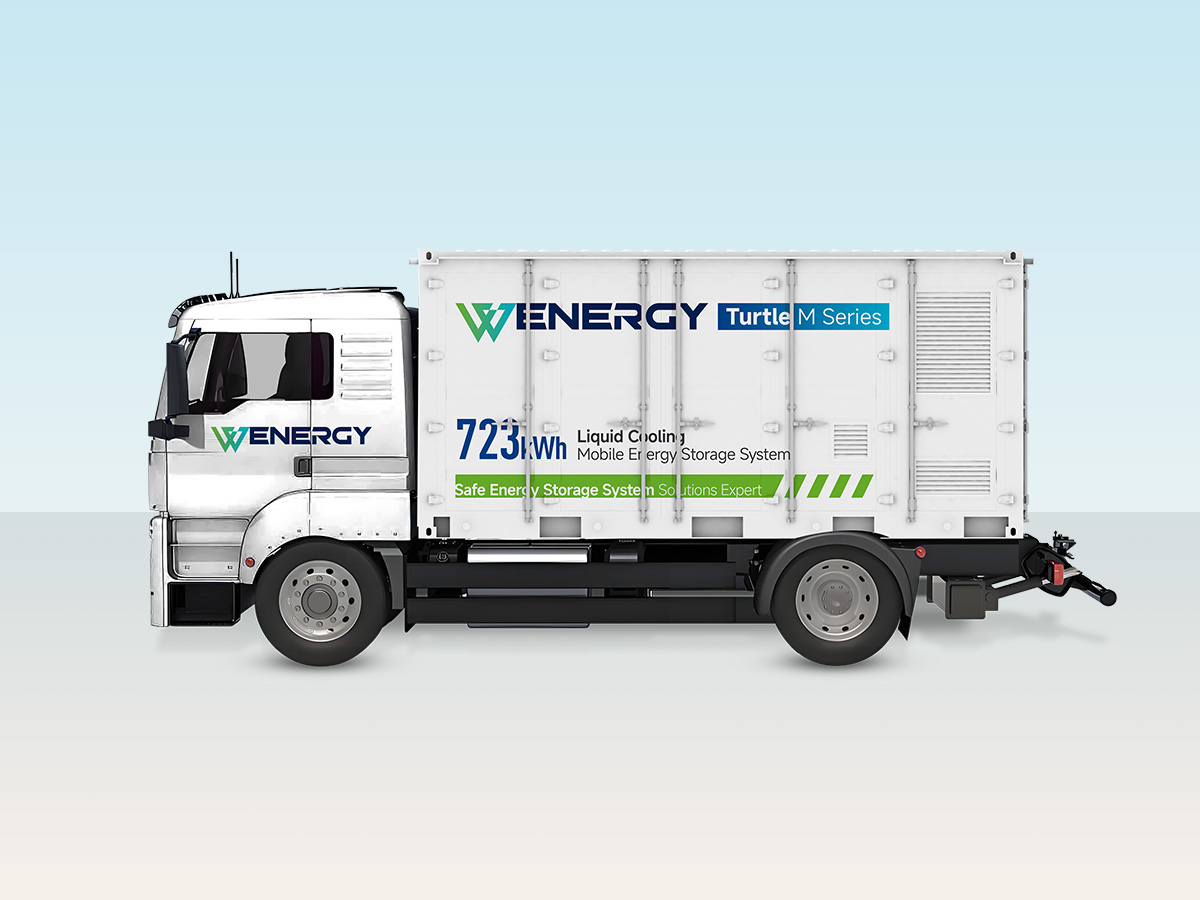
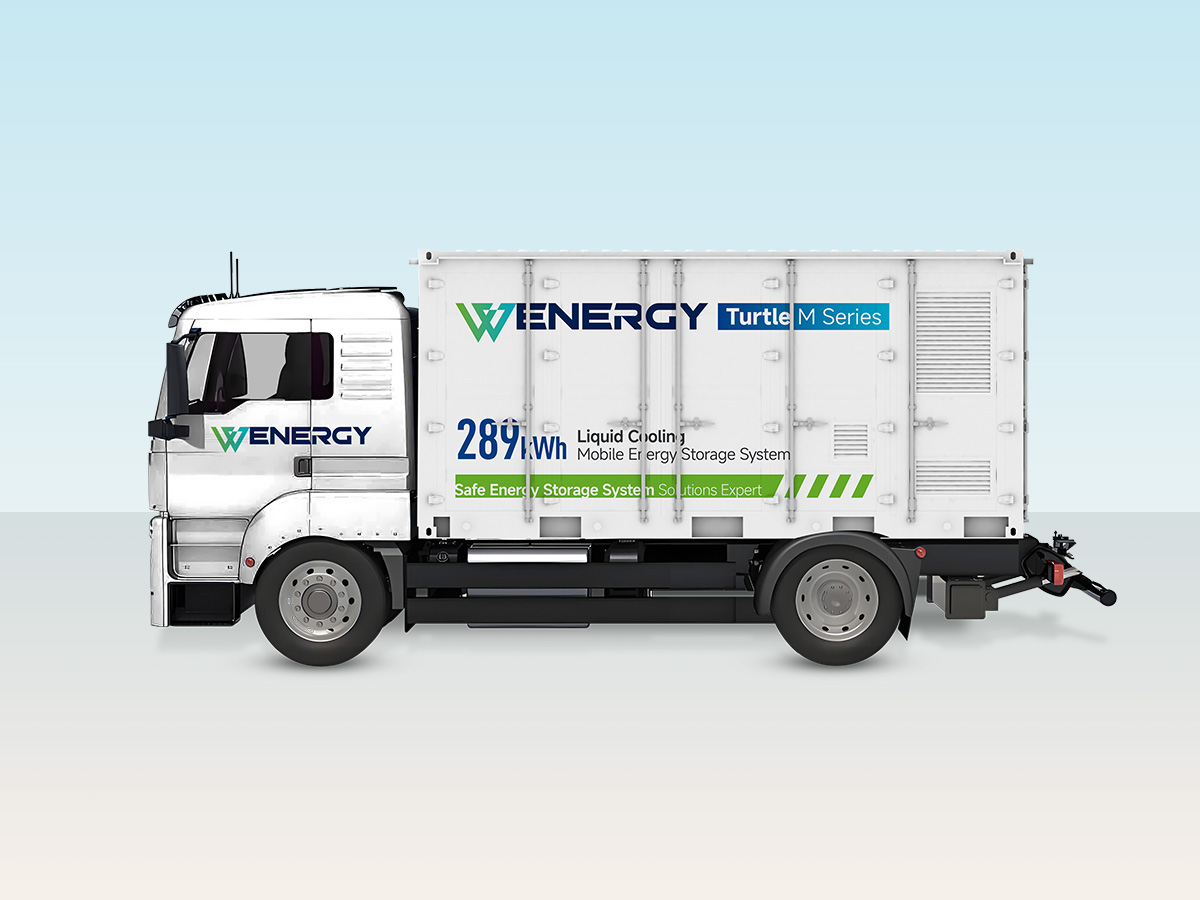
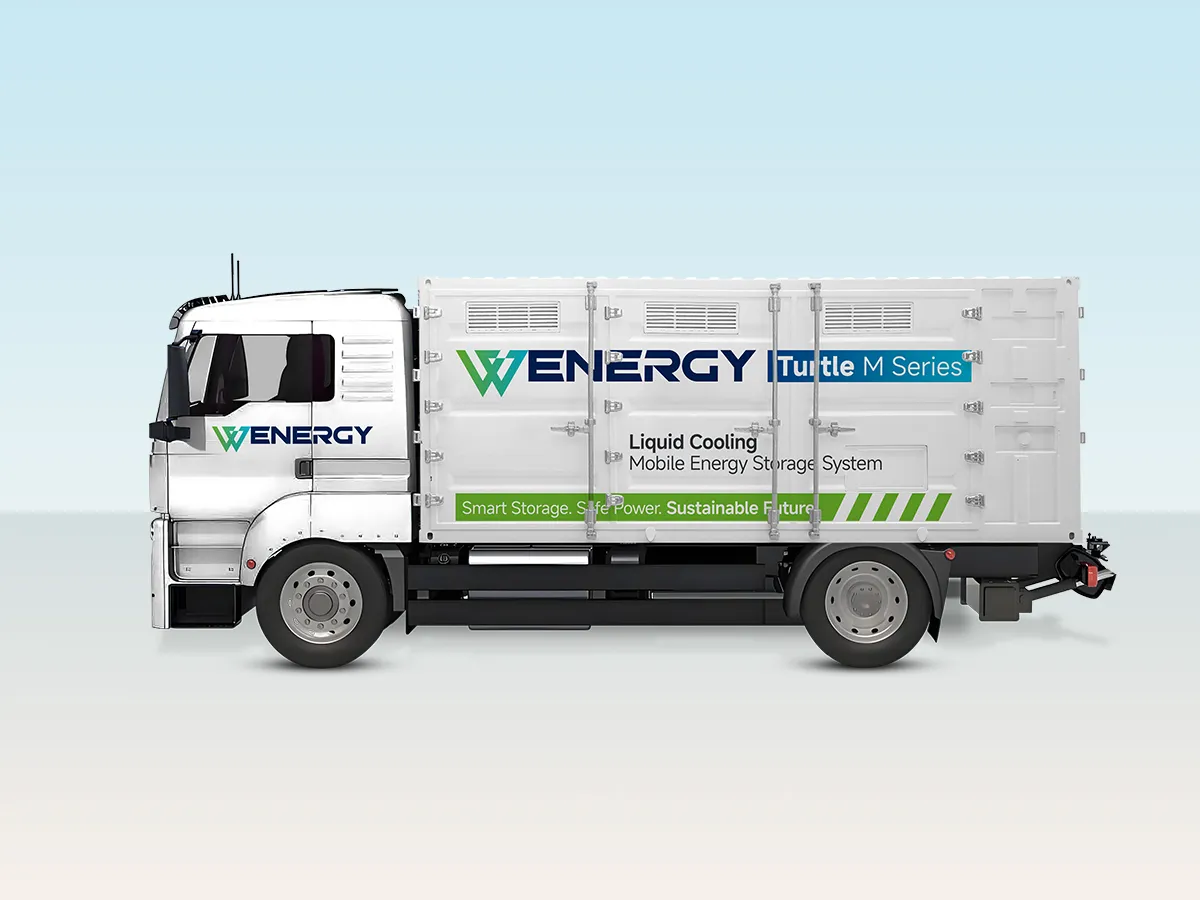
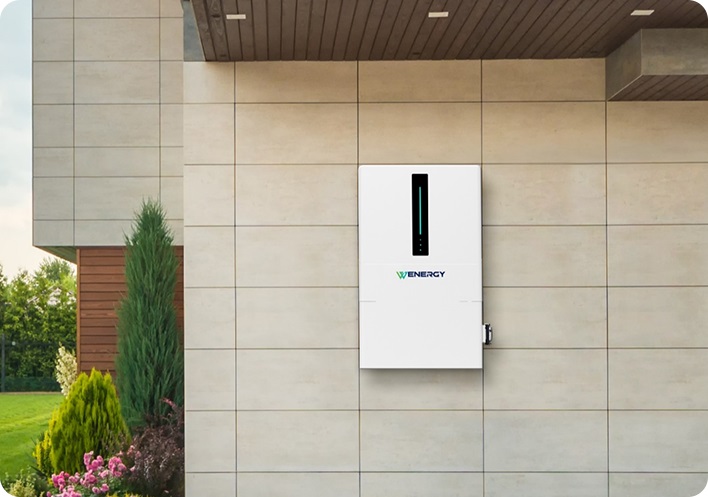
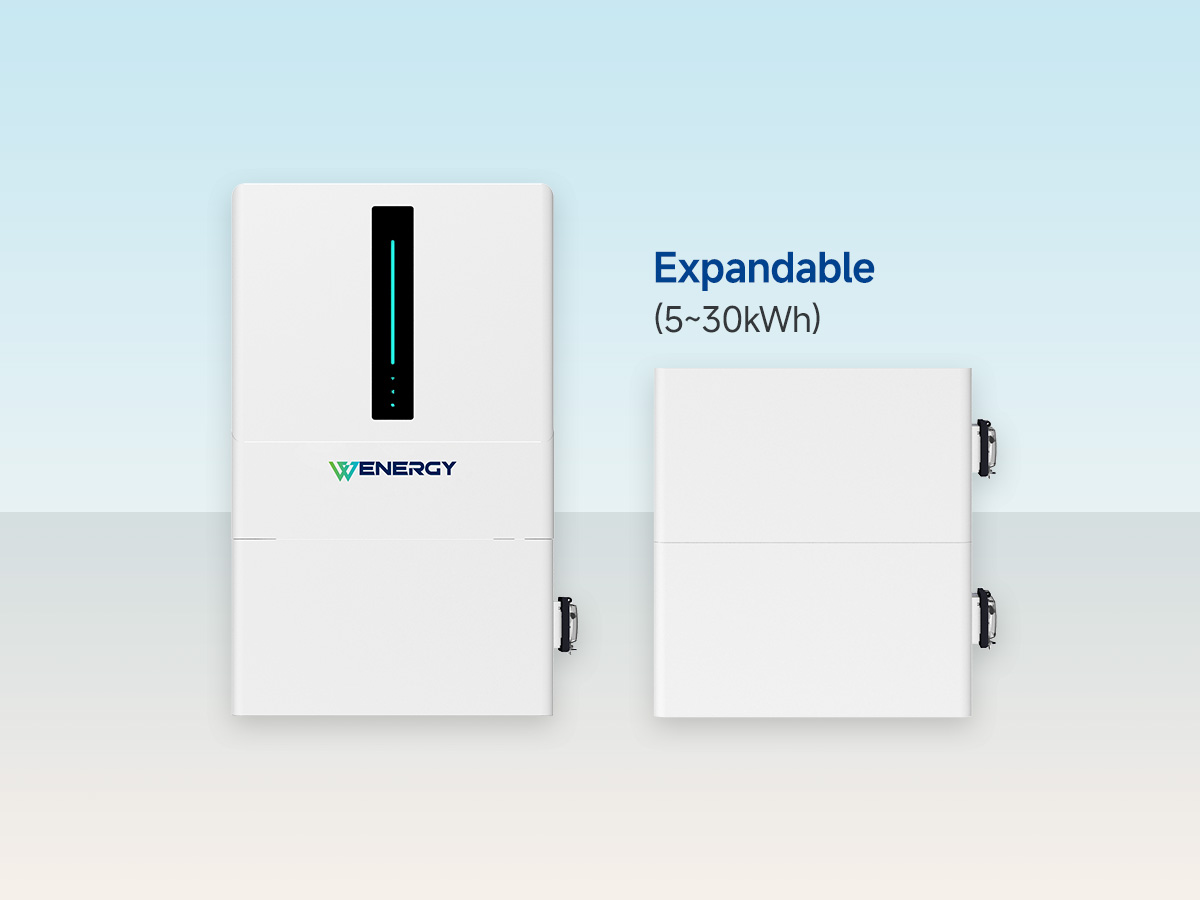
Factories today operate under increasing pressure to manage energy use more efficiently while maintaining stable production. Rising electricity costs, higher demand peaks, and the integration of renewable power all create new challenges for industrial users. From our perspective, customizing energy solutions is no longer optional for factories; it is a practical response to diverse operating conditions. At Wenergy, we focus on understanding how industrial and commercial sites actually consume power before shaping systems that align with real production needs. In this context, commercial energy storage systems are often discussed, but their value depends on how well they are adapted to each factory’s workflow, load profile, and expansion plans.
Understanding Factory Energy Profiles and Operational Needs
Factories differ widely in how they consume electricity. Some operate continuous production lines, while others experience sharp demand spikes during specific shifts or processes. These variations directly influence how commercial battery storage systems should be configured. We begin by analyzing daily and seasonal load curves, equipment sensitivity, and grid interaction requirements. This process allows us to determine whether a factory benefits more from peak shaving, backup power support, renewable integration, or a combination of these functions. By aligning storage capacity and discharge strategy with operational realities, commercial energy storage systems can support production stability without disrupting existing infrastructure.
Designing Scalable Solutions for Industrial Environments
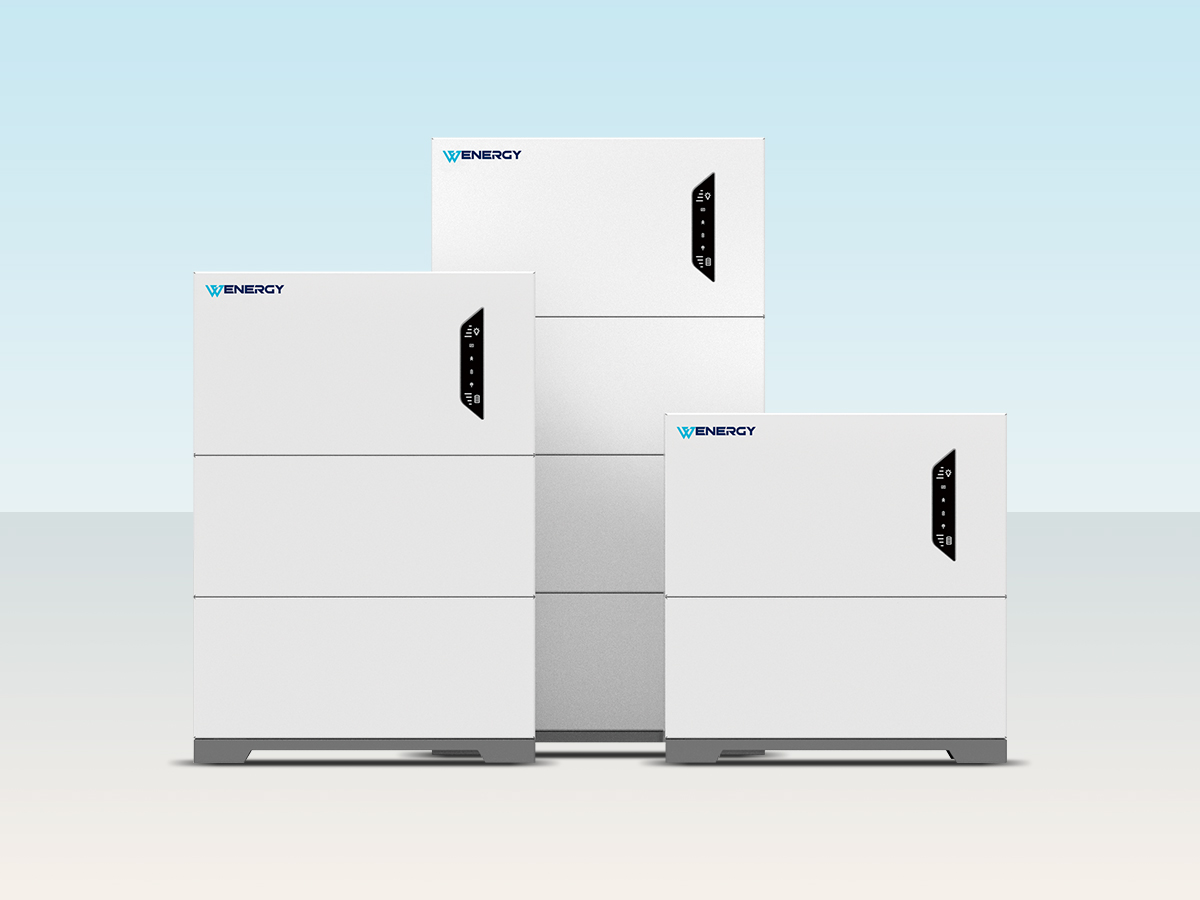
Customization also means planning for change. Many factories expand production lines or adopt new equipment over time, which can alter power demand significantly. In our solution design, scalability is treated as a core consideration rather than an afterthought. Modular architectures enable commercial battery storage systems to grow alongside factory operations, reducing the need for full system replacement. This approach is especially relevant in industrial parks and manufacturing clusters, where energy strategies must remain flexible. Through standardized interfaces and adaptable configurations, commercial energy storage systems can be integrated into both current and future energy frameworks.
Integrating Practical Storage Technologies into Daily Operations
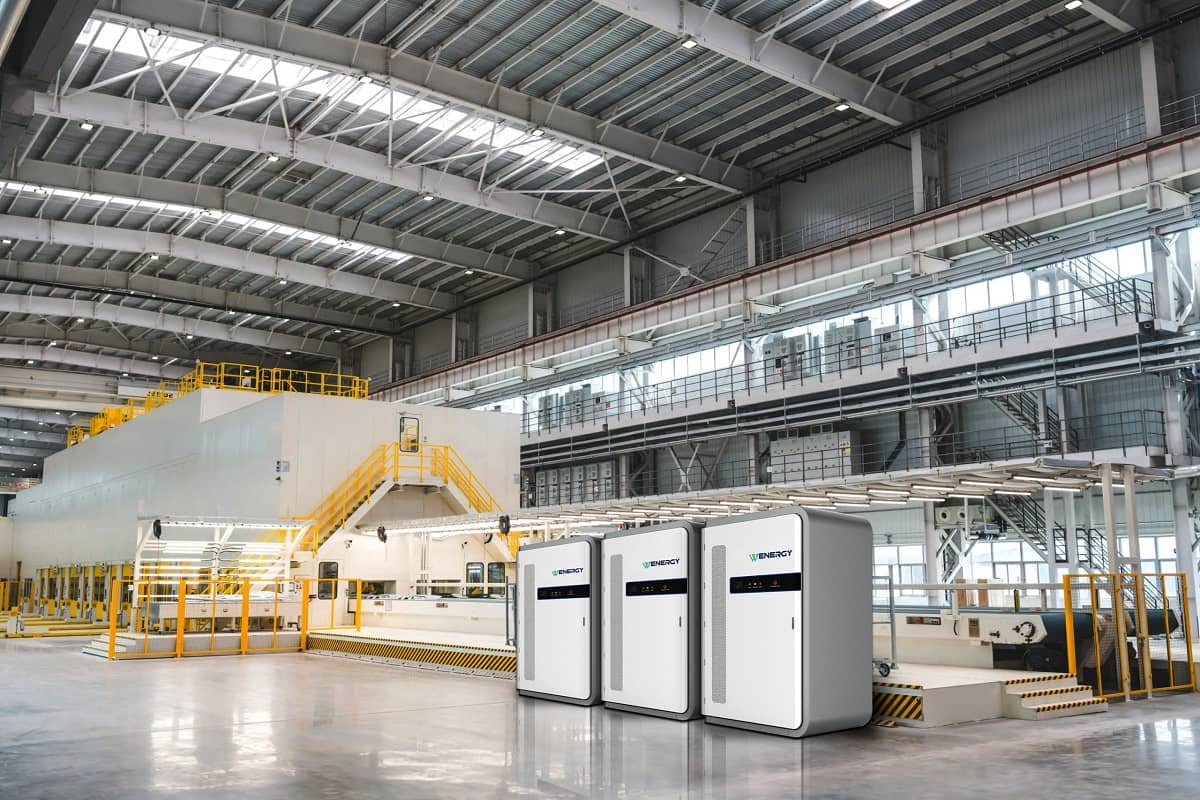
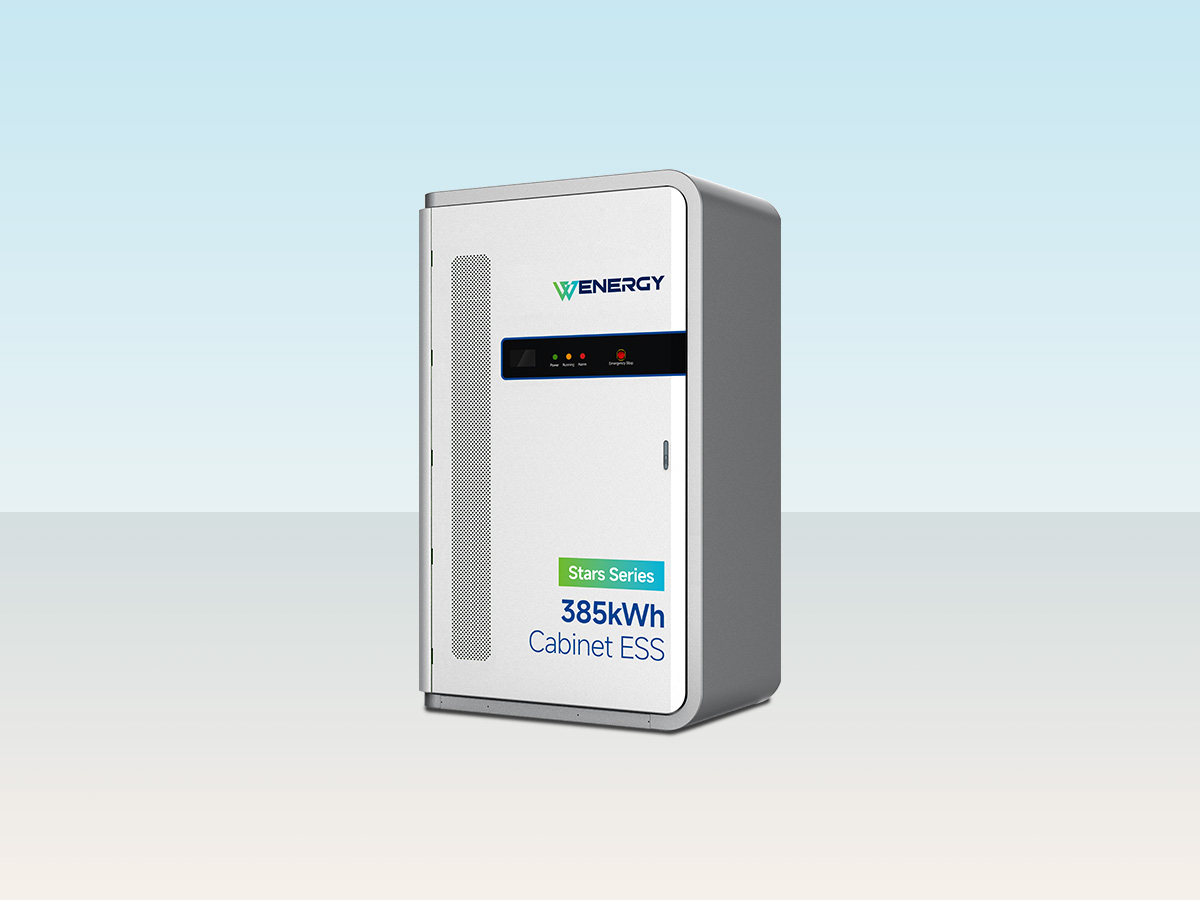
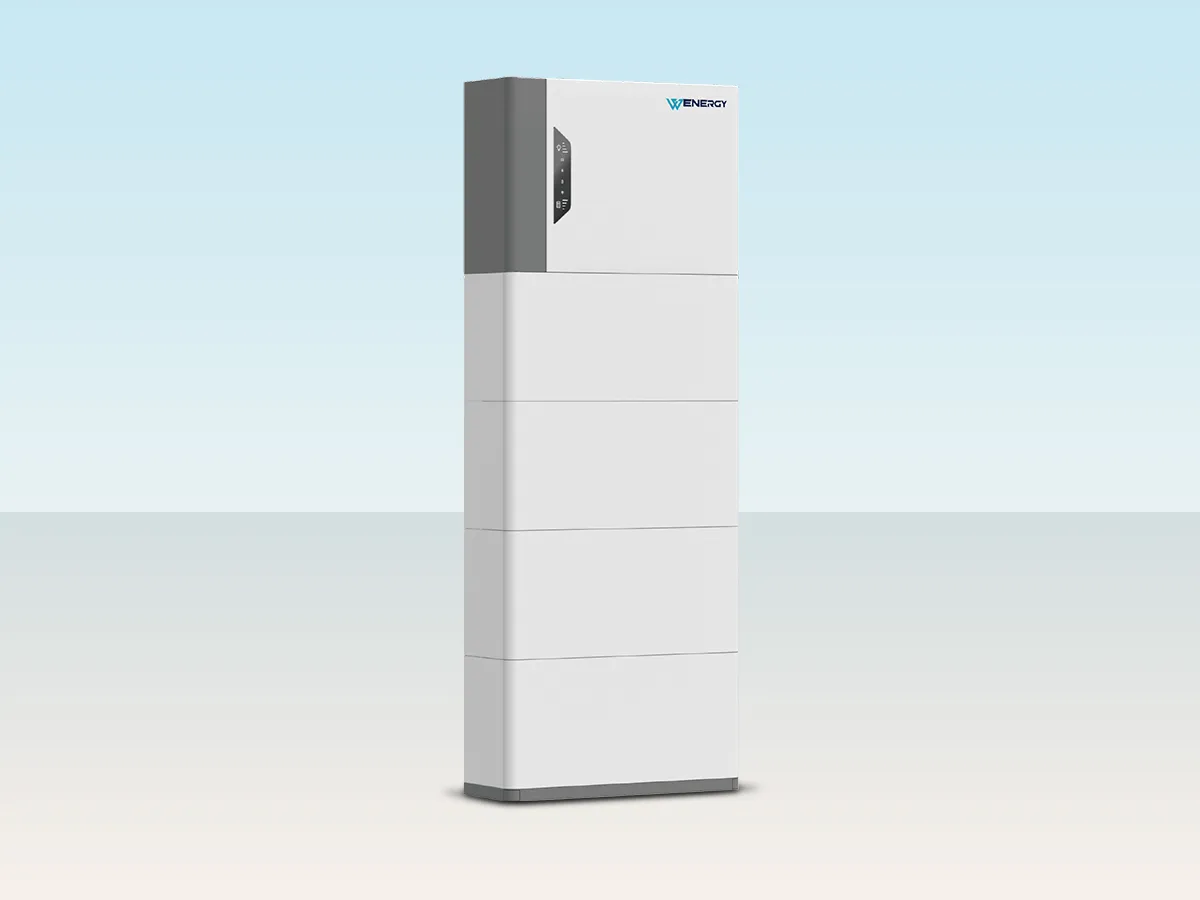
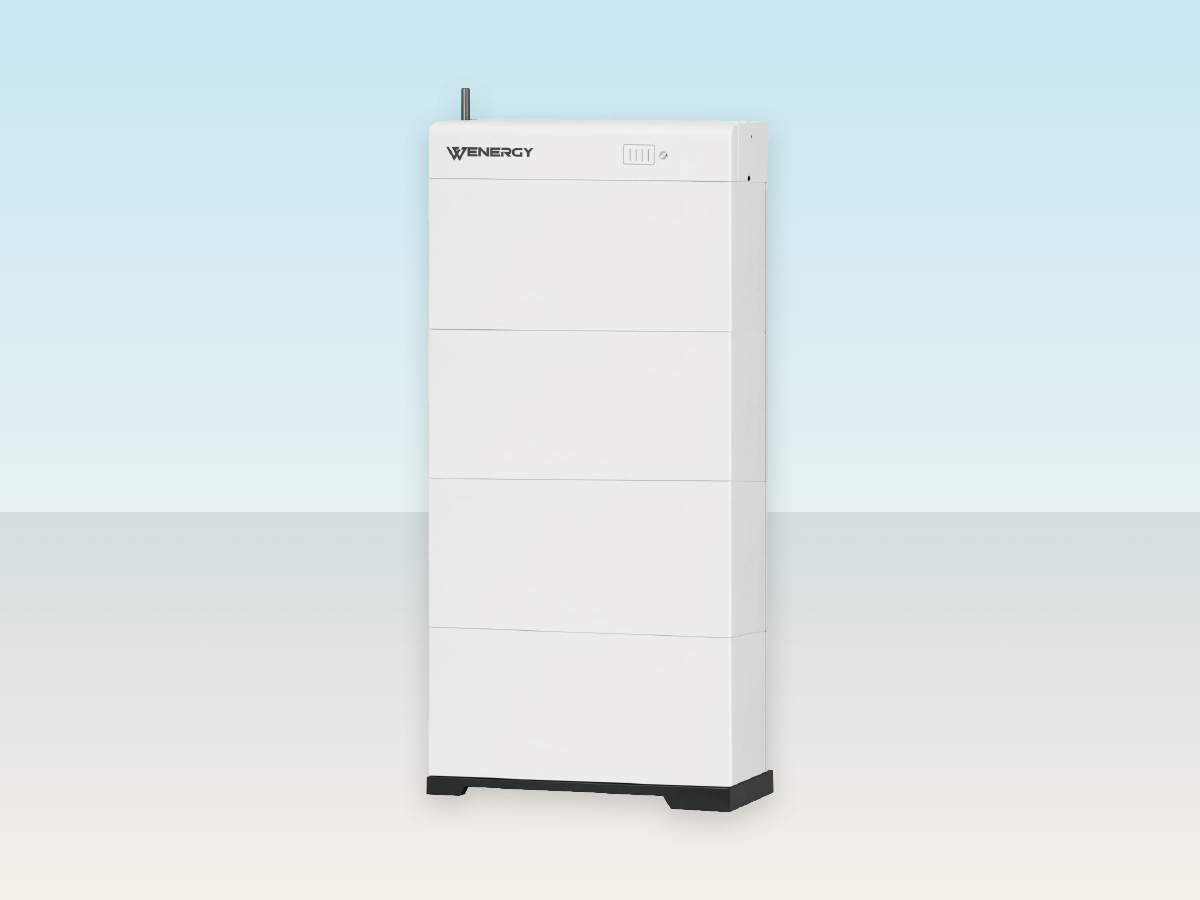
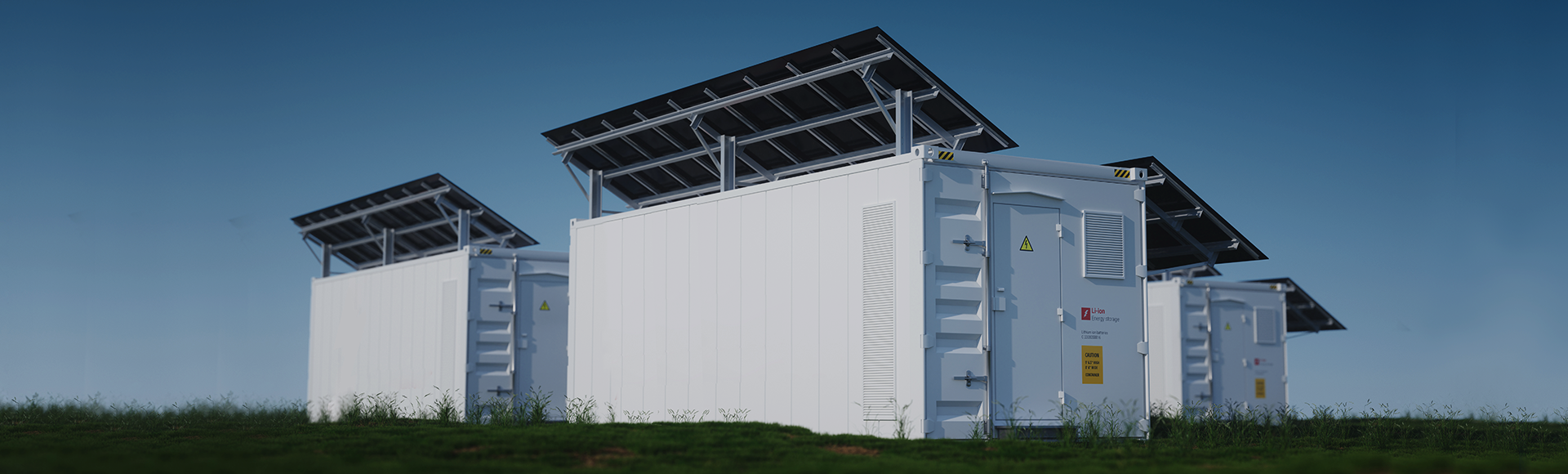
When it comes to equipment selection, practicality matters as much as technical specifications. For example, our 385kWh All-in-one ESS Cabinet (DC Side) from the Stars Series is designed as a high-density solution using 314Ah LFP cells. Scalable from 289 to 385kWh, it achieves over 93% system efficiency and connects smoothly with containerized ESS setups. In factory scenarios such as peak shaving, on-site renewable utilization, and EV charging support, commercial battery storage systems like this cabinet are valued for their compact footprint and straightforward integration. Within broader commercial energy storage systems, such components help balance performance, safety, and space constraints common in industrial settings.
Conclusion: Aligning Custom Energy Strategies with Industrial Reality
Customizing energy solutions for factories is ultimately about aligning technology with operational reality. Rather than treating storage as a standalone asset, we view it as part of an interconnected energy ecosystem shaped by production goals, grid conditions, and long-term planning. Through careful analysis, scalable design, and practical system integration, commercial energy storage systems can support factories in managing costs and improving energy resilience. As industrial users continue to explore commercial battery storage systems, a customized approach remains essential for ensuring that energy solutions evolve in step with manufacturing demands.
Post time: Mar-09-2026