
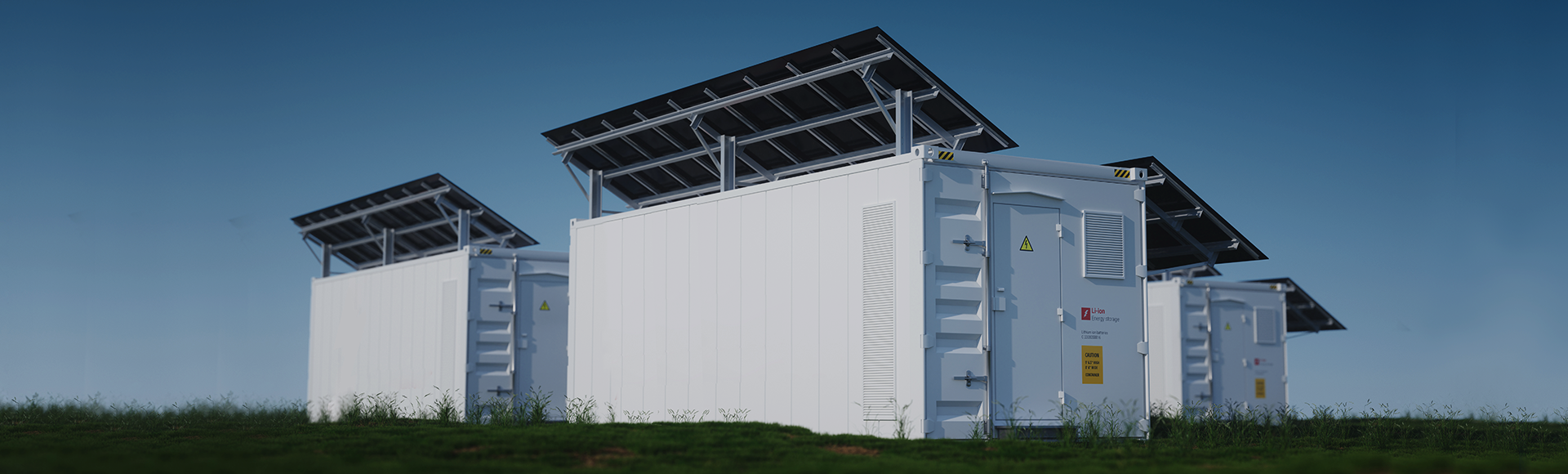
When selecting battery energy storage for a commercial or industrial project, one of the first decisions involves physical form factor. Two dominant formats exist: the compact energy storage cabinet and the large-scale BESS container. Each serves different project scales, site constraints, and capacity requirements. Choosing incorrectly can lead to overpaying for unused capacity or, conversely, undersizing a system that fails to meet operational needs. Understanding the trade-offs between these two formats helps project developers, facility managers, and energy consultants match the right hardware to their specific application—whether that means behind-the-meter peak shaving for a factory or grid-connected renewable smoothing at utility scale.
The Energy Storage Cabinet: Compact and Commercial-Focused
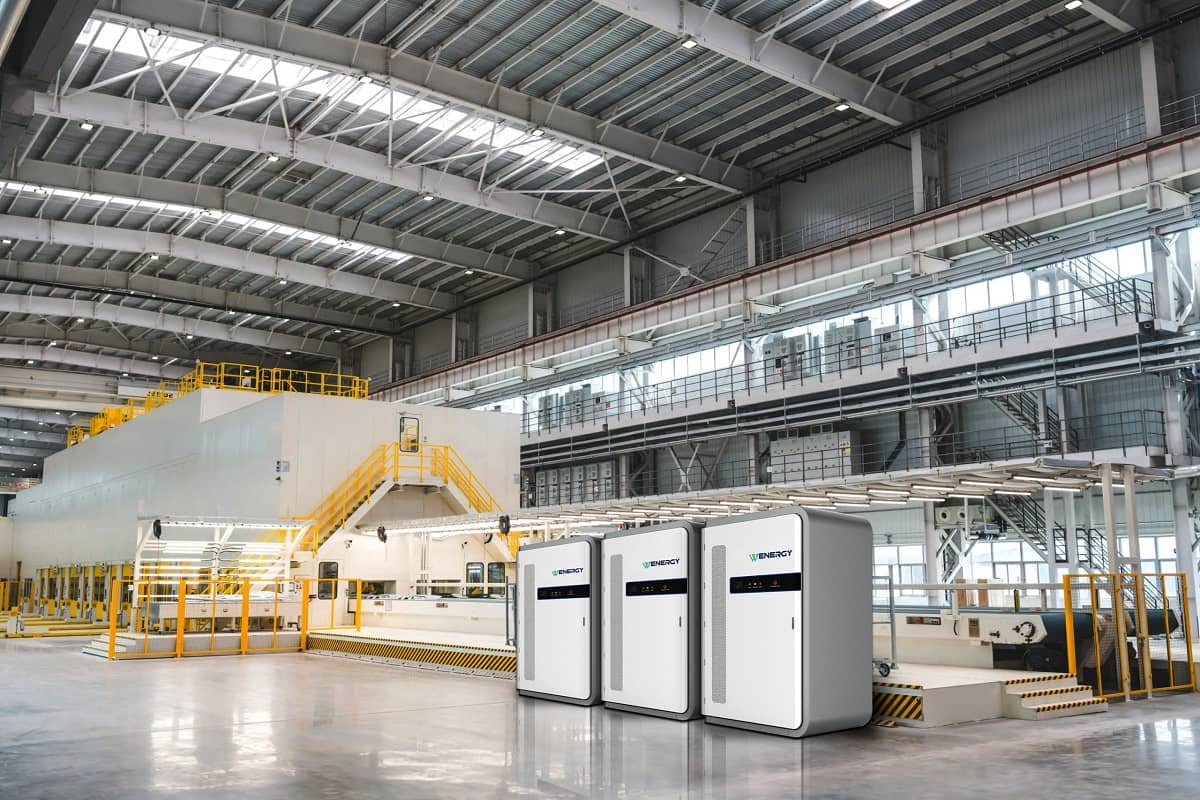
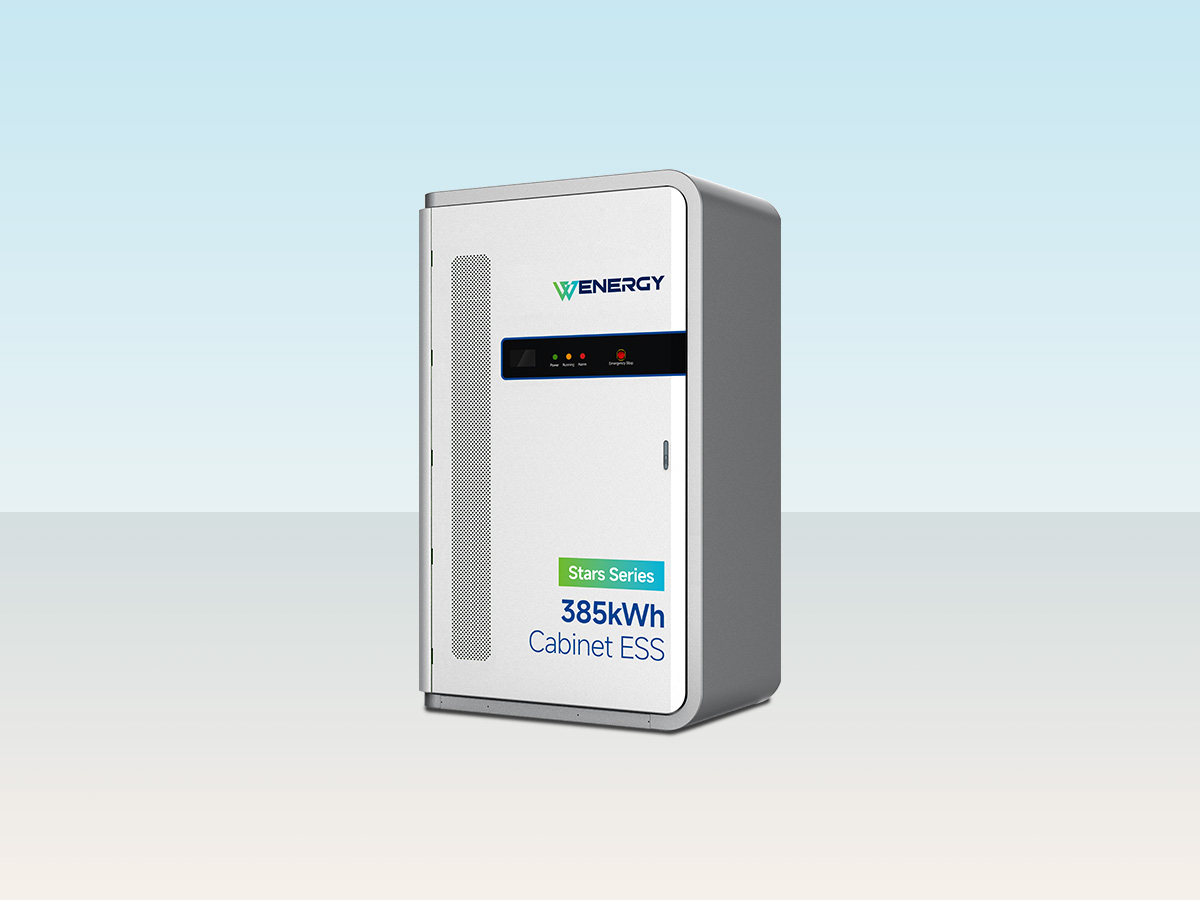
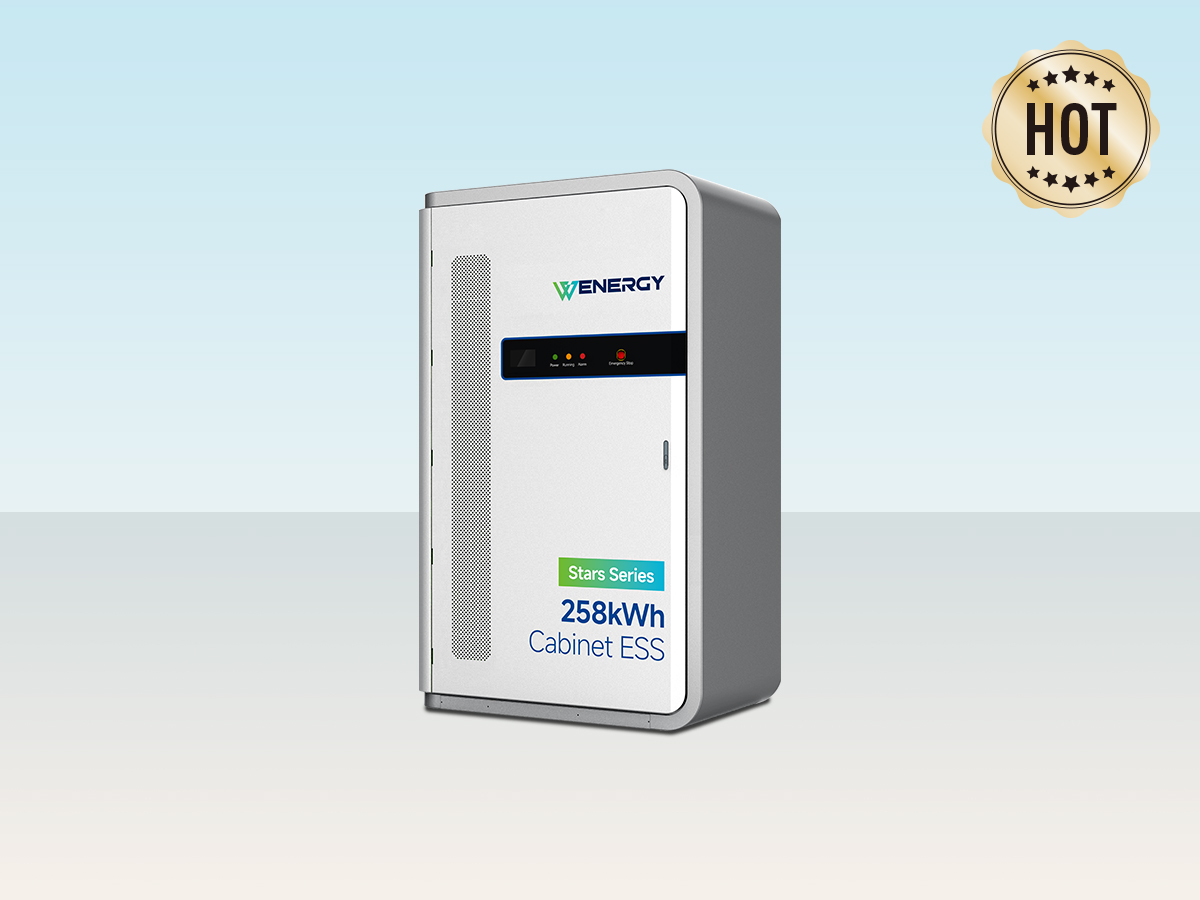
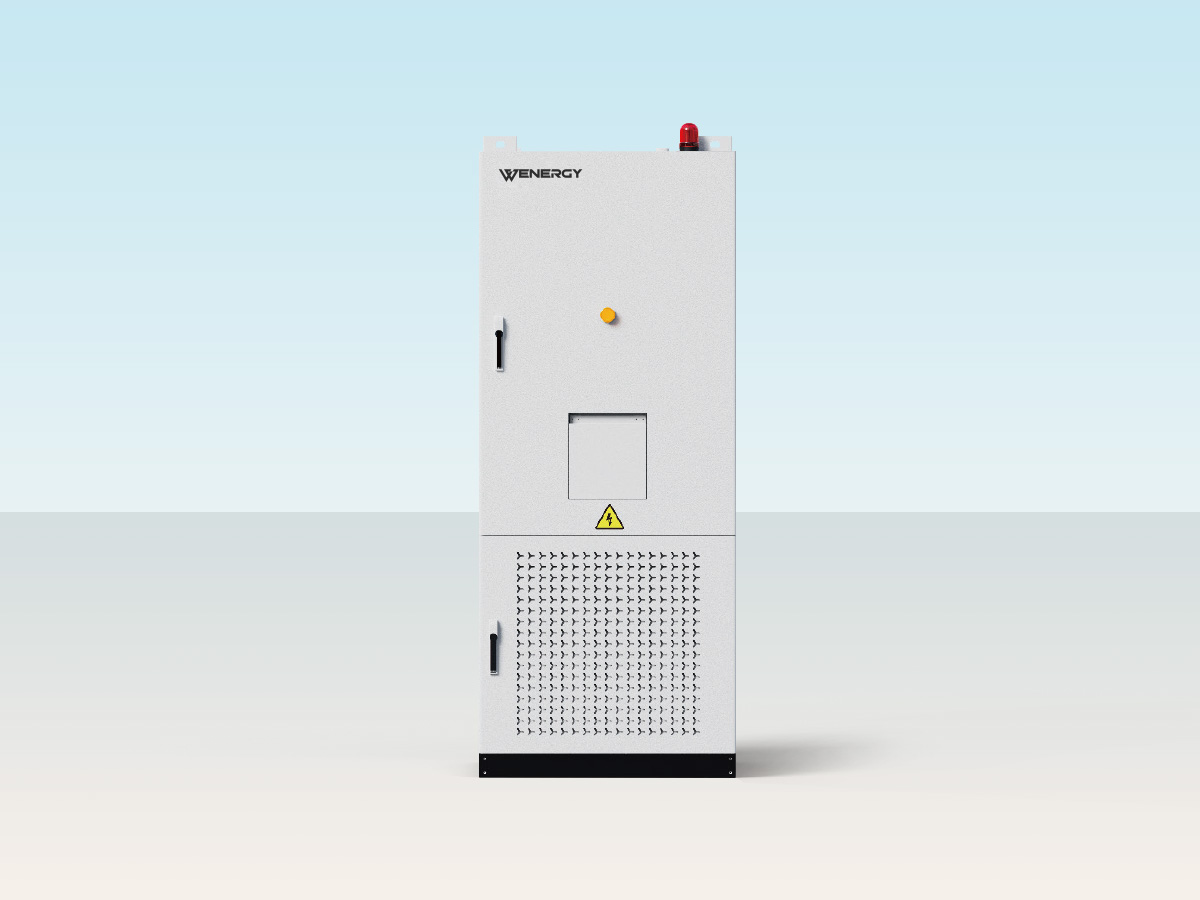
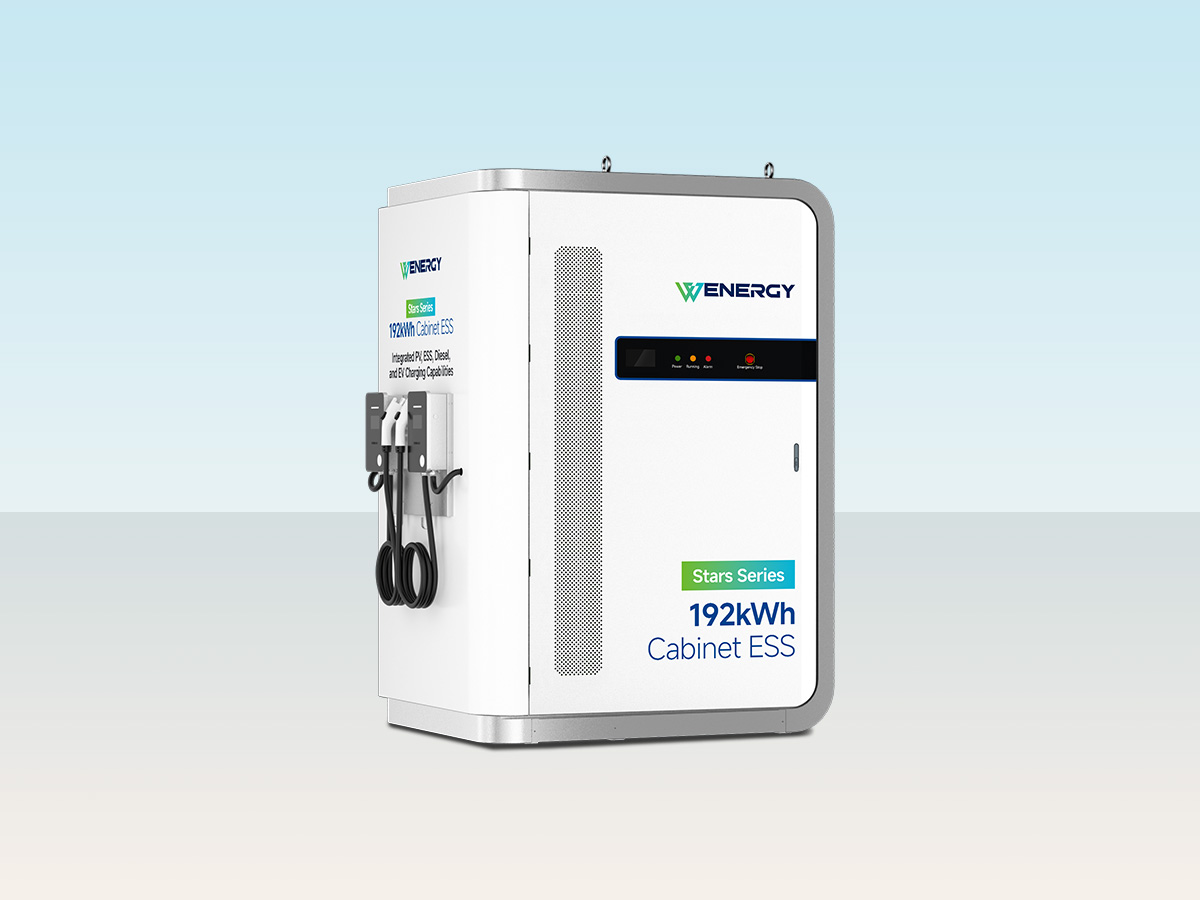
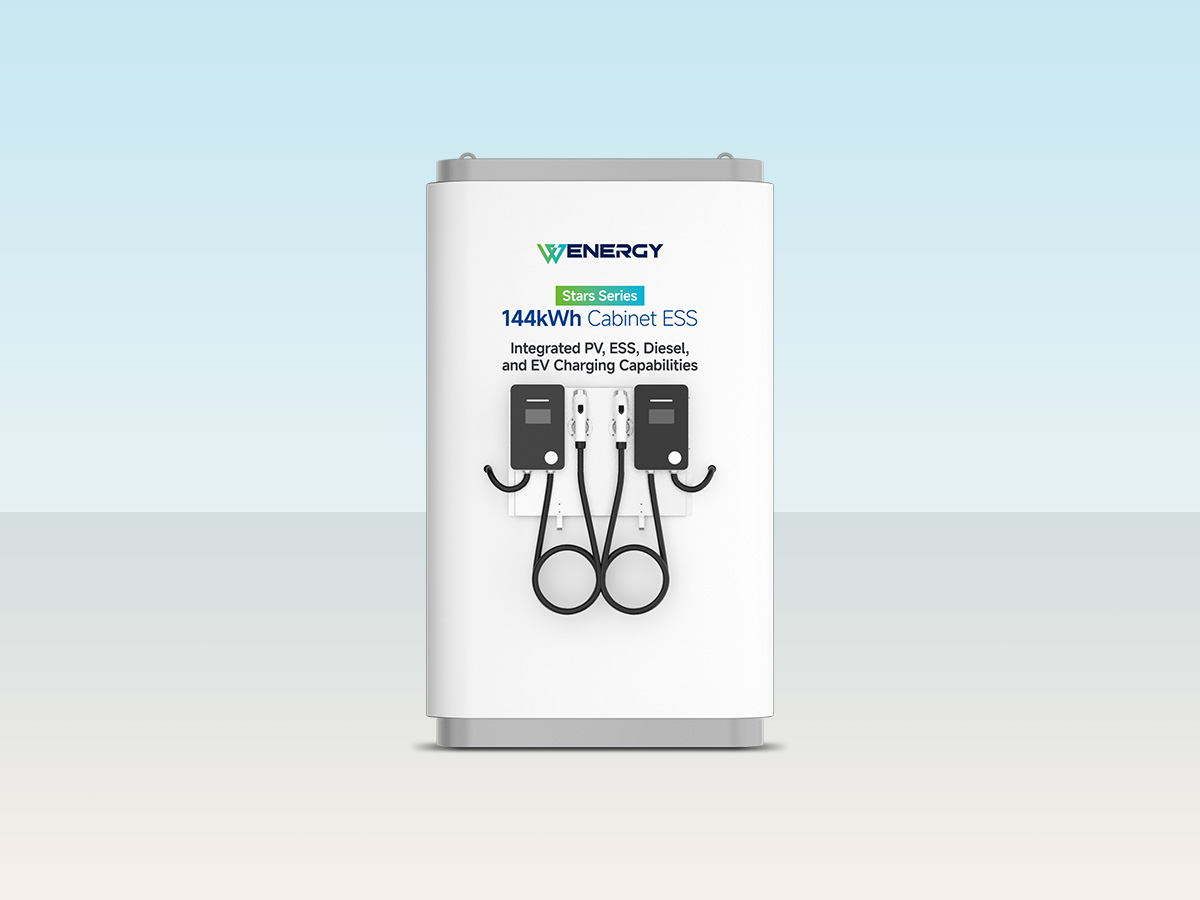
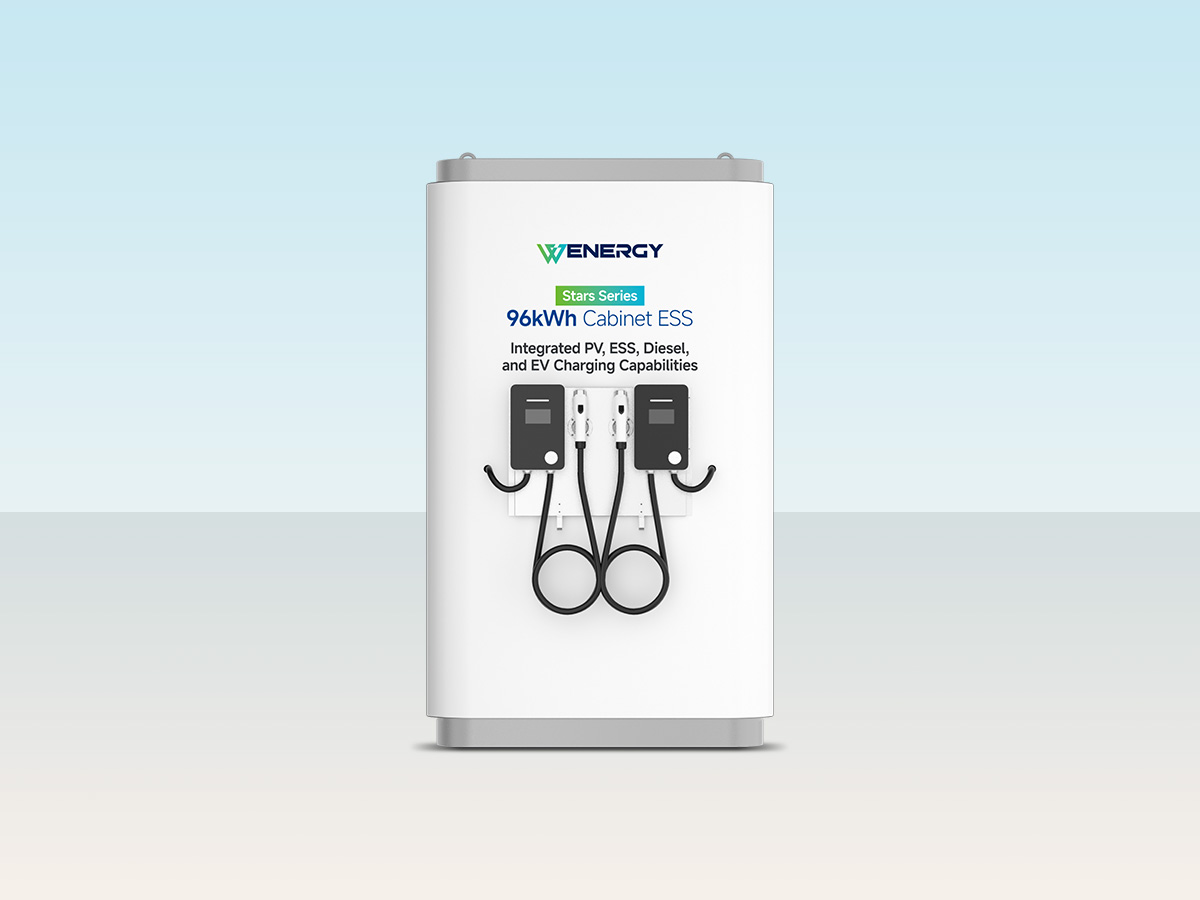
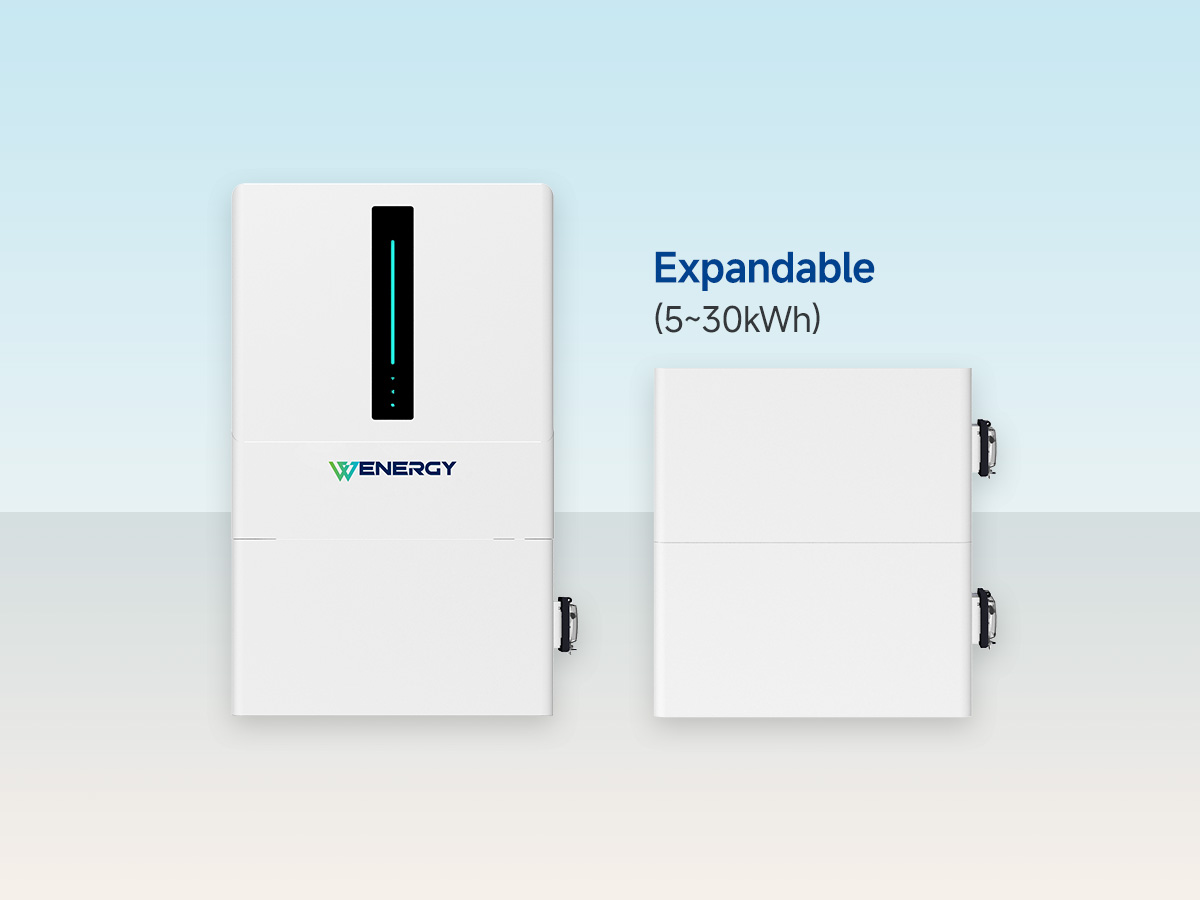
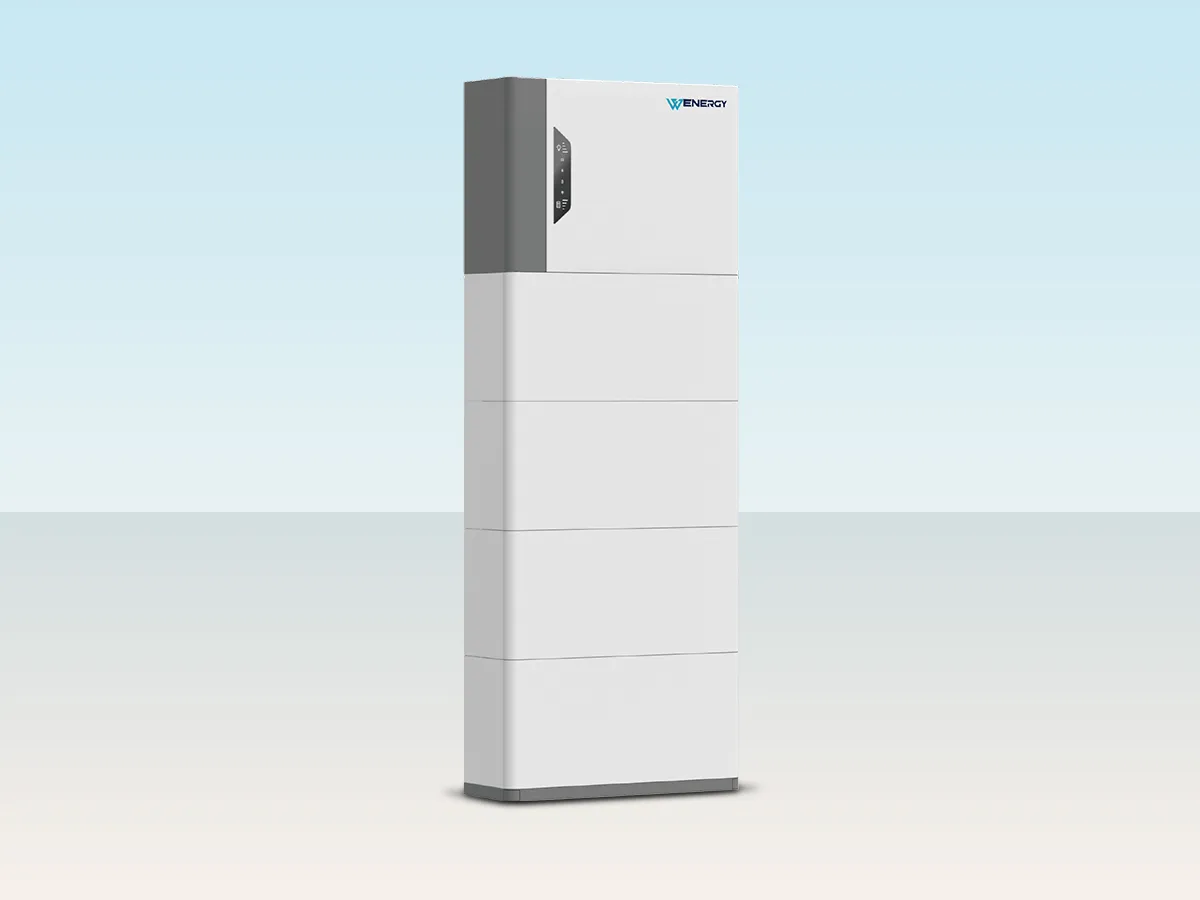
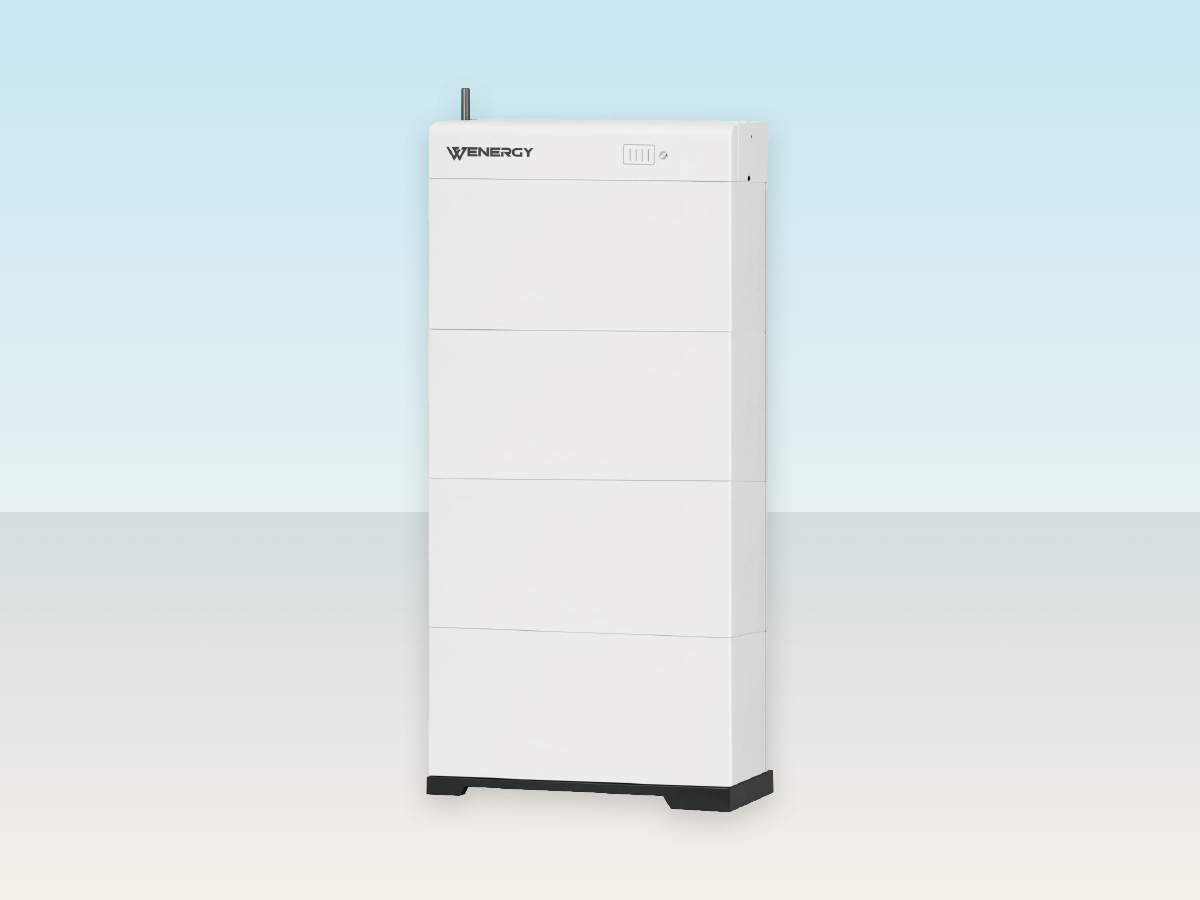
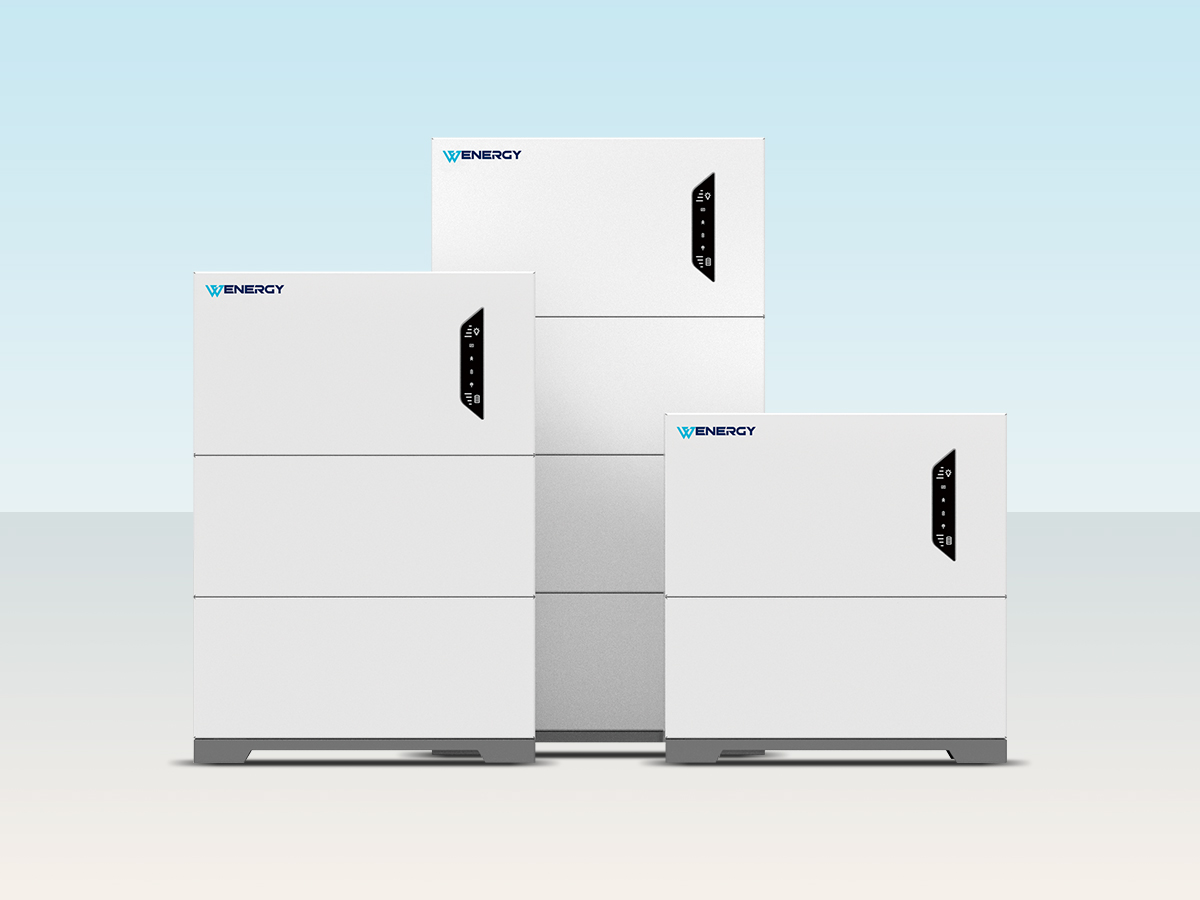
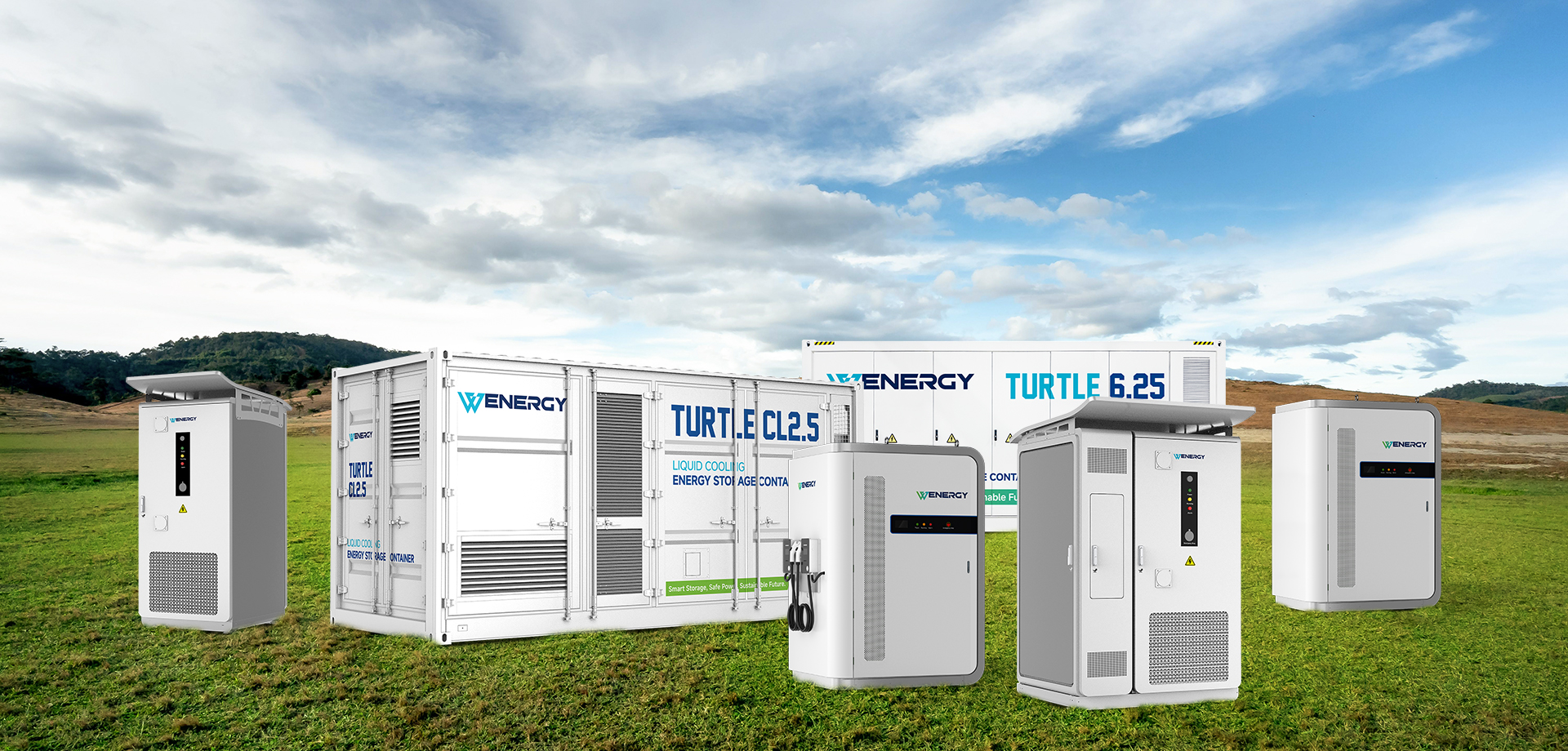
An energy storage cabinet is designed for commercial and industrial applications where space is limited and installation must integrate into existing facilities. Typical capacities range from 50 kWh to 300 kWh per unit, making the cabinet ideal for retail centers, office buildings, small manufacturing plants, and EV charging hubs. Because an energy storage cabinet arrives as a self-contained, forklift-movable unit, it requires minimal civil works and can often be placed against exterior walls or in parking lots. For businesses working with a cabinet ESS provider, the value proposition centers on simplicity: plug-and-play commissioning, small footprint, and the ability to add multiple cabinets in parallel as demand grows. However, cabinets are generally not suited for utility-scale applications or sites requiring multi-megawatt capacity, as the per-unit energy density is lower than containerized alternatives.
The BESS Container: Utility-Grade and Scalable
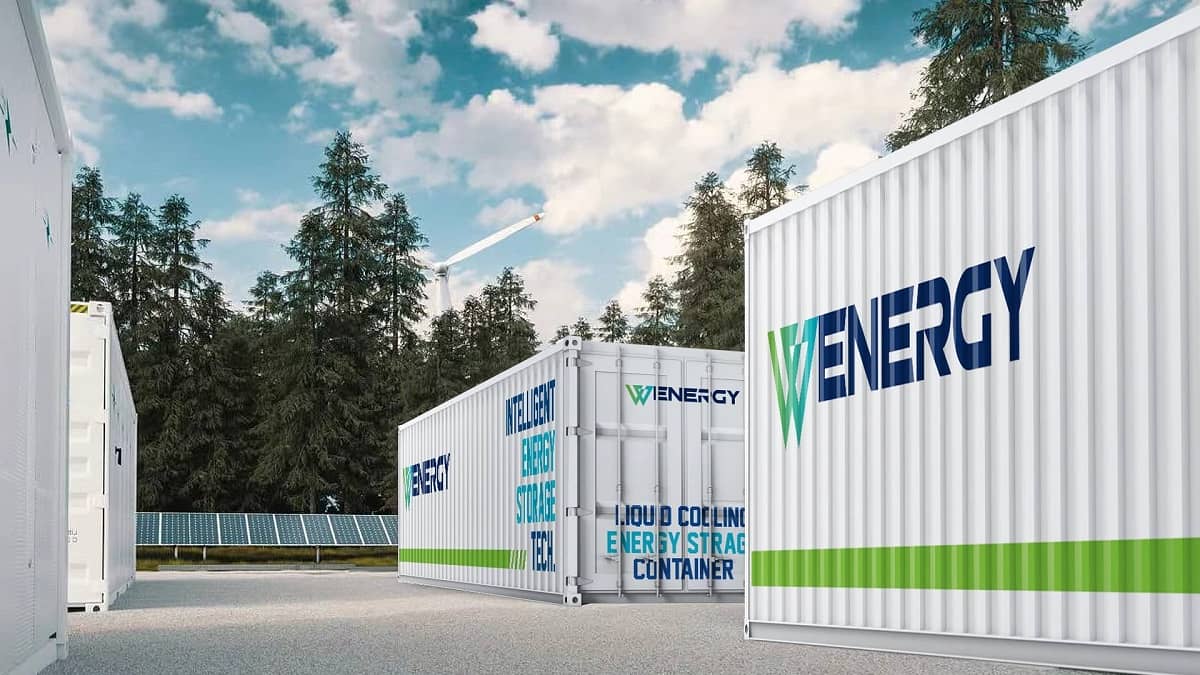
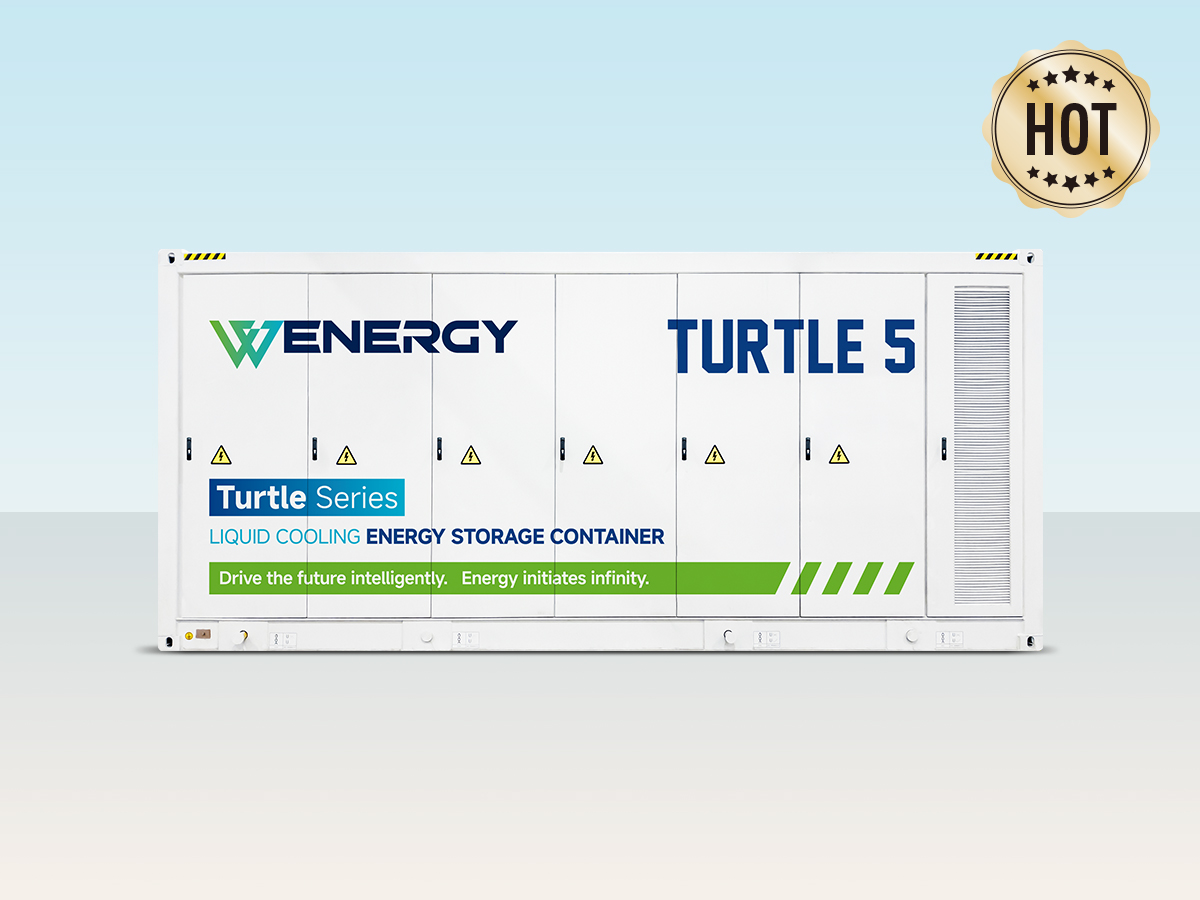
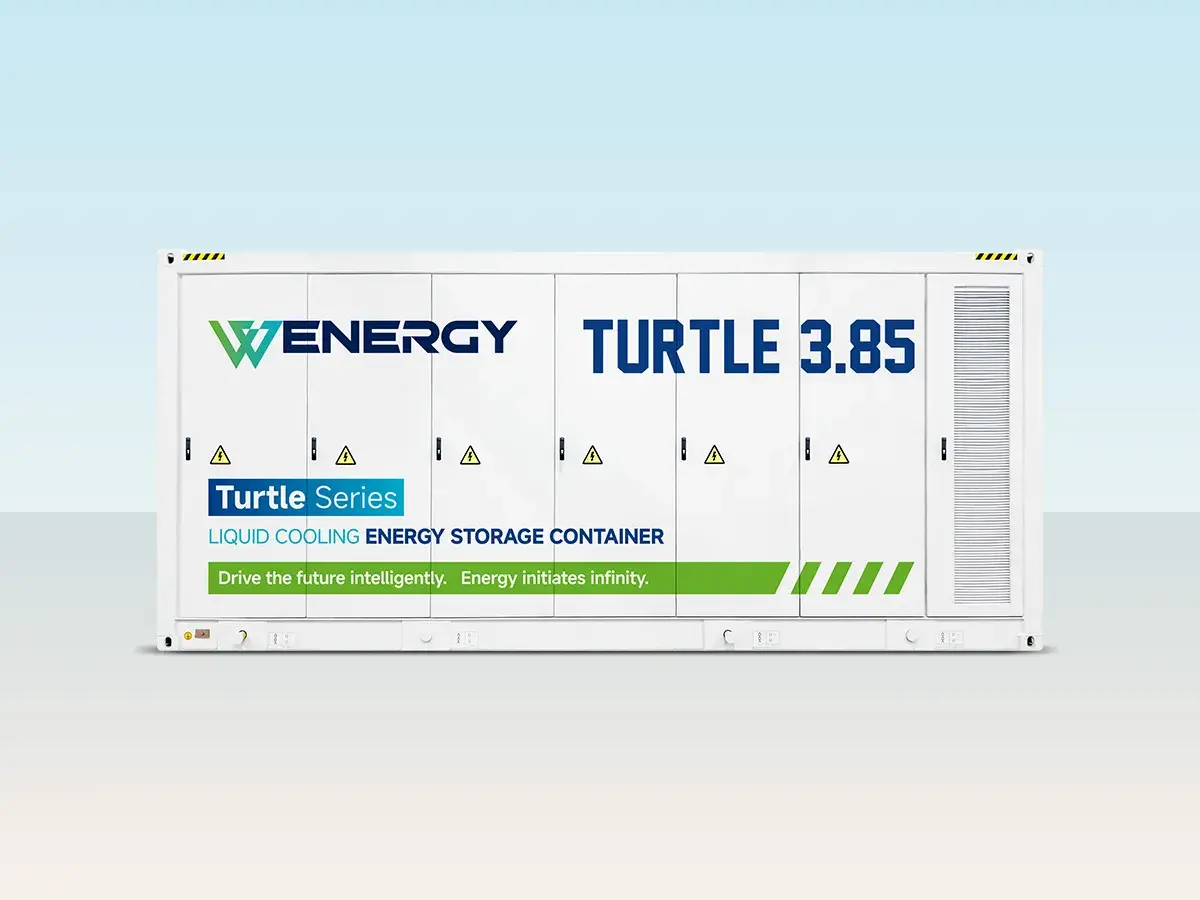
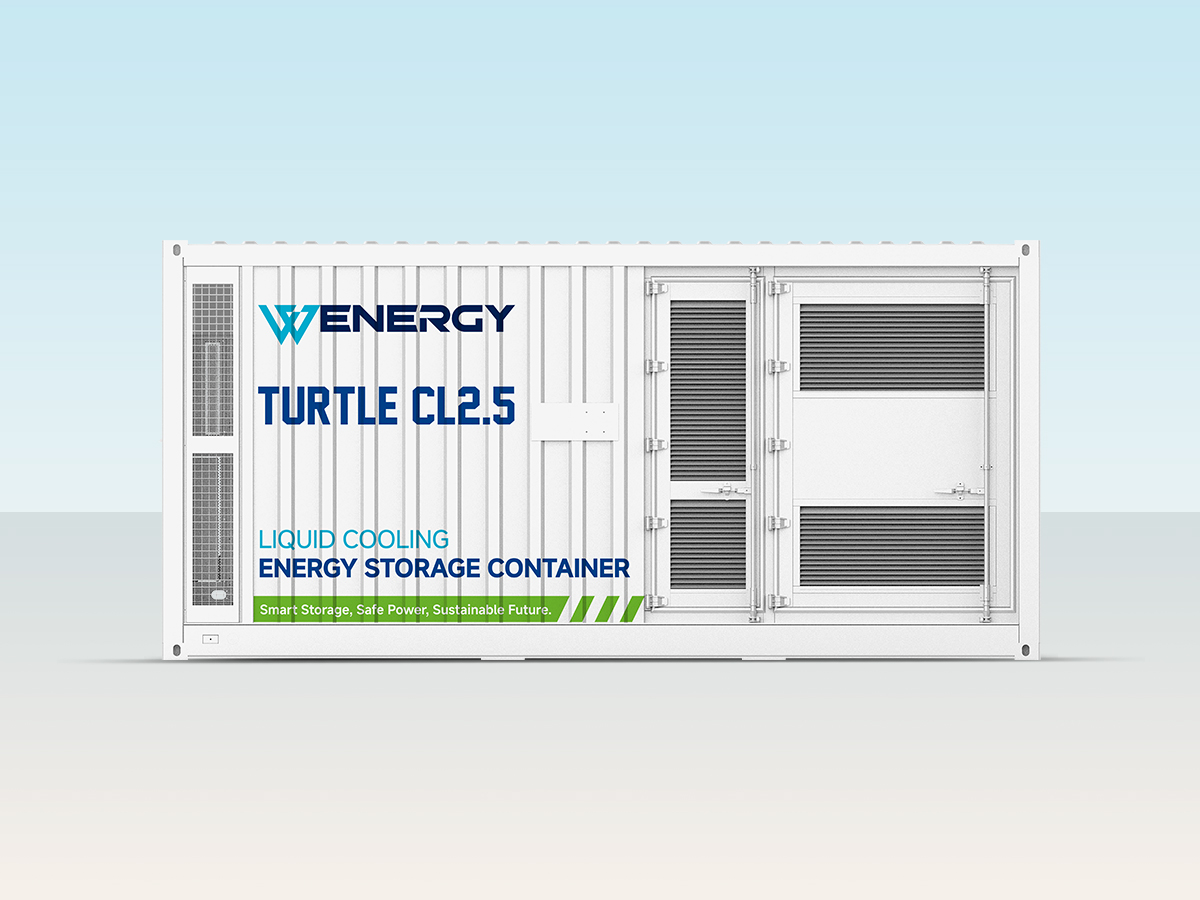
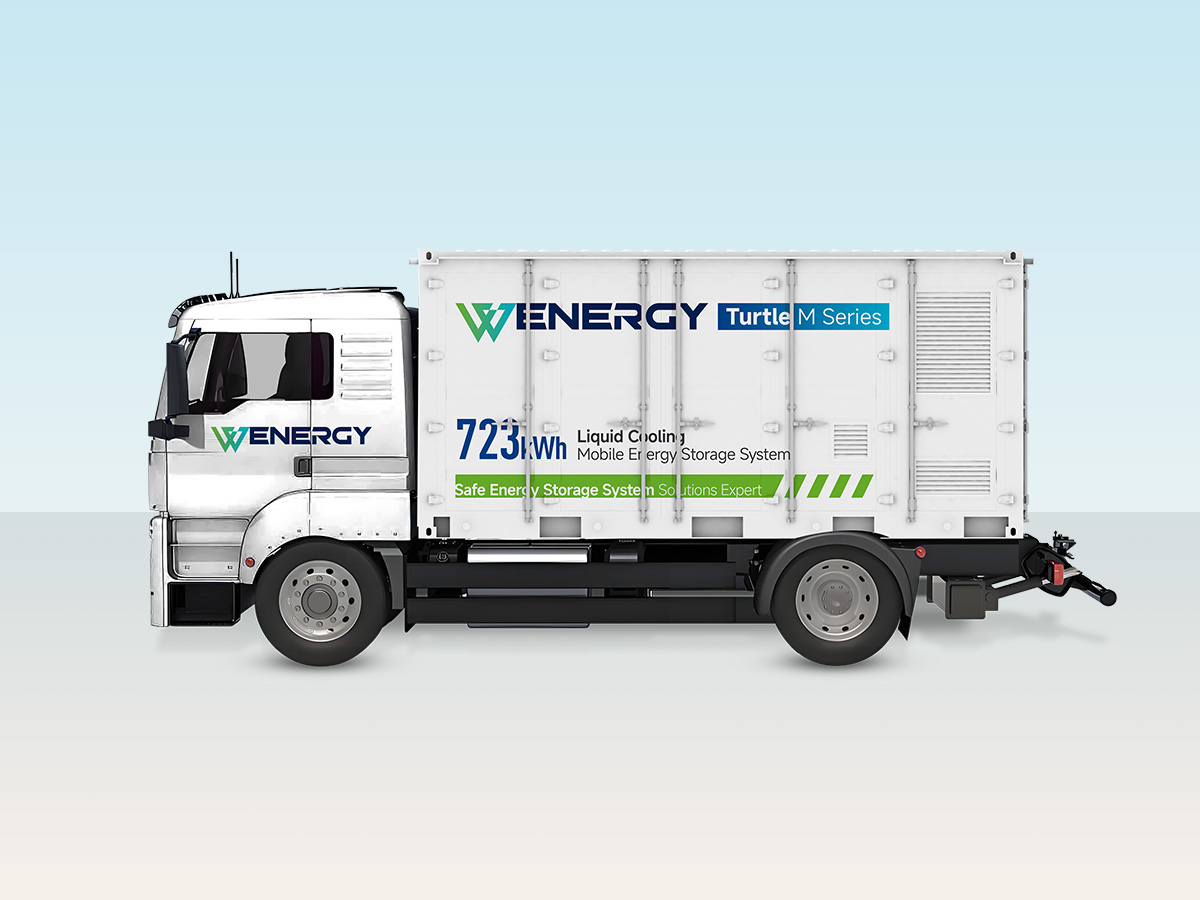
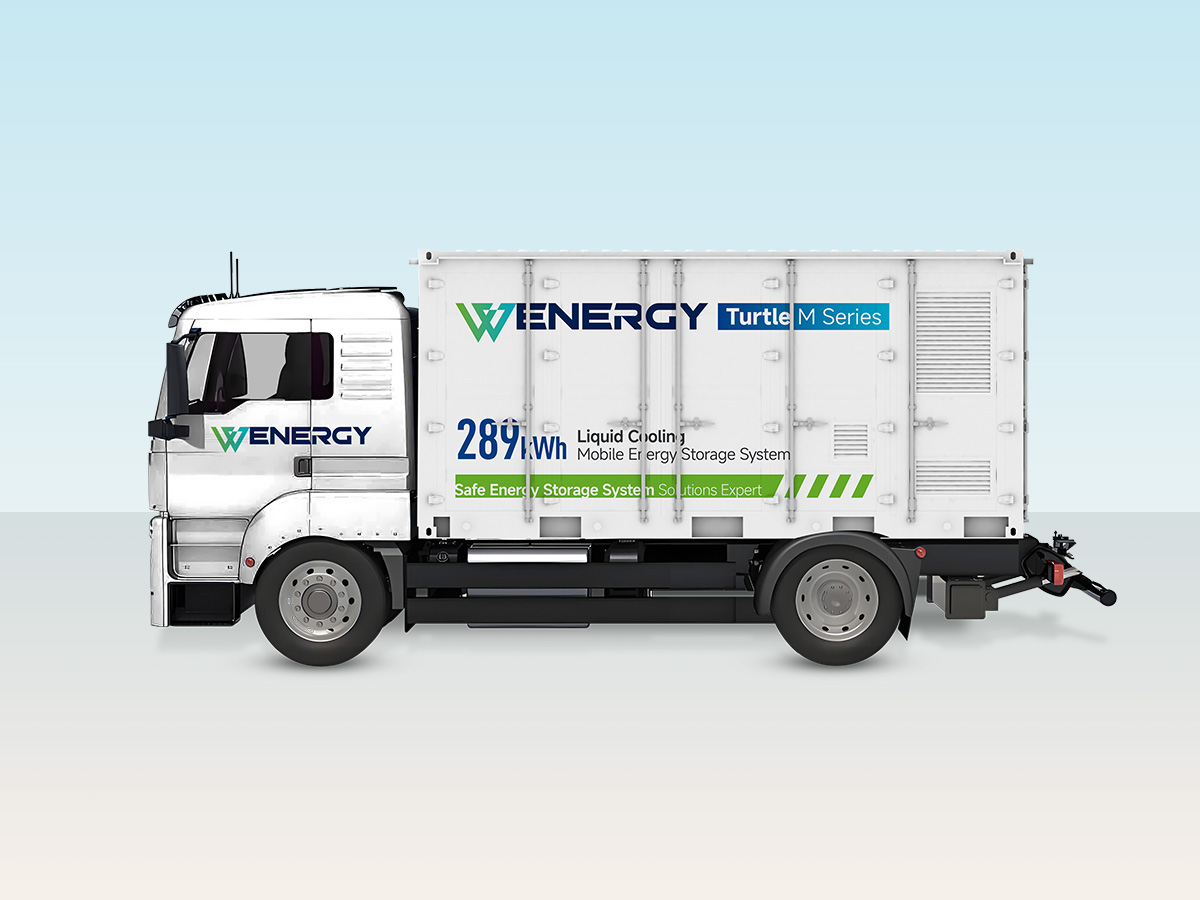
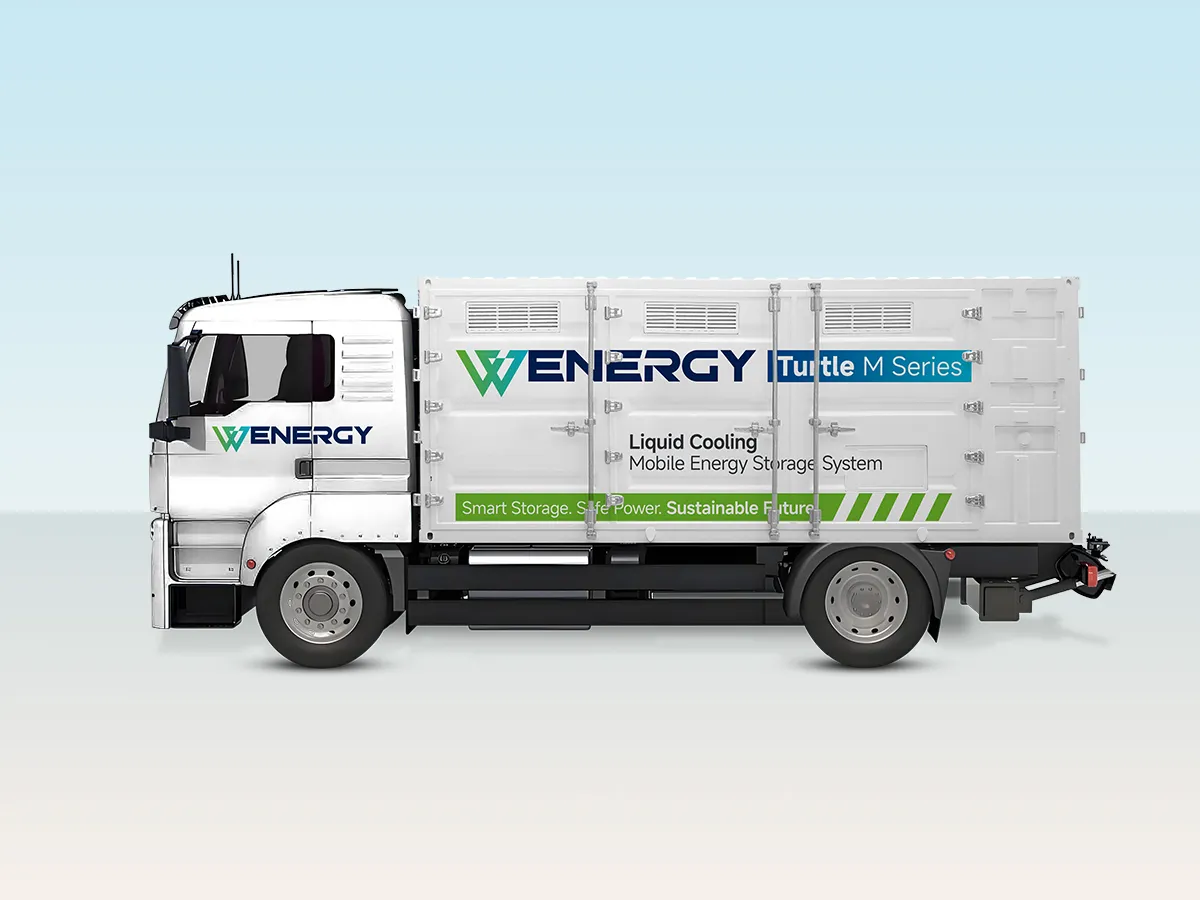
In contrast, a BESS container adopts standard 20-foot or 40-foot ISO shipping container dimensions, typically housing 500 kWh to 5 MWh per unit. This format dominates utility-scale projects, large renewable plants, and industrial microgrids where space is abundant but rapid deployment is critical. Containers integrate everything from battery racks and PCS to thermal management and fire suppression within a rugged, weatherproof enclosure. For project owners needing 10 MWh or more, deploying a fleet of containers is far more cost-effective than linking dozens of cabinets. The container format also simplifies logistics, as units ship worldwide via standard freight channels. However, containers require more substantial site preparation—concrete pads, crane access, and utility clearance—and are less adaptable to cramped urban locations.
Making the Right Choice Based on Project Parameters
The decision between cabinet and container ultimately depends on three variables: capacity needs, site constraints, and deployment timeline. For projects under 500 kWh where space is tight and commissioning speed matters most, an energy storage cabinet is usually the better fit. For installations above 1 MWh with available outdoor space, a container offers lower cost per kilowatt-hour and greater scalability. Commercial facilities that anticipate growth should consider a cabinet ESS provider offering parallel connection capabilities, while utilities and renewable developers should prioritize container systems with proven grid compliance. Also factor in maintenance access—cabinets are easier to service with small crews, while containers may require specialized lifting equipment.
Scaling Smartly Starts with the Right Form Factor
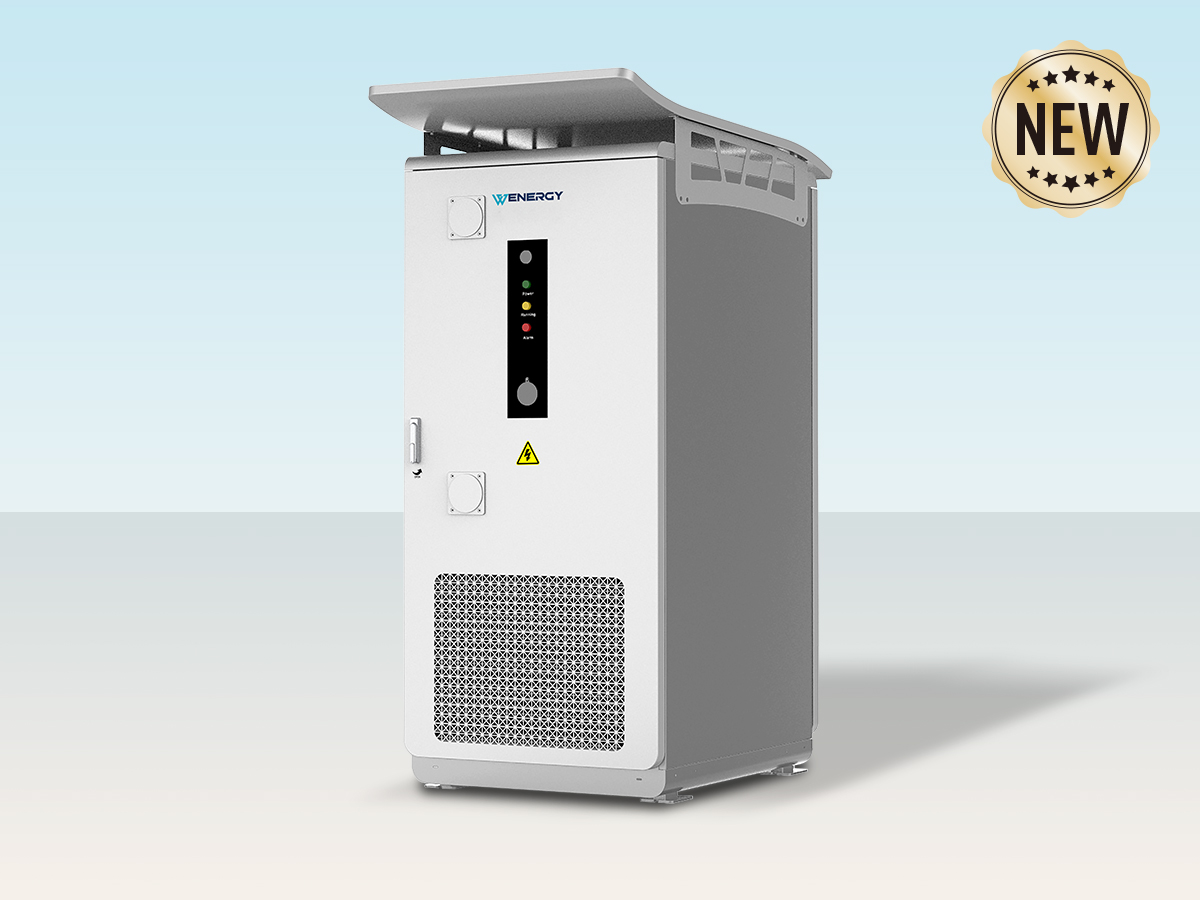
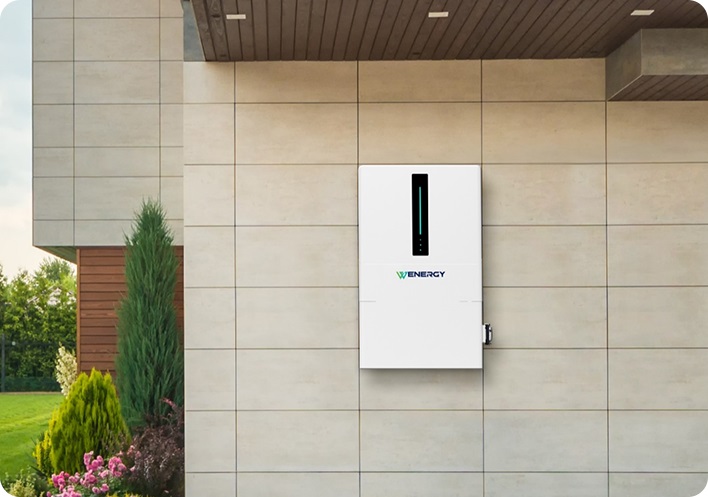
Choosing between an energy storage cabinet and a BESS container is not about which technology is superior—it is about which scale aligns with your site, budget, and energy objectives. Match the hardware to the application, and the financial returns follow. At Wenergy, we offer the High ROI 261kWh Liquid Cooling C&I ESS Cabinet—small size, big power. This advanced outdoor energy storage cabinet features a high-efficiency liquid cooling system, ensuring superior thermal balance, longer battery life, and stable performance under various environmental conditions. Upgrade to Pro for MPPT, STS, and EV charging, with an optional protective top cover available. When your commercial or industrial project demands the performance of an energy storage cabinet with the intelligence of a top-tier cabinet ESS provider, Wenergy delivers the solution engineered for real returns.
Post time: Jun-12-2026