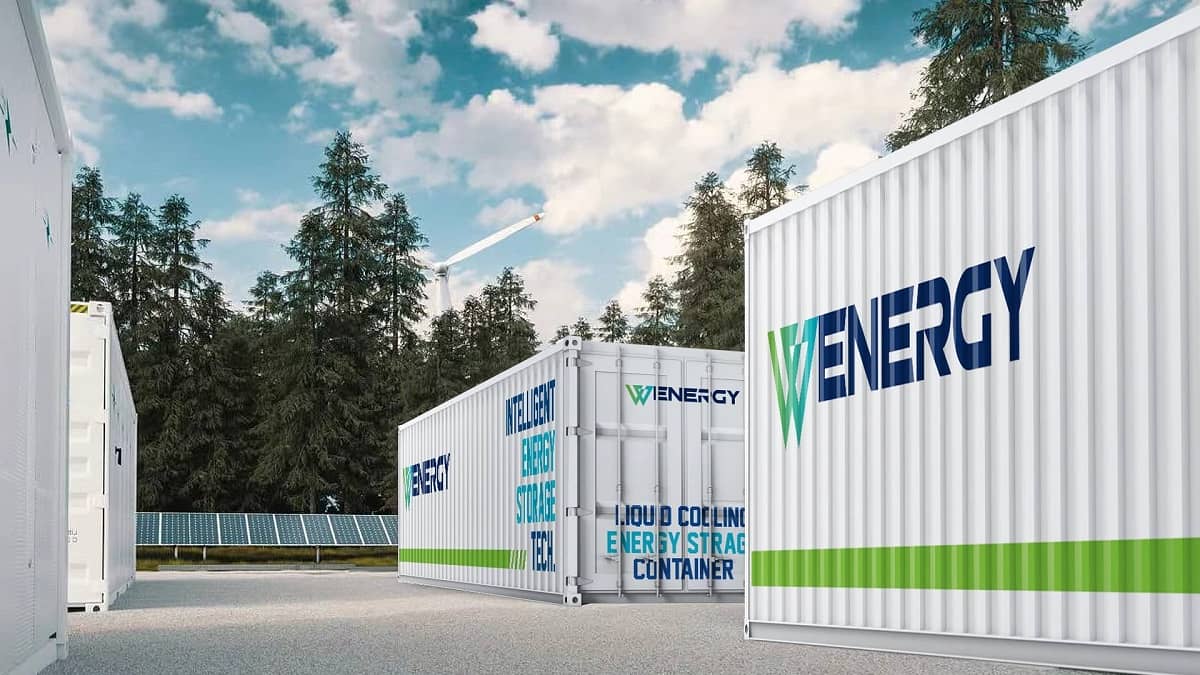
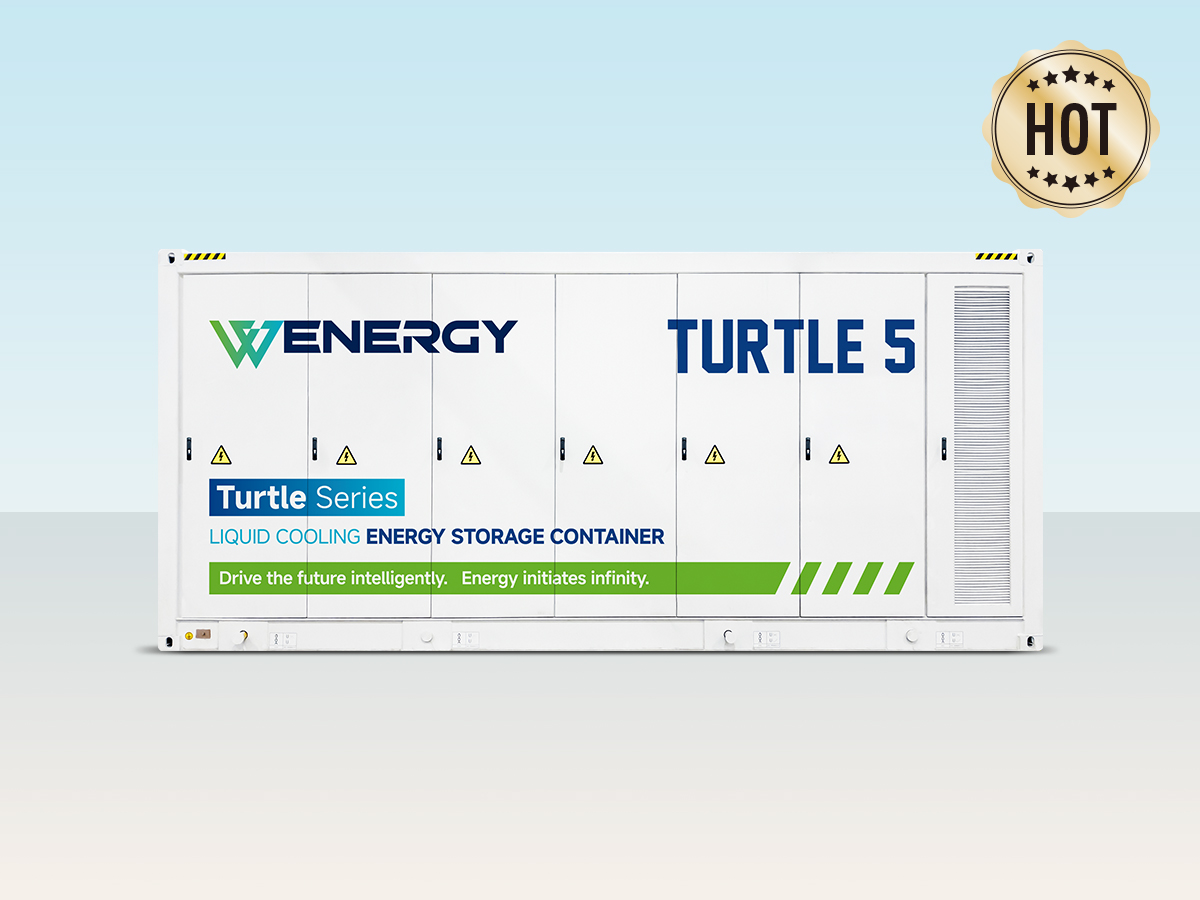
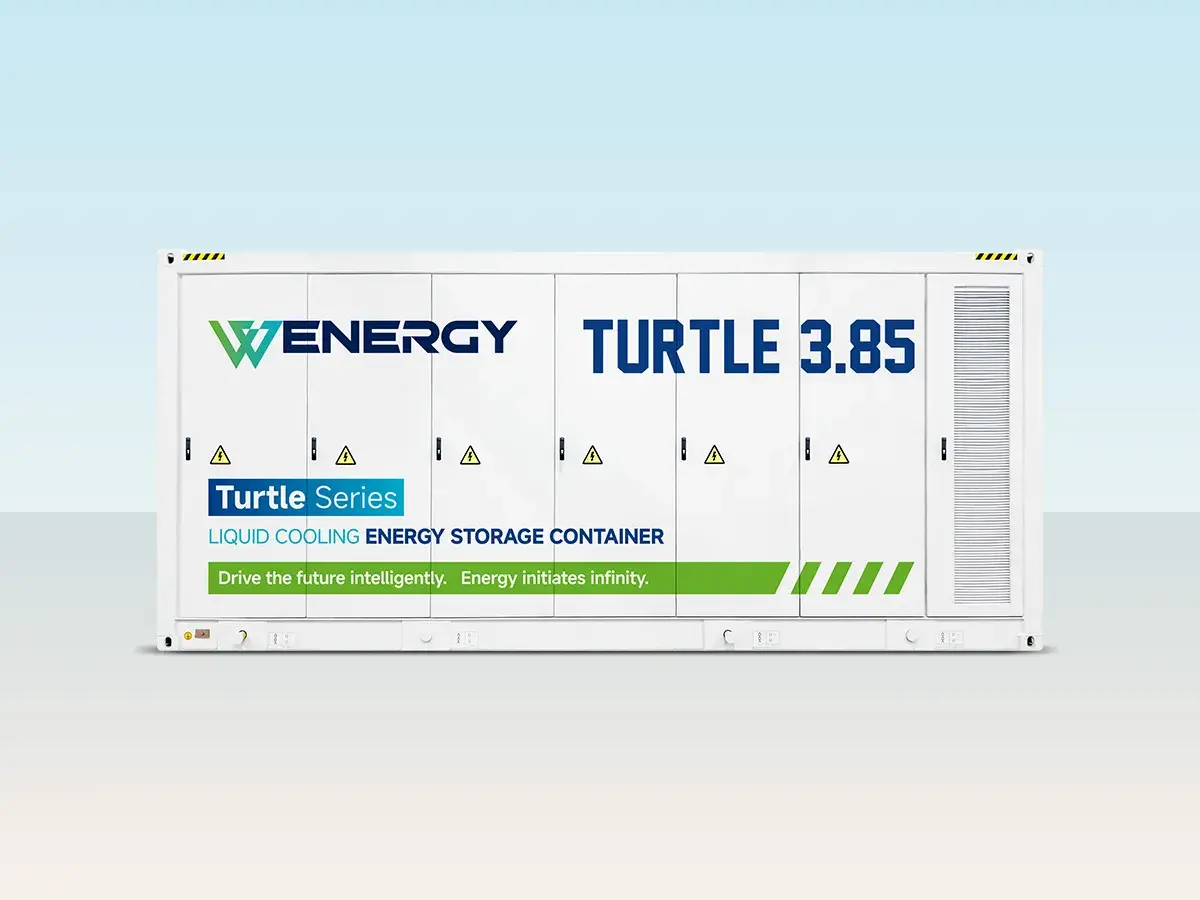
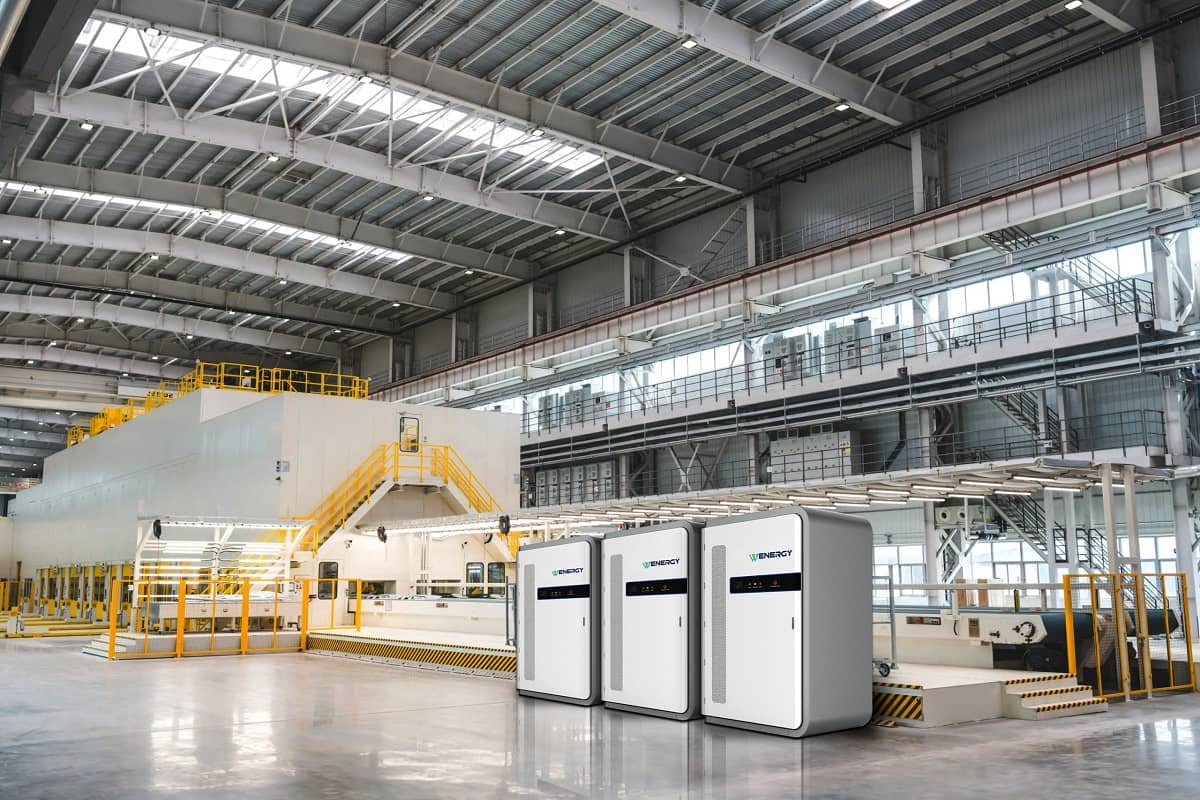

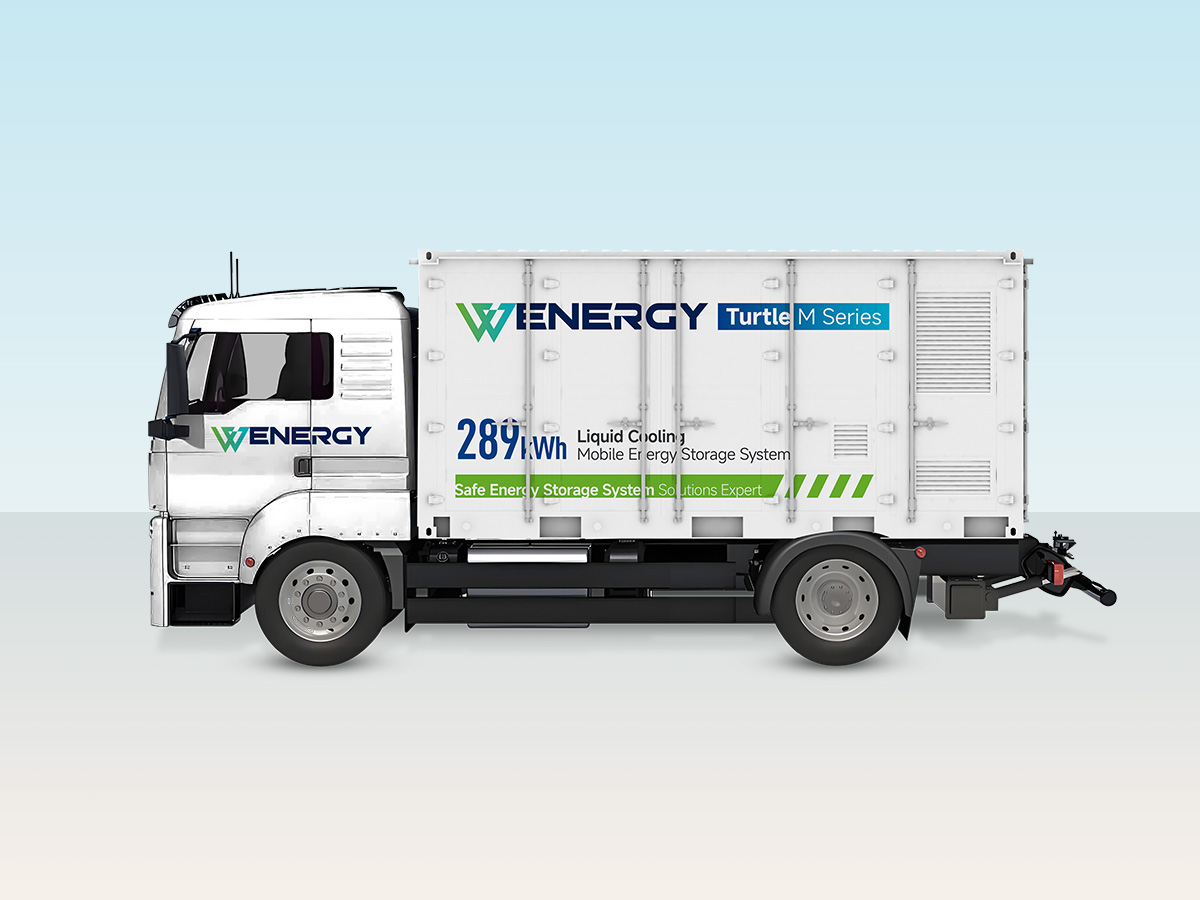
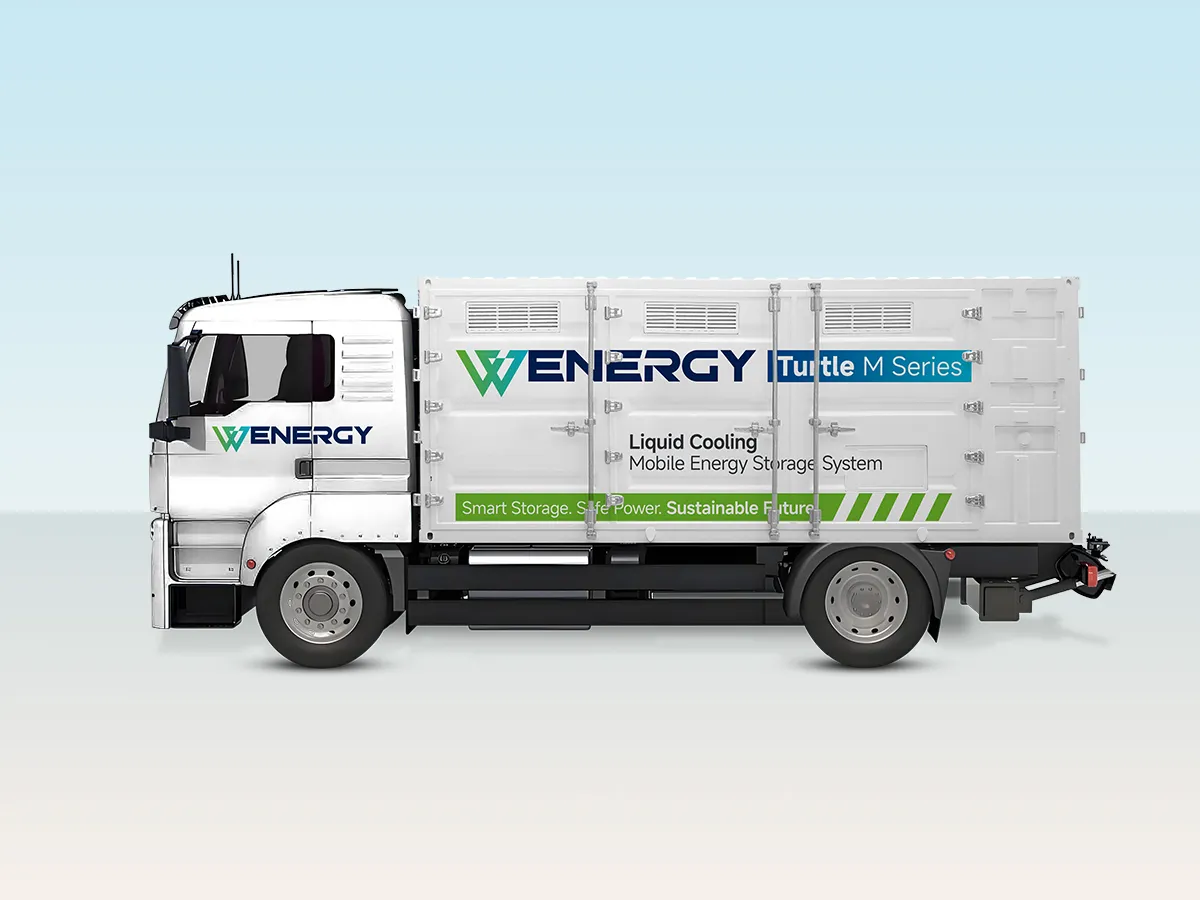
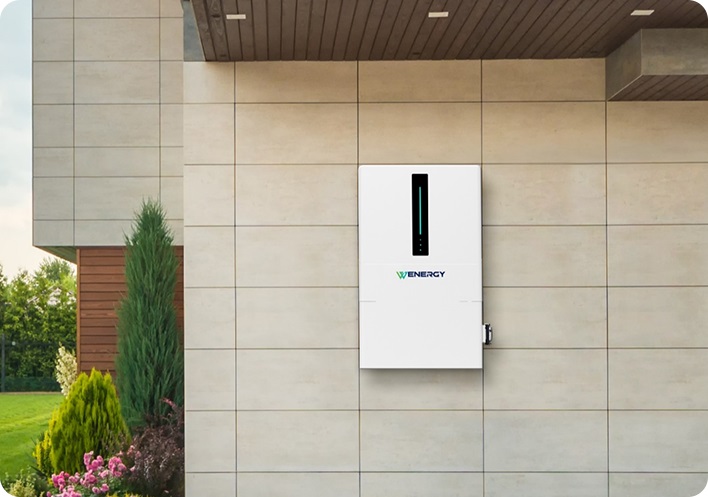
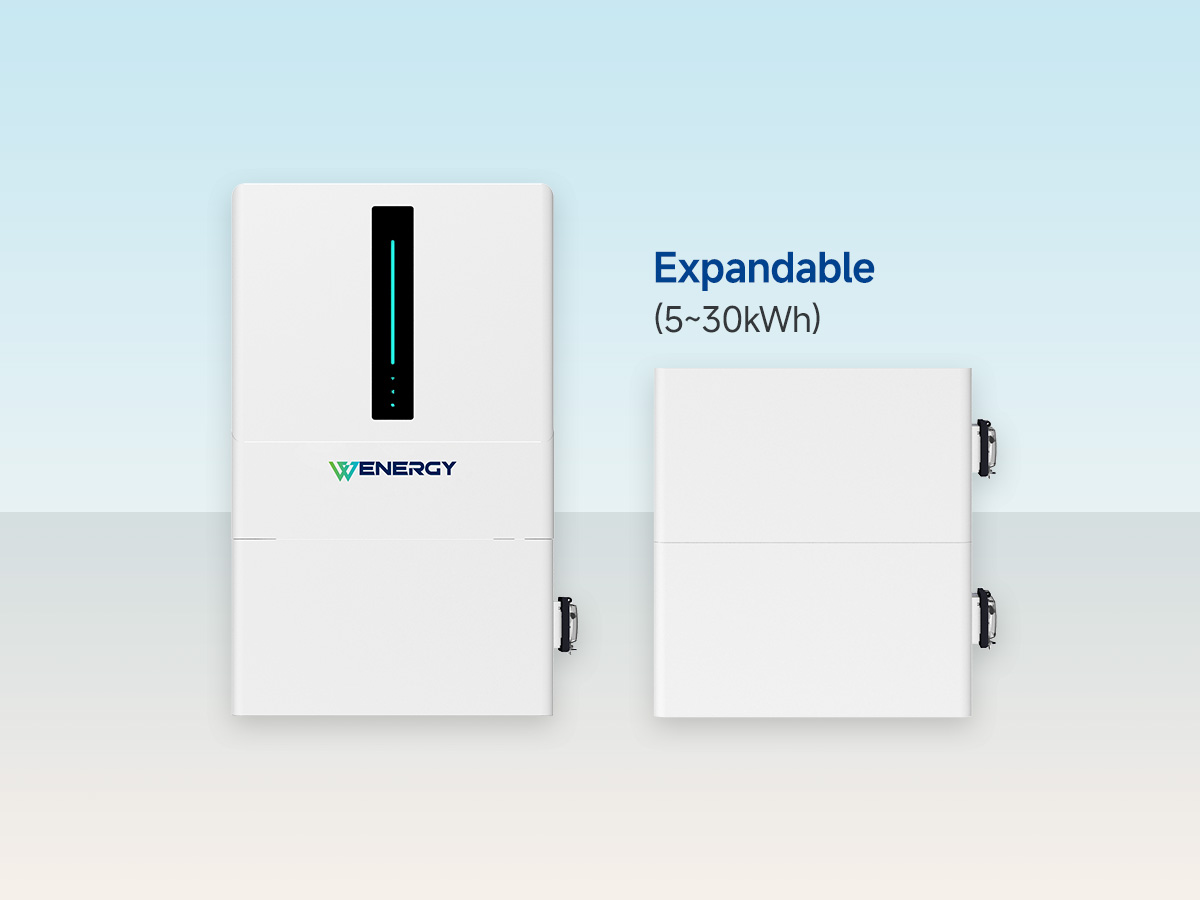
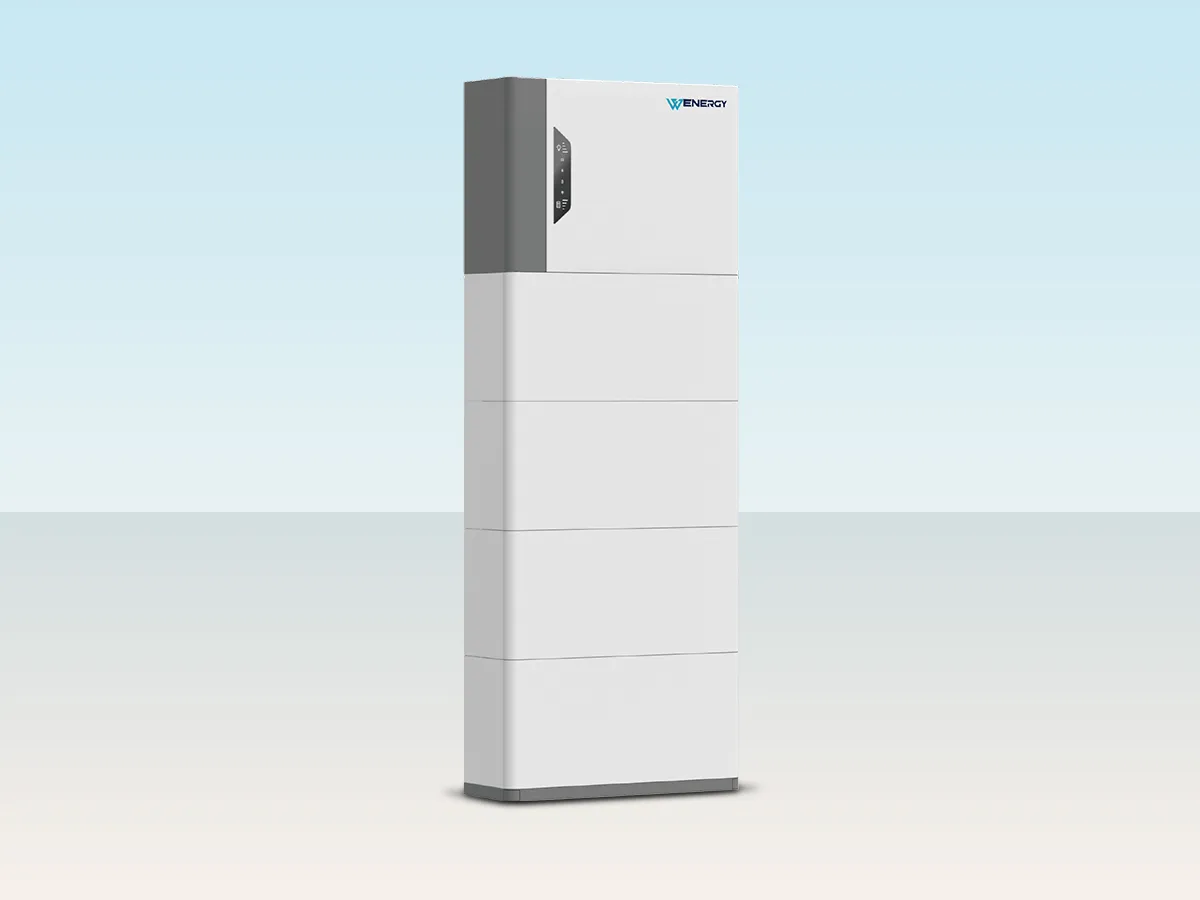
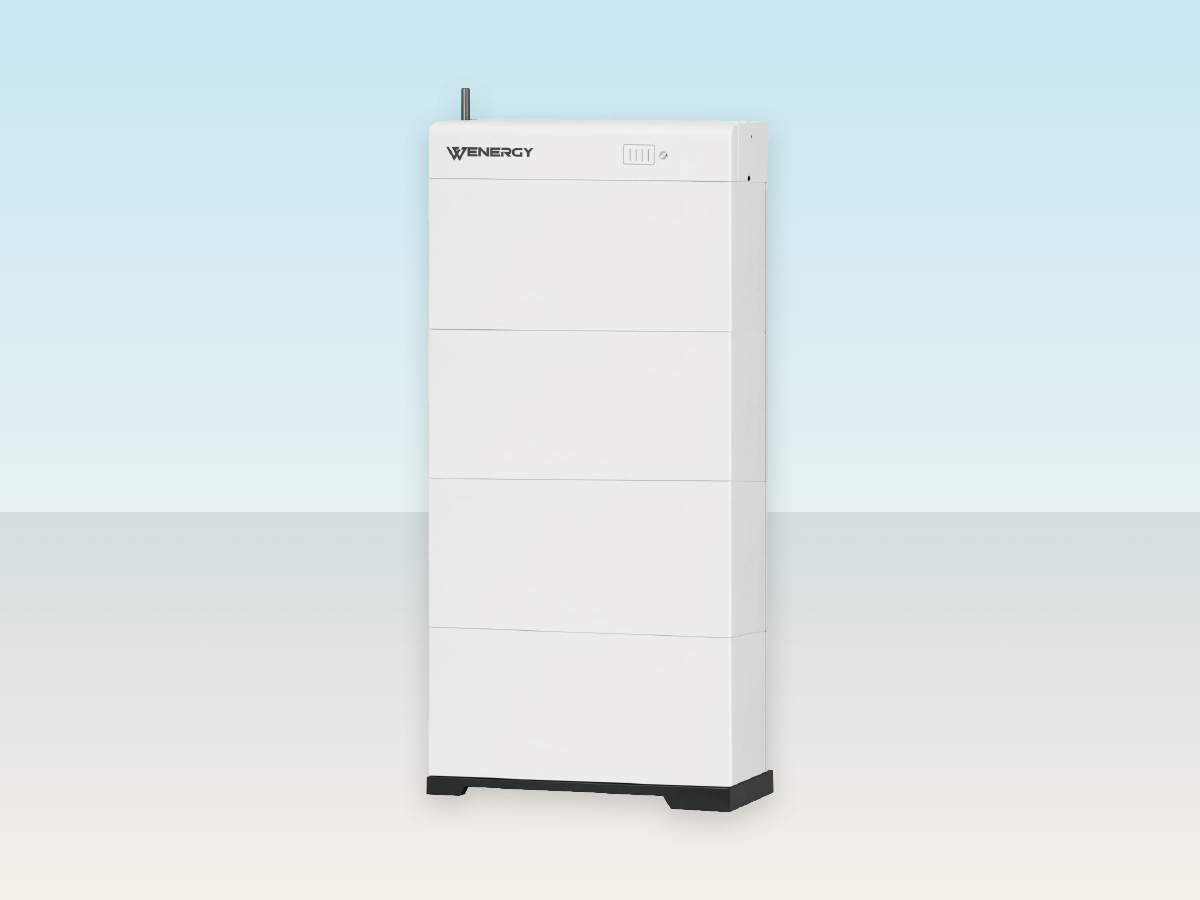
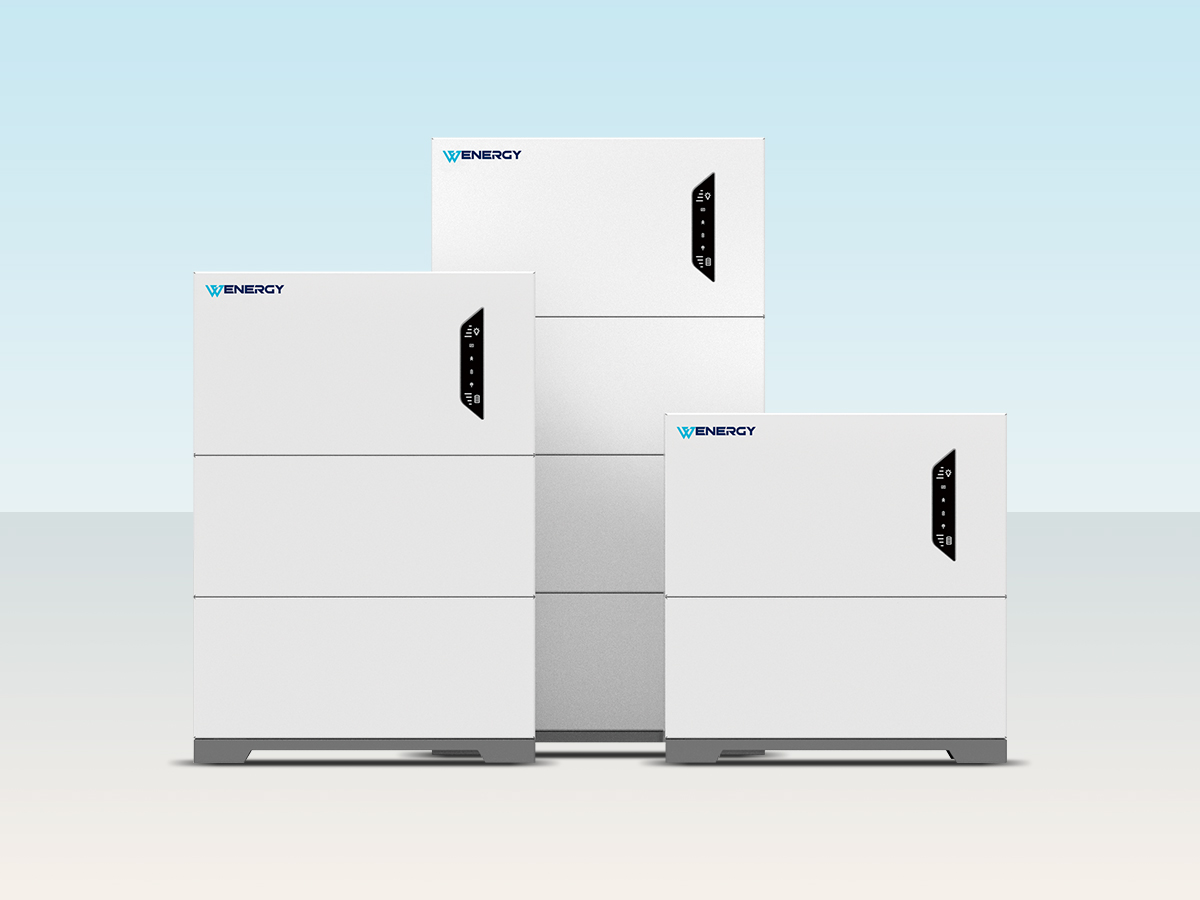
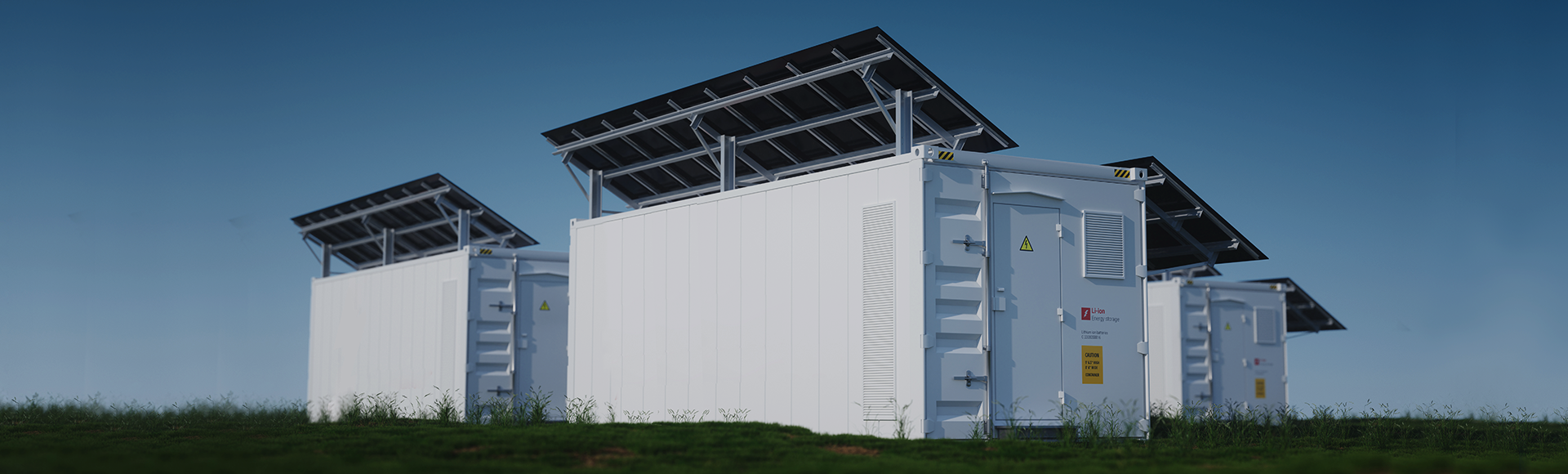
As energy systems become more decentralized and integrated into industrial and commercial environments, site safety has become a practical concern rather than an abstract requirement. We see this clearly across energy, power, and industrial manufacturing sectors, where an energy storage solution is often deployed close to production lines, substations, or logistics infrastructure. For us at Wenergy, certifications are not a formality; they shape how projects are designed, installed, and maintained. By aligning storage systems with recognized safety standards from the earliest planning stage, we reduce operational risks while supporting long-term system reliability in real-world applications.
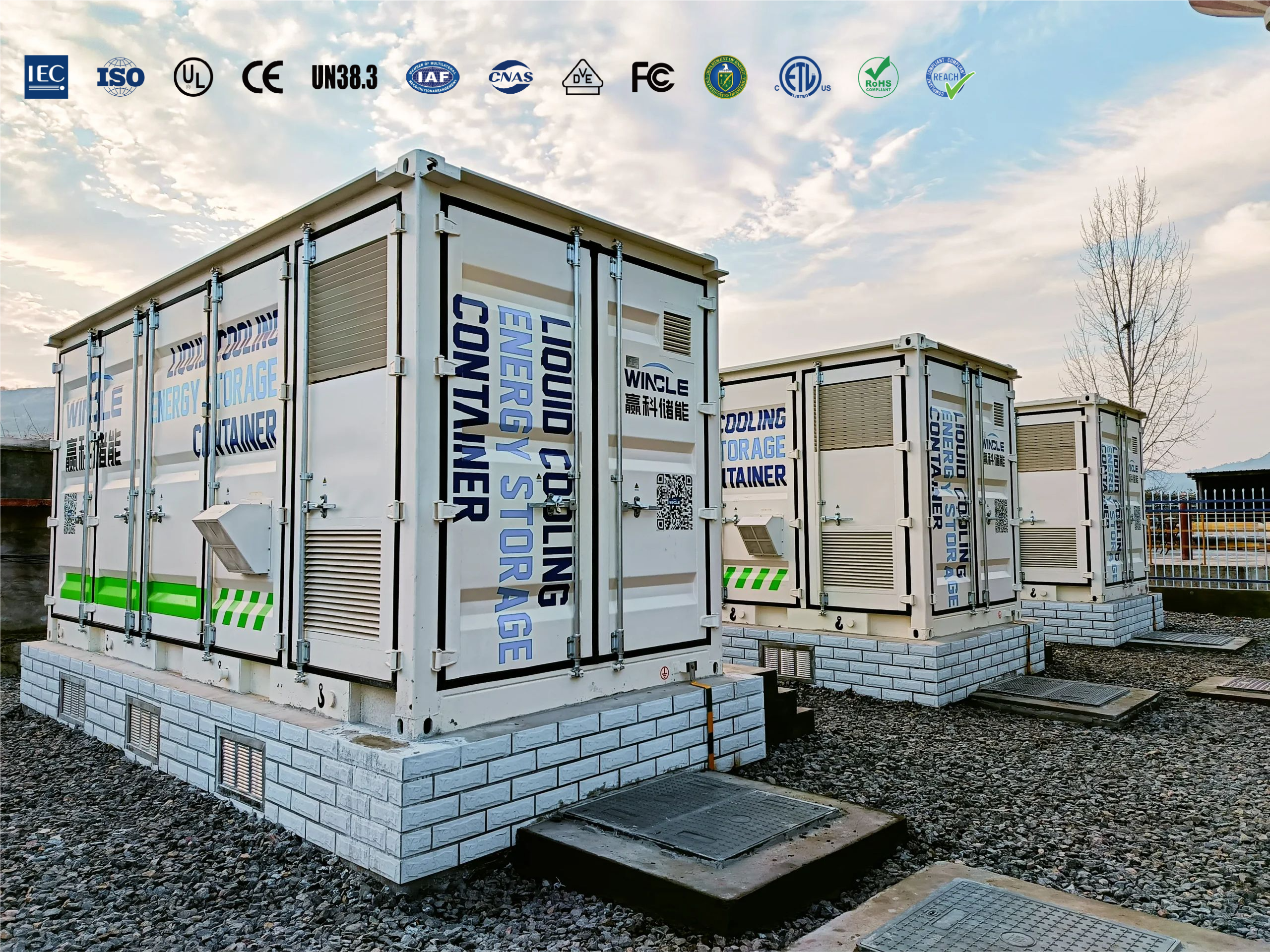
Why Certifications Matter for Site Safety
When discussing safety, certifications provide a common technical language between system designers, operators, and regulators. An energy storage solution that complies with IEC, UL, or CE standards has already been evaluated for electrical protection, thermal behavior, and fault response. This reduces uncertainty during site integration, especially in industrial and utility environments where energy systems interact with heavy machinery and automated processes. From our experience, certified systems simplify on-site risk assessments and support smoother commissioning. More importantly, they help ensure that safety measures are not dependent on individual operating habits but are embedded into system design itself.
How Battery Energy Storage Standards Reduce Operational Risk
In many industrial scenarios, battery energy storage solutions operate continuously under variable loads. Safety certifications address this reality by evaluating battery enclosures, ventilation, fire prevention, and control logic under defined stress conditions. For site operators, this means predictable performance even during peak demand or grid disturbances. We have observed that certified battery energy storage solutions also support clearer maintenance procedures, as inspection and service requirements are aligned with standardized safety expectations. This consistency is especially valuable for facilities managing multiple energy assets across different locations.
Technology Integration and System-Level Safety
Site safety is not only about hardware compliance but also about how systems are monitored and controlled over time. Our approach emphasizes technology integration through advanced Battery Management Systems, Energy Management Systems, and Virtual Power Plants. These tools allow battery energy storage solutions to respond dynamically to operating conditions, improving fault detection and operational visibility. Within our company, this technology framework supports certified designs by adding layers of digital supervision. At Wenergy, system-level coordination between hardware and software helps maintain stable operation across diverse site environments without introducing unnecessary complexity.
Conclusion: Building Confidence Through Certified Energy Storage
Certified energy storage systems create a foundation of trust between system owners, operators, and surrounding communities. By applying certification principles consistently, an energy storage solution can be integrated into industrial and power-sector sites with greater confidence. At the same time, battery energy storage solutions benefit from clearer operational boundaries and more predictable safety outcomes. For us, certifications are part of a broader commitment to responsible system design, reliable service, and practical deployment. This approach allows energy storage to support modern infrastructure while respecting the safety demands of real operating environments.
Post time: Mar-09-2026