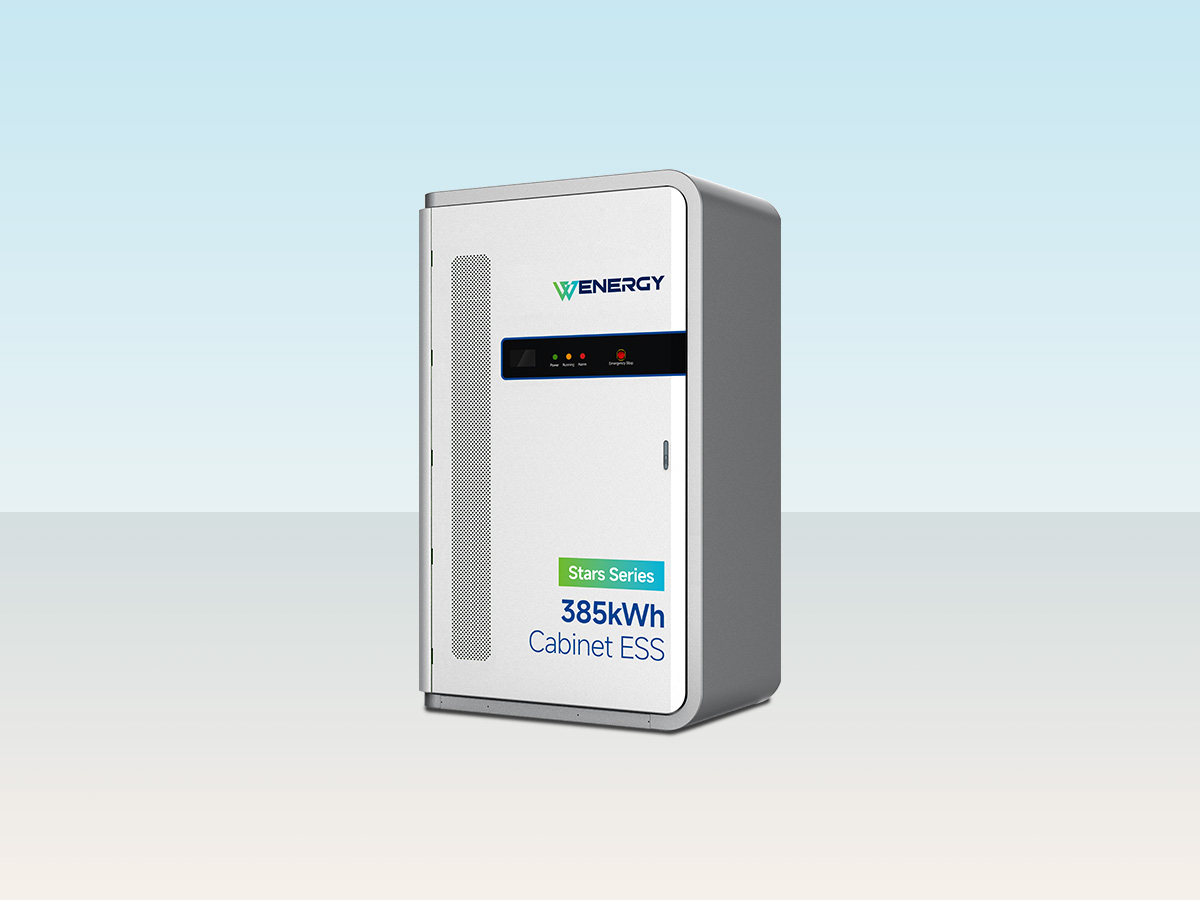

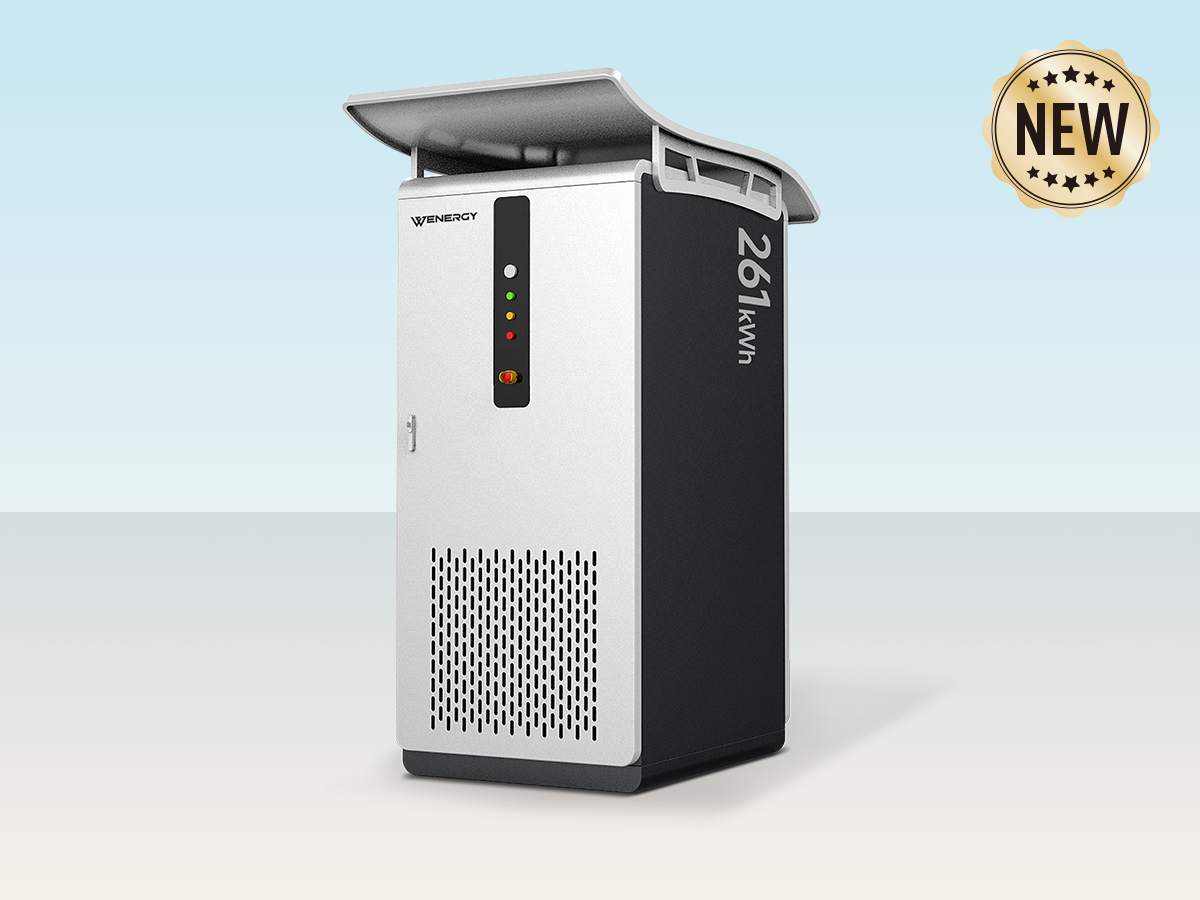
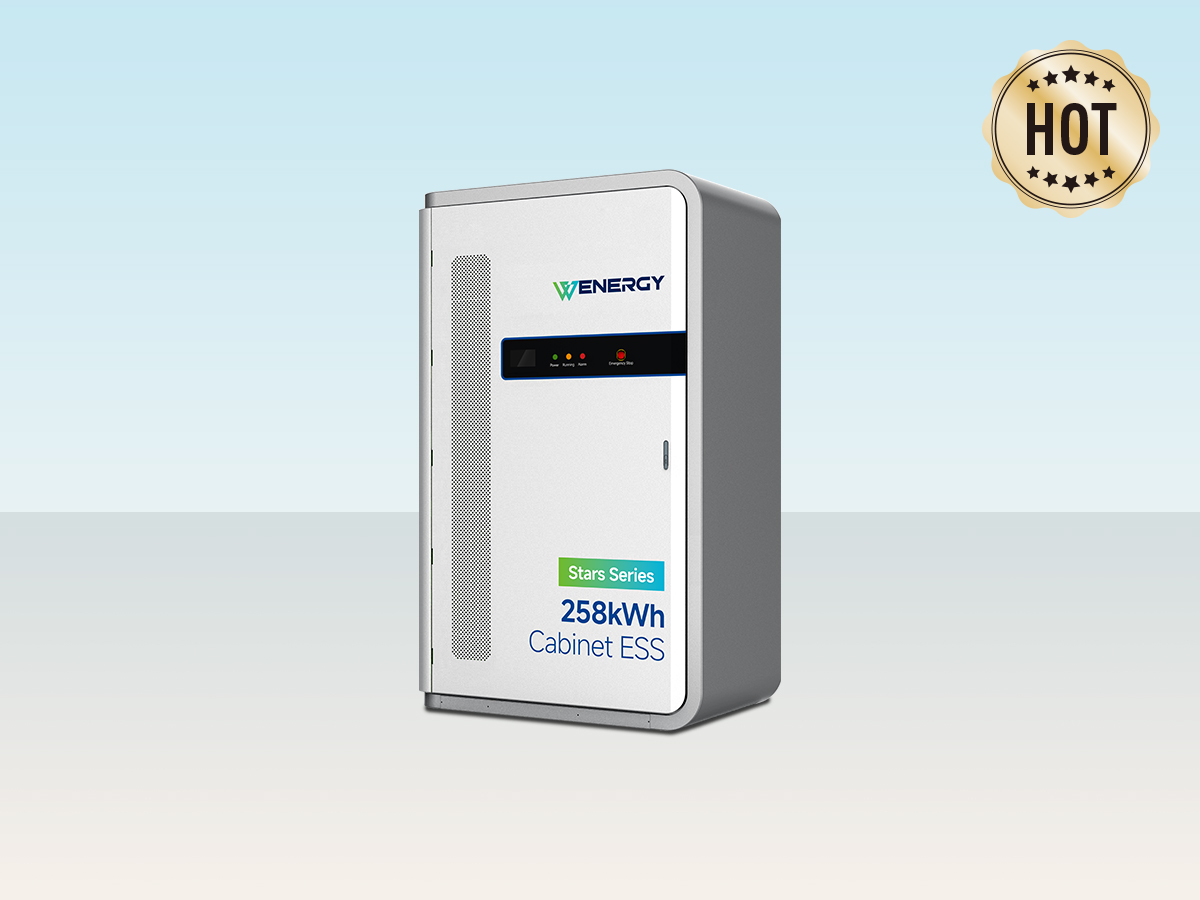
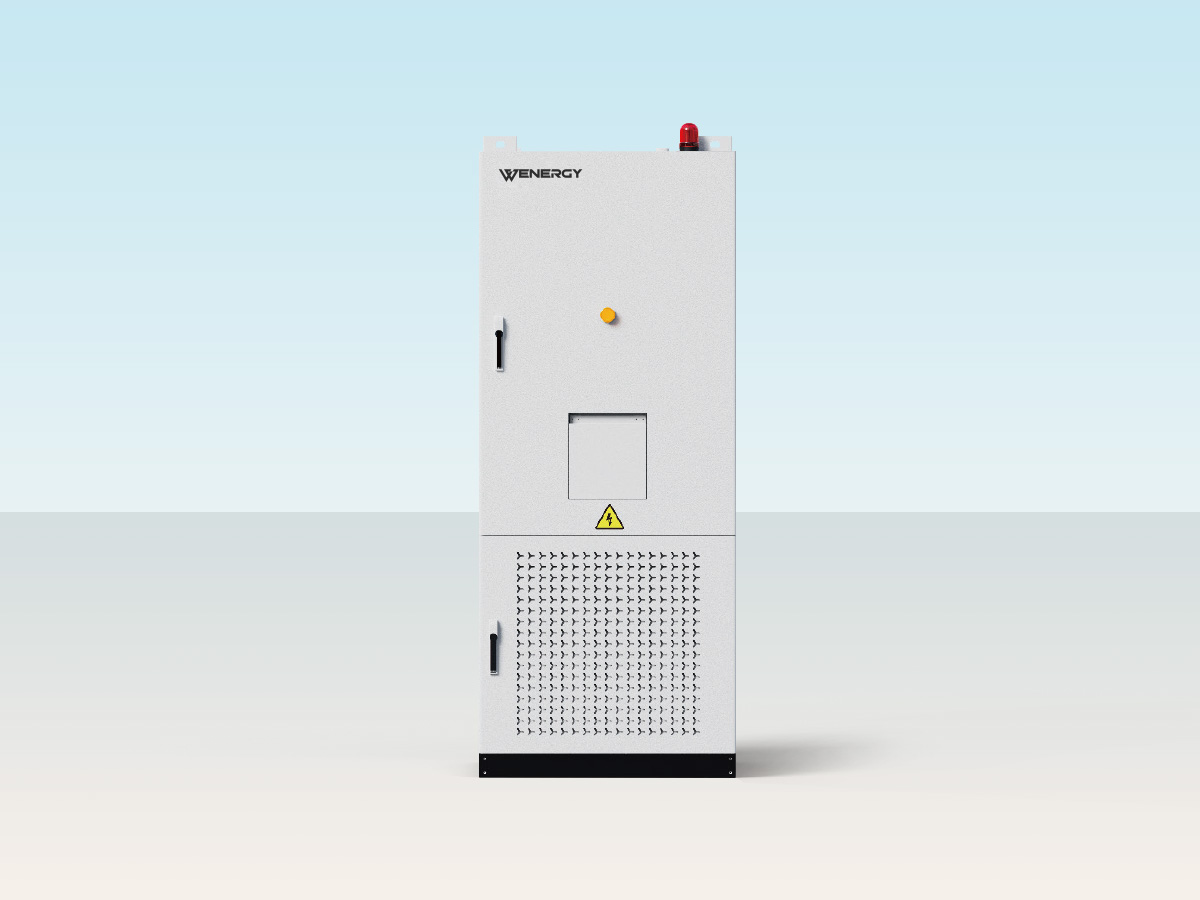
Power reliability has become a central concern as modern grids integrate more renewable generation and face increasingly dynamic demand patterns. Intermittent sources such as solar and wind bring clear environmental value, but they also introduce variability that traditional grids were not designed to handle alone. Grid scale energy storage systems address this challenge by absorbing fluctuations, balancing supply and demand, and supporting stable power delivery across diverse operating conditions. At Wenergy, we approach this topic from both a technical and practical perspective, focusing on how energy storage can enhance grid reliability without overcomplicating system design or operation.
How Grid Scale Energy Storage Supports Stable Power Networks
Grid scale energy storage systems improve reliability by responding rapidly to changes in generation and load. When renewable output drops suddenly or demand peaks unexpectedly, stored energy can be dispatched within milliseconds to maintain voltage and frequency stability. This capability reduces stress on conventional generation assets and helps prevent localized outages. In large interconnected networks, utility-scale battery storage also plays a role in ancillary services such as frequency regulation and spinning reserve replacement. By distributing storage capacity across strategic nodes, grid operators gain greater operational flexibility while maintaining consistent power quality for industrial and commercial users.
The Role of Utility Scale Battery Storage in Renewable Integration
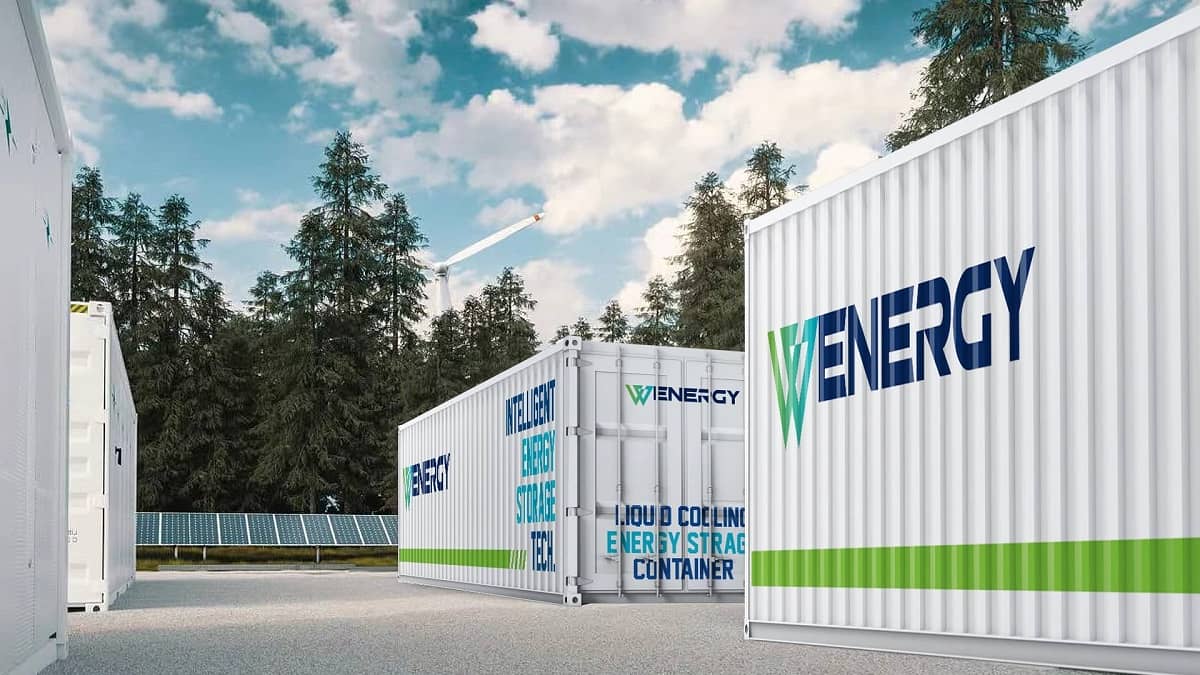
As renewable penetration increases, utility-scale battery storage becomes a practical tool for aligning clean energy production with real consumption patterns. Excess power generated during off-peak periods can be stored and released when demand rises, minimizing curtailment and improving overall system efficiency. Large scale energy storage solutions further support this process by enabling longer discharge durations and flexible capacity planning. In real project environments, we design systems that integrate smoothly with solar, wind, and hybrid power plants, ensuring that storage assets complement generation rather than complicate grid operations. This approach helps utilities and developers improve renewable project returns while maintaining reliable power delivery.
Custom Solutions for Grid Applications and Industrial Energy Users
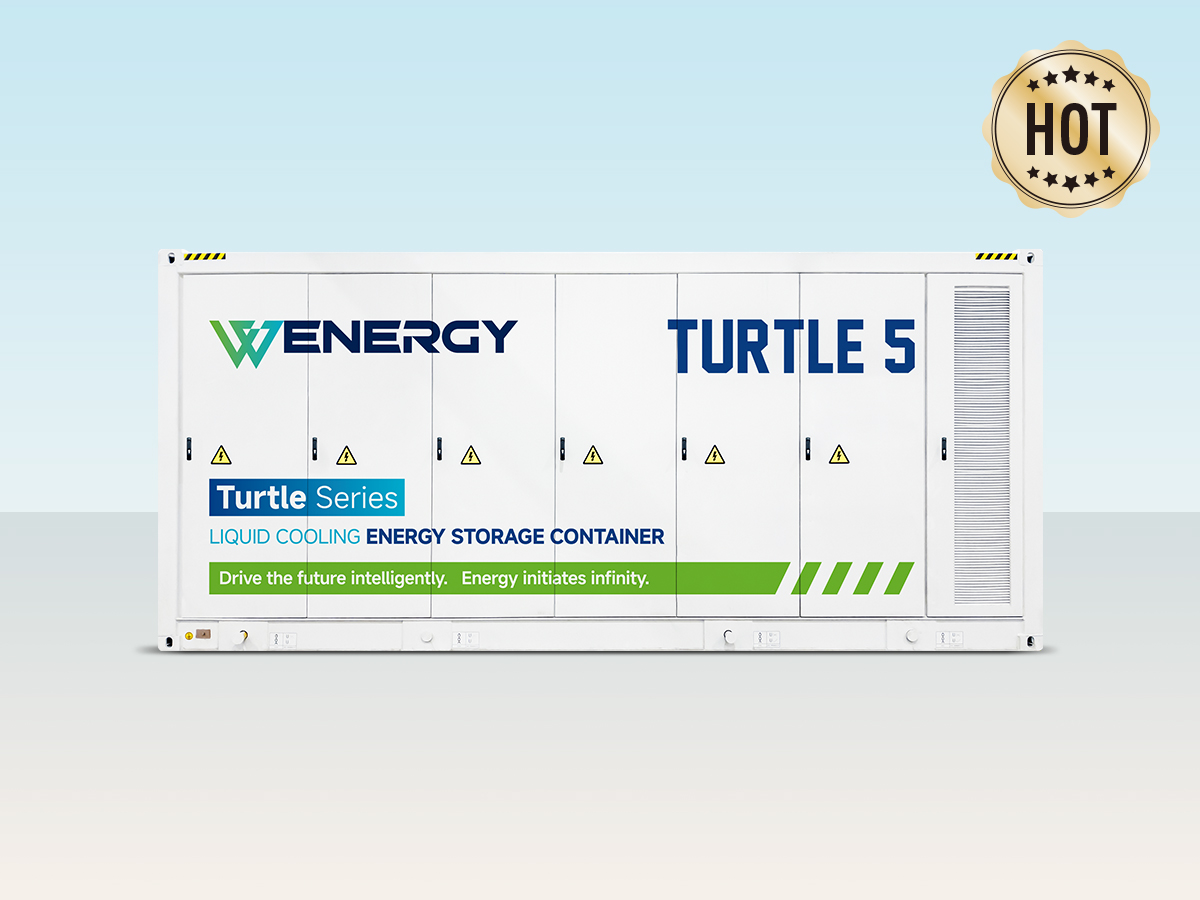
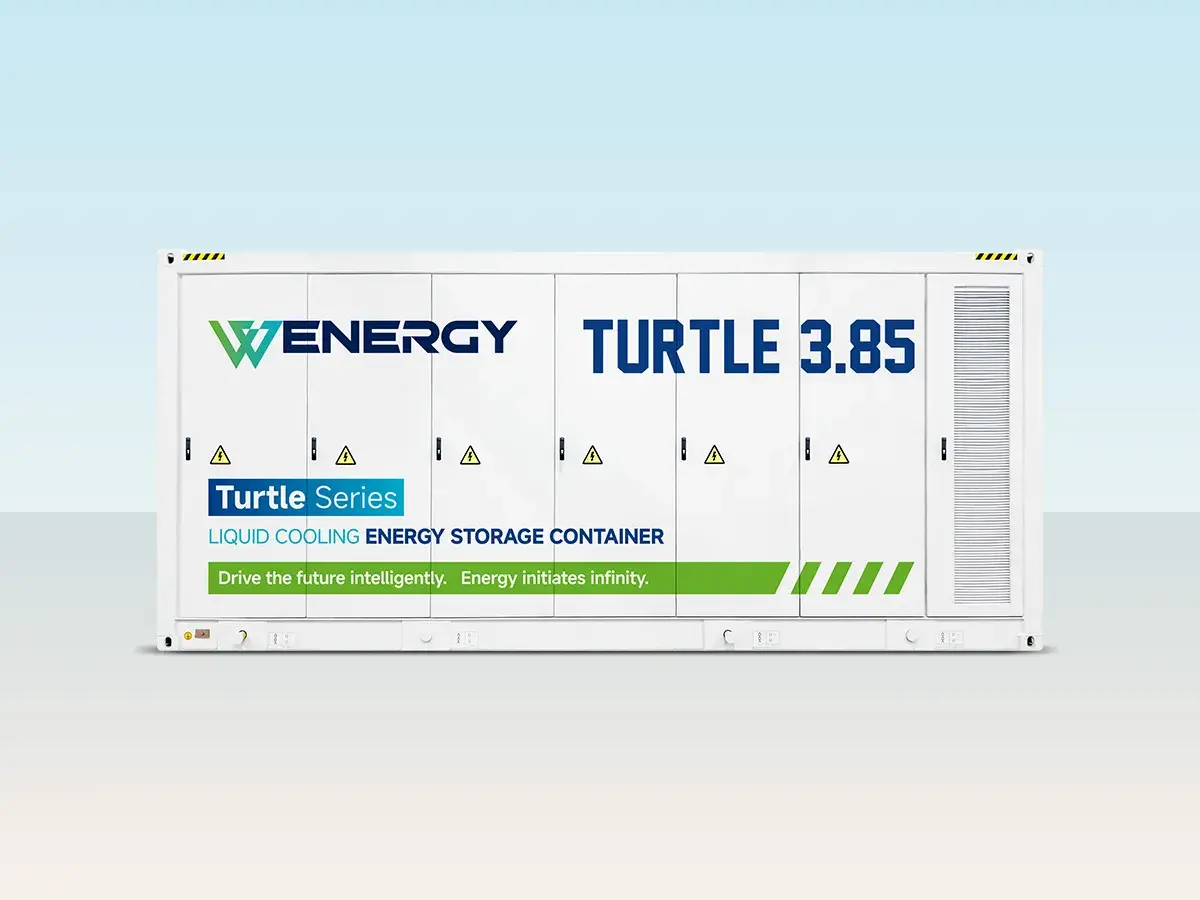
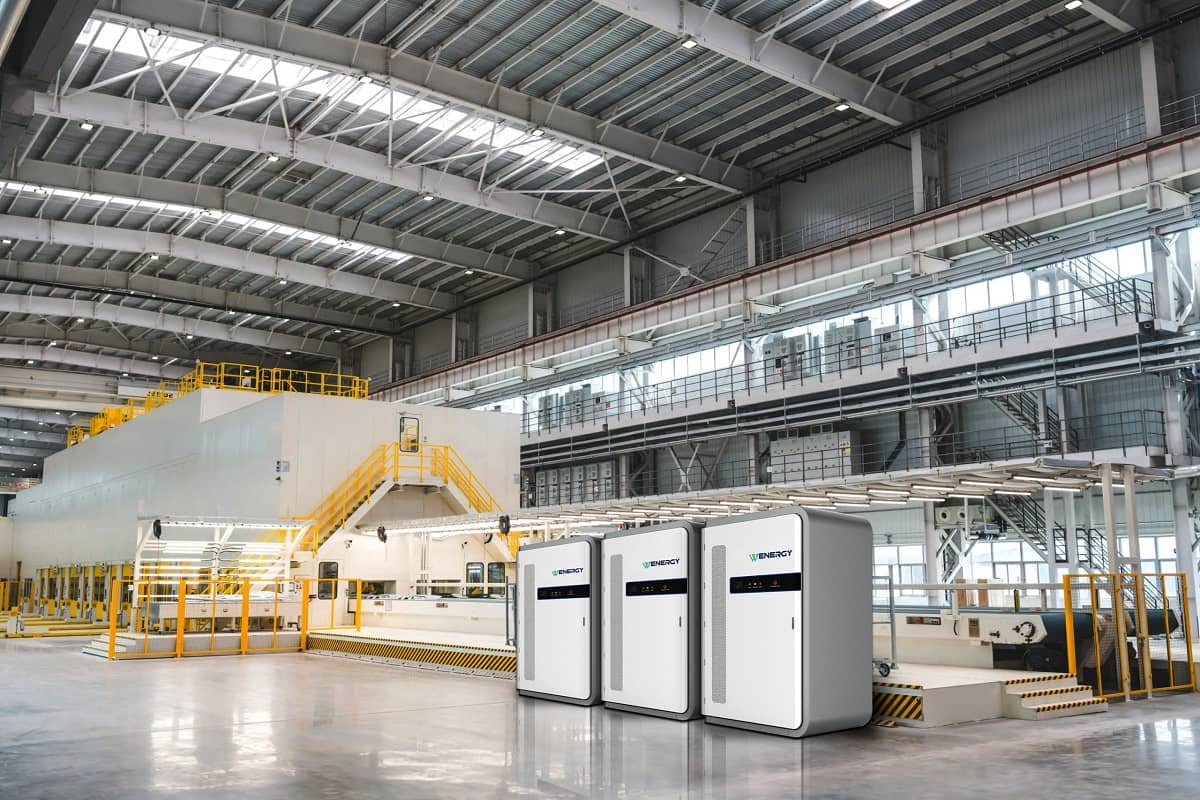
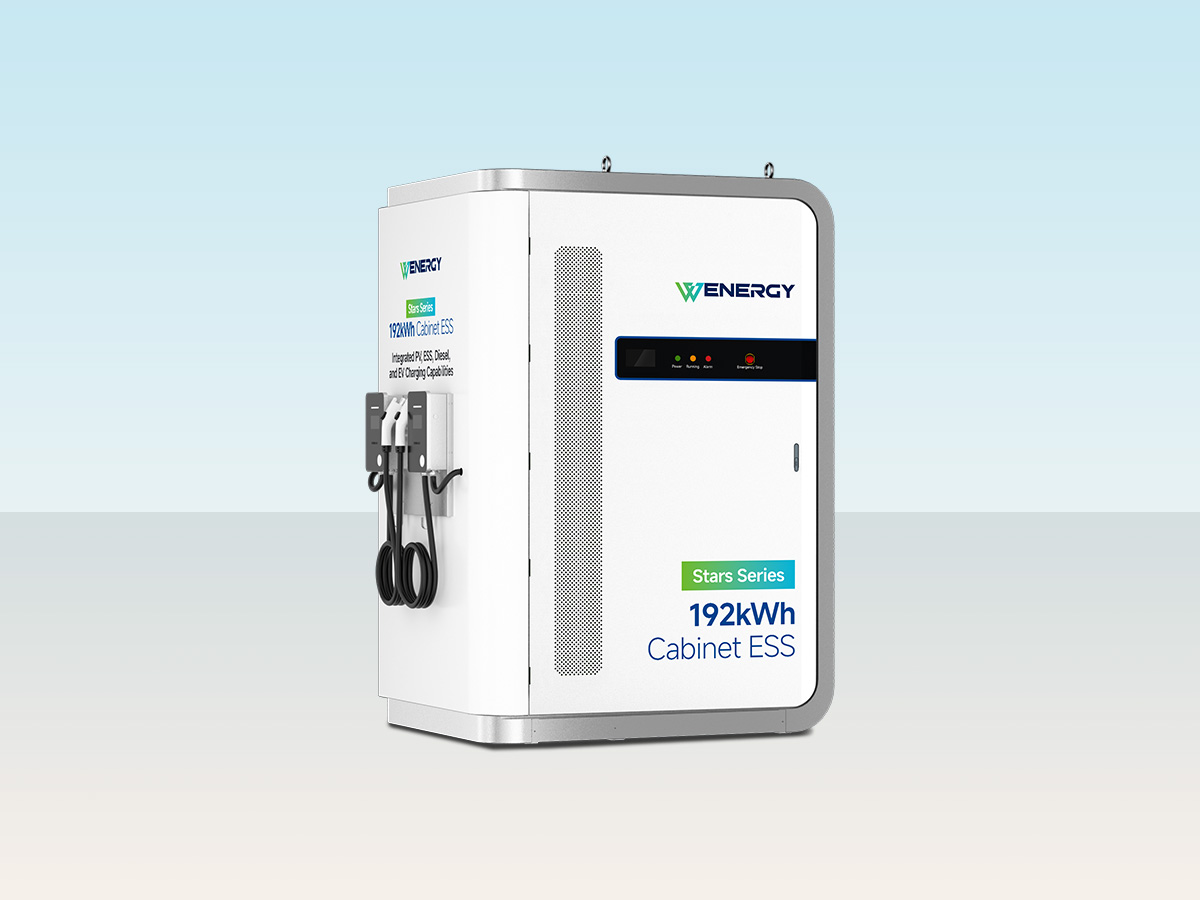
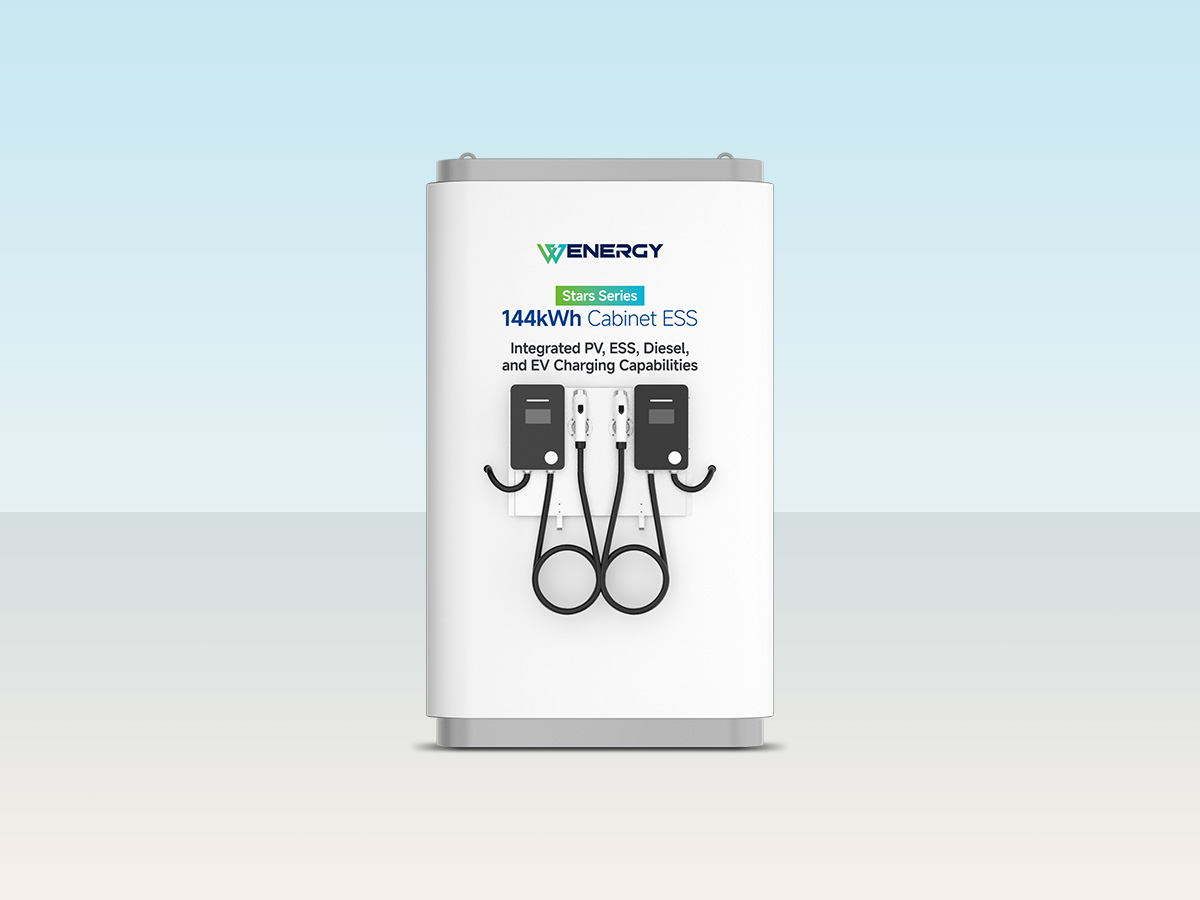
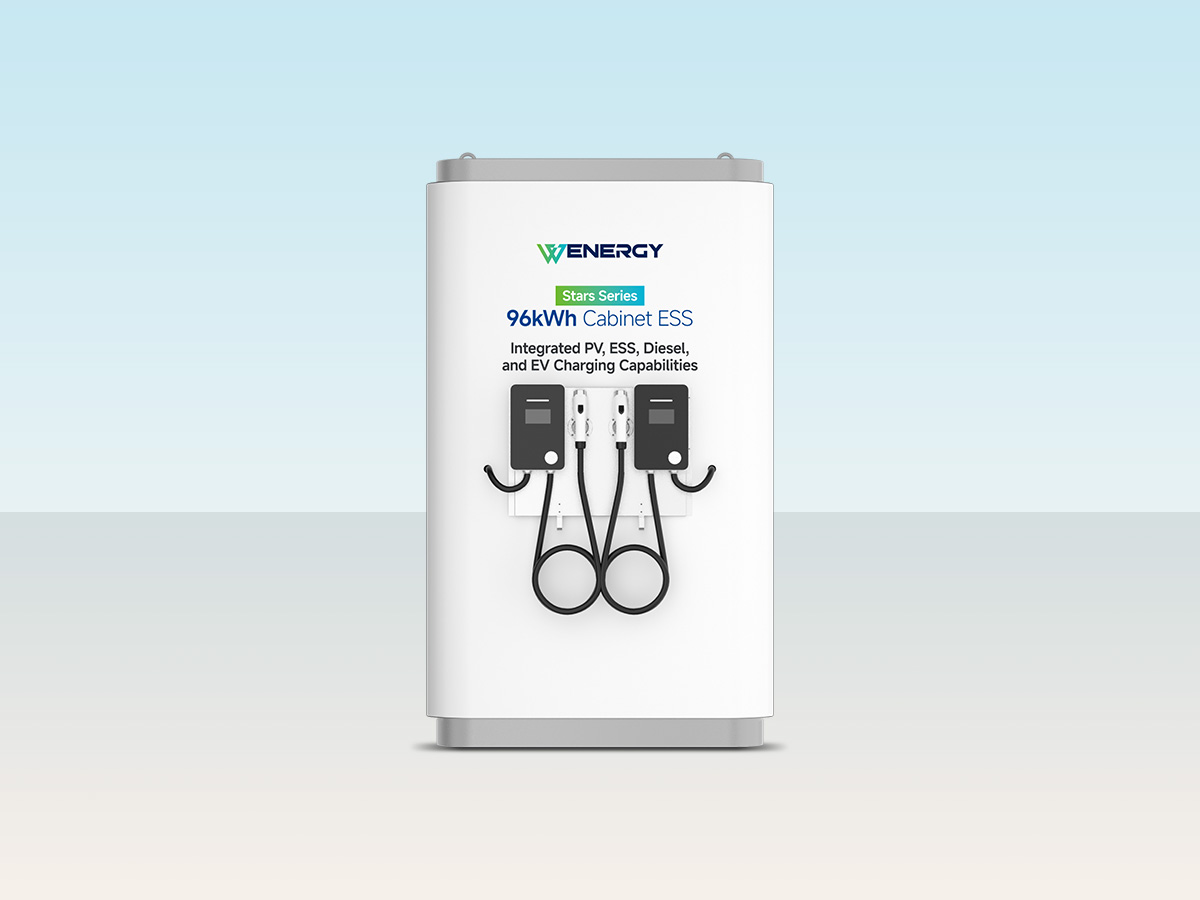
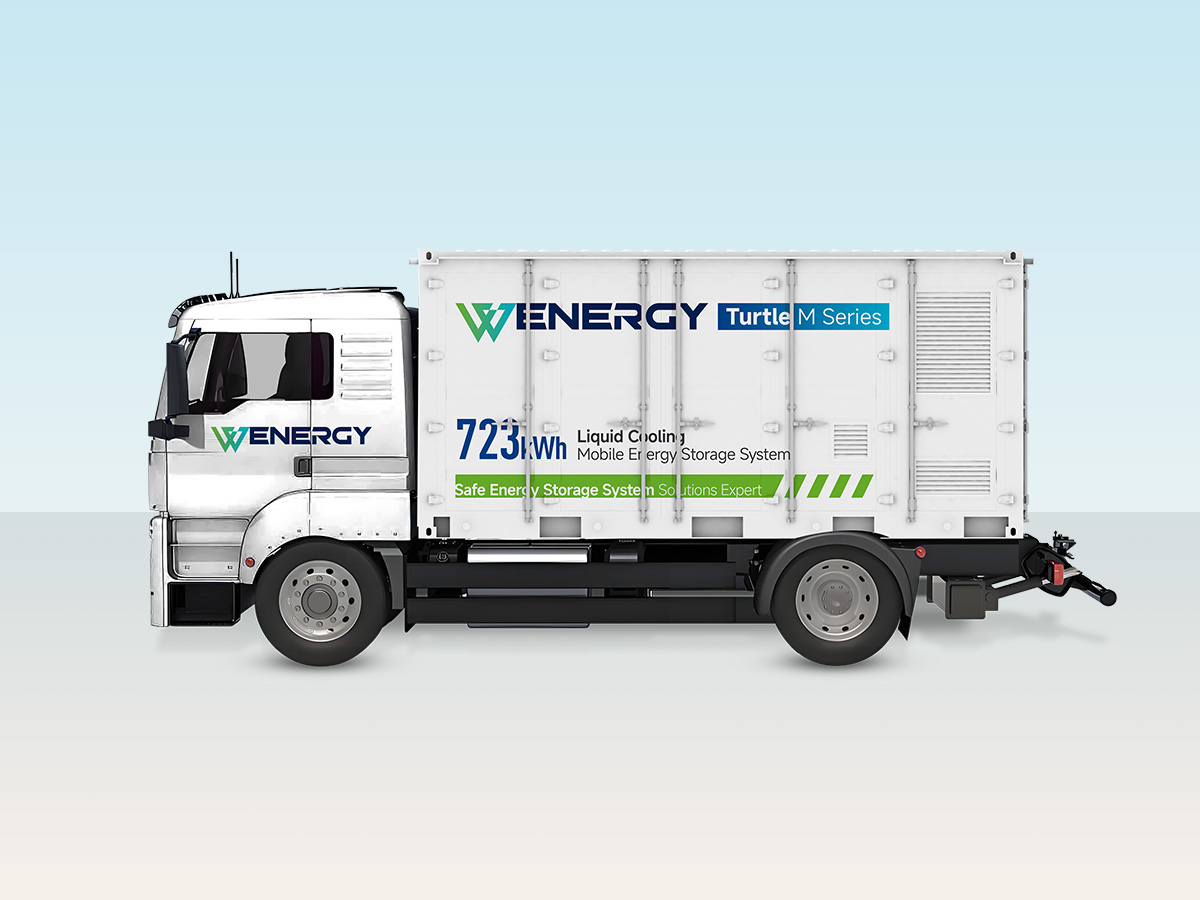
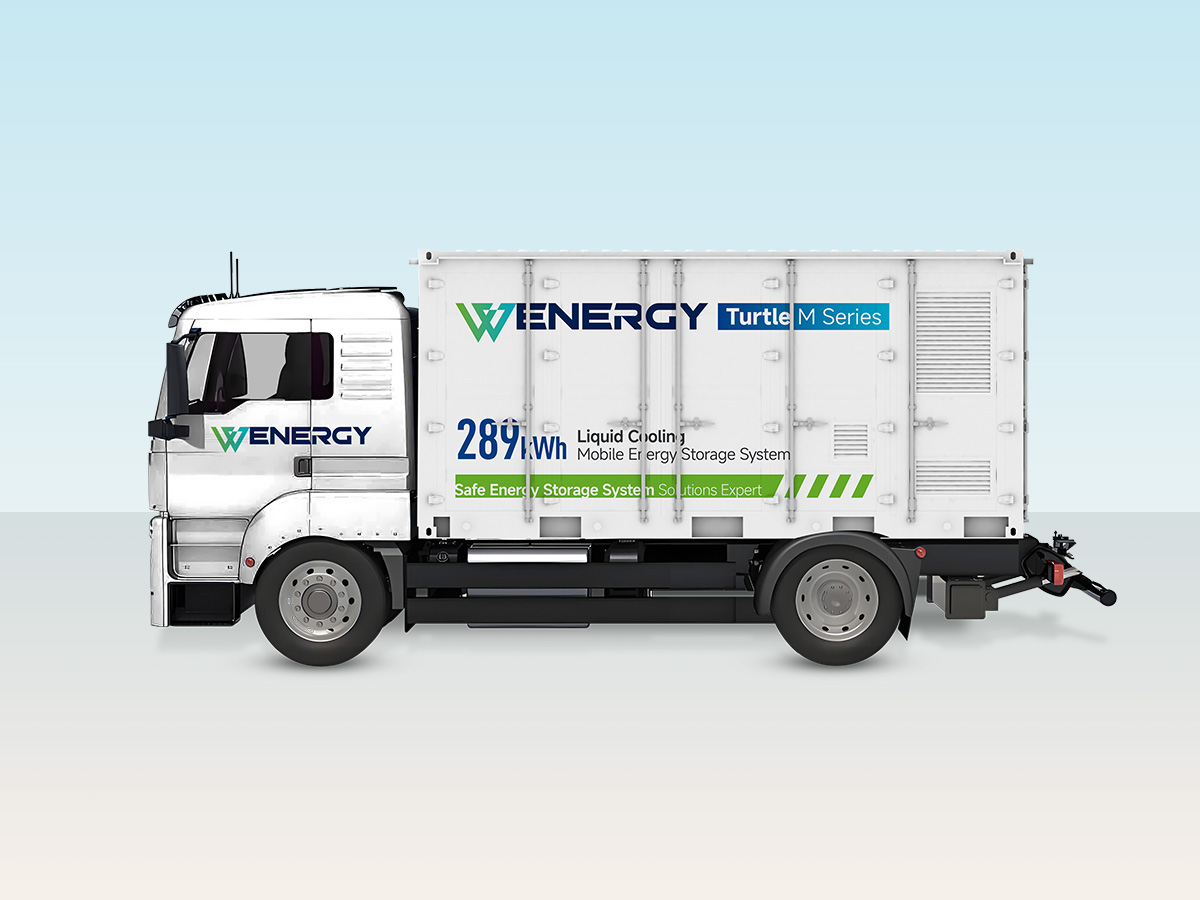
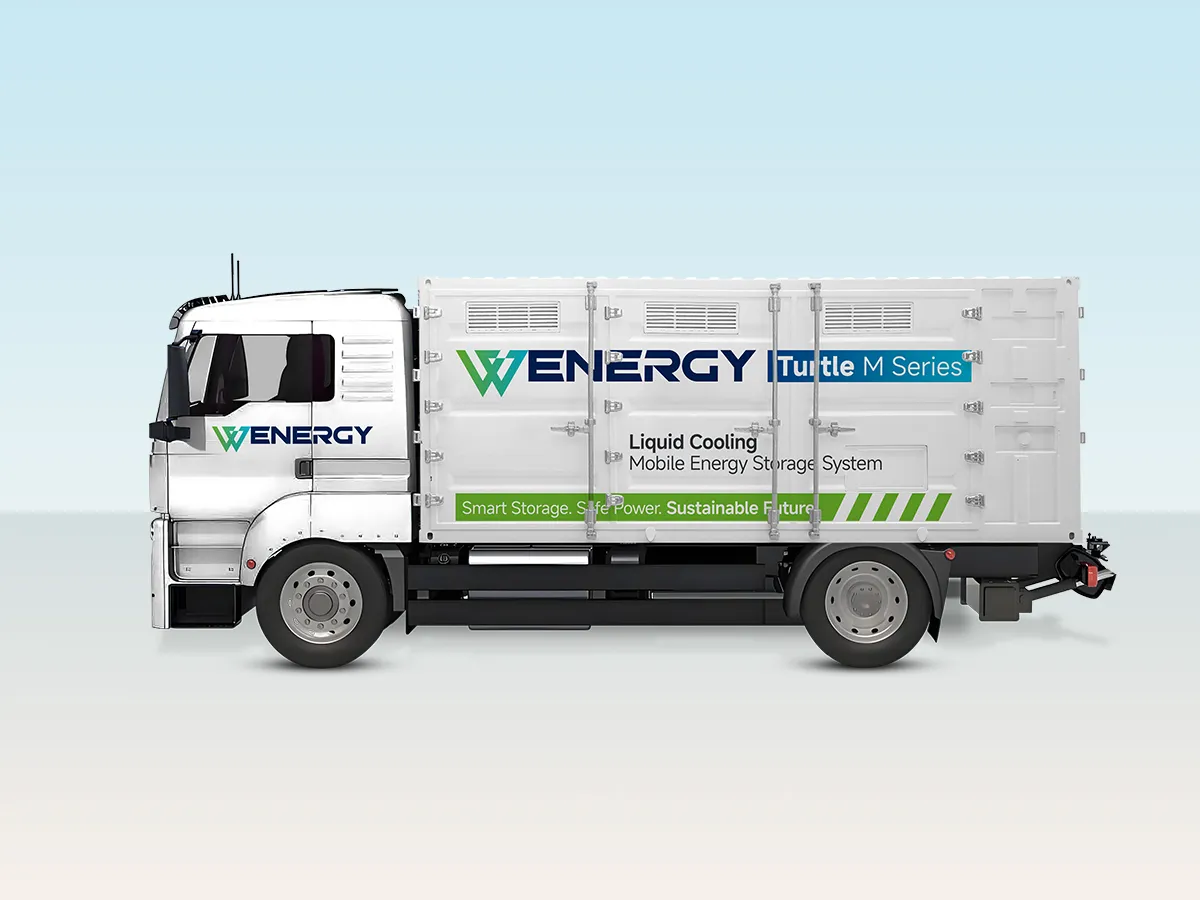
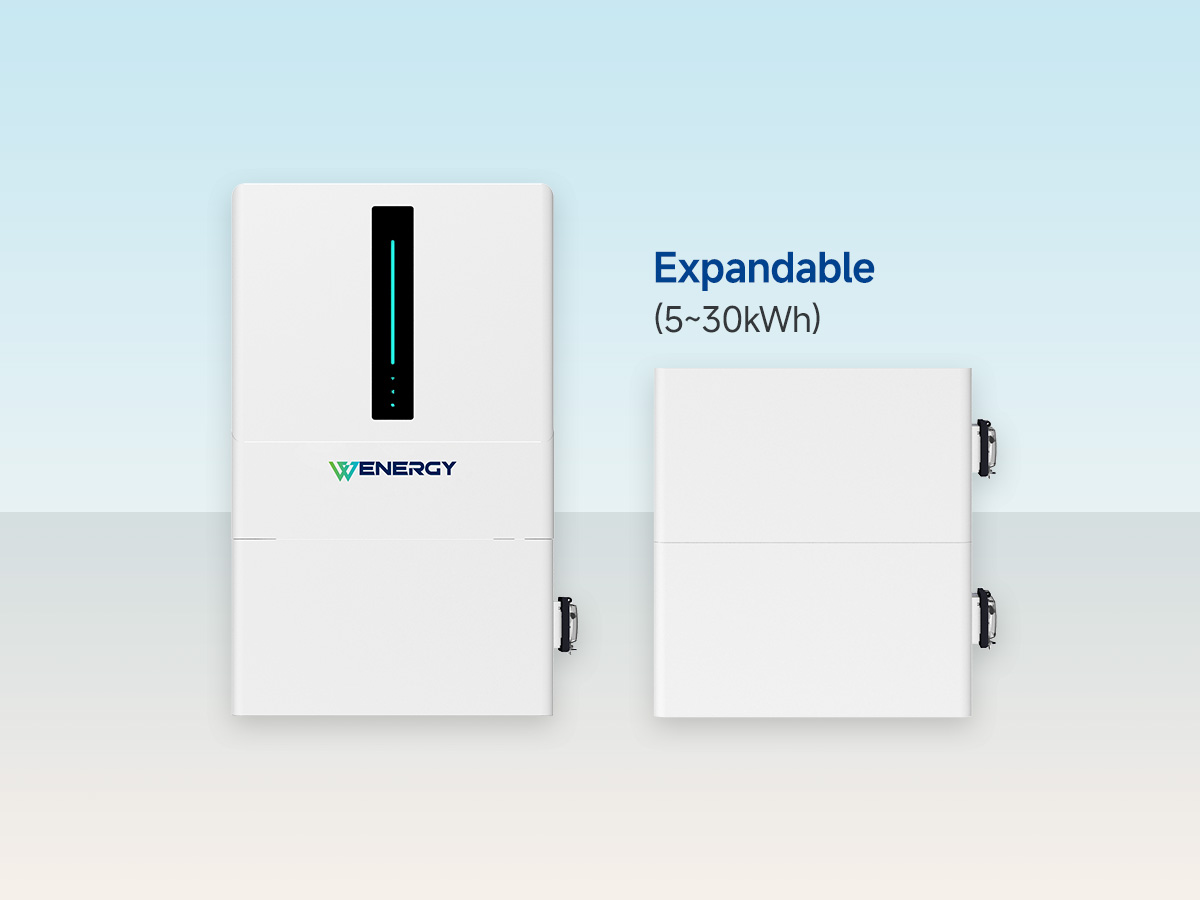
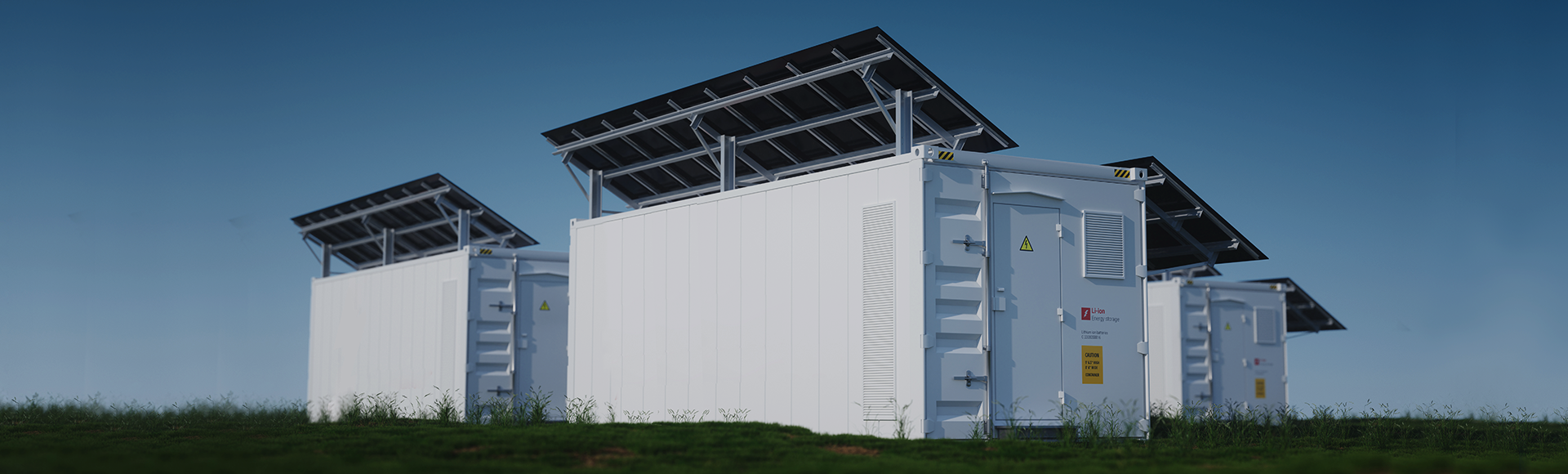
Reliability requirements vary across regions, industries, and grid structures, which is why standardized designs are not always sufficient. Large scale energy storage solutions must be adaptable to different operating profiles, environmental conditions, and regulatory frameworks. With our experience in containerized BESS design, we focus on modular architectures that allow capacity expansion and flexible deployment. Our systems are engineered to support on-grid, off-grid, and hybrid applications, offering consistent performance for utilities, energy developers, and industrial users who rely on stable power supply for continuous operations.
Conclusion: Strengthening Power Reliability Through Storage Integration
Power reliability is no longer defined solely by generation capacity; it increasingly depends on how effectively energy is stored, managed, and dispatched. Utility scale battery storage and grid-scale energy storage systems provide practical pathways to stabilize modern grids while supporting renewable growth. By integrating scalable, modular technologies with thoughtful system design, large-scale energy storage solutions help bridge the gap between clean energy production and dependable electricity delivery. At Wenergy, we continue to focus on storage systems that enhance grid resilience through certified components, full-chain manufacturing, and responsive service, supporting long-term reliability across evolving energy landscapes.
Post time: Mar-09-2026