
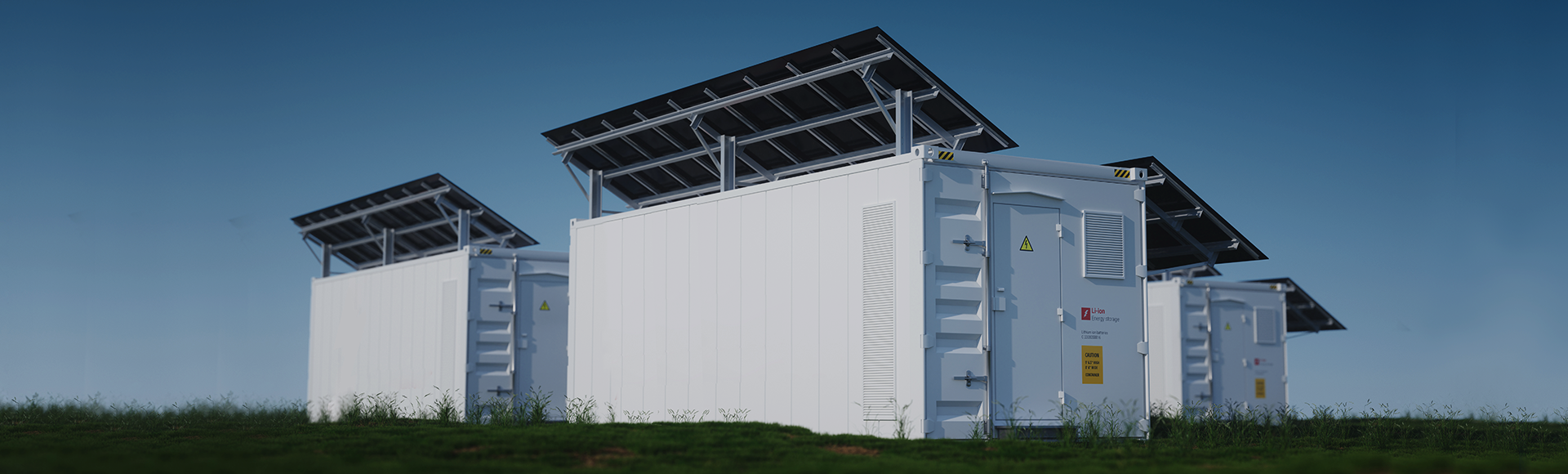
Battery performance is fundamentally a function of temperature. Every lithium-ion cell operates optimally within a narrow temperature band—typically between 15°C and 35°C—and deviations in either direction degrade performance, accelerate aging, and increase safety risks. For commercial and industrial energy storage projects, thermal stability is not merely a technical specification; it directly impacts return on investment, system availability, and long-term operating costs. A liquid-cooling energy storage system addresses this challenge by actively maintaining uniform temperatures across all battery cells, regardless of external conditions or charge-discharge rates. Understanding why thermal stability matters helps project owners justify the selection of advanced cooling technologies over cheaper but less effective alternatives.
The Cost of Thermal Instability
Without proper thermal management, battery systems experience several interrelated problems. During high-rate discharge cycles, internal resistance generates heat concentrated at cell terminals and current collectors. In air-cooled systems, this heat accumulates unevenly, creating hot spots that can exceed safe limits by 10°C or more. Elevated temperatures accelerate solid-electrolyte interphase growth on anodes, consuming active lithium and permanently reducing capacity. A widely cited rule in battery engineering holds that every 10°C increase above optimal operating temperature halves calendar life. Furthermore, temperature gradients across a pack cause some cells to degrade faster than others, creating imbalances that force the system to stop discharging when the weakest cell reaches its cutoff voltage. A liquid-cooling energy storage system prevents these issues by circulating coolant through cold plates adjacent to every cell, extracting heat precisely where it is generated. The result is a 261kWh ESS that delivers its rated capacity year after year without premature degradation.
How Liquid Cooling Delivers Superior Temperature Uniformity
The defining advantage of a liquid-cooling energy storage system is not just absolute temperature reduction but temperature consistency. Water-based coolants have roughly 25 times the specific heat capacity of air and far higher thermal conductivity. This means a compact liquid loop can remove more heat with less flow volume and lower parasitic power draw. In a well-designed 261kWh ESS, the temperature difference between the warmest and coolest cell sits at ±1.5°C or better—compared to ±5°C to ±8°C for air-cooled cabinets. This uniformity ensures all cells age at the same rate, maximizing usable capacity and delaying the need for maintenance interventions. For commercial operators running daily peak shaving cycles, that consistency translates directly into predictable savings on demand charges.
Thermal Stability Enables Higher Performance in Harsh Environments
Outdoor energy storage cabinets face extreme ambient conditions—scorching summer heat, subzero winter cold, and rapid day-night swings. Air-cooled systems struggle in heat waves because they rely on ambient air that may be nearly as hot as the batteries themselves. Cooling capacity derates as ambient temperature rises. A liquid-cooling energy storage system decouples thermal management from ambient conditions. The liquid loop rejects heat through a radiator, but the coolant itself maintains a stable temperature regardless of outside air. In cold climates, the system can actively warm batteries before charging, preventing lithium plating and extending cycle life. This environmental resilience makes a 261kWh ESS suitable for deployment in virtually any region without performance derating. Additionally, sealed liquid loops prevent dust, salt, and humidity from contaminating battery compartments—a critical advantage for coastal or industrial installations.
Thermal Stability as a Business Decision
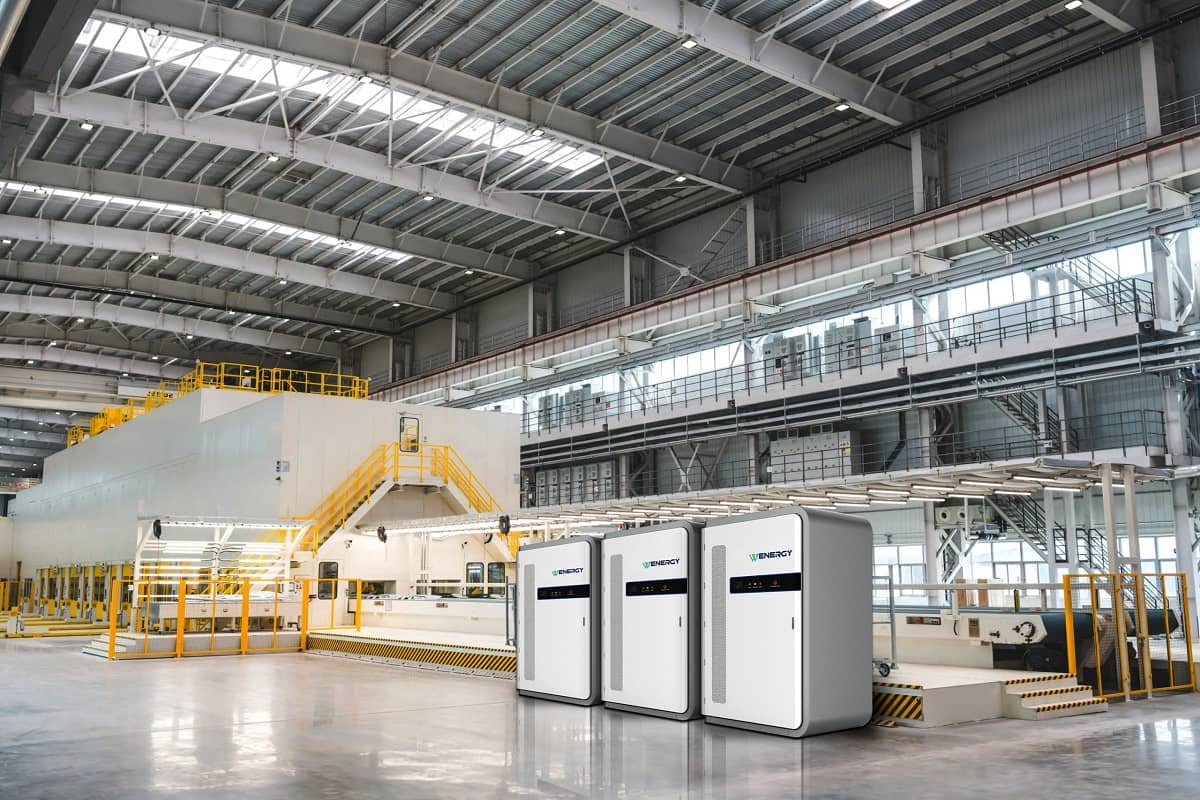
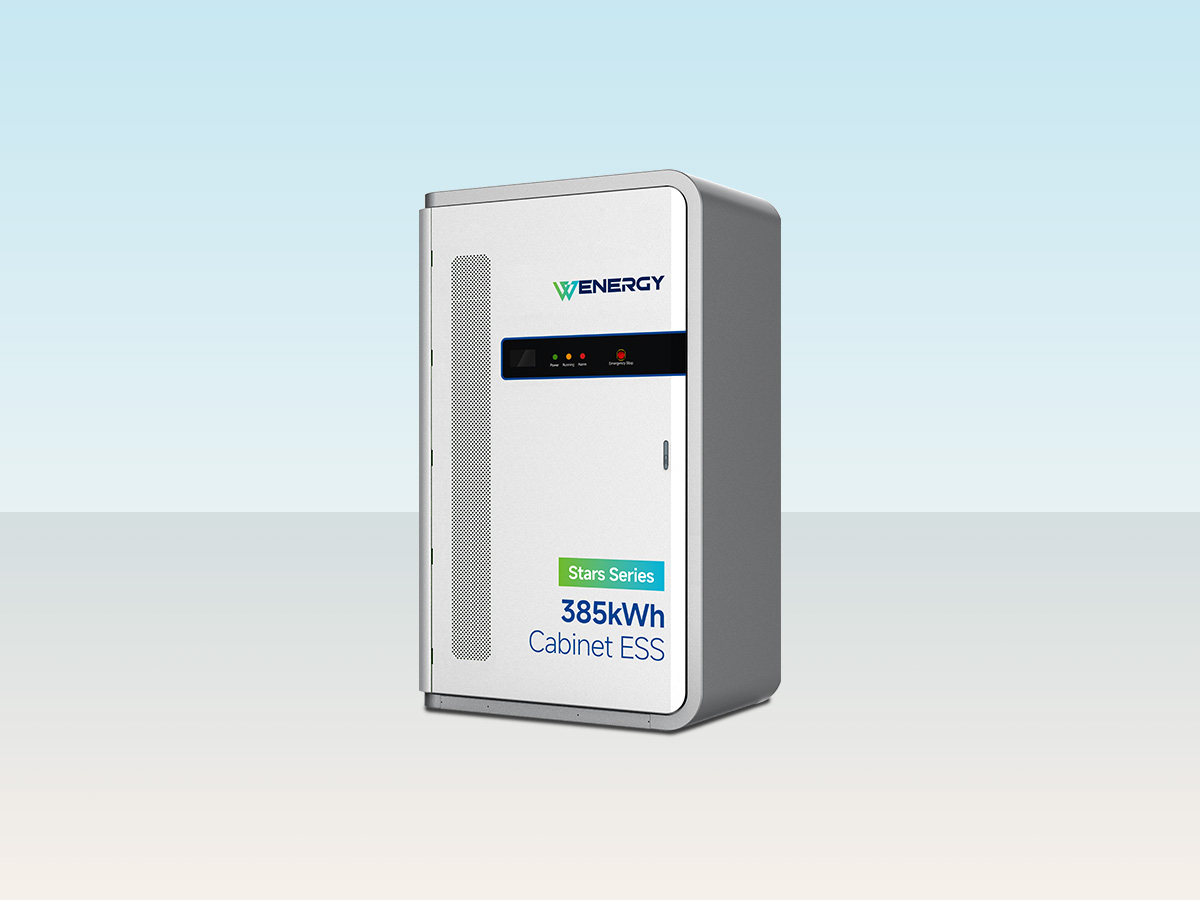
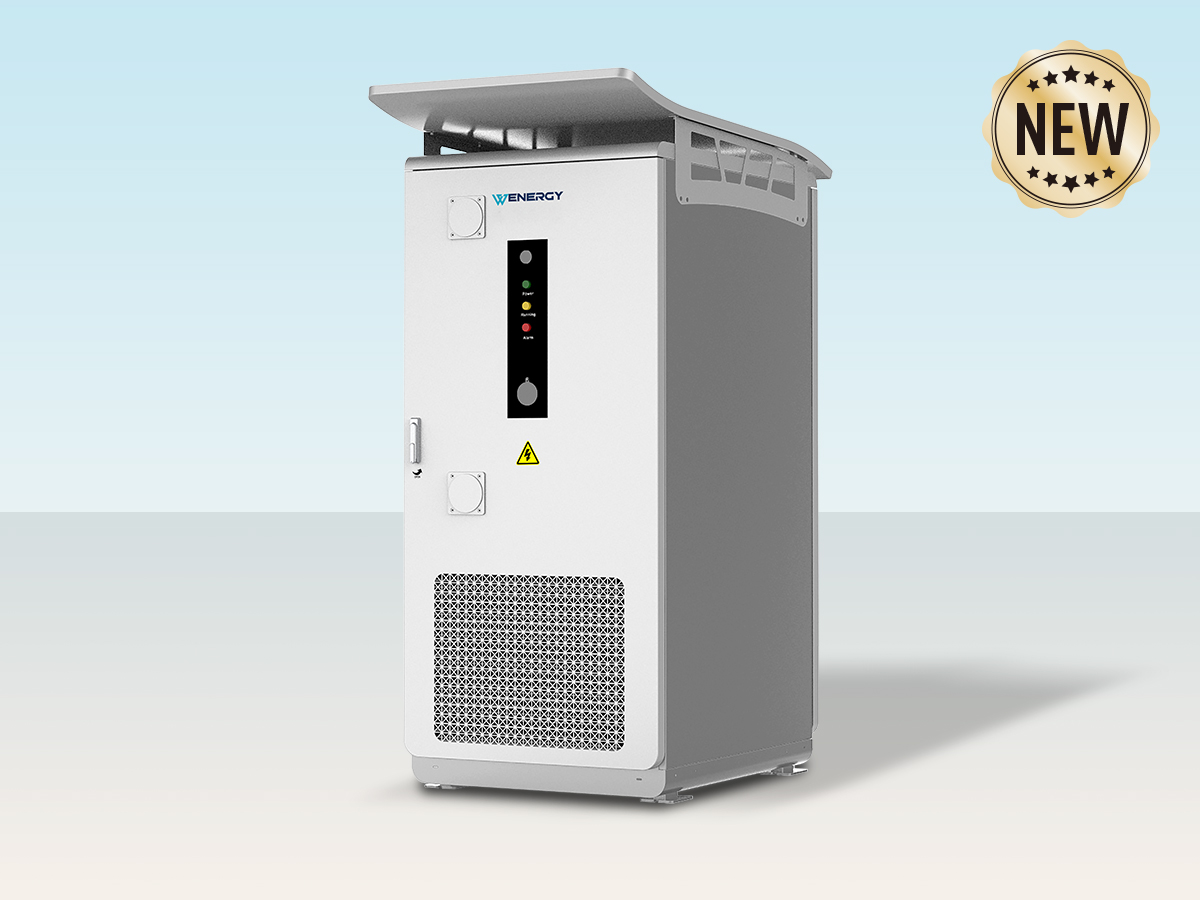
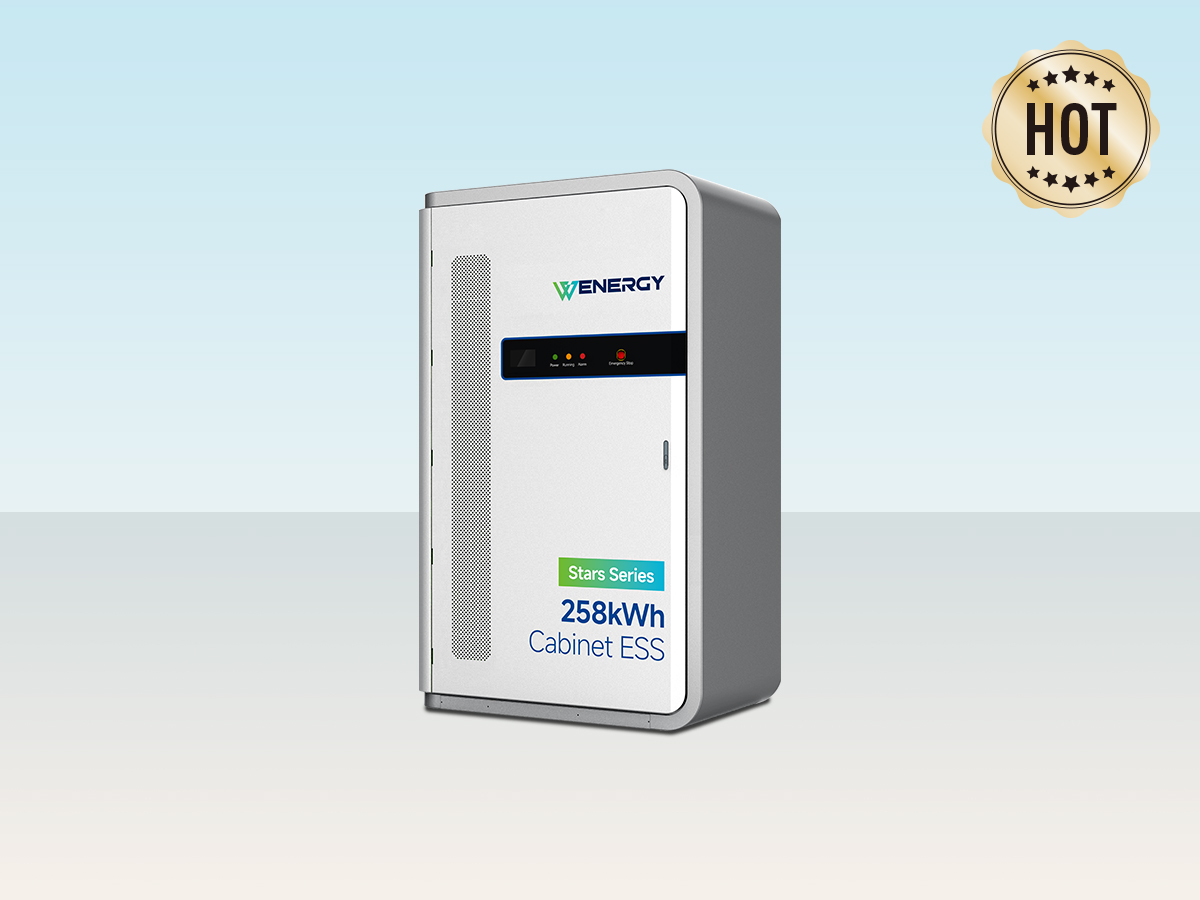
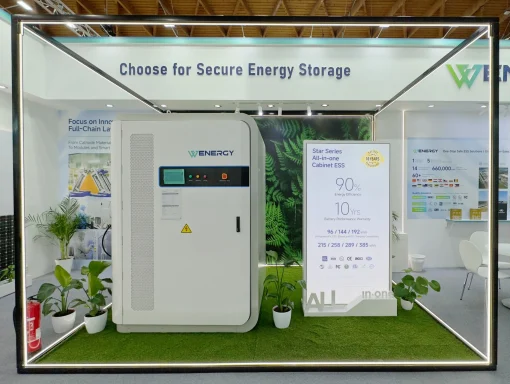
For any commercial or industrial energy storage investment, thermal stability is not an engineering nicety—it is a financial imperative. Better temperature control means longer battery life, higher usable throughput, and fewer maintenance events over the system’s lifetime. At Wenergy, our High ROI 261kWh Liquid Cooling C&I ESS Cabinet delivers exactly that. This advanced outdoor energy storage cabinet is an all-in-one system featuring battery, BMS, AC-DC converter, thermal protection, and fire protection. Its high-efficiency liquid cooling system ensures superior thermal balance, longer battery life, and stable performance under various environmental conditions. With support for Modbus, IEC104, and MQTT for easy integration, the 261kWh ESS from Wenergy combines thermal stability with smart connectivity. When your project demands a liquid-cooling energy storage system that maximizes returns through reliable thermal management, Wenergy provides the solution built to last.
Post time: Jun-12-2026