
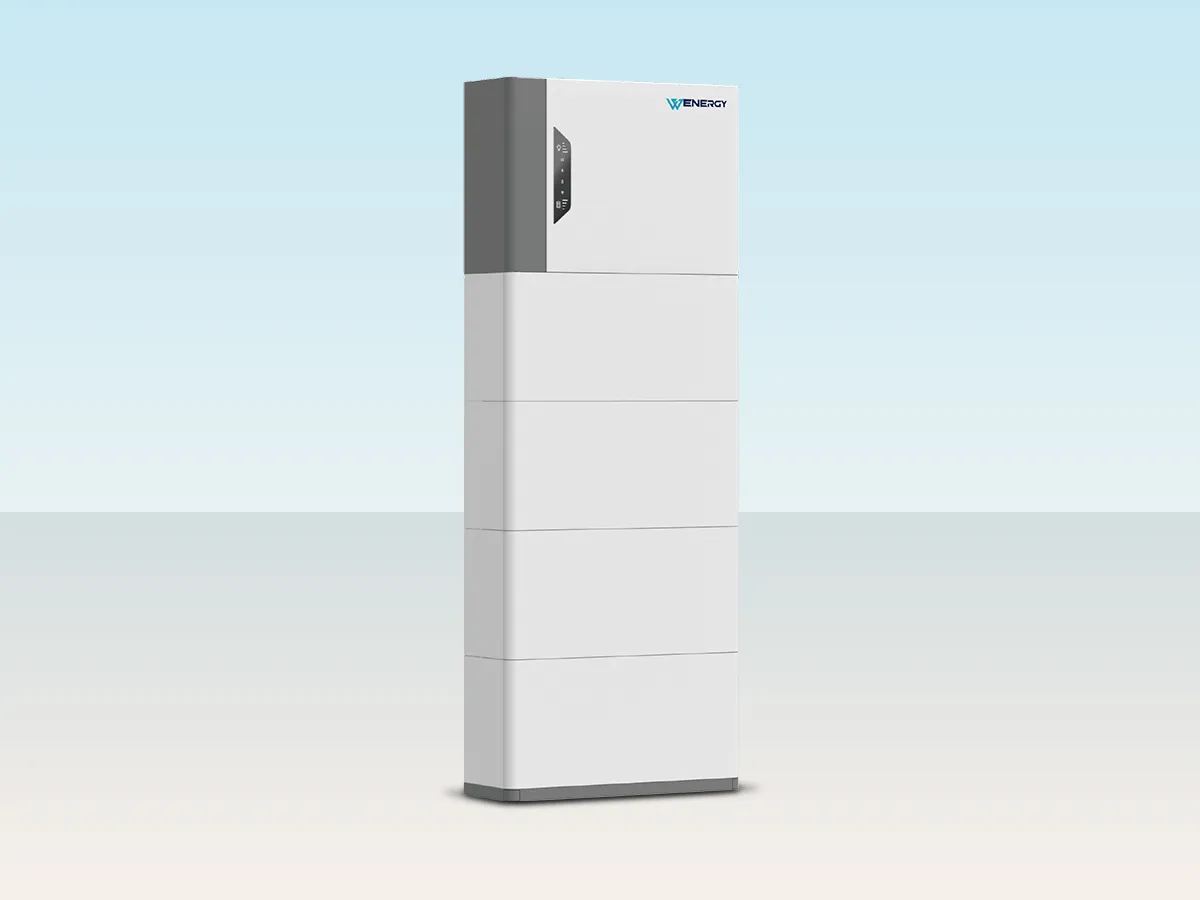
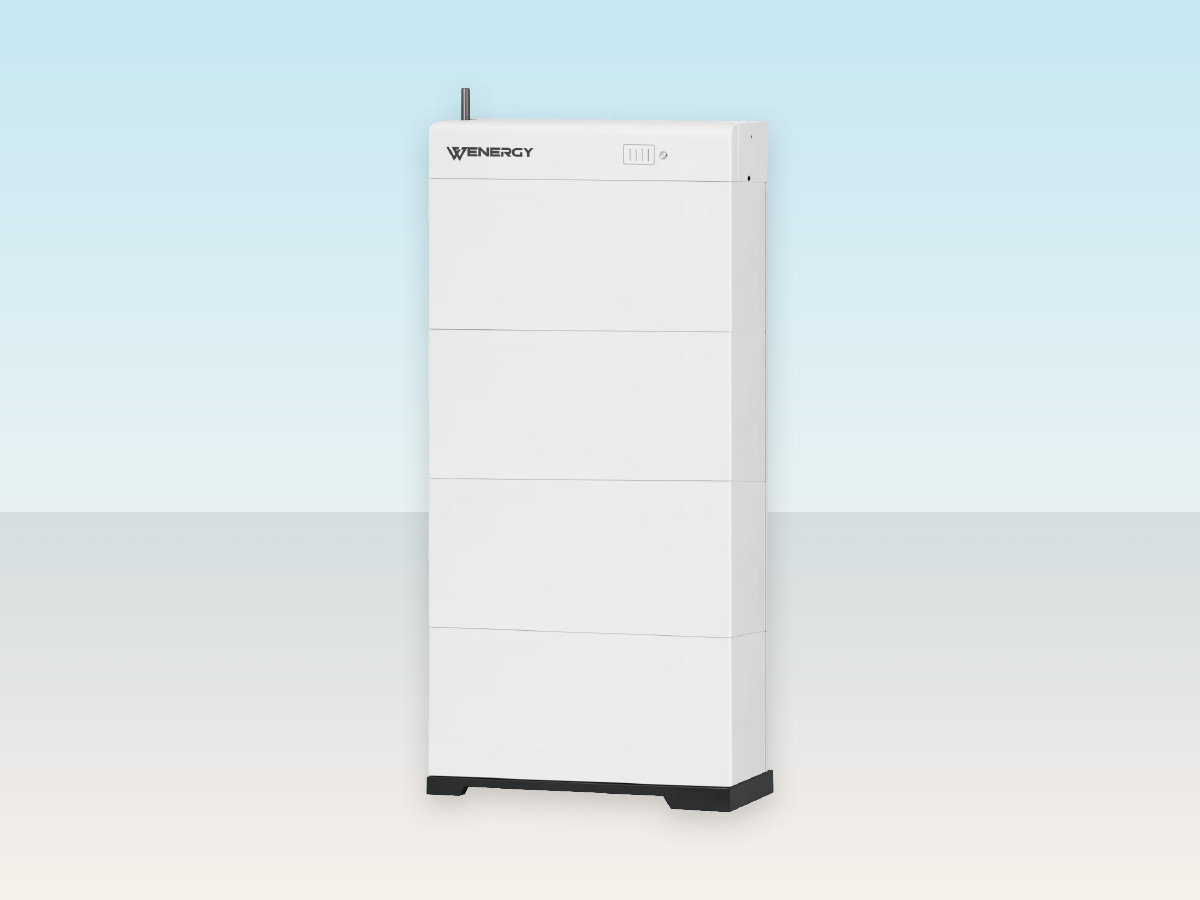
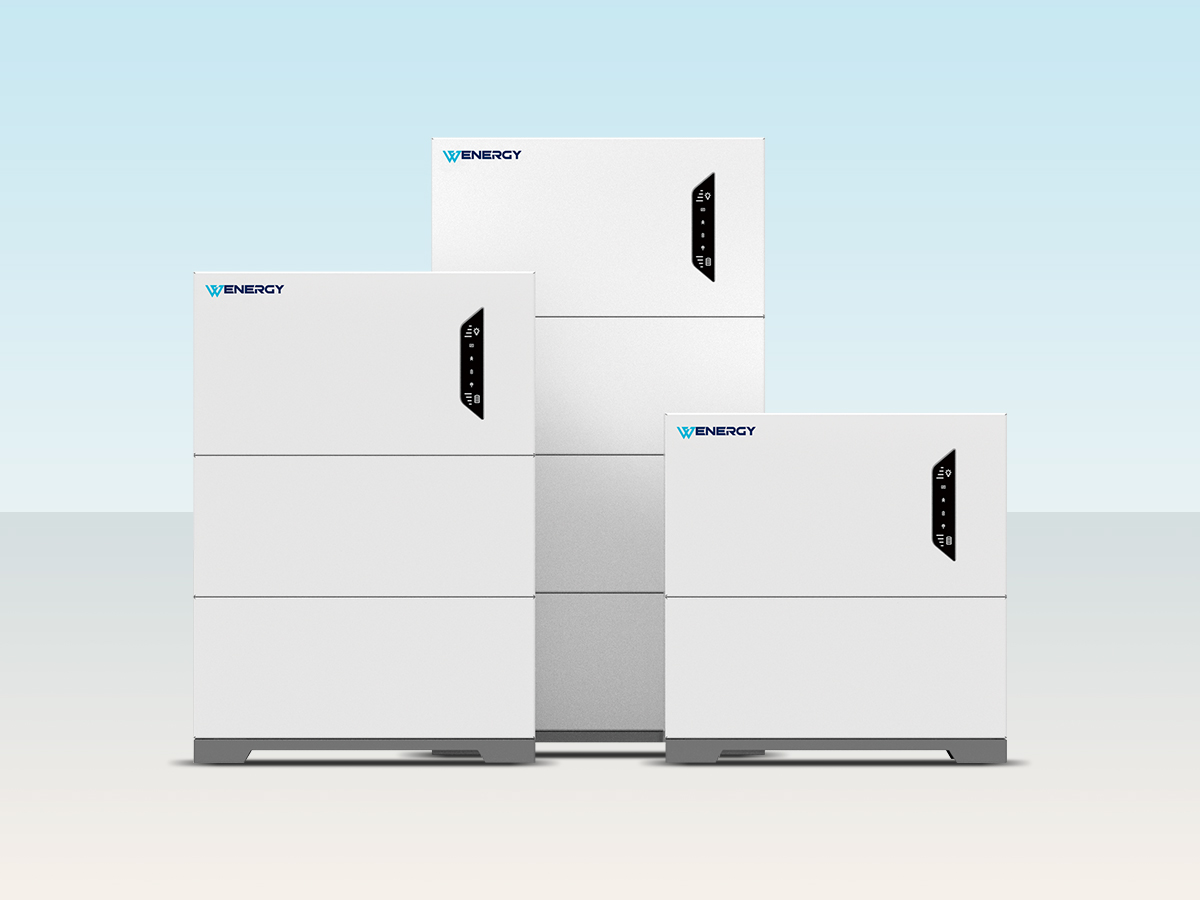
-

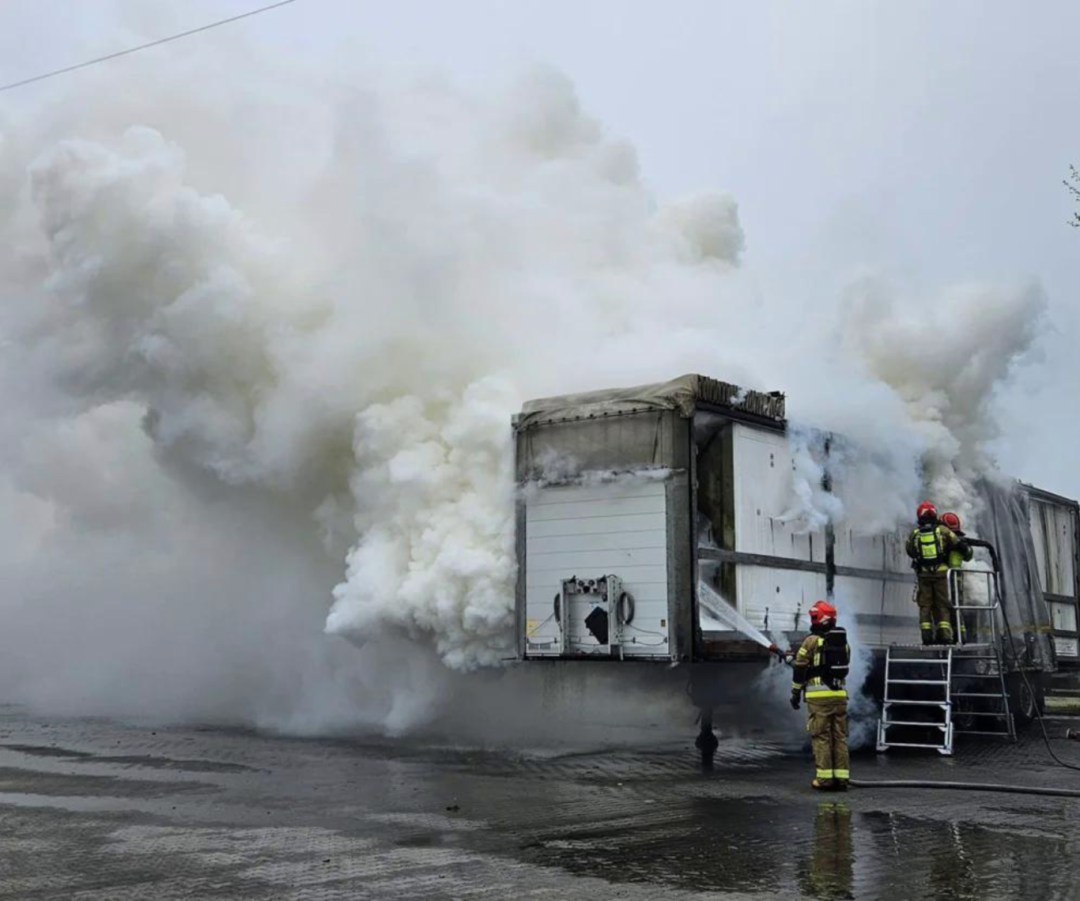
Why Safety is the True Metric of BESS Viability: Lessons from a Recent Fire Incident in Poland
As the deployment of Battery Energy Storage Systems (BESS) accelerates across Europe, discussions around cycle life, revenue stacking, and grid services often dominate the narrative. However, a recent fire incident in Poland serves as a stark reminder: safety remains the foundation of every succe...Read more -
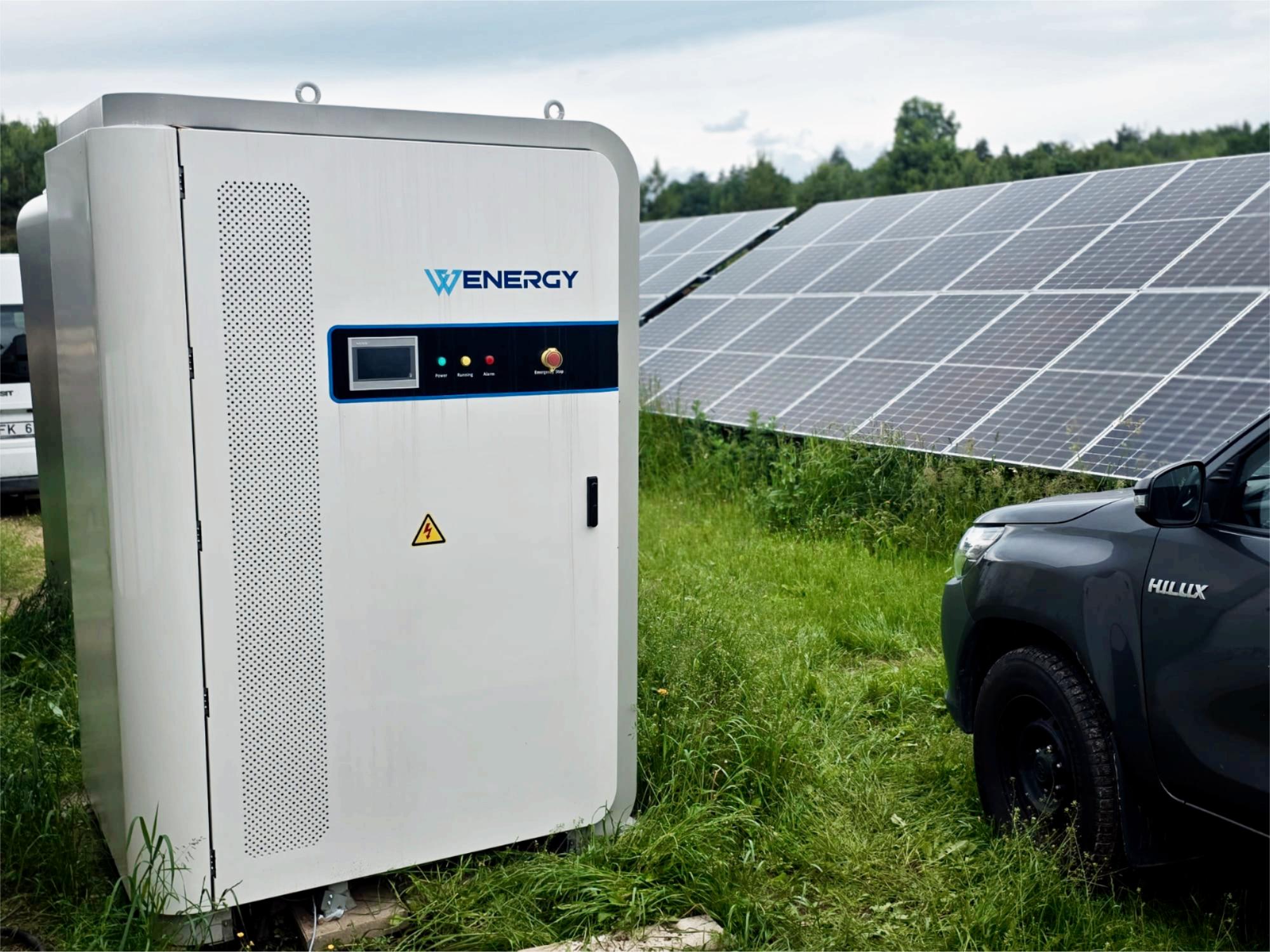
Commercial Solar + BESS Project in the Baltic Region
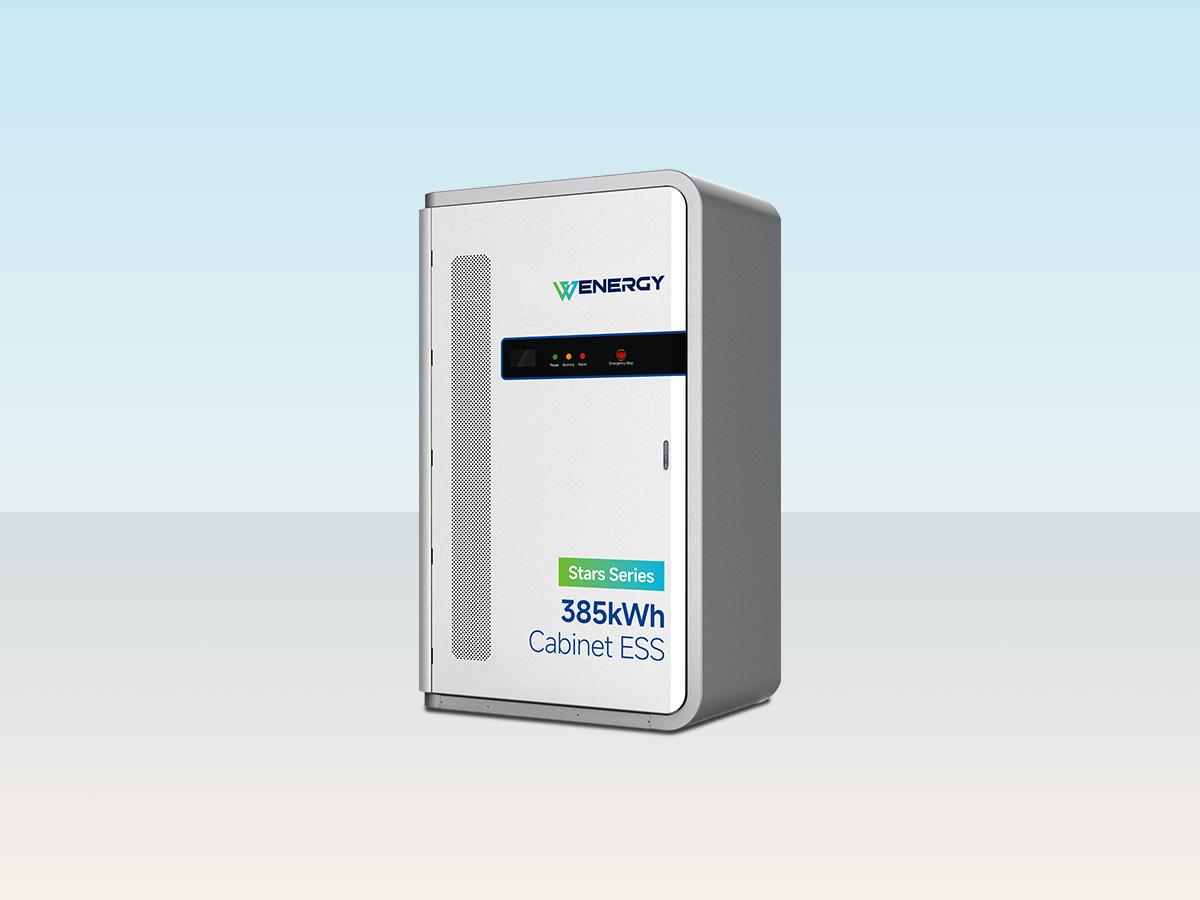
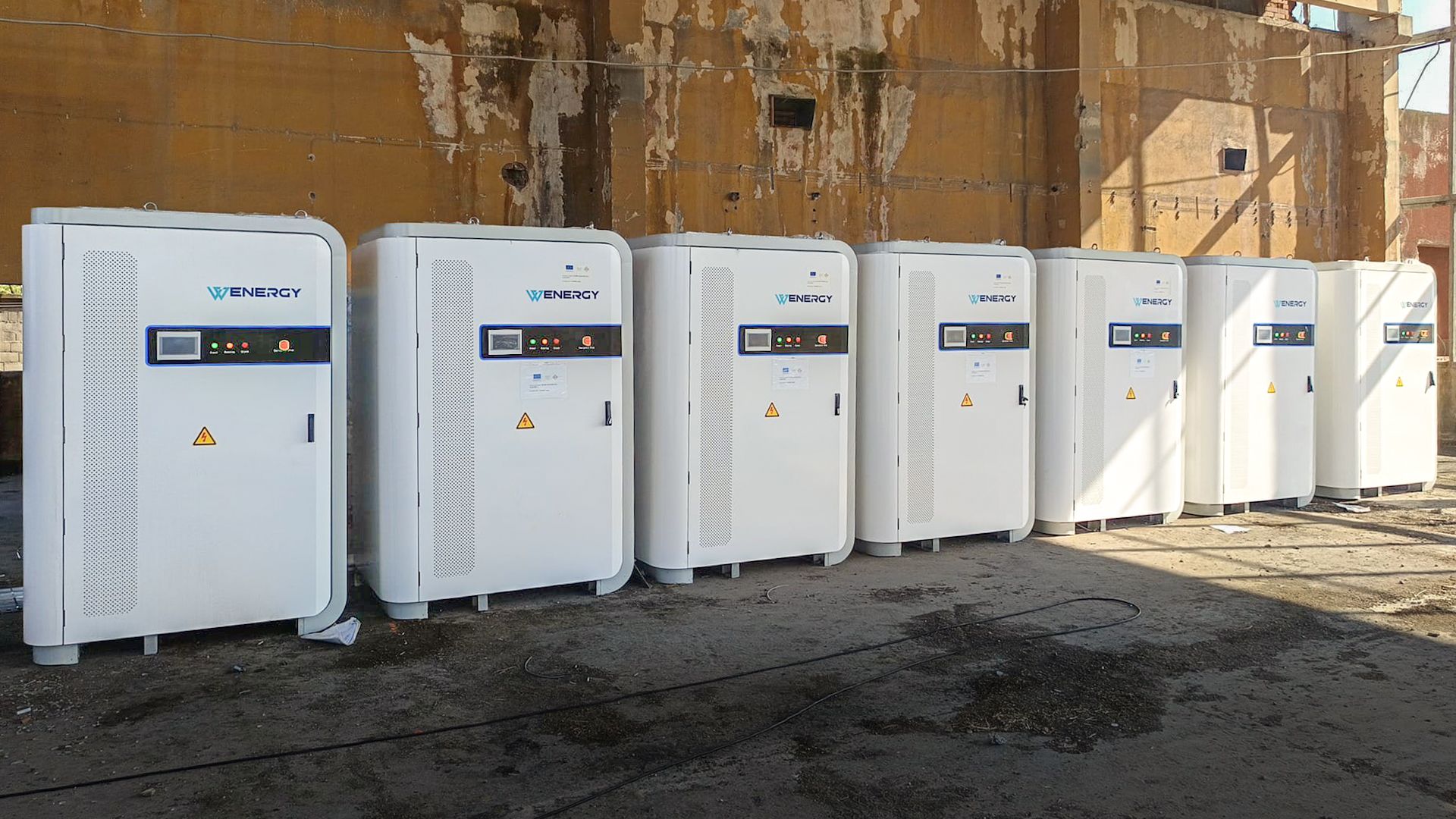
Project Overview Scale: 125KW / 516kWh Application: Commercial Solar + BESS Project The project combines two Stars Series 258kWh Cabinet ESS units with an on-site solar PV system and a third-party Energy Management System (EMS), supporting renewable energy integration, energy cost optimization,...Read more -
Common Misunderstandings About Liquid-Cooled Energy Storage Systems
As liquid-cooled technology gains traction in the commercial and industrial energy storage market, several misconceptions have taken root among project developers, facility managers, and system integrators. Some believe a liquid-cooling energy storage system is inherently prone to leaks and high ...Read more -
What Buyers Expect from a Liquid Cooling Energy Storage System Supplier
As commercial and industrial energy storage projects grow in scale and sophistication, buyers are becoming increasingly discerning about their technology partners. Nowhere is this more evident than in the market for liquid-cooled solutions, where performance promises directly impact project econo...Read more -
How Liquid Cooling Supports Consistent Performance Over Time
For commercial and industrial operators, an energy storage asset is only as valuable as its long-term reliability. Thermal management has become the defining factor in battery performance degradation, cycle life, and safety. Unlike conventional air-cooled systems that struggle with temperature gr...Read more -
Why Thermal Stability Matters in Liquid-Cooled Energy Storage Systems
Battery performance is fundamentally a function of temperature. Every lithium-ion cell operates optimally within a narrow temperature band—typically between 15°C and 35°C—and deviations in either direction degrade performance, accelerate aging, and increase safety risks. For commercial and indust...Read more

- English
- Chinese
- French
- German
- Portuguese
- Spanish
- Russian
- Japanese
- Korean
- Arabic
- Irish
- Greek
- Turkish
- Italian
- Danish
- Romanian
- Indonesian
- Czech
- Afrikaans
- Swedish
- Polish
- Basque
- Catalan
- Esperanto
- Hindi
- Lao
- Albanian
- Amharic
- Armenian
- Azerbaijani
- Belarusian
- Bengali
- Bosnian
- Bulgarian
- Cebuano
- Chichewa
- Corsican
- Croatian
- Dutch
- Estonian
- Filipino
- Finnish
- Frisian
- Galician
- Georgian
- Gujarati
- Haitian
- Hausa
- Hawaiian
- Hebrew
- Hmong
- Hungarian
- Icelandic
- Igbo
- Javanese
- Kannada
- Kazakh
- Khmer
- Kurdish
- Kyrgyz
- Latin
- Latvian
- Lithuanian
- Luxembou..
- Macedonian
- Malagasy
- Malay
- Malayalam
- Maltese
- Maori
- Marathi
- Mongolian
- Burmese
- Nepali
- Norwegian
- Pashto
- Persian
- Punjabi
- Serbian
- Sesotho
- Sinhala
- Slovak
- Slovenian
- Somali
- Samoan
- Scots Gaelic
- Shona
- Sindhi
- Sundanese
- Swahili
- Tajik
- Tamil
- Telugu
- Thai
- Ukrainian
- Urdu
- Uzbek
- Vietnamese
- Welsh
- Xhosa
- Yiddish
- Yoruba
- Zulu
- Kinyarwanda
- Tatar
- Oriya
- Turkmen
- Uyghur
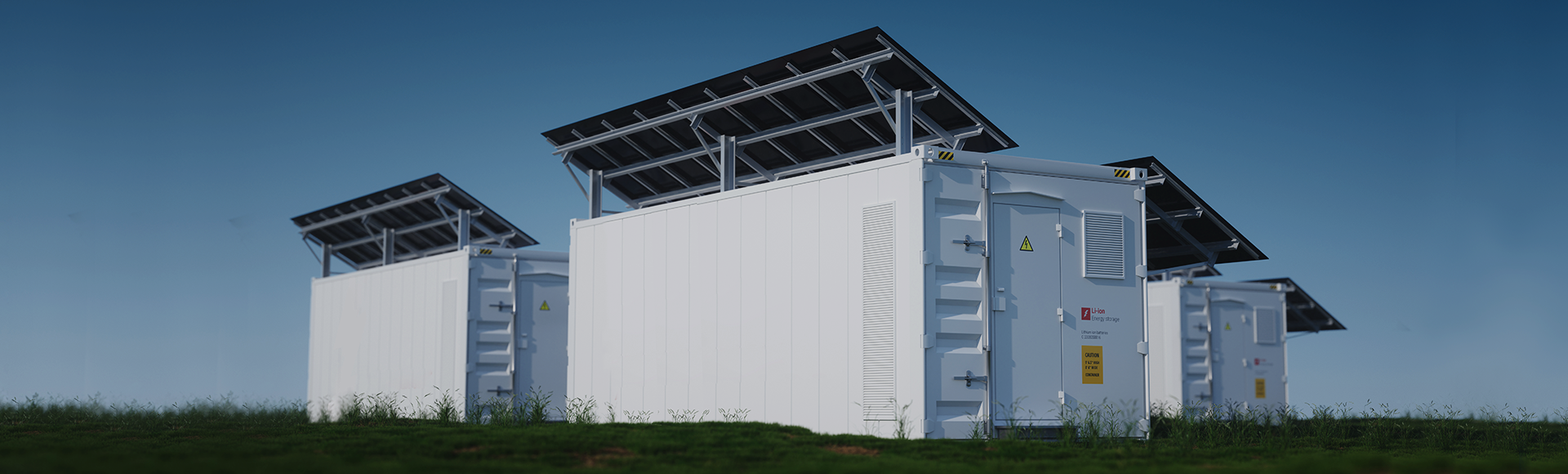
Request Your Customized BESS Proposal
Share your project details and our engineering team will design the optimal energy storage solution tailored to your objectives.